When It Stops Being a DIY Job
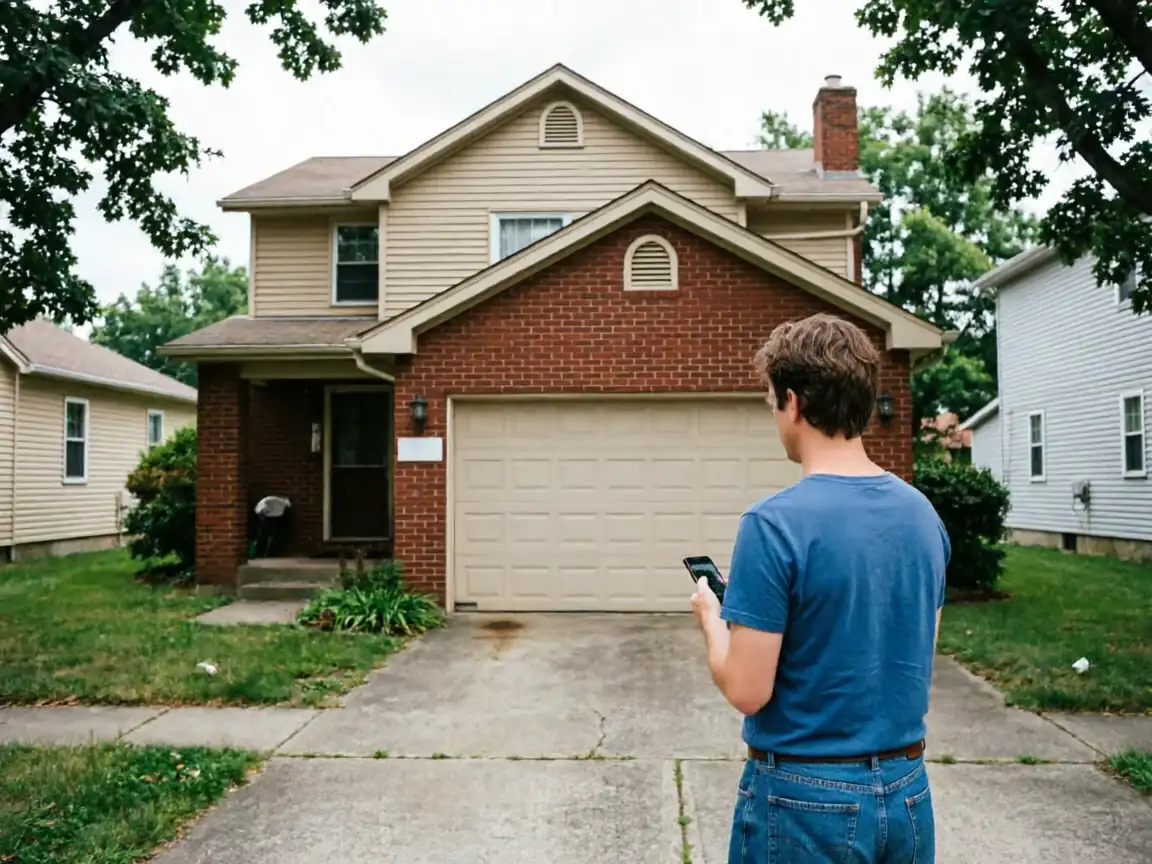
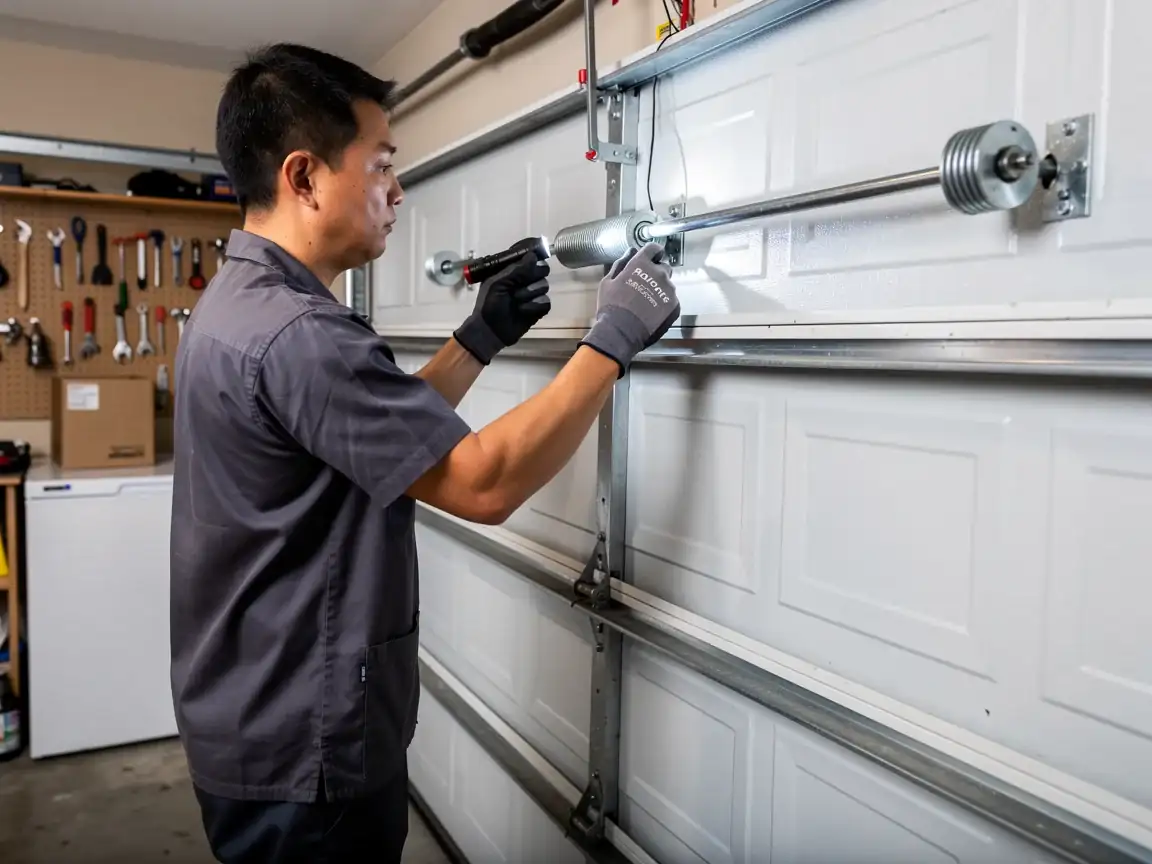
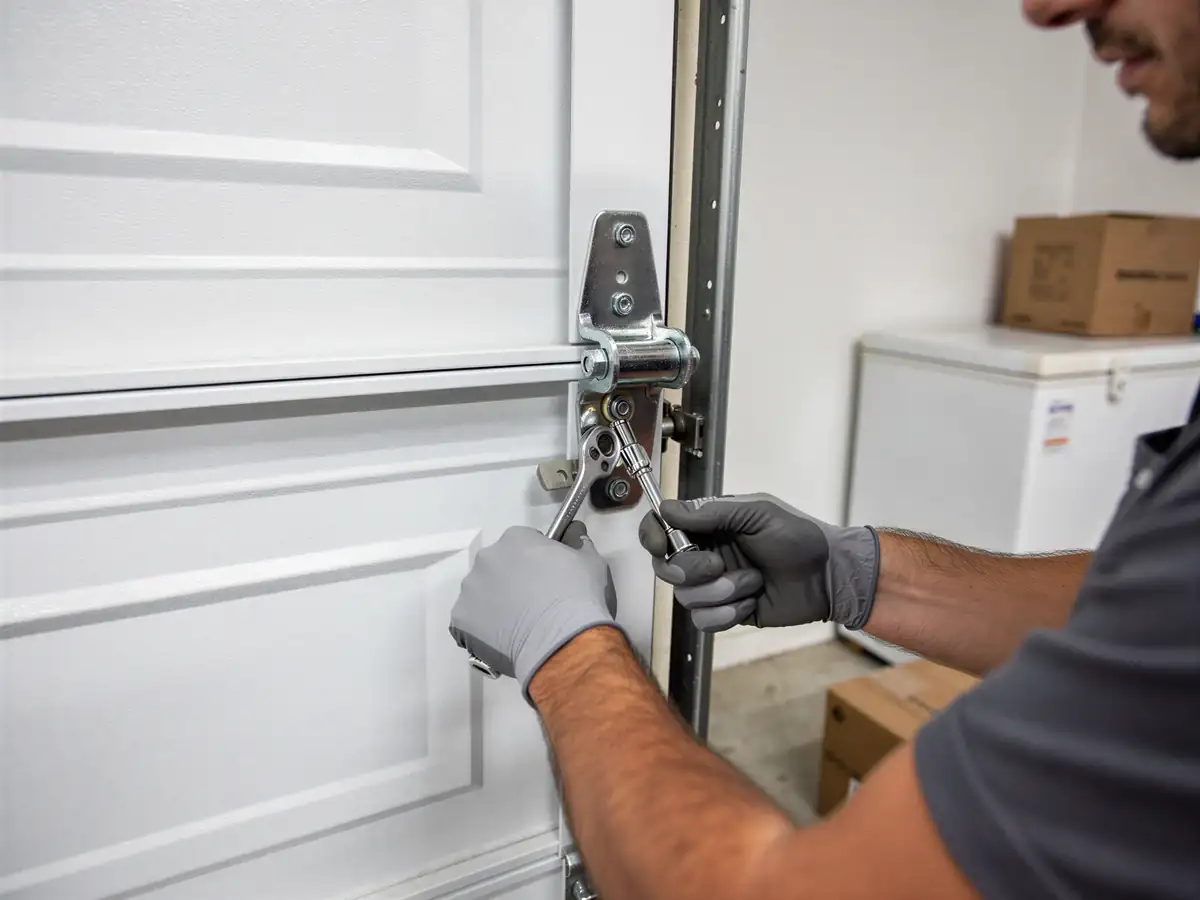
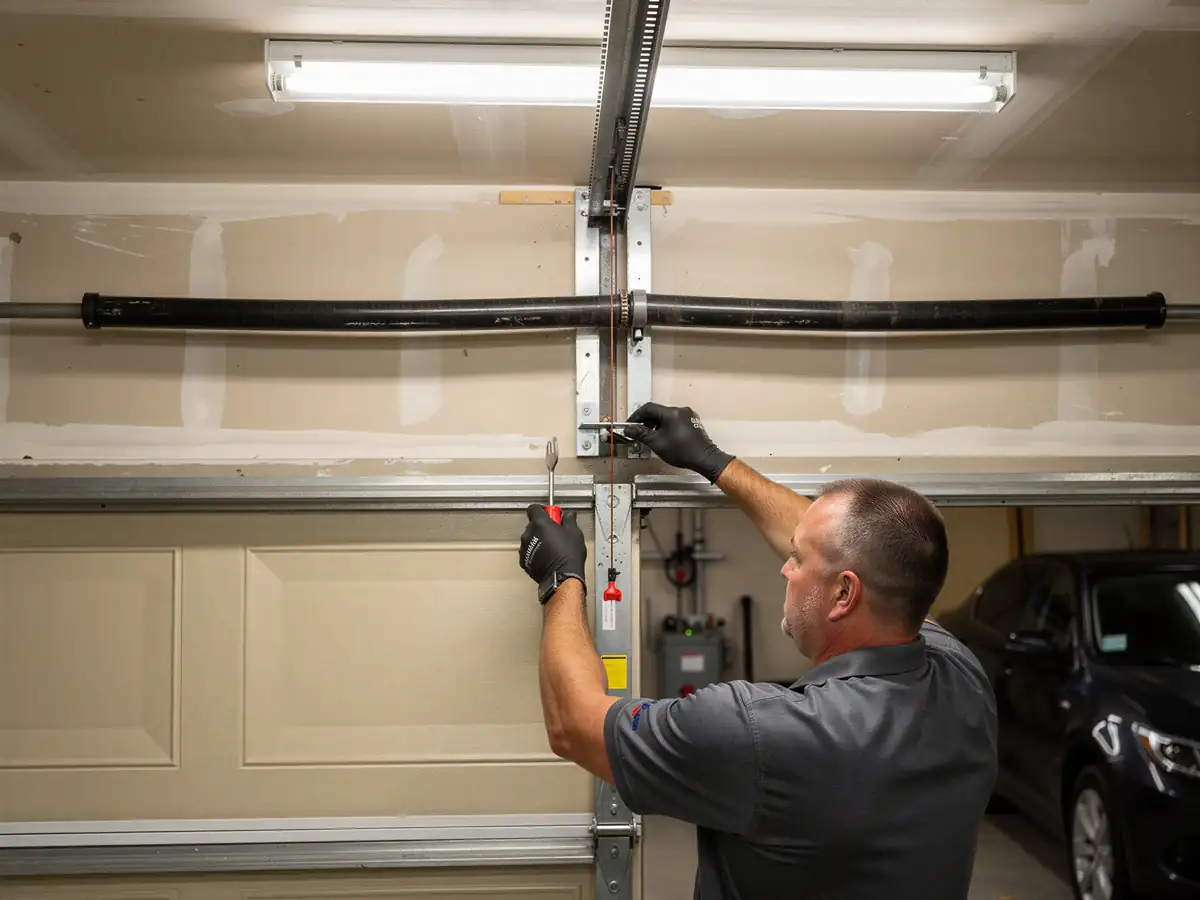
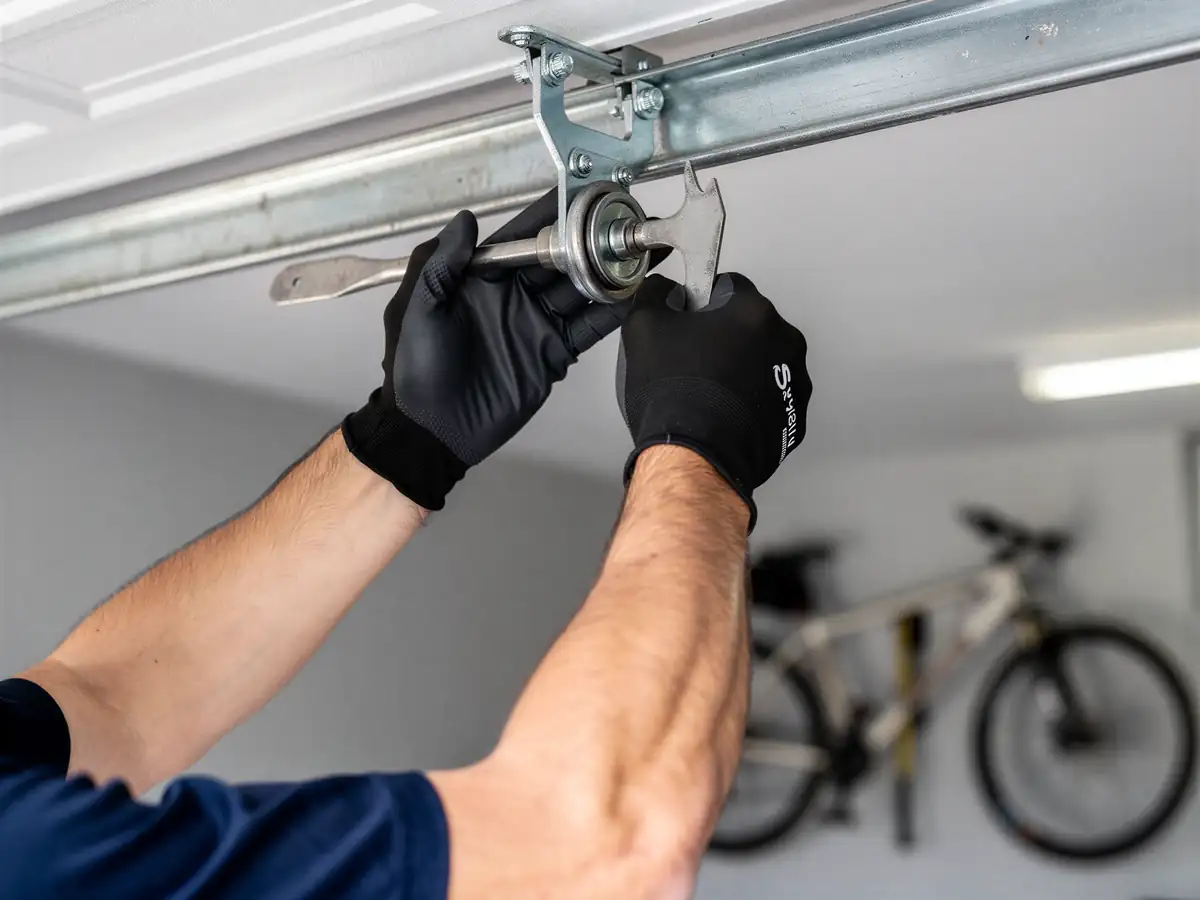
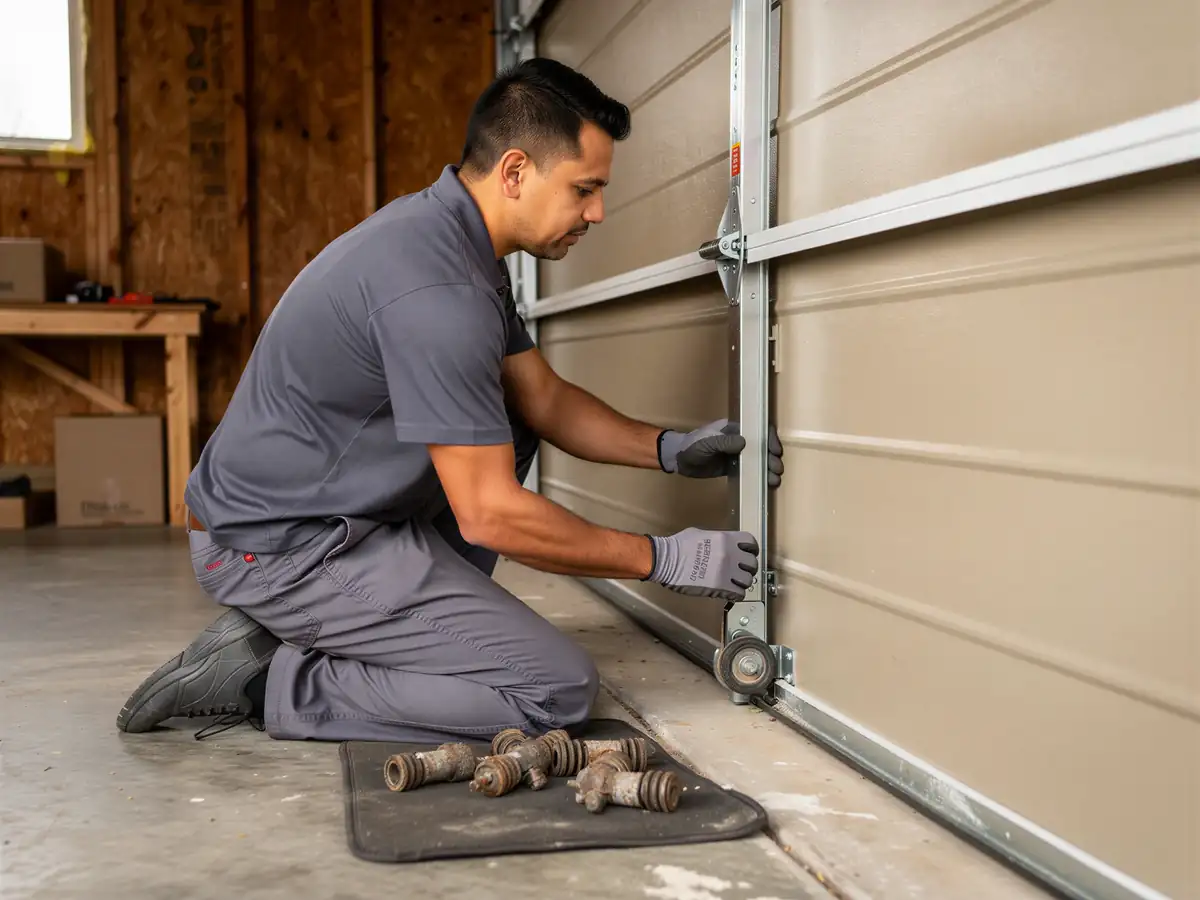
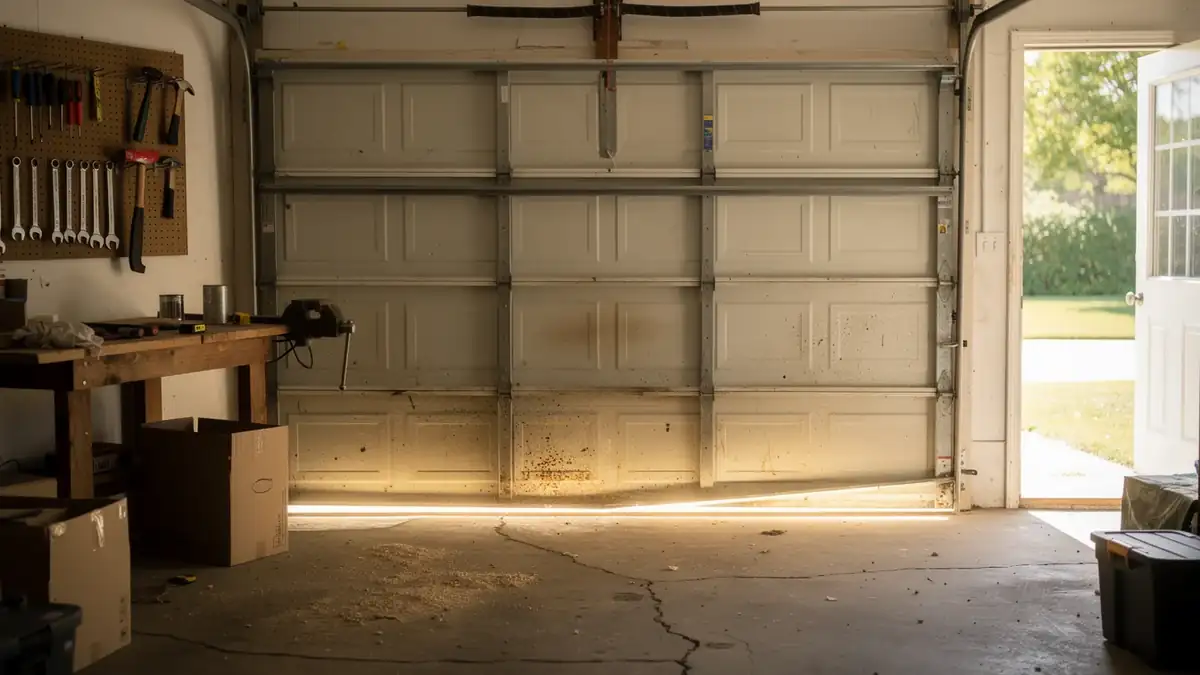
Most houses around Des Moines went up between 1959 and 2009, with the typical build year sitting at 1995. That puts a huge share of the doors in this city at an age where the original torsion springs, cables, and track hardware are at or past their rated cycle count. Tightening a loose hinge or swapping a roller is reasonable weekend work. A torsion spring under tension is not - it's wound tight enough to snap a wrench or break a finger, and on a door this age the spring, the cable, and the drum are usually all tired together, not just one part.
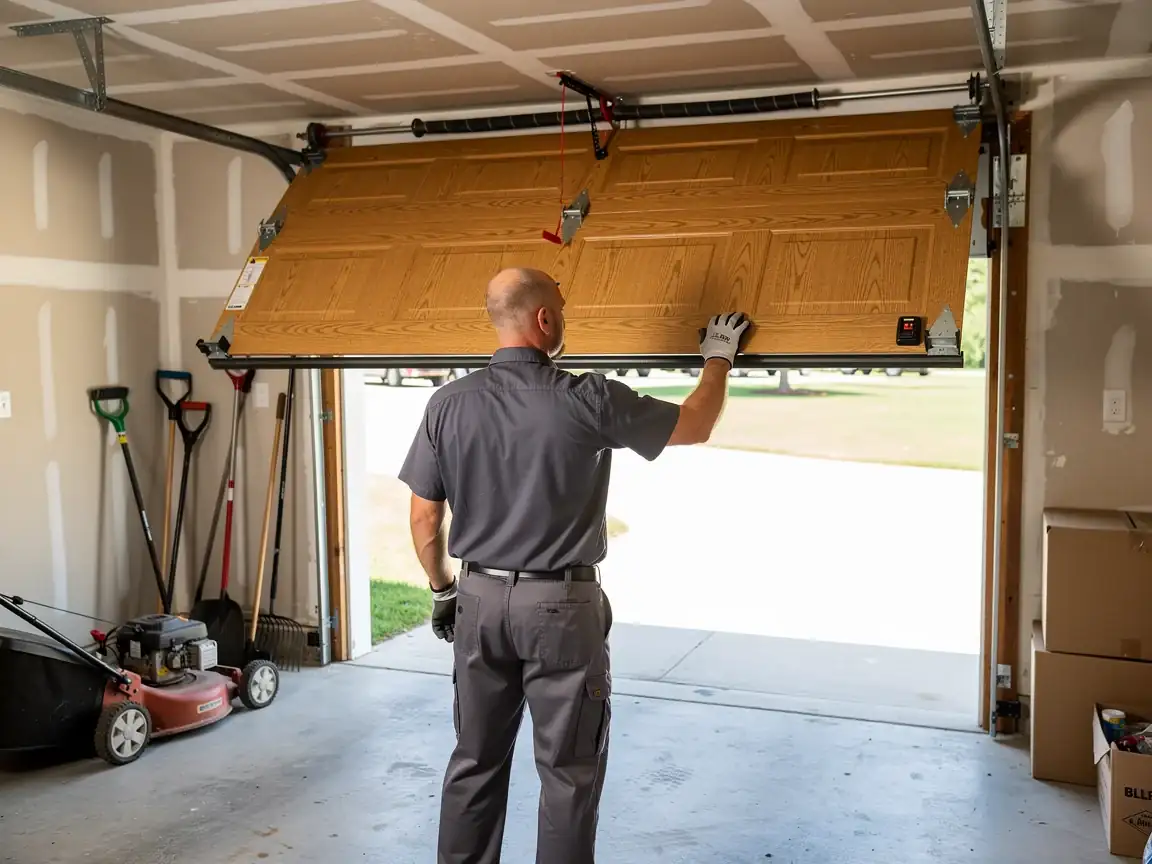
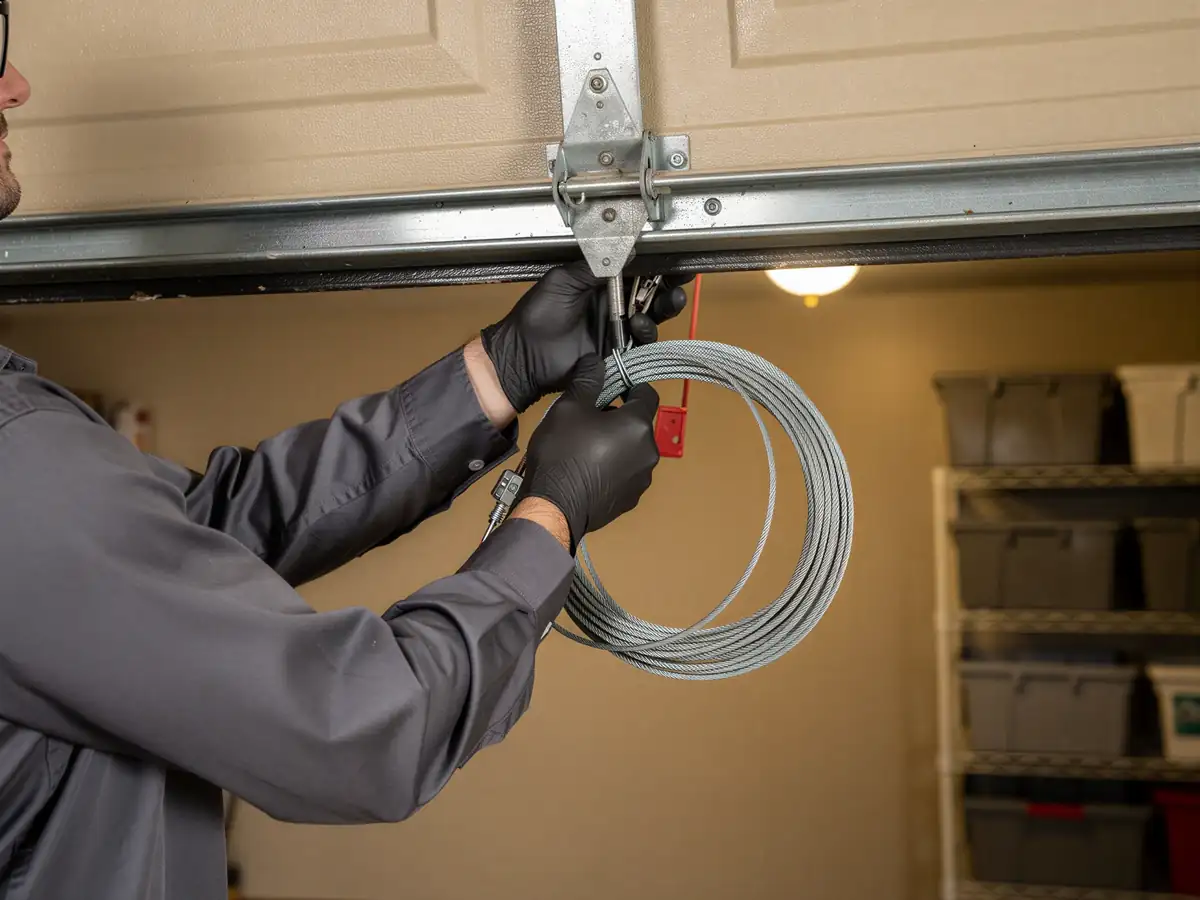
If your door is slow to open, drifts off-track, or the opener strains and reverses, that's the hardware telling you it's done, not a lubrication problem. On the 1980s-90s stock common across neighborhoods like we see the same failure pattern over and over: the spring goes first, then the cable that was carrying extra load follows within a season. Catching it at the spring stage is a repair. Catching it after the cable snaps usually means a damaged track or bent panel too.
The Problem
The core issue in Des Moines isn't exotic - it's math
A big slice of the area's 45,923 owner-occupied houses were framed in that same 1980s-and-90s window, which means thousands of doors are reaching spring end-of-life within a few years of each other. Springs here are rated in cycles, not years, and a door used twice a day for 25-30 years has usually burned through its rated life regardless of how clean the garage looks.
- 45,923 owner-occupied
- 30 years
The second piece is that these houses often still carry their original torsion hardware
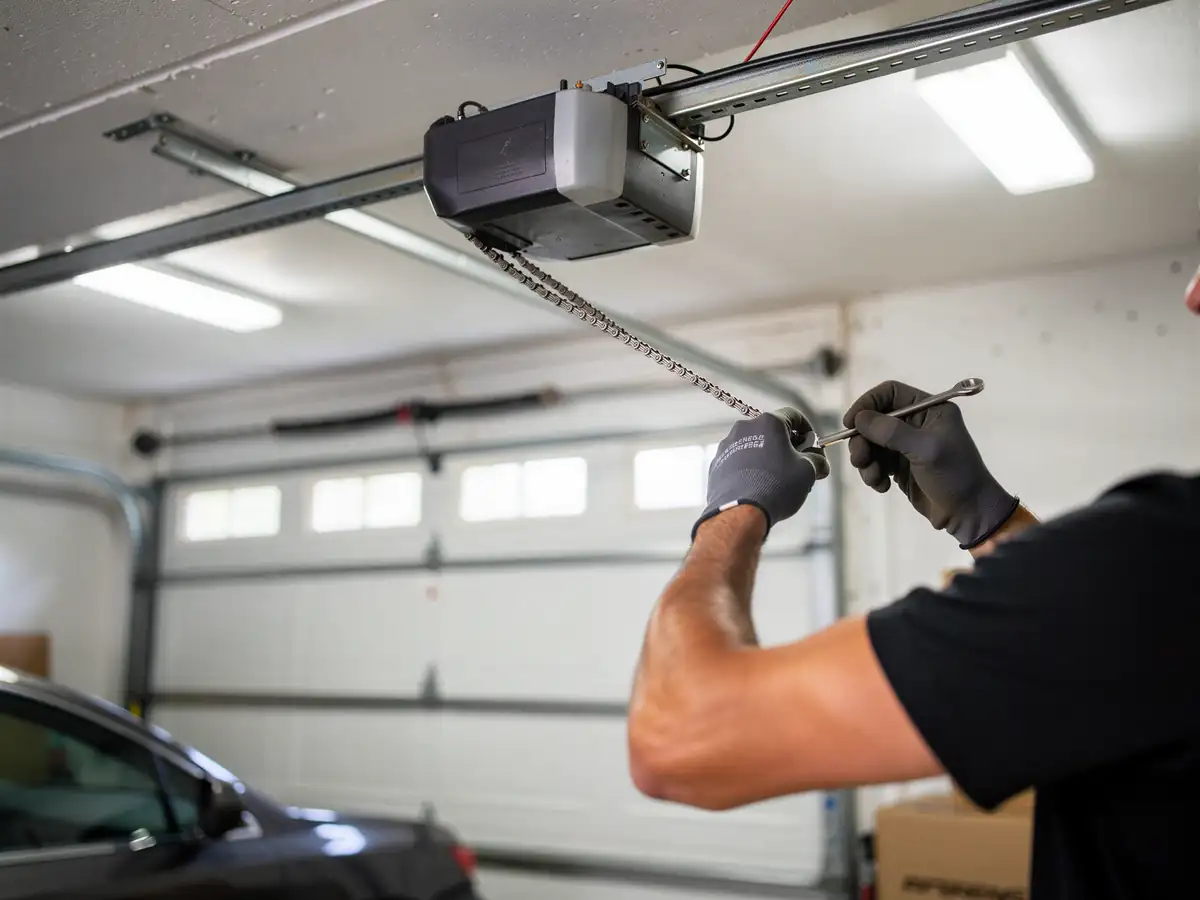
Not the newer dual-spring setups - so when one spring fails, the opener tries to lift the full weight of the door on the other side alone. That's what burns out opener gears and strips the drive belt, turning a $200 spring job into an opener replacement if it sits too long. We see this pattern enough across the service area that it's not bad luck, it's the age of the stock.
What the Weather Here Does to It
Des Moines sits in a cold, moderate climate band, which means the door hardware goes through a real freeze-thaw cycle every winter, not just a cold snap or two. Steel springs and tracks contract in the cold, and factory grease thickens enough to slow the opener down or make it strain on the first few openings of a cold morning. That extra strain on already-aged hardware is often what pushes a spring from worn to broken in January rather than June.
Moisture matters too. A garage door that sits half-open or gets snow-packed at the bottom seal lets water track up the tracks and rollers, and freeze-thaw cycling speeds up rust on cables and hinges that are already decades old. If your door has started groaning or catching only in winter, that's usually the cold tightening tolerances on parts that were already loose. It's not a sign the door is defective - it's a sign the clearances have worn past what the hardware can take once the temperature drops.
When Waiting Is Fine
Not everything needs a same-week call. A cosmetic dent in a panel, a squeaky hinge that still moves freely, or a weatherstrip that's cracked but not letting in real drafts - those can wait until it's convenient, and they're often cheaper to bundle into one visit than to chase one at a time.
Where waiting stops being fine is anything load-bearing: a spring that's visibly stretched or gapped, a cable that's frayed, or a door that's started sagging on one side. Those don't get better with time, and on hardware already pushing 25-30 years old, a small failure usually becomes a bigger one within weeks, not months.
With a median household income of $98,333 across the service area, most owners here are in a position to replace a tired door instead of patching the same panel every winter, and for a door built in the 1980s or 90s, replacement is often the better math than a third repair. We'll tell you honestly when a fix is worth it and when it isn't - we don't have a reason to talk anyone into a new door they don't need.