When It Stops Being a DIY Job
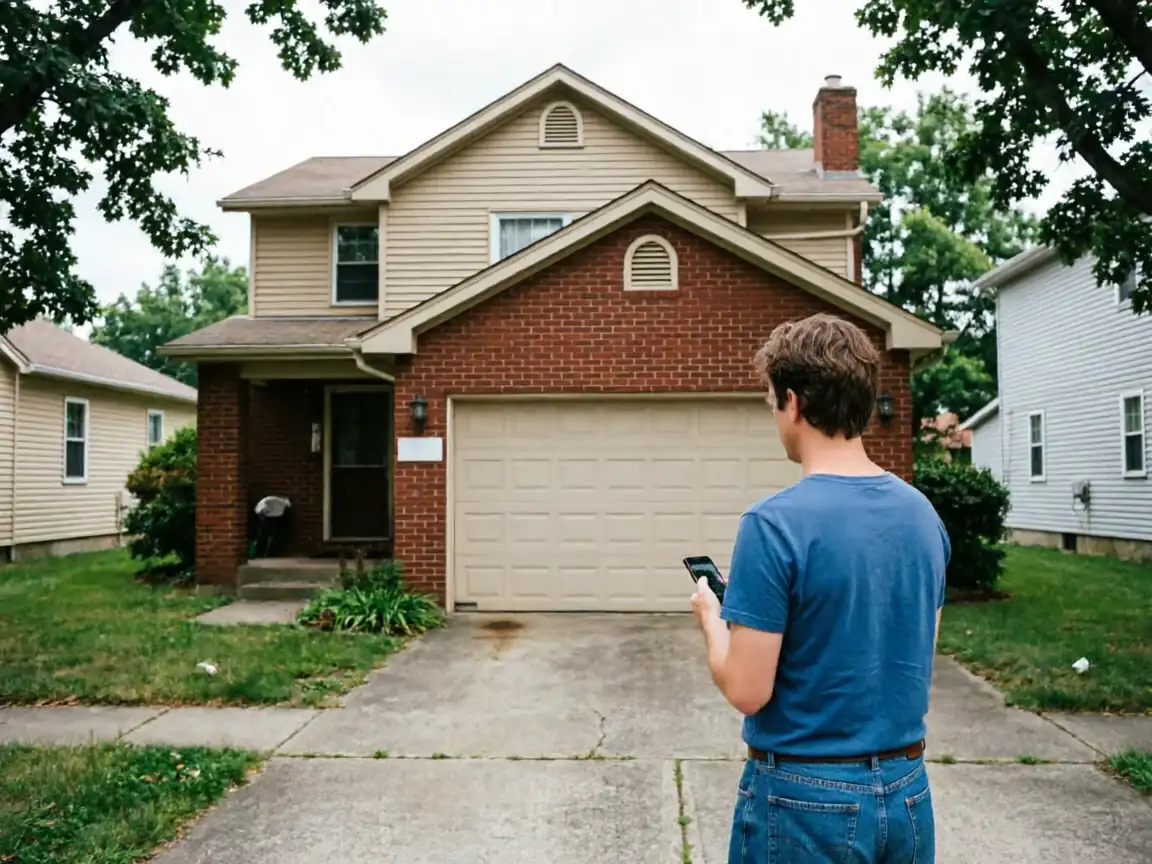
Most of the housing stock in Des Moines went up between 1959 and 2009, with the median build year sitting around 1995. That means the door in front of you is probably original to a house built during a stretch when torsion spring hardware, steel panel construction, and chain-drive openers were standard. A door that age has had two or three decades of cycles on the same spring, the same rollers, the same hinges.
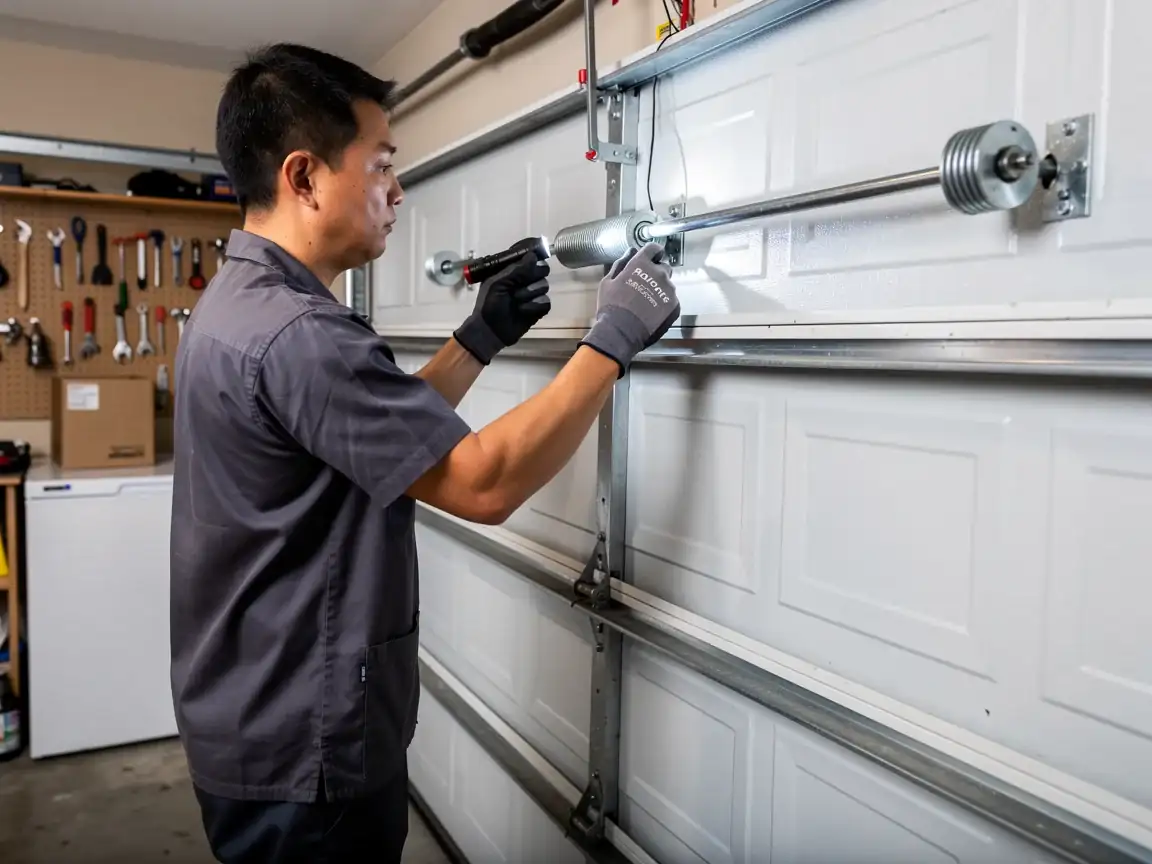
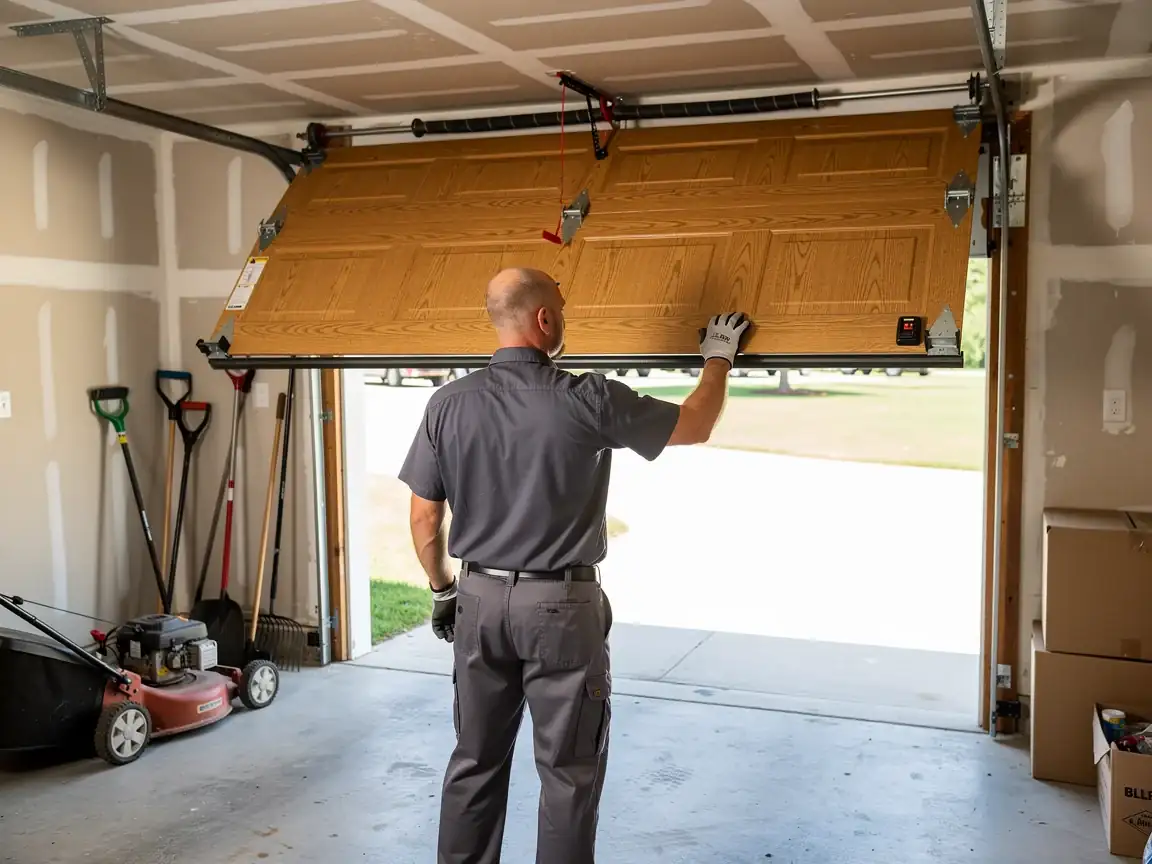
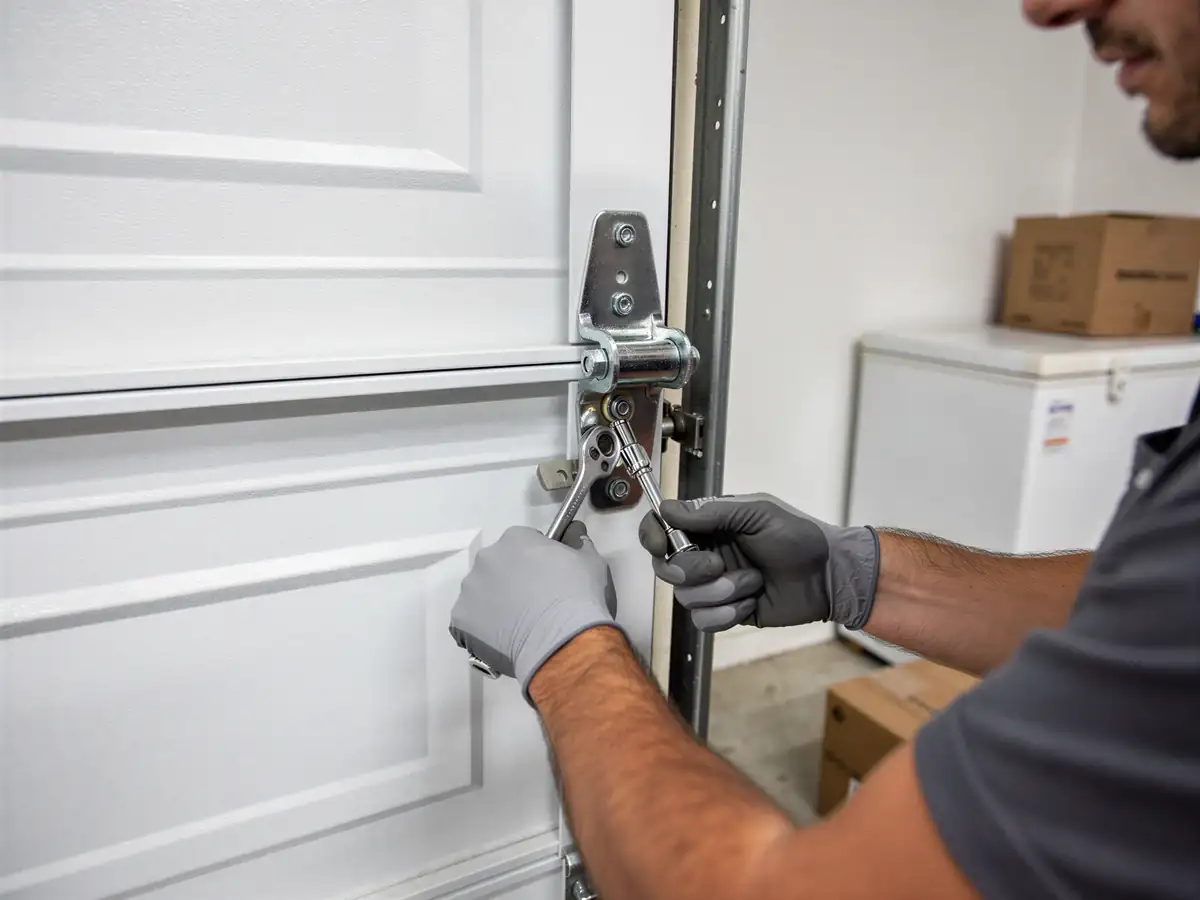
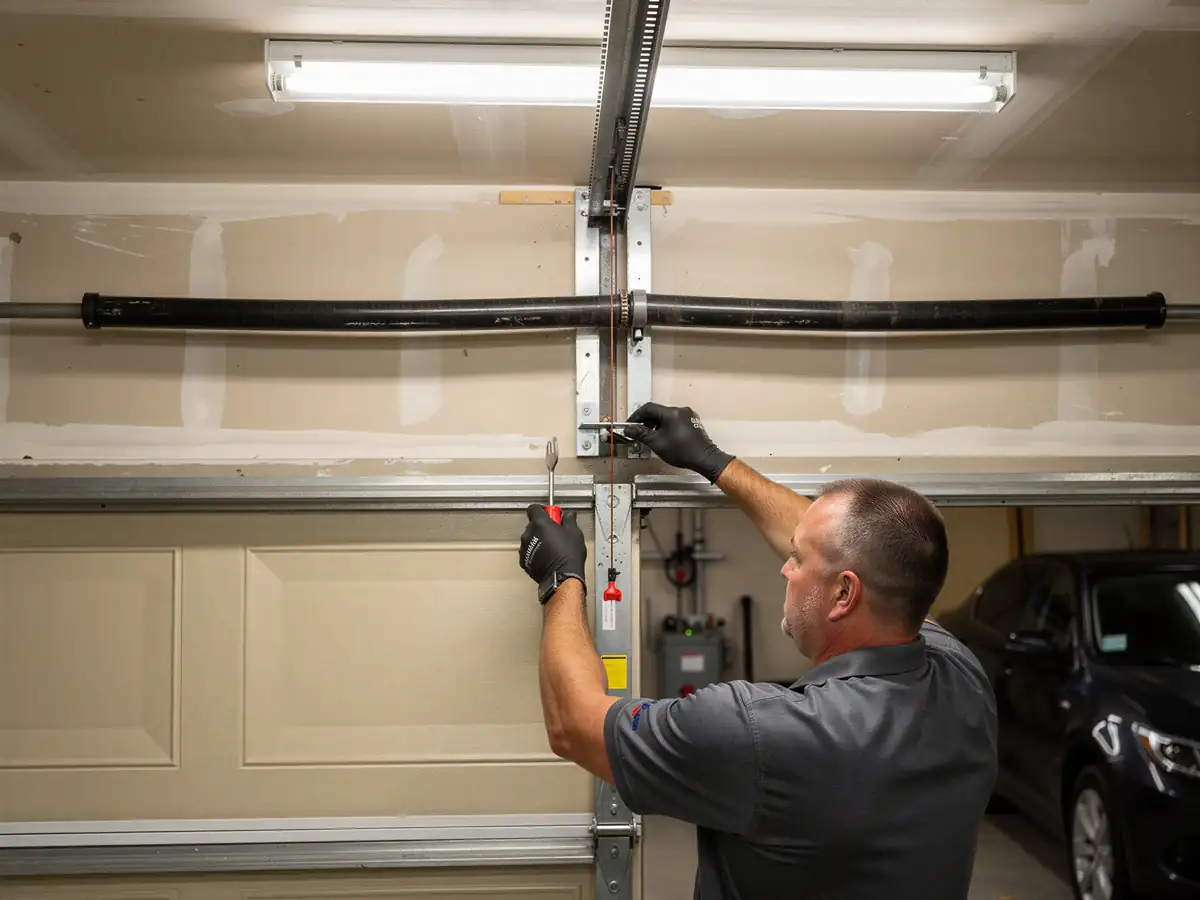
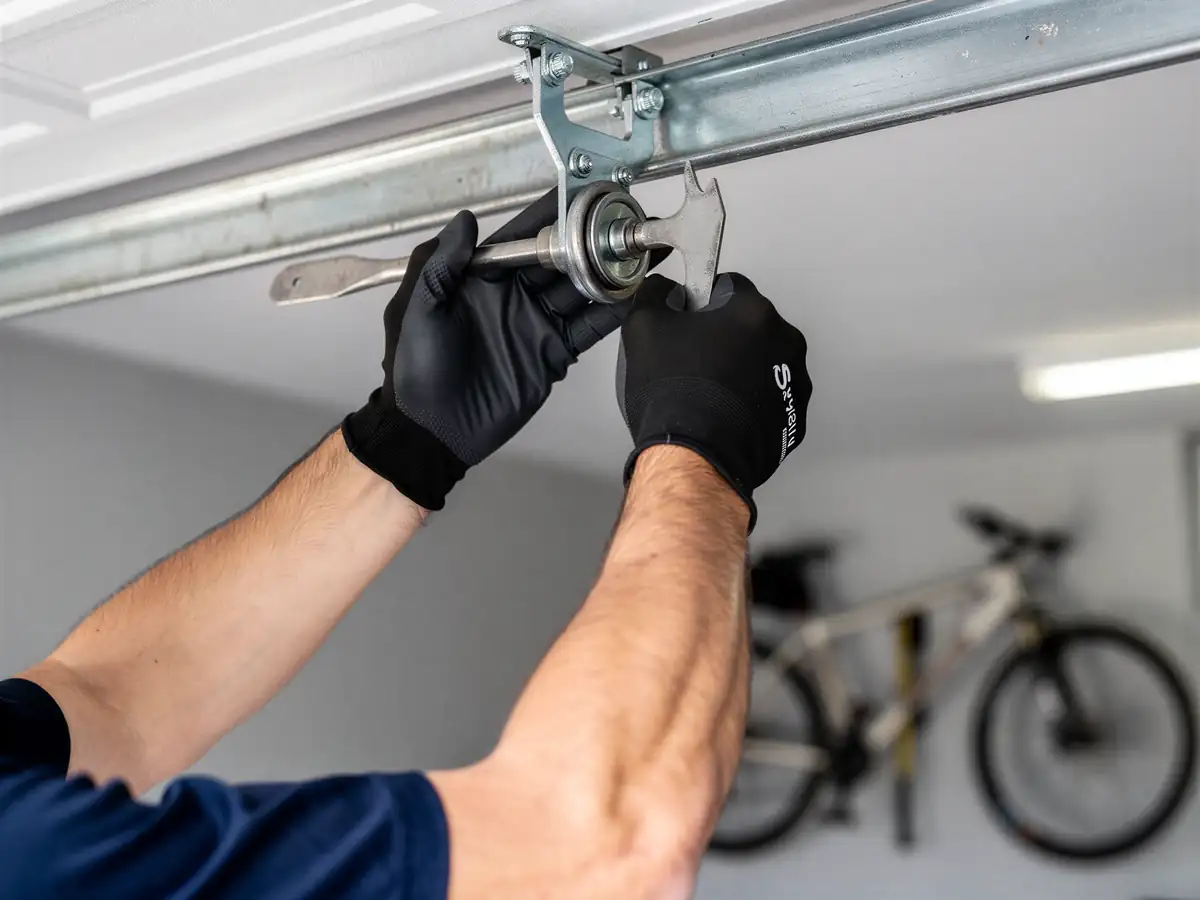
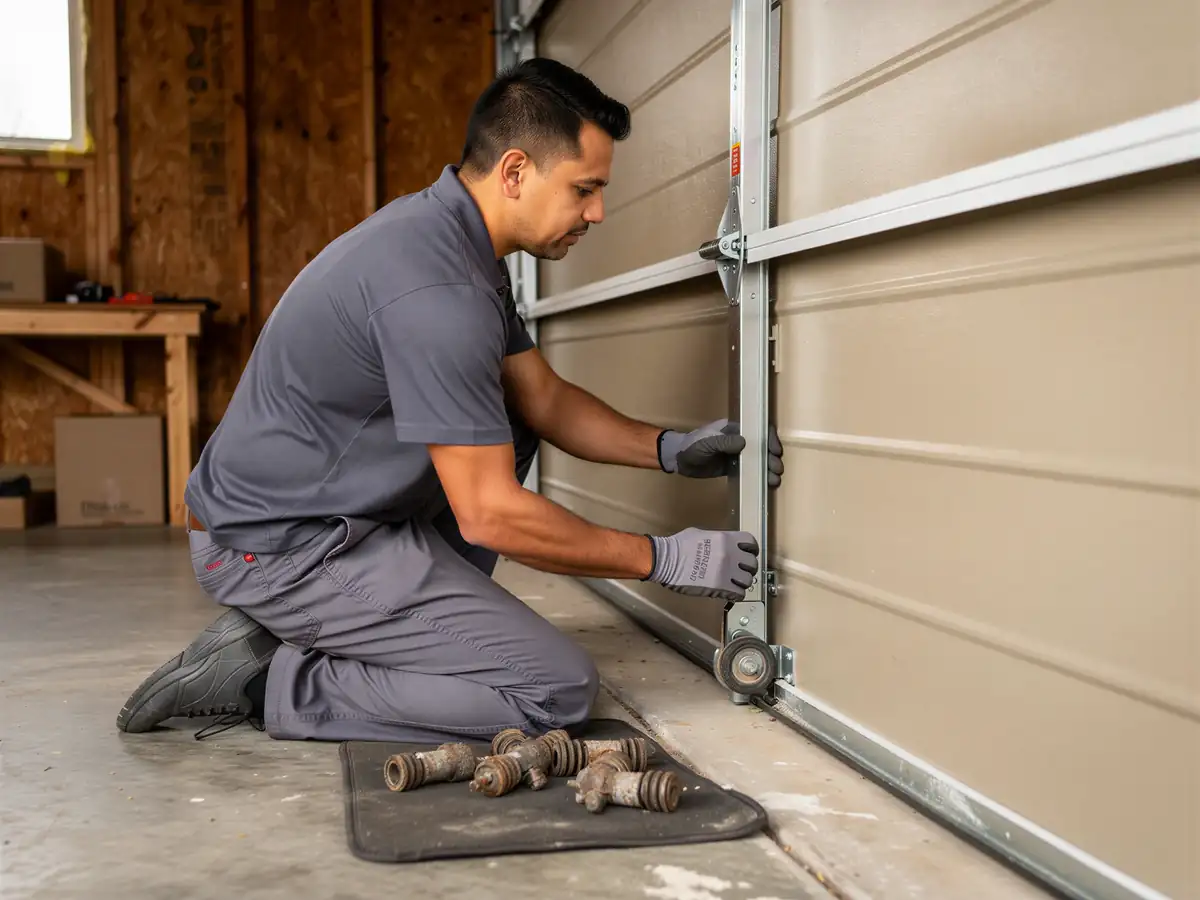
Swapping a bottom roller or tightening a loose hinge is fine with a ladder and a Saturday afternoon. A torsion spring under load is not. These springs store enough force to break a hand or worse if the winding bars slip, and on a door from this era the spring is almost always original and well past its rated cycle count. If the door won't stay open on its own, if it slams the last foot of travel, or if you hear a loud bang from the garage followed by the door refusing to move, that's a spring failure. Call someone for that one.
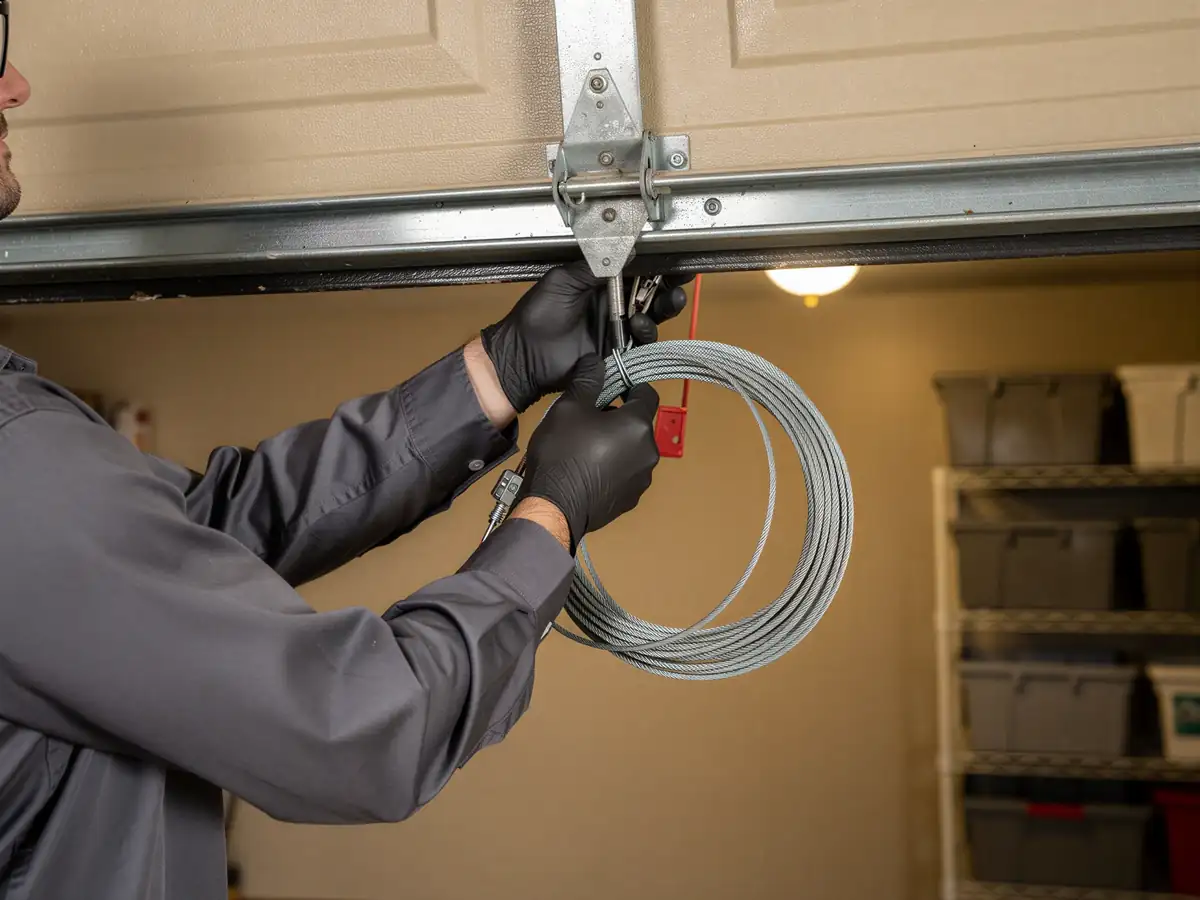
Same goes for cable replacement and anything involving the torsion tube itself. Panels, weatherstripping, and opener sensors are reasonable DIY. Springs and cables aren't, regardless of how handy you are.
The Problem
Neighborhoods like are mostly 1980s and 90s stock
Which means steel panel doors on galvanized torsion springs with a service life in the 20 to 25 year range. A lot of these doors are now well past that window. The symptom isn't always dramatic - sometimes it's just a door that feels heavier to lift by hand than it used to, or an opener that strains and clicks before it catches.
- 25 year
That strain is the giveaway
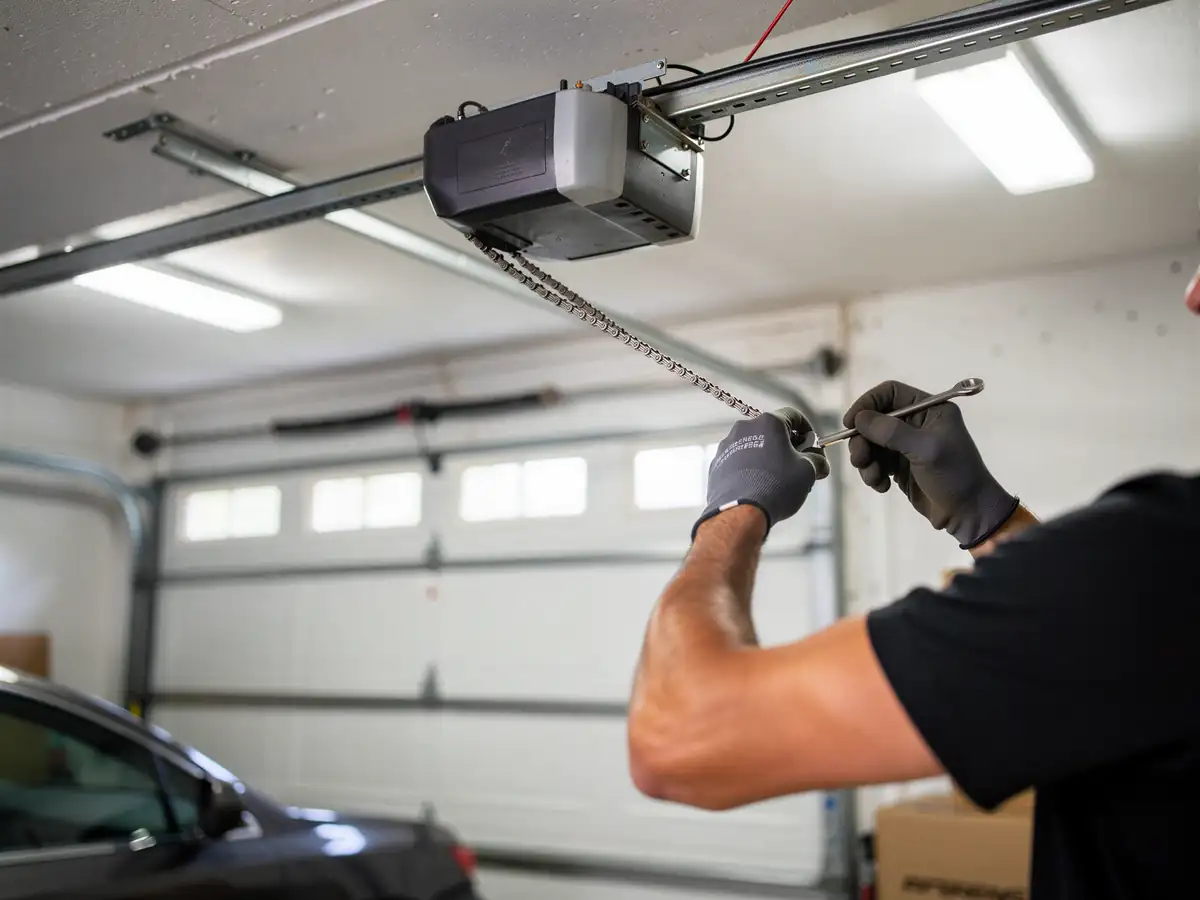
A healthy torsion spring does almost all the lifting; the opener motor is only there to move the door, not hoist its weight. When a homeowner notices the opener working harder, the spring has already lost tension and the motor is picking up the slack. Left alone, that usually ends with either a snapped spring or a burned-out opener motor, sometimes both at once since the opener fails trying to compensate.
Across the 45,923 owner-occupied houses in this service area
The spring is almost always the first part to give out, not the opener. Replacing the opener first, without addressing spring tension, just means paying twice.
- 45,923 owner-occupied
What the Weather Here Does to It
Des Moines sits in a cold-moderate climate band, and that matters more to a garage door than most people think. Steel panel skins contract in the cold months and expand again as it warms, and on a door that's been through this cycle for fifteen or twenty winters, the seams along the panel edges start to separate first. You'll see it as a hairline gap at the joint before you see it anywhere else.
Cold also changes how the torsion spring behaves. Steel gets stiffer and more brittle at low temperatures, and a spring that's already fatigued from age is more likely to let go on a hard, cold morning than in July. That's part of why winter is the season we see the most snapped-spring calls on doors from the 1980s and 90s stock common in neighborhoods.
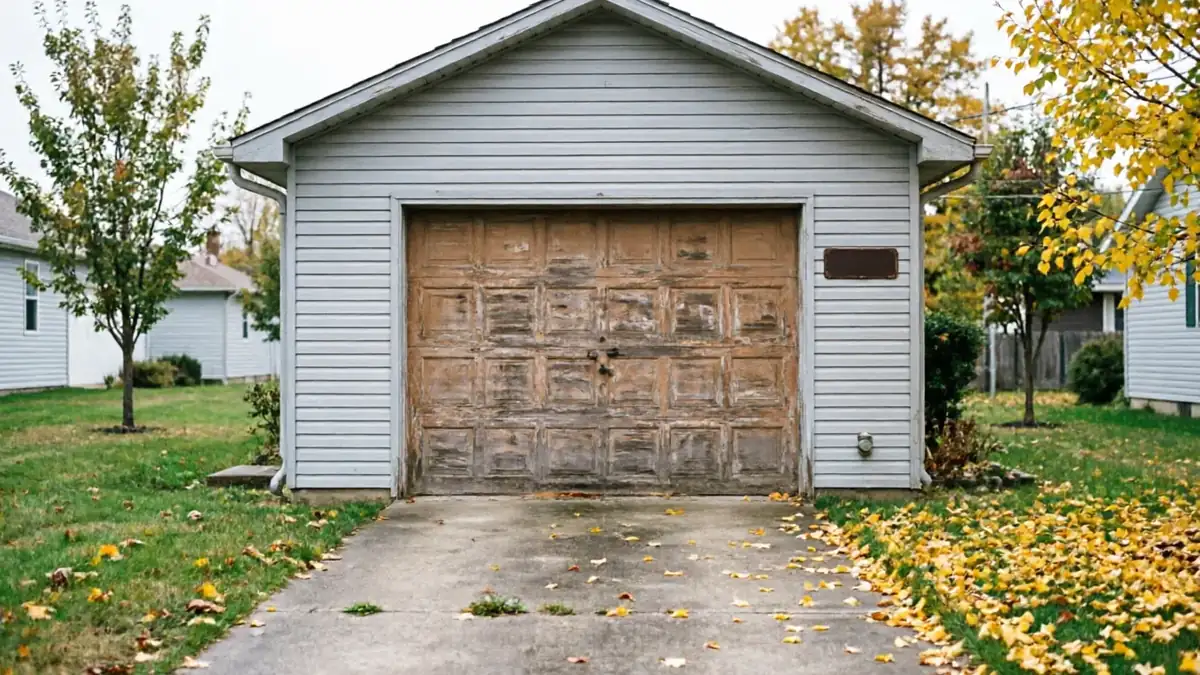
Condensation is the other piece. A garage that isn't heated sees moisture collect on the inside of a steel door overnight, and over enough winters that moisture finds its way into seams, fasteners, and the bottom panel where it meets the weatherstrip. Rust at the bottom corners is common on doors this age and it's rarely cosmetic only - it weakens the panel where the rollers attach.
When Waiting Is Fine
Not everything needs a truck out same week. A dented panel that doesn't affect how the door tracks, a dry squeak from a hinge that WD-40 quiets down, faded paint on the sun-facing side of the door - none of that is urgent, and there's no harm in living with it through a season or two.
In the where the housing runs closer to the 1995 median, a track knocked slightly out of alignment by a winter ice heave is usually worth straightening rather than replacing. If the door still opens smoothly and the opener isn't straining, that's a sign the structure underneath is fine even if the surface looks rough.
Here's the honest limitation: if a door is original to a house built in the late 1950s or early 60s - the oldest end of that 1959-2009 range - and it's a single steel skin with no insulation, sometimes the parts to repair it properly are harder to source than the cost of a new door with modern springs and better seals. We'll tell you when that's the case instead of patching something that'll be back on our schedule in a year.