Timing on This Area
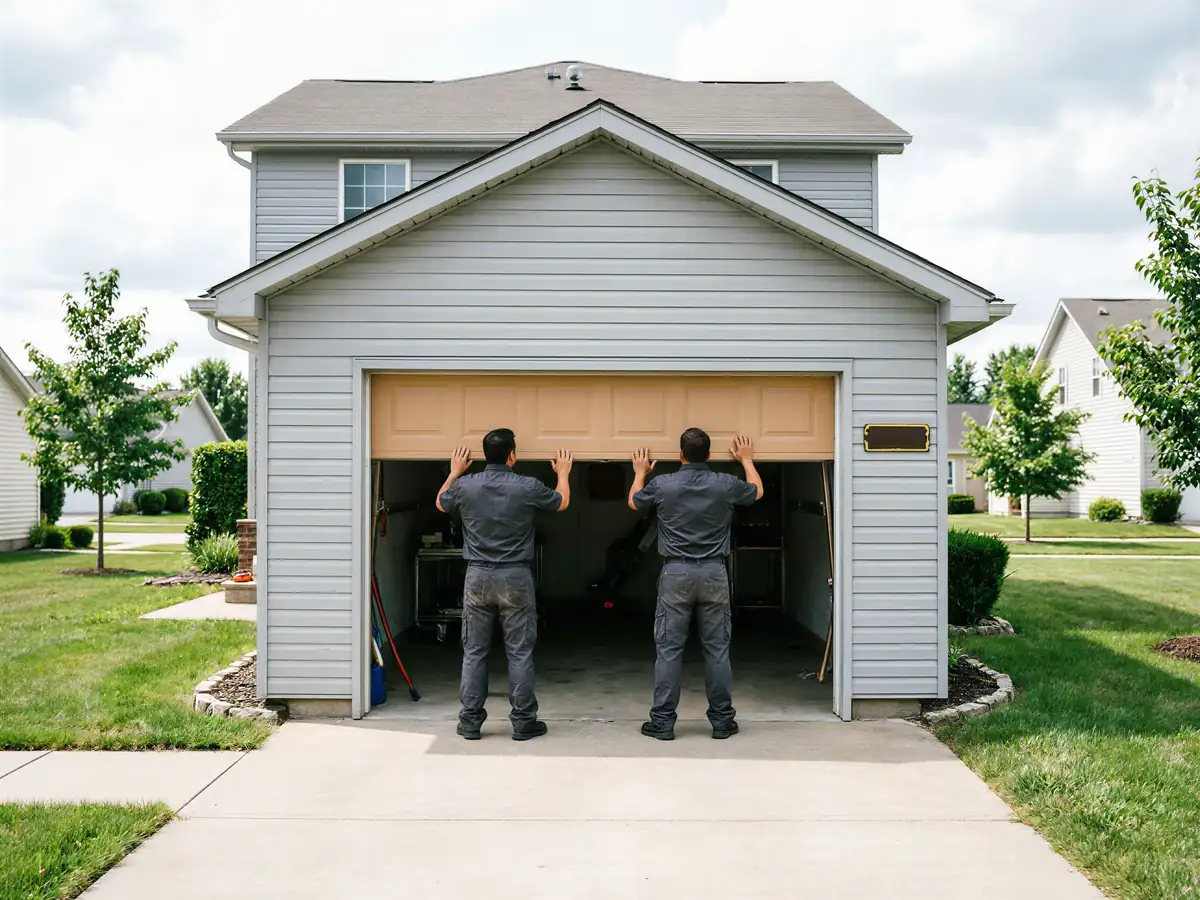
We run out of Des Moines, about six miles northwest of Pleasant Hill, so we're not sitting on a truck here waiting for a call. What that means in practice: we schedule the Pleasant Hill run same-day when the morning board allows it, but we don't promise a window the way a shop based in town could. If your spring lets go at 7 a.m. on a Tuesday, say so when you call - we can usually work a six-mile trip into the route without much trouble. What we won't do is tell you we have someone "in the area" already, because we don't keep a depot here. The honest version is: it's a short drive, not a standing presence, and we'd rather say that plainly than let you assume a truck is parked around the corner.
Winters here run cold enough that a spring under tension can snap clean in single-digit temperatures, which tends to push our Pleasant Hill calls toward the coldest stretches of the year. That's not unique to this neighborhood, but it's worth knowing before you're standing in your driveway at 6 a.m. wondering why today was the day.
The Houses Here
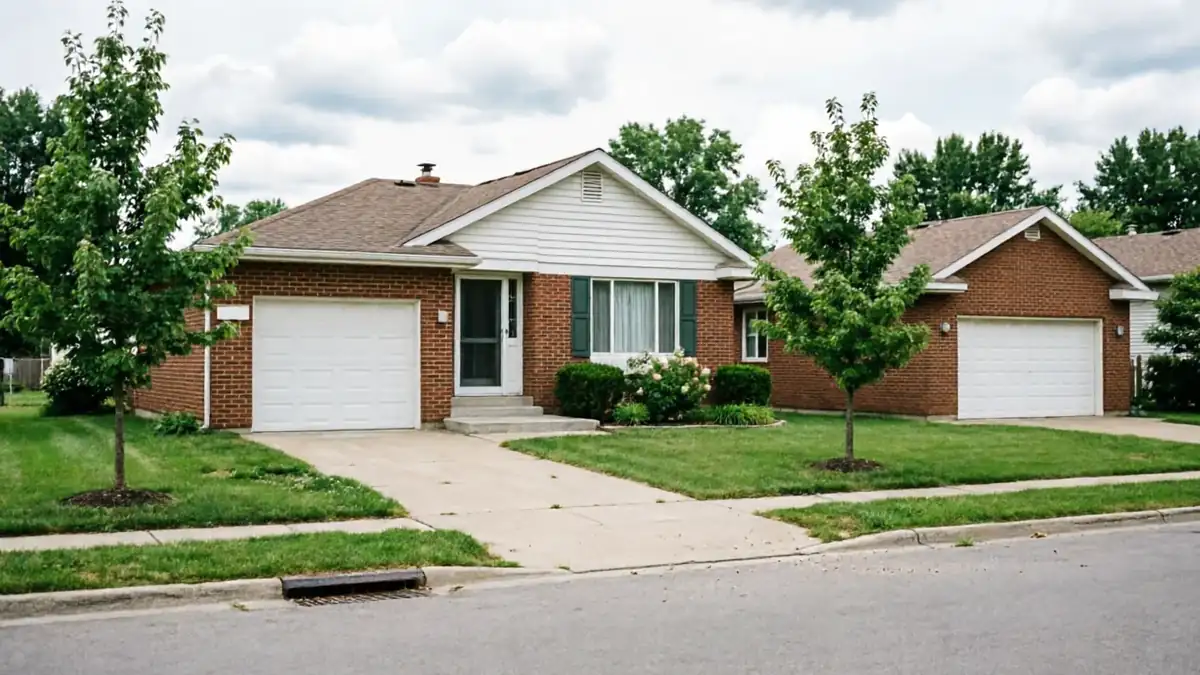
Pleasant Hill's housing runs newer than a lot of what we see closer into Des Moines
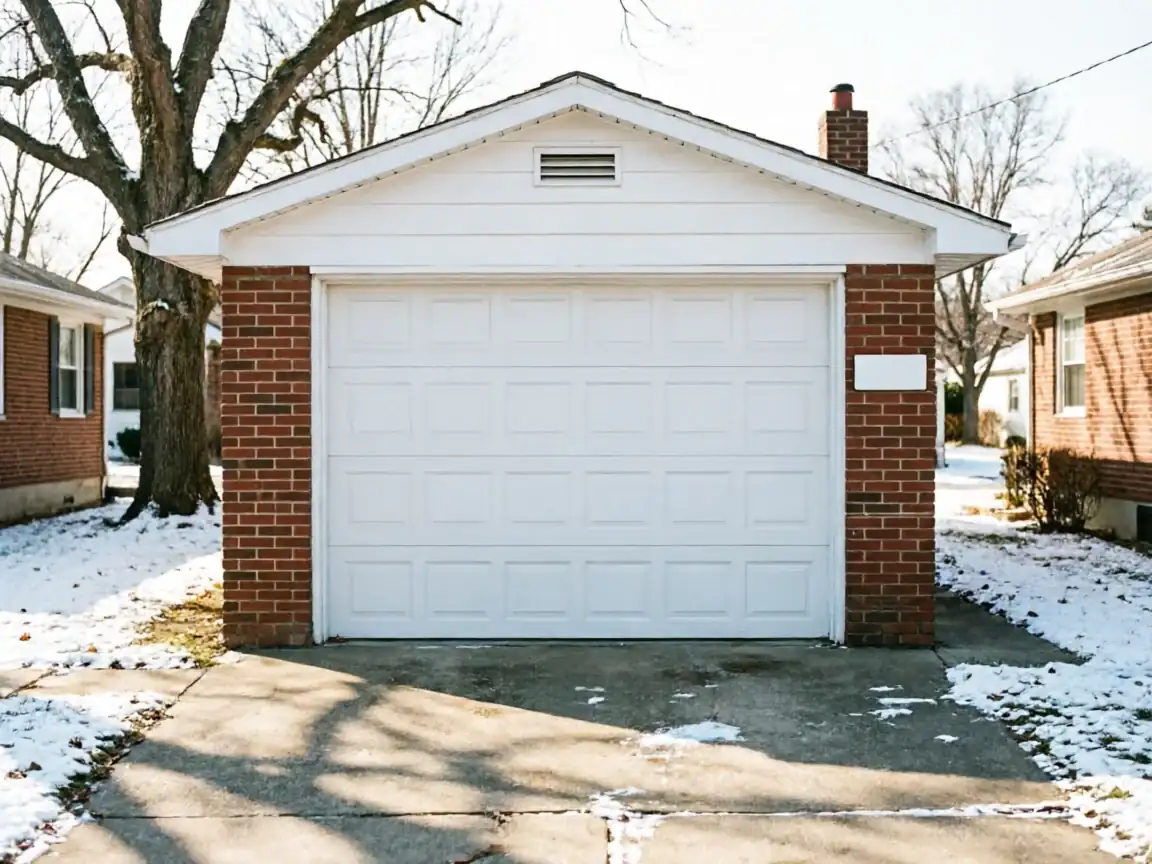
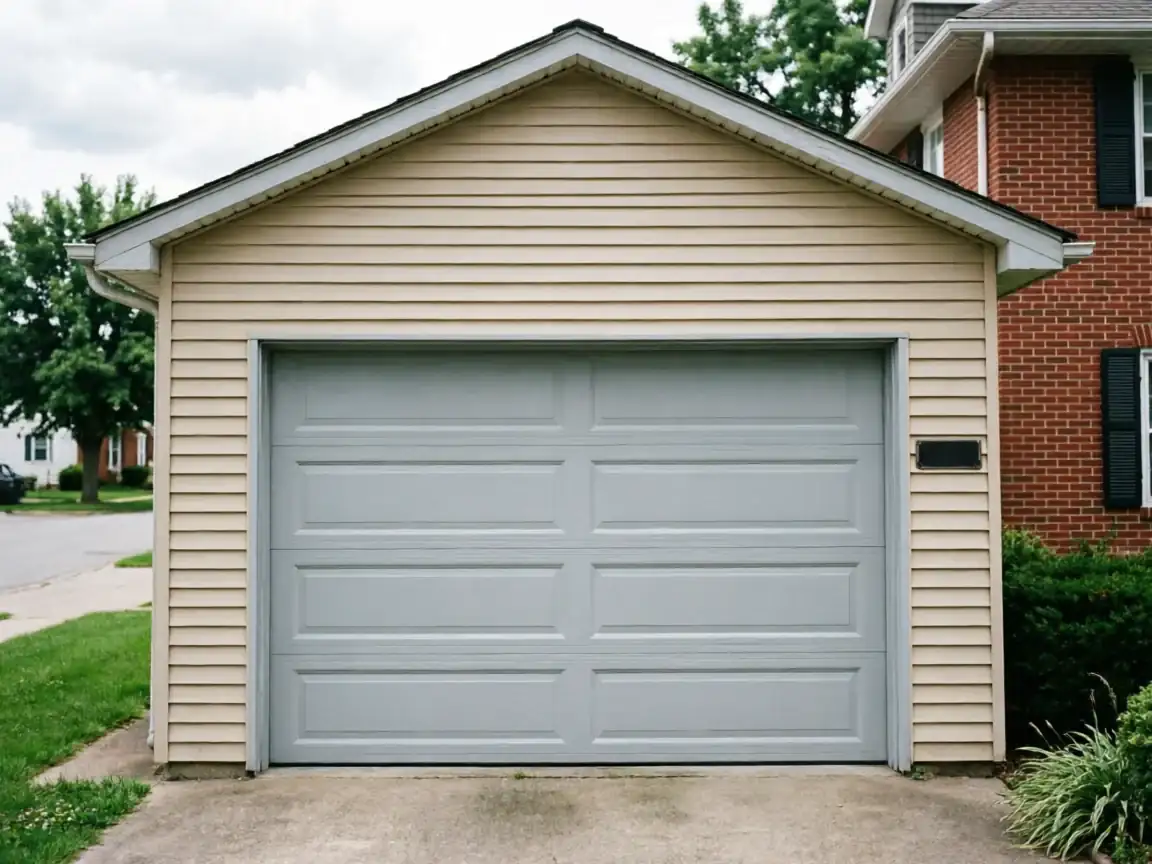
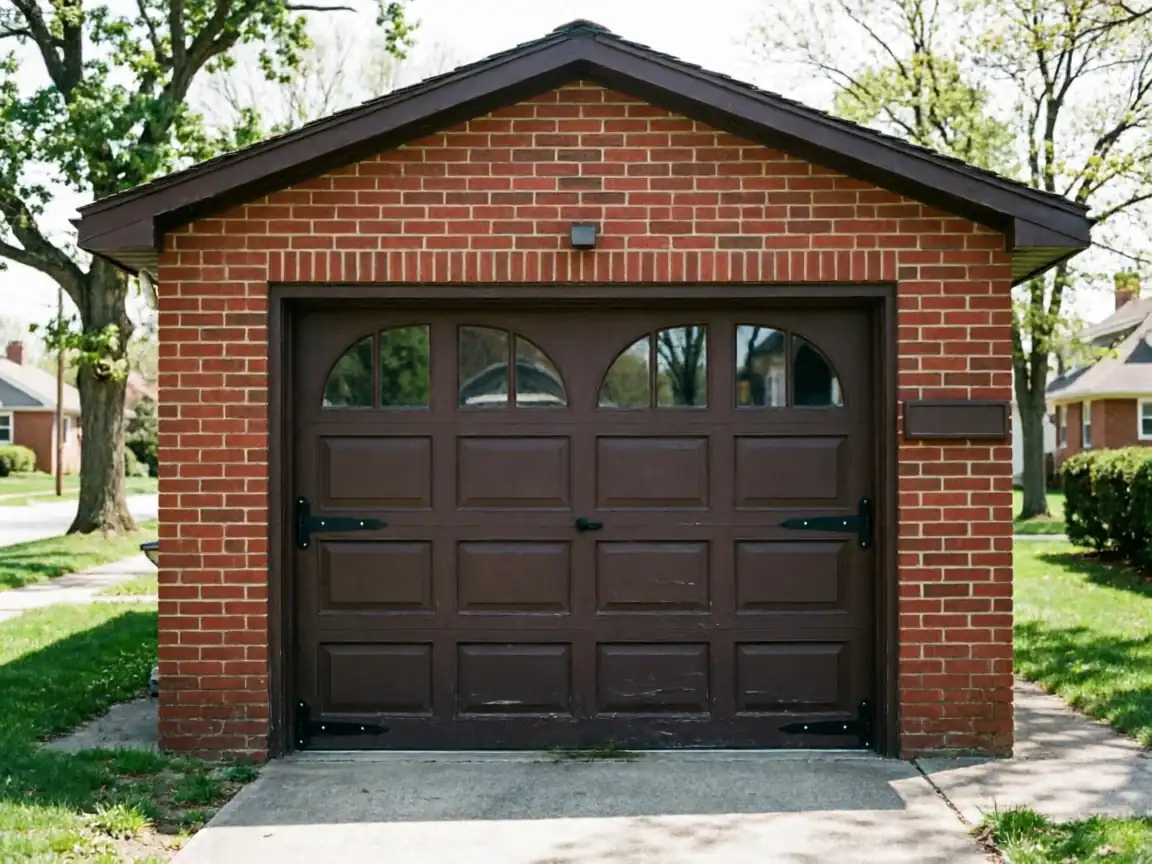
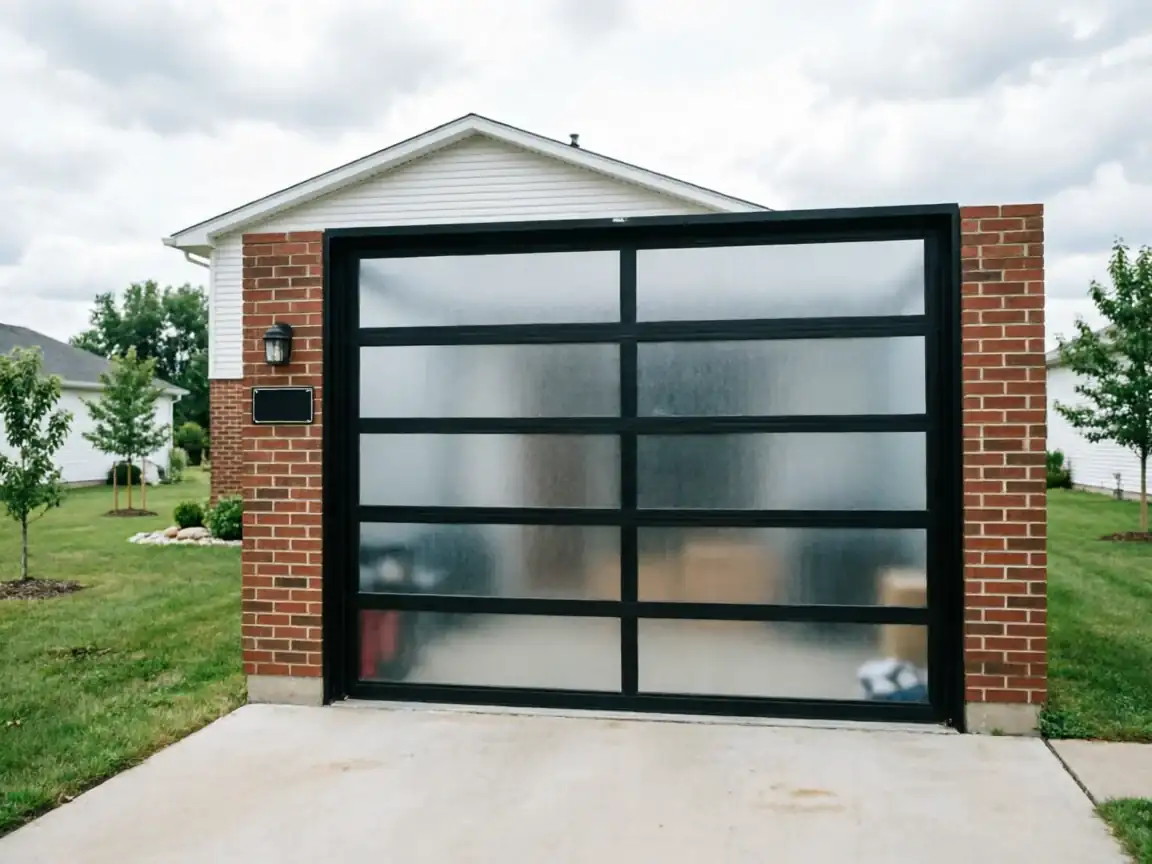
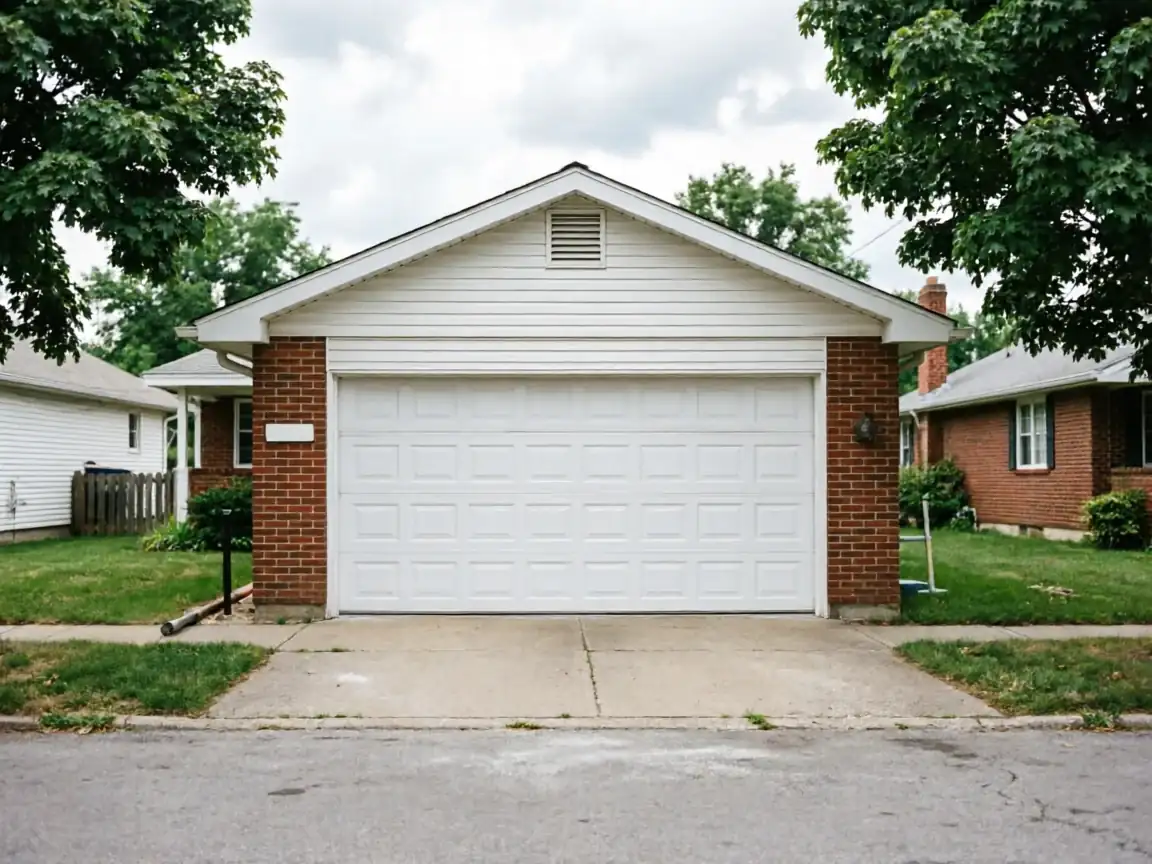
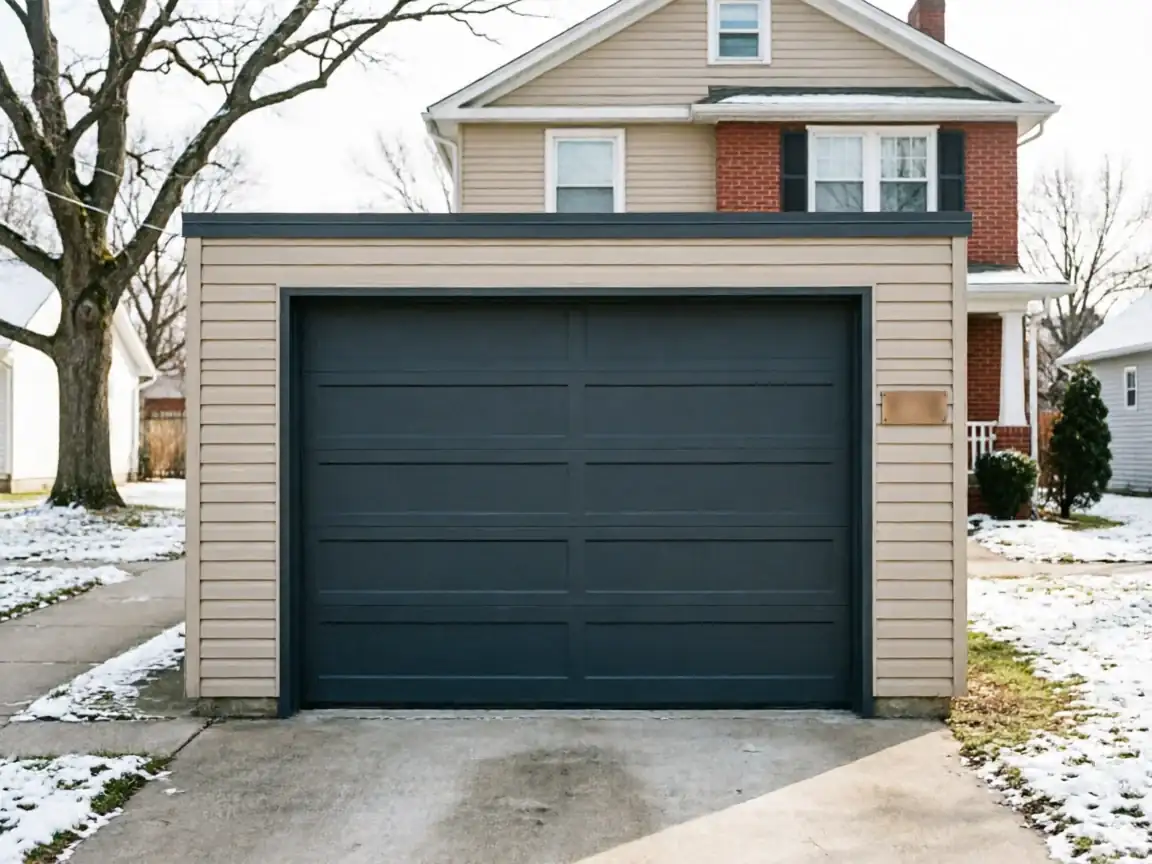
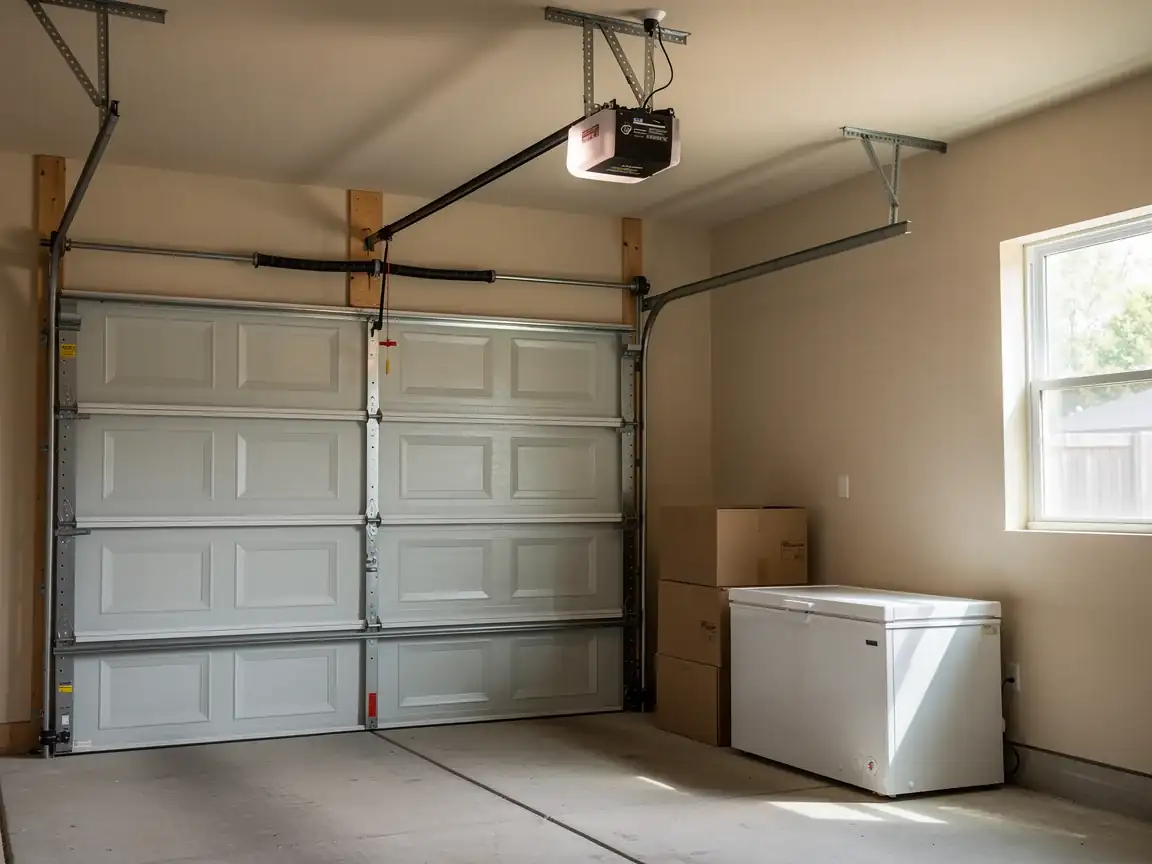
The median build year here lands around 2002, where the broader service area we cover skews back toward 1995. That gap of roughly seven years sounds small until you're standing in front of the opener. A house built in 2002 almost always shipped with a chain or belt-drive opener on a standard extension or torsion setup, not the older side-mounted torsion hardware you'd find on a house from the 1970s or 80s. The doors themselves are more likely to be steel sectional panels with factory-insulated cores rather than the single-layer wood or early steel doors common in older pockets of the metro.
With about 4,035 households in Pleasant Hill and a median income near $86,890
A bit under the roughly $98,333 median across the wider service area - we see a mix of original builder-grade doors still in service and a steady run of upgrades as those 1990s-2000s doors hit the twenty-year mark where seals, rollers, and openers start wearing out together rather than one at a time.
- 4,035 households
The Usual Work Here
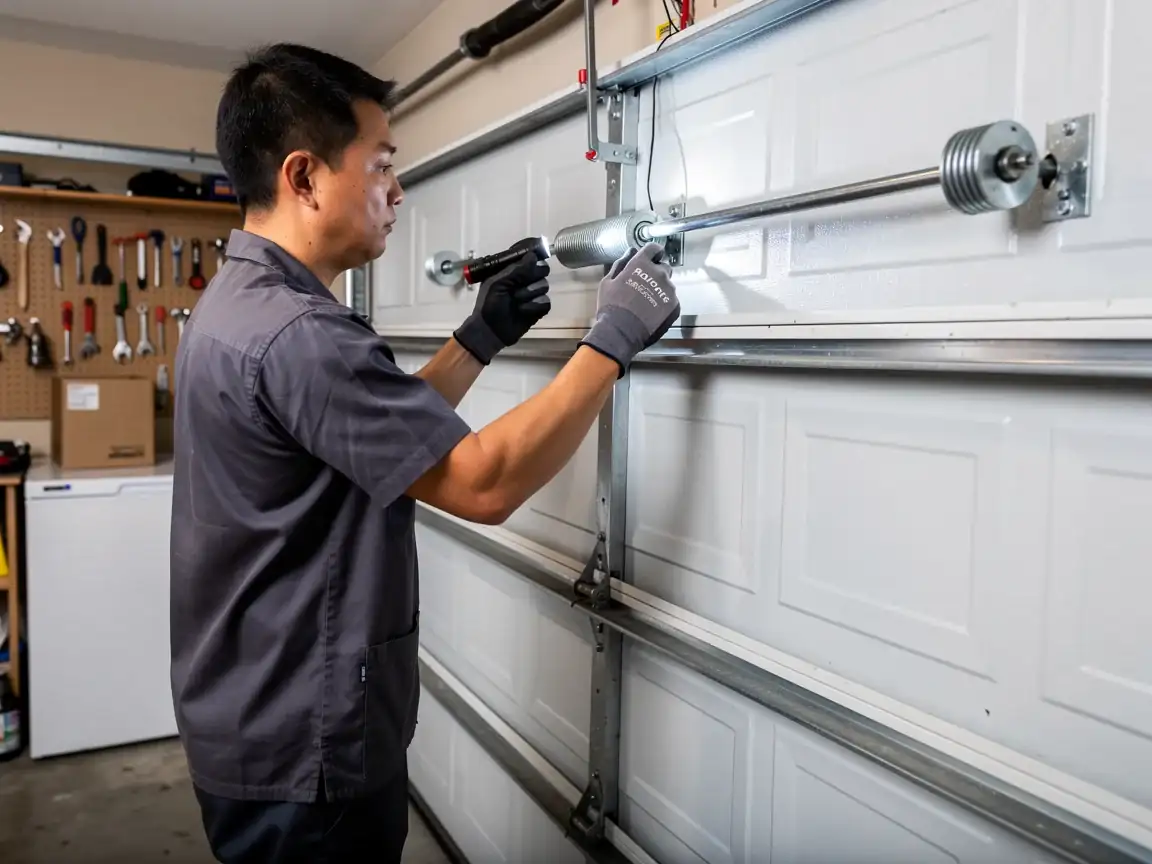
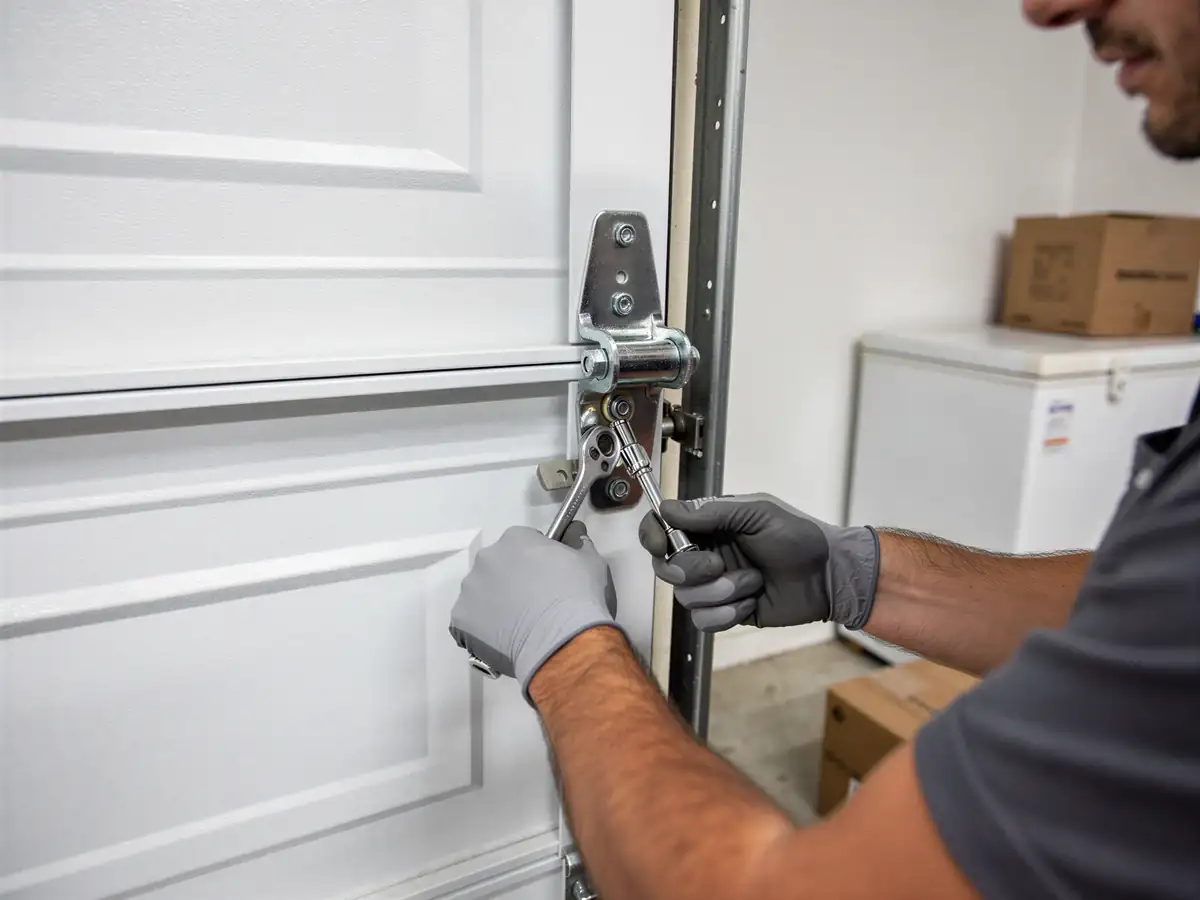
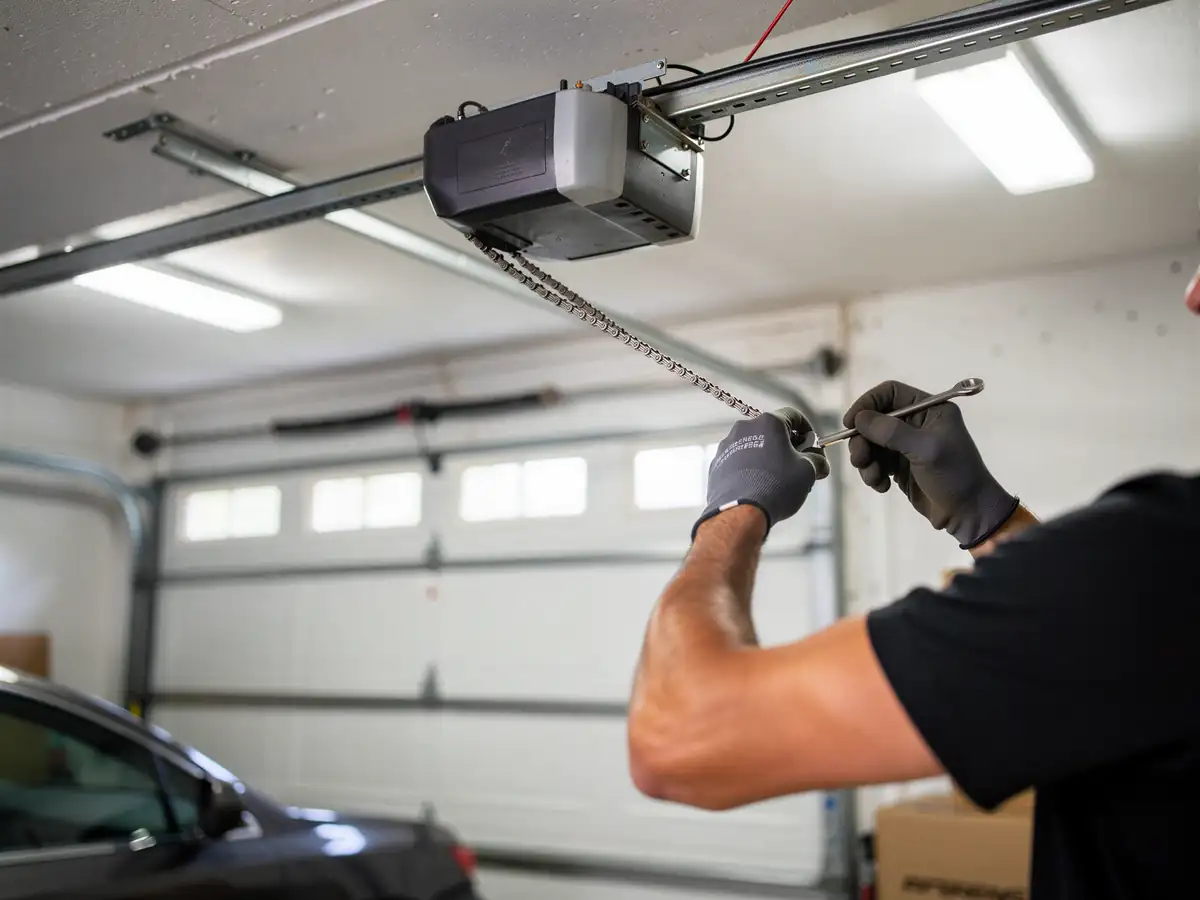
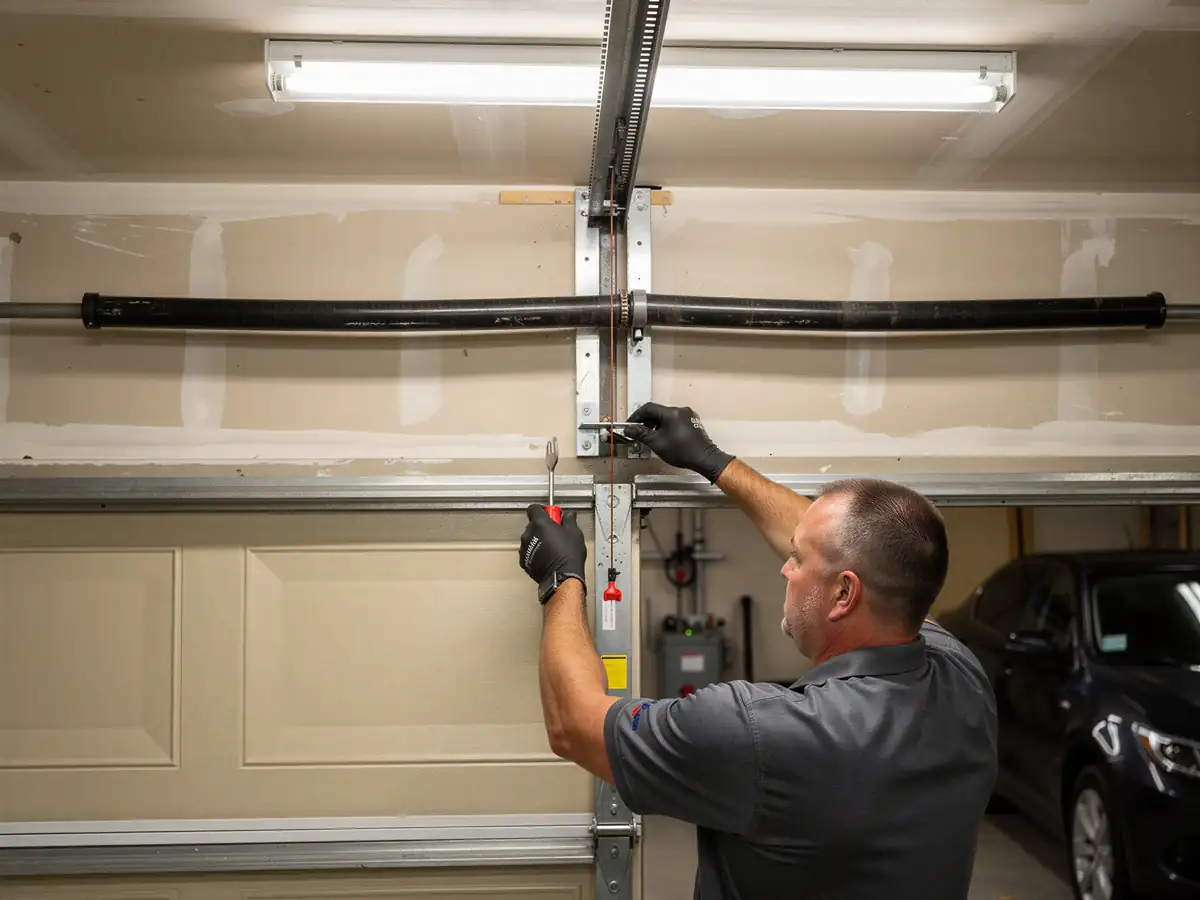
Because so much of Pleasant Hill went up in the 1990s and 2000s, the calls we get here skew toward wear rather than the complete hardware mismatches we run into on older torsion setups elsewhere in the service area. Opener circuit boards and logic units from that build era are starting to fail - not catastrophically, just enough that the remote works half the time and the wall button doesn't. Torsion springs rated for a standard 2-car steel door from that period are also hitting the end of their cycle count, which is a predictable, not emergency, kind of failure if you catch it before it snaps.
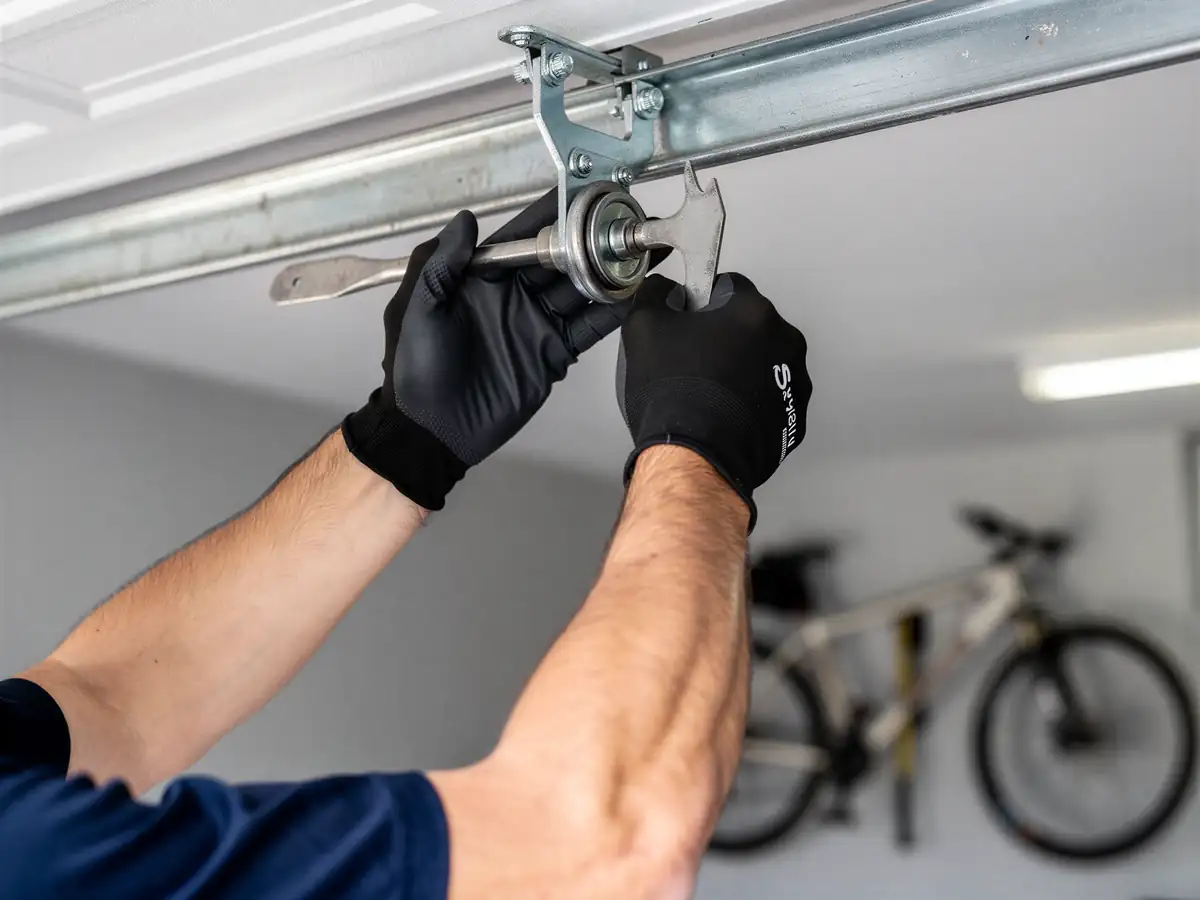
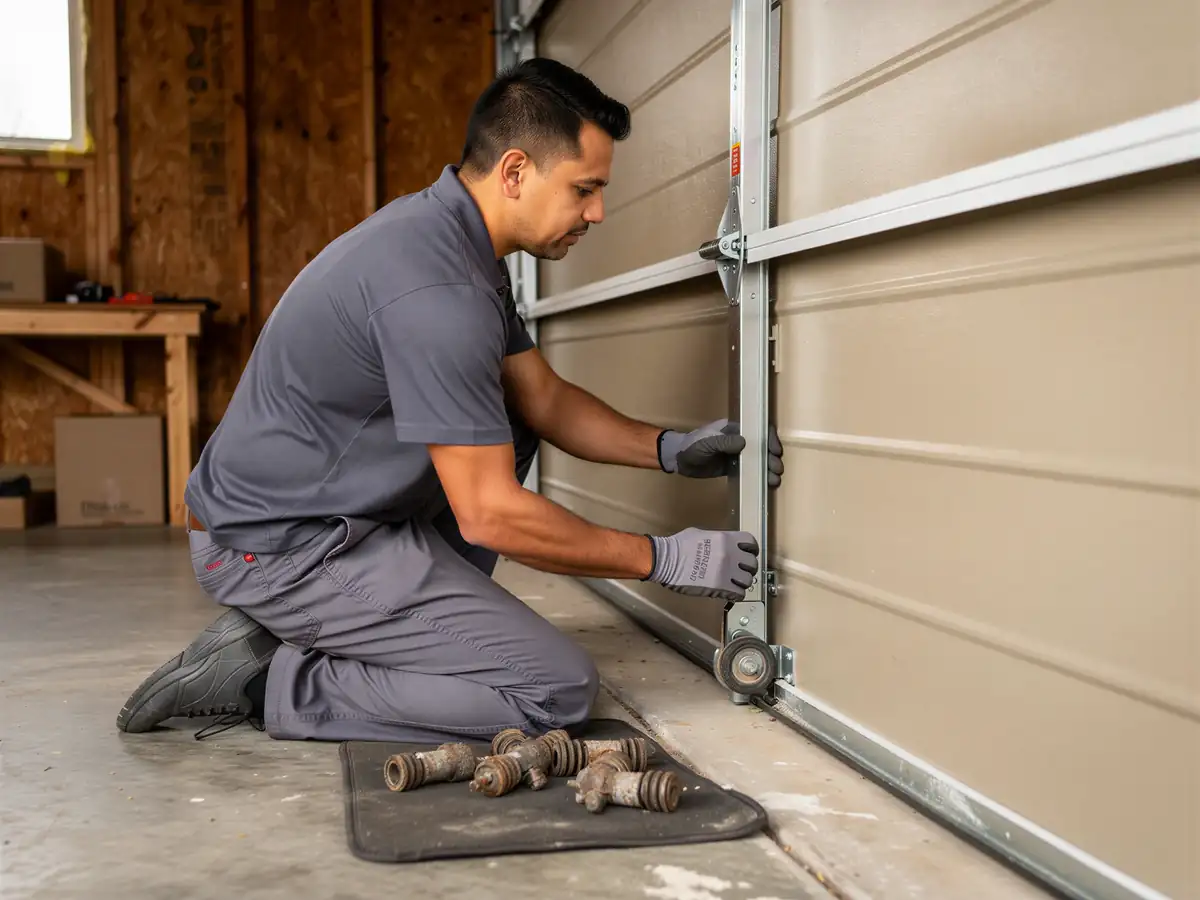
We also see rollers and bottom seals going on doors that have never had a real issue otherwise - normal for a door in its second decade. One thing we won't do is talk you into a full door replacement when a spring and a roller set will get you another several years; that call depends on the door's condition, not its age alone. If the panels are dented or the track is bent from years of wear, replacement starts making more financial sense than repeated repair.
What the Housing Means for Your Door
The practical upshot of Pleasant Hill's newer housing stock is that most doors we touch here are still on original or first-replacement hardware, which keeps parts more available than on the pre-1980s doors scattered through older parts of the service area. You're less likely to be stuck waiting on an obsolete torsion drum or a spring size nobody stocks.
What you are more likely to deal with is an opener reaching the end of its working life around the same time as the springs - both installed together when the house was built in the late 1990s or early 2000s, both wearing out on a similar schedule now. When we're out for a spring call, it's worth asking us to check the opener's logic board and drive gear while the door's already open, since replacing both in one trip from Des Moines saves you a second six-mile call later. Cold-weather spring failure is still the most common emergency call we get from Pleasant Hill, same as across the rest of the service area.