The Symptom
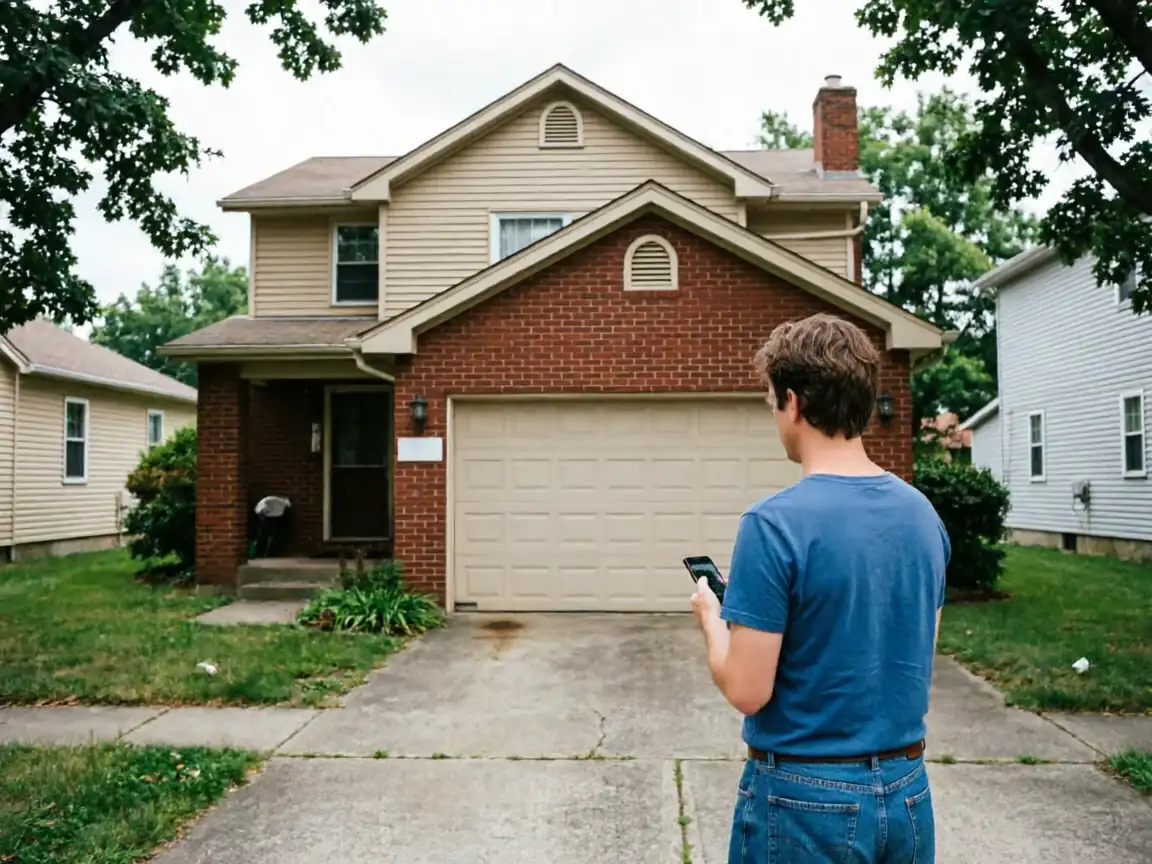
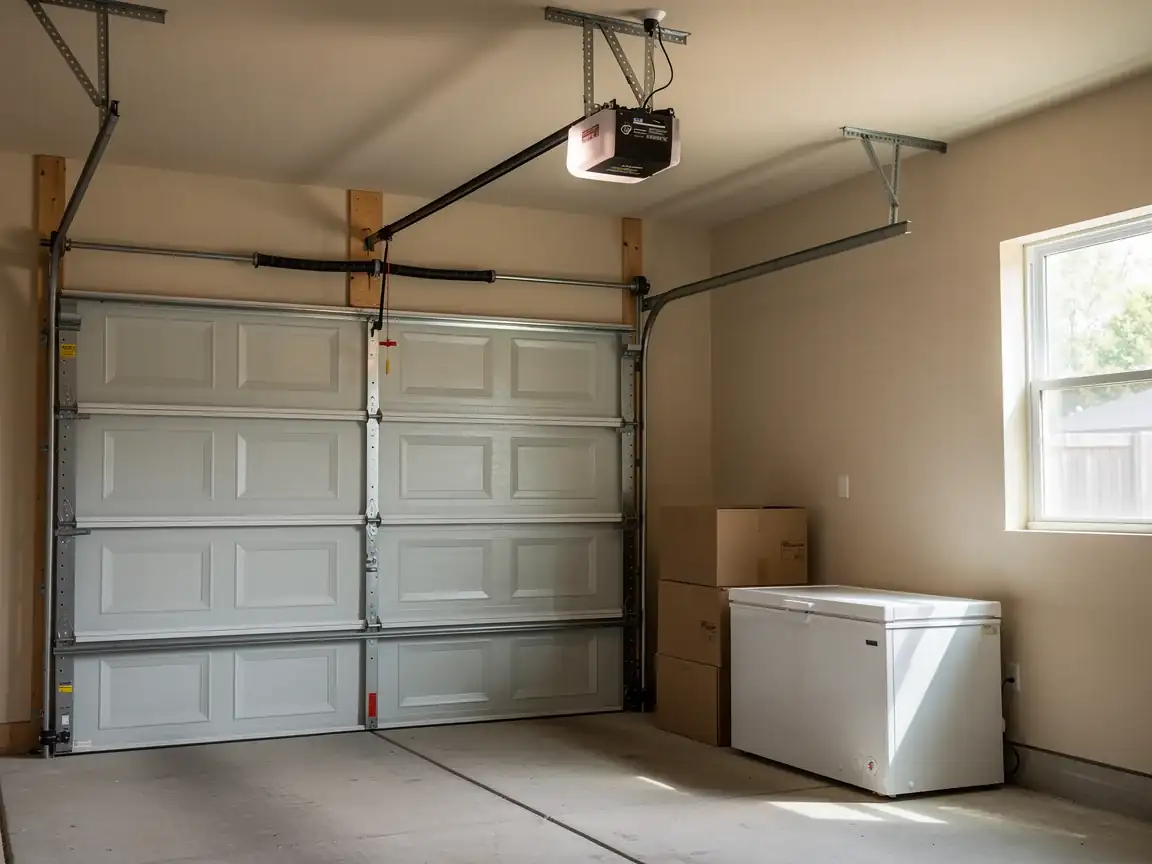
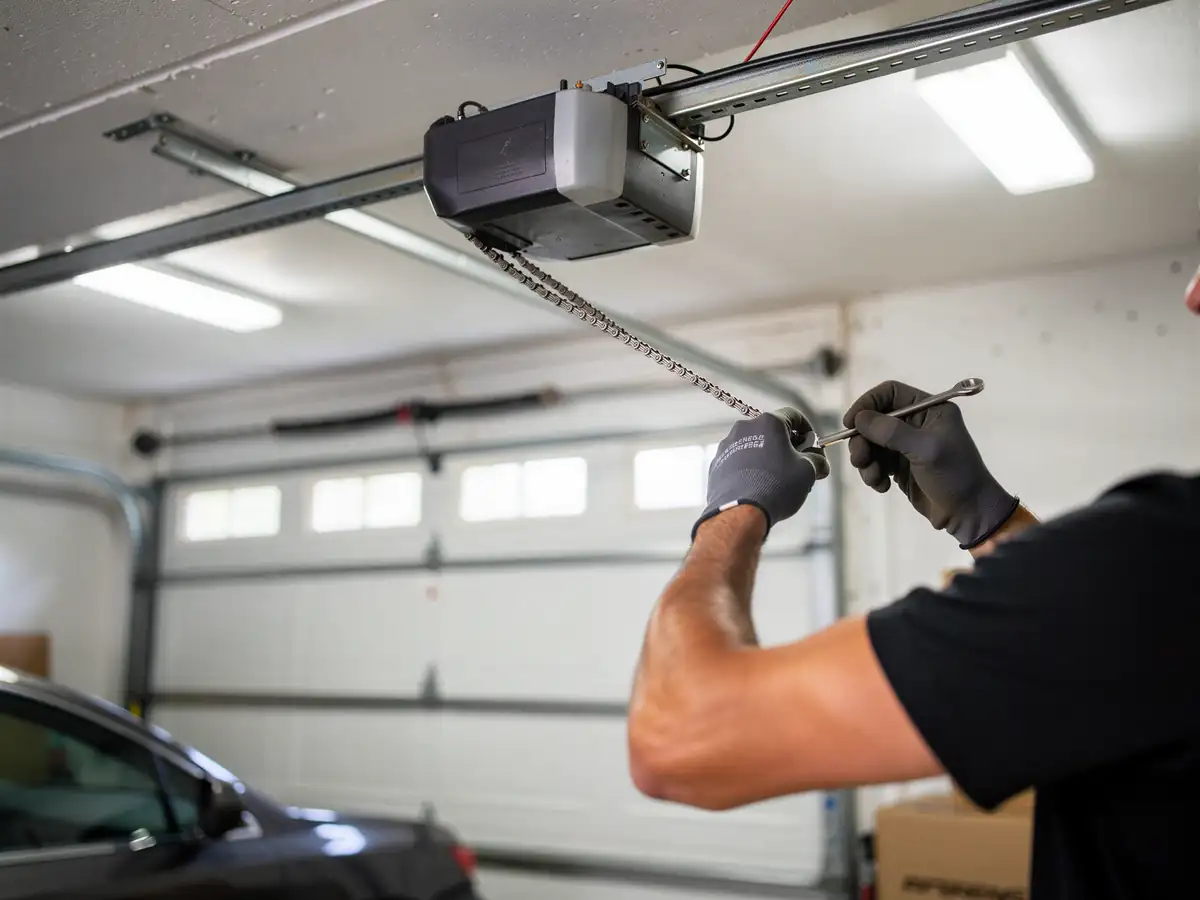
Pleasant Hill is a smaller pocket of the metro, about 4,035 households, which means we don't see opener calls here in the volume we do closer to Des Moines proper. But the calls that do come in tend to look alike, because the houses went up around the same time. You'll hear a motor hum with no movement, see the lights blink a code at you, or notice the door reverses halfway up for no clear reason. Sometimes it's quieter than that: the remote works from the driveway but not from the street, or the wall button does nothing while the remote still fires the opener. None of these are mysterious once you know what's behind the wall, and in this town what's behind the wall is usually a chain or belt-drive unit installed when the house was built, now into its second decade of daily use. That's old enough for the gears to wear and the logic board to start acting up, young enough that most owners haven't thought about it yet.
Why This Fails Locally
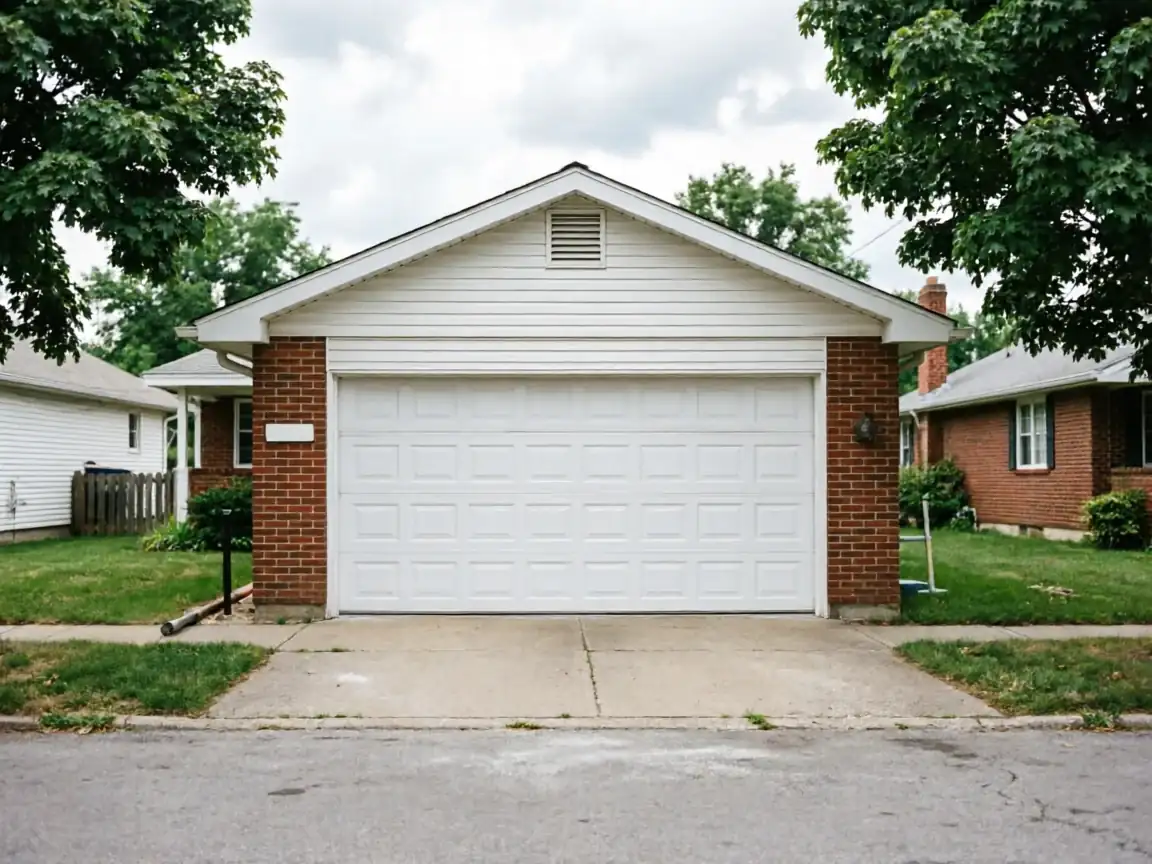
The housing stock across the wider service area runs 1959 to 2009 with a median build year around 1995, but Pleasant Hill skews newer than that average - median year built here is 2002. That matters for opener work specifically. A garage built in 2002 almost certainly got a chain or belt-drive opener from that era's standard lineup, and those units are now 20-plus years old. That's exactly the age where capacitors in the logic board fail, drive gears made of nylon strip their teeth, and the safety-reversal sensors - required hardware by then - drift out of alignment as the garage slab settles. It's also long enough that some of these boards are no longer made, which we'll get to. On top of the age factor, this area sits in a cold-moderate climate band, and cold makes stiff grease and worn gears worse: an opener that's marginal in October often fails outright on the first hard freeze, because the motor has to work harder to move a door with cold-thickened lubricant on the track.
The Complications
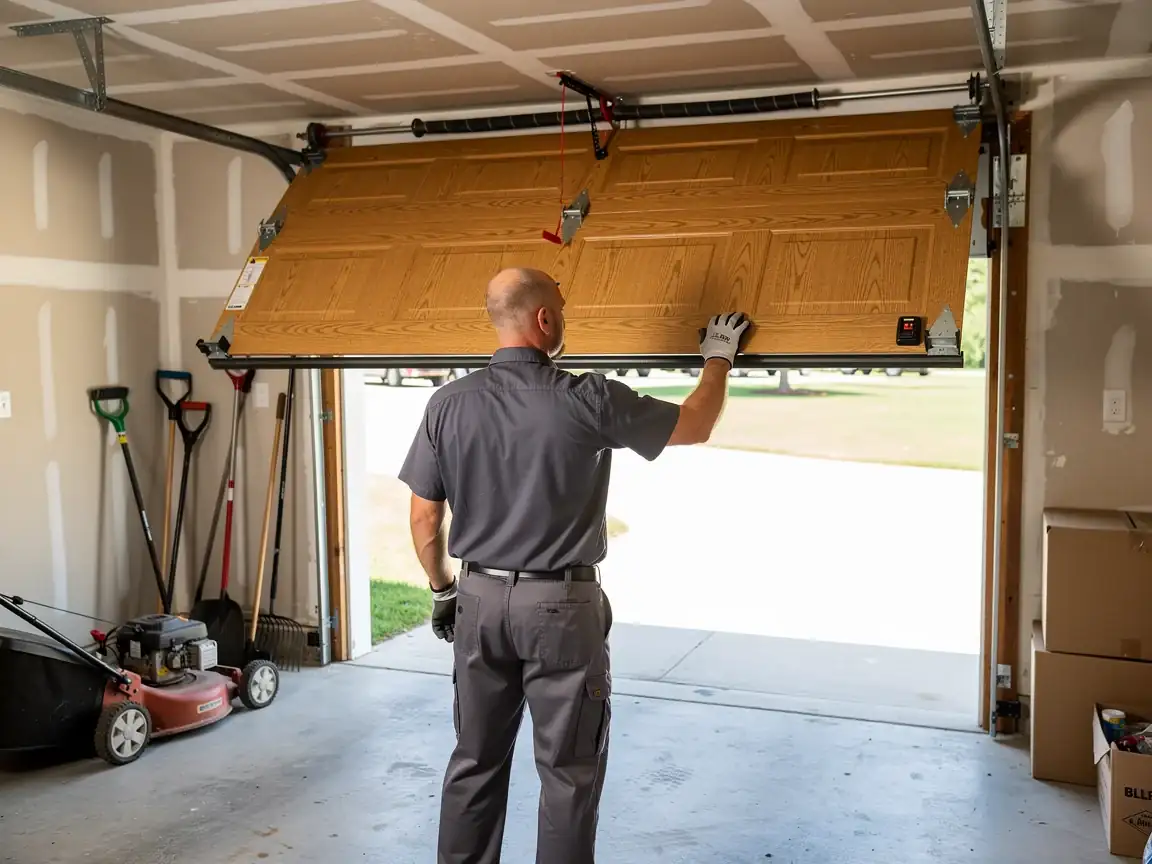
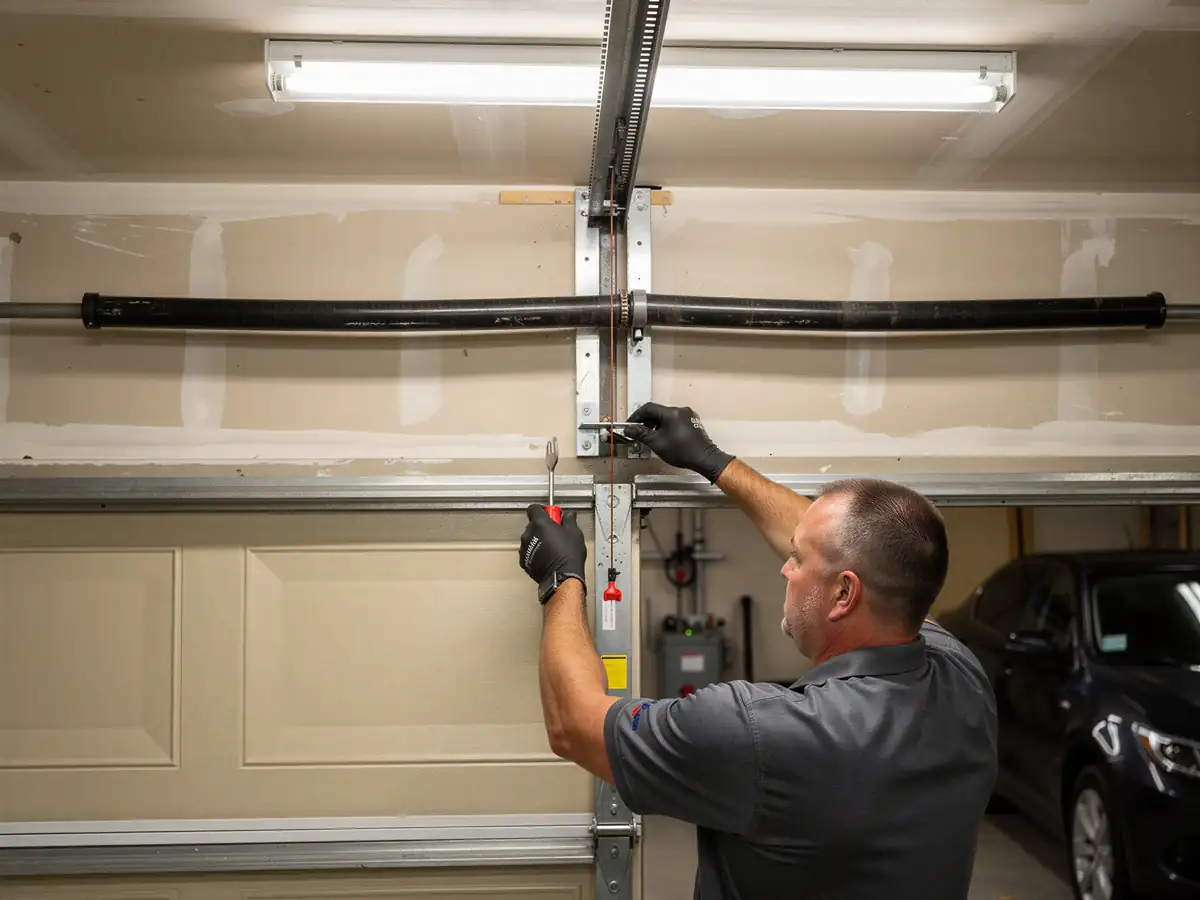
Homes built in the early 2000s in this area tend to have heavier insulated steel doors than the older housing stock closer to the city, and openers were sized to match. That means a straight swap to a cheaper or smaller replacement unit can leave you with a motor that strains and burns out early - it has to be matched to the door's actual weight, not just the opening size. We also run into logic boards from this era that the manufacturer has stopped producing; when that happens, a repair isn't realistic and the honest call is a full unit replacement rather than chasing a part that isn't coming back into stock. We'll tell you straight when we hit that point instead of stringing out a repair that won't hold. Because every visit here means a drive out from Des Moines, we try to diagnose thoroughly on the first trip and bring the likely parts with us rather than guessing and coming back twice.
What Is on the Truck
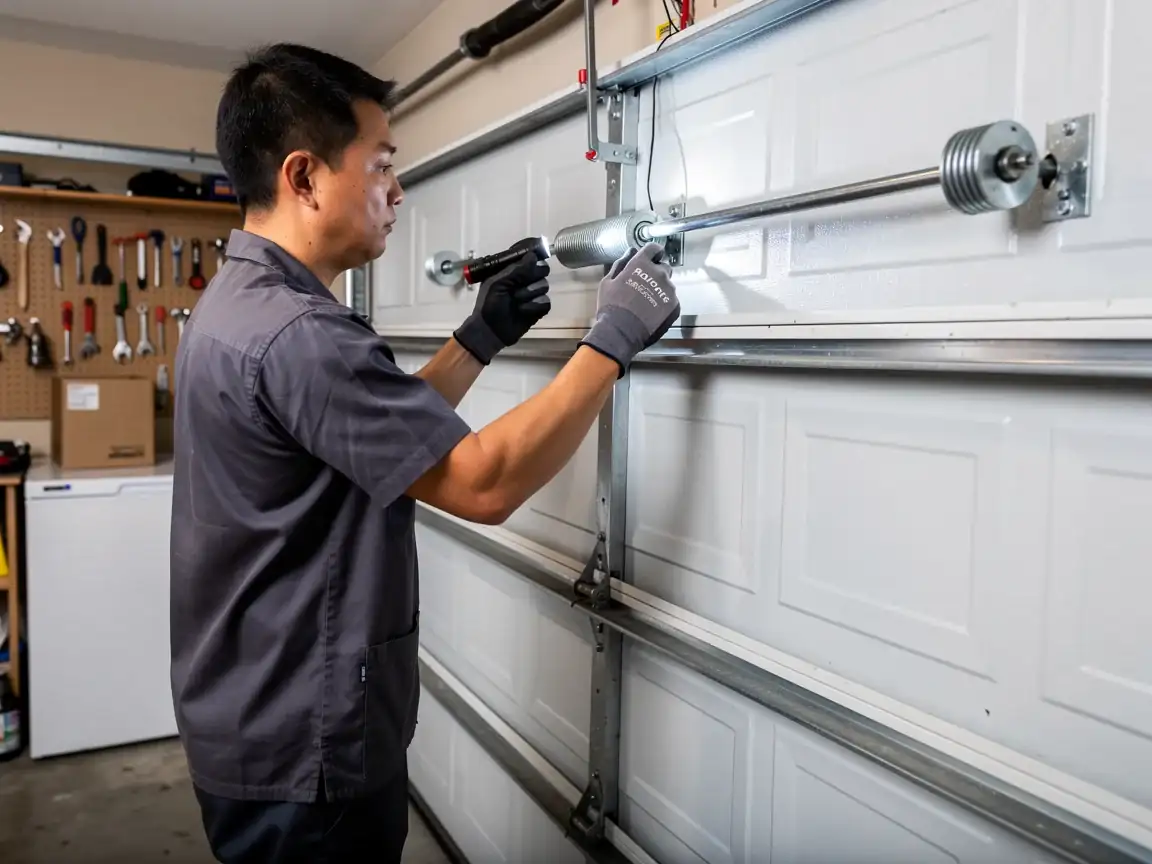
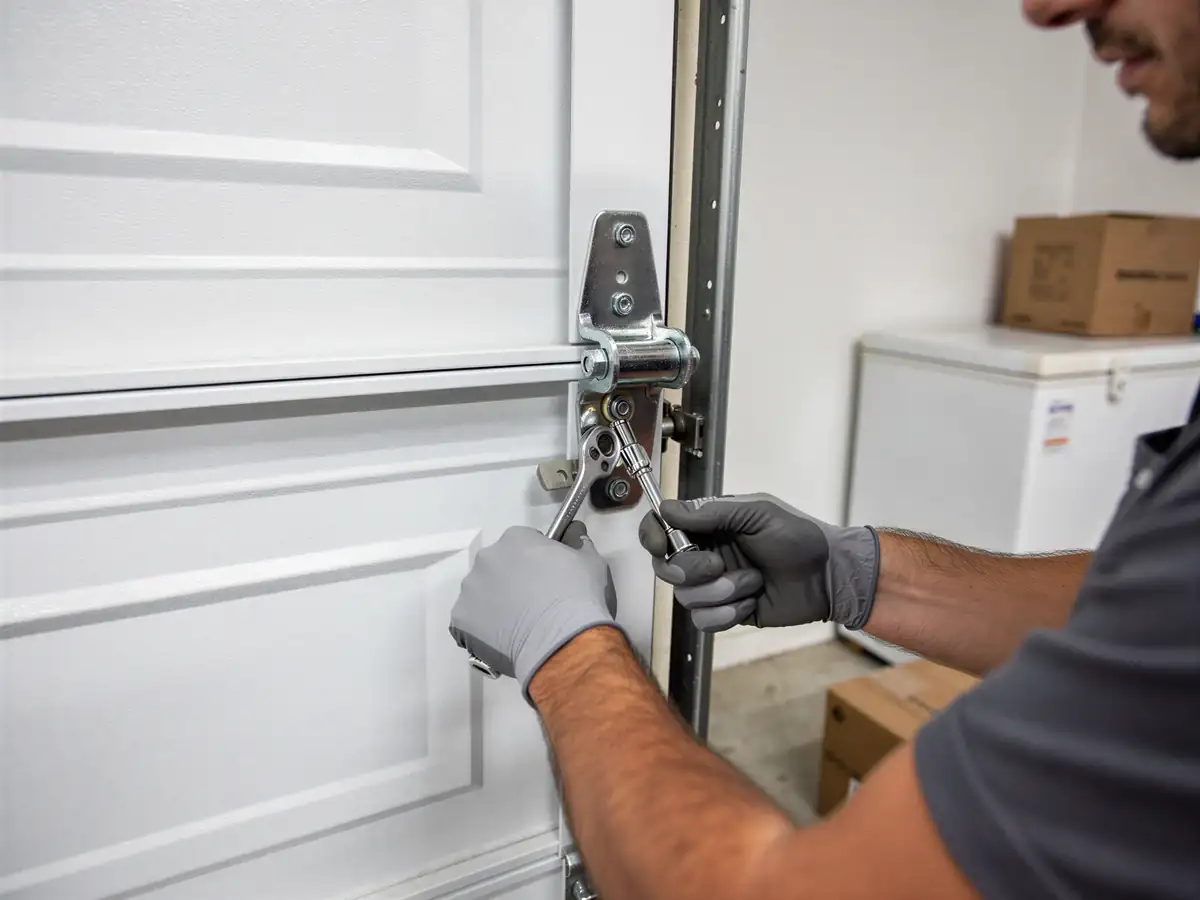
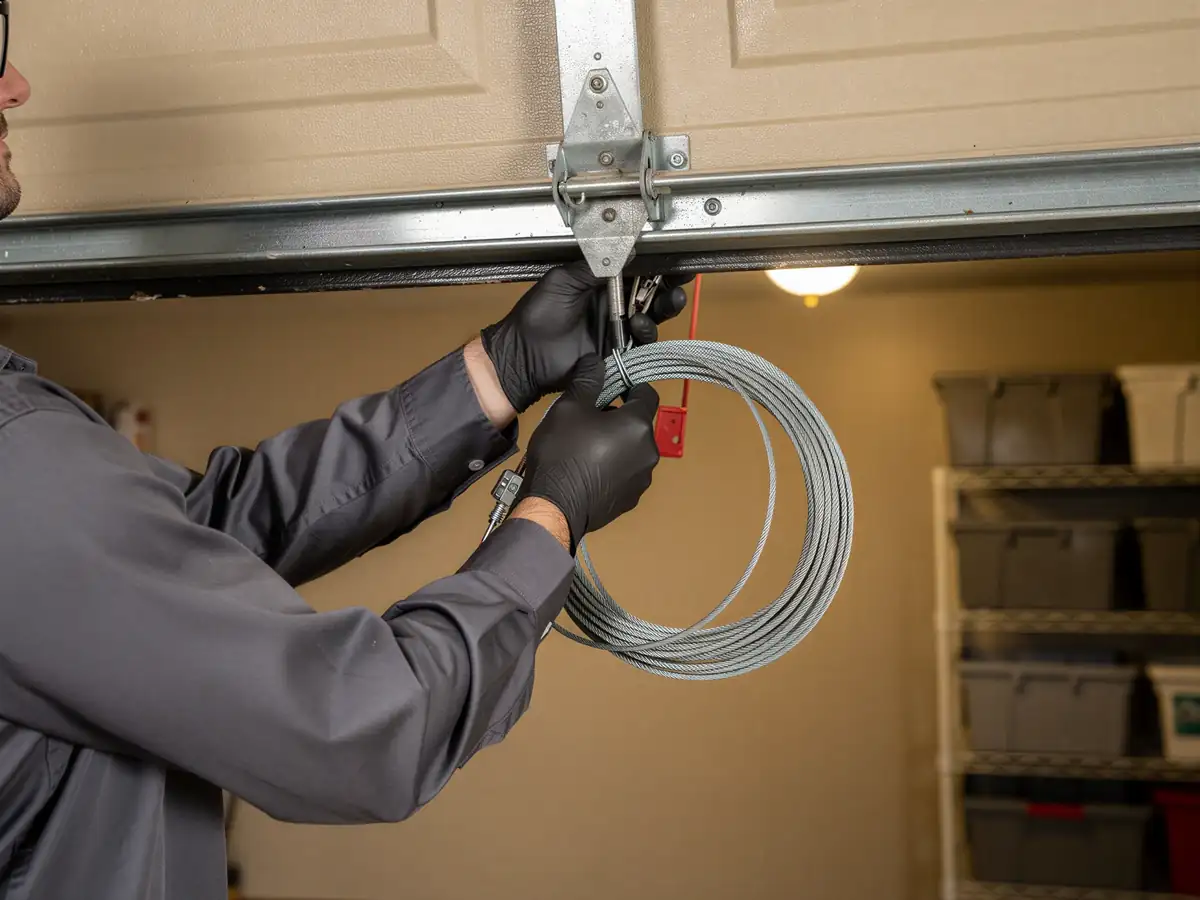
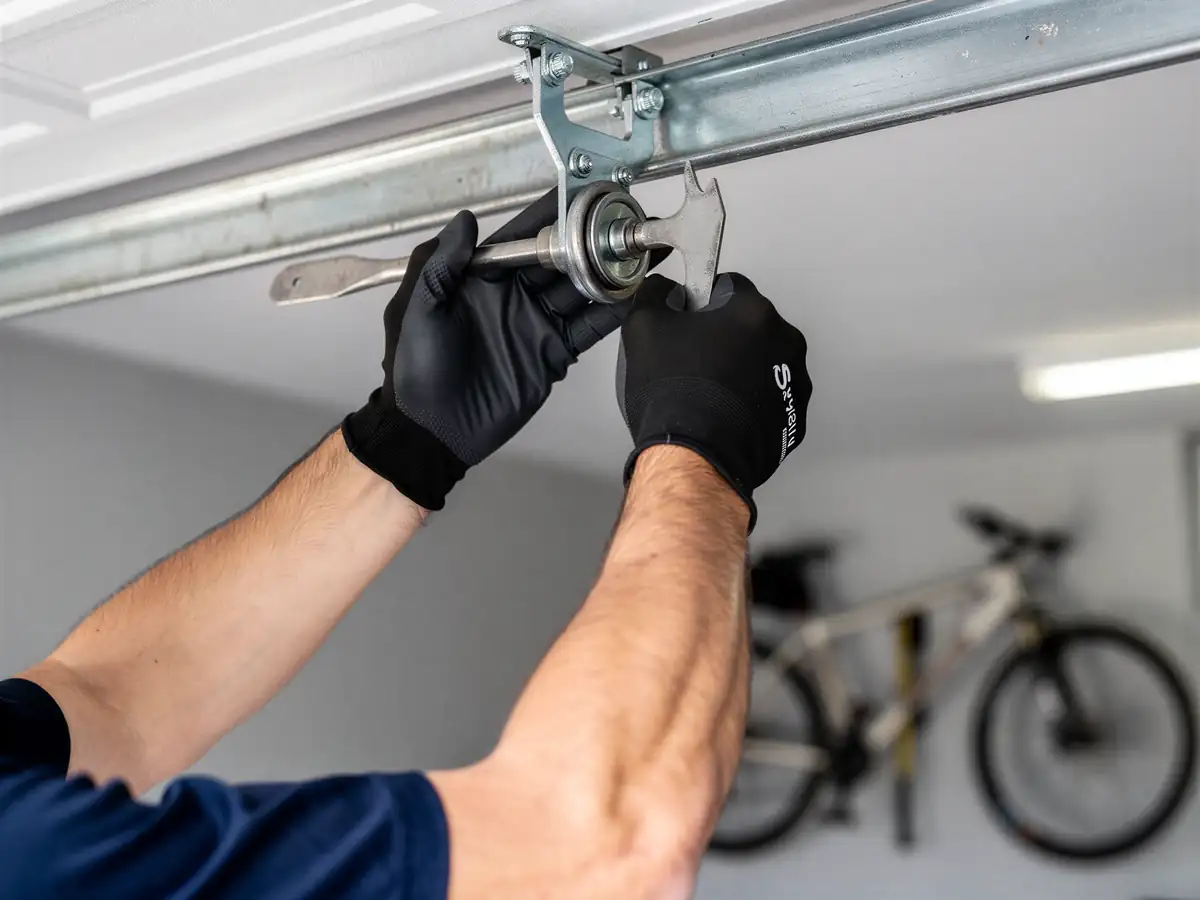
Given that most opener calls out here involve units from the early-to-mid 2000s, the truck carries replacement logic boards, drive gears, and safety sensors sized for chain and belt-drive openers from that generation, plus the wall controls and remotes that pair with them. We also stock heavier-duty motor units for the insulated steel doors common on newer builds in this area, since underpowered replacements don't hold up on those doors long-term. Cold-rated grease goes on every job here given the climate band, since standard lubricant gums up faster in a cold garage than most owners expect. What we don't carry for every model is a board for a unit that's been fully discontinued - those sometimes require ordering a compatible replacement motor rather than a direct part swap, and we'll tell you up front if that's the situation rather than promising a same-visit fix we can't deliver.