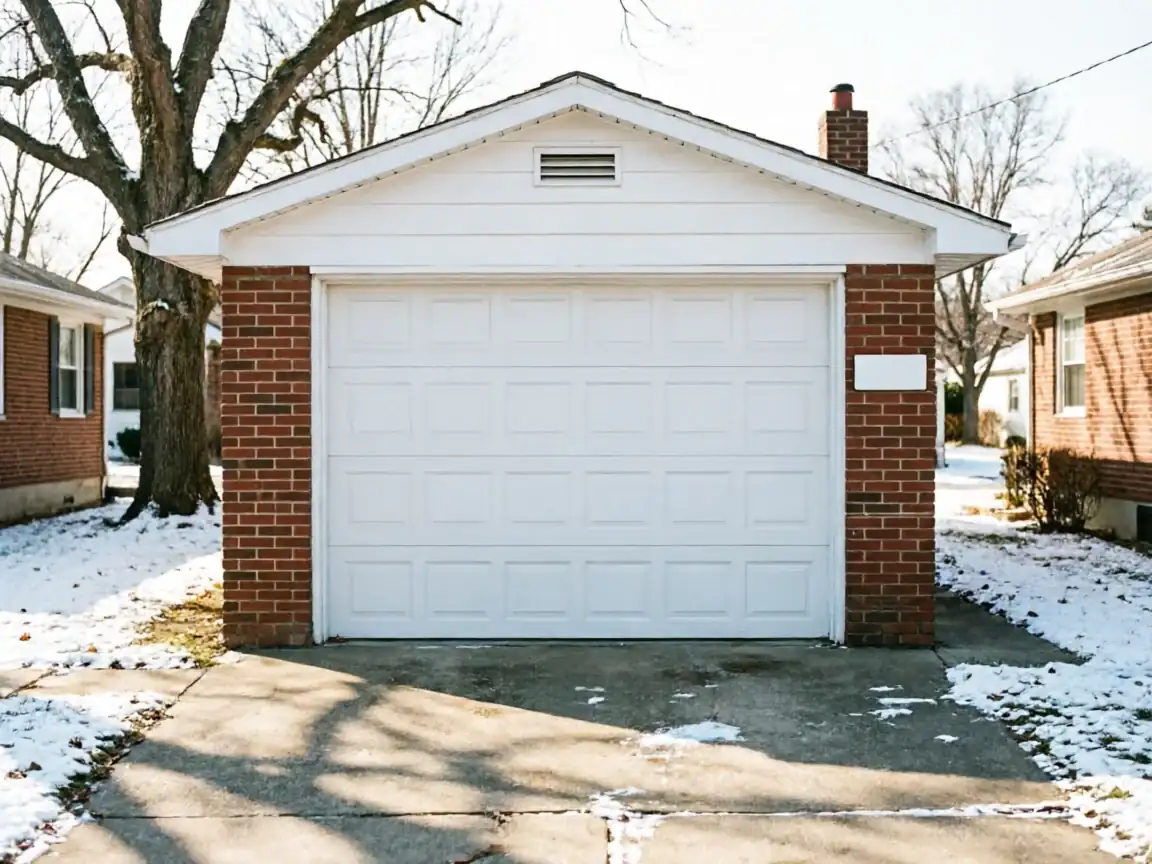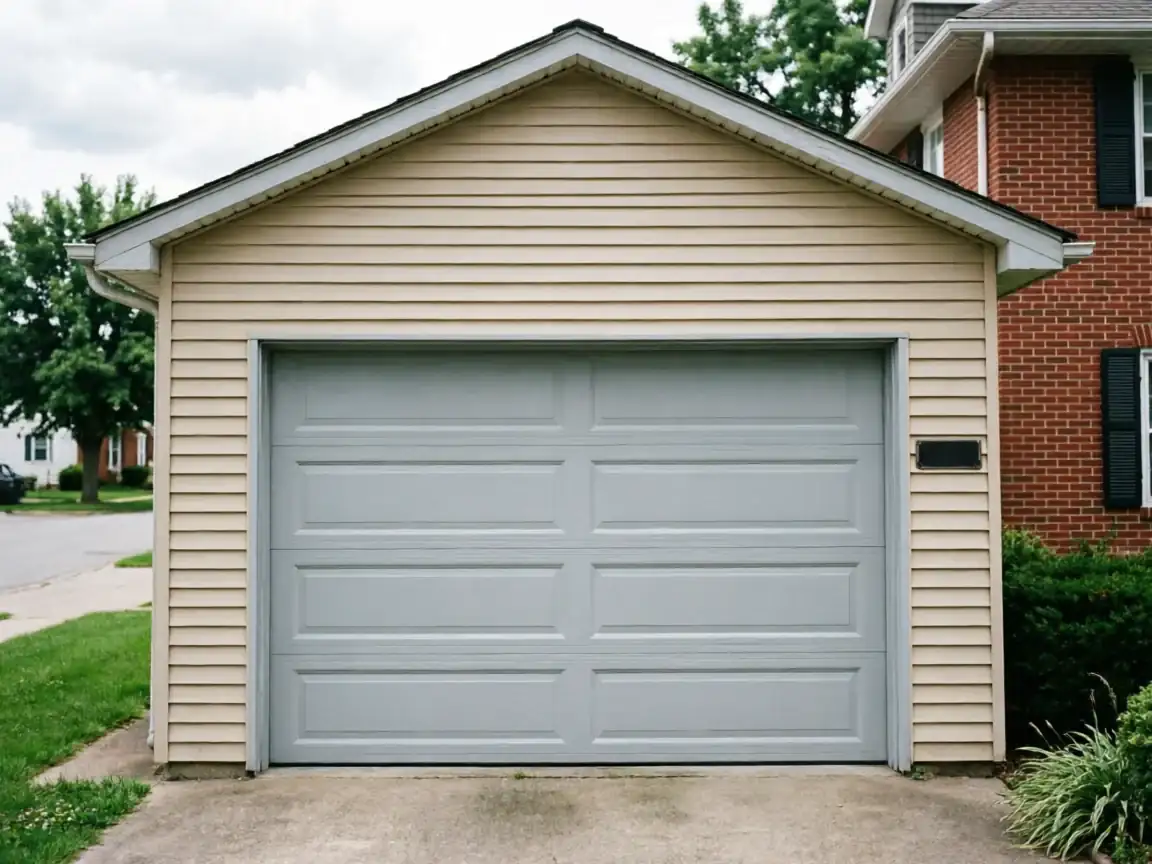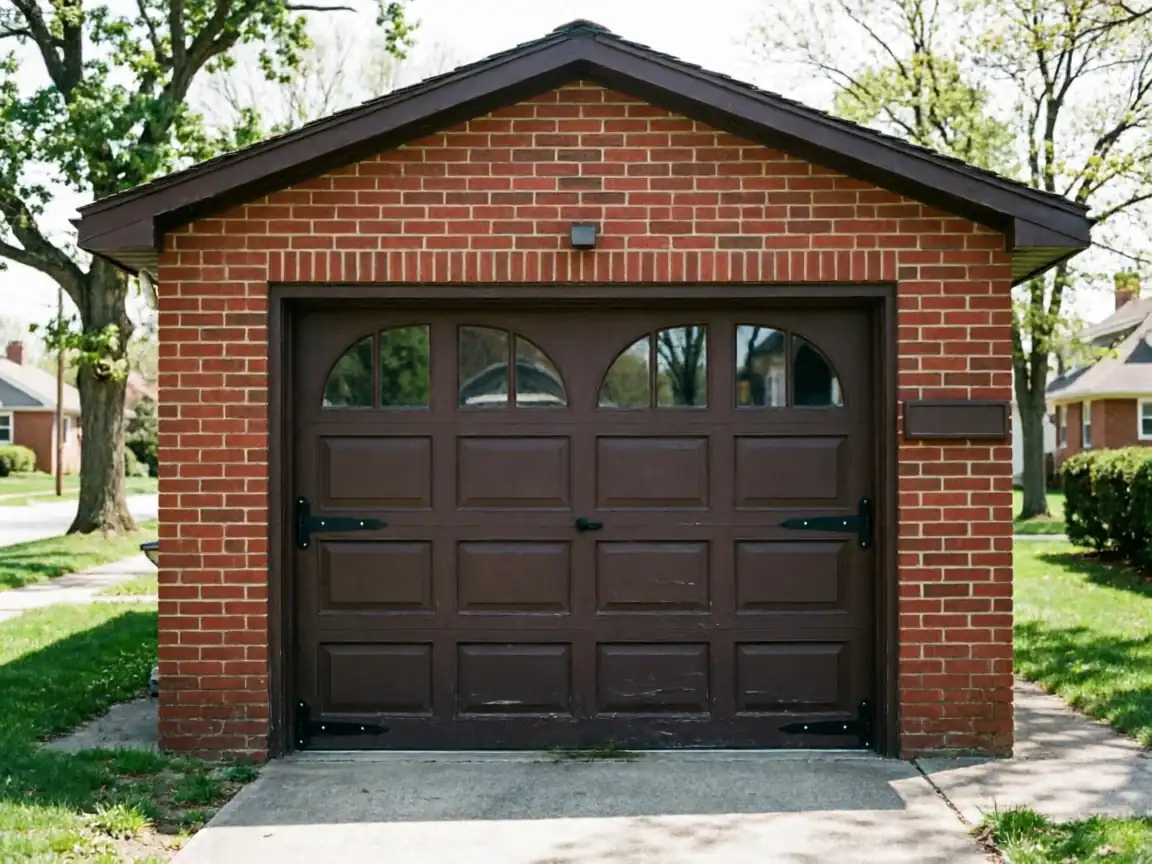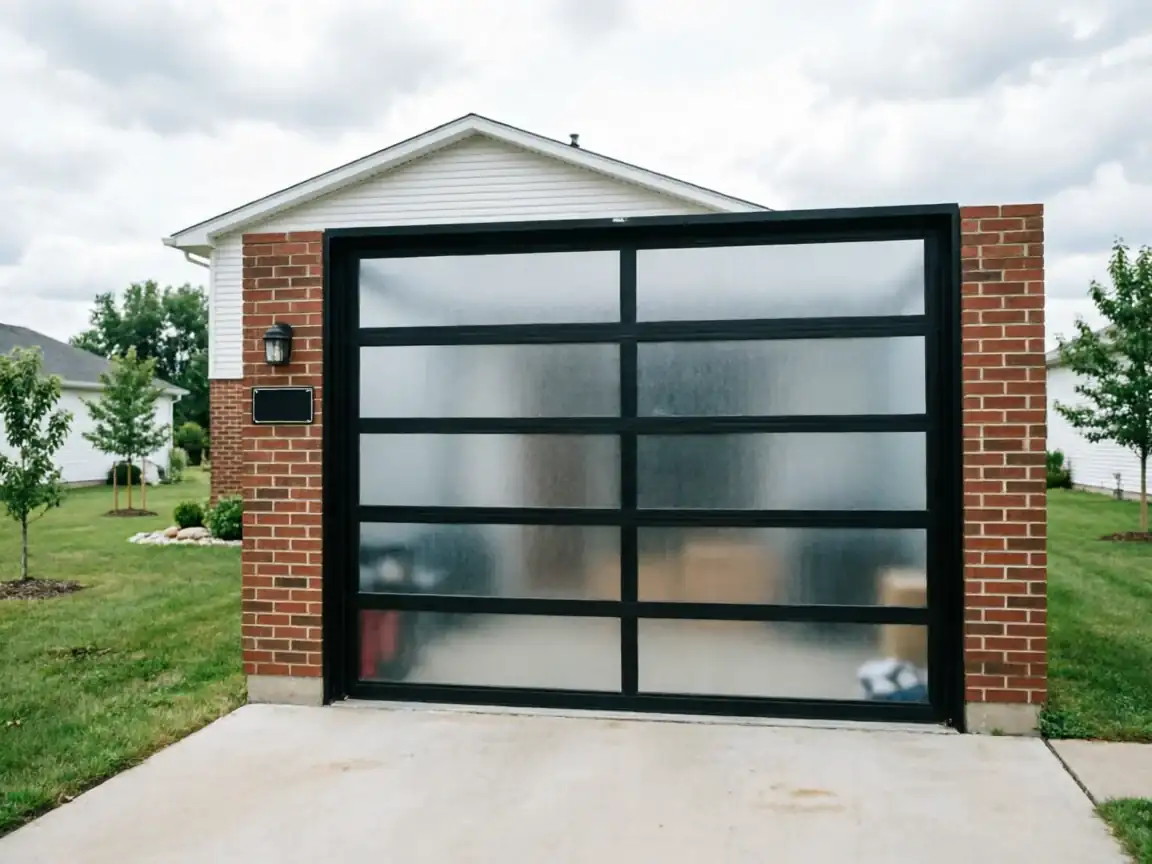
The Symptom
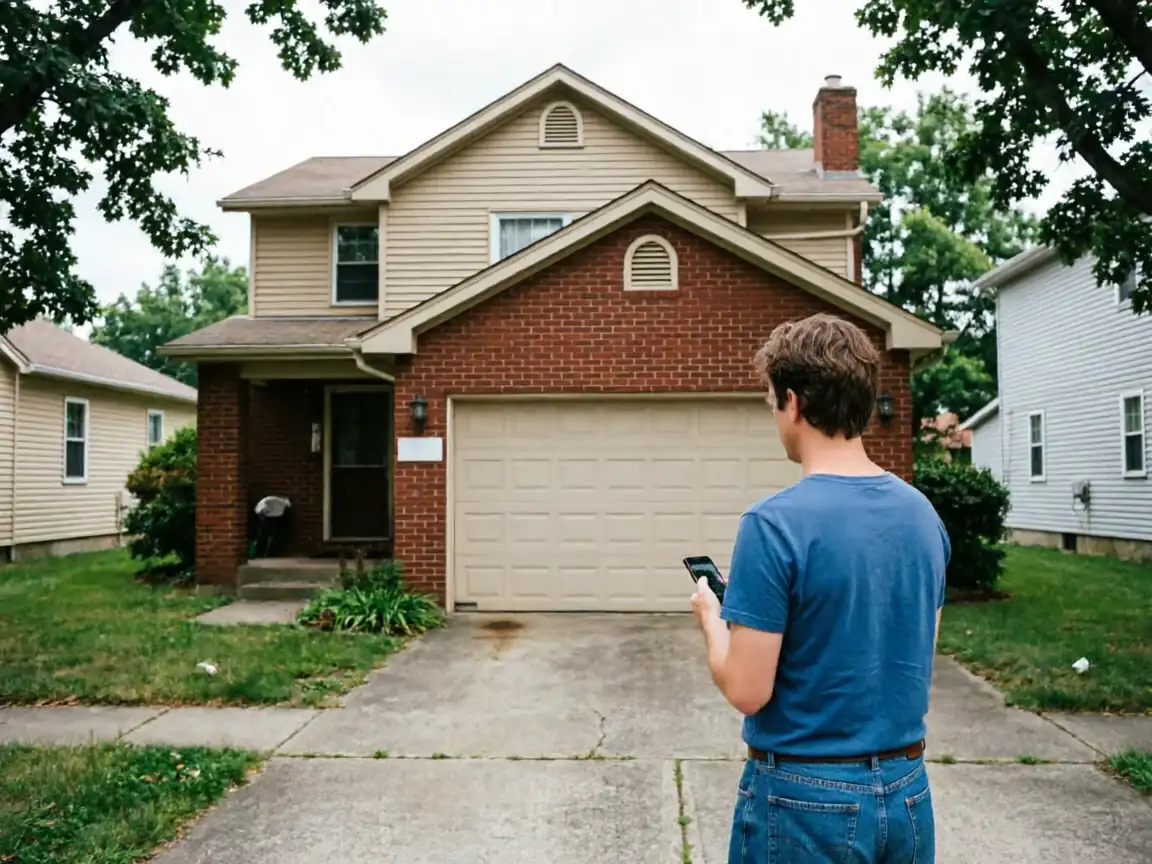
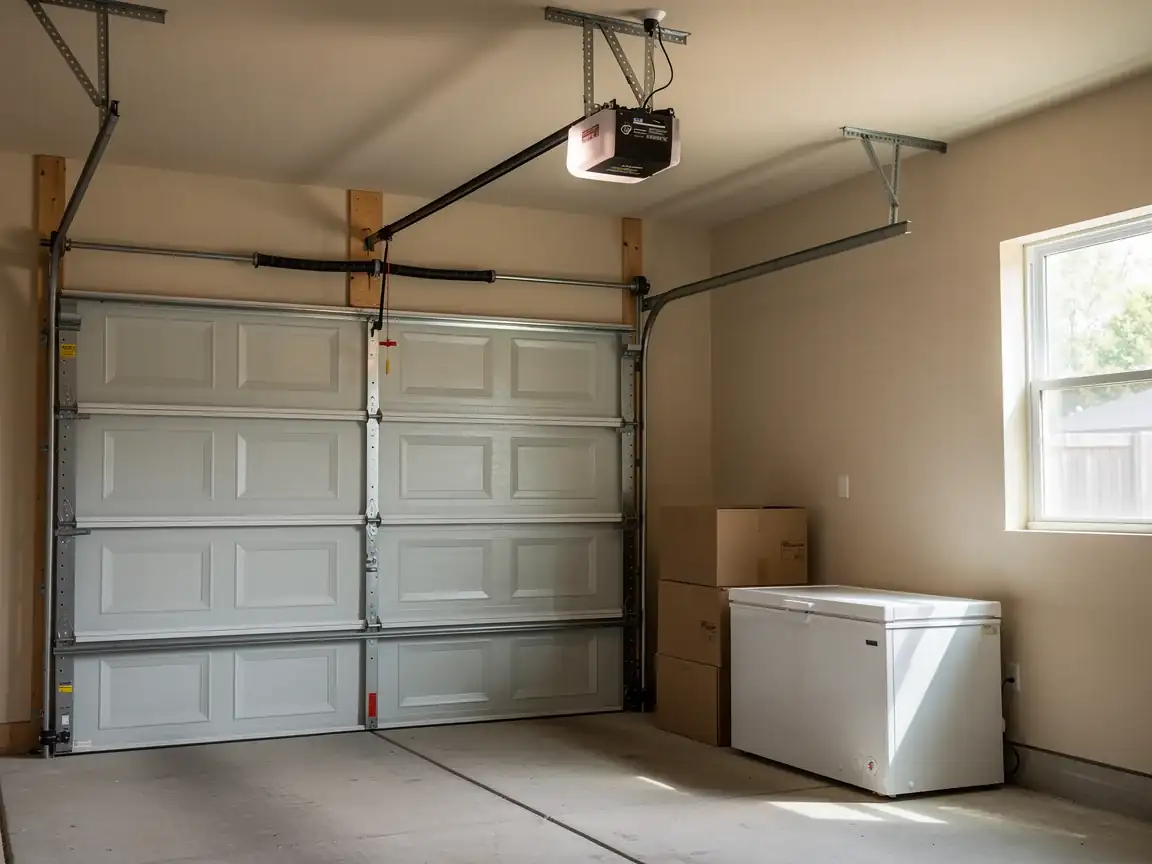
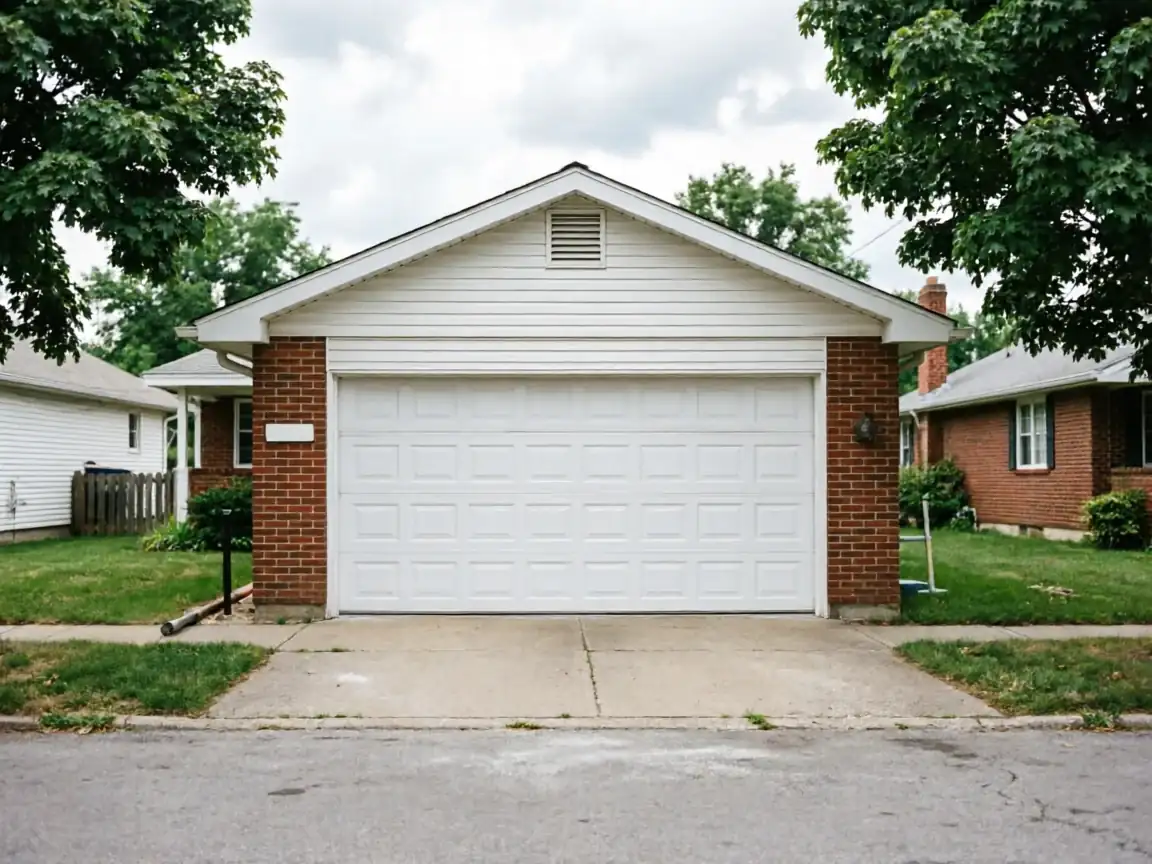
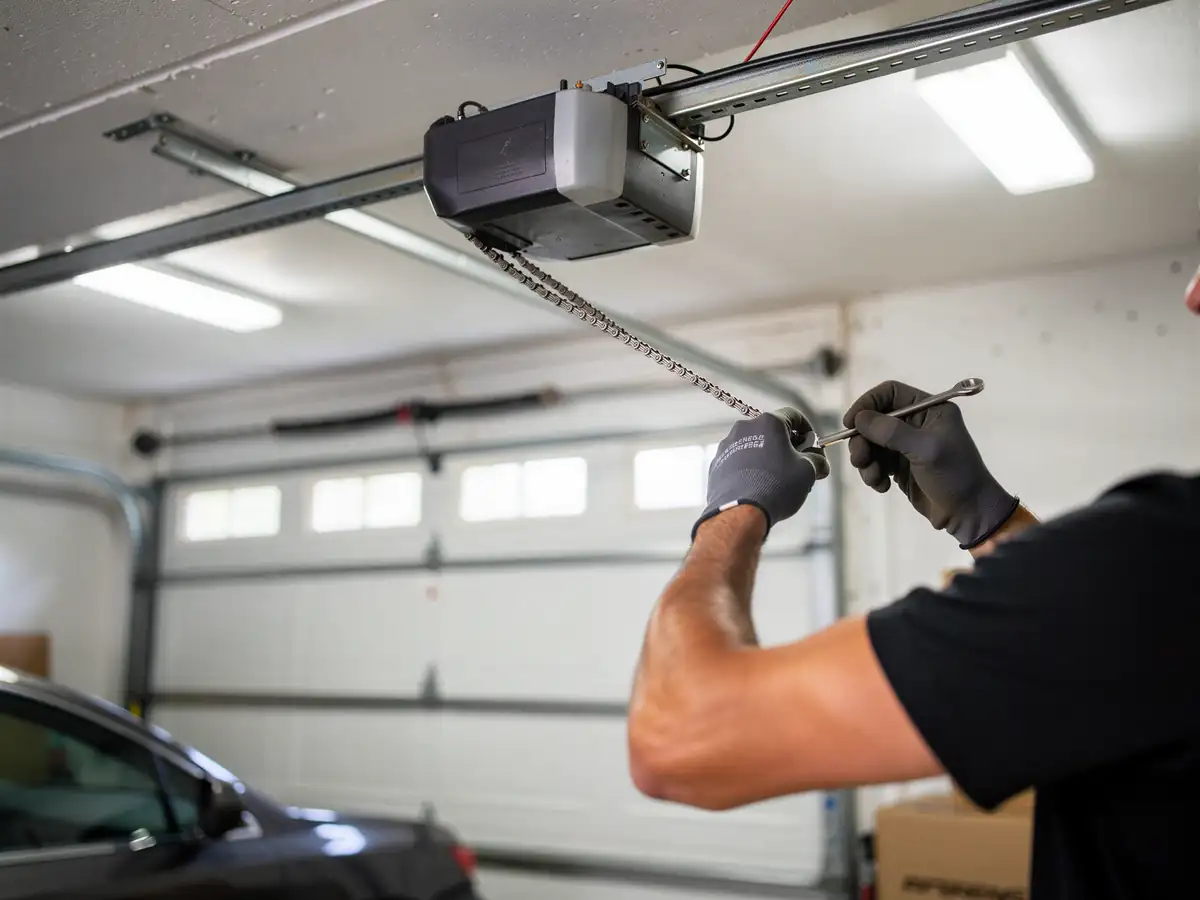
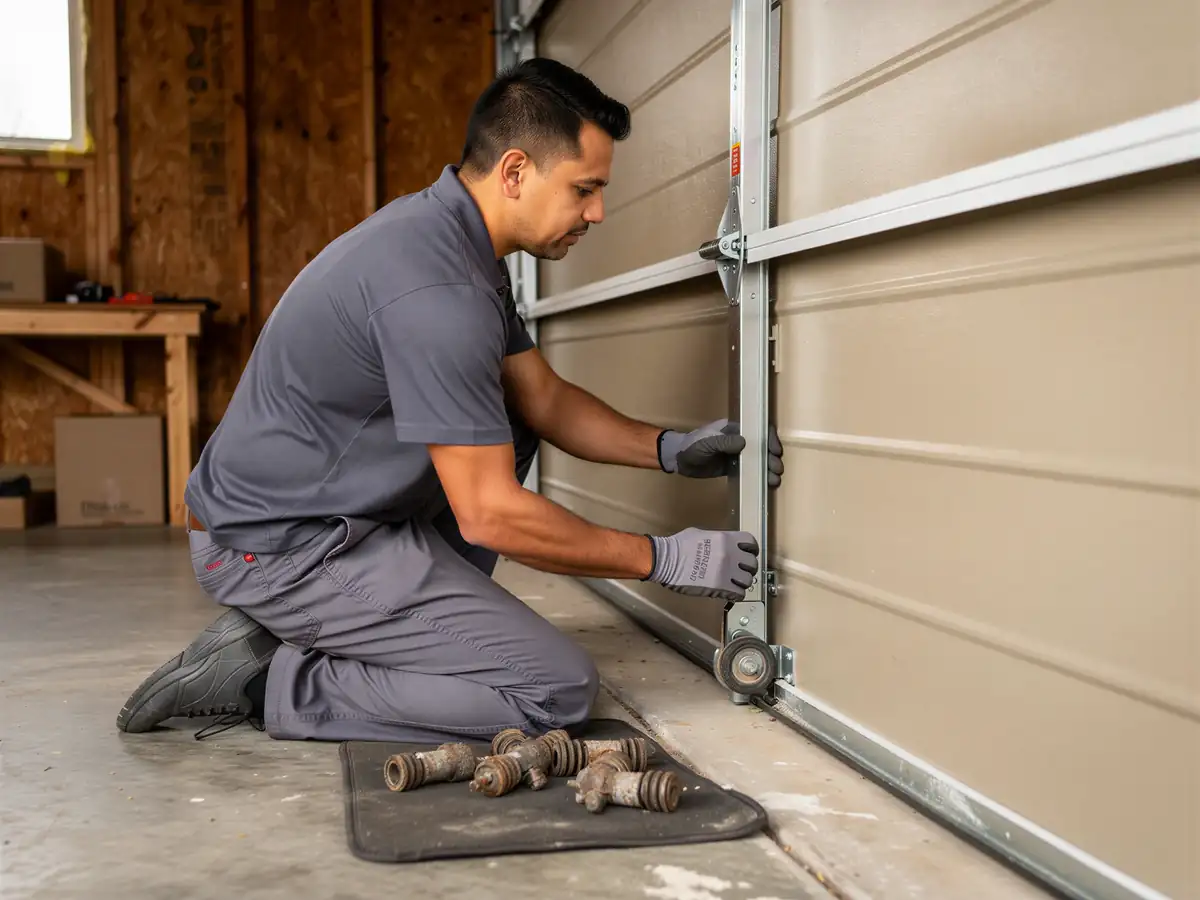
The call we get from Pleasant Hill isn't usually a dead opener that won't run at all. It's a chain or belt drive that's started grinding, slipping, or reversing on its own halfway up. That symptom fits the housing here: Pleasant Hill's median home was built around 2002, which means most garages still have their original opener unit, now pushing twenty-plus years on the same gear set and capacitor. In older parts of the wider Des Moines service area, where houses date back to the 1960s through 80s, we're often replacing a second or third opener. Here, it's usually the first one giving out, and it's giving out the way openers from that era do: worn drive gears, a weakening logic board, or a motor that overheats on the first truly cold morning. If your opener is fighting itself every time it cycles, that's wear talking, not a fluke.
Why This Fails Locally
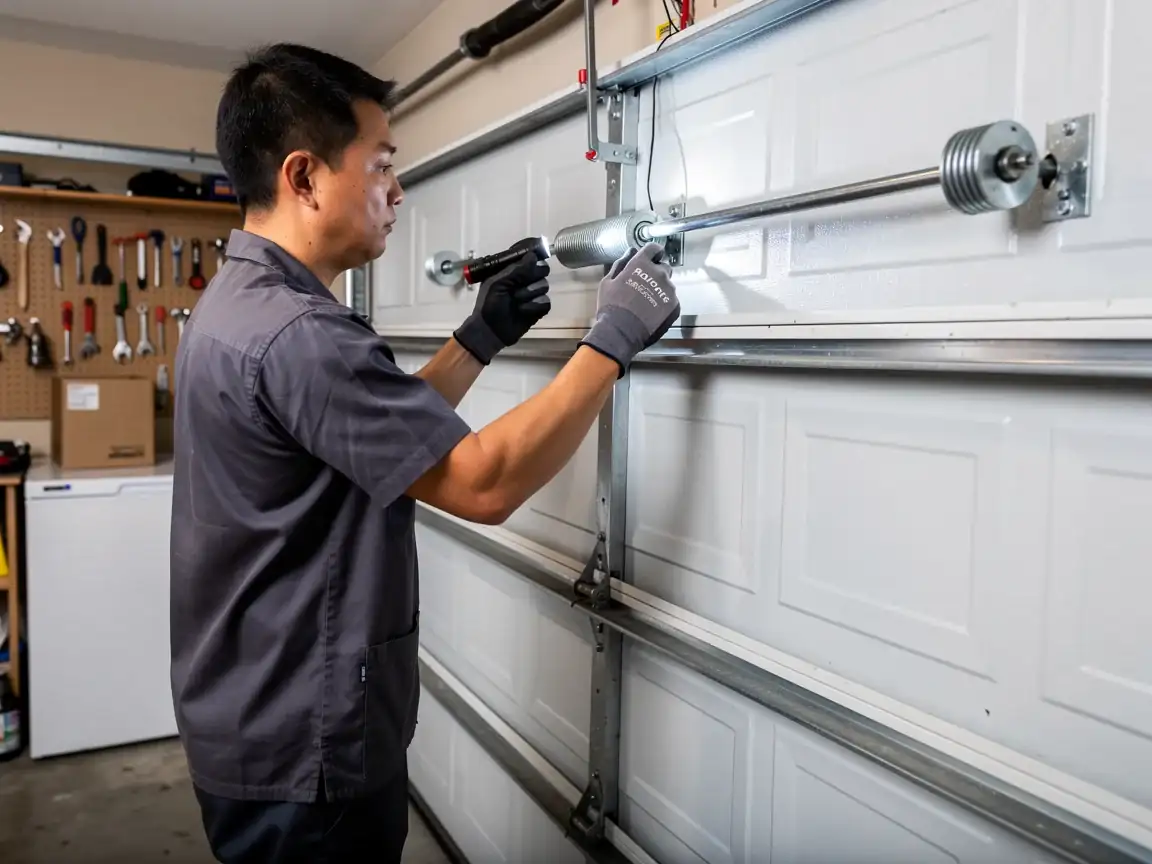
This matters because of what's typical two decades into an opener's life, and Pleasant Hill's housing stock is concentrated right in that window. A home built in 2002 has had one opener cycle roughly 7,000 to 10,000 times by now, which is right where drive gears strip, belts stretch, and old safety-sensor wiring starts to corrode at the connectors. Compare that to areas closer to downtown Des Moines, where houses built decades earlier have usually already been through one opener replacement, sometimes two, and the hardware mix is older but the opener itself might be newer. In Pleasant Hill, we're more often looking at the original unit on original wiring, which changes what we check first: the logic board and capacitor before anything mechanical, because that's where units from this build era tend to go first. The region's cold winters also matter here specifically, because a motor already past its service life struggles harder on a 10-degree morning than one swapped out more recently.
The Complications
A straight swap is the easy version. Complications show up when the garage has had any other work done since 2002: a storm door added, insulation blown into the attic above the opener, or a second opener zone wired in for a workshop. Homes at this age also sometimes have the original photo-eye sensors mounted low enough that a new unit's wiring harness doesn't match pin-for-pin, which means rerunning a short stretch of wire rather than a true swap. None of this is unusual for a 20-year-old install, but it's the kind of thing that turns a one-hour job into a two-hour one. We'll tell you on site if that's what we're looking at before we start, not after.
What Is on the Truck
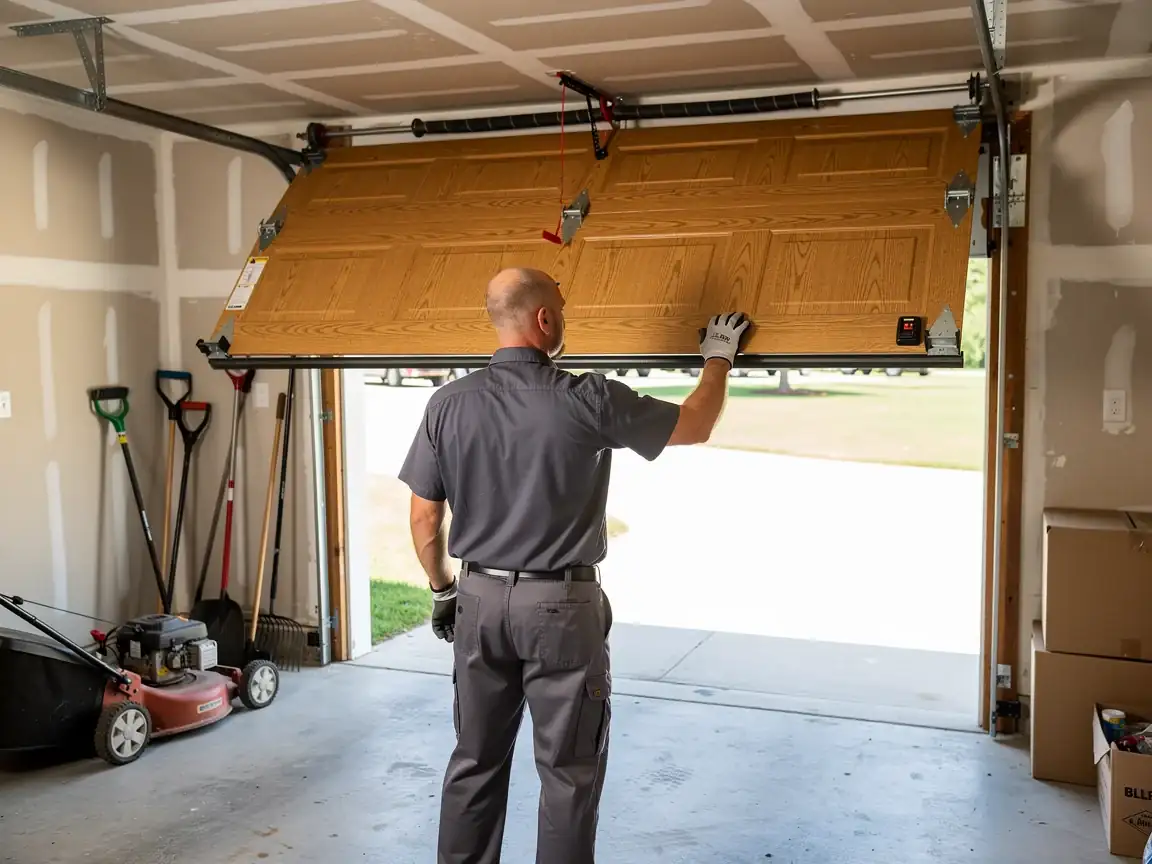
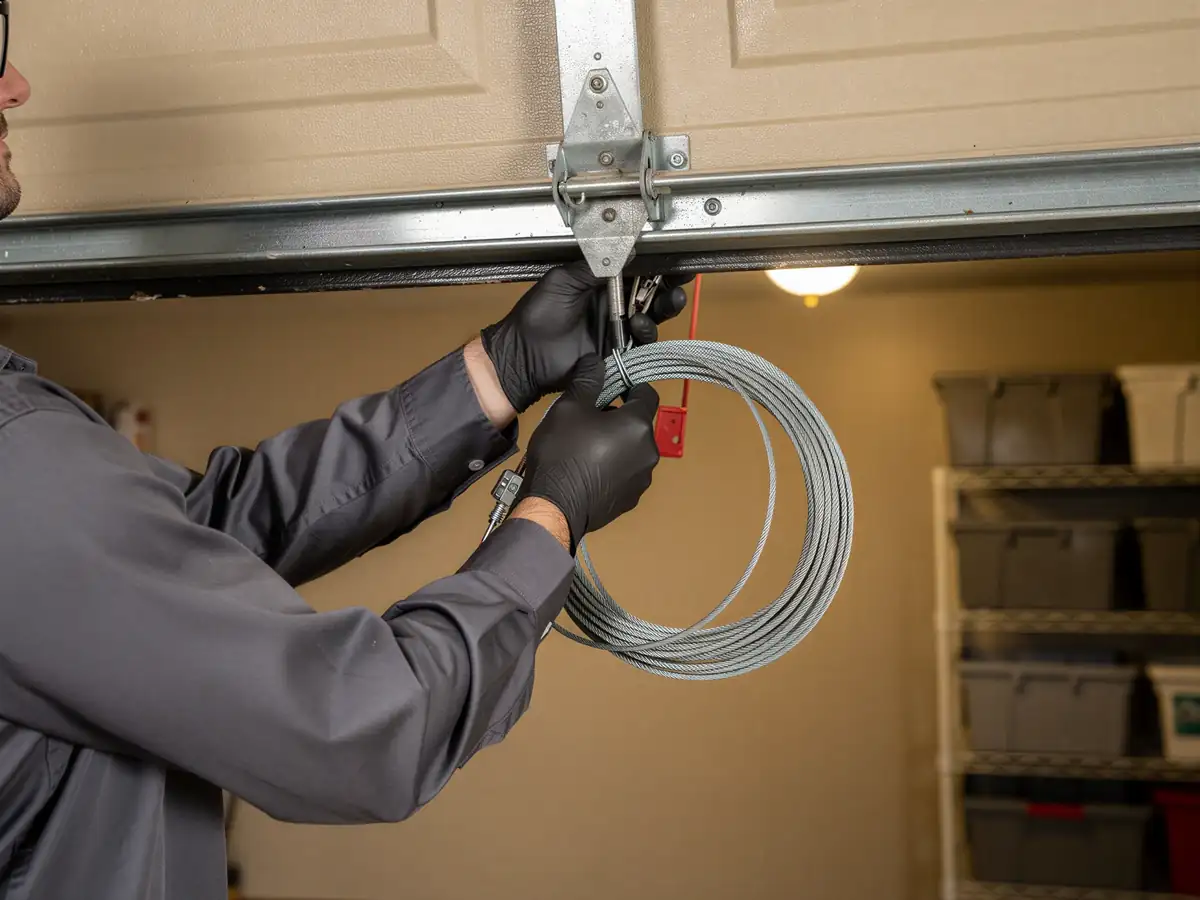
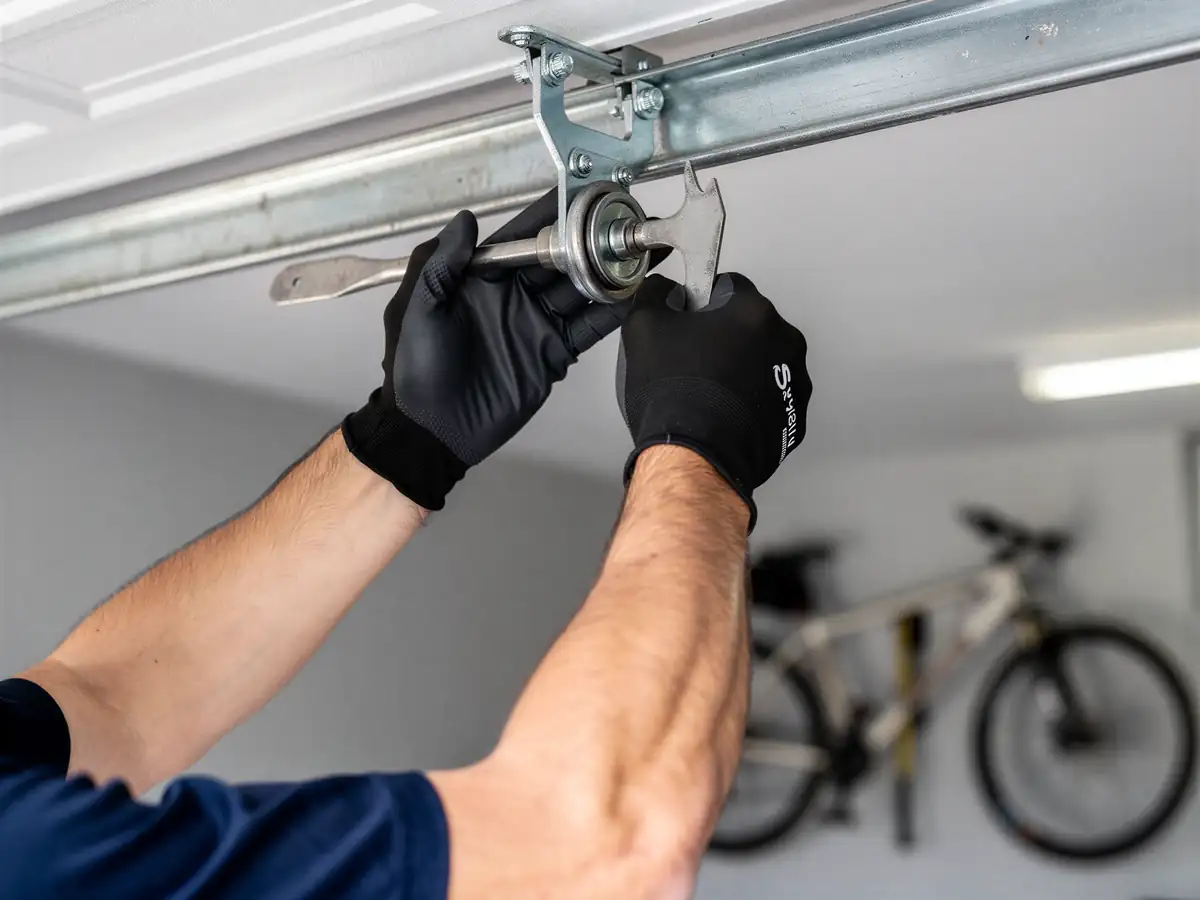
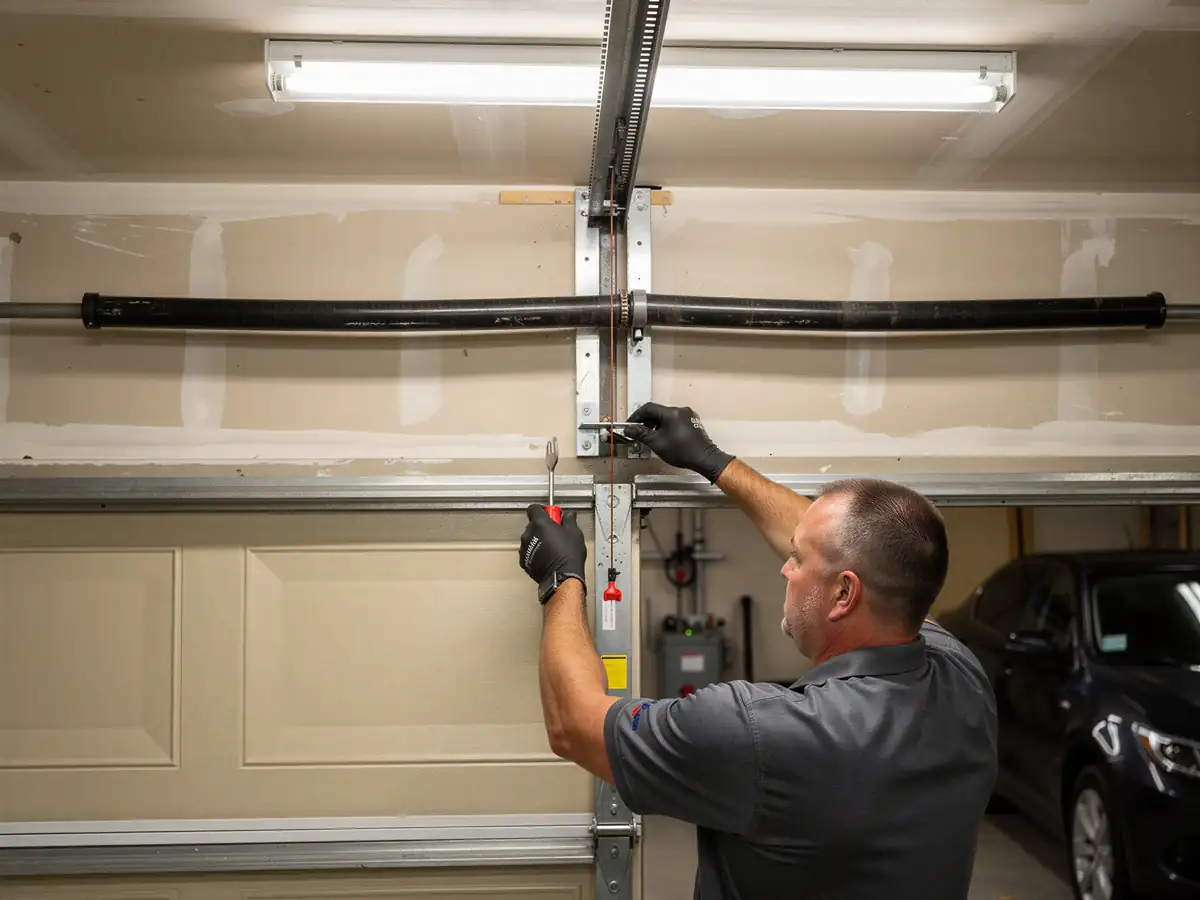
For a town built mostly in the 2000s, we carry the parts that era actually needs: standard 7-foot header brackets, modern photo-eye kits that we can wire into older harnesses, and belt or chain-drive units sized for the 7-foot openings common on Pleasant Hill garages. What we don't carry is every obscure logic board for a discontinued opener model from that generation - if yours is a brand that stopped making parts years ago, replacement is usually the honest call over a repair, and we'll say so rather than order a part that takes two weeks to land.