Why This Fails Locally
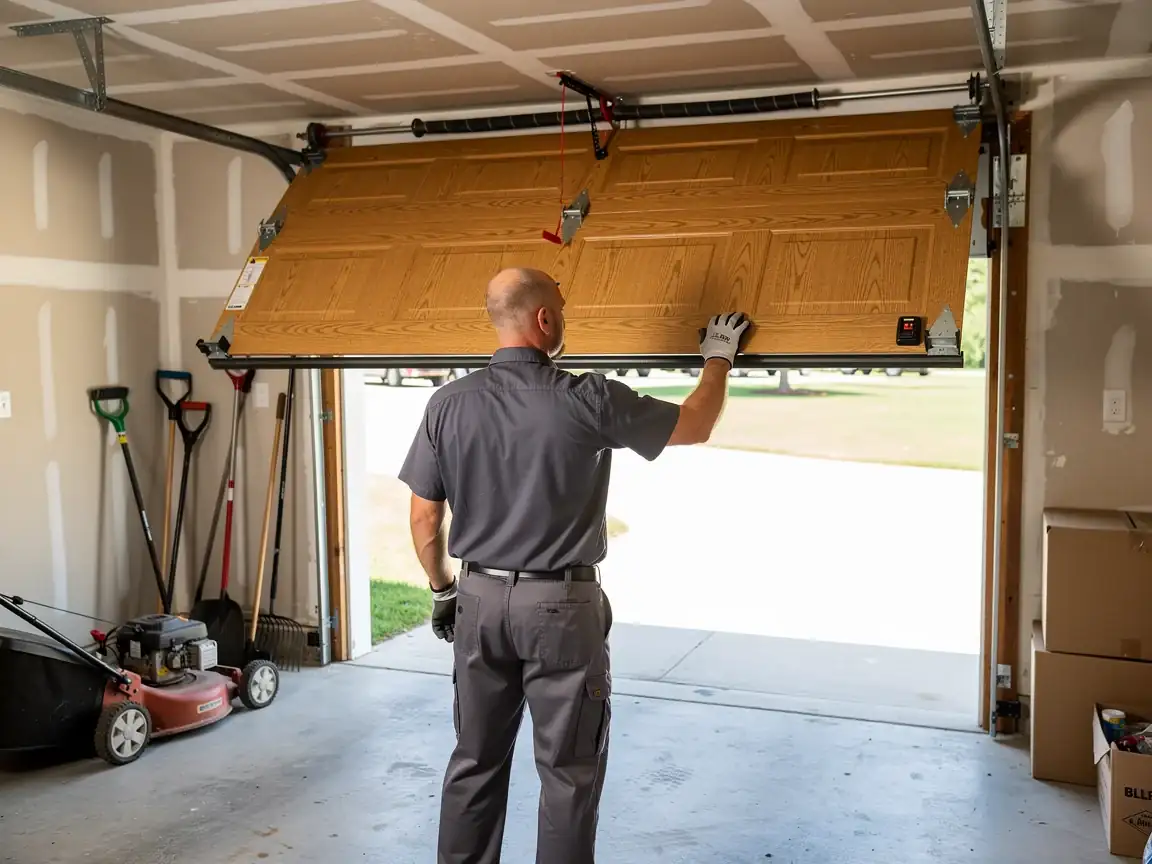
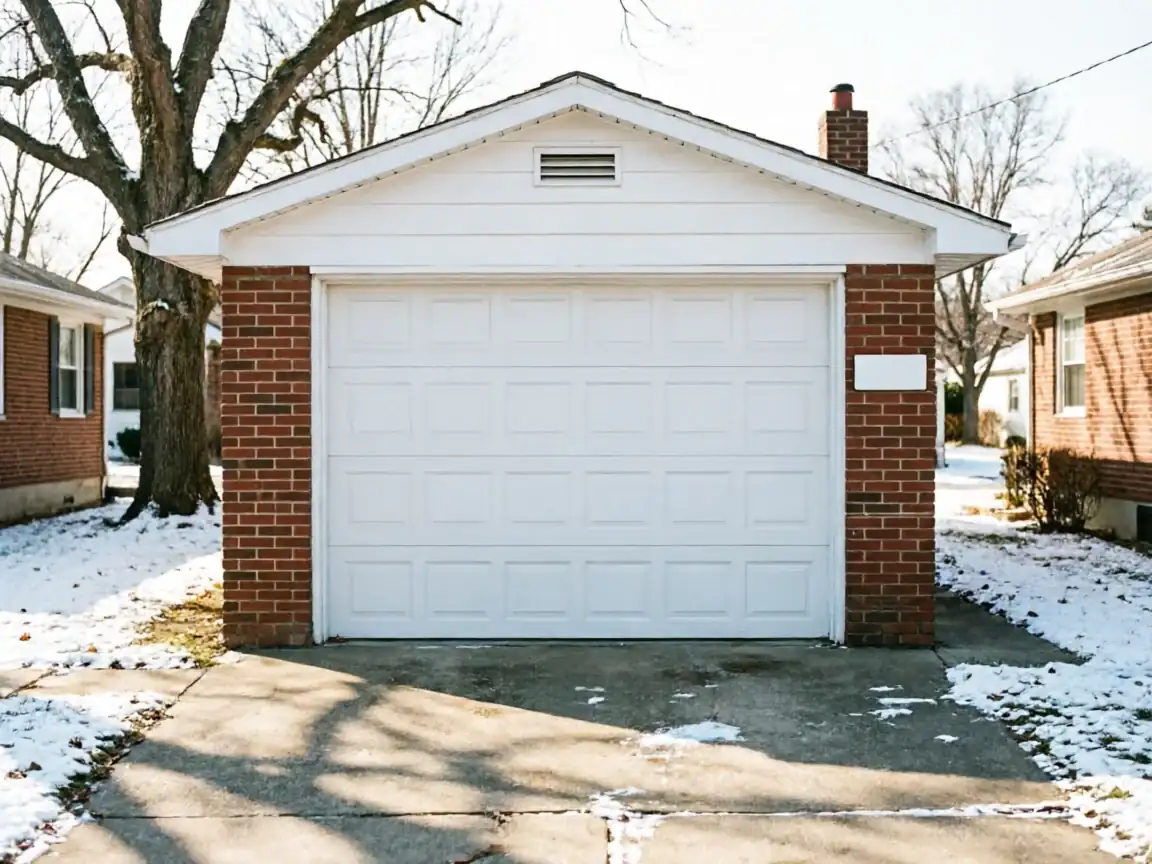
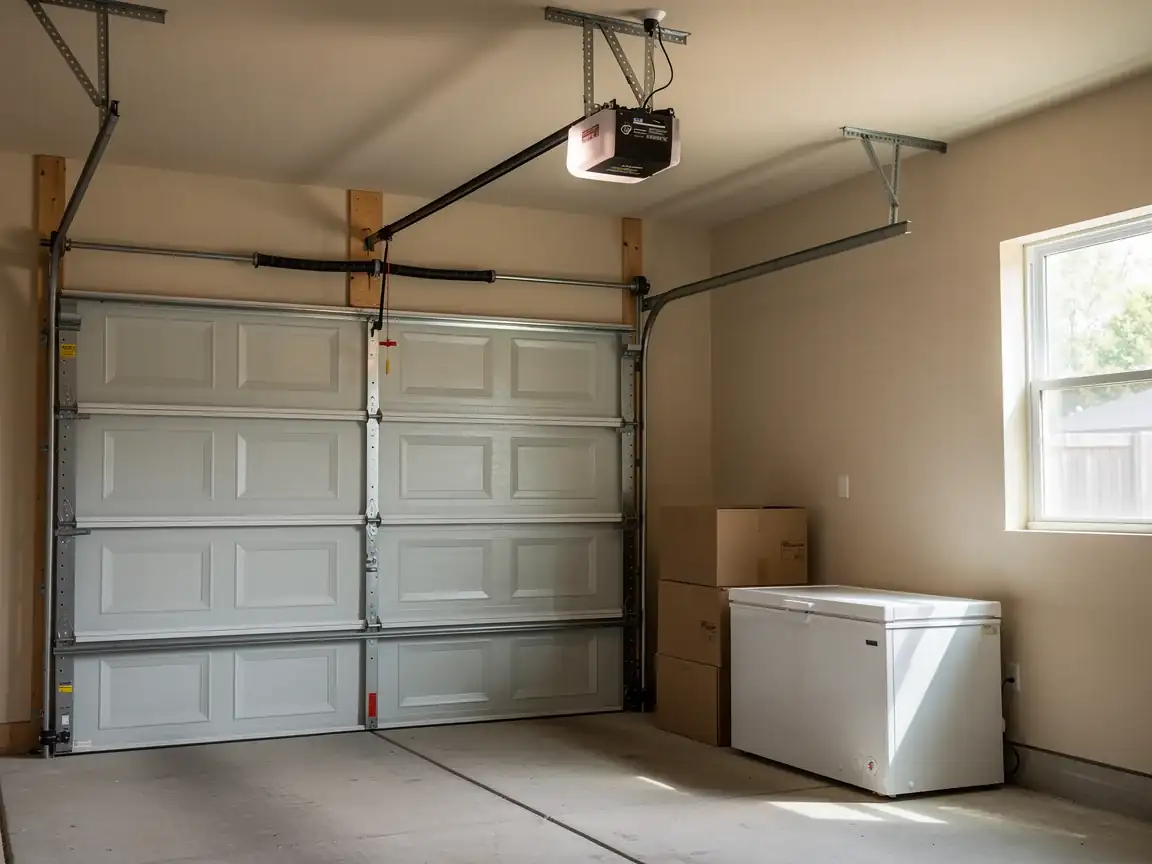
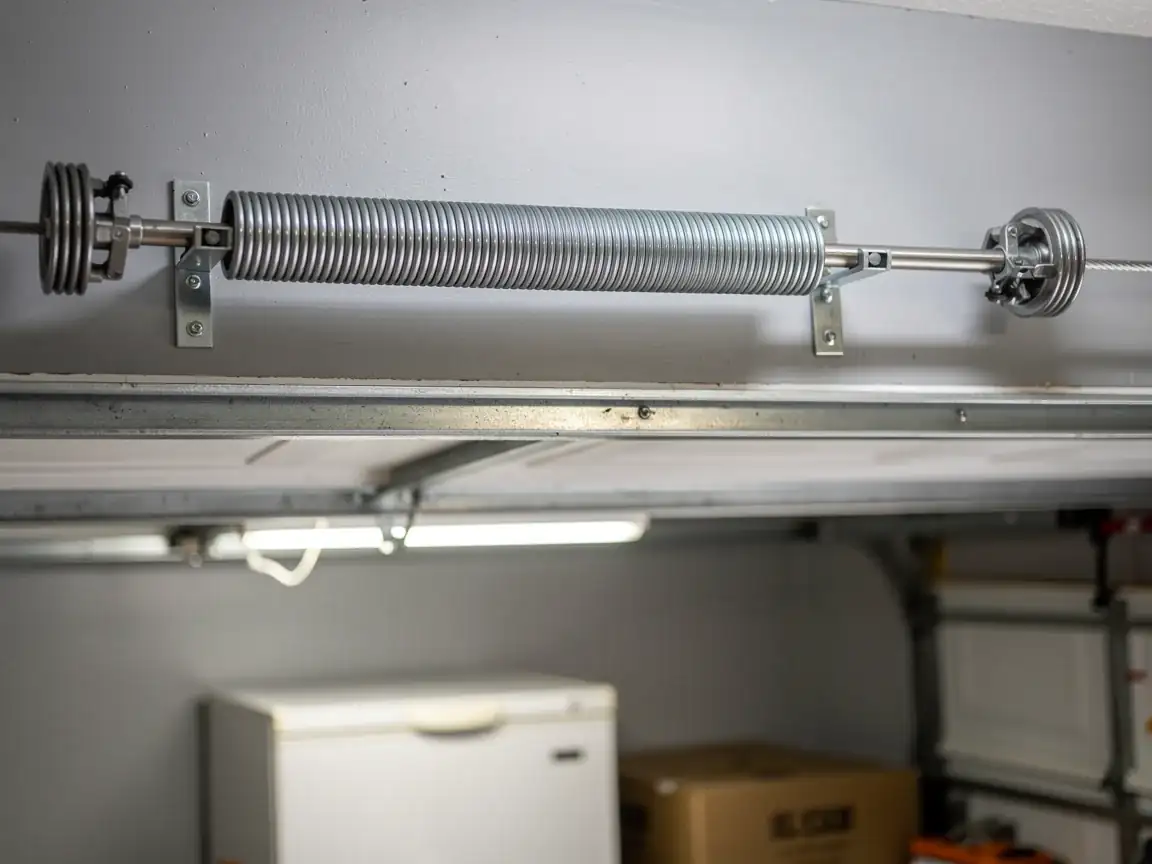
Most of the housing stock we work on across this service area went up between 1959 and 2009, with the median build year sitting around 1995 and the heaviest concentration from the 1980s and '90s. That matters because a torsion spring is rated for a cycle count, not a calendar date - and a spring installed when a house was framed in, say, 1988 has been doing its job through roughly three and a half decades of winters. Des Moines sits in a cold, moderate climate band, and steel springs lose tension and develop metal fatigue faster when they're cycling through hard freeze-thaw swings every year. A spring that would limp along another five years in a mild climate snaps clean here. We also see this concentrated by vintage: a 1960s house usually has old single-stage openers and undersized springs for the door weight they're carrying, while a 1990s build often has the right springs but they're simply past their rated life. Either way, the fault isn't random - it's a function of age plus climate acting on the same hardware for decades. That's the pattern across the area, not a one-house problem.
What Is on the Truck
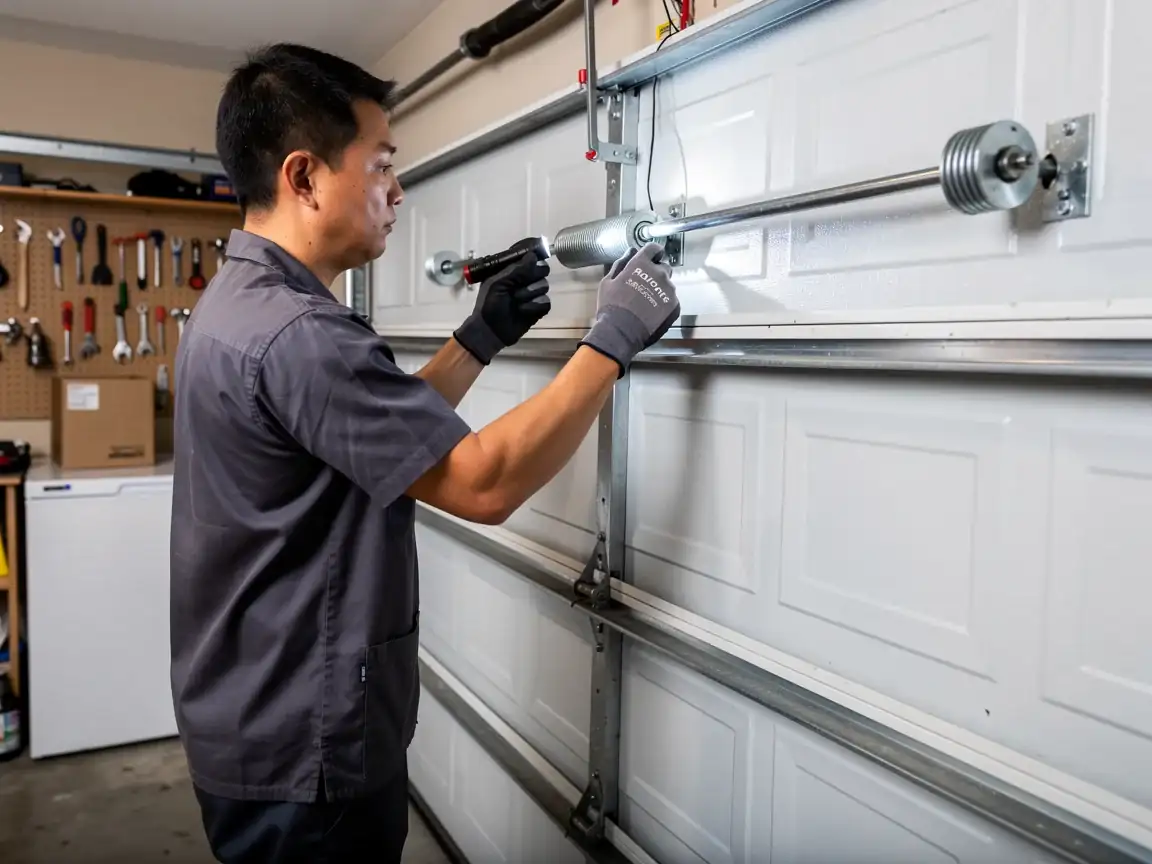
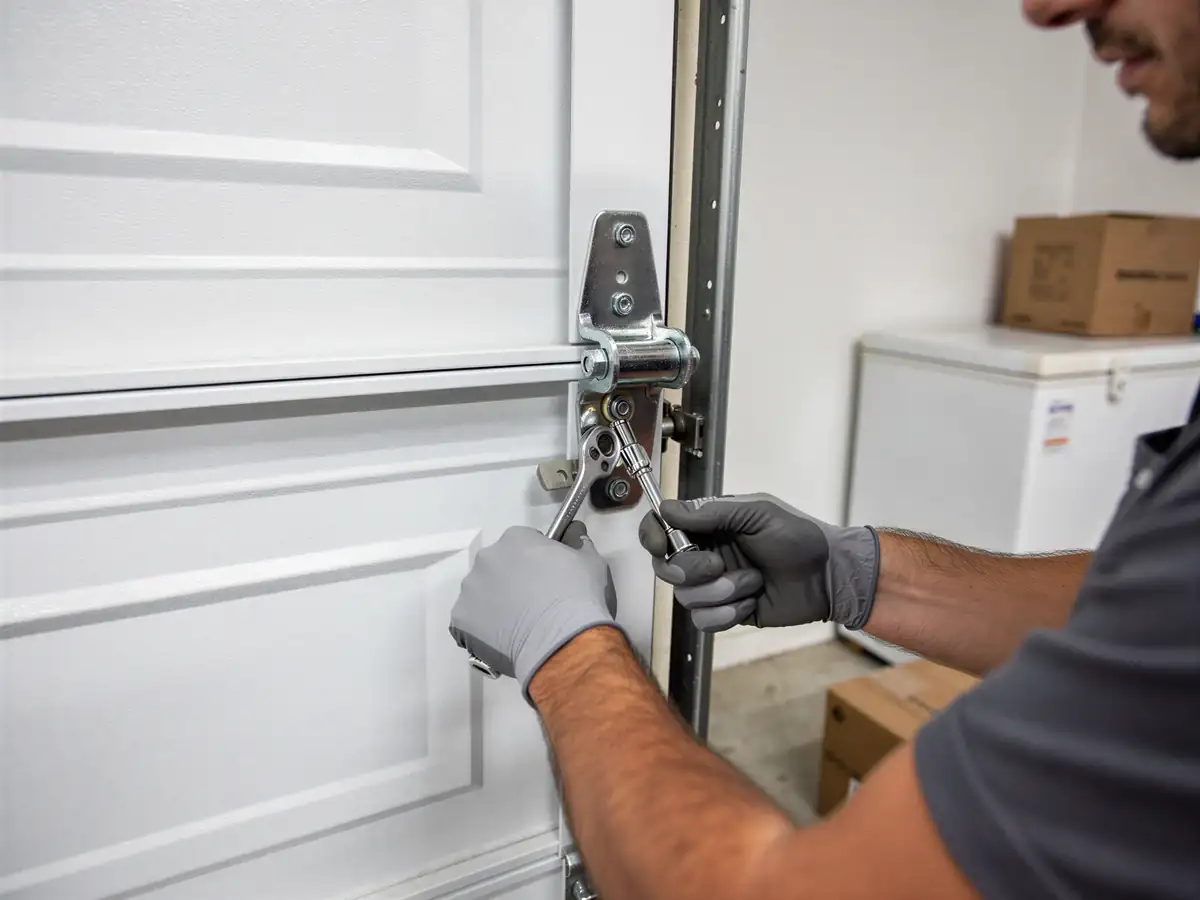
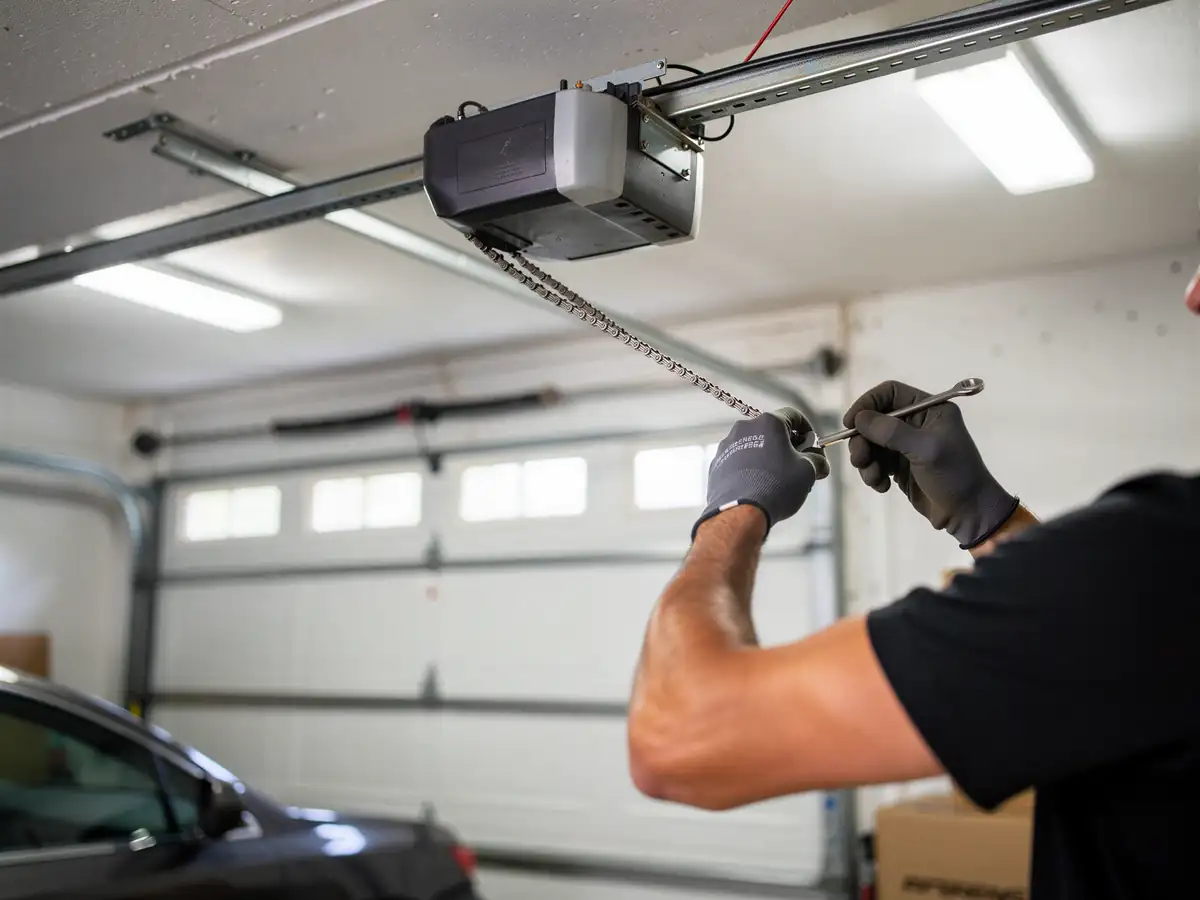
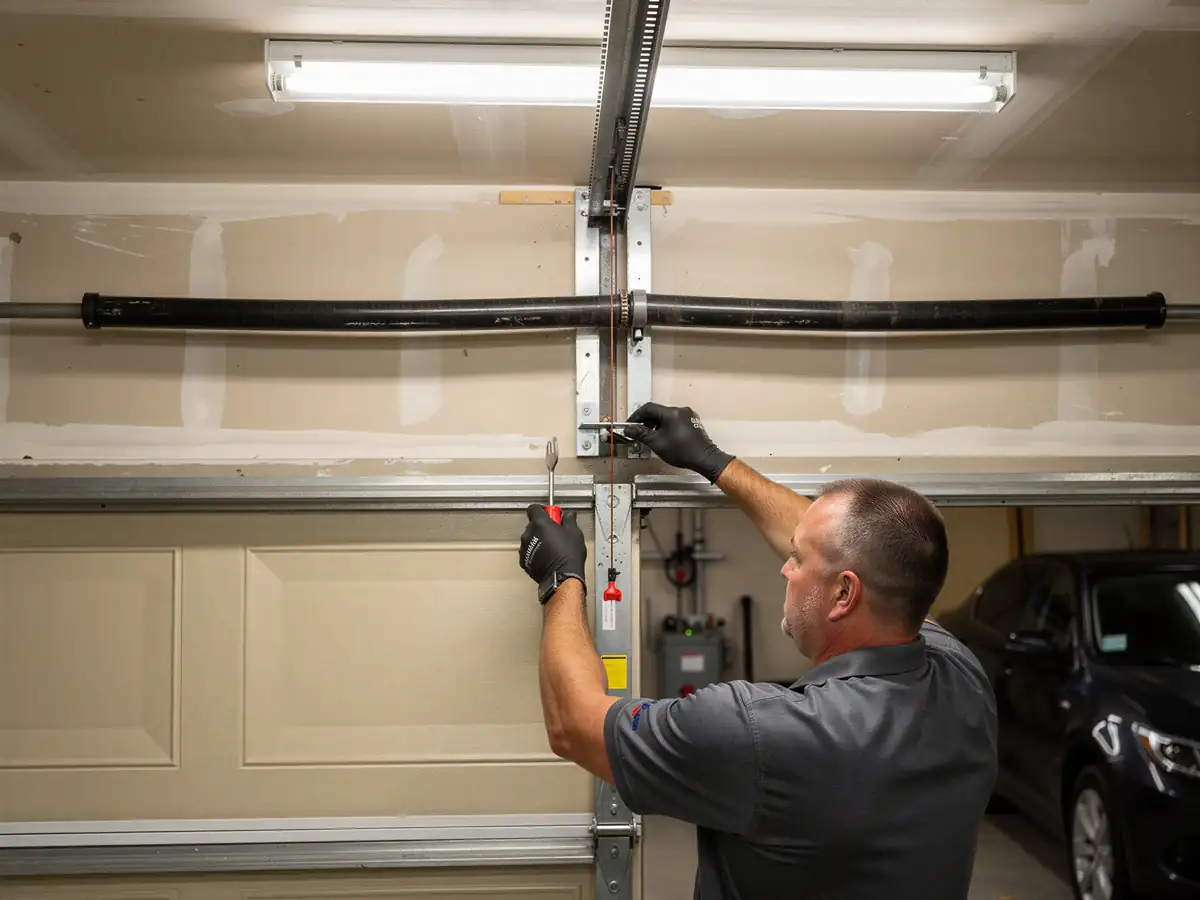
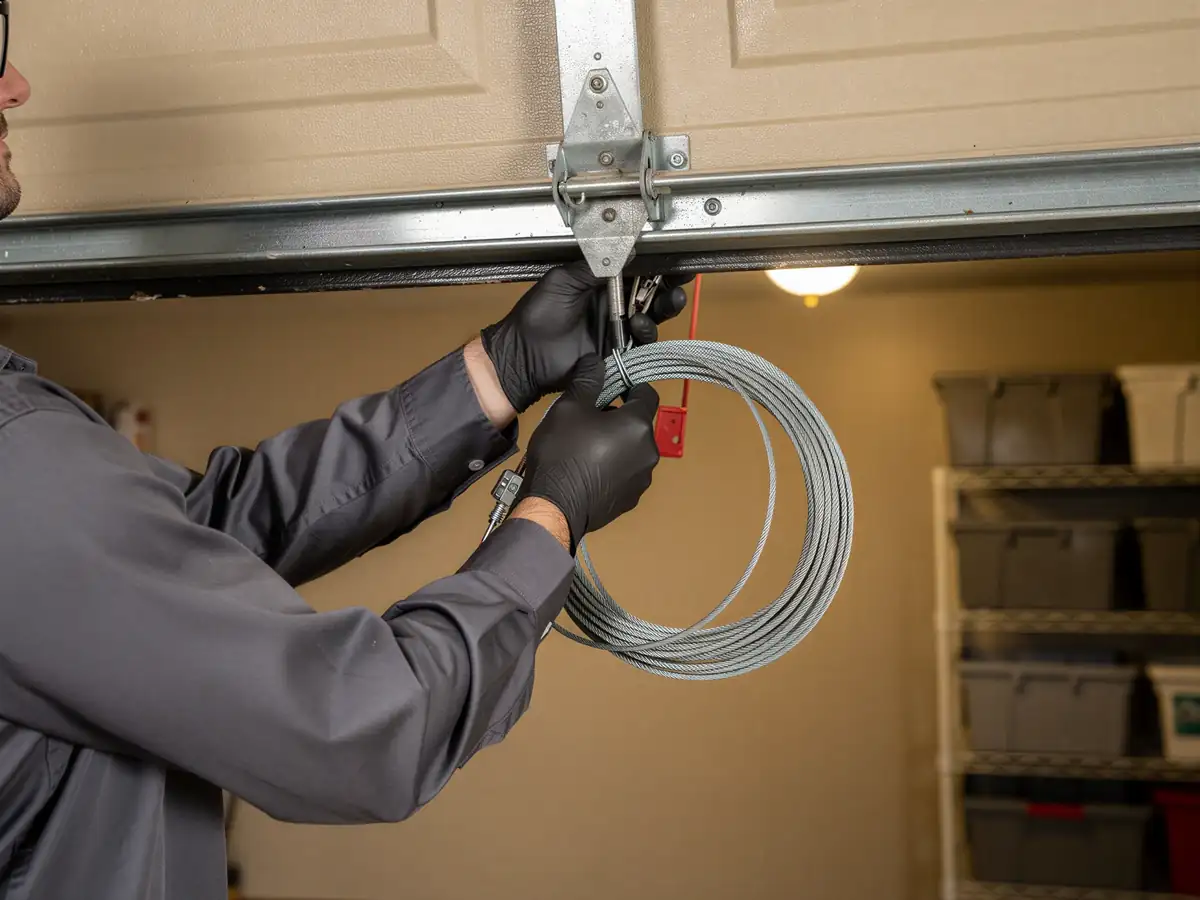
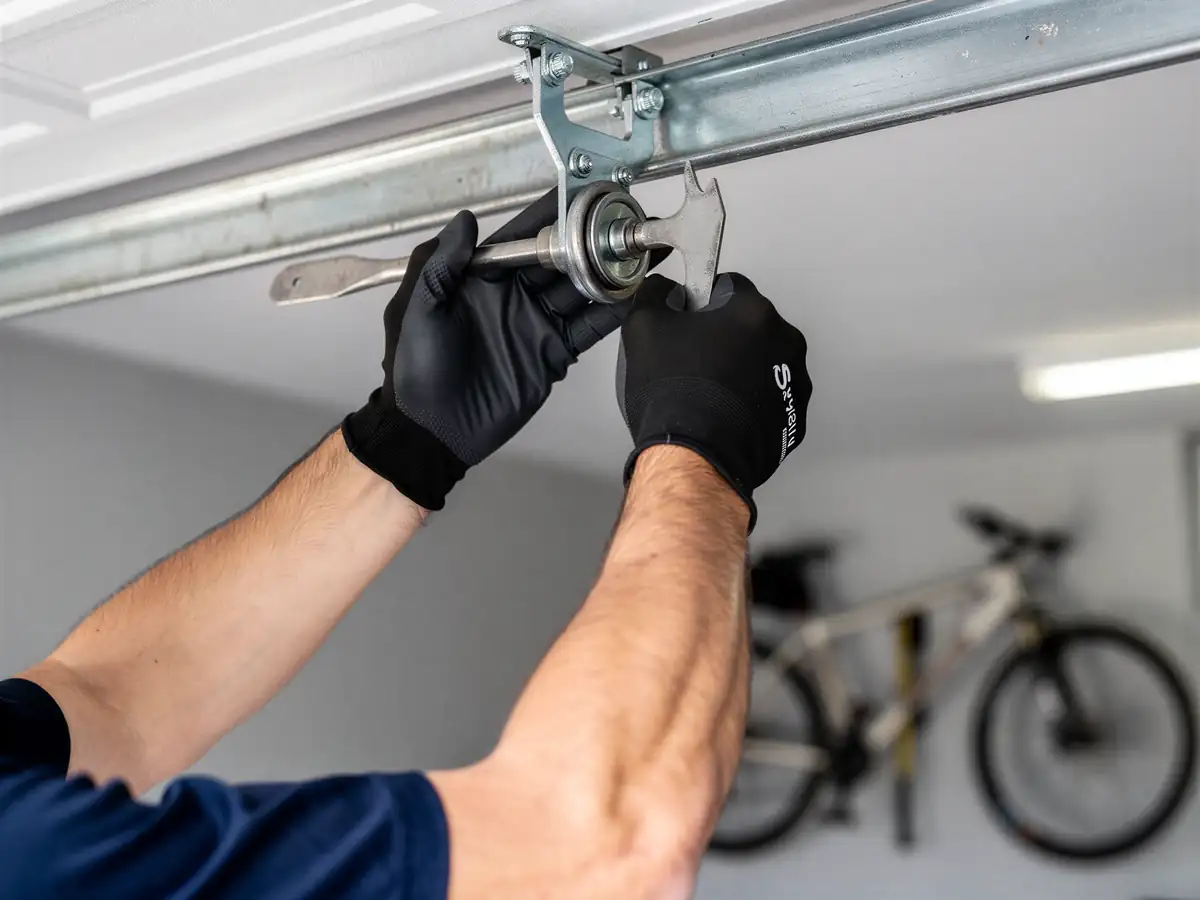
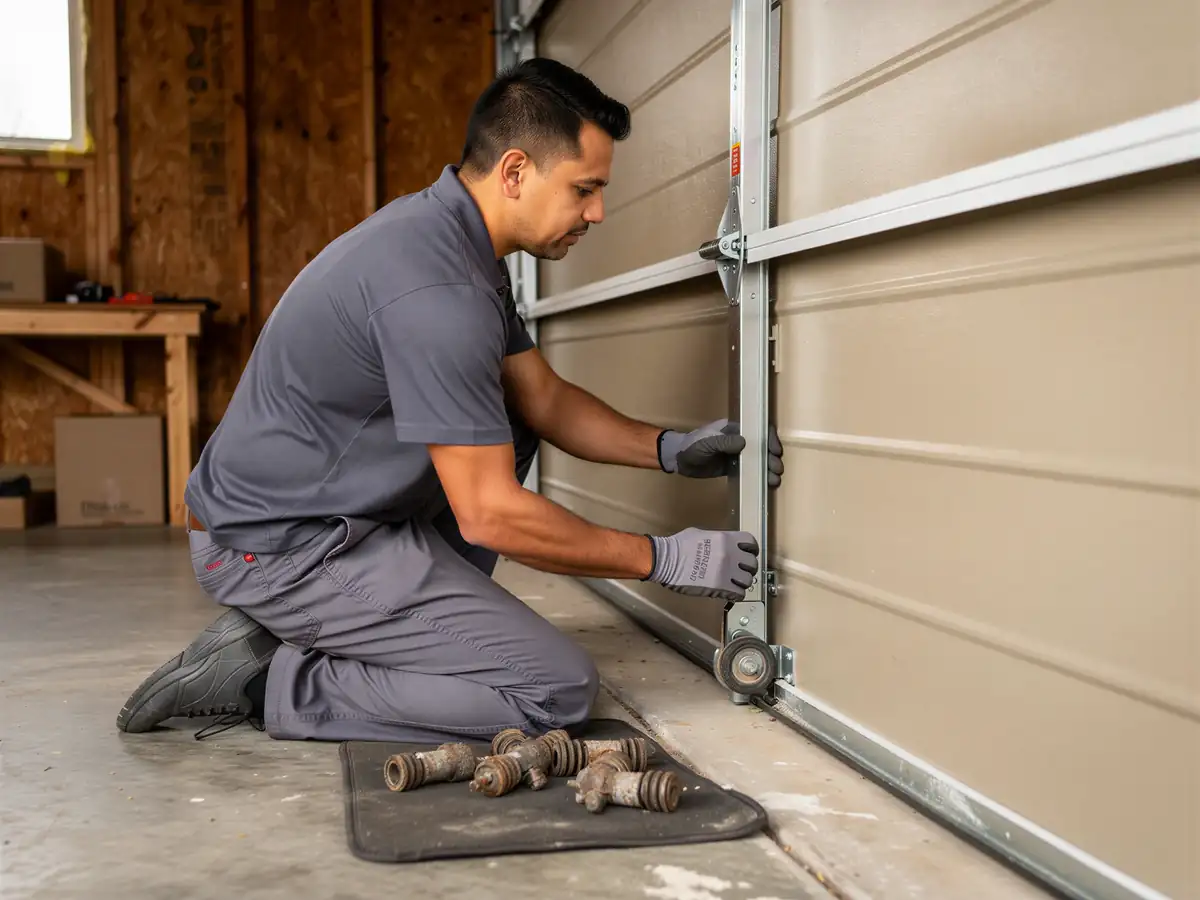
For the failure pattern common to this housing stock, we carry torsion springs sized across the range of door weights found in both the 1960s-era single-car doors and the heavier 1990s-2000s two-car doors, plus the matching cables, drums, and bearing plates. We stock standard-lift and some high-cycle springs, since a lot of owners here are past due for an upgrade from the original factory spec. We carry the common residential opener drive parts - gears, belts, chain, and logic boards for the brands we see most in this area - along with rollers and track sections for repairing bent track rather than replacing a whole door when that's enough. What we don't carry on the truck is every spring wire size and every door-panel pattern in existence; some older or custom doors need a part ordered in, and we'll tell you that up front rather than make a return trip look like poor planning.
What It Costs
We don't have a flat number to give you here because the two biggest cost drivers - door weight and spring type - vary a lot across the housing stock we cover, and we're not going to quote a price without knowing which one applies to your door. A single torsion spring swap on a standard door is a different job than replacing a pair of springs sized for a heavy insulated two-car door, and that difference shows up in the bill. What we can tell you is that most of the homes in this area, with median household income around $98,333, are making a repair-versus-replace call on a door that's somewhere in its second or third decade - and for a lot of those, fixing the spring and leaving the rest of the hardware alone is the right call, not an upsell toward a new door. We'll give you the actual number after we look at the door, not before.