When It Stops Being a DIY Job
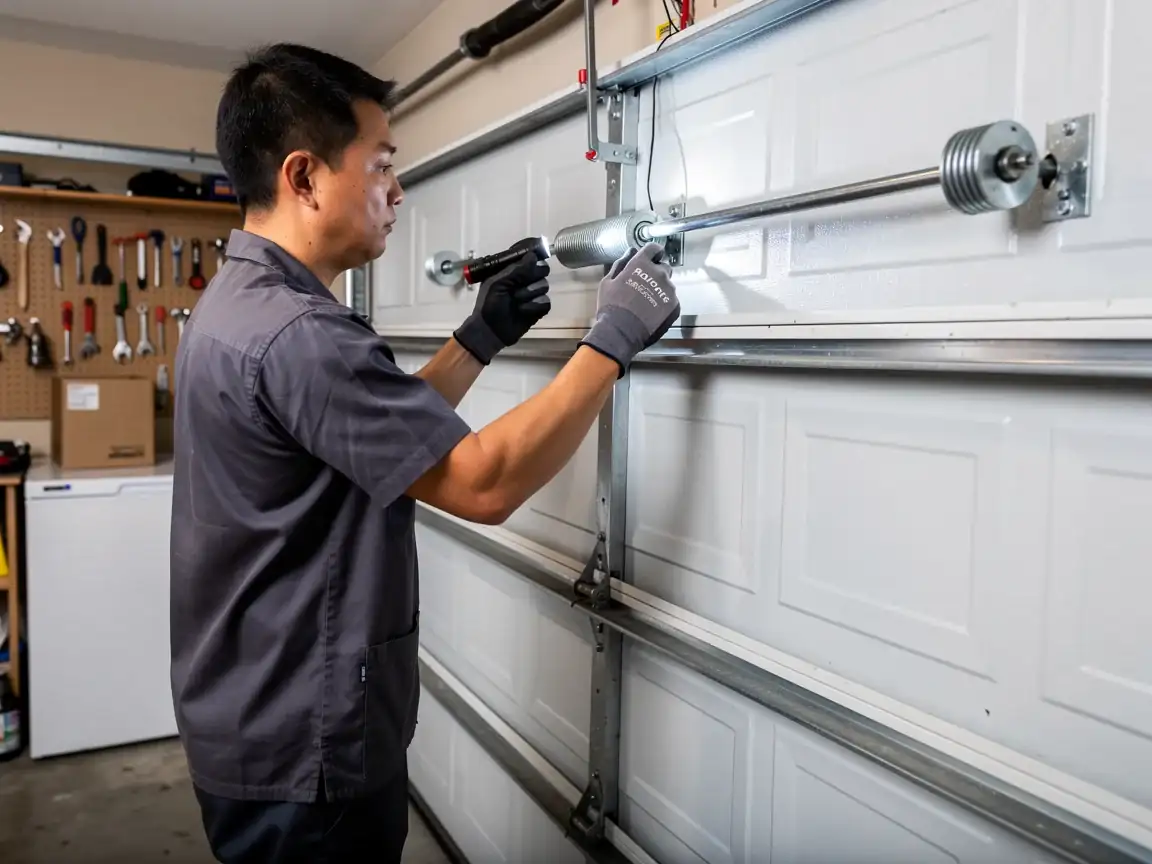
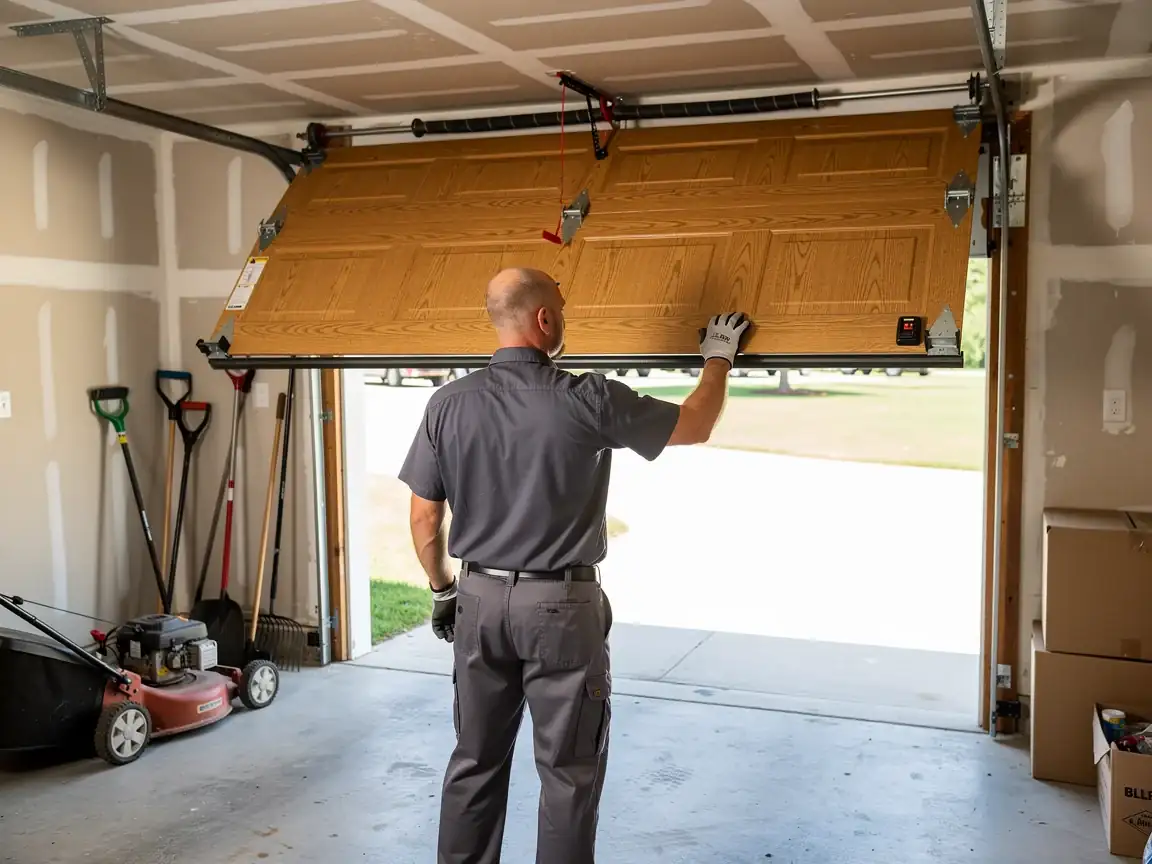
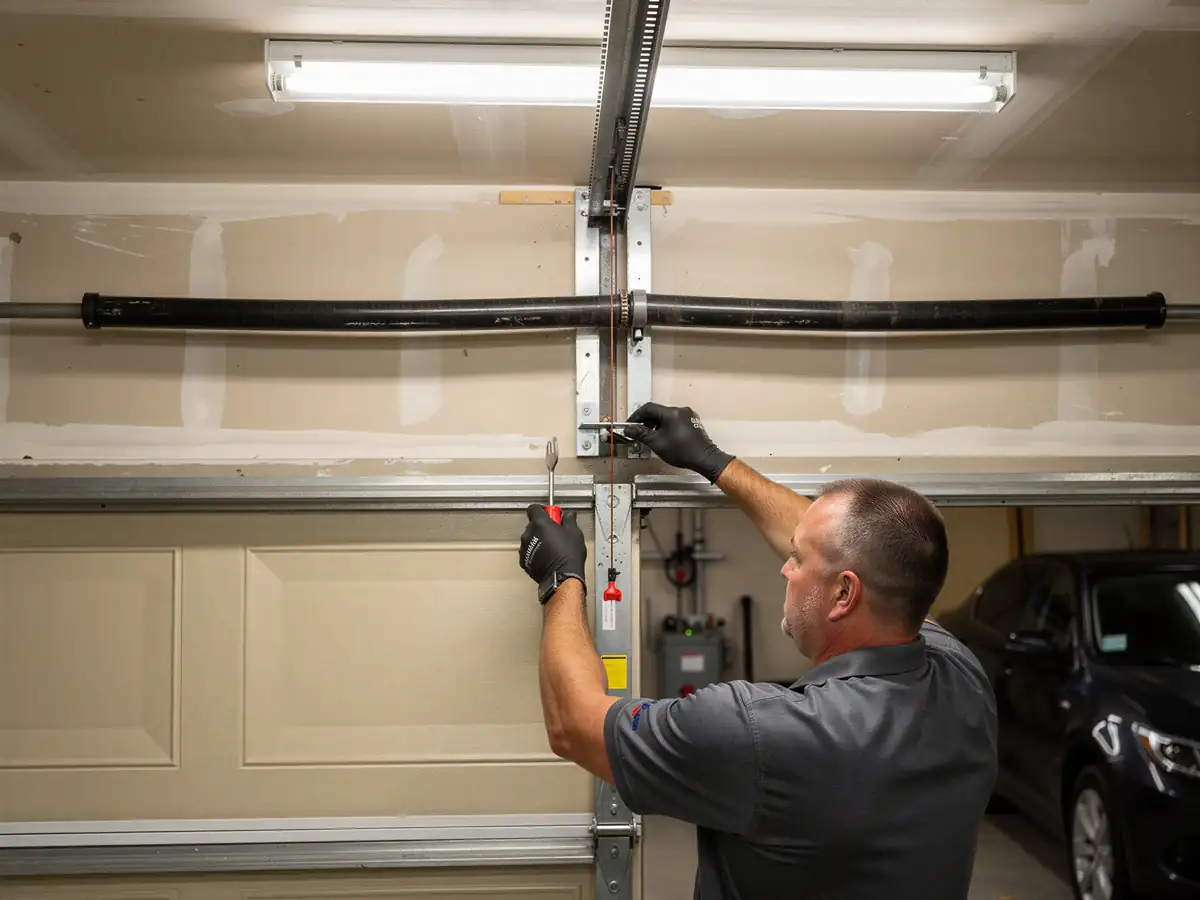
A torsion spring under tension is not a part you want to learn on. If the door won't budge, or it opens a few inches and drops, or you hear a bang from the garage followed by a door that won't lift at all, that's a broken spring and the job is done. Don't cut the old spring free, don't try to unwind it, and don't prop the door open with a 2x4 and call it fixed for the week.
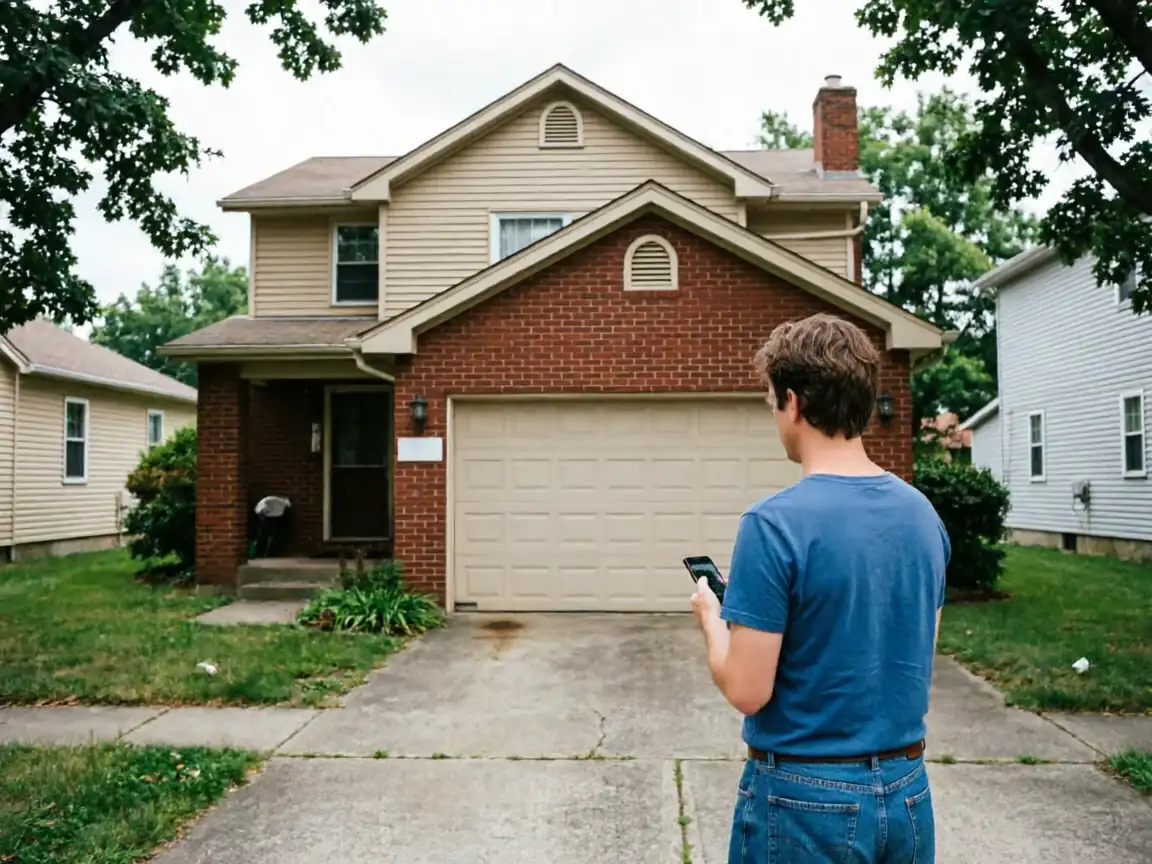
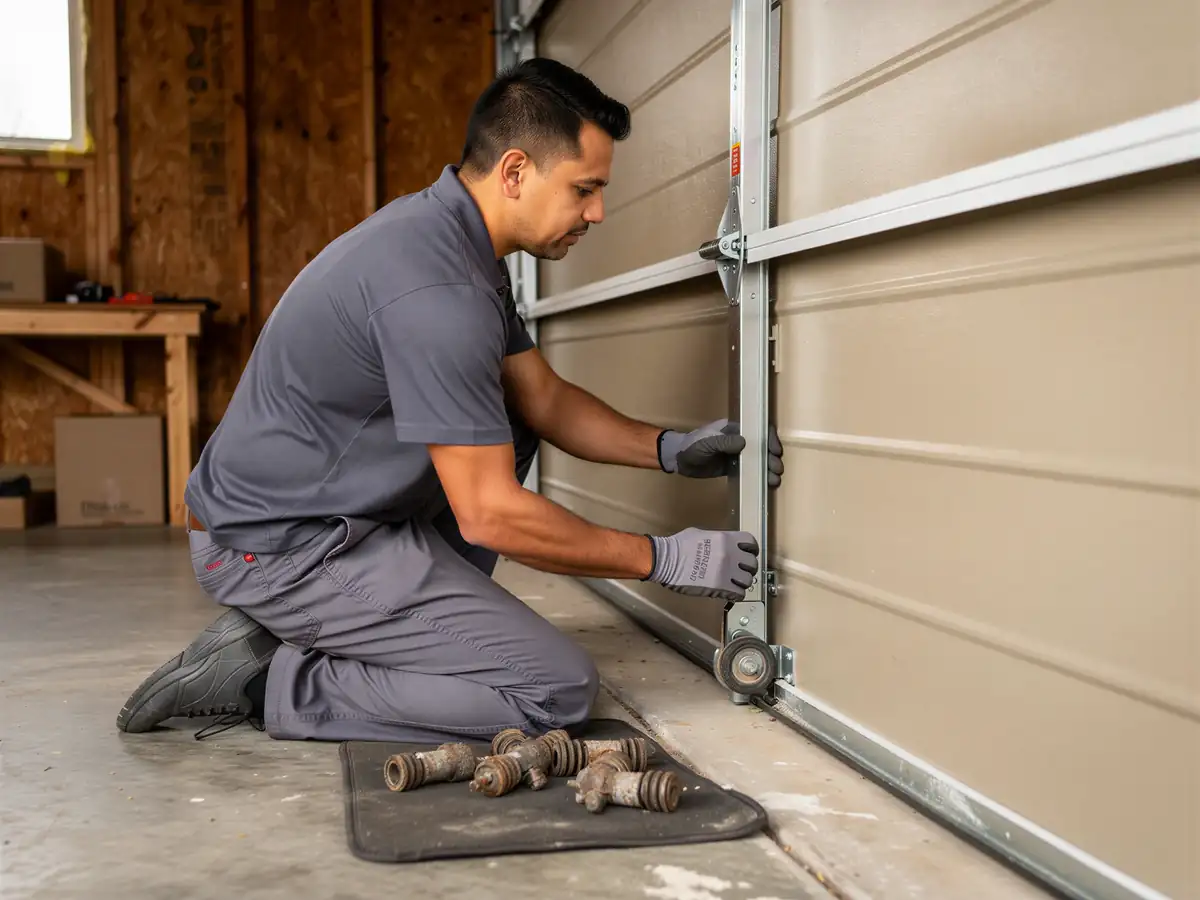
Most houses in this part of Des Moines were built between 1959 and 2009, with the bulk of the stock going up in the 1980s and 90s across the named areas. That range matters because a lot of those doors are original or one replacement in, meaning the spring sizing was matched to a door and opener combo from that era - not to whatever hardware a big-box store sells today. Swapping a spring on a door that old without knowing the original wire gauge and wind is a good way to end up back where you started in six months, or worse, hurt.
If the door still moves but feels heavier than it used to, that's worth a call too. A spring losing tension slowly is easier to deal with on a schedule than one that lets go on a Tuesday morning when you're already late.
The Problem
Torsion springs fail from fatigue, not from a single bad day
They're rated for a set number of cycles, and every open and close uses one up. Cold weather doesn't cause the fatigue, but it's usually what finishes it. Steel contracts in low temperatures and gets less forgiving right as the spring is already near the end of its life. That's why the call volume on broken springs tracks the first hard cold snap of the season almost every year, not the middle of a long cold stretch.
The other half of the problem is the stock itself
With most of the service area's housing dating to the 1980s and 90s, a lot of these springs have been doing their job for two or three decades. Nobody schedules spring replacement the way they schedule a furnace filter, so the first sign of a problem is usually the last sign - the door drops and doesn't come back up.
What the Weather Here Does to It
Des Moines sits in a cold, moderate climate band, which means winters cold enough to stiffen steel and grease, but not so extreme that everything's built to a harsher spec by default. That combination is worse for aging springs than either extreme alone - a spring built for a milder climate gets pushed past its limit, and a spring that was already near the end of its cycle count goes in the first real cold front.
The practical effect: cold mornings are when a weak spring lets go, and it tends to happen on the first lift of the day, when the door's been sitting in a cold garage all night and the steel hasn't had a chance to work loose. If your door has felt heavy or made a different noise over the past few weeks, the cold is what turns that into a Saturday-morning phone call rather than a slow decline you can plan around.
When Waiting Is Fine
Not every noisy or stiff door is an emergency. If the door still opens and closes on its own power, closes flat and sits level, and the only issue is a squeak or a slightly rough ride, that can usually wait for a scheduled visit rather than an urgent one. A rattly track or a dry roller is cheap and easy to fix on a normal appointment, and pushing a same-day call for it just means paying more for the same job.
Where I'd draw the line: if the opener is straining, if one side of the door looks lower than the other, or if the spring is visibly separated, that's not a wait-and-see situation. Given how much of the housing here is from the 1959-2009 window, a fair number of these doors are carrying original hardware that's simply aged out - and once a spring's cycle count runs out, there's no amount of lubrication that buys you more time.