Serving Des Moines, IA & nearby
(515) 215-8258
Des Moines, IA

What Makes a Door Jump Its Track in This Climate and Housing Stock

Des Moines homes built between 1959 and 2009 see doors go off track from worn rollers and cold-weather hardware shifts. Here's why, and what to watch.

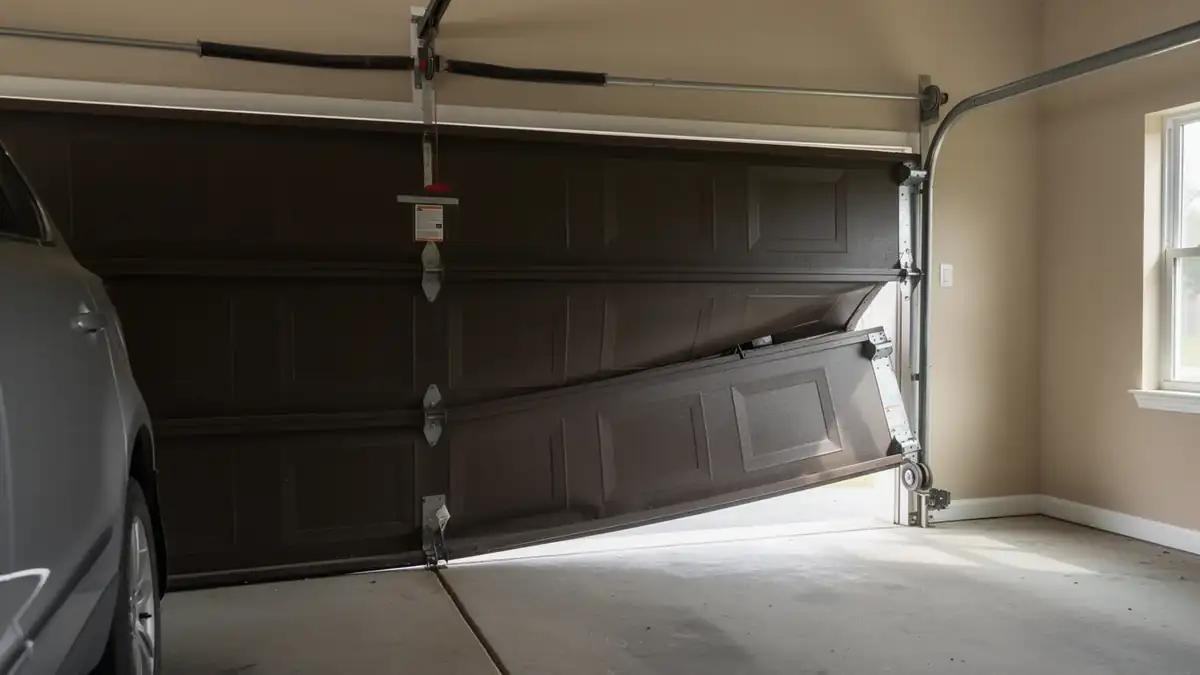
A brown garage door is bent and partially open, with a car visible inside.

When It Stops Being a DIY Job

If the door is hanging crooked, if one side rides lower in the track than the other, or if you can see the roller sitting outside the rail instead of inside it, that's past the point of a homeowner fix. Most houses across the 23 named areas we cover, from Windsor Heights to Mitchellville, went up in the 1980s and 90s, which puts a lot of steel tracks on jamb brackets that have had three decades to work loose from the framing. A track that's pulled even an eighth of an inch away from true will let a roller climb out under spring tension, and once that happens the door can come down wrong. Trying to force it back into the rail with the opener still running is how people lose fingers or crack a panel. Cut power at the wall, leave the door where it sits, and call it in. We don't charge extra for that caution - we just don't want you finding out the hard way what a loaded torsion spring does when a track lets go mid-cycle.

The Problem

Most of what we pull off-track in this service area traces back to the hardware that came standard when the house was built. Homes from the 1959-2009 window we see most often used either extension springs with loosely hung tracks, common in the earlier end of that range, or torsion setups with sealed bearing plates, more common toward 2009. The extension-spring tracks flex more over time, and flex is what lets a roller walk sideways instead of riding straight. Add a bent track section from a car bumper tap, or a bracket with stripped lag screws into older framing, and the door has somewhere to go besides up and down. Rollers matter too - the nylon ones from that era wear a flat spot after enough cycles, and a flat roller doesn't track true no matter how good the rail is. None of this is dramatic on its own. It's cumulative: a slightly loose bracket plus a worn roller plus one more cold morning, and the door that's been "a little off" for a year finally jumps the rail.

What the Weather Here Does to It

Des Moines sits in a cold, moderate climate band, and that matters more for track alignment than most people expect. Steel contracts in cold and expands with heat, and the brackets holding your track to the jamb go through that cycle every day from fall through spring. A bracket that's marginal in July can be loose enough in January for the track to flex under the door's weight. Lubricant also thickens in the cold, which makes rollers bind for a second instead of rolling smooth, and a roller that catches even briefly can jump the rail on the next pull. We see more off-track calls in the first real cold snap of the season than any other time of year, not because anything broke overnight but because the slack that built up all summer finally has nowhere to hide. If your door has been sticking or rattling at one spot in the track, that's usually the tell before it comes off - not after.

When Waiting Is Fine

Not every wobble needs a truck that day. If the door still opens and closes smooth, tracks straight, rollers staying inside the rail, a little surface rust or a squeak isn't an emergency - lubricate the rollers and hinges and keep an eye on it. Where we tell people to wait is on cosmetic track dents that aren't pinching the roller path; those can sit until your next scheduled service instead of becoming a rush call. What we don't recommend waiting on is a door that's already shown you one off-track event, even a minor one you pushed back into place yourself. Once a roller has left the rail, the bracket or track that let it happen is still there, and it'll do it again, usually worse. We also won't pretend every repair is worth doing - if the track and rollers are original to a house near the older end of that 1959 start date and the drum or bearing plate is worn too, replacing the hardware costs about the same as patching it twice. We'll tell you which one you're looking at before we touch anything.
How it works

From “it’s stuck” to “it’s fixed”

  1. 1
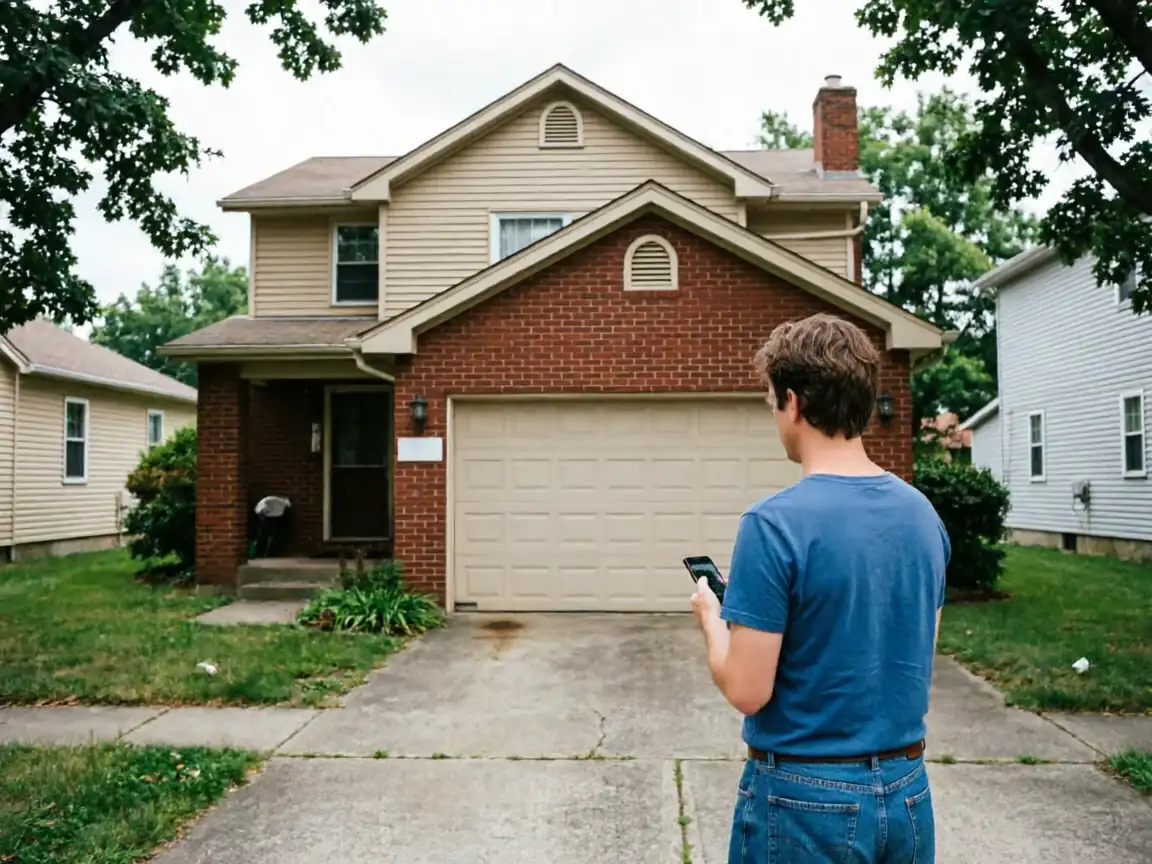
    A man in a blue shirt stands in a driveway, looking at his phone.

    Tell us what’s wrong

    Describe the symptom - won’t open, loud bang, opener runs but the door won’t move.

  2. 2
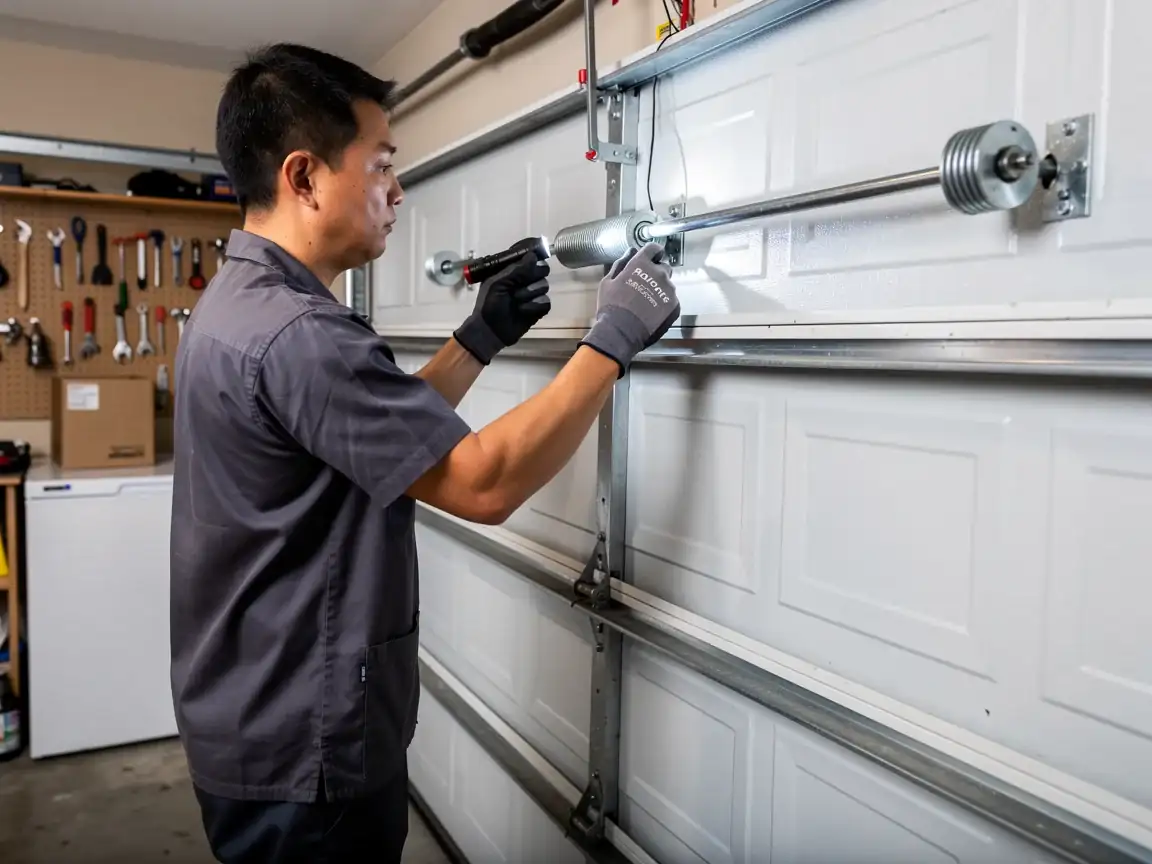
    A technician shines a flashlight on a garage door torsion spring.

    On-site diagnosis

    A technician tests the door under power and by hand and finds what actually failed.

  3. 3
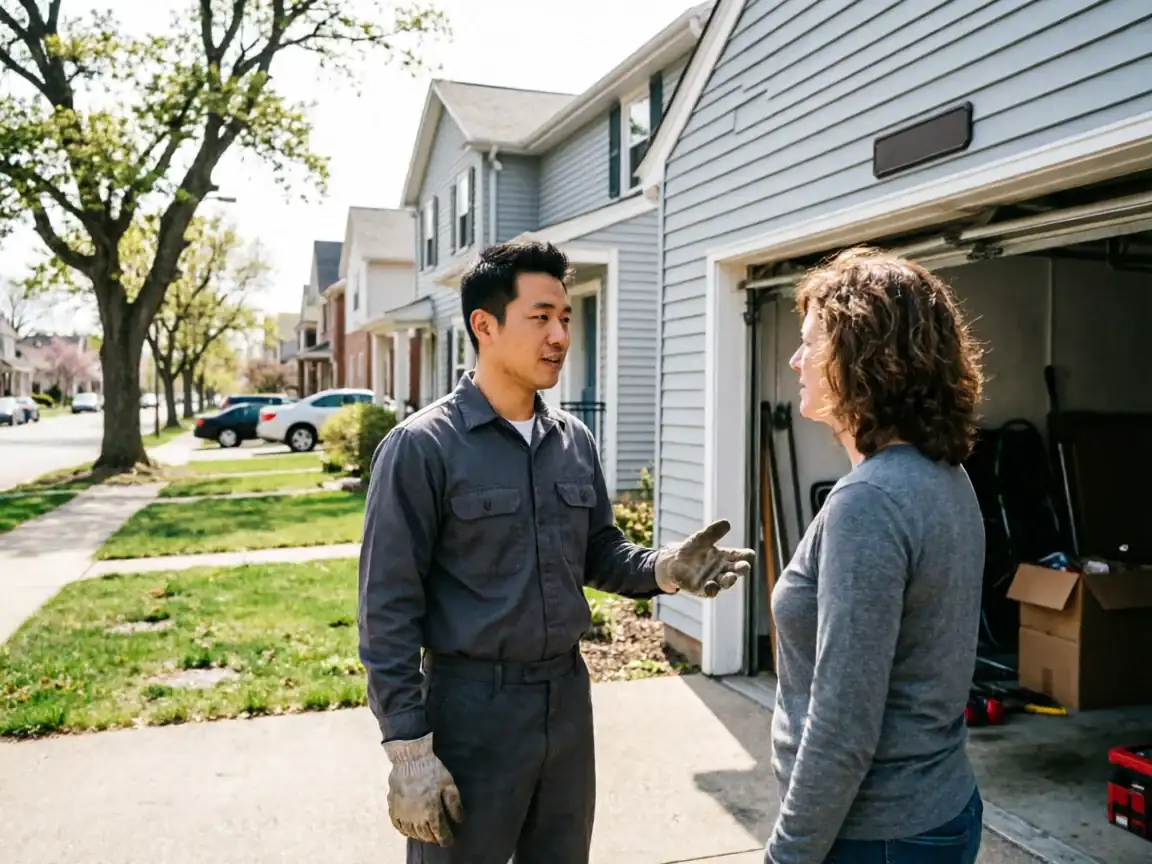
    A technician talks to a woman in front of a light blue house with an open garage.

    Clear, up-front plan

    You get the fix that’s needed and what drives the cost - before any work starts.

  4. 4
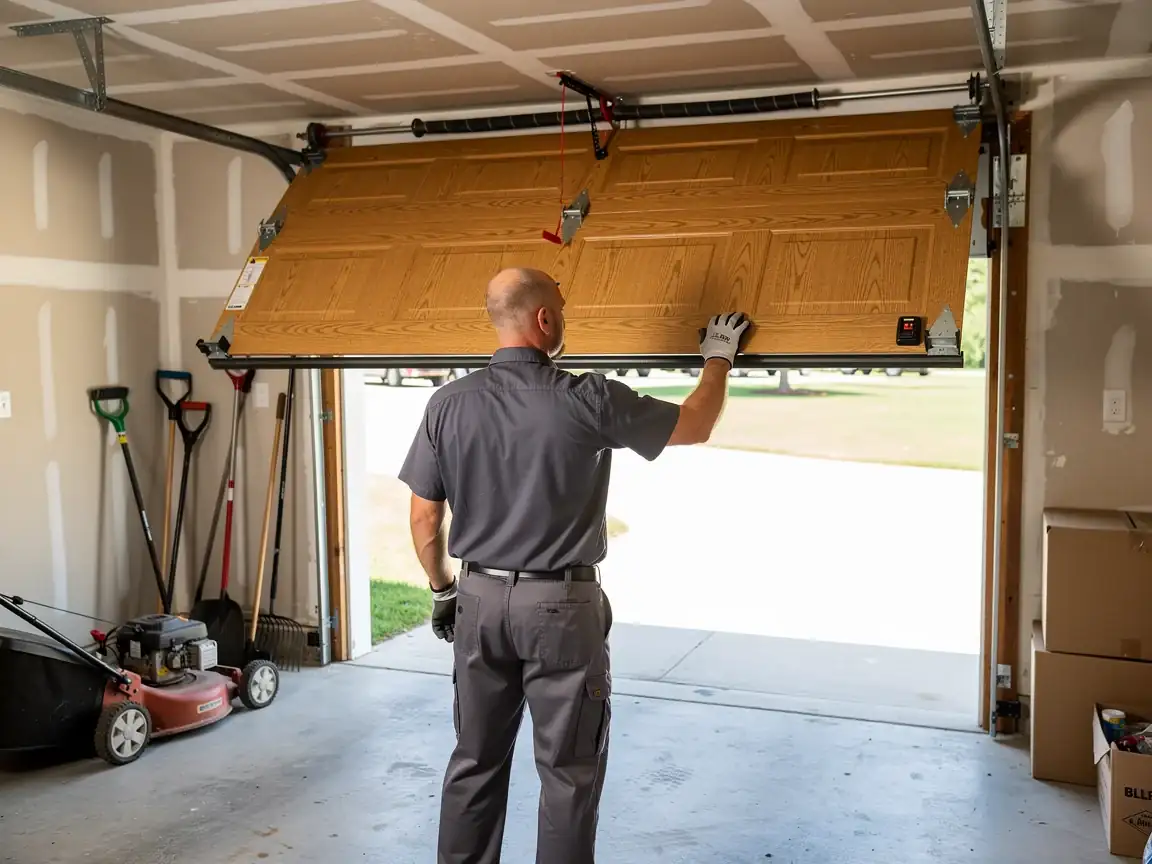
    A technician in a gray uniform is adjusting a brown garage door.

    Repaired & tested

    The repair is done, the door is set true and tested, and the work area left clean.

Not sure which repair your door needs in Des Moines, IA? Describe what it’s doing - every job starts with a diagnosis.

6areas covered
How we work

What to expect

Diagnosis firstEvery visit starts by finding what actually failed - not a pre-written parts list.
The right part for the doorSprings and openers matched to the door’s weight and age, so the fix holds up.
Straight answersWhen a repair makes more sense than a replacement - or the reverse - you hear it plainly.
Clean, careful workTension released safely, hardware set true, the door tested under power before we leave.
What we do

Garage Door Services

Repair and installation work for Des Moines homes and businesses.

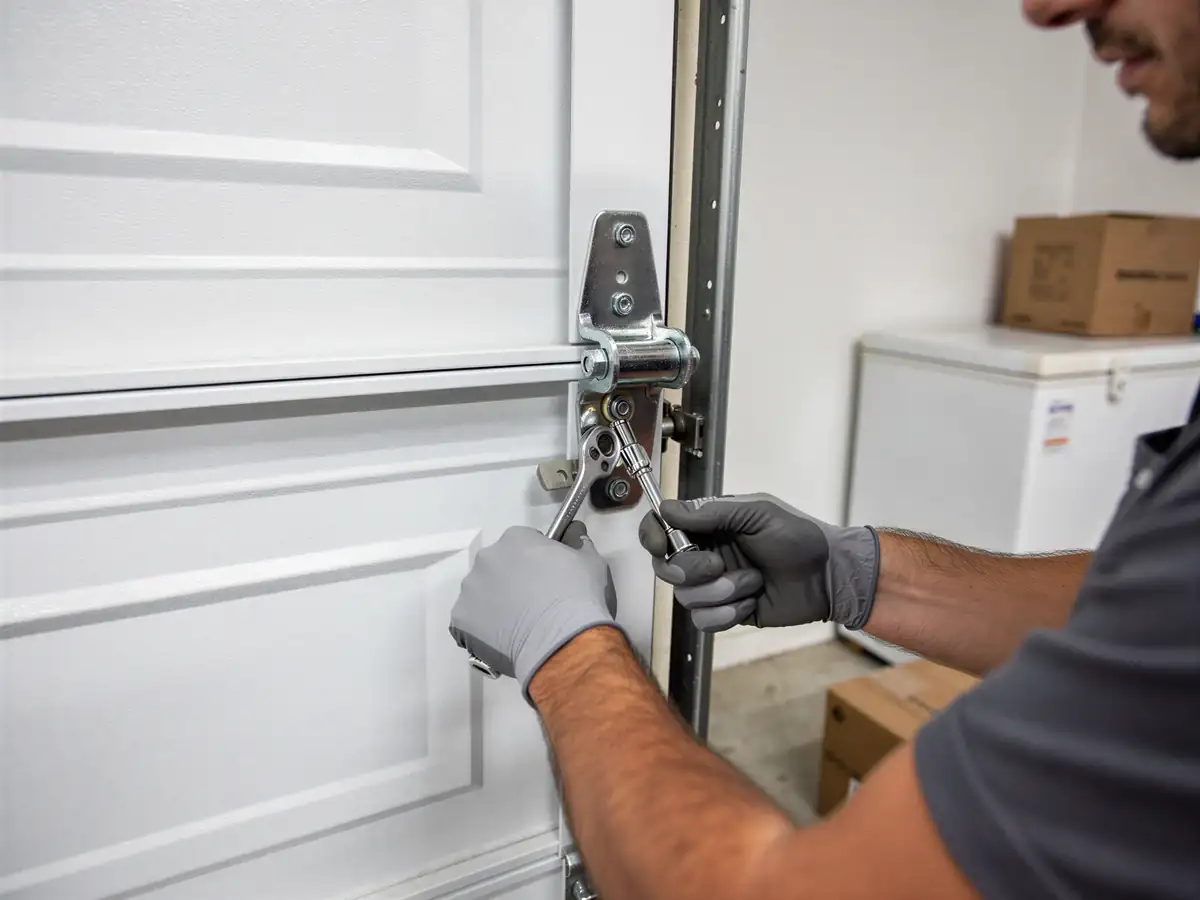
A technician tightens a garage door hinge with a wrench.

Garage Door Repair

Des Moines Garage Door Co repairs springs, openers, and tracks on the 1960s-2000s housing stock common across Des Moines and nearby areas like Clive and Urbandale.

Learn more
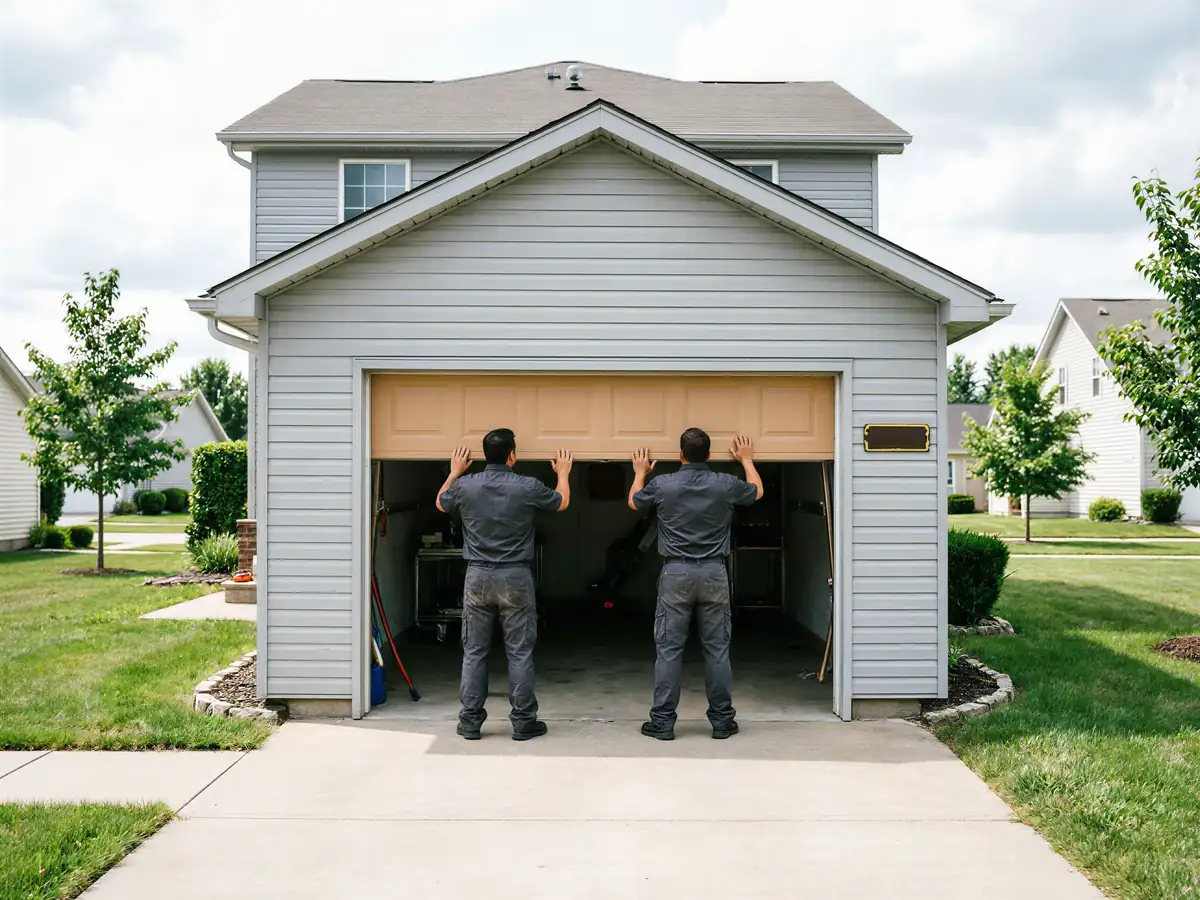
Two technicians are installing a beige garage door on a gray house.

Garage Door Installation

Des Moines homes built between 1959 and 2009 need doors sized and insulated for real winters. See what a proper installation takes here before you call.

Learn more
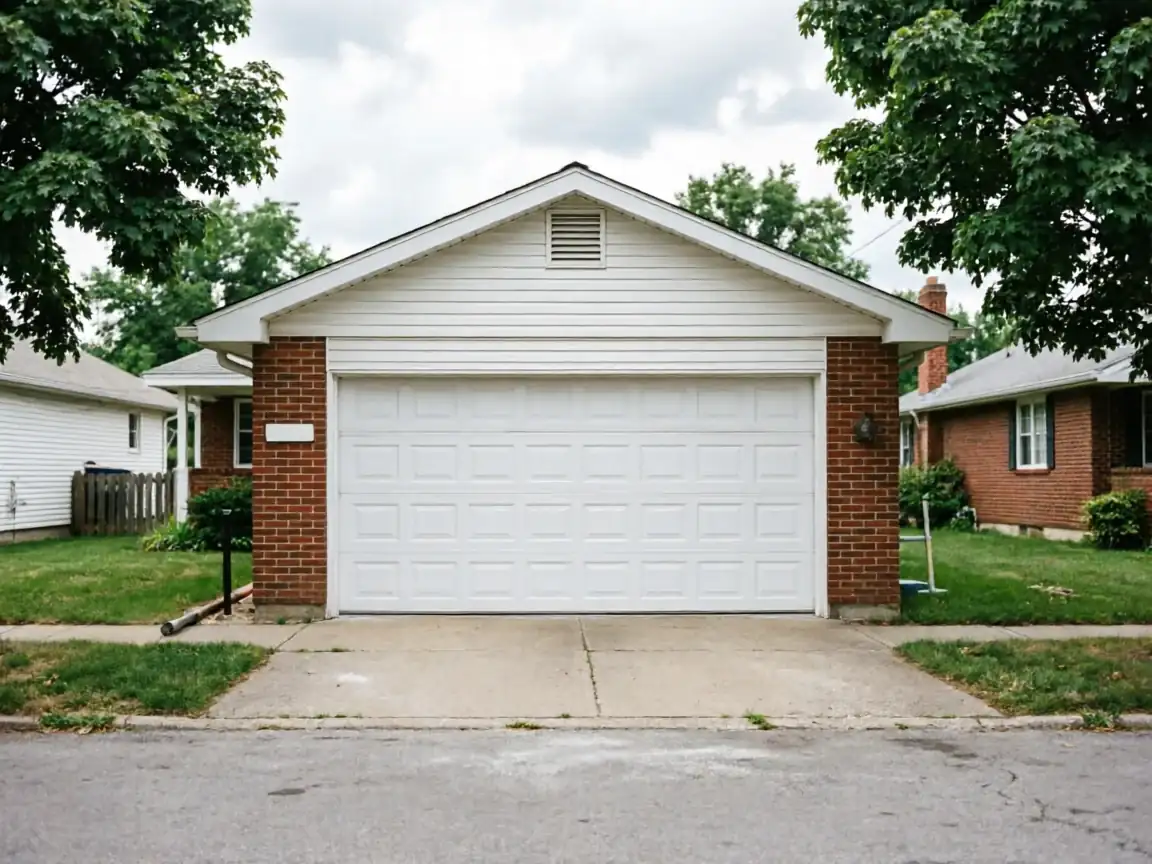
A white garage door on a brick house with white siding and a driveway.

Garage Door Service

Des Moines homes built between 1959 and 2009 run original torsion springs and track hardware that cold-cycle fatigue hits hard. We diagnose and fix it on the first visit.

Learn more
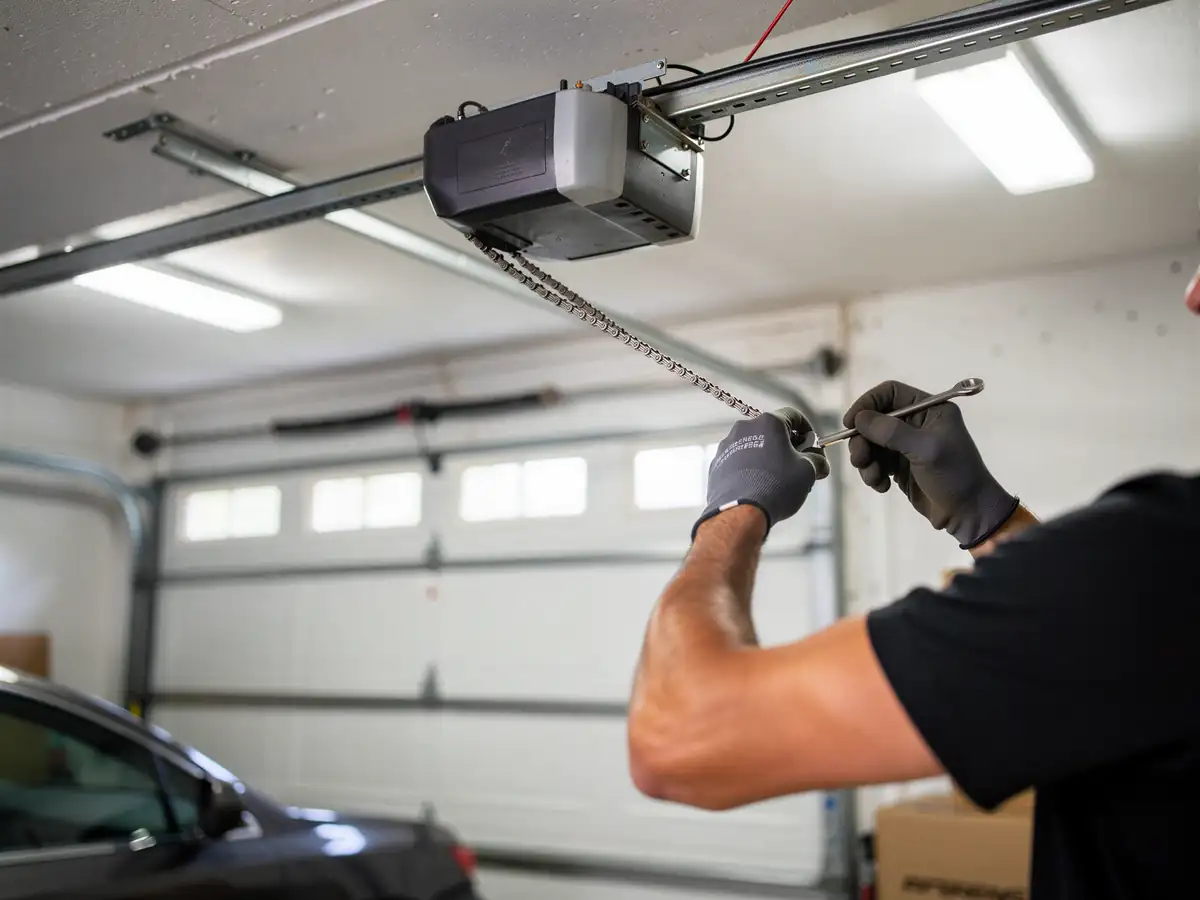
A technician works on a garage door opener chain with a wrench.

Opener Repair

Opener dead, chain slipping, remote not syncing? We diagnose and repair garage door openers across Des Moines, from older chain-drive units to newer belt-drive models.

Learn more
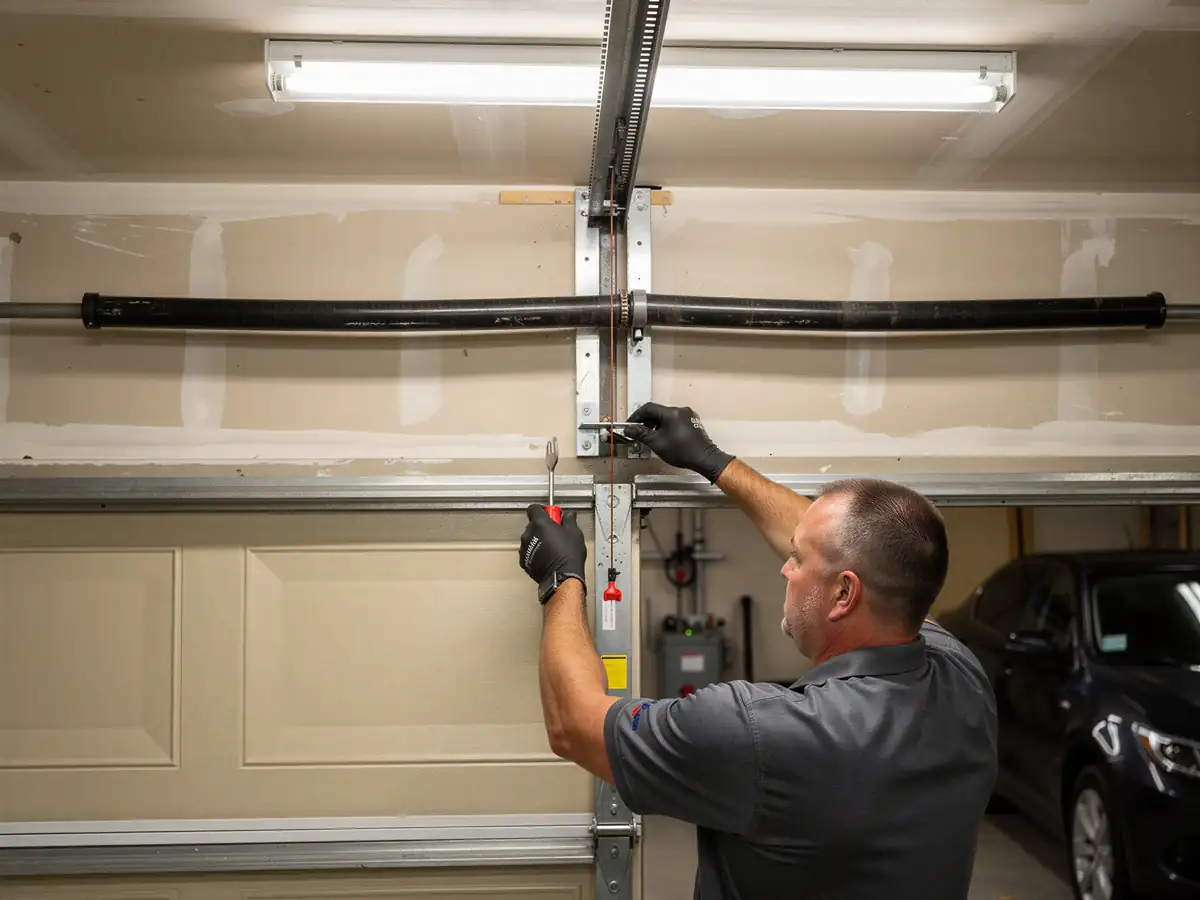
A technician adjusts a garage door torsion spring with a tool.

Opener Installation

Des Moines homes built between 1959 and 2009 often outgrow their original opener. We install openers matched to your door's age, weight, and the cold-climate demands here.

Learn more
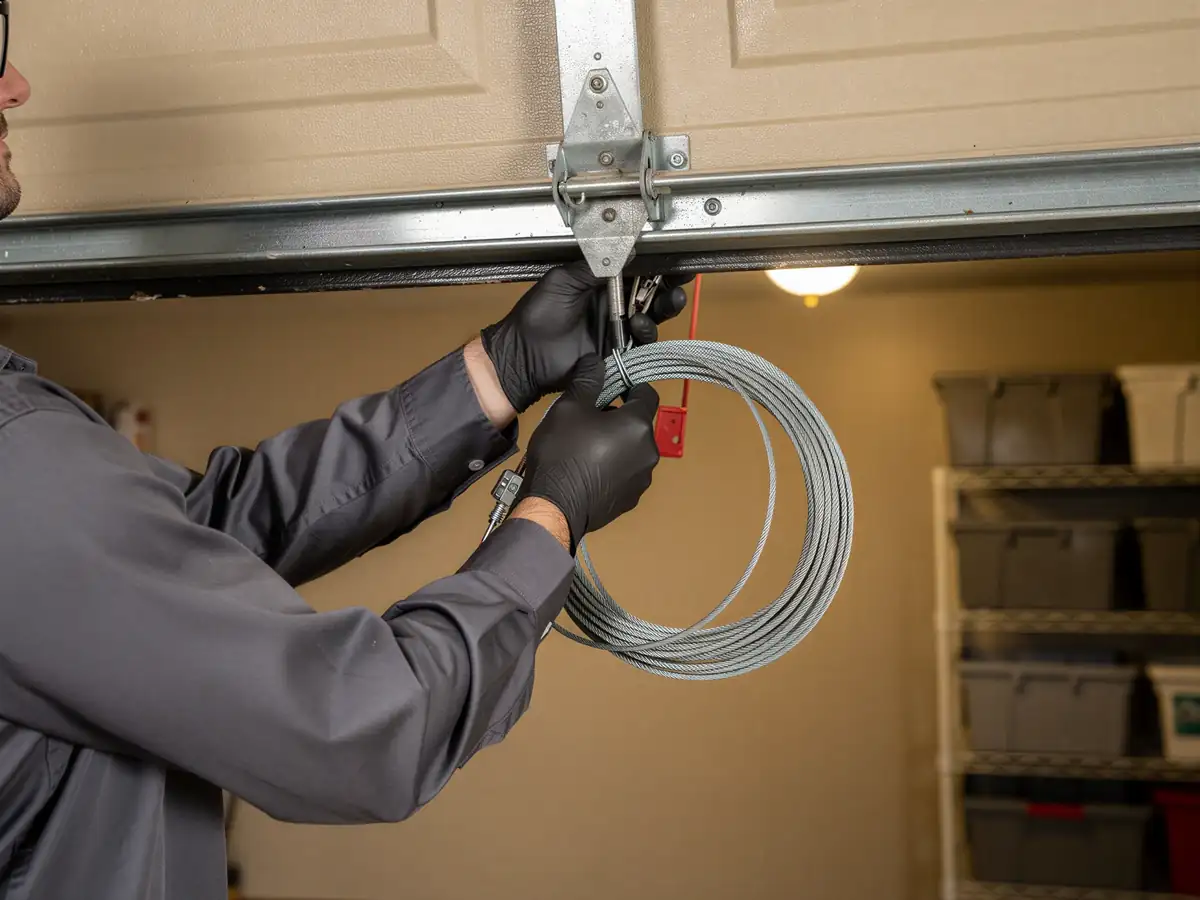
A technician in black gloves holds a coiled garage door cable.

Cable Repair

Broken or frayed garage door cables are common in Des Moines homes built in the 1980s-90s. We diagnose the cause and carry the parts to fix it on the first visit.

Learn more
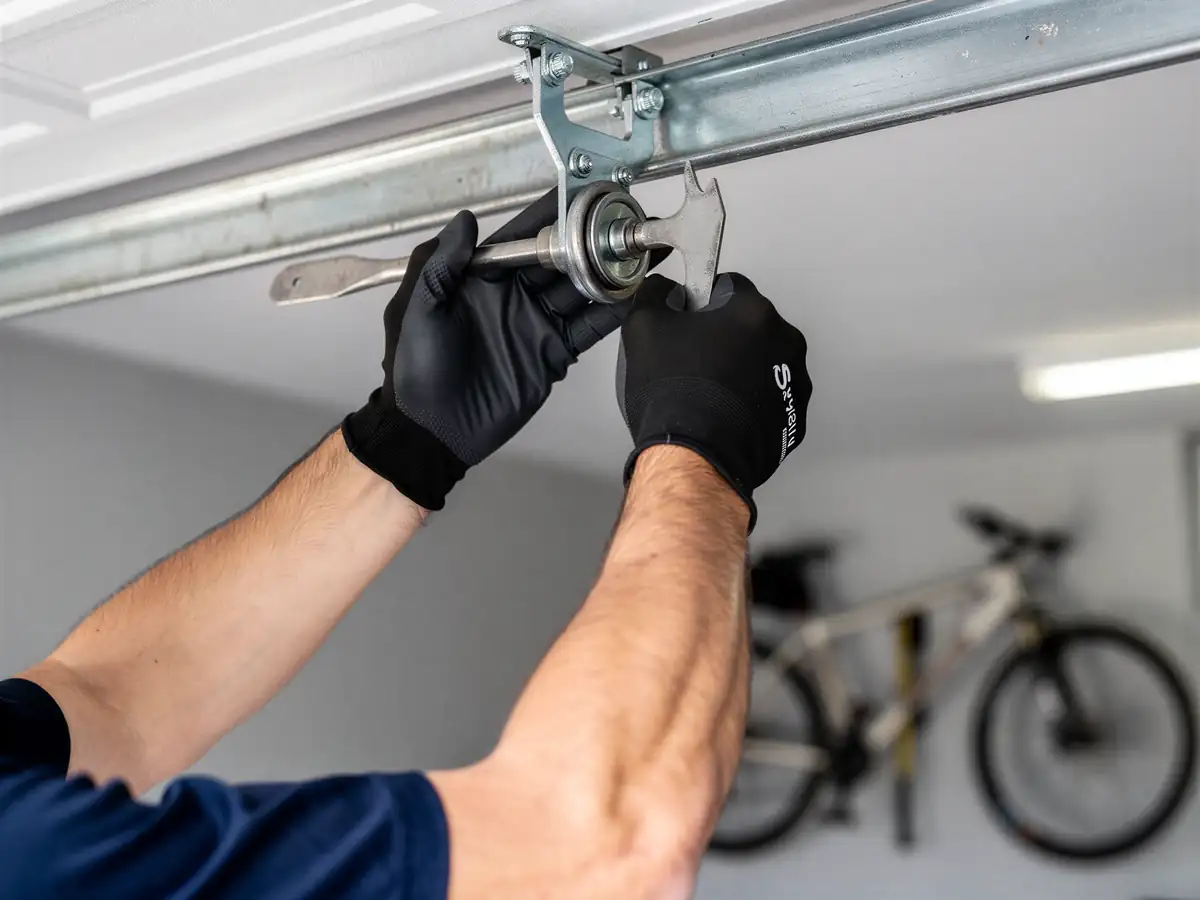
A technician in black gloves adjusts a garage door roller and track.

Off-Track Repair

Fast, honest fixes for garage doors off track across Des Moines. We explain why this fault hits 1980s-90s houses hardest in our cold winters.

Learn more
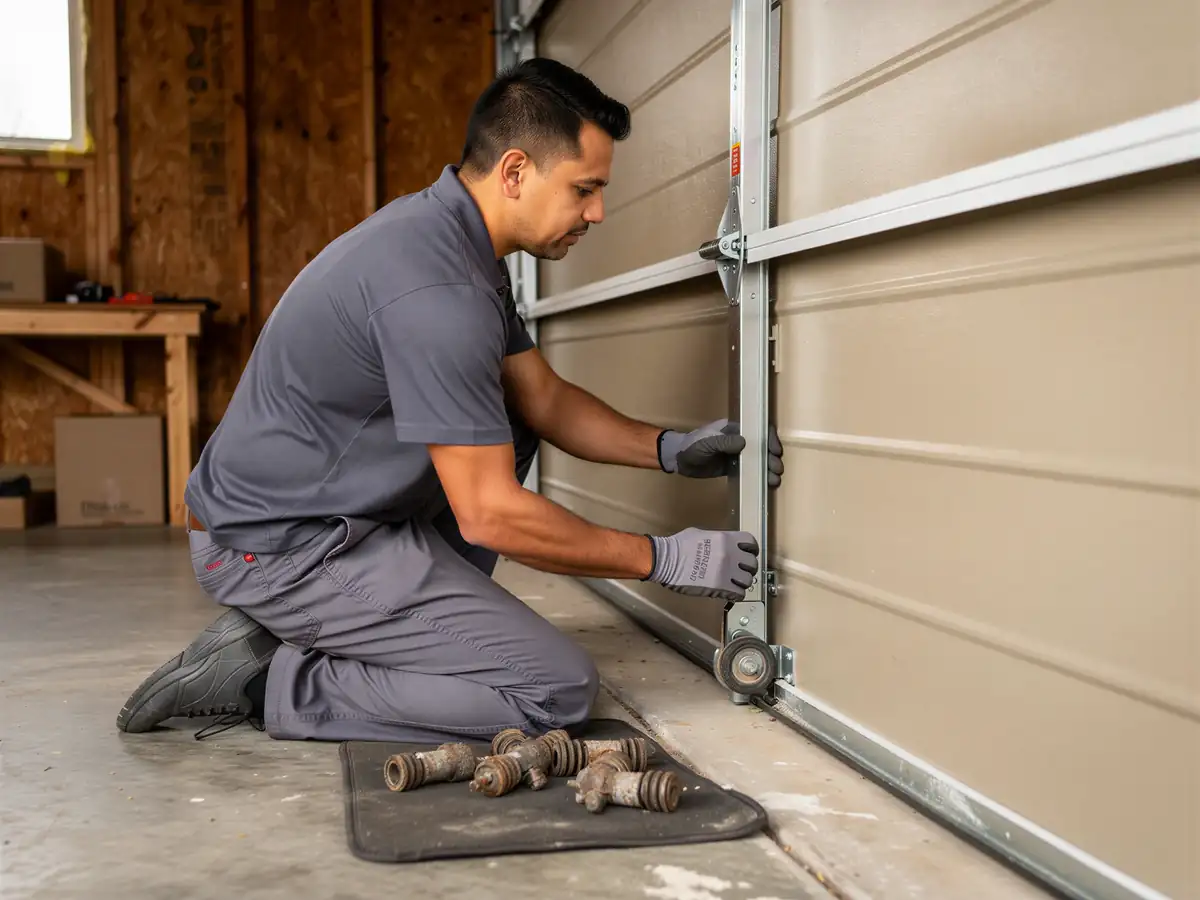
A technician kneels, adjusting a garage door roller on a tan garage door.

Roller Replacement

Worn or cracked rollers on Des Moines homes built in the 1980s-90s boom years bind in cold weather. Here's why, what we carry on the truck, and what the job runs.

Learn more
Questions

Frequently asked

Straight answers about garage door repair in Des Moines. Still unsure? Ask us directly.

Why does my garage door only jump the track in winter?

Cold makes the steel brackets holding your track contract, which can turn a slightly loose connection into one with enough play for a roller to walk out of the rail. Des Moines' cold moderate climate means that cycle happens every year, so a bracket that's marginal in summer often fails its first real test in January.

Is a bent track always a replace, not a repair?

Not always - a shallow dent away from the roller path can often be straightened. But if the bend is deep enough to pinch where the roller rides, or if it's at a joint near a bracket, patching it usually doesn't hold. We check the roller's actual path through the bent section before quoting either way.

My door is from the 90s and has never had this problem - why now?

Hardware from that era used nylon rollers and lag-screwed brackets that wear gradually rather than failing all at once. Thirty-plus years of cold-weather cycling is enough to loosen brackets and flat-spot rollers even on a door that's never had an obvious problem before.

Ready to get your garage door sorted?

Tell us what it’s doing and where you are in Des Moines - we’ll take it from there.

Request a QuoteCall