Why This Fails Locally
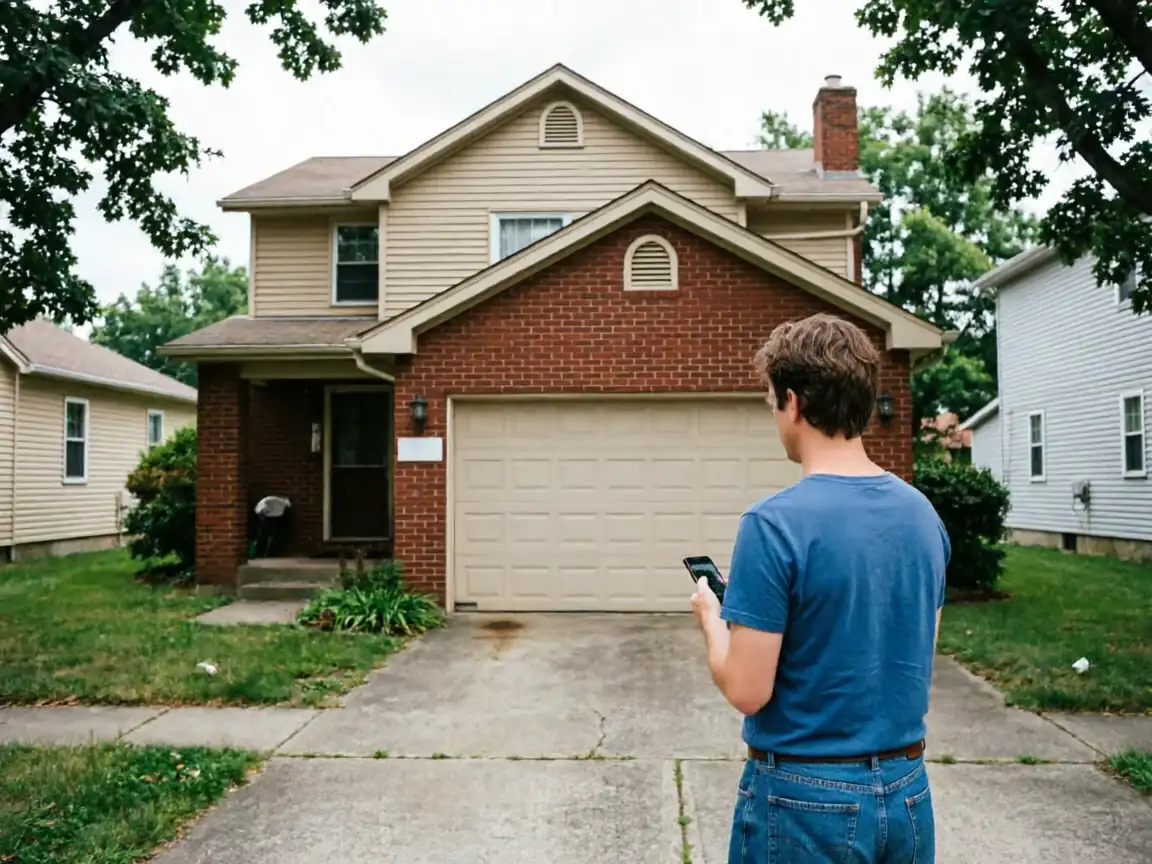
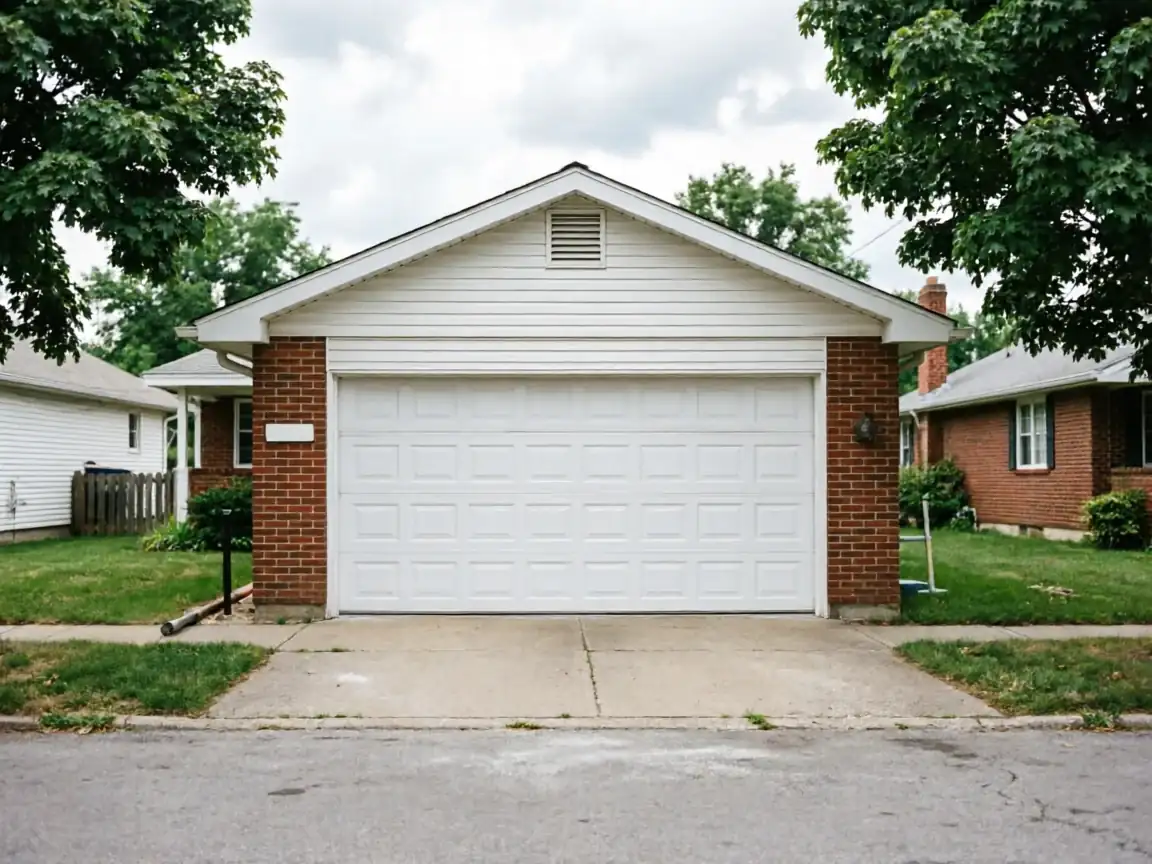
Most of the housing stock across this service area went up between 1959 and 2009, with the bulk of it concentrated in the 1980s and 90s across the 23 neighborhoods and nearby towns we cover. That means a lot of openers out there are original or close to it - chain-drive units from a manufacturer that may not even still make parts for that model. Garage door openers don't fail gracefully. The gears strip, the circuit board corrodes, the logic board gives up, and the drive mechanism keeps grinding long after it should have quit.
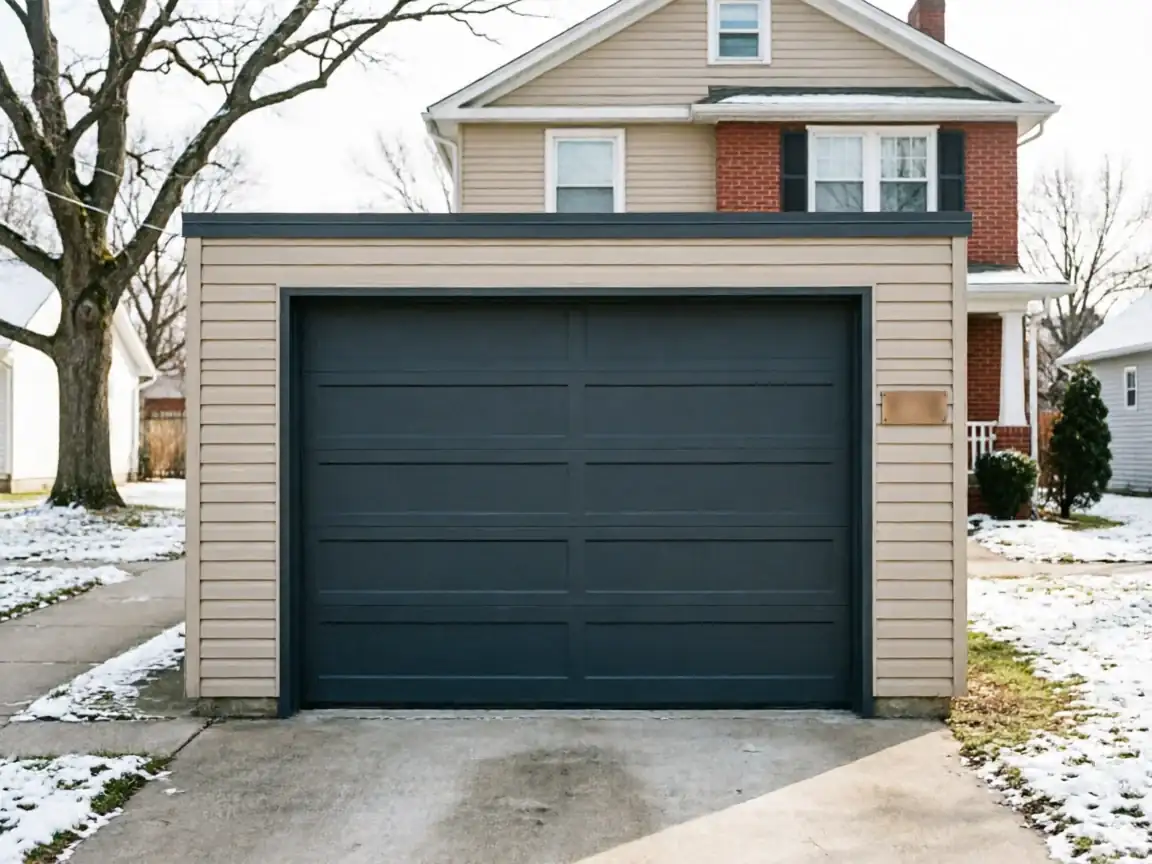
Add the climate band here - cold and moderate, with real winter swings - and you get a second failure path that has nothing to do with age. Cold snaps shrink lubricant, stiffen belts, and make marginal capacitors fail outright. An opener that limped through October can die on the first hard freeze. We see both patterns: the 20-plus-year unit that finally quits, and the newer unit that trips its force sensors or drops connection once temperatures fall. Neither is unusual here. Both are predictable once you know the housing age and the winters this area actually gets.
The Symptom
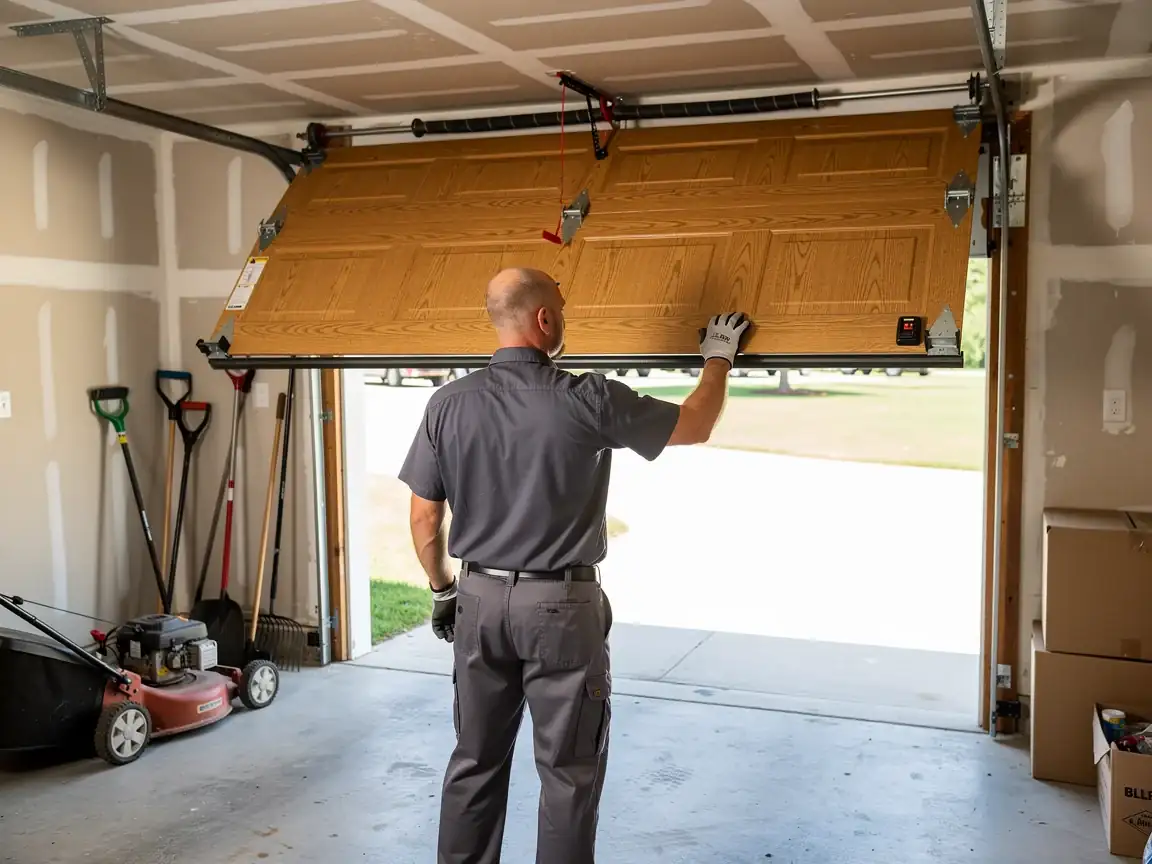
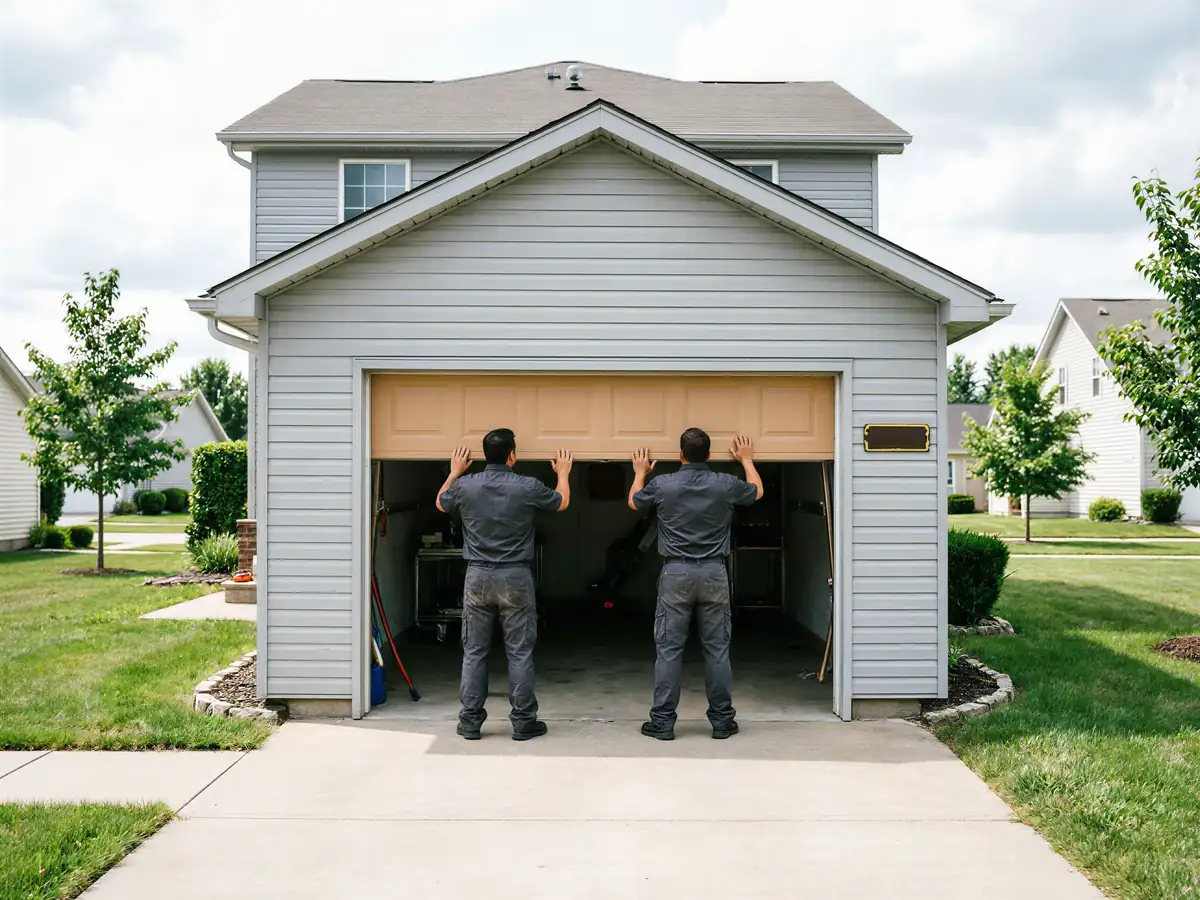
The most common call is a door that won't move at all
Lights on the opener, motor humming or silent, door not budging. Next most common: the door reverses before it closes, which is almost always a safety sensor misaligned or a force setting that's drifted with age. Then there's the remote or keypad that used to work and now doesn't, which can be the opener's receiver, a dead battery, or (less often) interference.
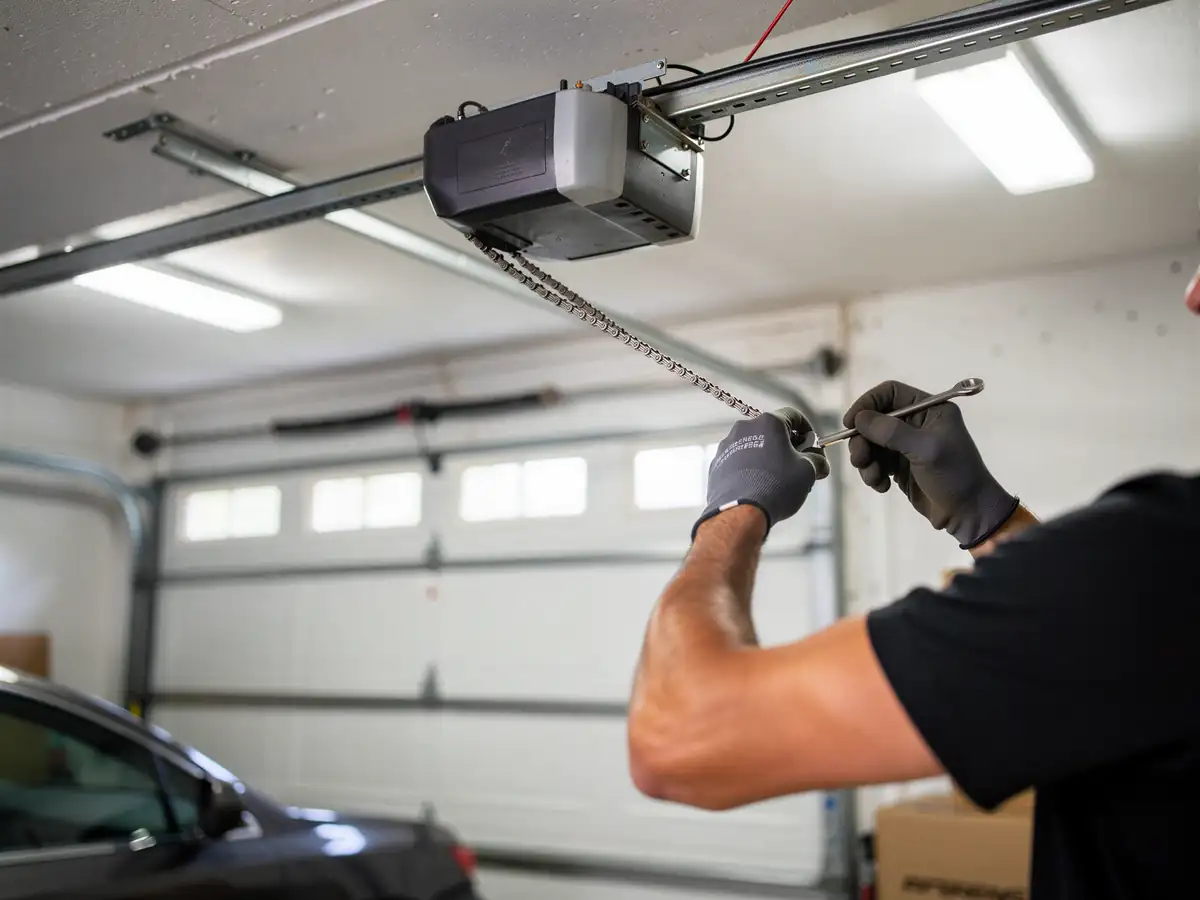
A chain or belt that's slipped off its sprocket will often move the trolley without moving the door
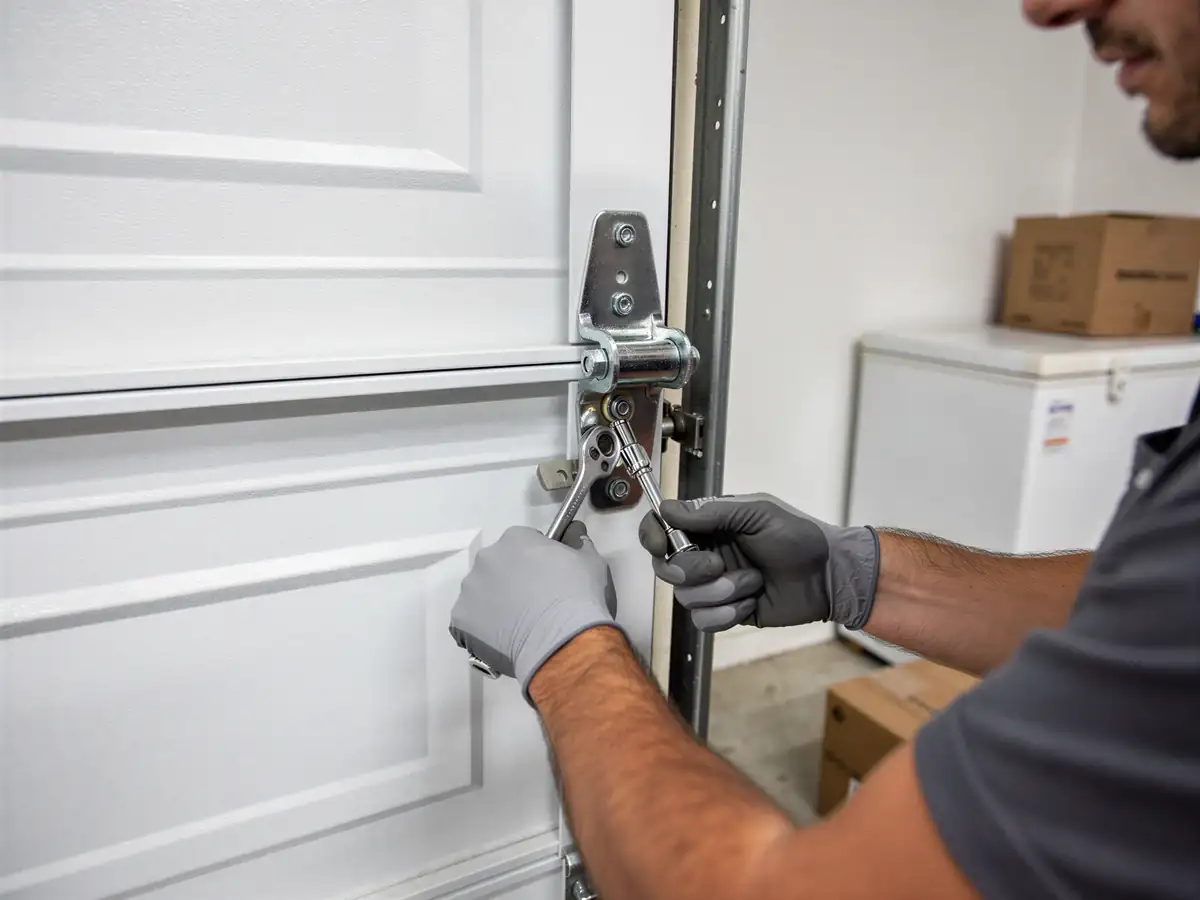
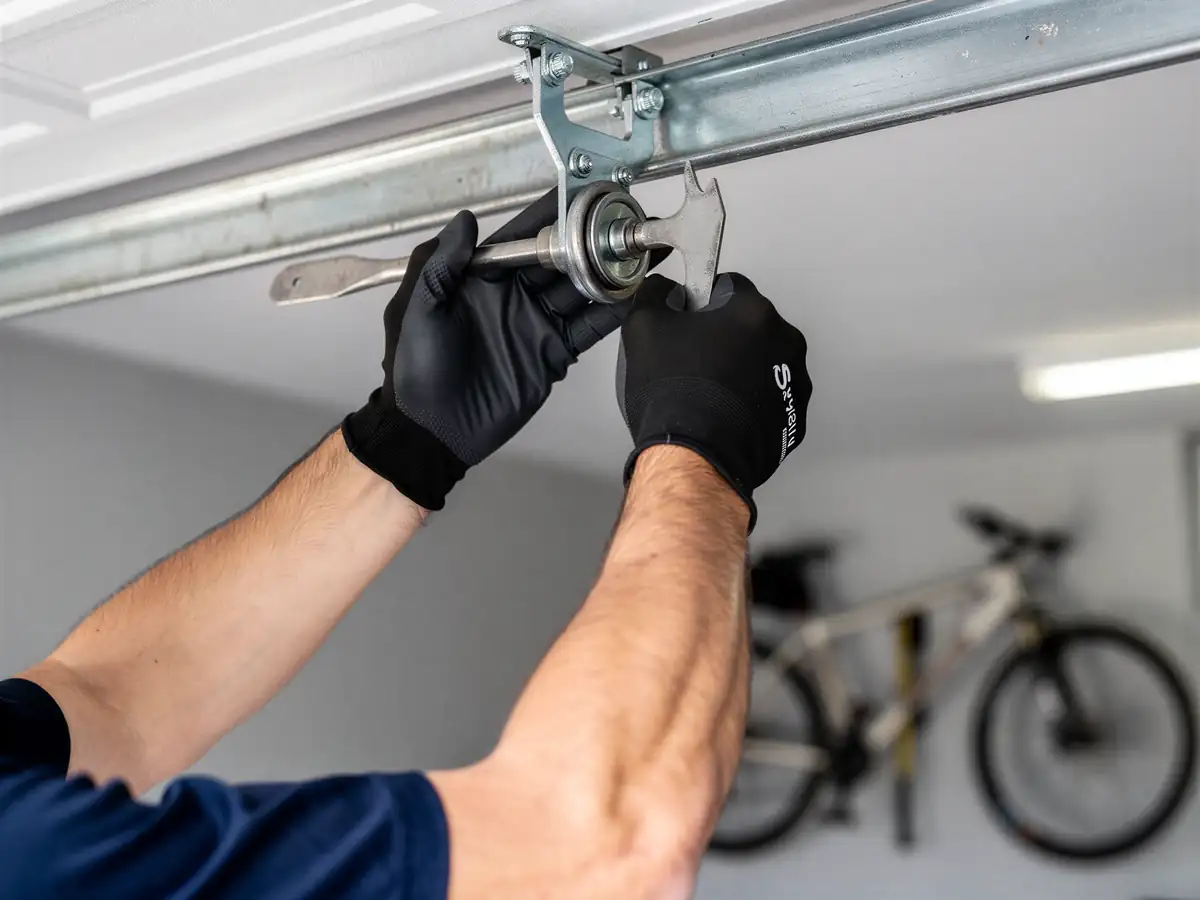
You'll hear the motor running but the door stays put. A opener that runs but moves the door slowly, with grinding or clicking, usually points to worn gears inside the unit rather than anything wrong with the door or track. We ask what the door is doing, not just what the opener sounds like, because the two problems get confused constantly and they're fixed differently.
What Is on the Truck
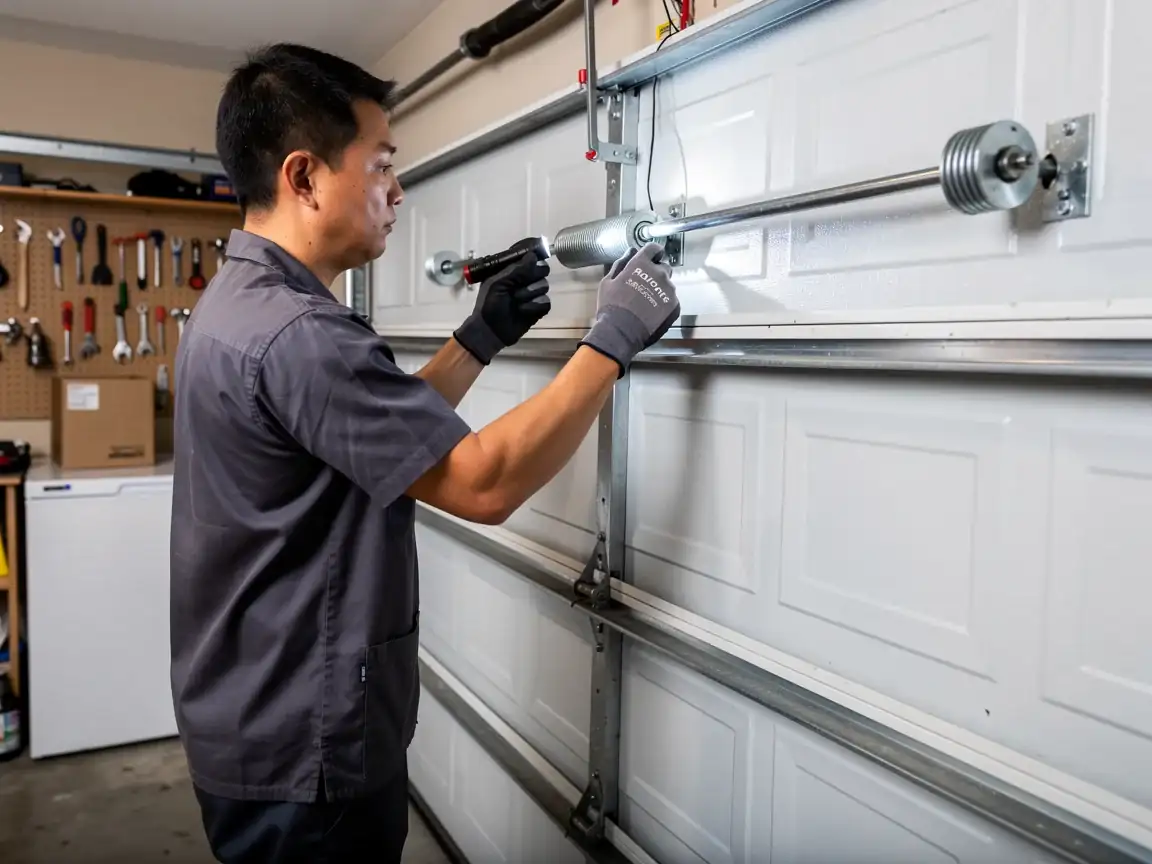
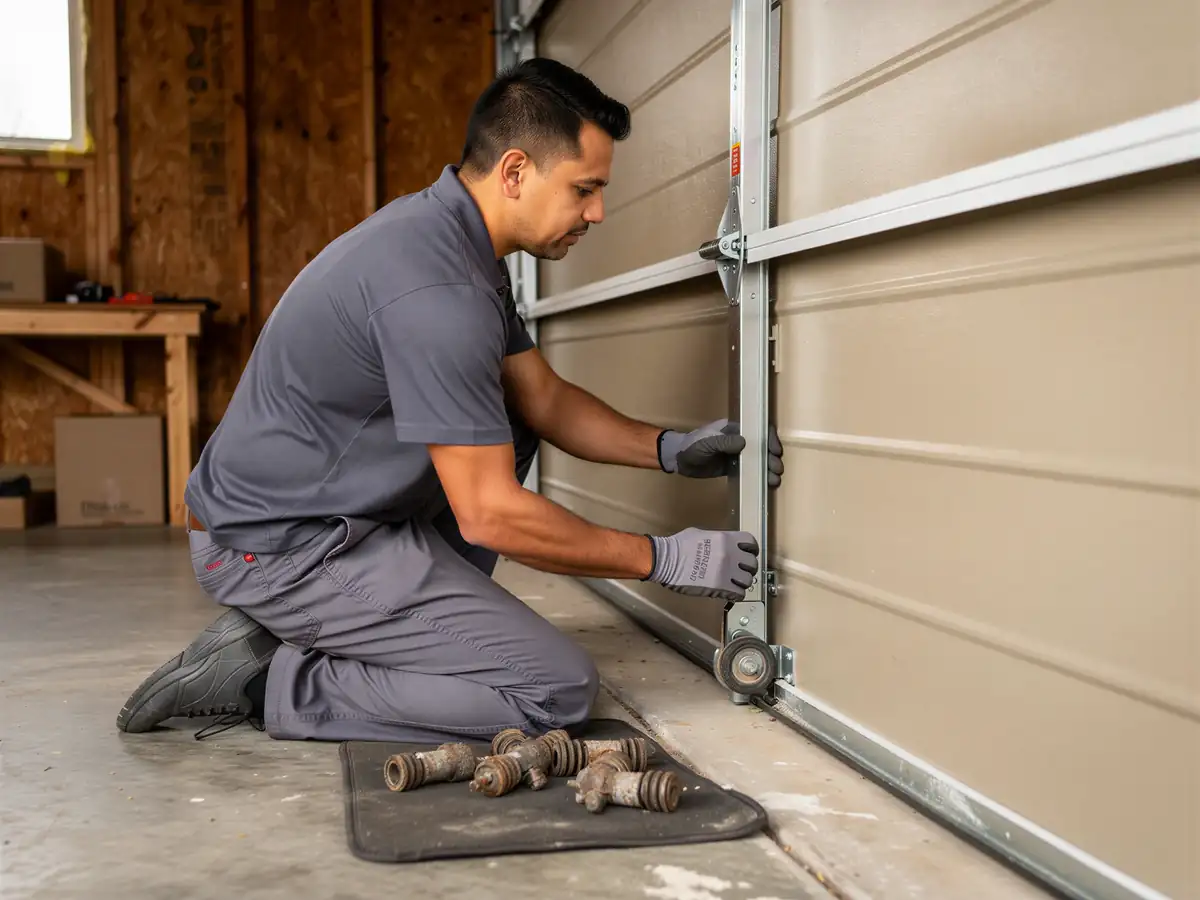
We carry replacement gear kits, logic boards for common opener brands, safety sensors, remotes, keypads, and drive belts and chains for the makes we see most often in this area's housing stock. If your opener is from the 1980s or 90s build era that's common across these neighborhoods, there's a real chance the exact board or gear set isn't something anyone stocks anymore - manufacturers stop supporting units after a certain point, and that's true industry-wide, not just here.
When that happens, we're honest about it: sometimes the repair isn't worth chasing down a part that'll take weeks to source, and a new opener costs less than the hours it'd take to track down an obsolete board. We won't put in a patched fix on a unit that's going to fail again in six months. If the opener is a newer belt-drive or has a smart connectivity module, we carry parts for those too, since that's increasingly what's going into homes being updated or rebuilt across the service area.
What It Costs
We don't post a flat number for opener repair because the range is wide - a sensor realignment is a different job than a gear replacement, and a gear replacement is a different job than telling you the unit needs to be replaced outright. What we can tell you: across a service area with a median household income around $98,333 and roughly 46,000 owner-occupied houses, most people want a straight answer about repair versus replace before they spend anything, not a guess.
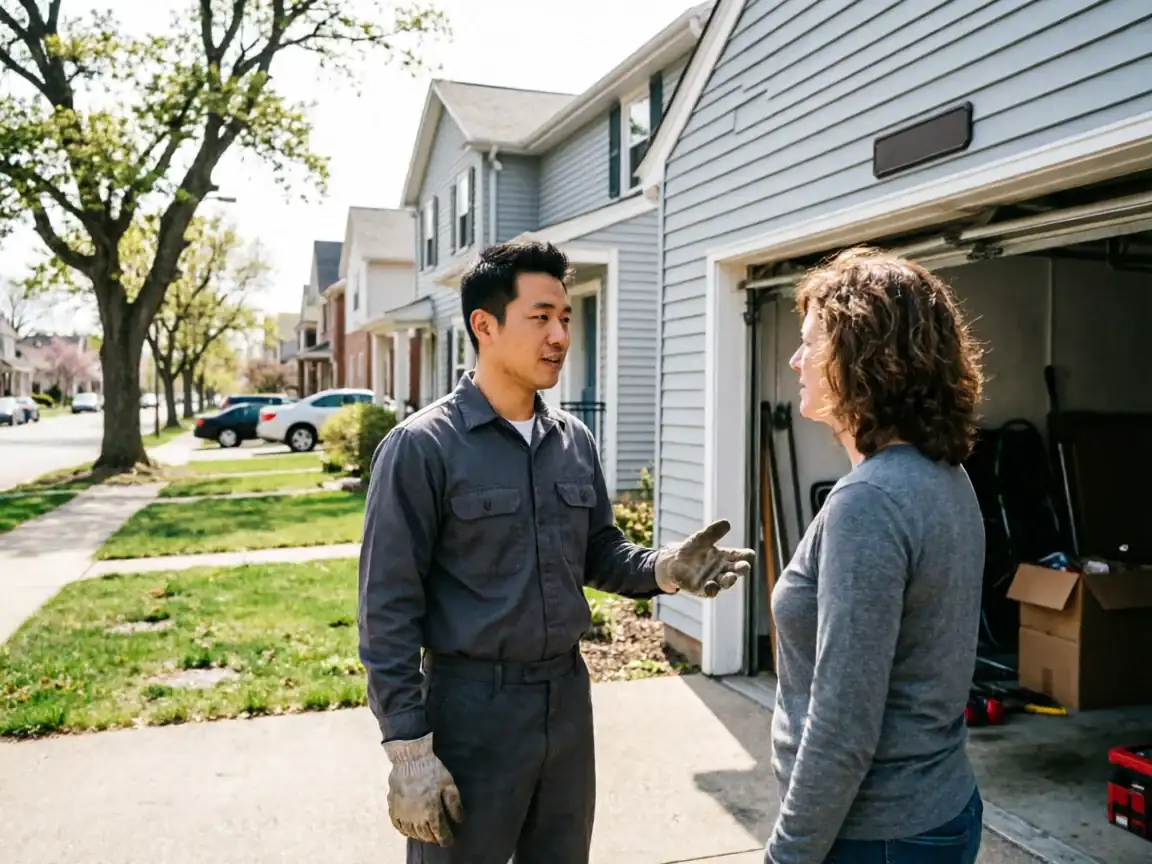
We diagnose on site, tell you what's actually wrong, and give you the number before we touch anything further. If the fix costs close to what a new opener would, we say so. If the part isn't available for your model, we say that too. No invented timeline, no made-up warranty term here - ask what applies to your job when we're there, because it depends on the part and the unit.