Why This Fails Locally
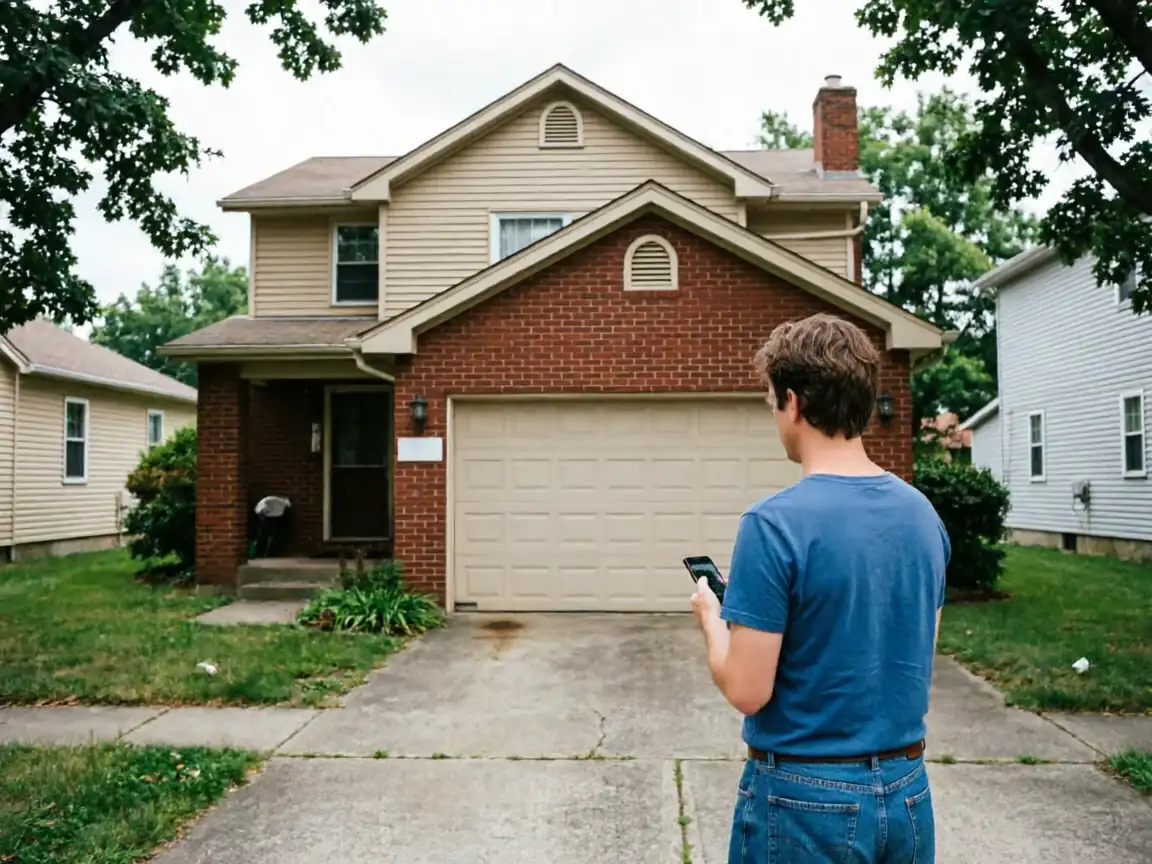
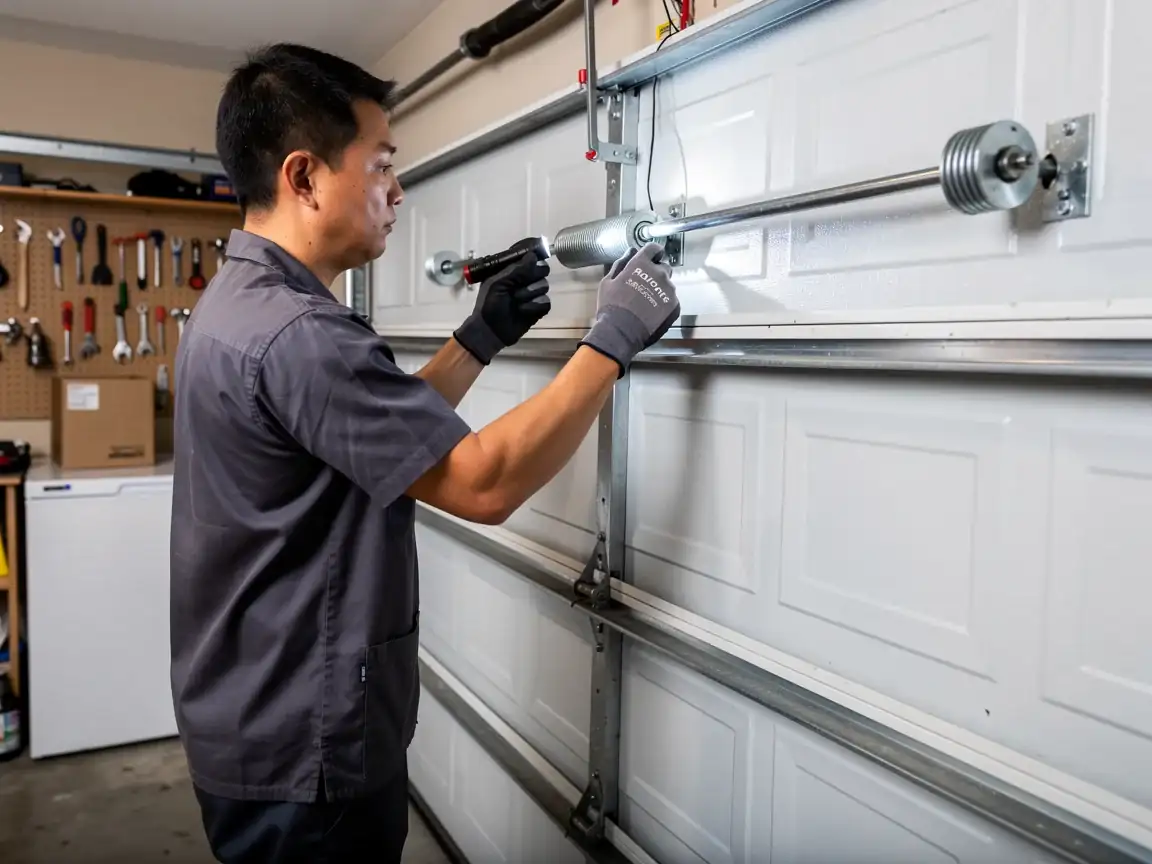
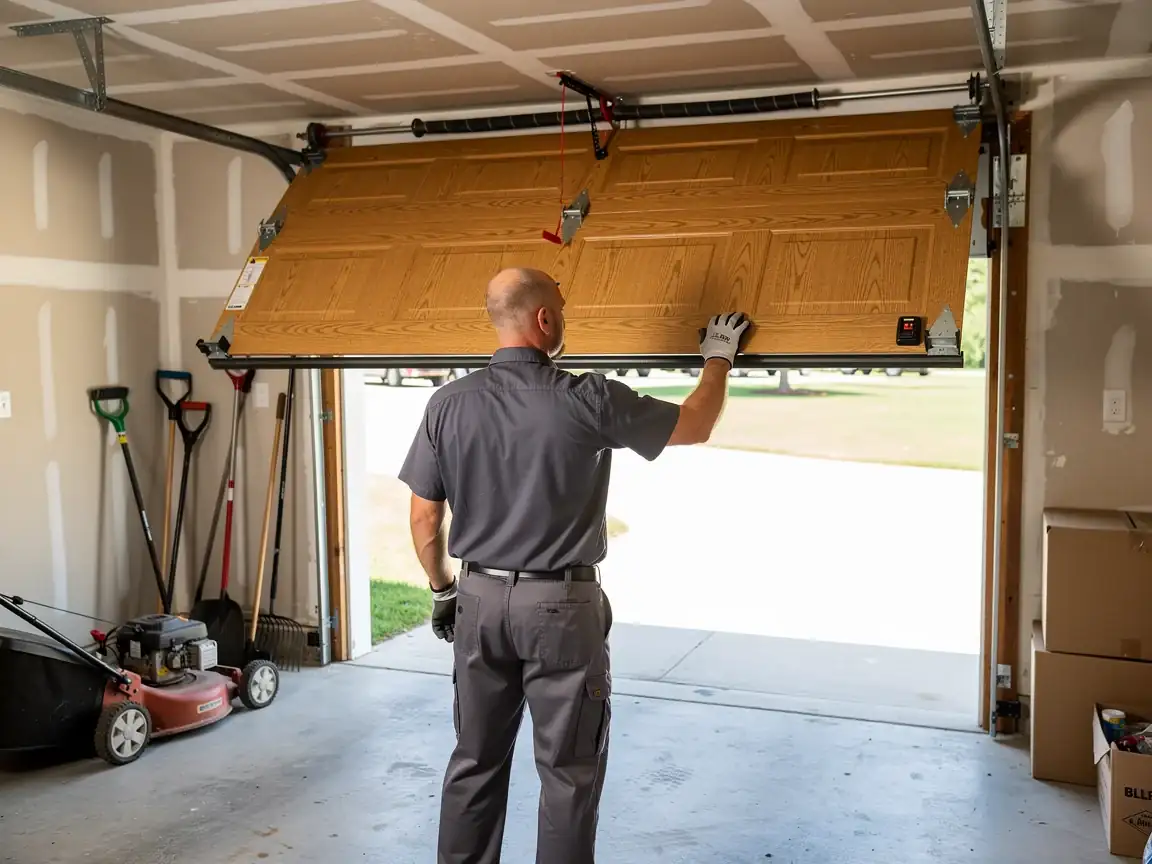
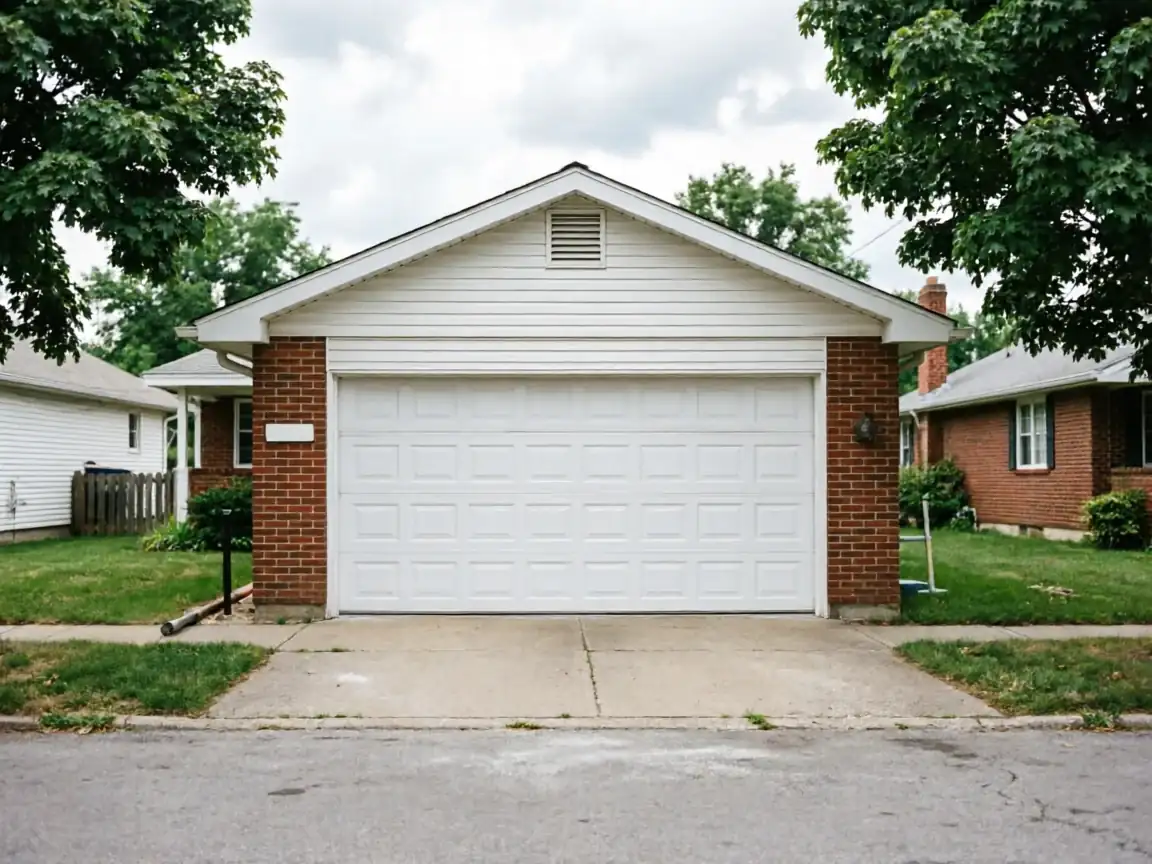
Most of the housing stock across this service area went up between 1959 and 2009, with the bulk of it dating to the 1980s and 90s across the 23 named areas we work in. That matters for openers because a chunk of those houses still run the original chain-drive unit that came with the house, or a one-time replacement from 15-20 years ago. Those motors were sized for lighter doors and lighter springs than what's often on the door now, especially after a prior owner swapped in a heavier insulated panel door without upsizing the opener. Add in a cold moderate climate band, and you get grease inside the drive rail thickening up every winter, plastic gears that were already marginal getting brittle, and safety sensors that drift out of alignment as houses settle over decades. None of that is a Des Moines-specific defect - it's what happens when a 1990s opener meets a door it was never spec'd for, in a climate that punishes worn parts twice a year instead of once. We see it as a pattern because so much of the stock here falls in that same build window.
What Is on the Truck
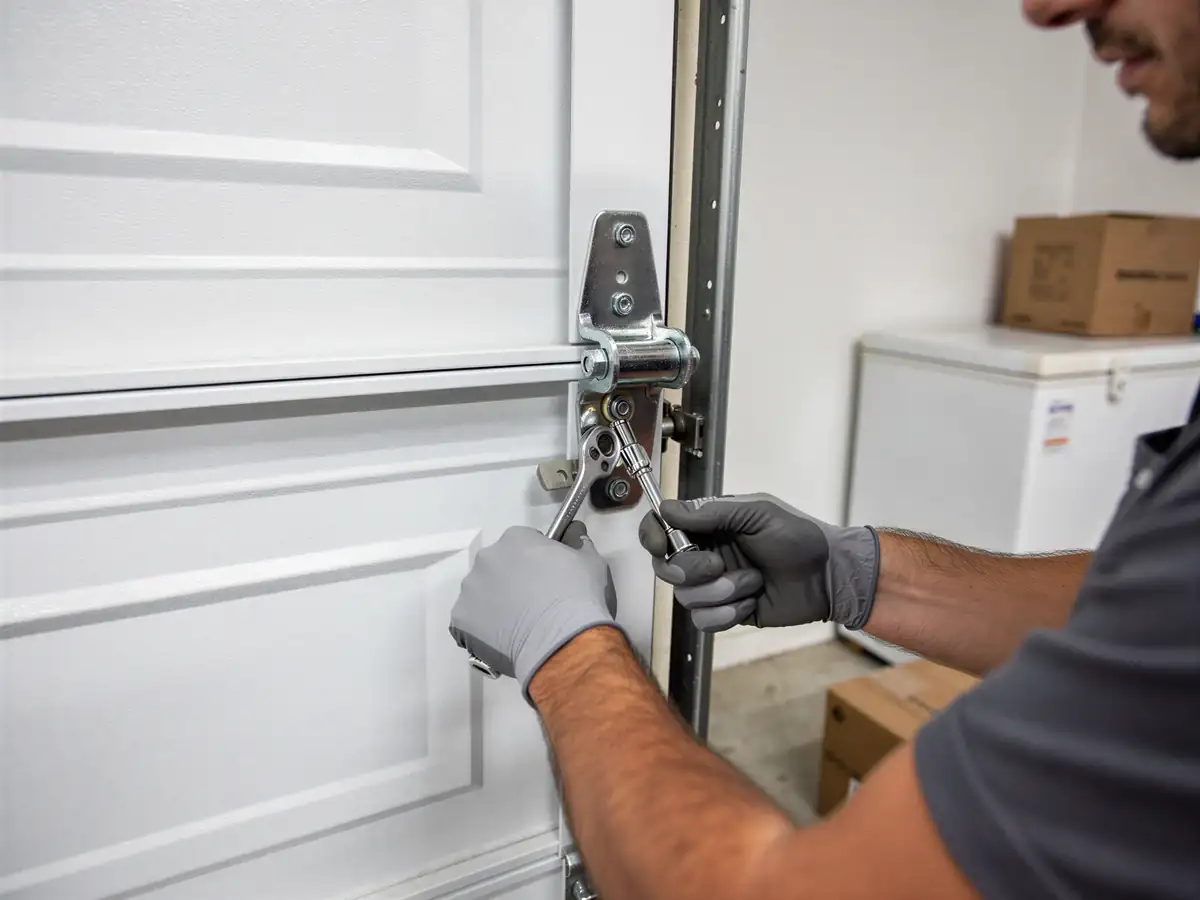
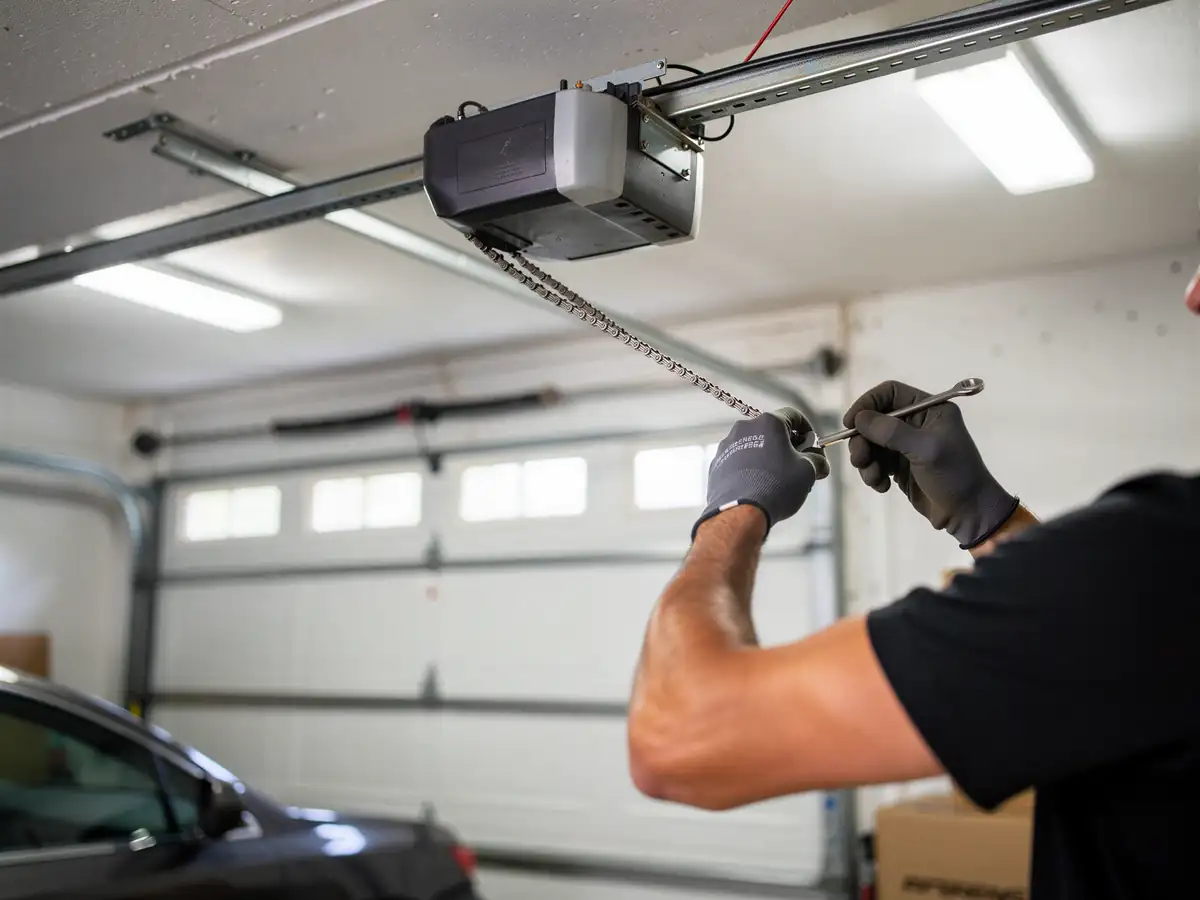
We carry belt-drive and chain-drive openers in the horsepower ranges that cover the single and double doors common to houses built from the 1980s through the 2000s. We also stock the brackets and rail lengths to match older low-headroom installs, since not every garage from that era has the clearance modern units assume. Battery backup units are on the truck for anyone who wants the door to still open in a power outage, which comes up more here given the cold-moderate climate and the ice-storm outages that go with it. What's not always on the truck: specialty wall consoles or smart-home integration hardware tied to a specific ecosystem - those sometimes need a follow-up order, and we'll tell you that up front rather than make you wait at the curb while we dig through the van.
What It Costs
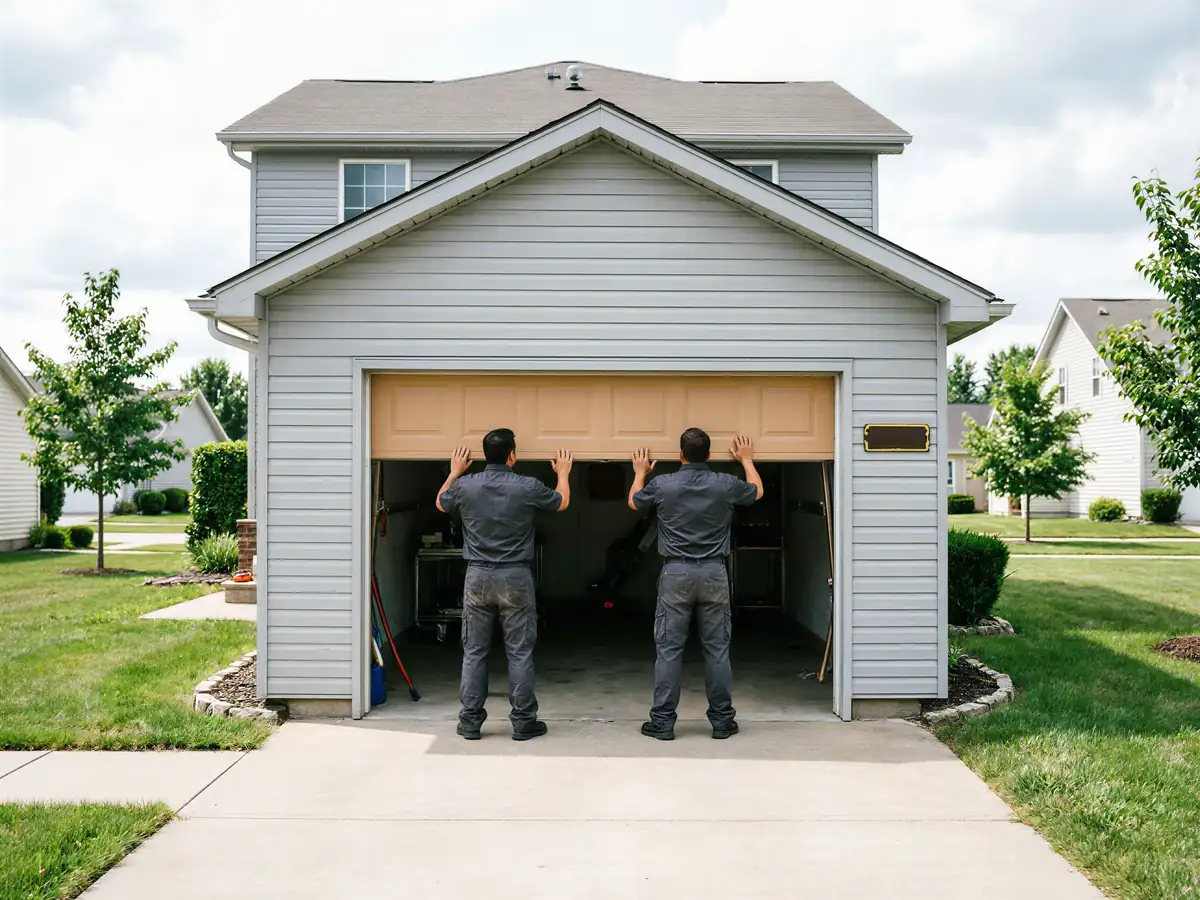
We don't post a flat number here because the cost swings with horsepower, drive type, whether we're reusing existing rail and brackets or replacing the whole mount, and whether the old unit's wiring is salvageable. A straightforward swap on a door that's structurally fine costs less than a job where we're also correcting a mismatched spring setup we find once the old opener's off. Given that median household income across the service area runs near $98,333 and roughly 45,923 of the area's households own their house outright, most of our opener calls are planned replacements rather than emergency gut jobs, which keeps the labor side predictable. We'll give you a number for your specific door and opener before any work starts, not after.