Why This Fails Locally
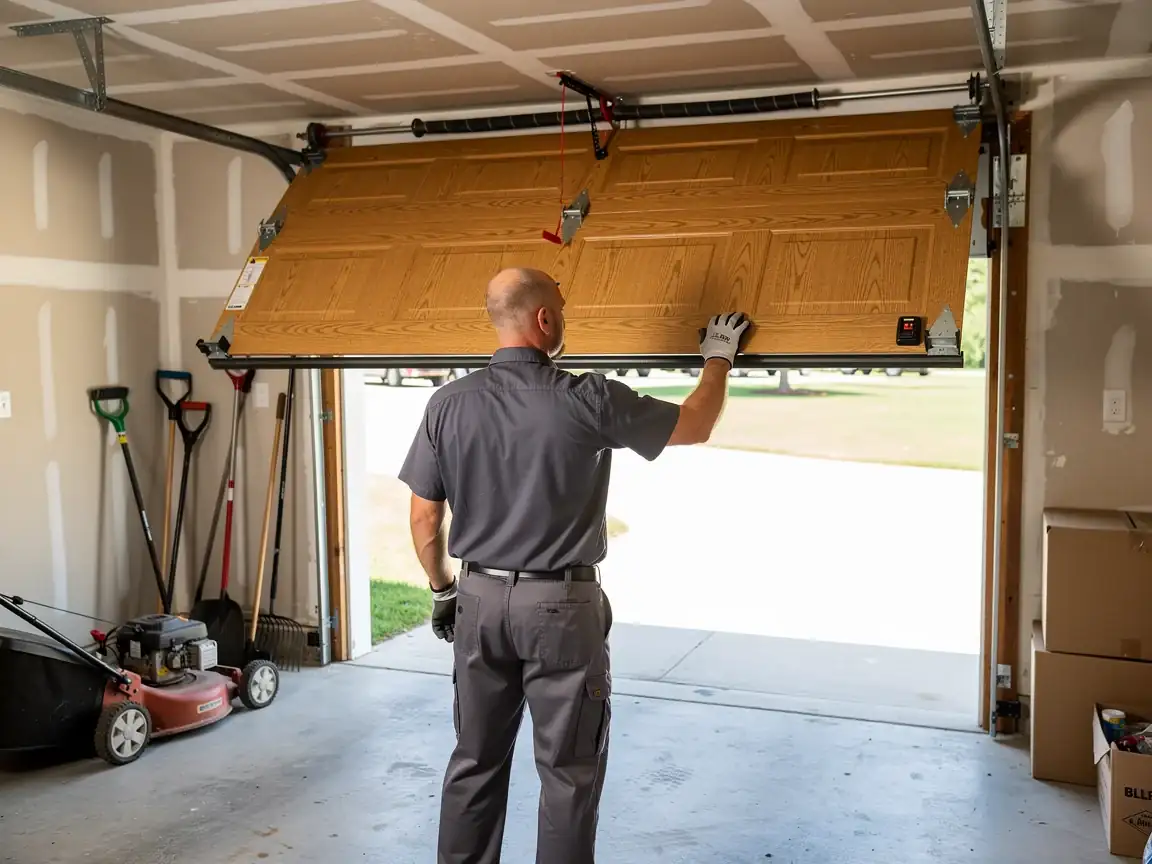
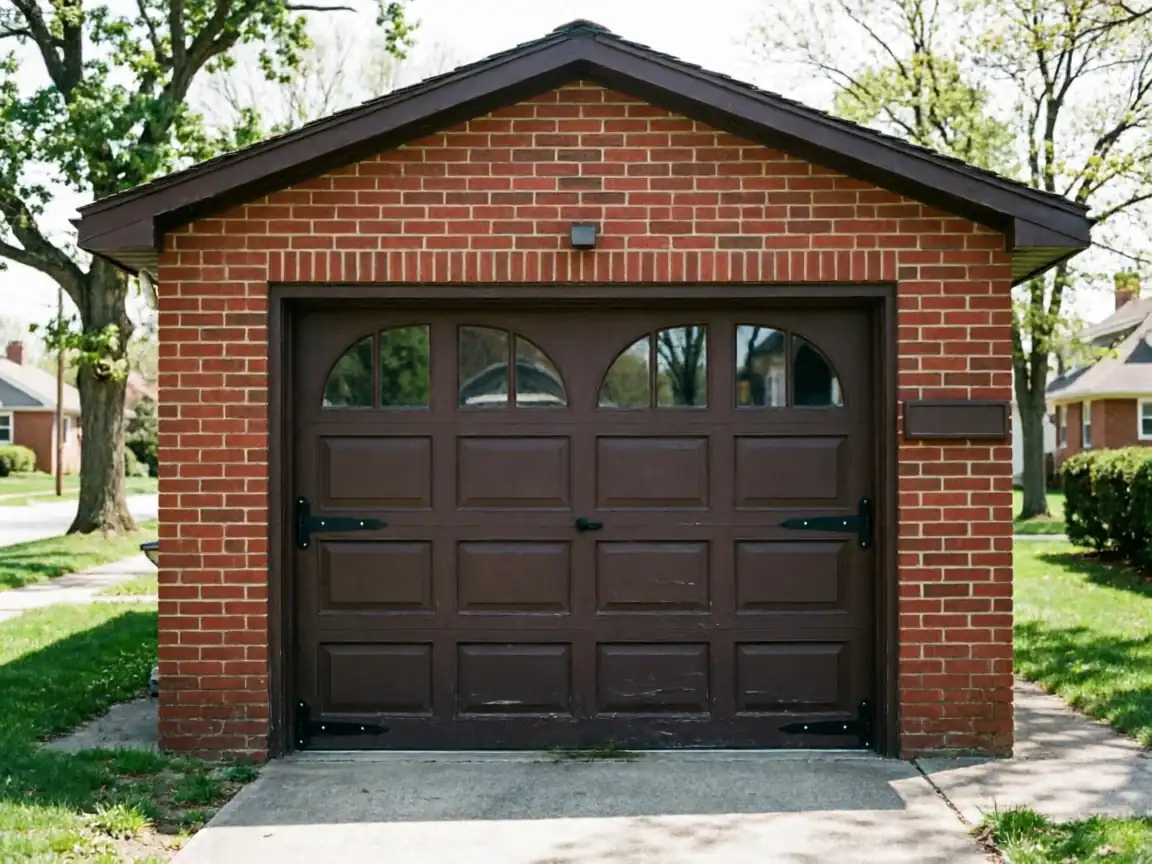
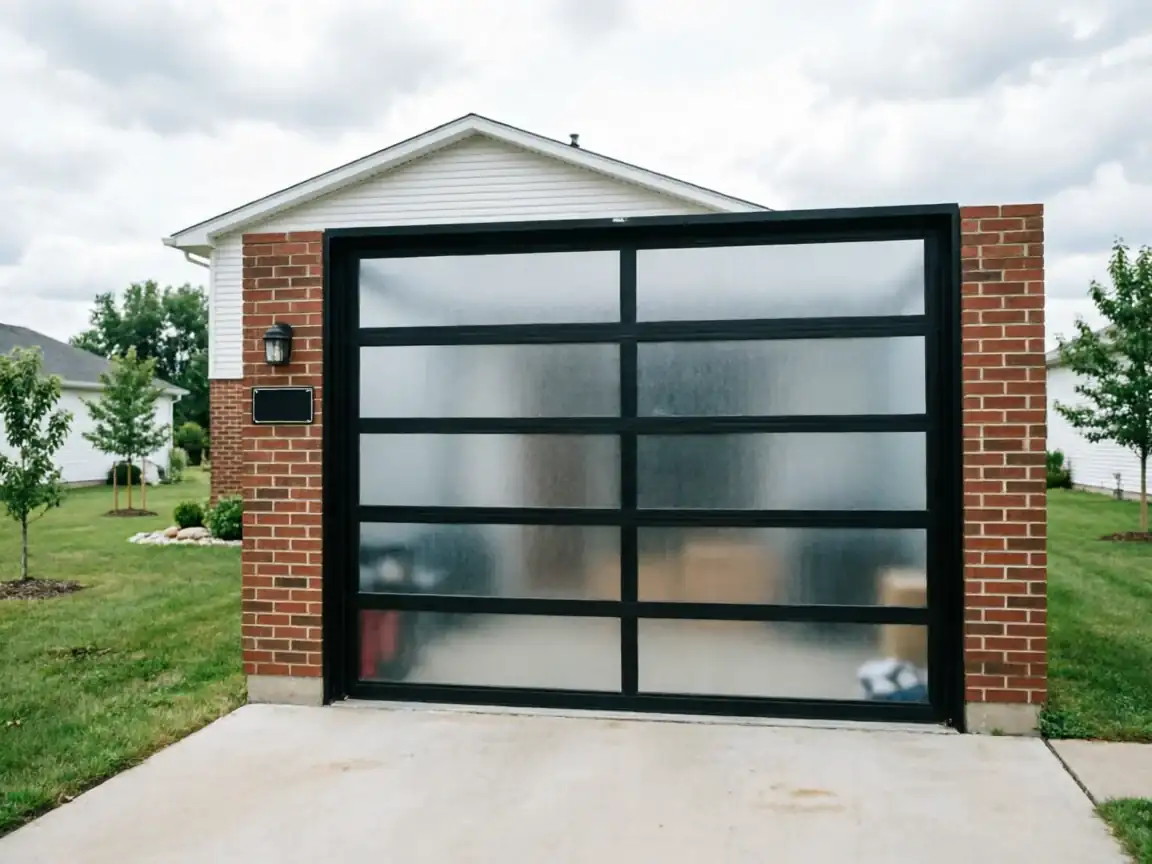
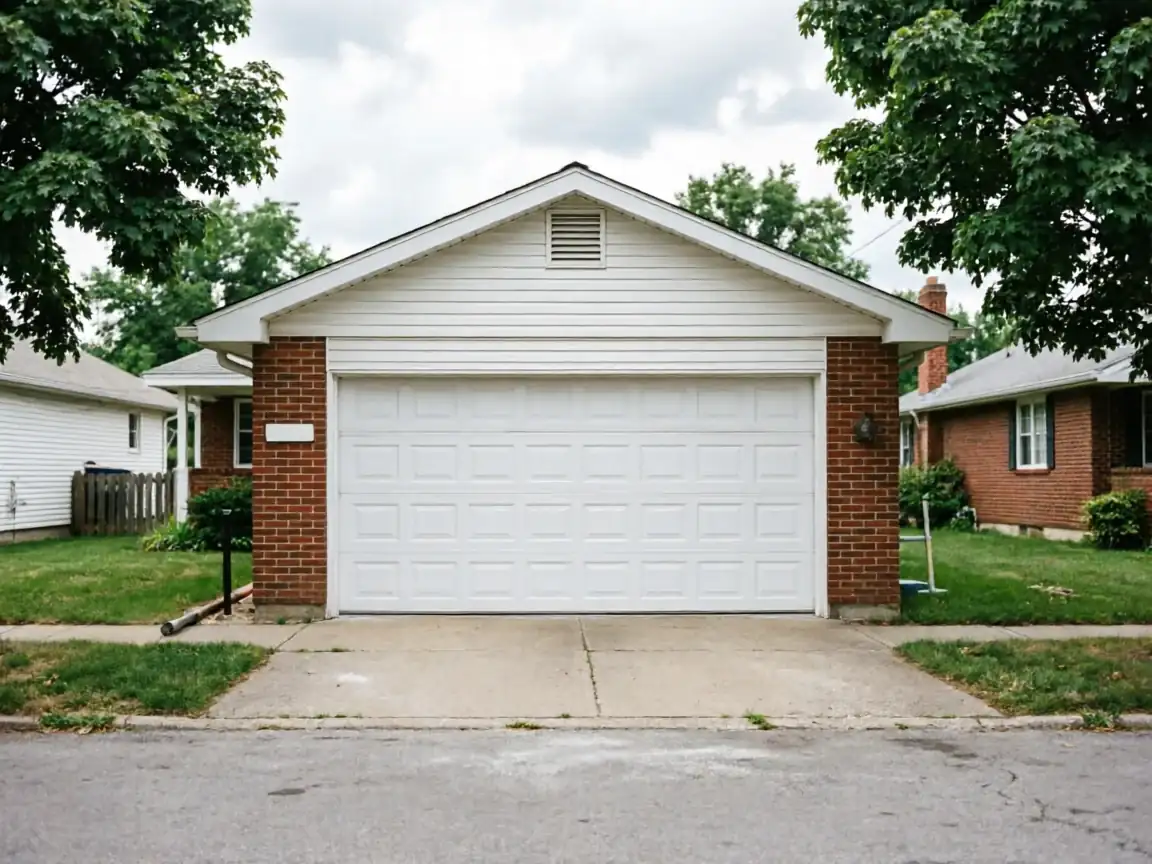
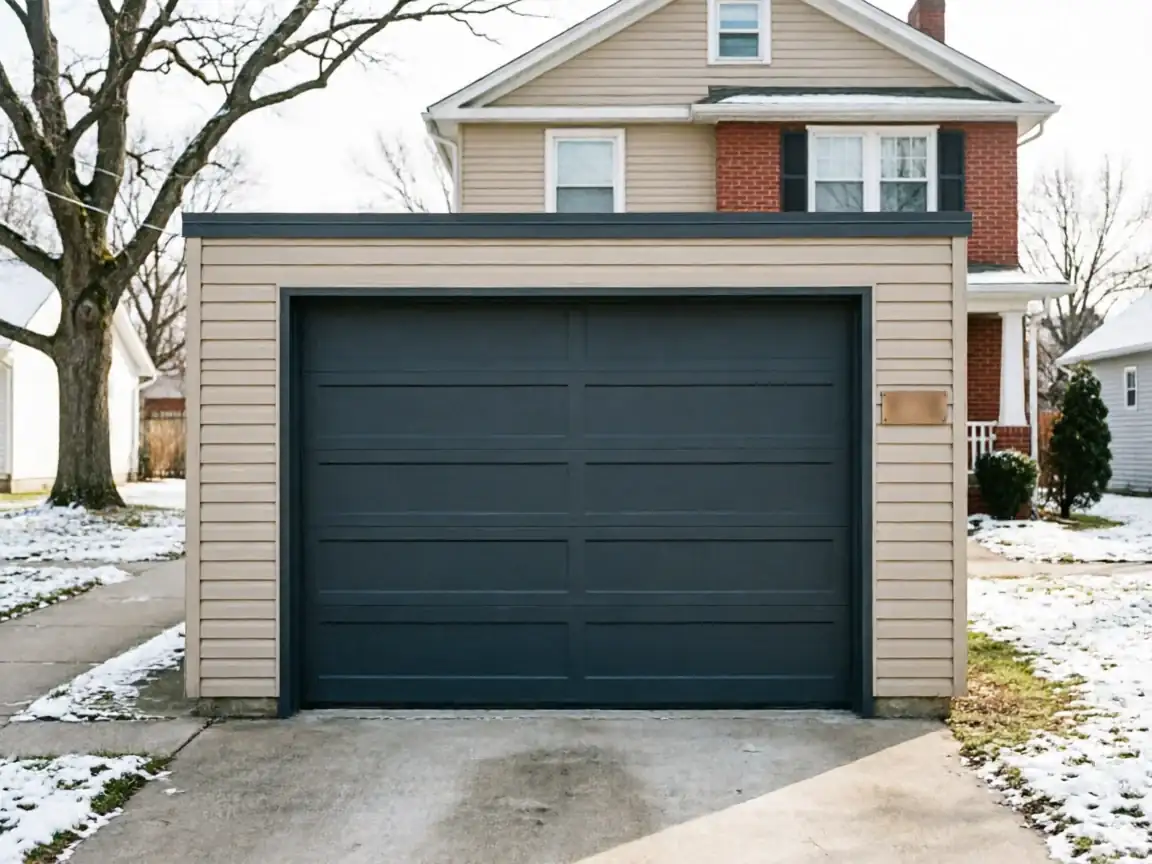
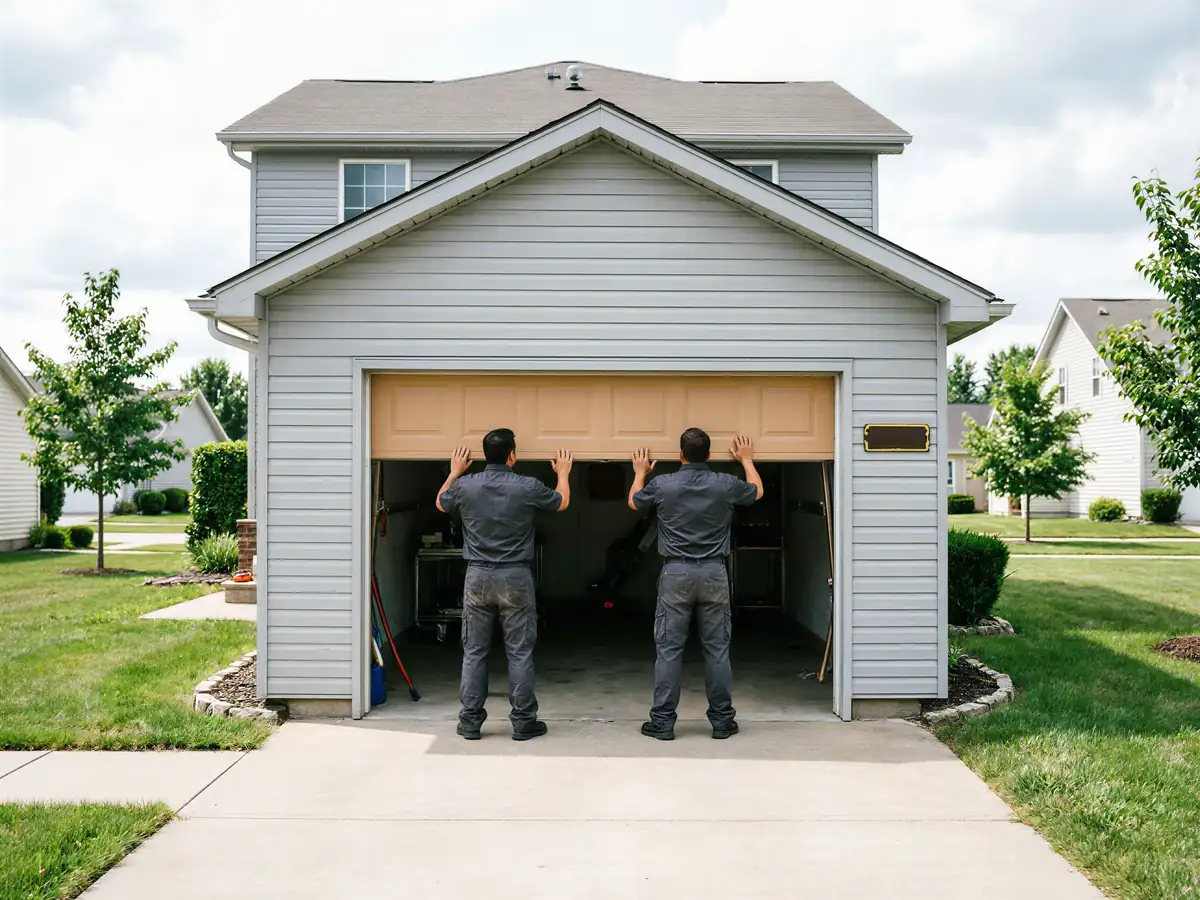
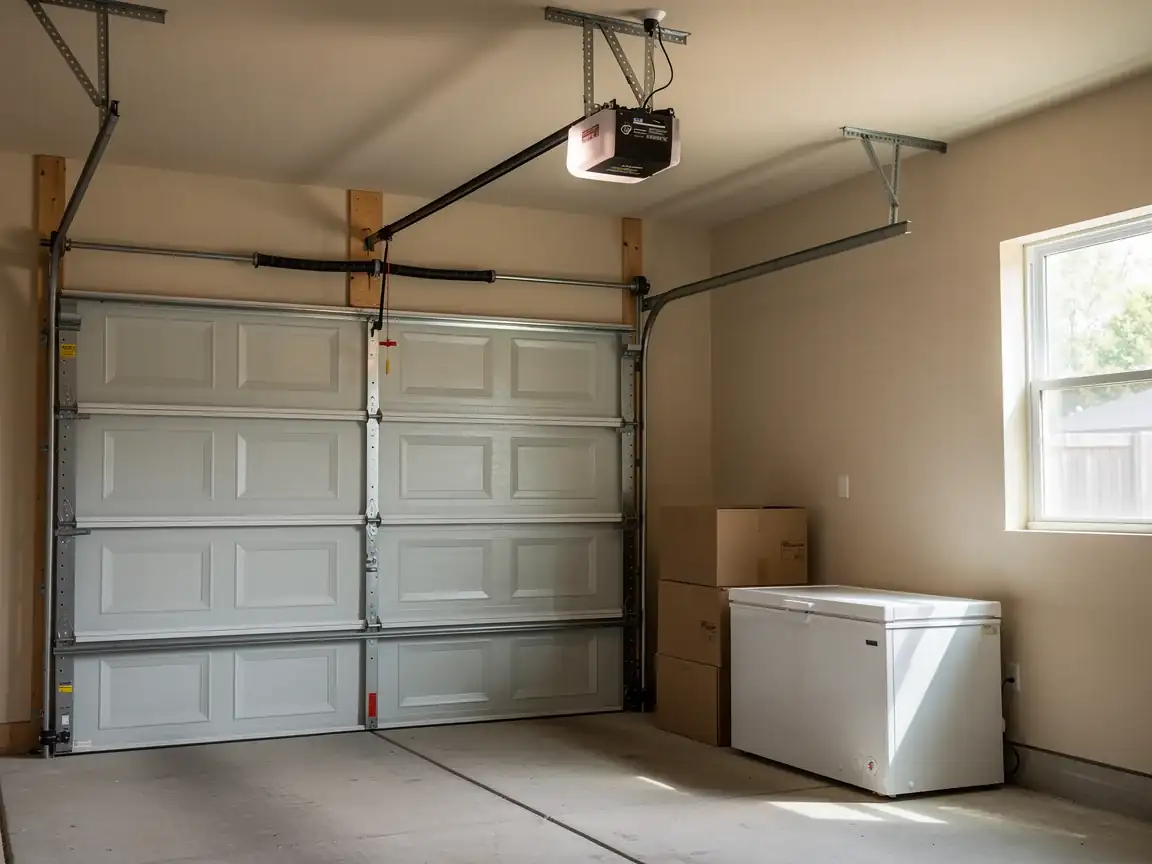
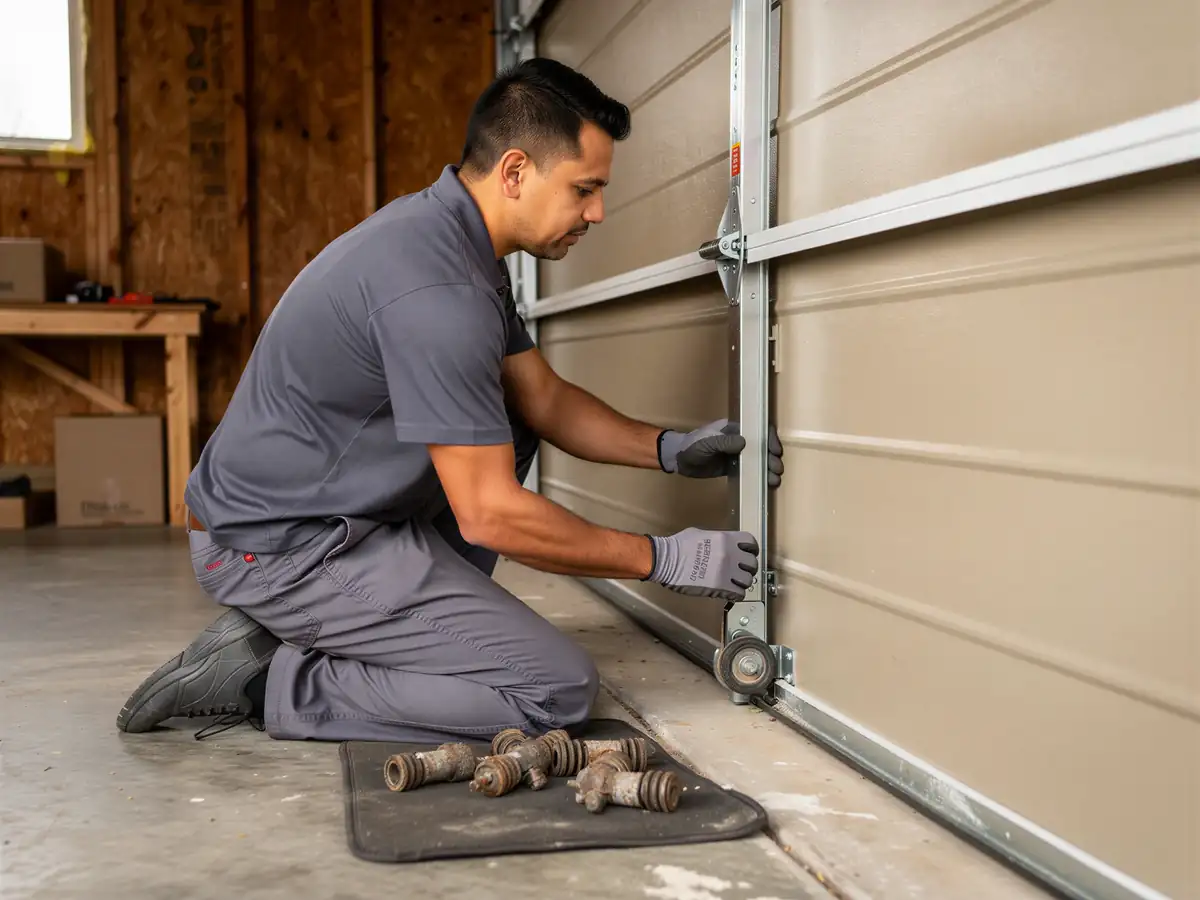
Most of the housing stock in and around Des Moines went up between 1959 and 2009, with the bulk of it dating to the 1980s and 90s across the 23 named areas we work in. That era of construction leaned on steel roller tracks bolted to wood jambs that have since shrunk and shifted a little every winter for thirty-plus years. Add a COLD moderate climate band with real freeze-thaw cycles, and you get tracks that rack out of plumb millimeter by millimeter until a door finally jumps the rail. This isn't a defect in the door. It's what happens when 1980s-90s hardware meets forty winters of a jamb expanding and contracting. We see it on both single and double doors, but double doors with a center post carry more stress on each track and tend to go first. A door that's been slightly misaligned for years doesn't announce itself until the day it comes off the track entirely, usually on the coldest morning of the week when the opener forces it.
What Is on the Truck
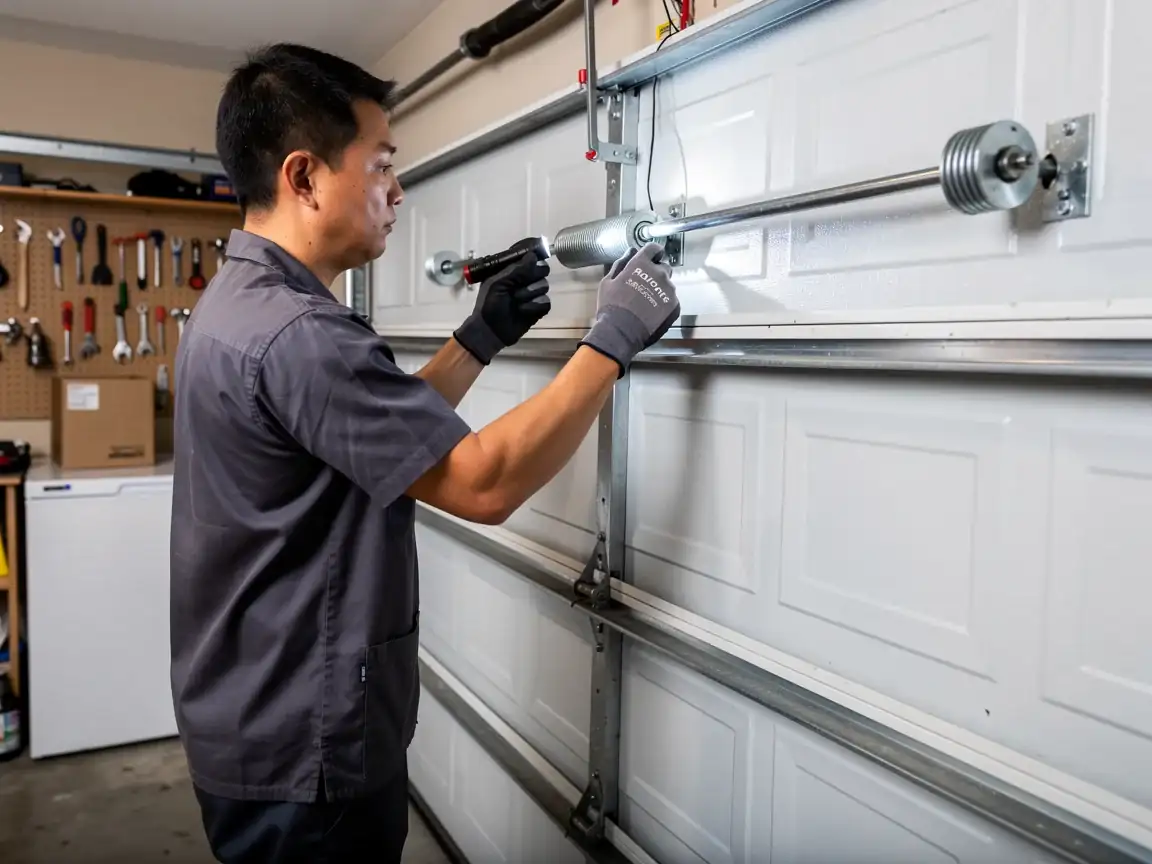
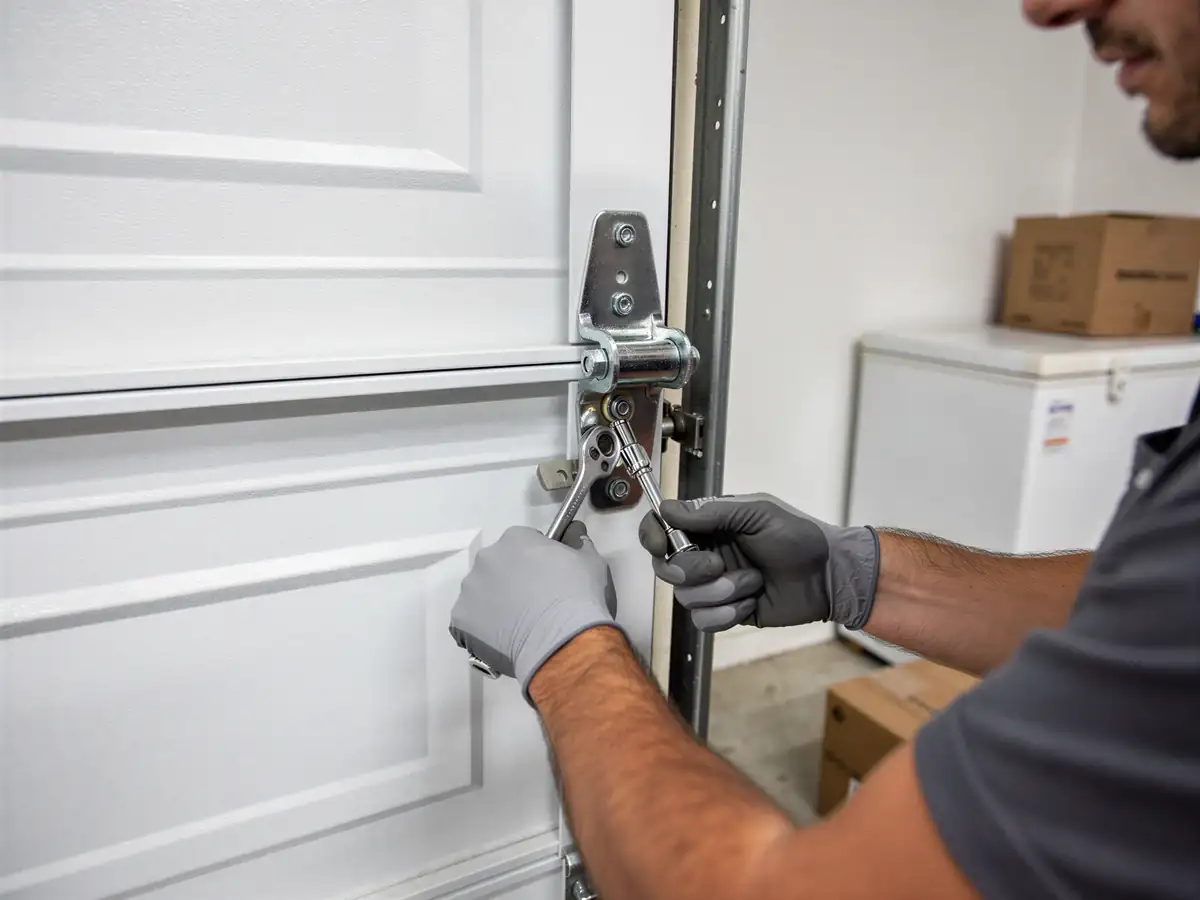
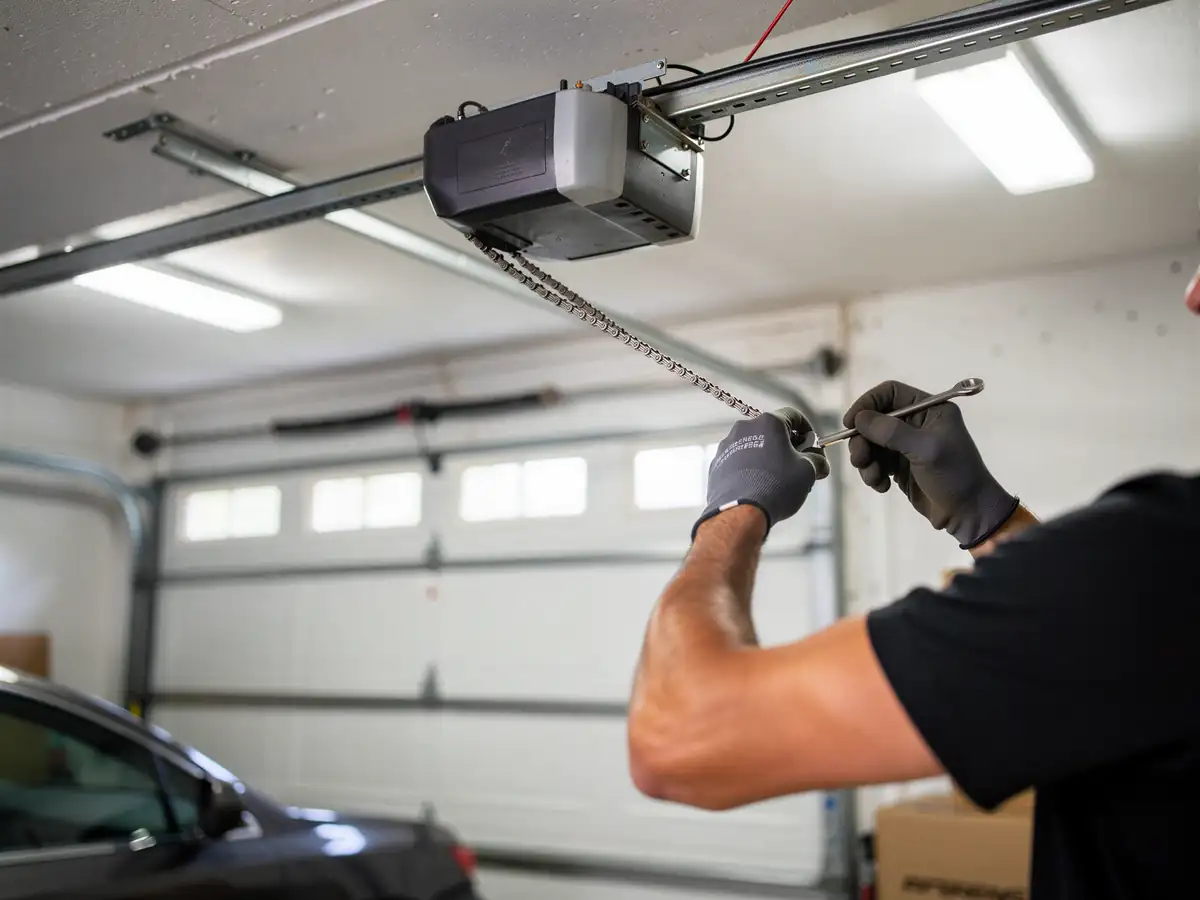
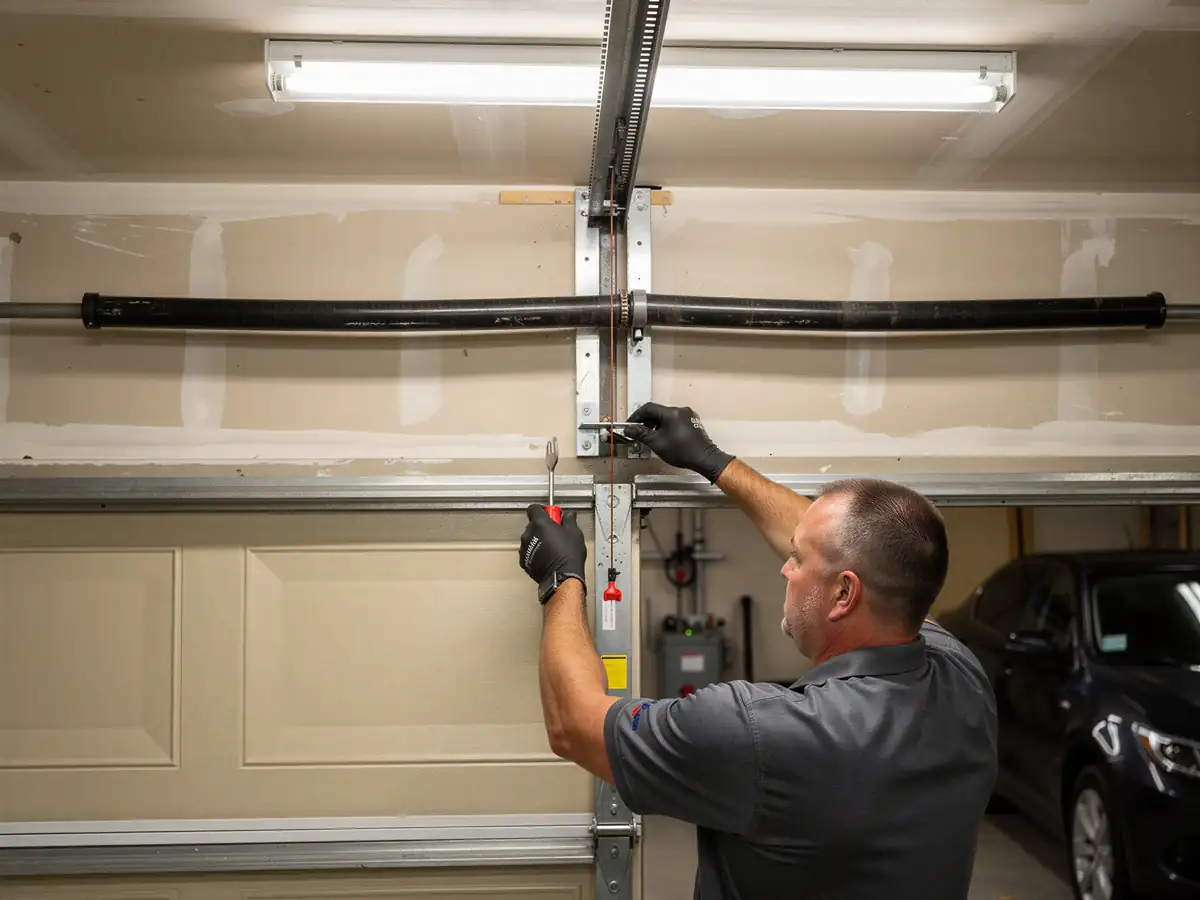
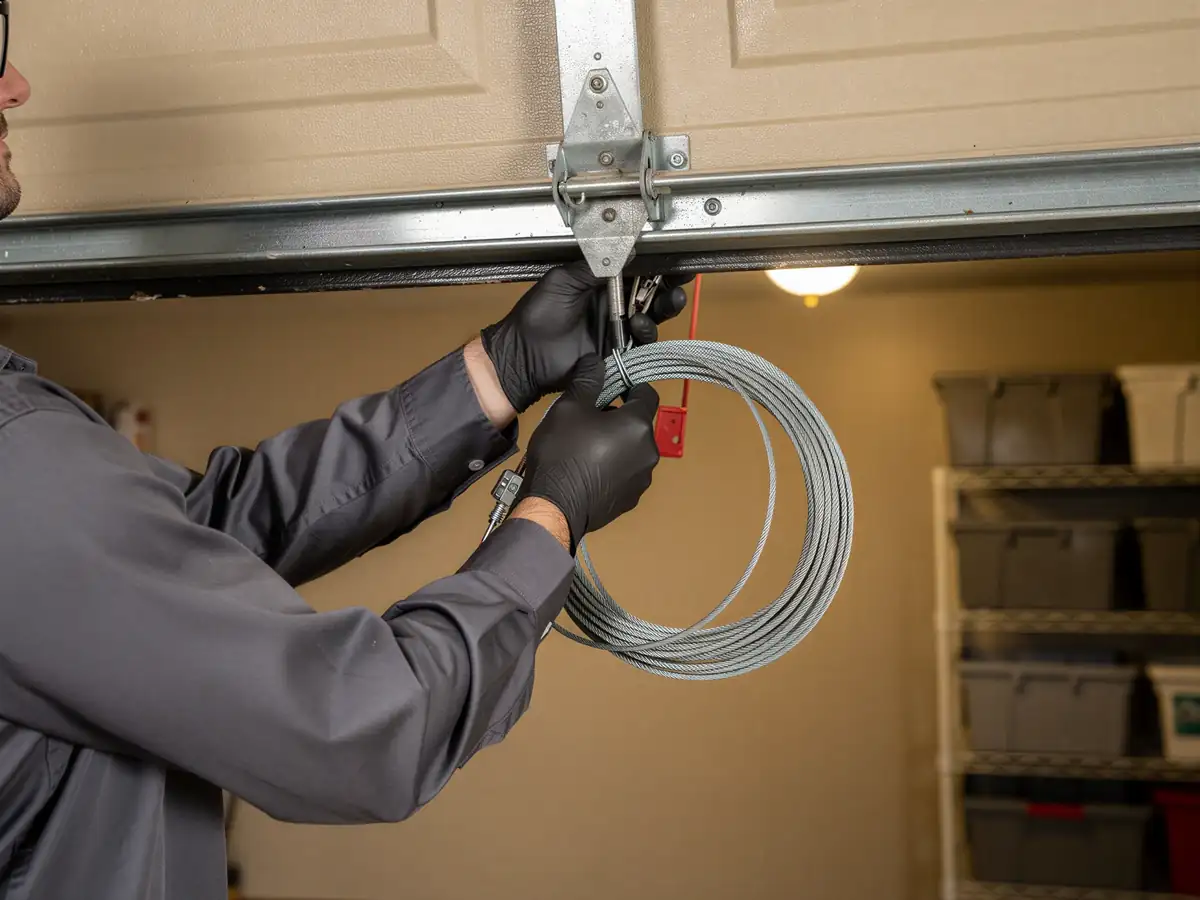
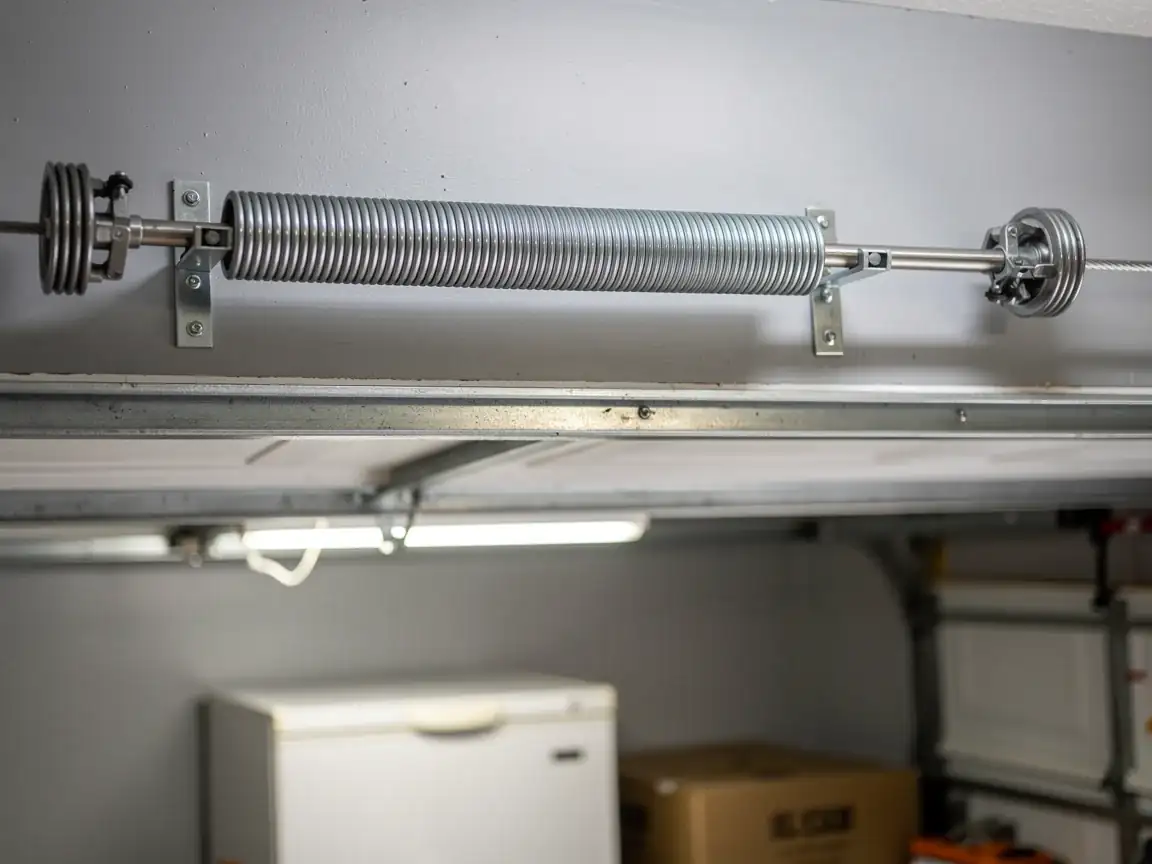
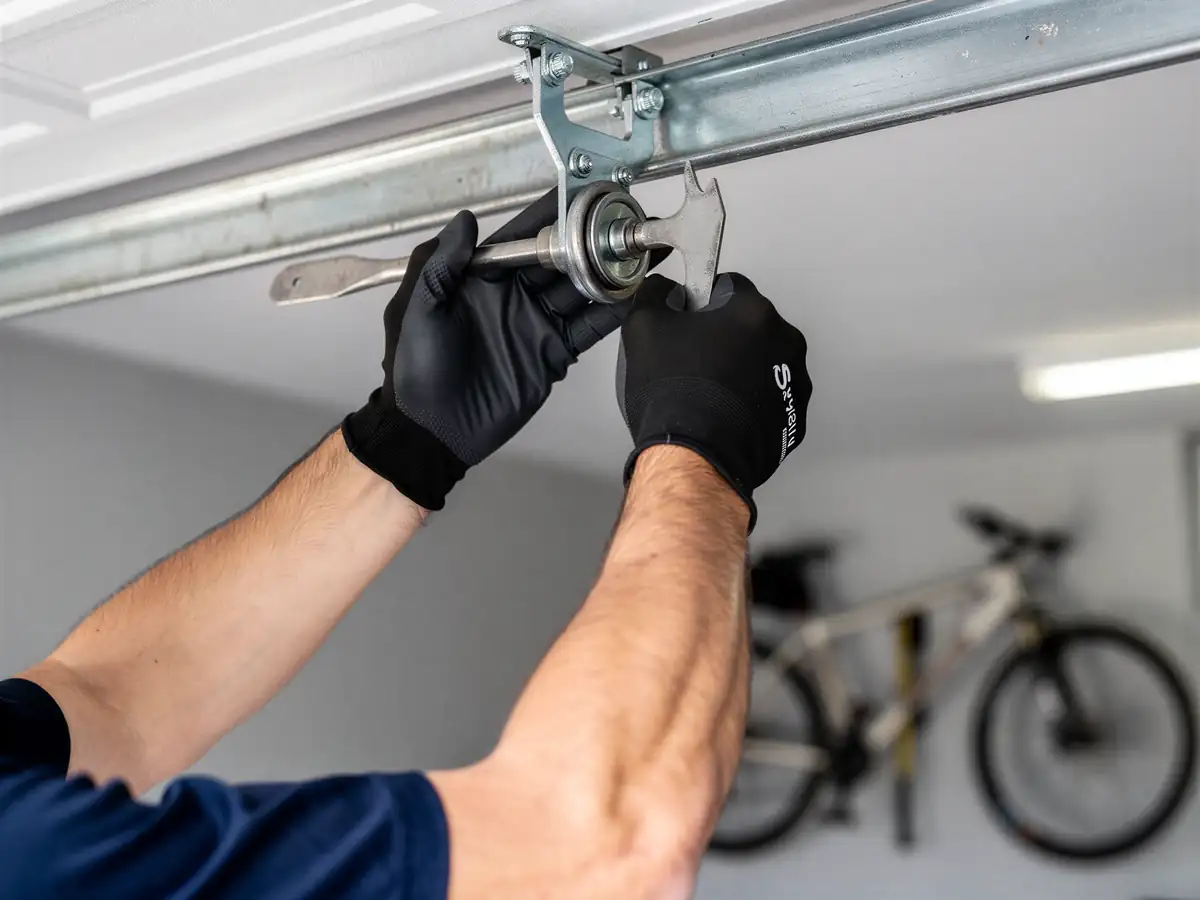
For an off-track call we carry replacement roller track sections in the lengths used on standard 7 and 8 foot doors, nylon and steel rollers, track brackets and lag hardware for both wood and masonry jambs, and cable for drum systems. We also carry shims for the jamb itself, since in a lot of the 1980s-90s stock in this area the real problem isn't the track, it's a jamb that's shifted out of square underneath it. A tech checks door balance and spring tension before touching the track, because a door that jumped the rail due to a failing spring will just do it again if you only fix the track. Limitation worth saying plainly: if a track is bent badly enough, or the jamb behind it has rotted or pulled away from the framing, that's not a same-visit fix. We'll get the door closed and safe, but a rebuild of the jamb itself is carpentry work outside what we do.
What It Costs
Cost on an off-track call depends on what actually failed underneath the symptom. A door that simply jumped the rail with no bent track or broken cable is the cheapest version of this call. Add a bent track section, a snapped cable, or rollers that have worn their bearings out, and the job grows from there. We don't post a flat number here because the techs who've worked the 1980s-90s stock across this area know the range changes a lot between a quick re-seat and a full track-and-cable swap. What we will do is give you a number before any work starts, once the tech has actually looked at the track, the jamb, and the spring tension - not a phone estimate.