Timing on This Area
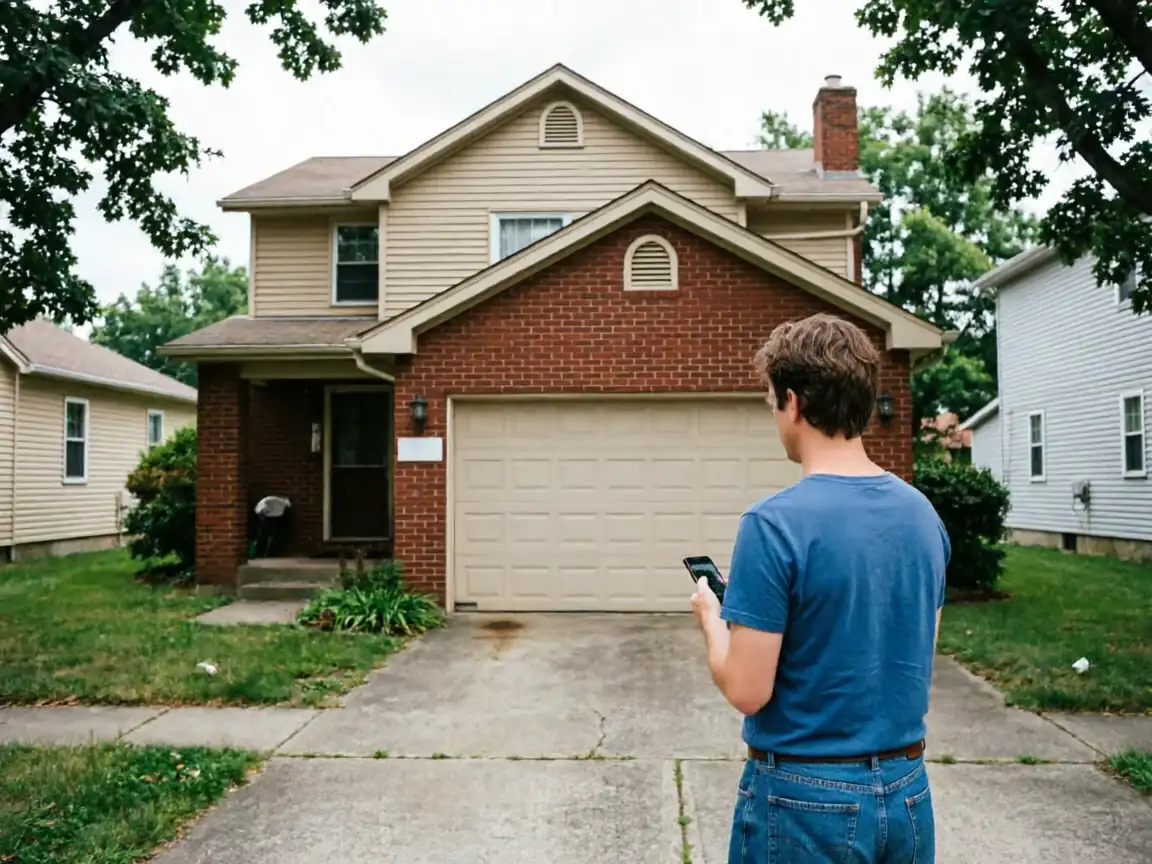
We run out of Des Moines, and Carlisle sits about 7 miles south, so a call here means a drive, not a walk across a parking lot. That's true of most of the smaller towns we cover - Carlisle isn't unique in that regard, but it's worth saying plainly so nobody expects a van parked around the corner. Once we're on the road, 7 miles is a short trip compared to some of the farther stops on our route, which run out past 15 miles. We don't advertise a guaranteed arrival window, because traffic on a given morning and the job ahead of yours both matter more than a number on a page. What we can tell you is that Carlisle gets worked the same day as other close-in towns when the schedule allows, and we call ahead so you're not standing in the driveway guessing.
The Usual Work Here
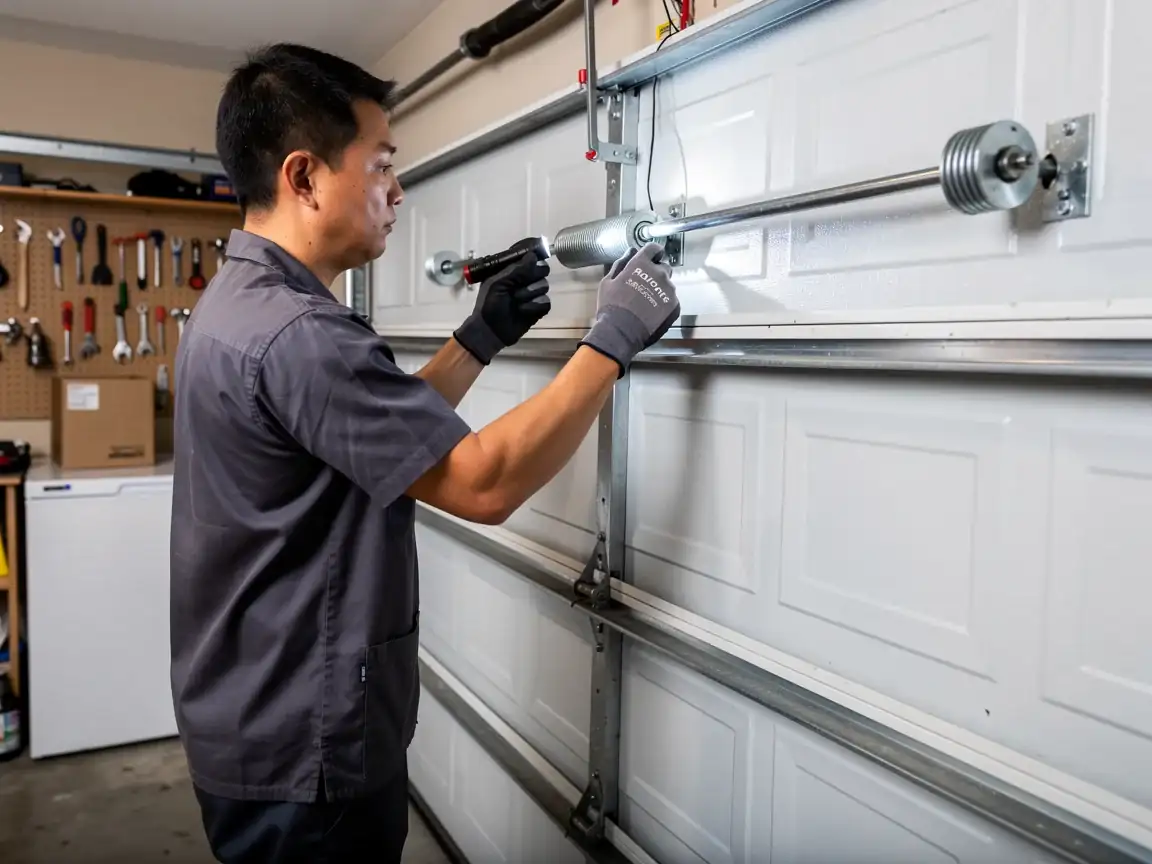
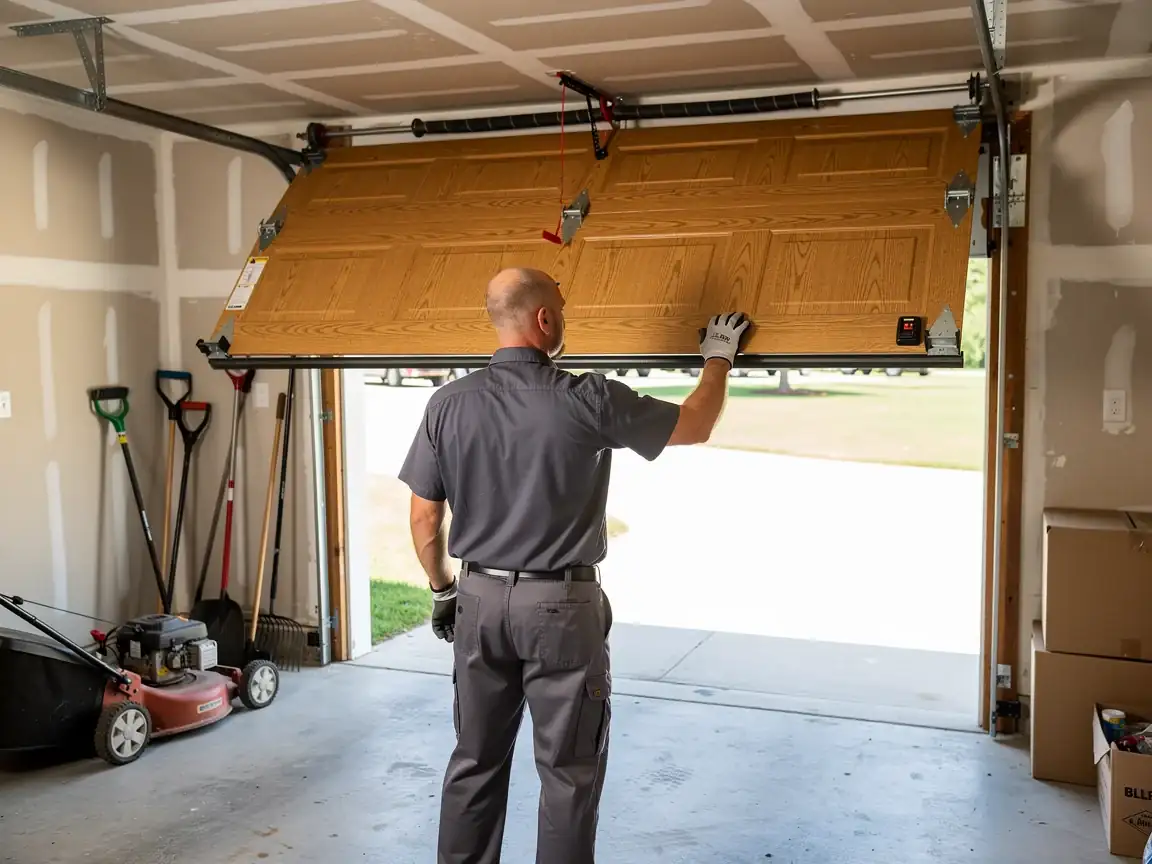
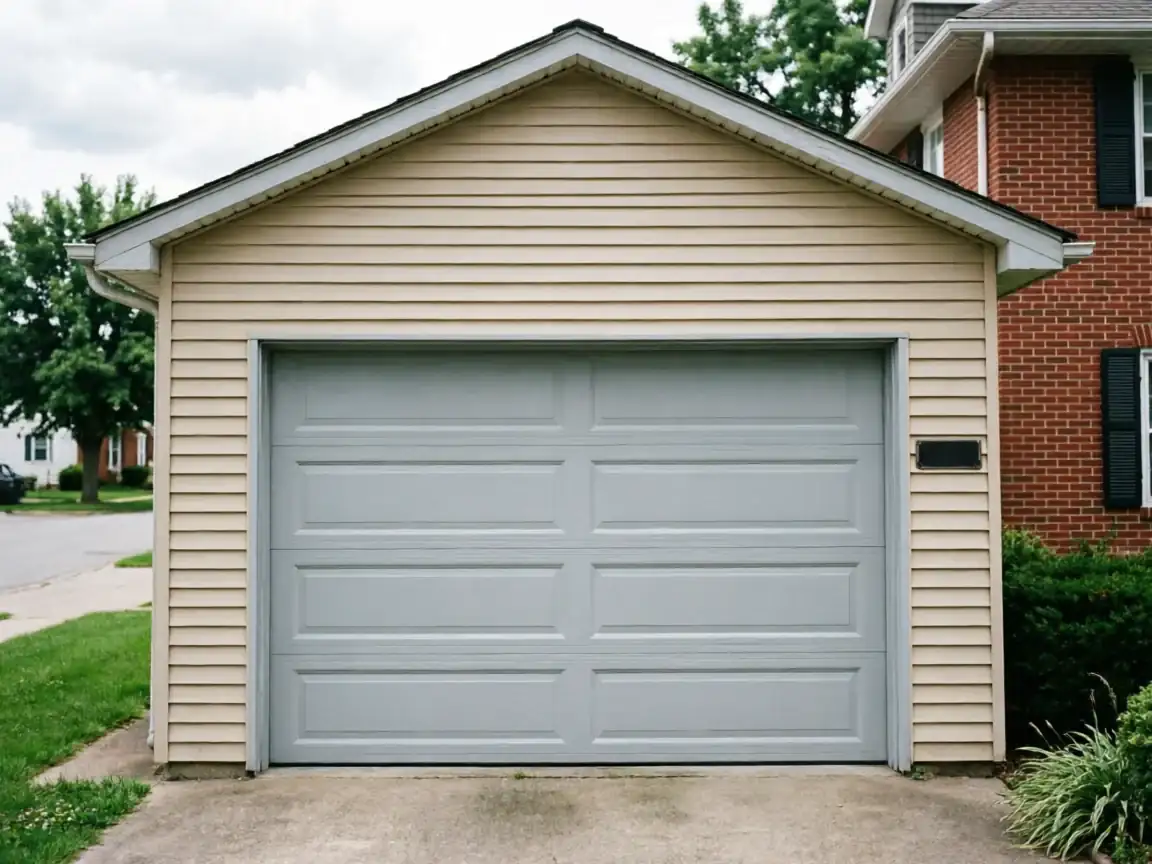
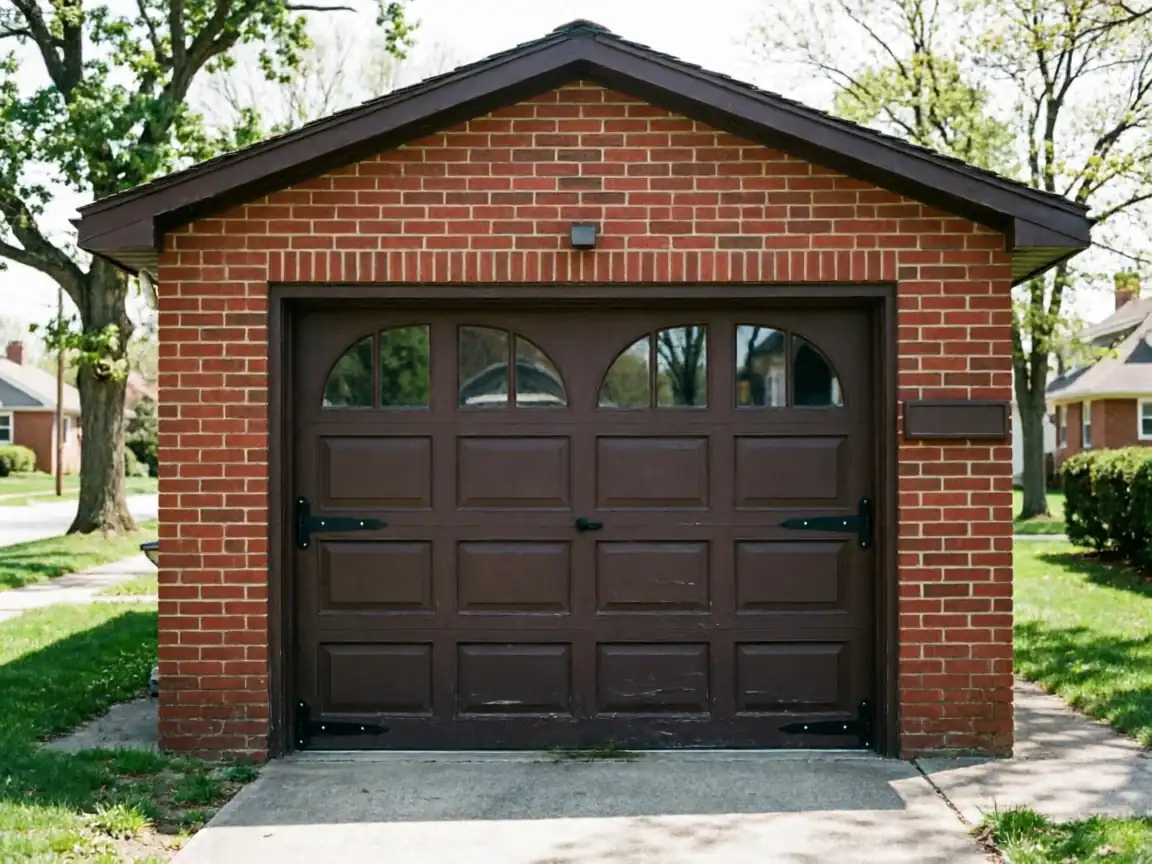
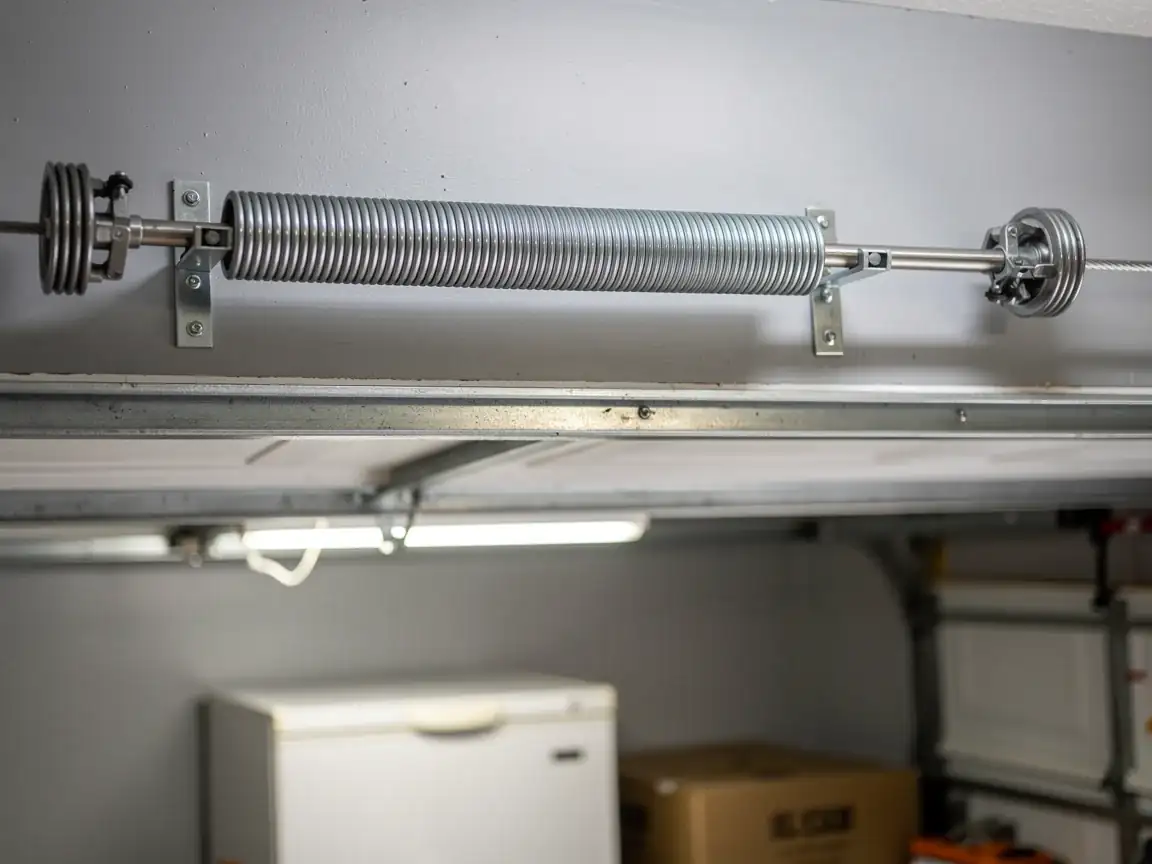
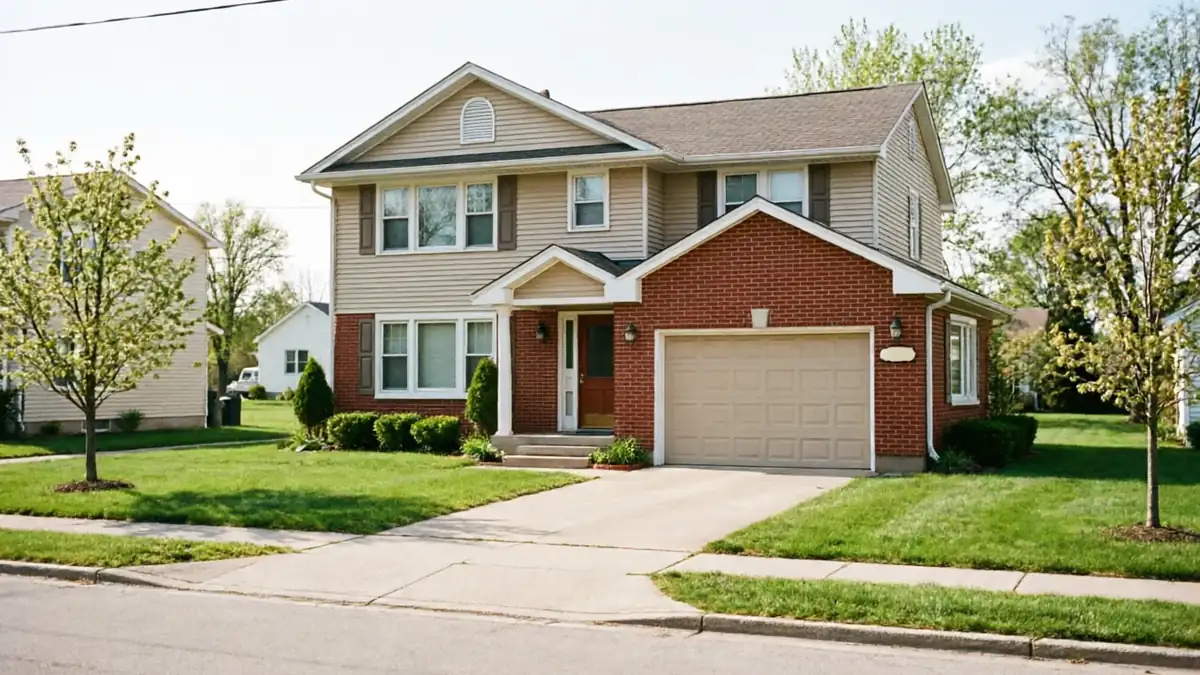
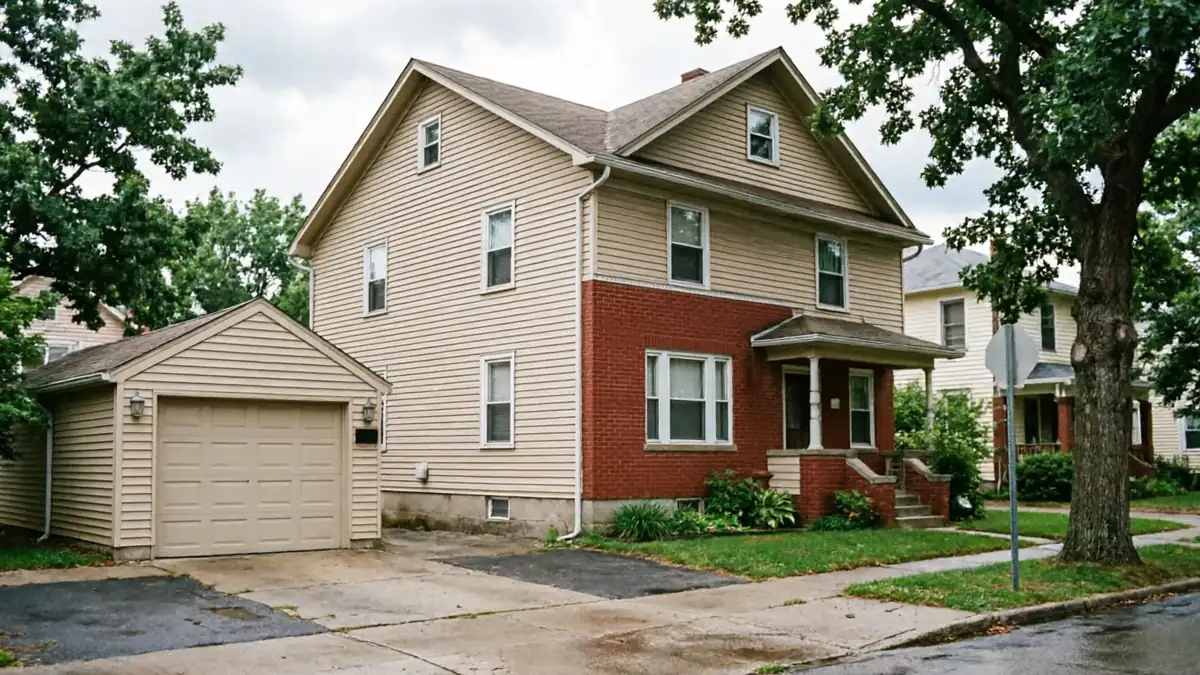
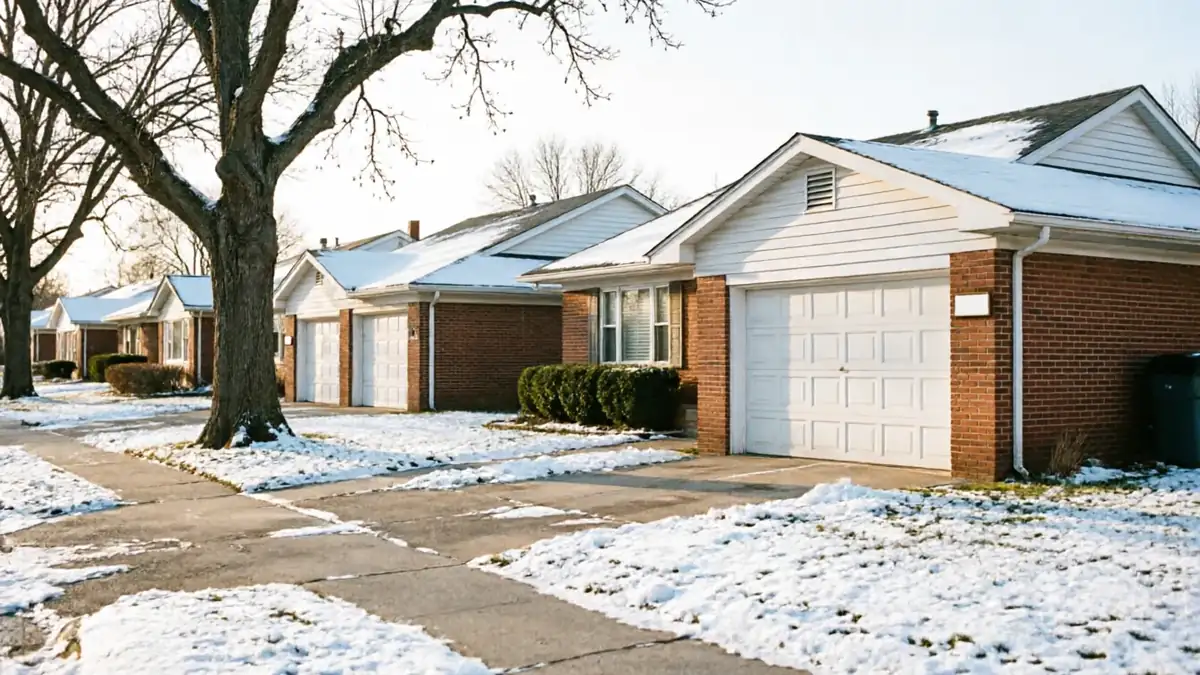
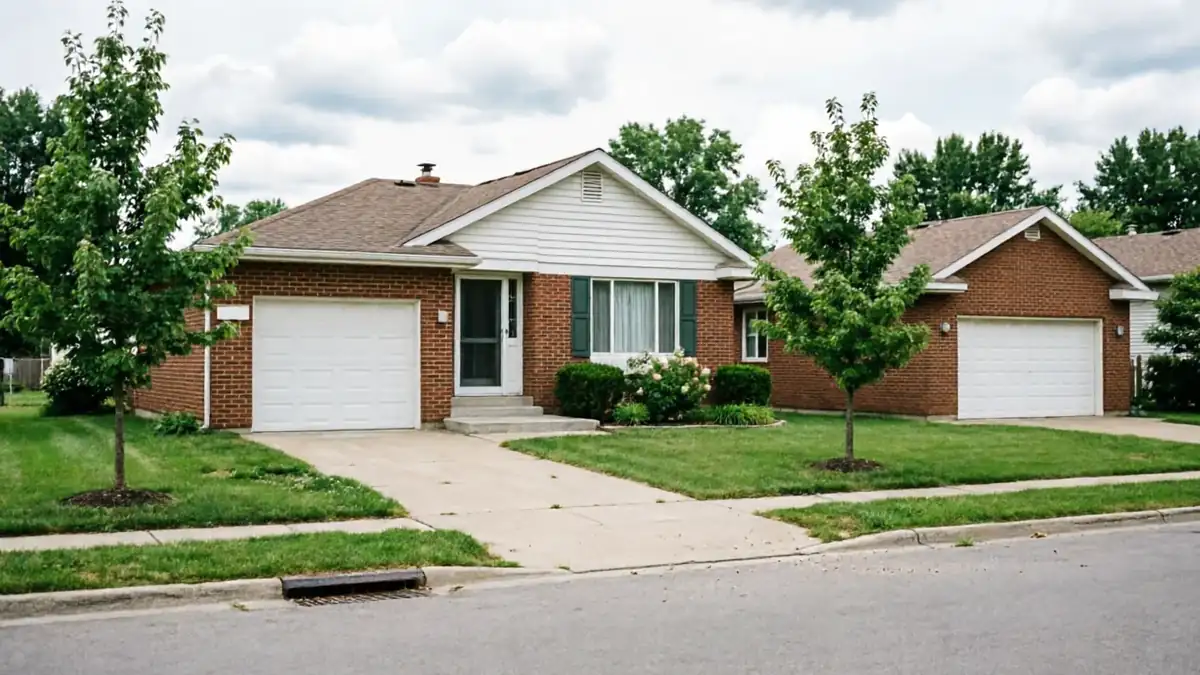
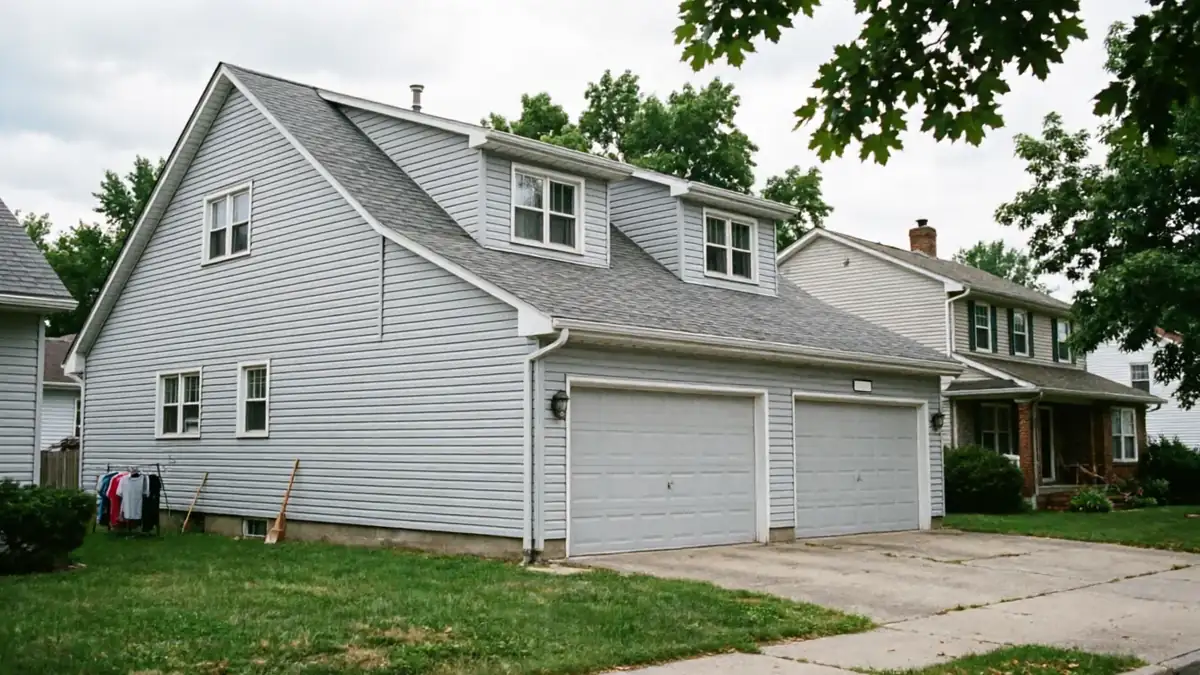
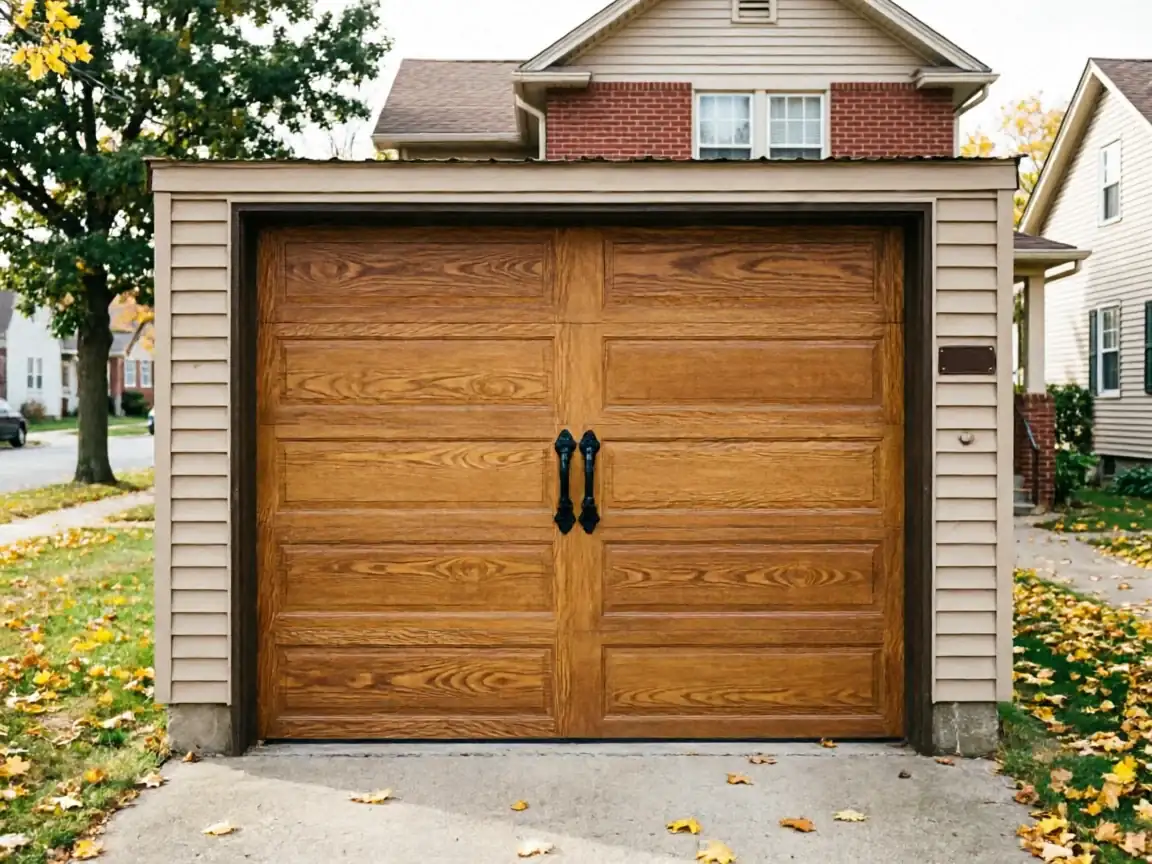
On houses from the early 1970s, the most common call is a torsion spring that's finally given out - those doors have had decades to wear through the spring's rated cycle count, and nobody tracks that number until the door won't lift. Close behind is worn or rusted track on openers that were added years after the house was built, since early garages weren't always wired for one. We also see a fair number of panel sections that have taken a hit - these doors are old enough that replacement panels aren't always a quick stock item, and sometimes the honest answer is a new door rather than hunting down a match for a style that's not made anymore. Cable fraying on older non-insulated doors shows up too, usually from a drum or roller issue that went unaddressed. We don't do new construction work, so if you're building here, that's outside what we take on.
What the Housing Means for Your Door
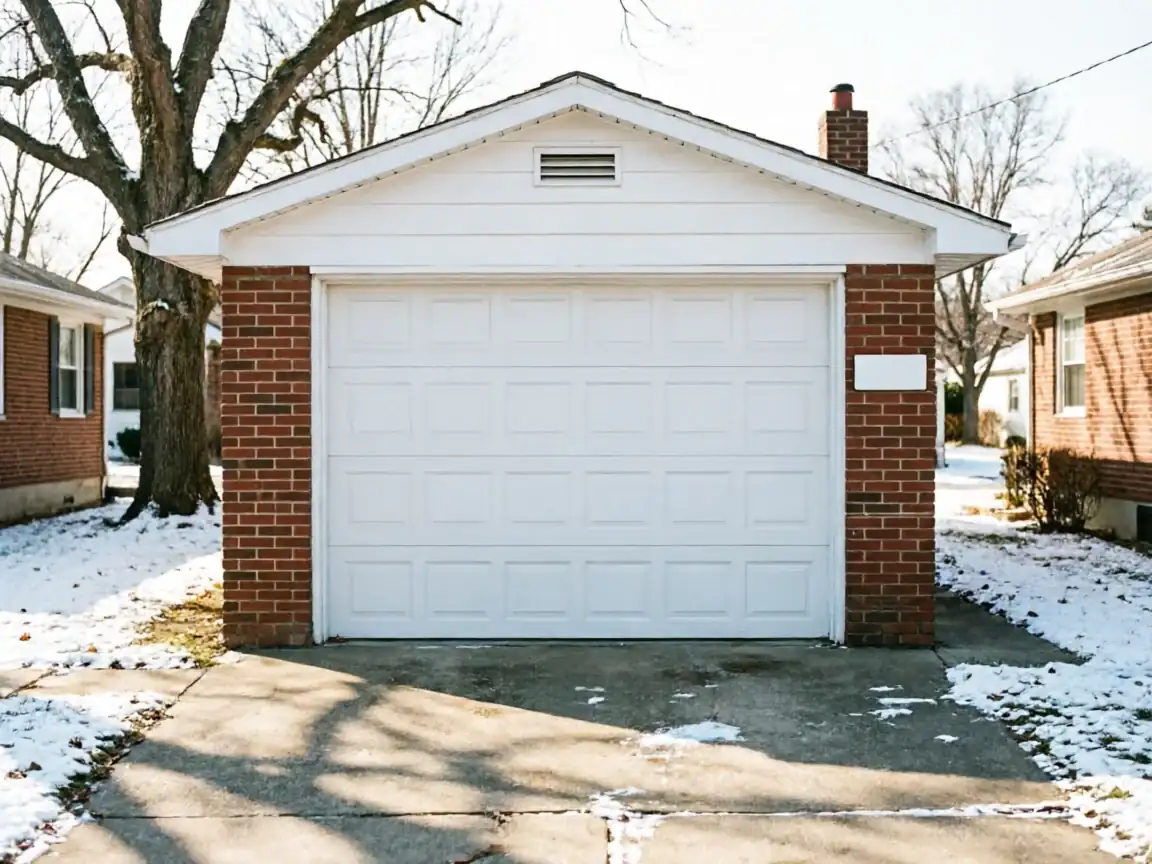
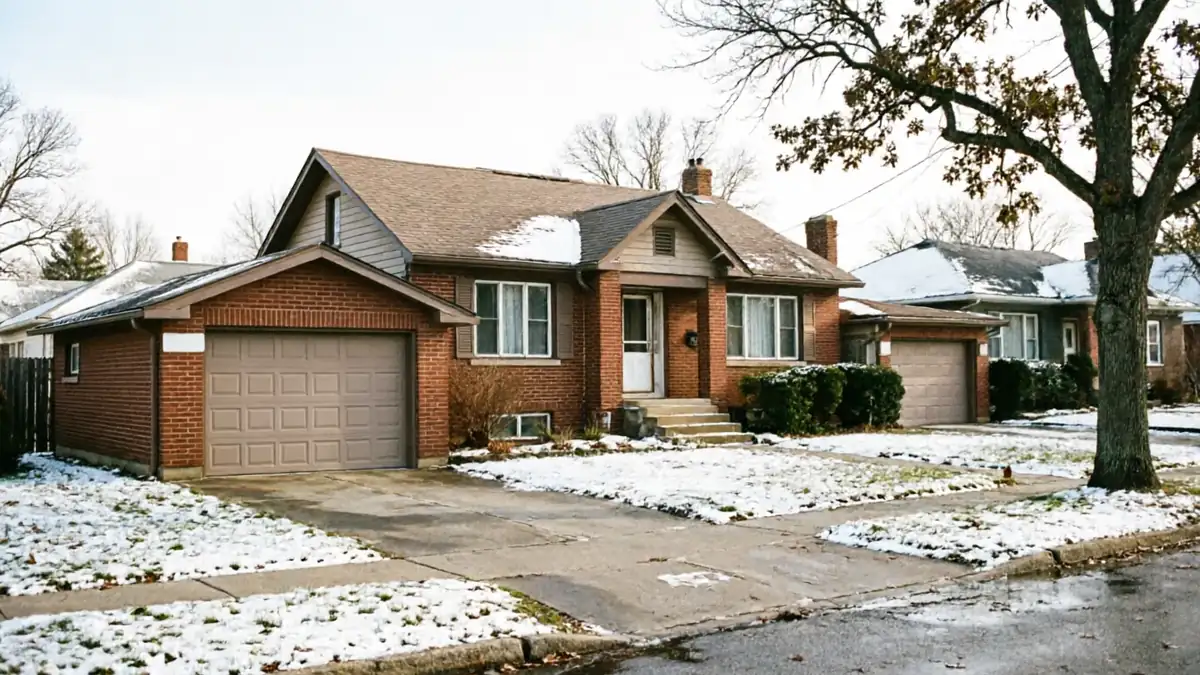
Because so much of Carlisle predates the metro's 1990s building boom, the hardware under the hood is older than what you'd find on a typical Des Moines-area job, and that changes what we bring on the truck and what we look for first. A door from 1973 was likely built before lighter-gauge, higher-cycle torsion springs were standard, so when one breaks, we're often replacing it with modern hardware rather than matching the original spec - which is usually the better fix anyway. The cold winters here (this is a cold-moderate climate zone) are hard on any door, but they're harder on 50-year-old seals and tracks that were never designed with today's weatherstripping in mind. If your door is from this era and still running on its original springs, that's not a long-term bet - it's a question of when, not if.