What the Fix Involves
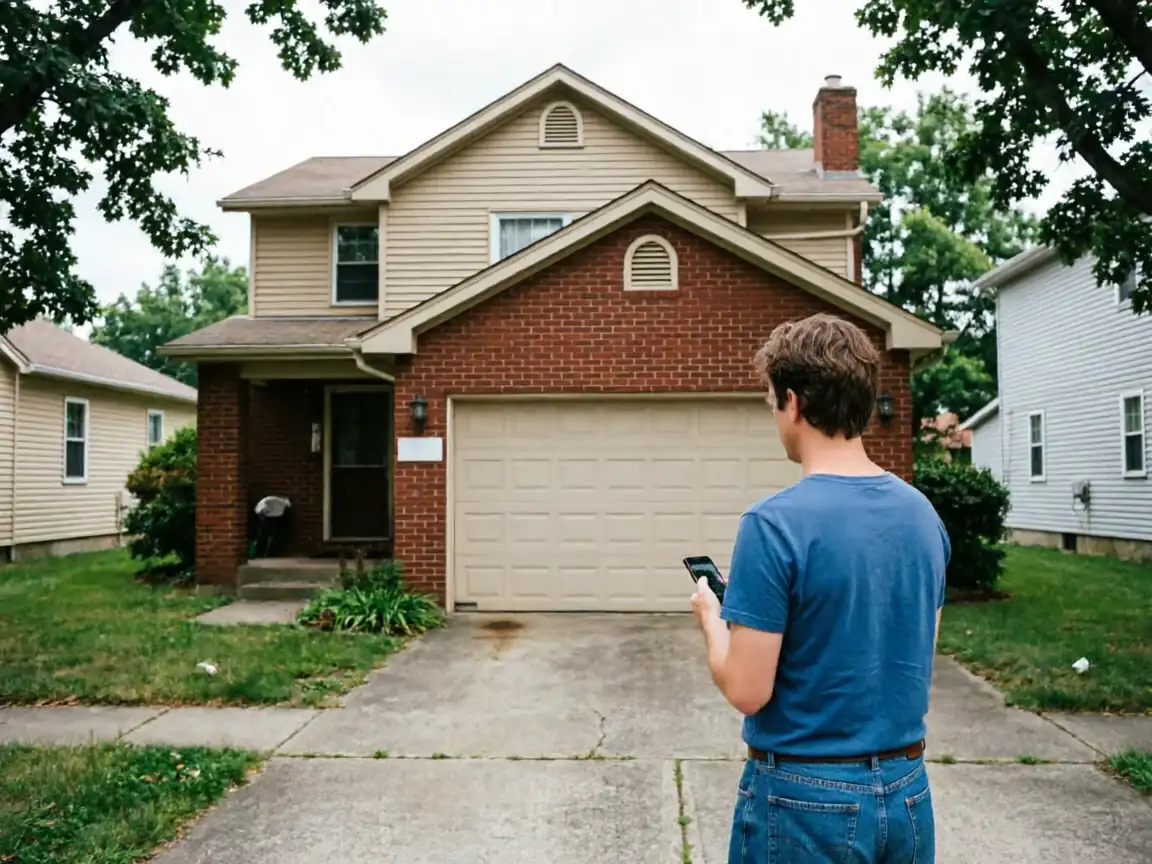
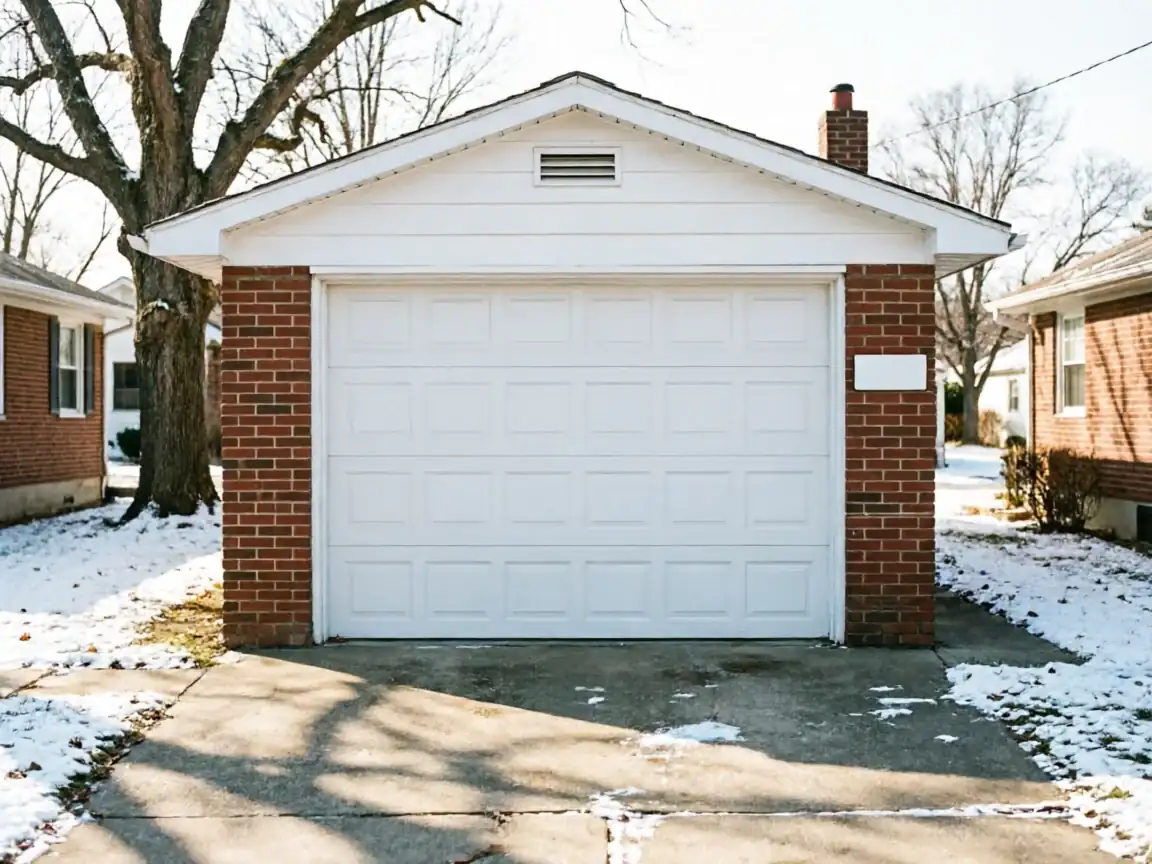
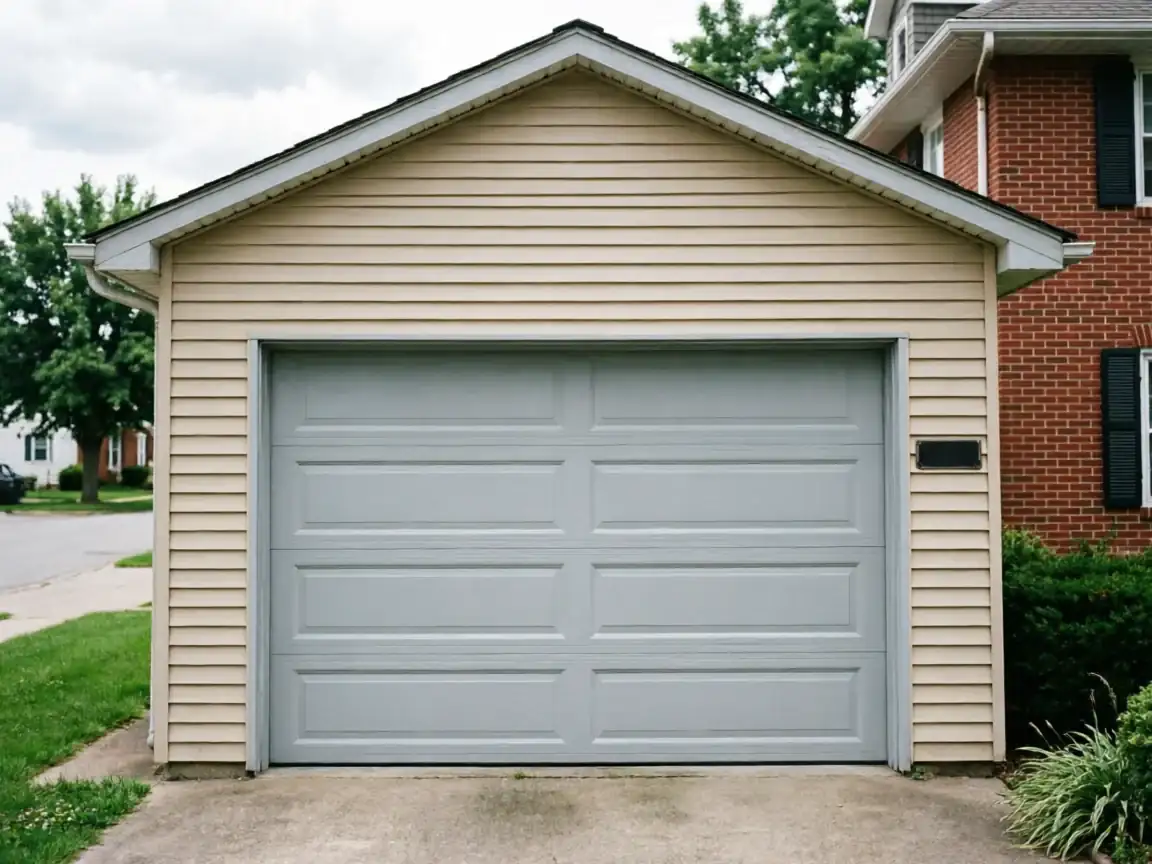
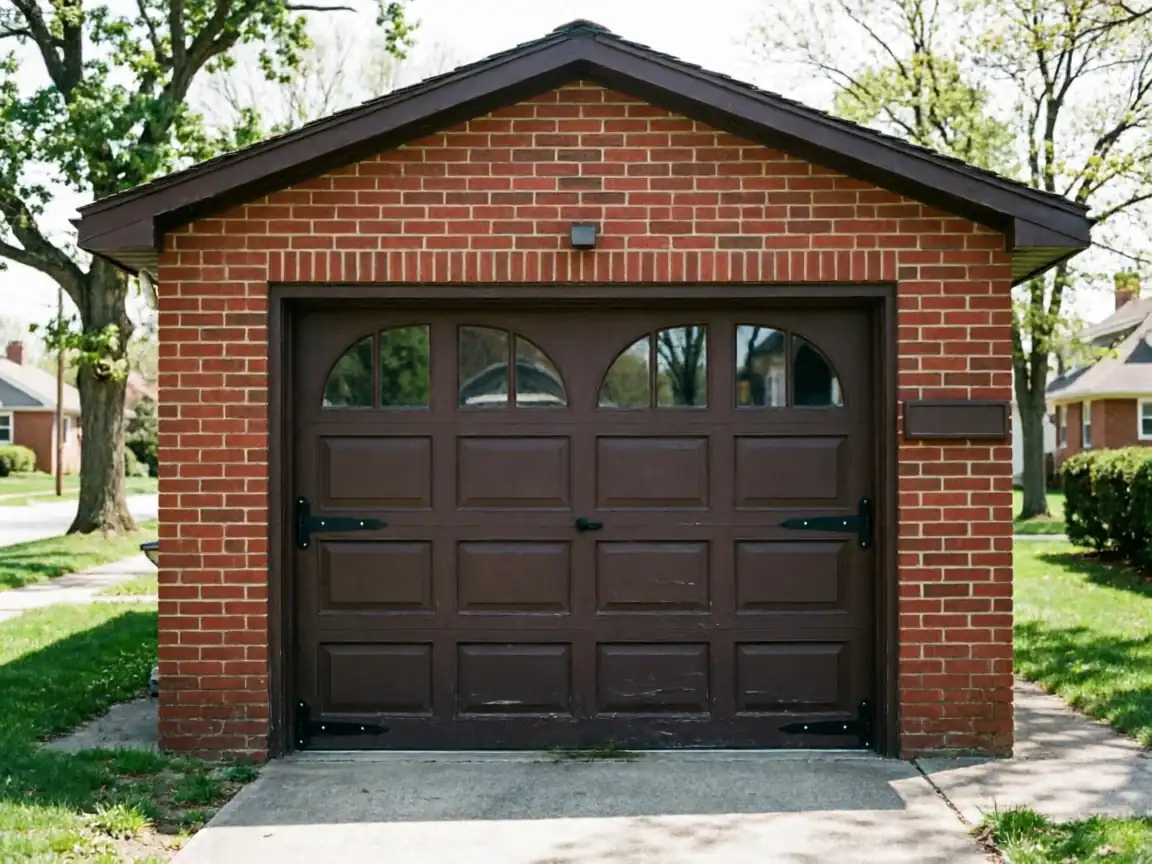
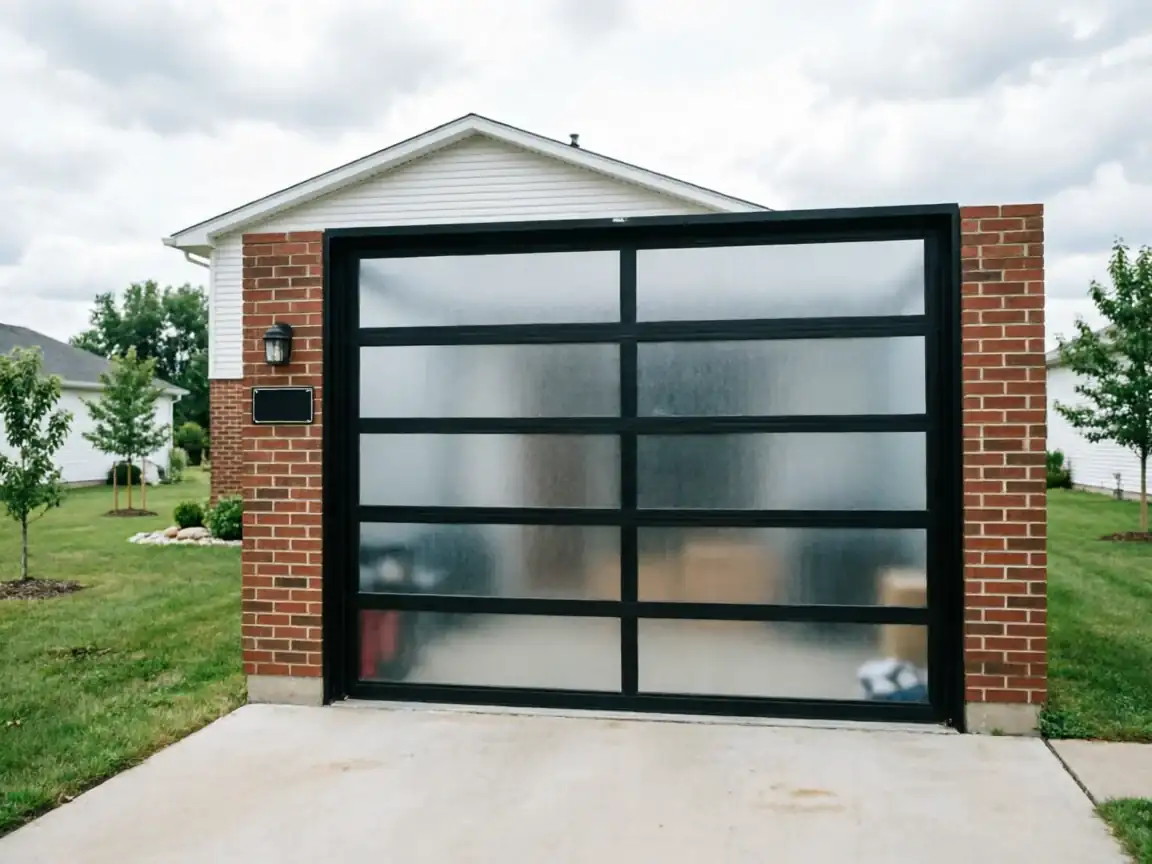
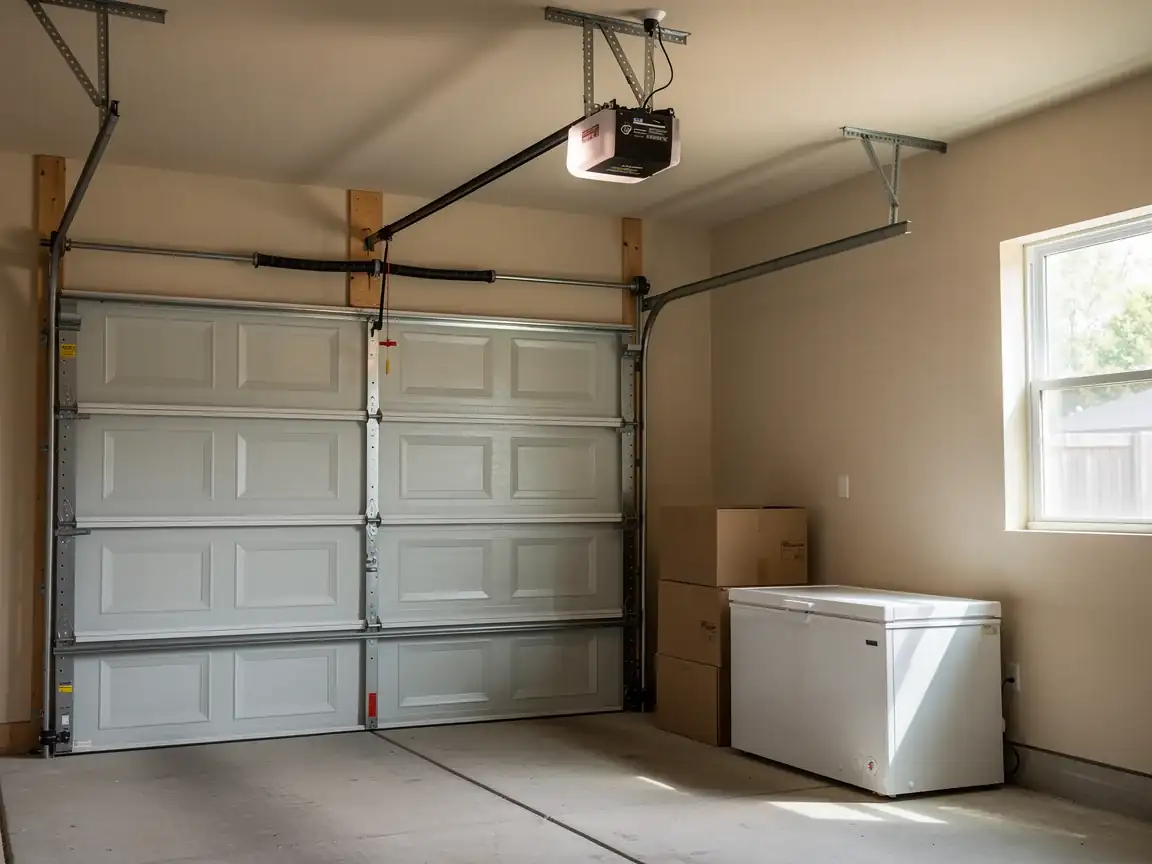
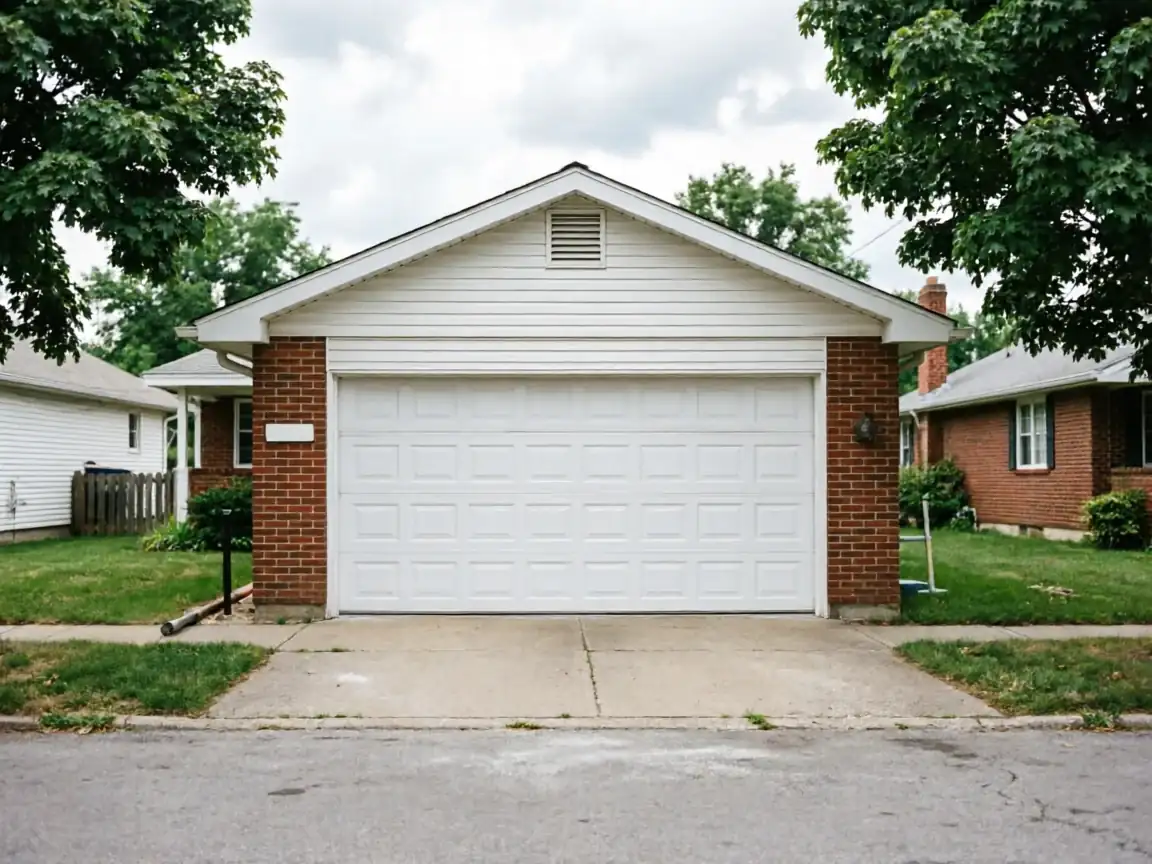
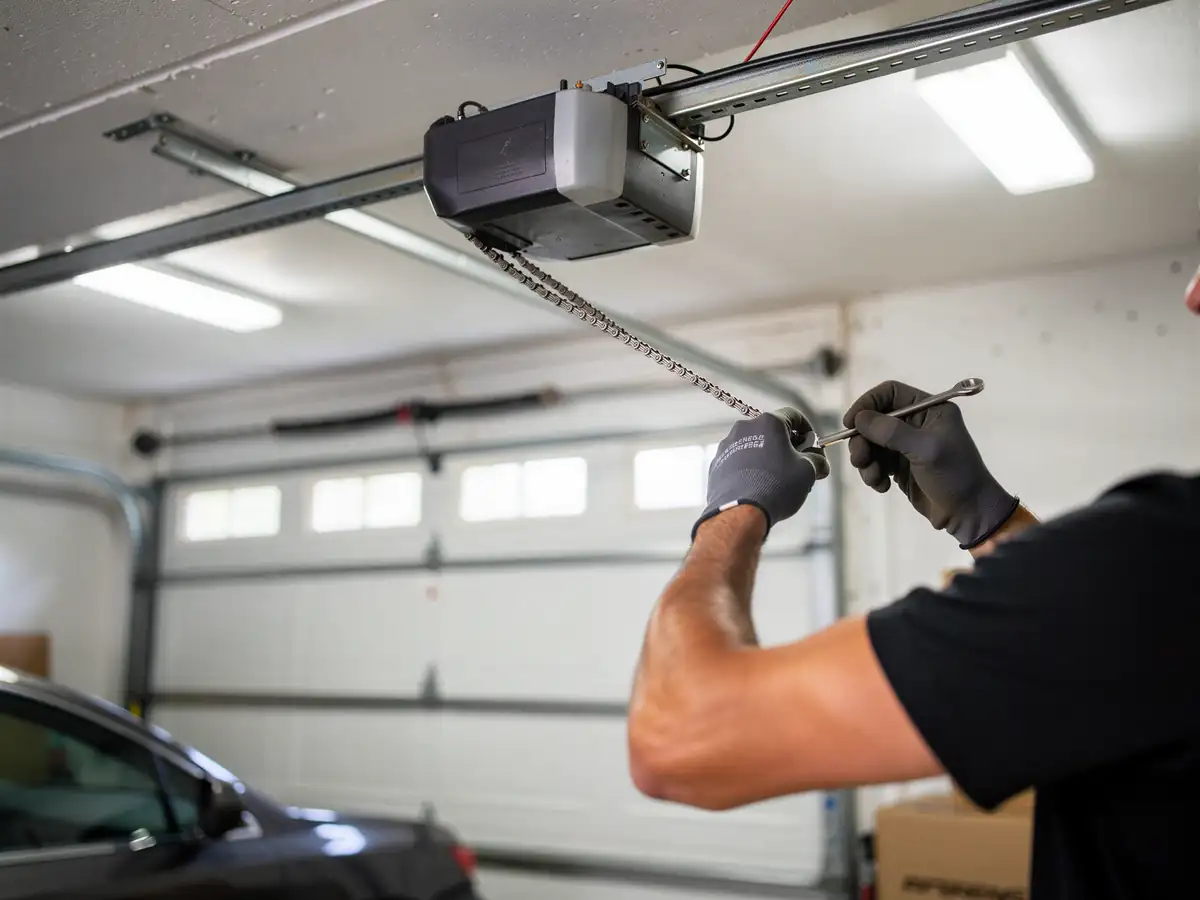
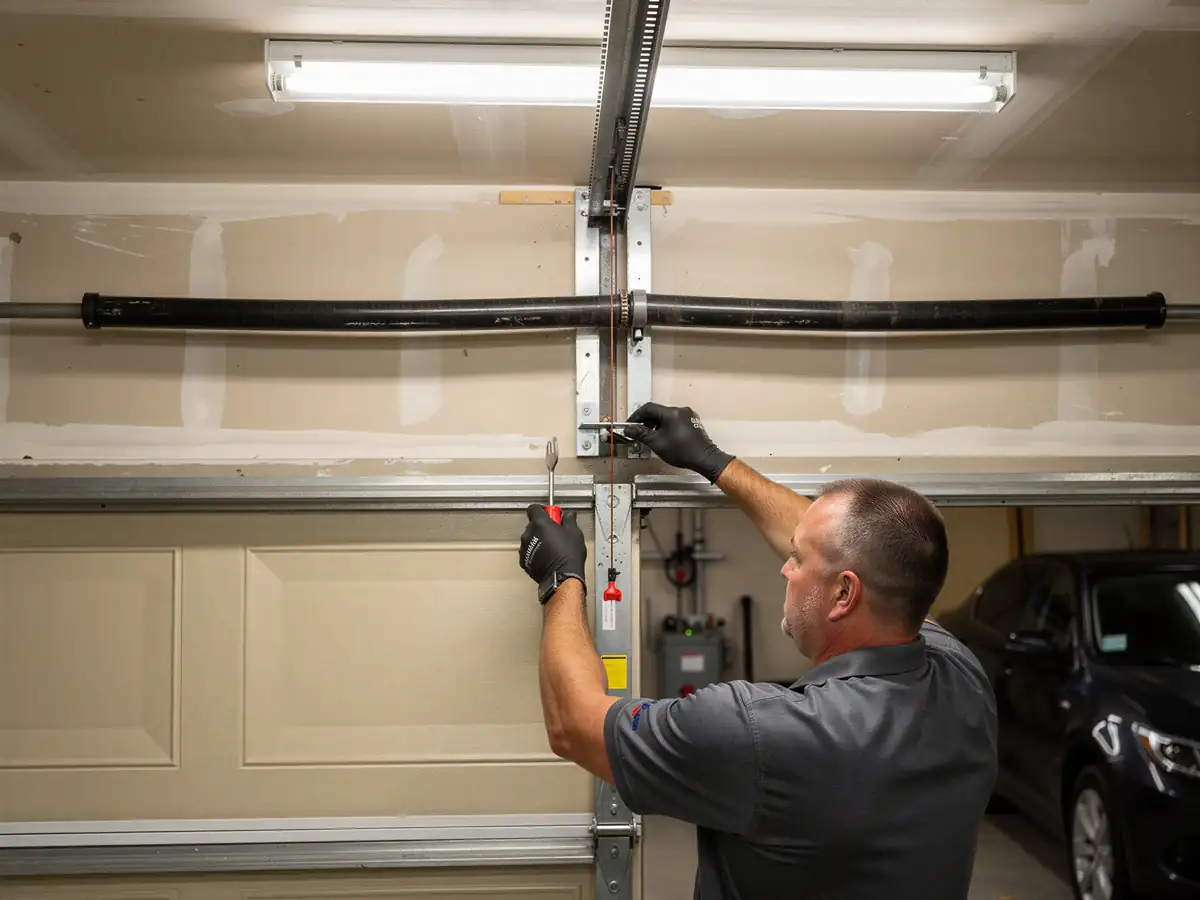
Most houses on this side of the Des Moines area went up around 1973, and that number matters more than people think. Powered openers weren't standard equipment on a garage built in the early 1970s - plenty of these doors ran on a hand pull and a spring for years before anyone bolted a motor to the ceiling joist. So when we come out to Carlisle for an opener install, we're often not swapping a worn-out unit for a new one. We're putting a rail, a motor head, and wall controls into a garage that was never wired for any of it.
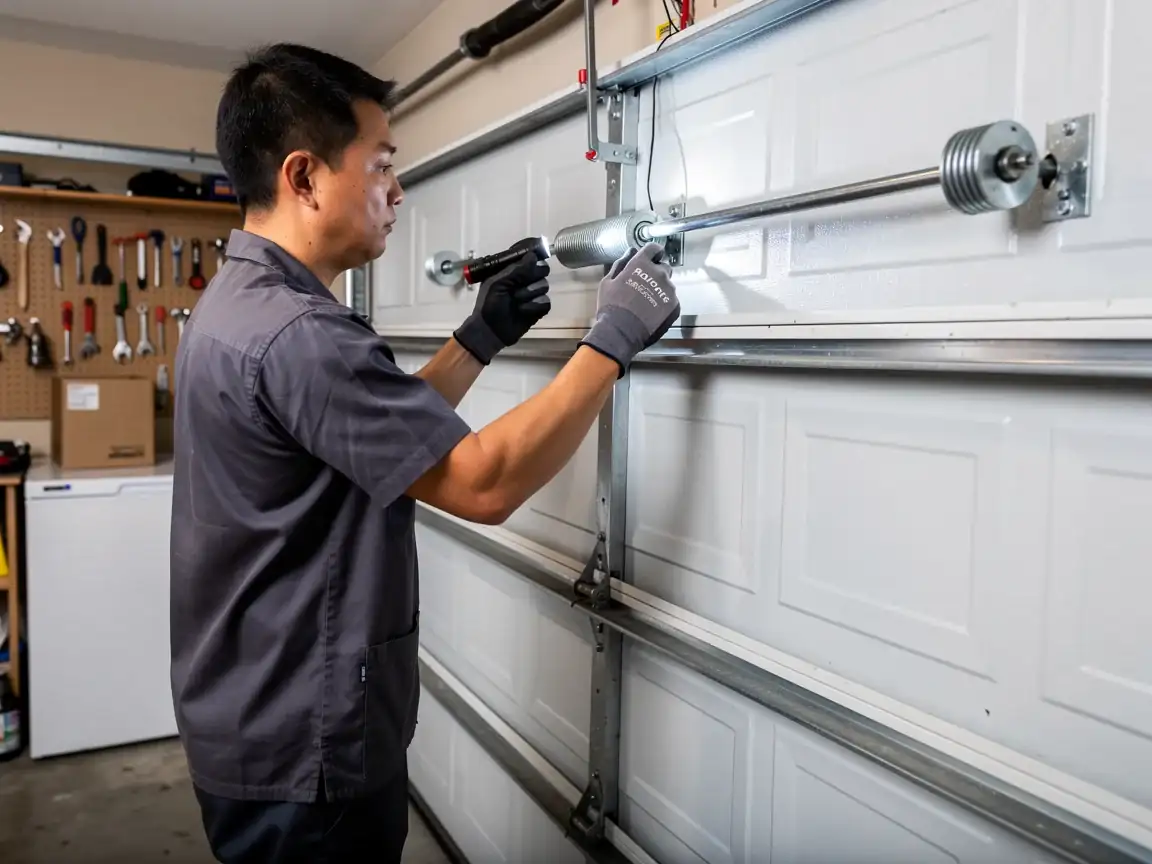
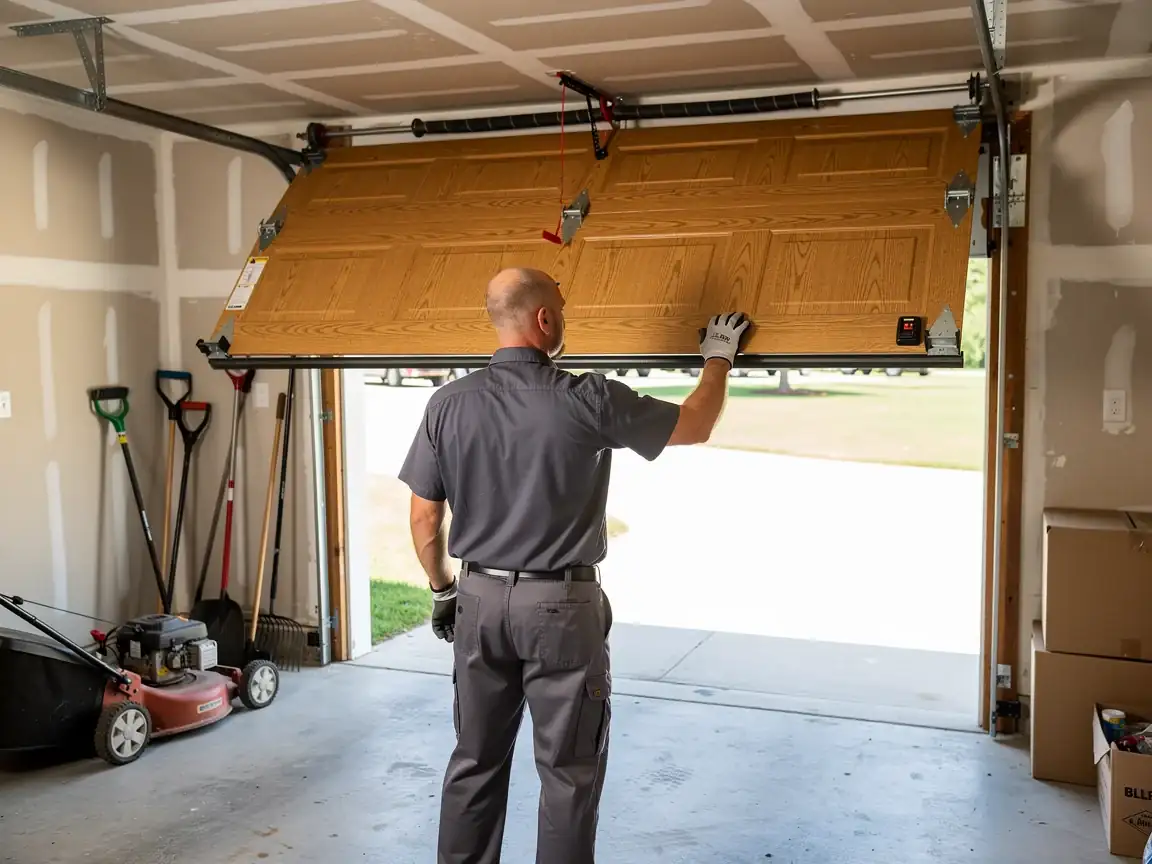
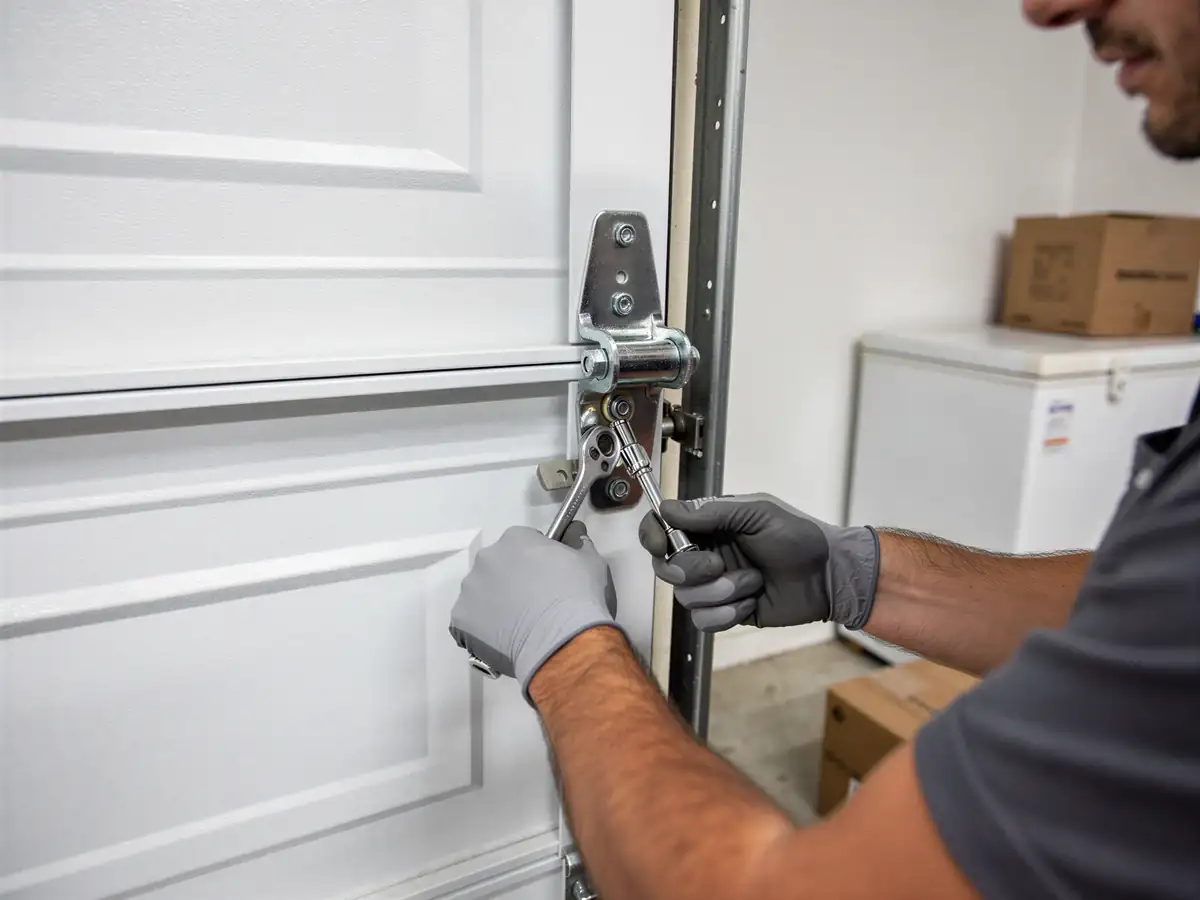
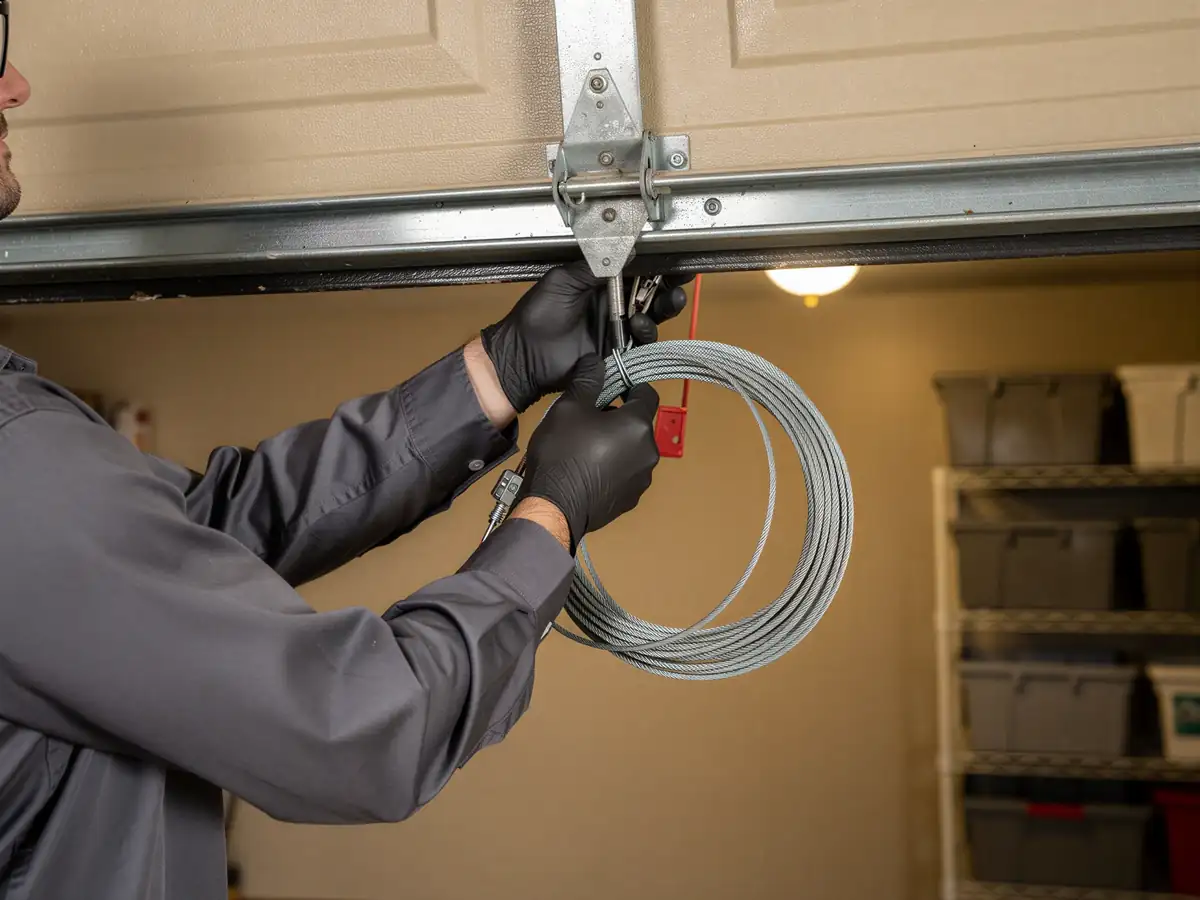
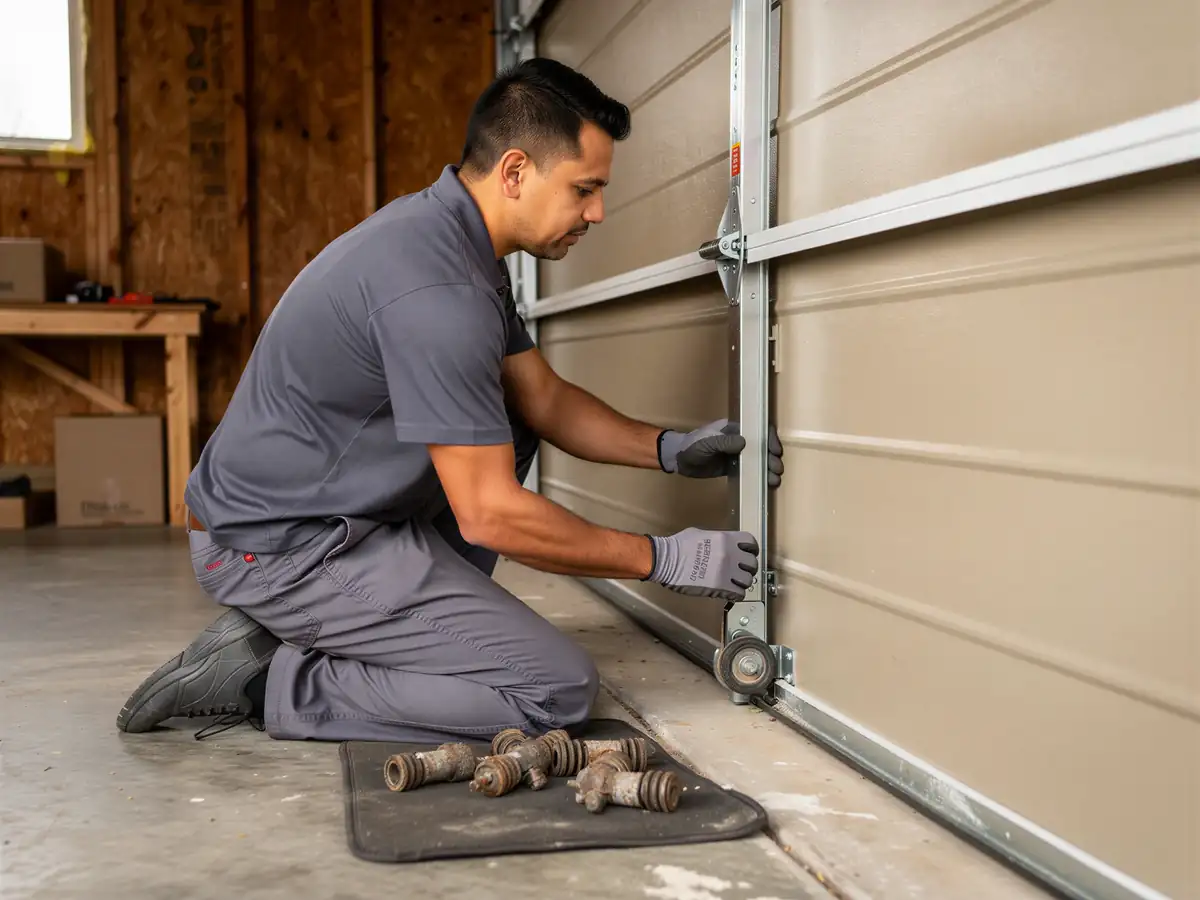
That changes the job. We check what's actually holding the door right now - track condition, spring tension, whether the panel itself can take the stress of a motor pulling on it instead of a hand. On a door with original 1973-era hardware, the springs have usually been changed at least once by now, but the track and the header bracket the opener needs to mount to are often the same pieces that went in with the house. We test that bracket can carry the load before anything else happens. If it can't, that's a separate repair, not an add-on.
The Complications
The biggest complication in a place like Carlisle isn't the opener itself
It's everything around where the opener has to go. A garage built in 1973 usually has no dedicated outlet near the header, sometimes no outlet in the garage at all. We can run a cord to an existing circuit for some jobs, but if the garage has no power nearby, that's an electrician's call before we can finish the install, and that's outside what we do.
Headroom is the other issue
Openers need clearance above the top of the door travel, and in older Carlisle construction that clearance was never designed with a motor rail in mind - ceiling joists, light fixtures, and ductwork sometimes sit right where the rail needs to run. We measure this before we quote the job, not after we've shown up with the unit in the truck.
Income in this service area runs well above the regional median
Which means most owners here are choosing between a mid-range and a top-tier opener rather than skipping safety features to save money - but that choice doesn't fix a header that won't hold the bracket.
How Long You Are Without the Door
We run this job out of Des Moines, about seven miles to the Carlisle area, so the honest limitation is scheduling, not speed once we're on site. A straightforward opener swap - same mounting points, existing power, no bracket work - usually goes from old unit off to new unit programmed in under a couple hours. Add in the kind of header or wiring issue common in 1973-era garages and that stretches, sometimes into a second visit if an electrician needs to get involved first.
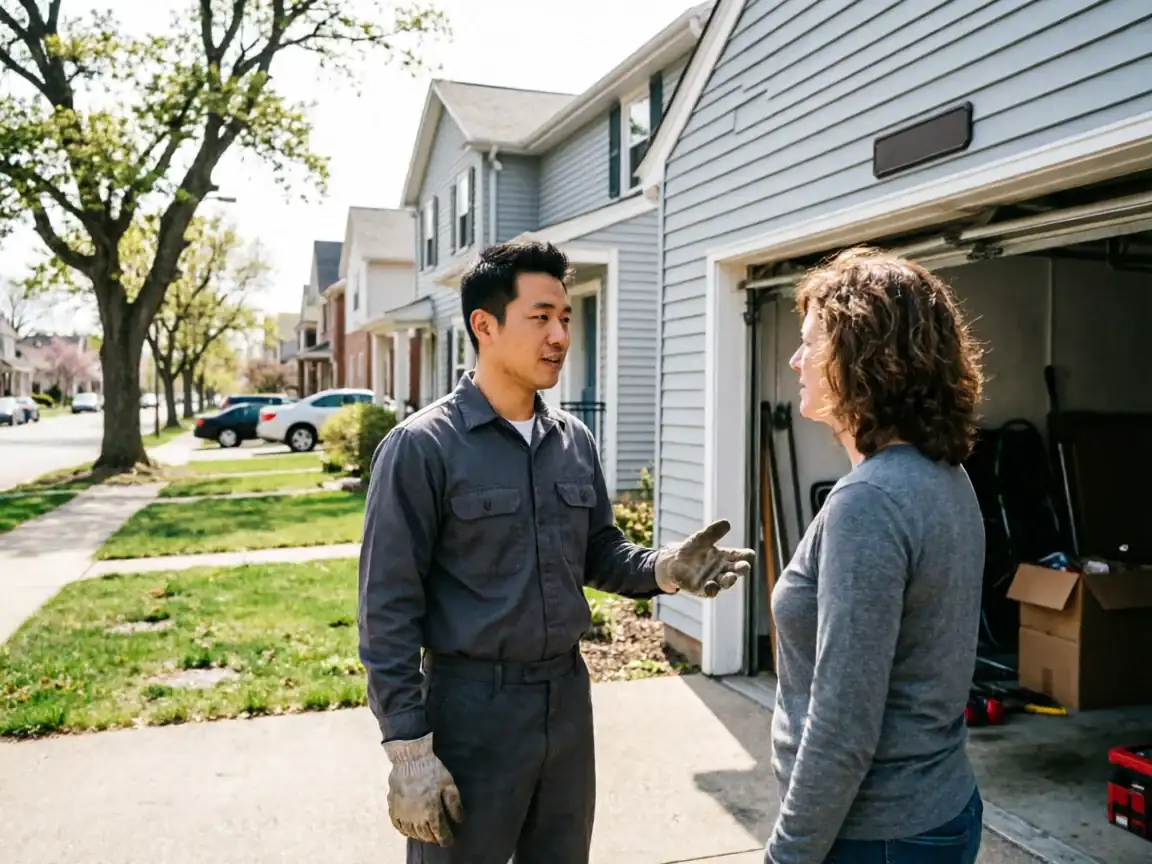
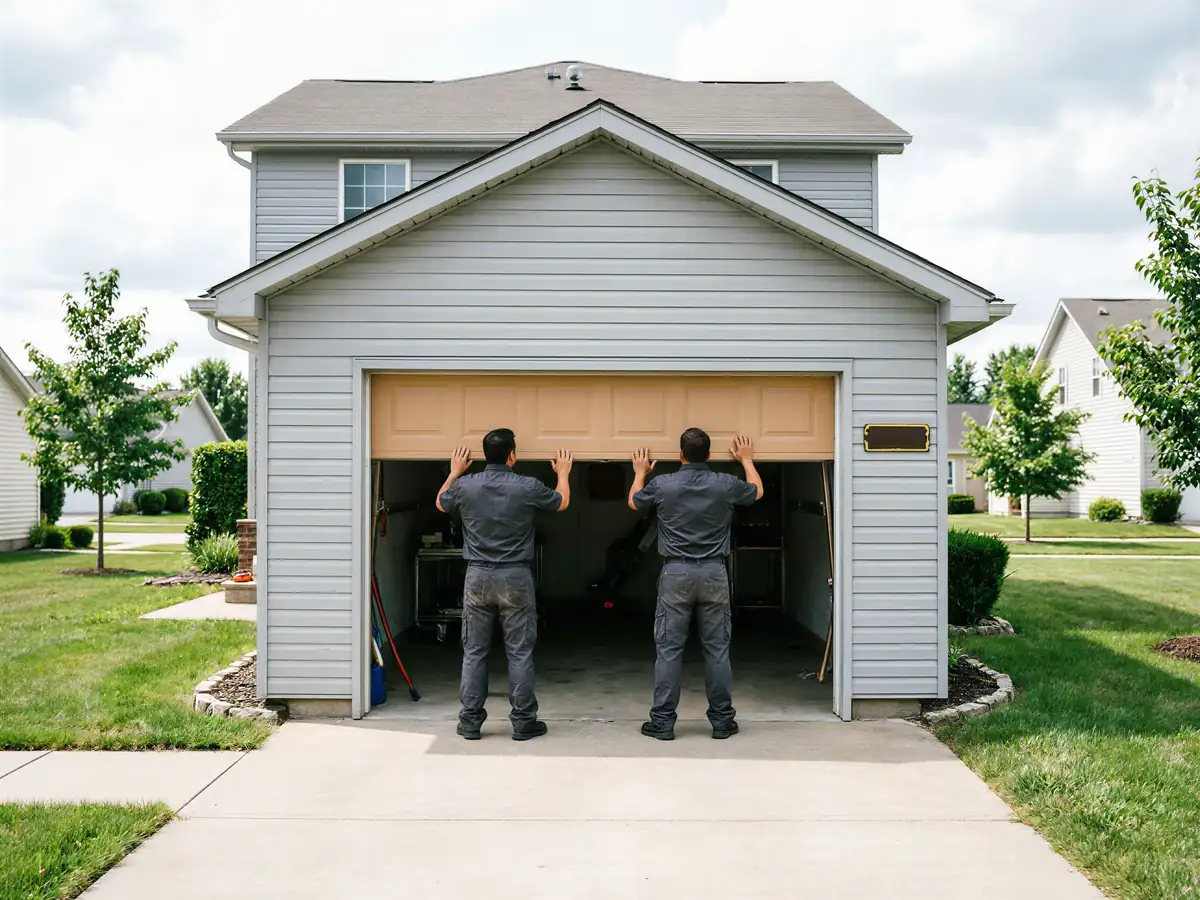
We don't stage a crew in Carlisle itself. There's no local branch here - every job comes from the Des Moines side, which means we schedule the drive into the work order up front rather than promising a same-hour arrival we can't back up. For most households that's a non-issue; an opener install is planned work, not an emergency repair, and a door that's already operable by hand can wait a day or two for the right appointment.
Why This Fails Locally
The climate here is cold-moderate, and that matters for anything with a motor and a logic board sitting in an unheated garage through winter. Chain-drive openers tolerate cold better than belt-drive units, which can stiffen and run noisy until the garage warms up - something worth weighing before you pick a unit based on quiet operation alone.
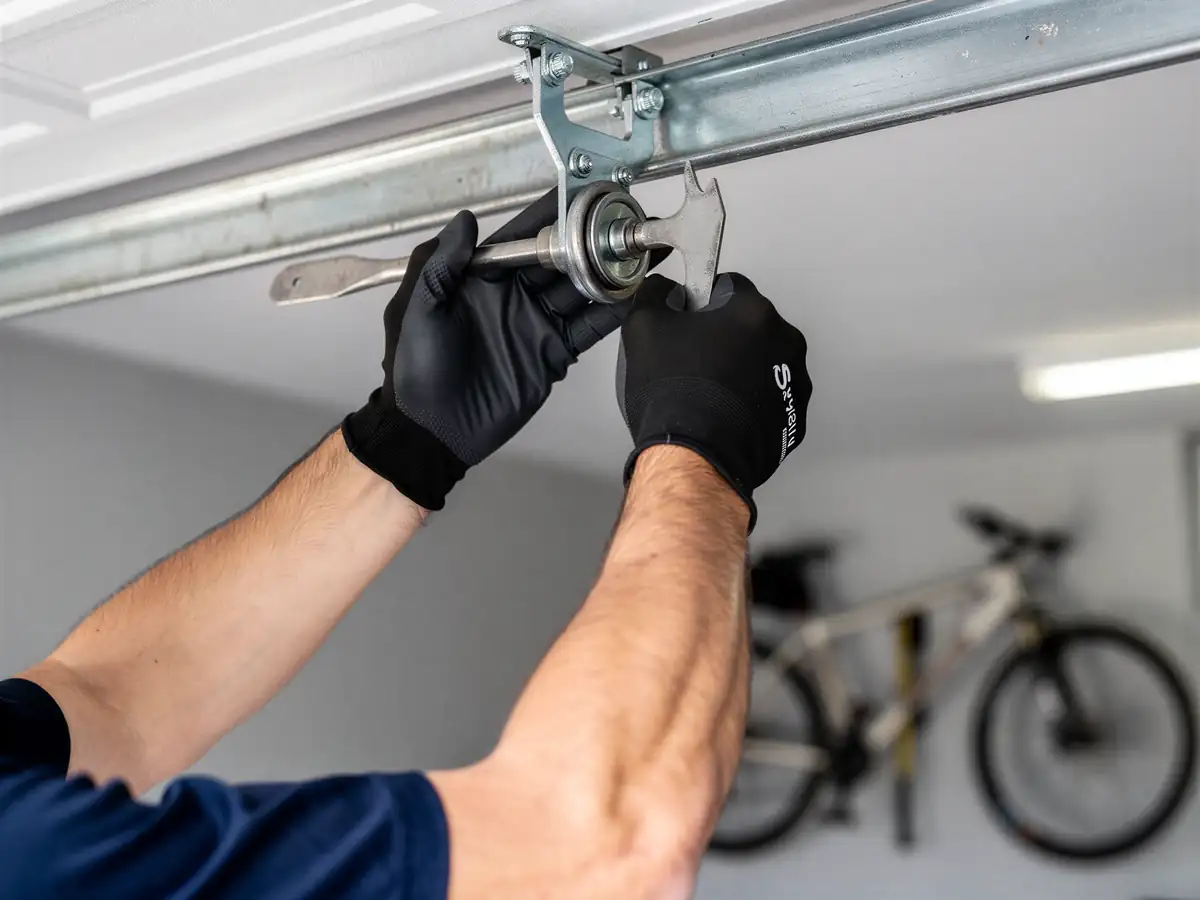
Cold also stresses the original hardware on a 1973 house harder than it stresses a newer one. Steel track contracts, old roller bearings that have never been replaced bind up, and an opener forcing a door through that resistance puts load on gears that a hand-operated door never had to handle. That's often what actually breaks first - not the new opener, but a 50-year-old roller it's now being asked to pull against. We flag that during install rather than let it come back as a warranty call on the motor.