What the Fix Involves
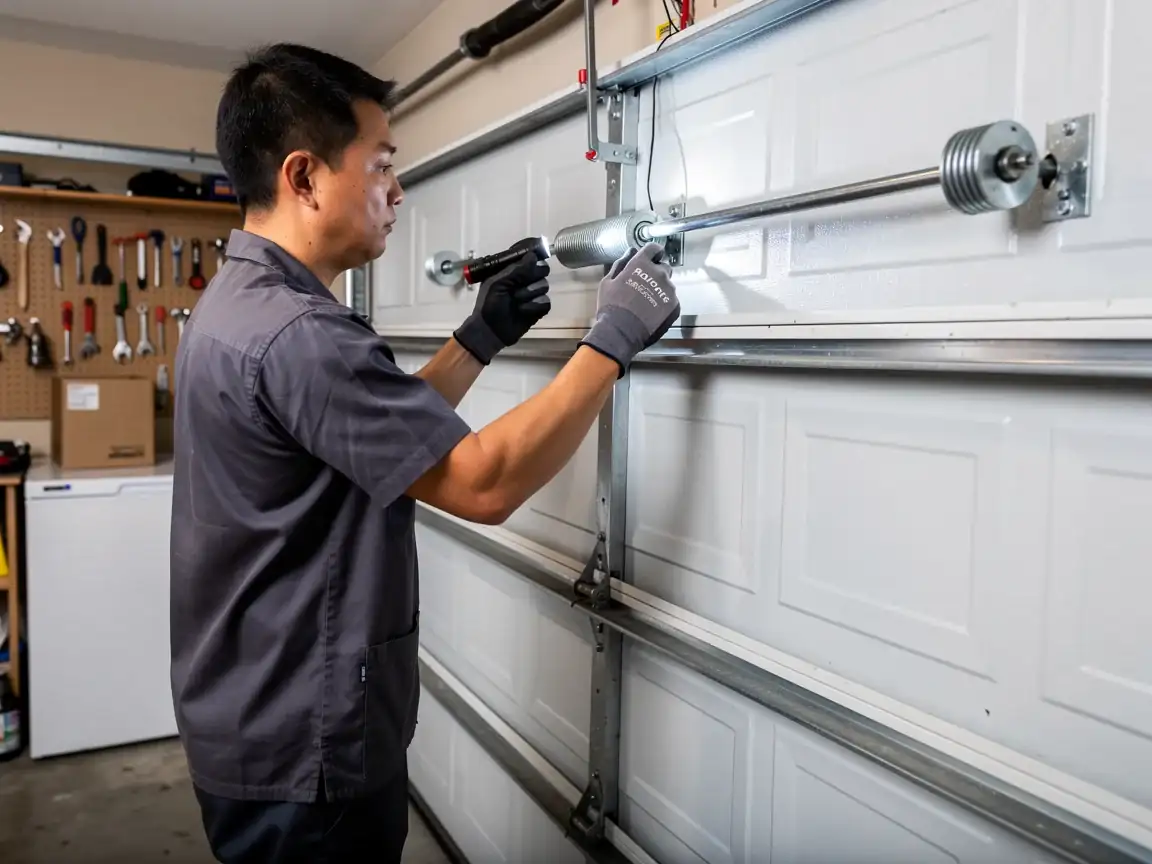
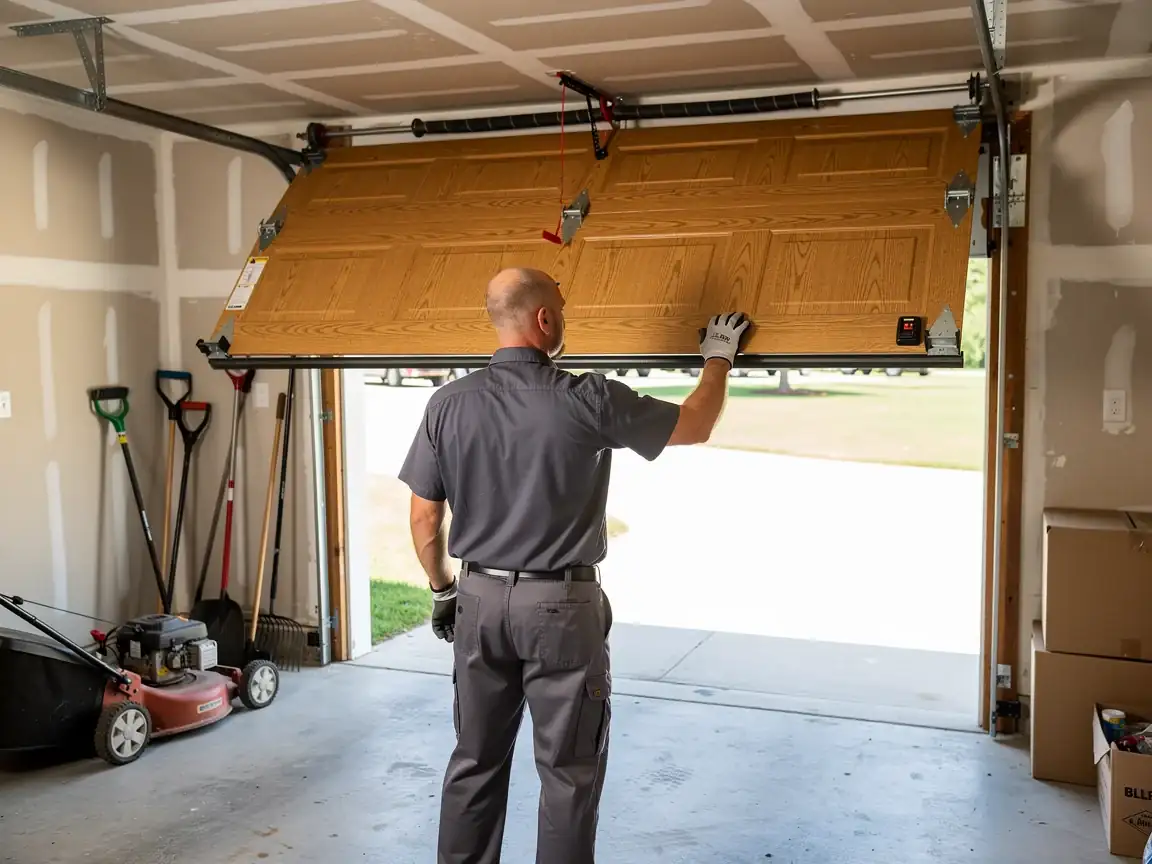
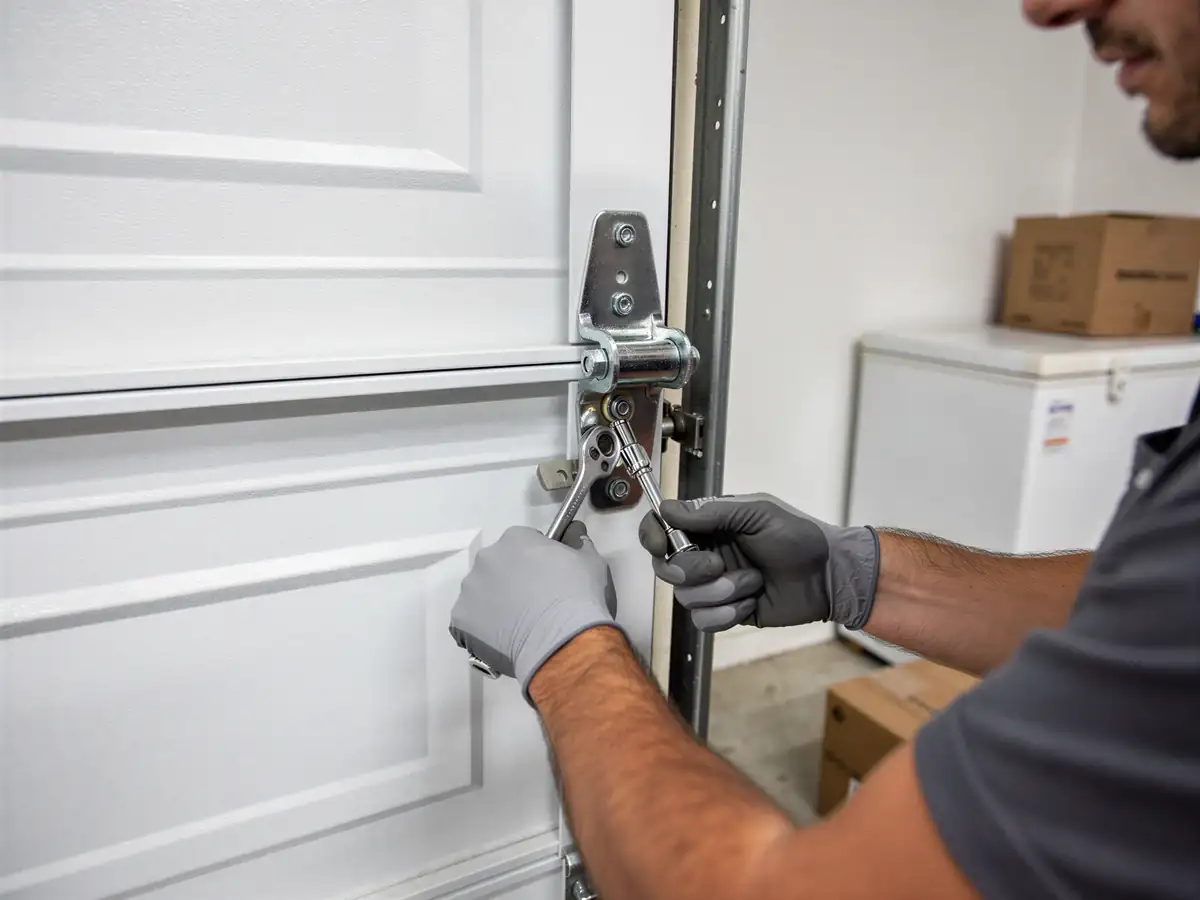
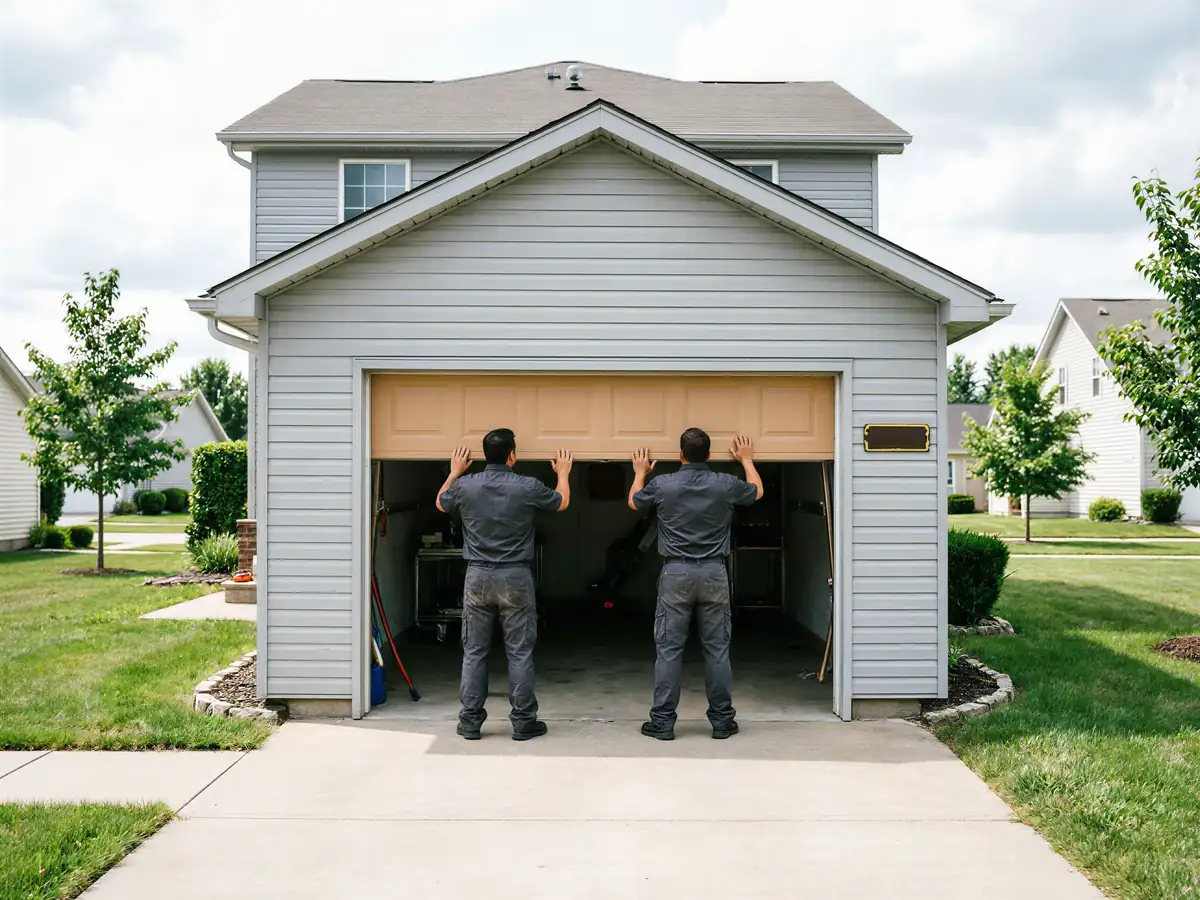
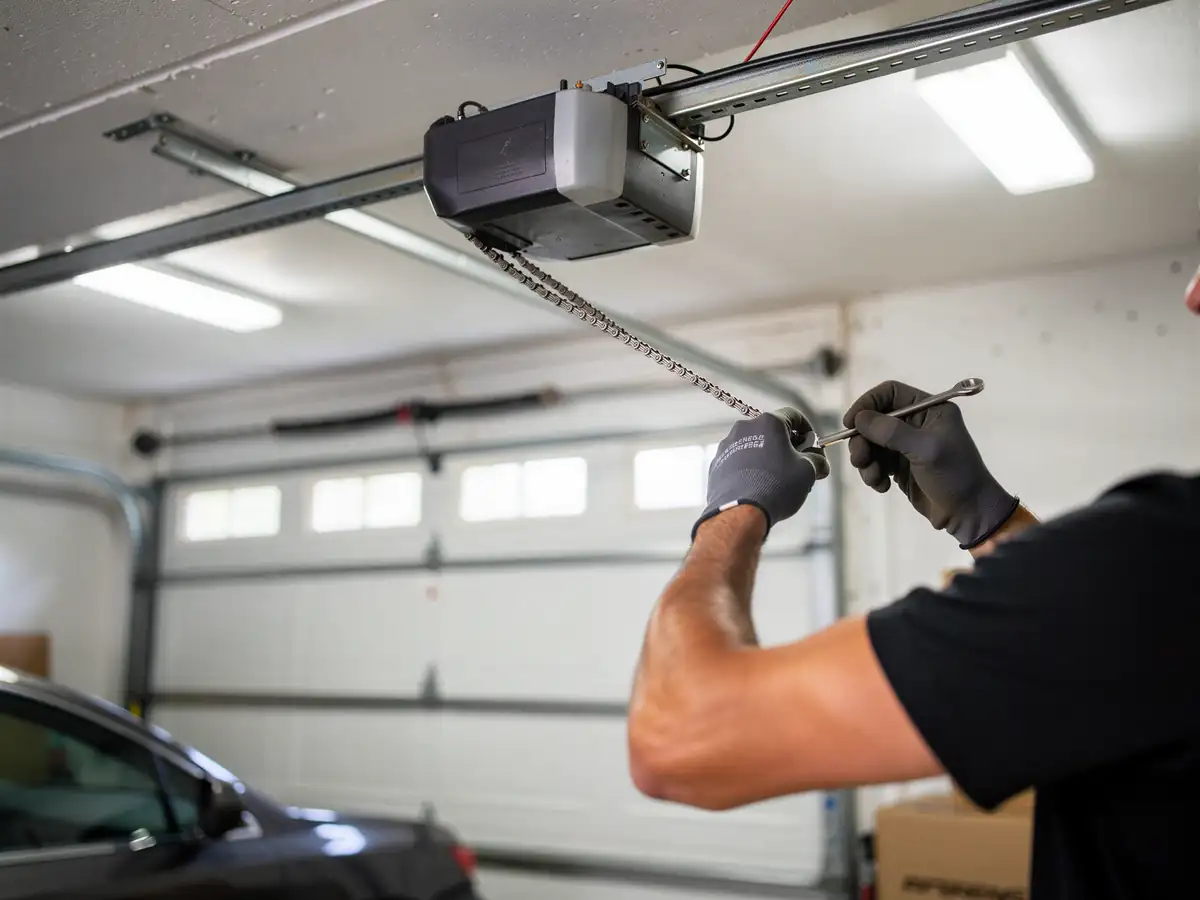
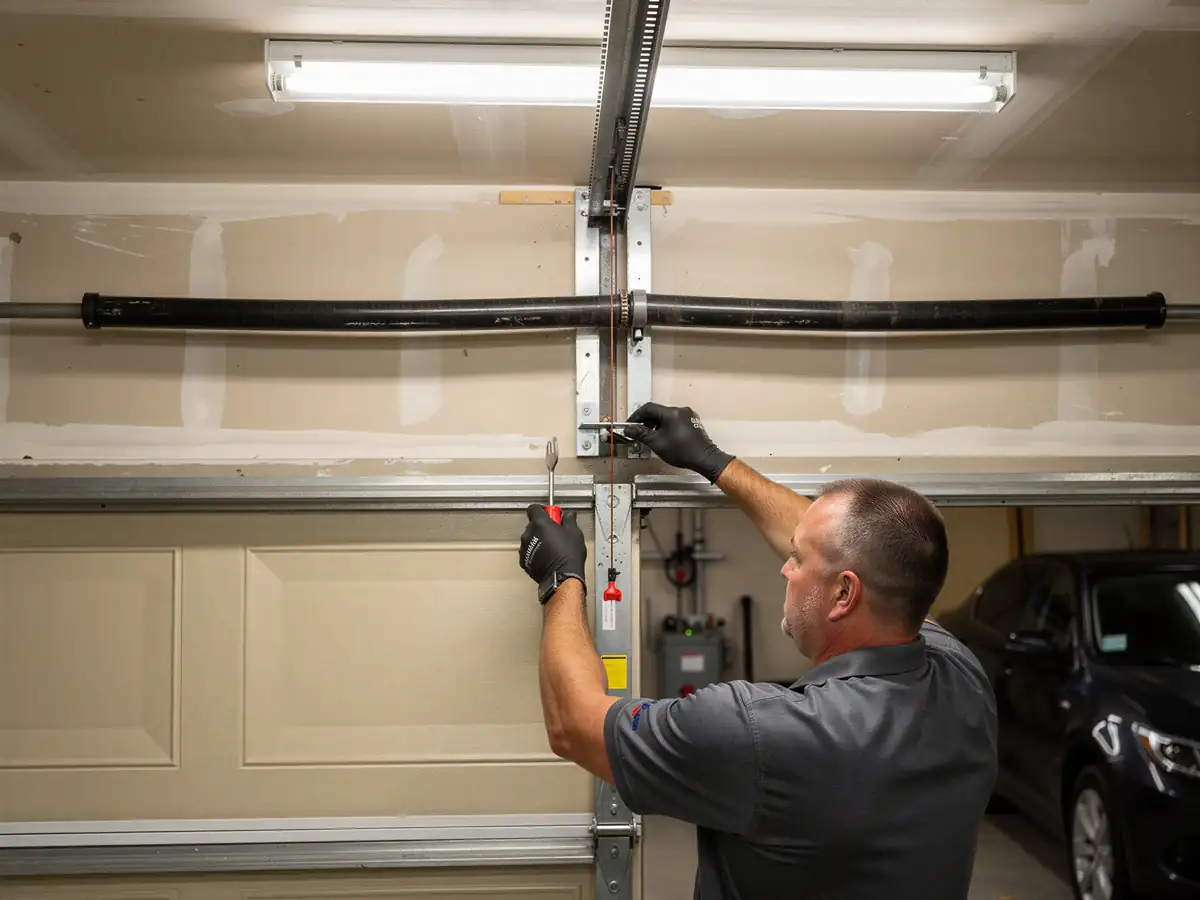
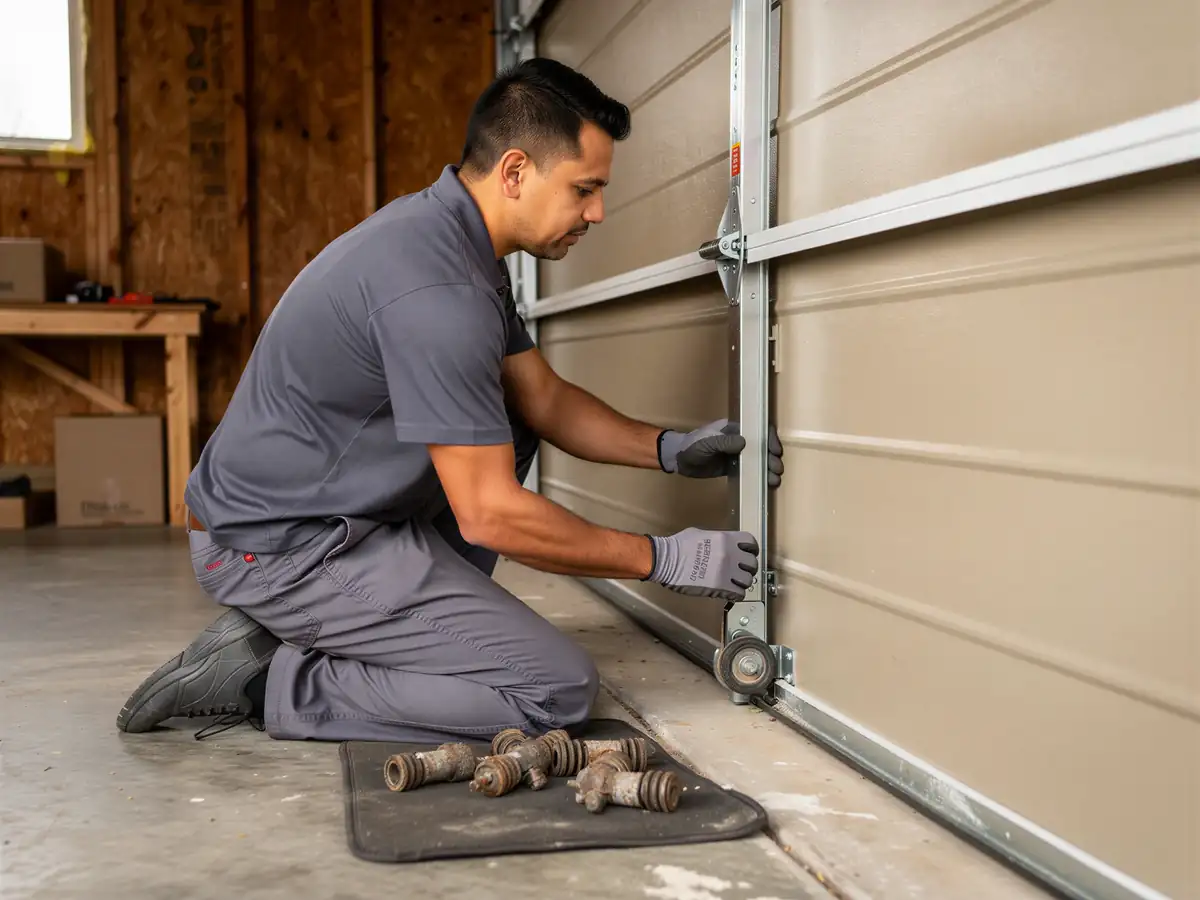
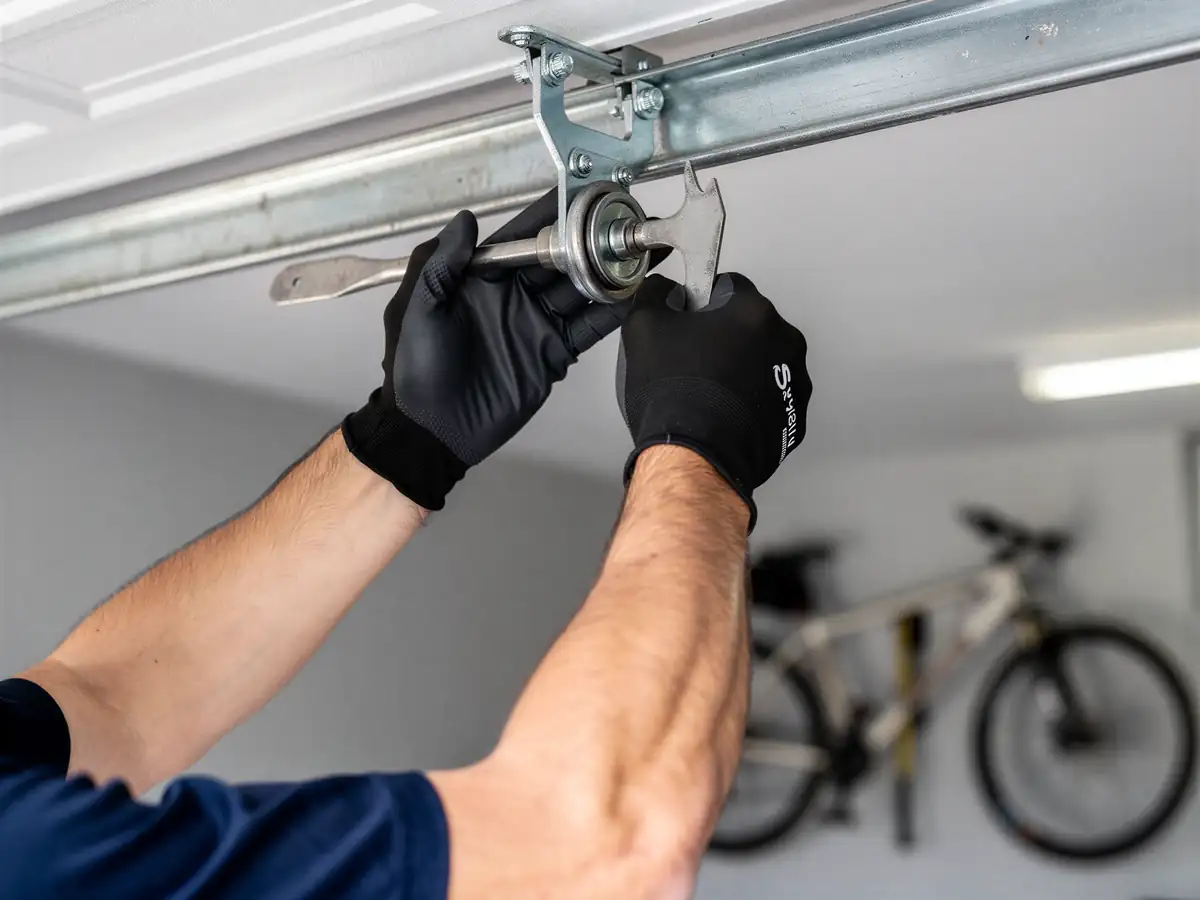
When a door jumps its track, the rollers have come out of the channel, usually on one side, and the door is sitting cocked in the opening instead of running straight. The fix starts with getting the door back into the track without forcing it, checking whether the track brackets pulled away from the jamb, and then looking at the rollers themselves to see if they're bent, cracked, or just worn down to the point they won't hold a straight line anymore.
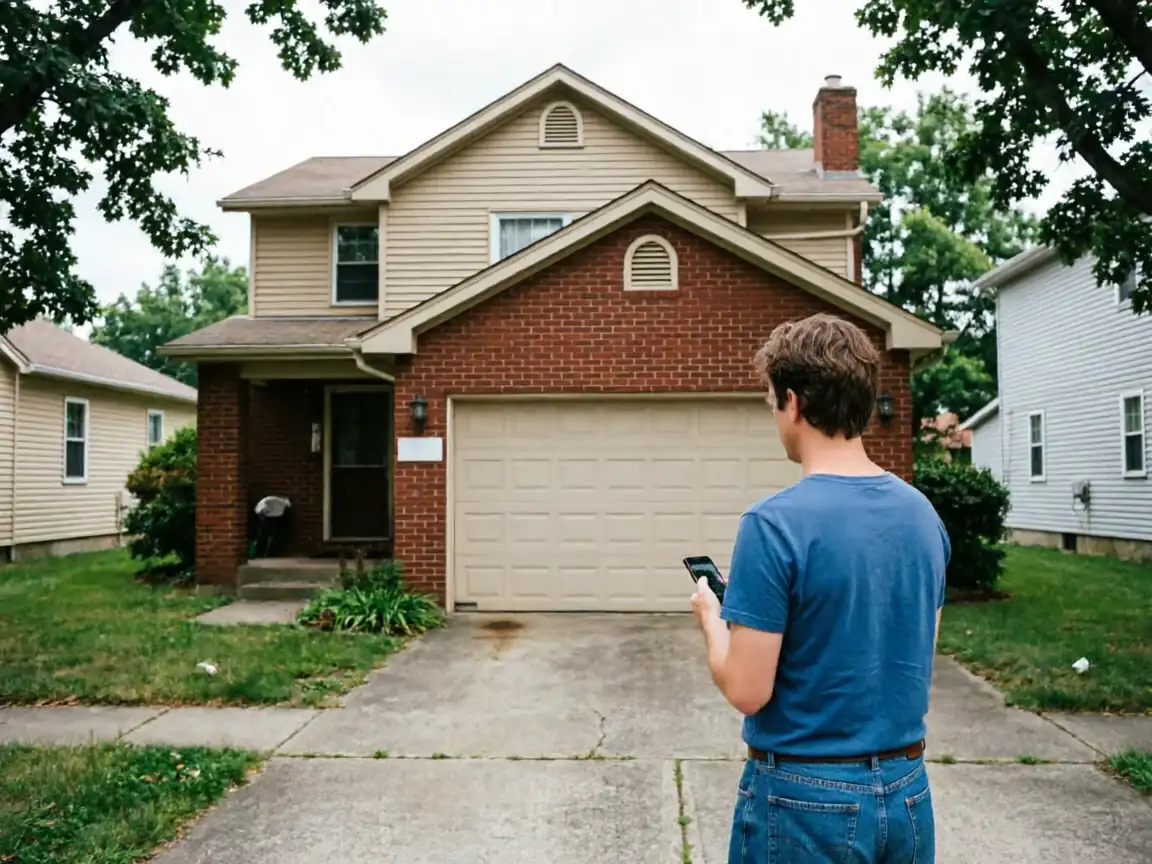
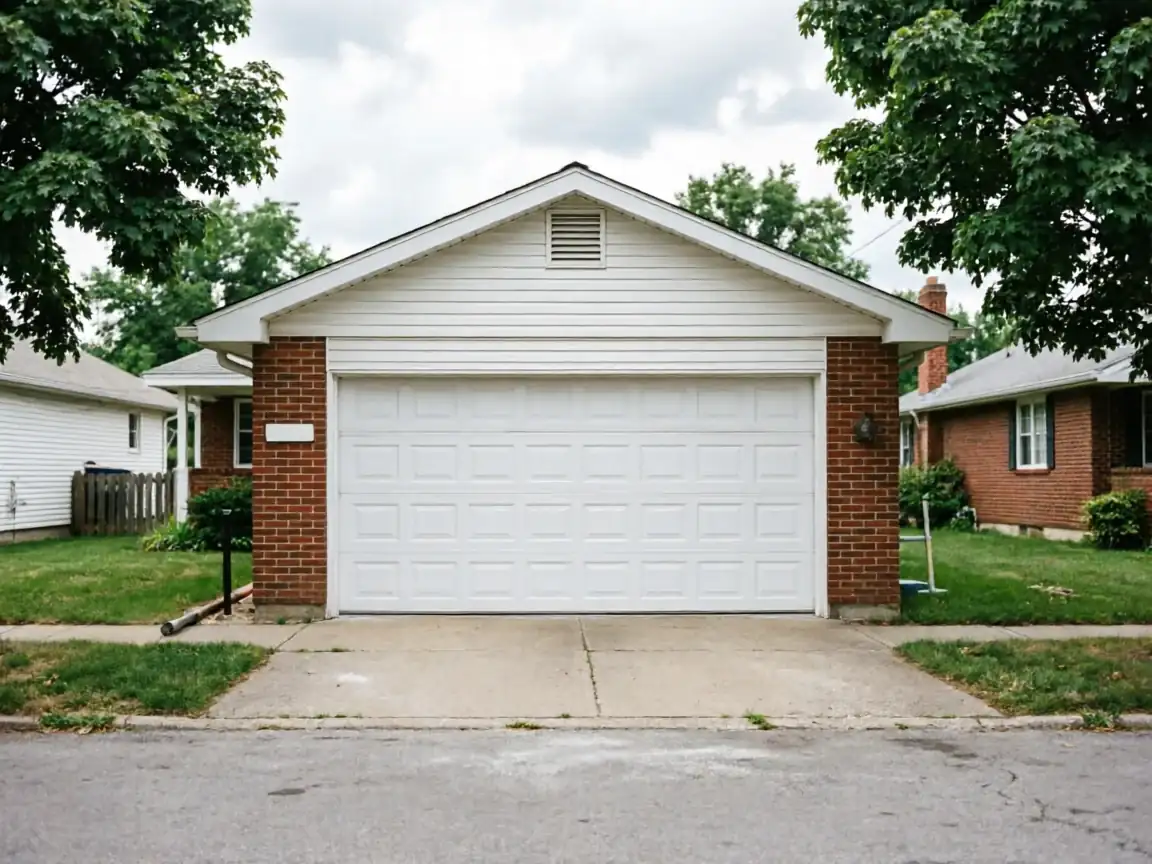
A lot of houses in Carlisle were built around 1973, and that matters here. Doors and track hardware from that era are often the original steel rollers on galvanized track, sized to openings that were common then but narrower than what gets built today. That hardware has had five decades to work loose at the bracket screws, and once a bracket shifts even a little, the door starts riding off-center every time it opens. We check bracket spacing and track alignment as part of the job, not as an upsell - on a door this old, that's usually where the real problem lives.
The Complications
The complication with older track systems isn't the fix itself, it's what the fix uncovers
Pull a 1973-era door back onto worn track and you often find the track itself is bent from the force of being run off-line, not just the rollers. Steel track that's been forced over time can develop a kink that no amount of straightening fully corrects - at that point you're replacing a section of track, not just resetting it.
Cold weather adds its own wrinkle here
In a cold-moderate climate, steel contracts in winter, and track that's already a little out of plumb tightens up further, making a door that was marginal in October start binding or jumping in January. We won't pretend every off-track call is a five-minute reset - if the track is bent or the bracket holes are stripped out from age, that's a parts-and-labor job, and we'll tell you that up front instead of forcing a quick fix back into place that fails again in a month.
How Long You Are Without the Door
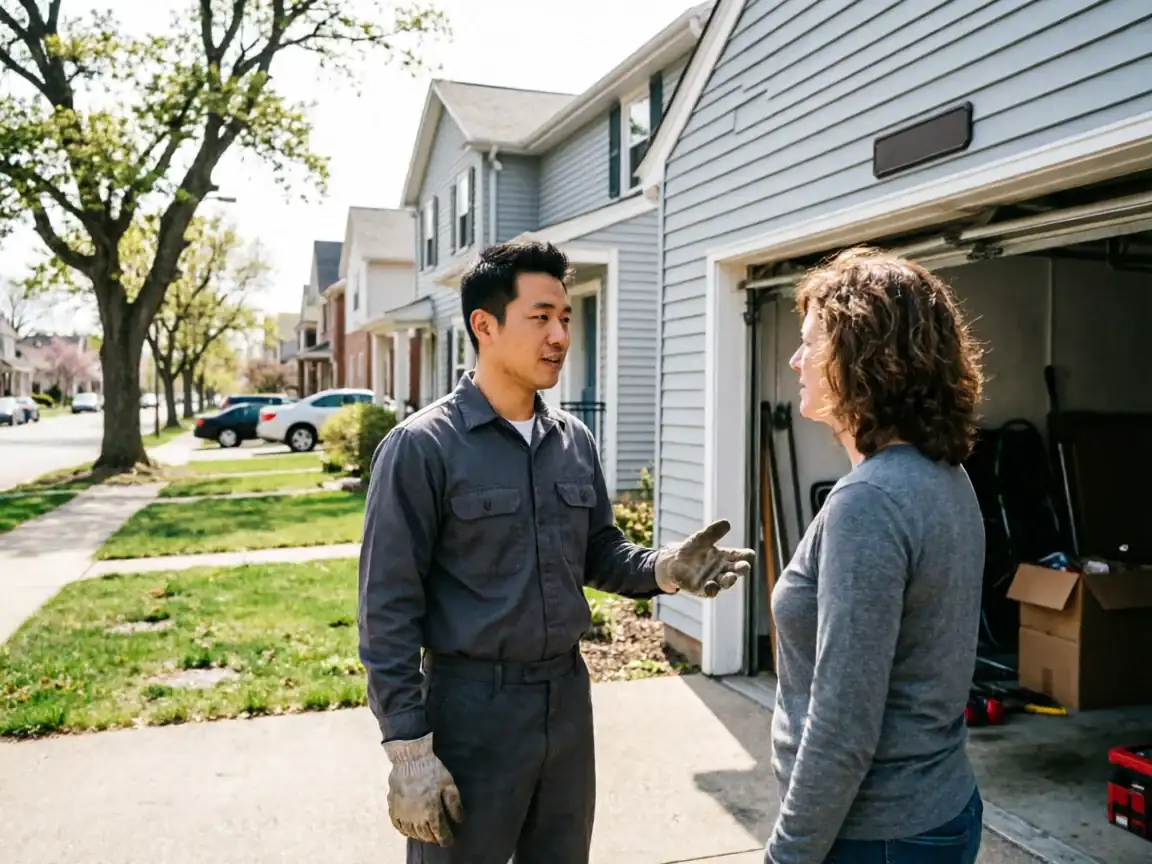
Since this job is covered out of Des Moines, about 7 miles away, the door isn't sitting broken while we wait on anything local - it's a matter of getting a truck out to you and doing the work on-site. A straightforward reset, where the track and rollers are sound and it's just a matter of realigning the door, is usually done in one visit.
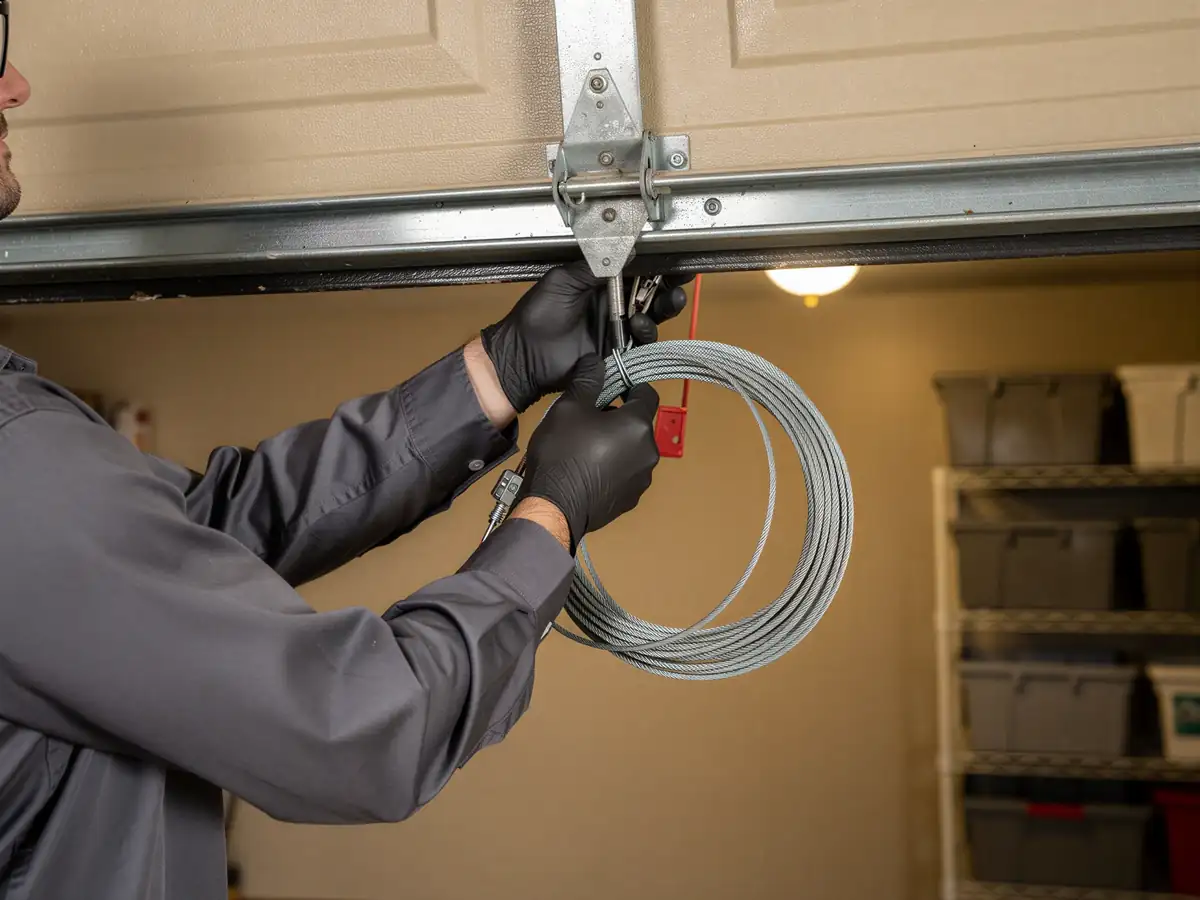
Where it takes longer is when the track needs a section replaced or the rollers need to be swapped out entirely, which is common enough on hardware this old that we check for it before calling the job finished. We don't carry every roller and track size on the truck for every house, so a repair involving a full track swap sometimes means a short return trip once the part's in hand. We'd rather tell you that now than have you expect a one-visit fix and get surprised.
Why This Fails Locally
The reason this shows up so often in Carlisle comes back to the housing stock. A door built or installed around 1973 wasn't engineered with the tolerances or materials you'd get today, and five decades of seasonal temperature swings in a cold-moderate climate have worked on every bracket screw and track joint in that time. Add a door that's been bumped by a car, forced closed over an obstruction, or just run thousands of cycles on original rollers, and the track doesn't have much margin left before it gives.
It's not that Carlisle homeowners treat their doors worse than anyone else - it's that the hardware here is old enough that small misalignments which a newer door would shrug off turn into a jumped track instead. That's the pattern we see on these calls more than anything else.