When It Stops Being a DIY Job
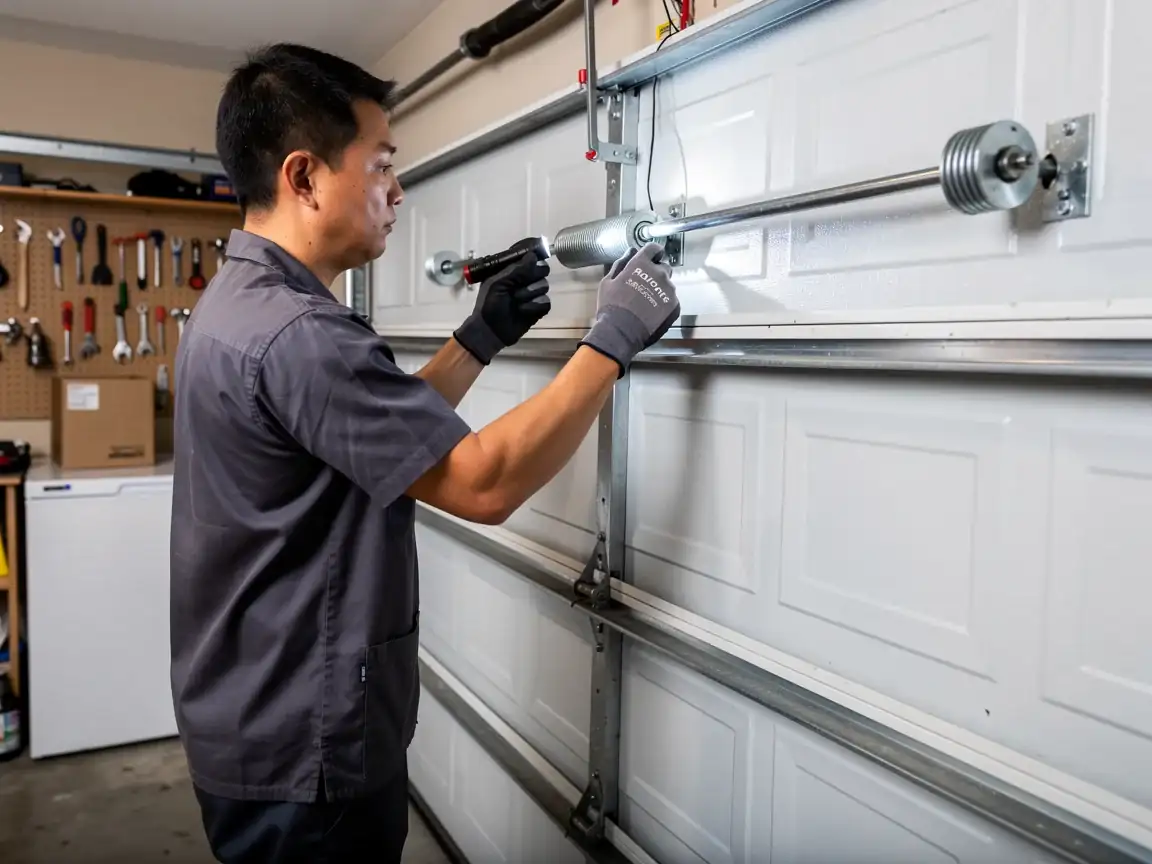
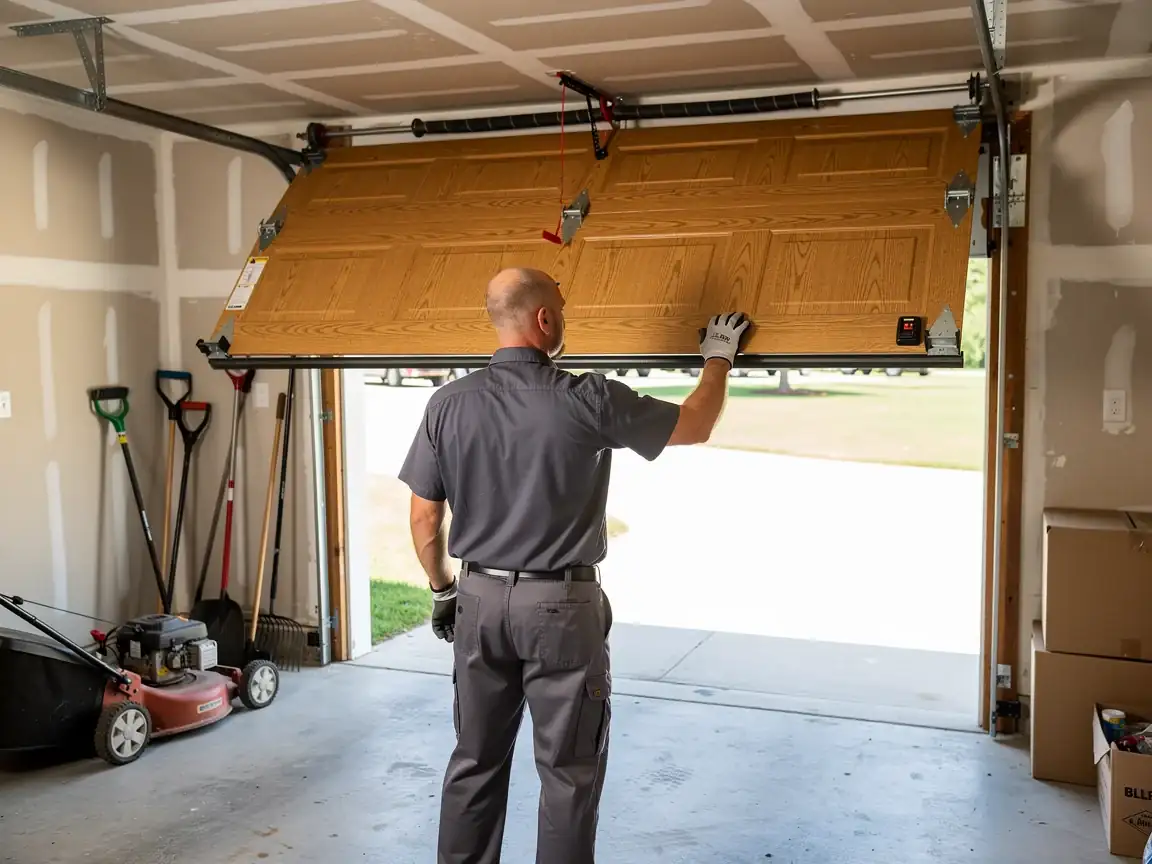
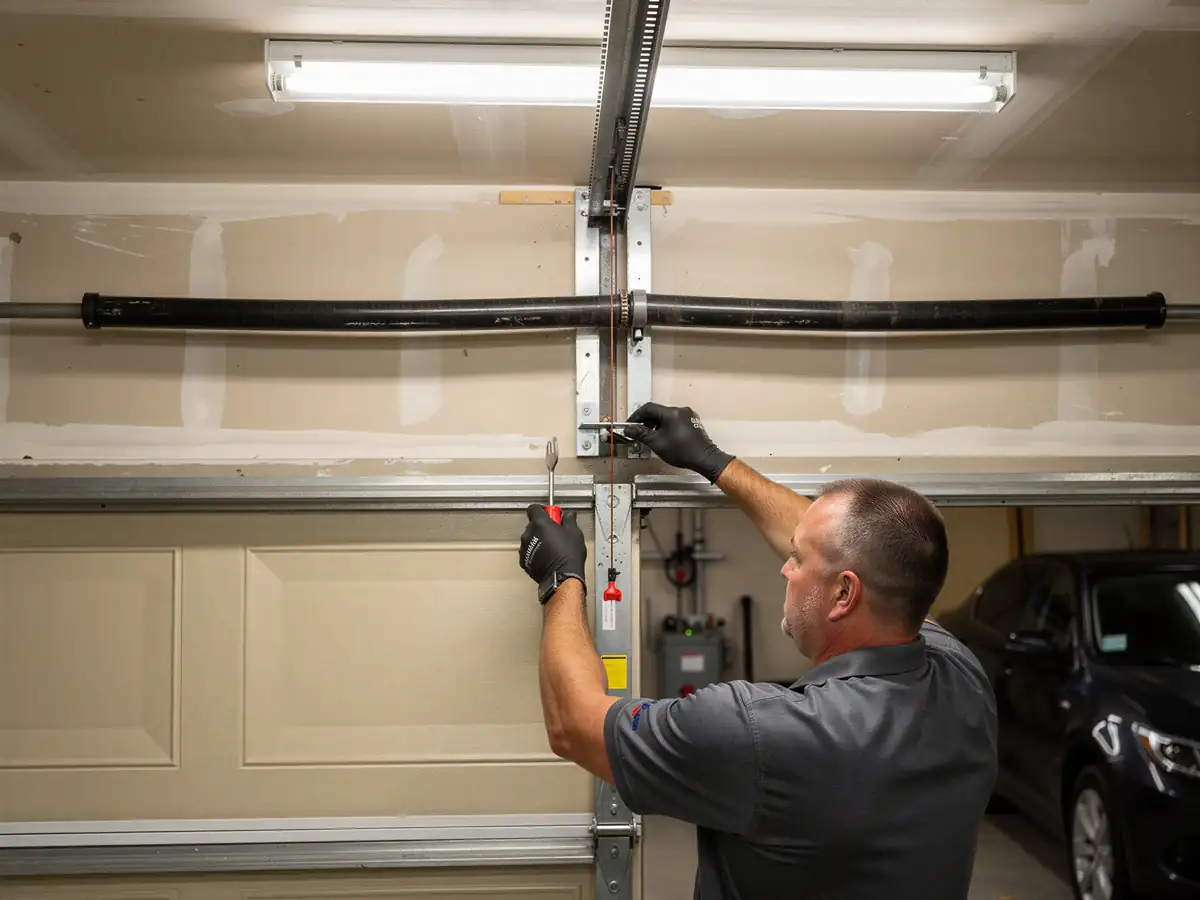
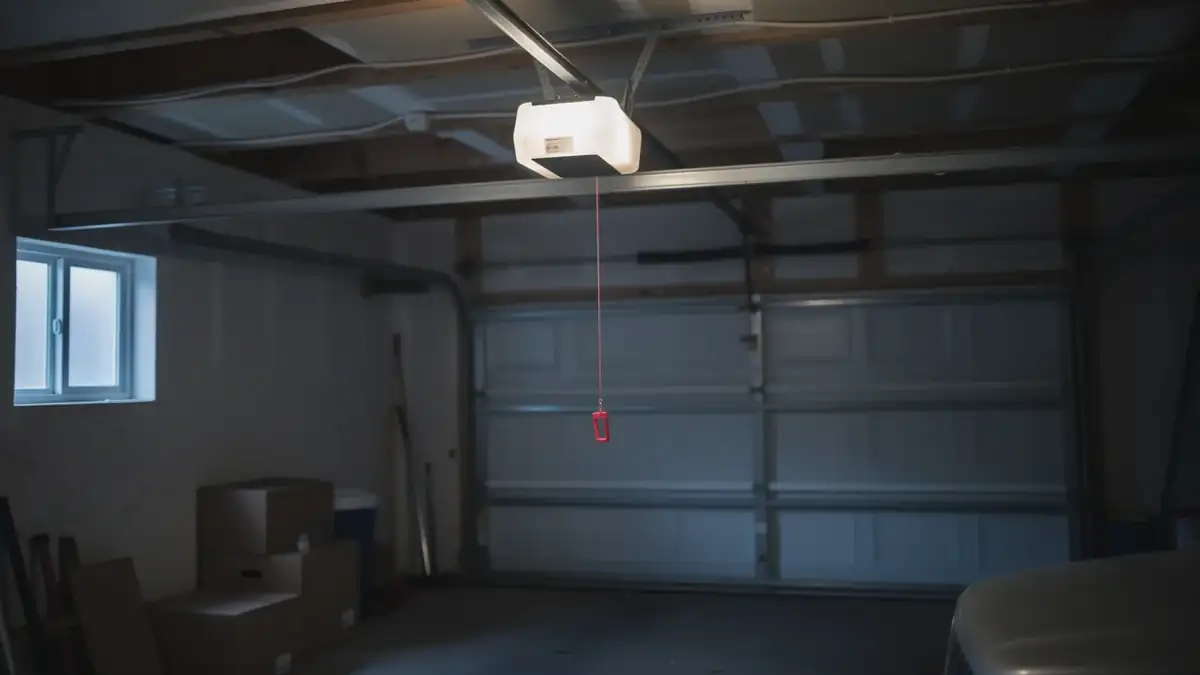
Pulling the manual release cord and lifting the door by hand is fine for a one-time outage. That's what the red cord is for, and most owners in this service area have done it at least once. Where it turns into a real job is when the door won't lift by hand either, or lifts a few inches and then fights you. That usually means a spring problem riding alongside the power problem, not a power problem alone.
Much of the housing stock here went up between 1959 and 2009, with the bulk of it dating to the 1980s and 90s across the 23 areas this company covers. Openers from that era, and even the chain-drive replacements installed in the 2000s, don't have battery backup unless somebody added it later. So when the power drops, the opener is dead weight on the rail until the power or the backup kicks back in.
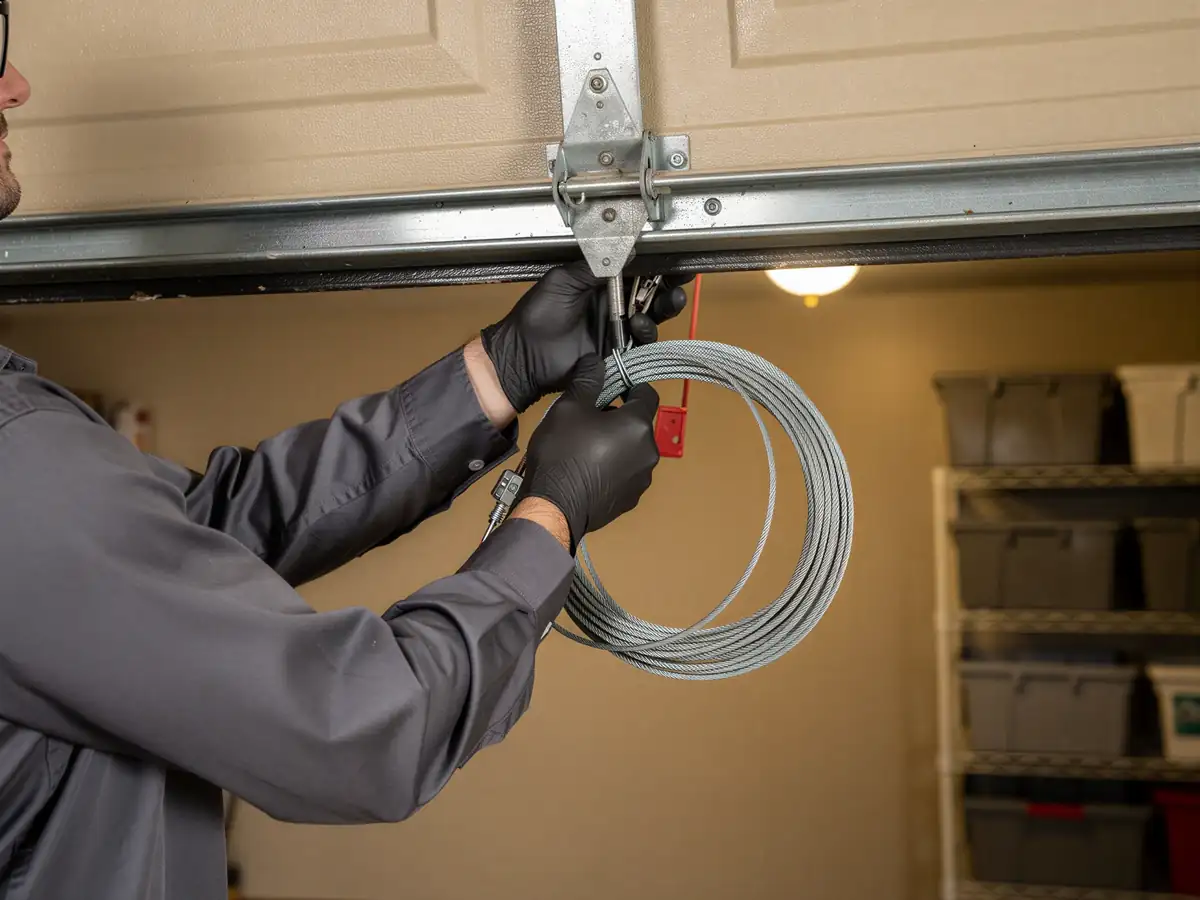
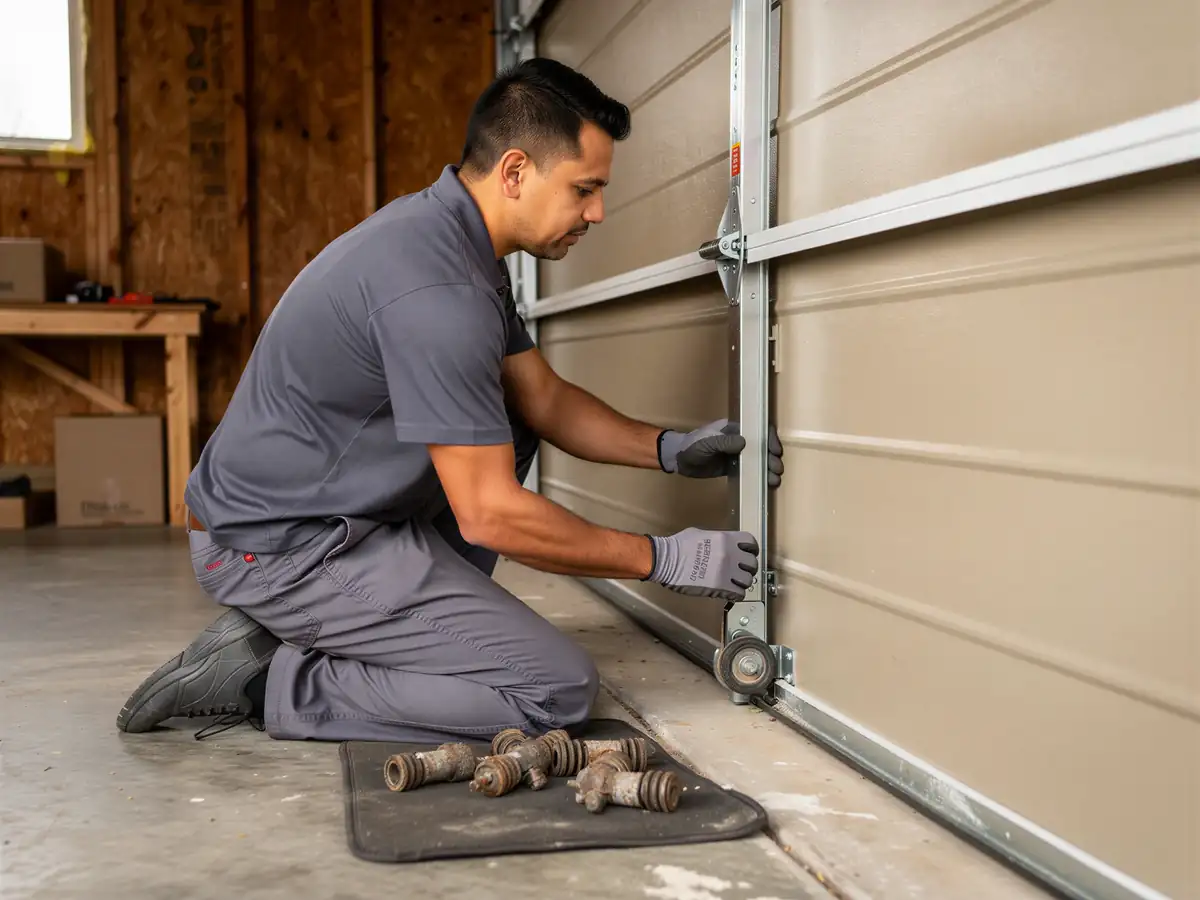
If you've released the trolley and the door moves smoothly on its own, you don't need us - close it back up by hand and reset the opener once power's back. If it binds, drags, or one side drops faster than the other, stop pulling on it and call. That's a cable or spring issue, and forcing it is how a bent track or a dropped door happens.
The Problem
A power cut by itself doesn't hurt an opener
What it exposes is whatever was already marginal - a worn drive gear, a chain that's a notch too loose, a limit switch that was already drifting. Houses built in the 1980s and 90s boom here are now at an age where original openers, if they're still original, are well past a normal service life. A cut that would be a non-event on a five-year-old unit can be the thing that finally kills a 25-year-old gear.
The other half of it is the restart
When power comes back, some openers need the travel limits reset, especially older chain-drive models without smart memory. If your door reverses immediately on close, or won't close all the way, after an outage, that's almost always a limits issue, not a motor failure - worth knowing before you assume the whole unit is shot.
What the Weather Here Does to It
Des Moines sits in a cold, moderate climate band, and the outages that matter most for garage doors are the winter ones - ice loading on lines, not summer storms. A door that's stuck shut because the power's out in July is an inconvenience. The same door stuck open, or stuck half-up, during a winter outage is a different problem: the garage stops doing its job as a thermal buffer for whatever's on the other side of that interior door, pipes included.
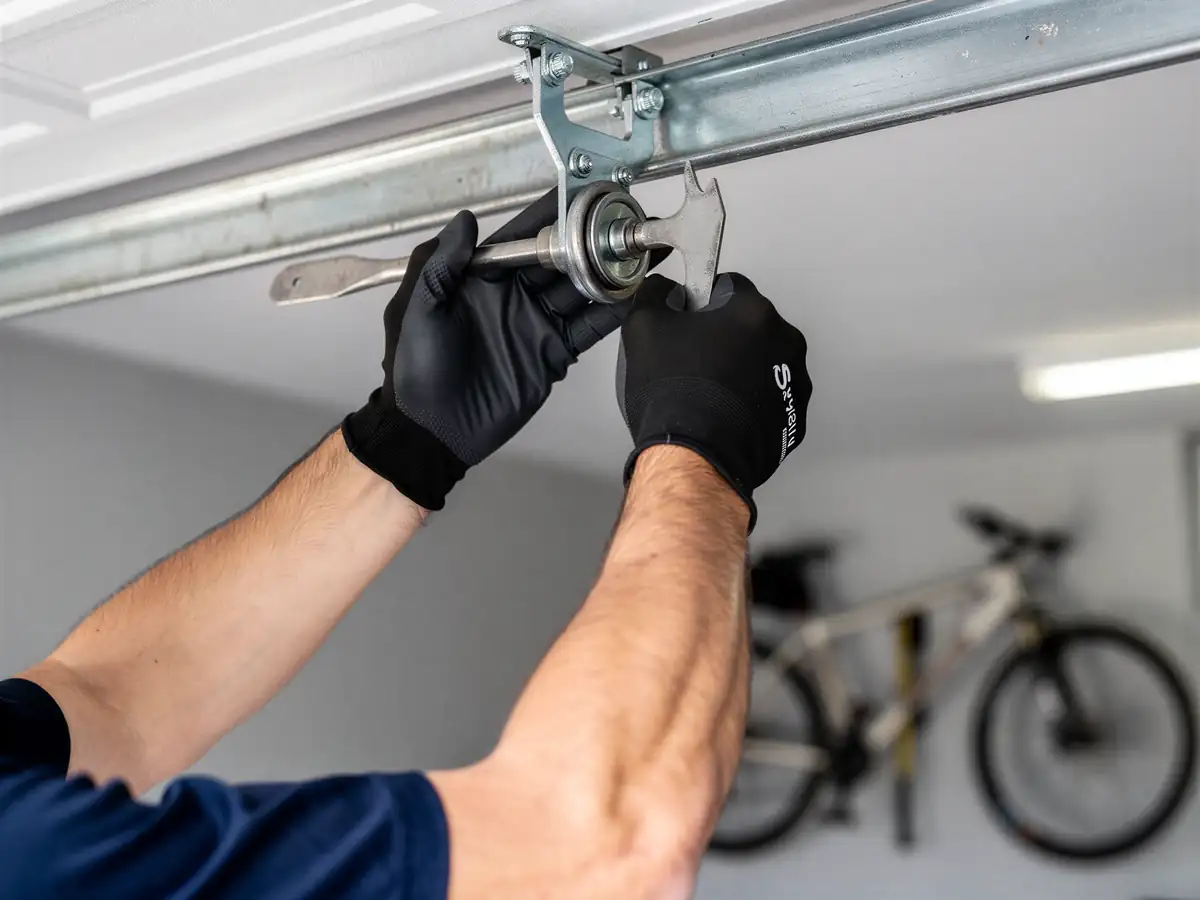
Cold also thickens grease in the opener's gearbox and in track hardware, which is part of why a unit that runs fine in September struggles to catch on the first cold restart in December. If your outage and your cold snap land on the same week, don't assume it's one failure - it might be the cold making a tired opener look worse than it is.
When Waiting Is Fine
Not every power cut needs a call. If the outage is short, the door was closed when it happened, and everything moves normally on manual release, there's nothing to fix - just reset the opener's clock and any keypad codes once service is back. That's the honest limit here: we're not going to tell you a routine outage requires a truck roll.
What's worth watching rather than acting on immediately: an opener that takes two or three tries to catch after power returns, or a remote that needs reprogramming more often than it used to. Those are signs of an aging unit, not emergencies. Log them, and when it finally fails for good - which it will, given how much of the opener stock in this area is original to houses built in that 1980s-90s run - you'll have a head start on deciding repair versus replacement.