Timing on This Area
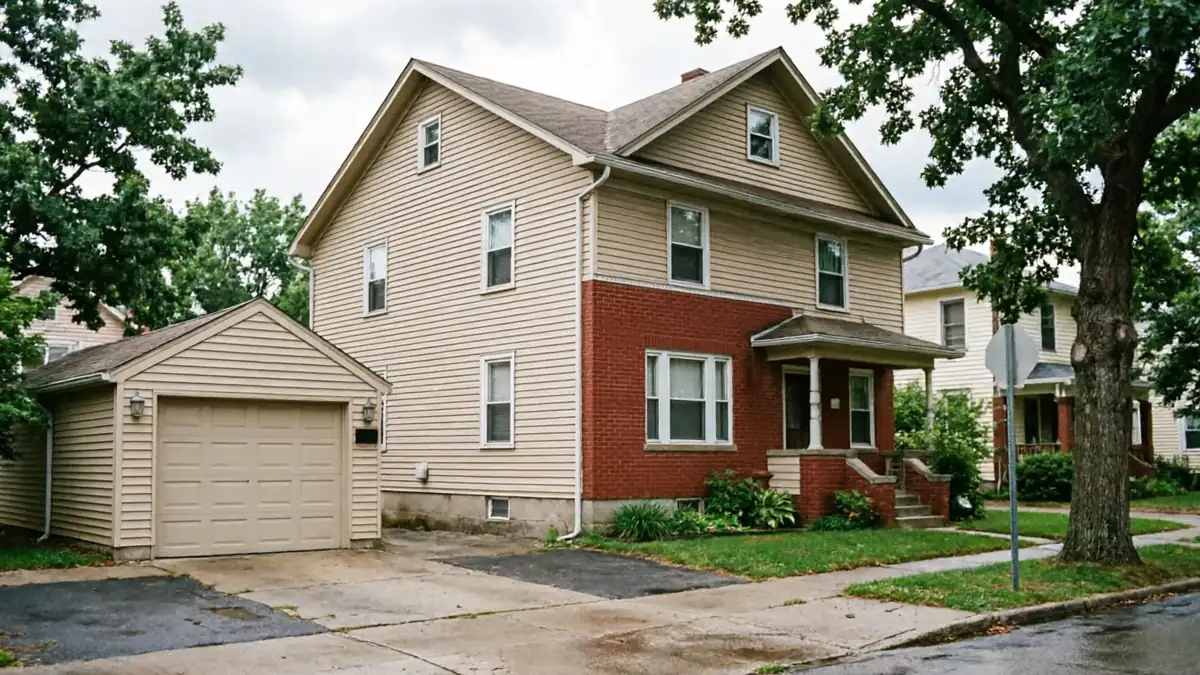
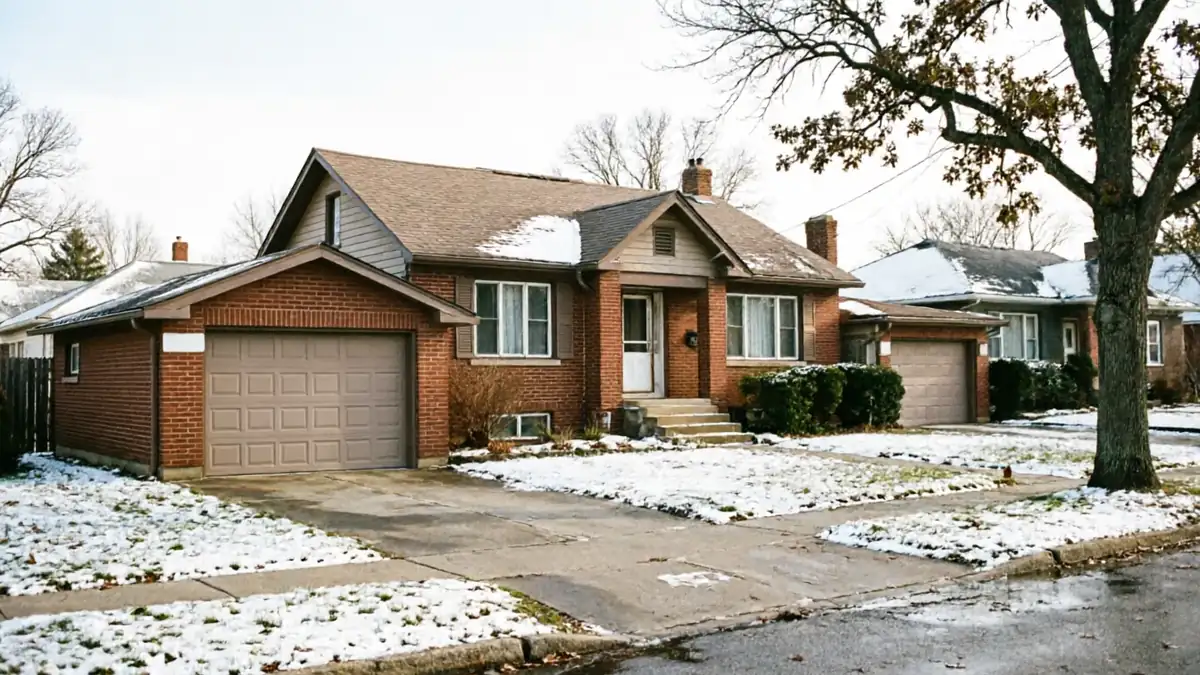
Johnston sits about 10 miles from our shop in Des Moines, which matters when you're trying to figure out how soon someone can get to your place. We don't keep a crew stationed in Johnston - every job here means a truck making that drive out from Des Moines, so we're upfront that we're not the guys who can be at your curb in ten minutes. What we can tell you is that Johnston's housing stock runs newer than a lot of the rest of our service area, with a median build year around 2004 versus the broader area's 1995. That difference shapes what we load on the truck before we leave the shop: newer opener logic boards, steel rollers instead of the older nylon-and-steel hybrids, and springs sized for post-2000 door weights. If your opener is throwing an error code instead of just humming and not moving, that's a Johnston-era symptom more than an old-stock one, and we come prepared for it.
The Usual Work Here
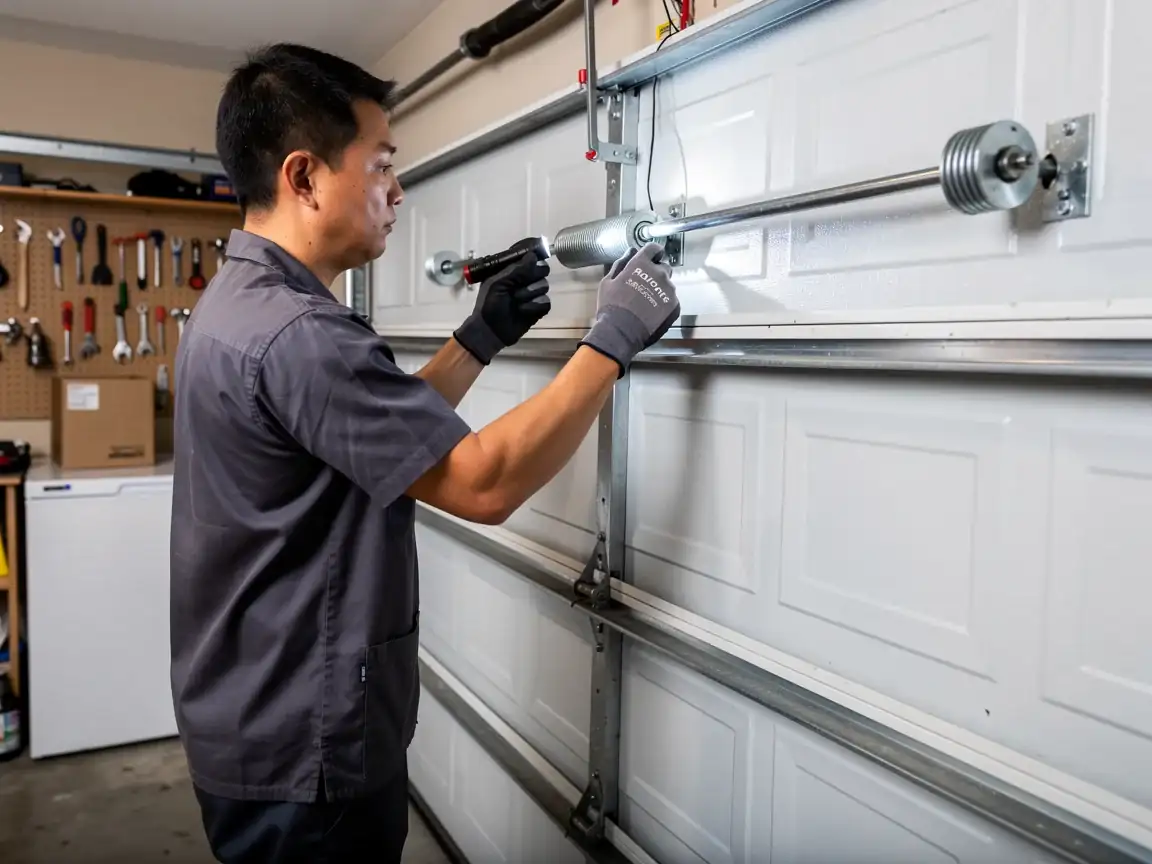
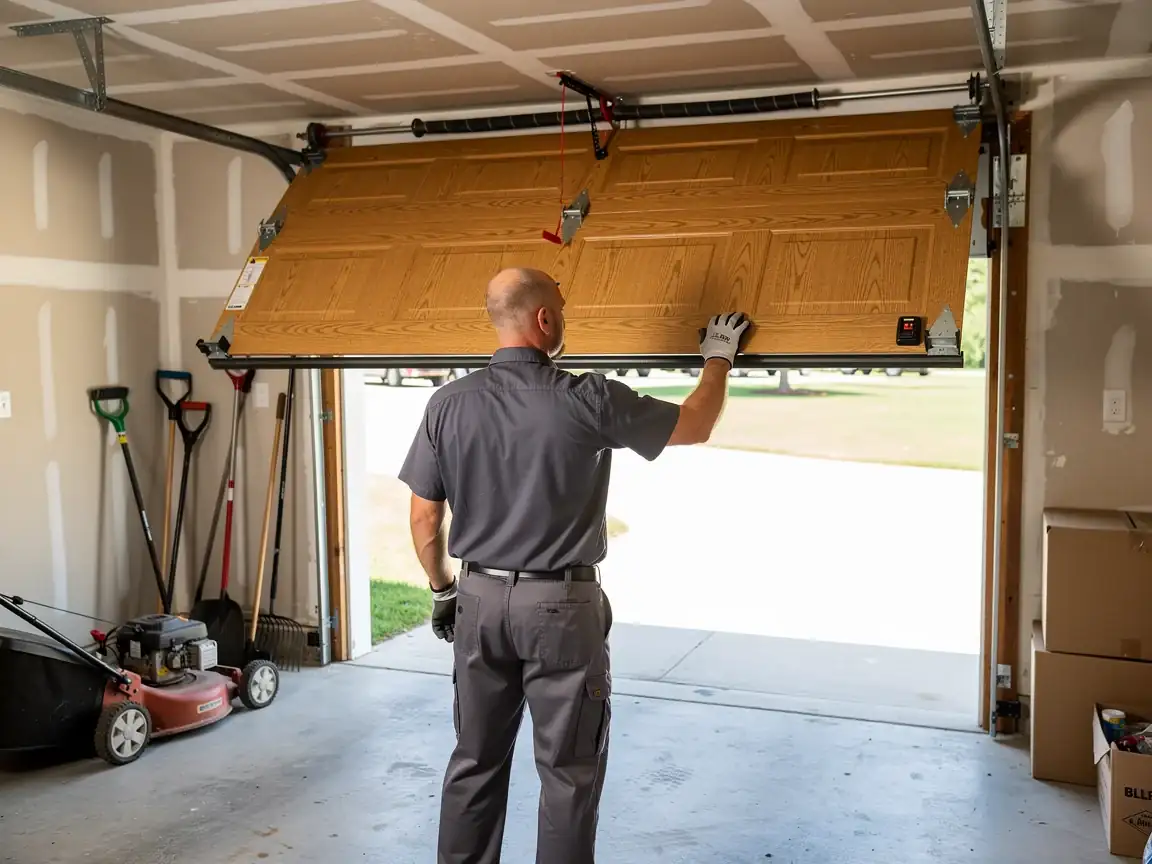
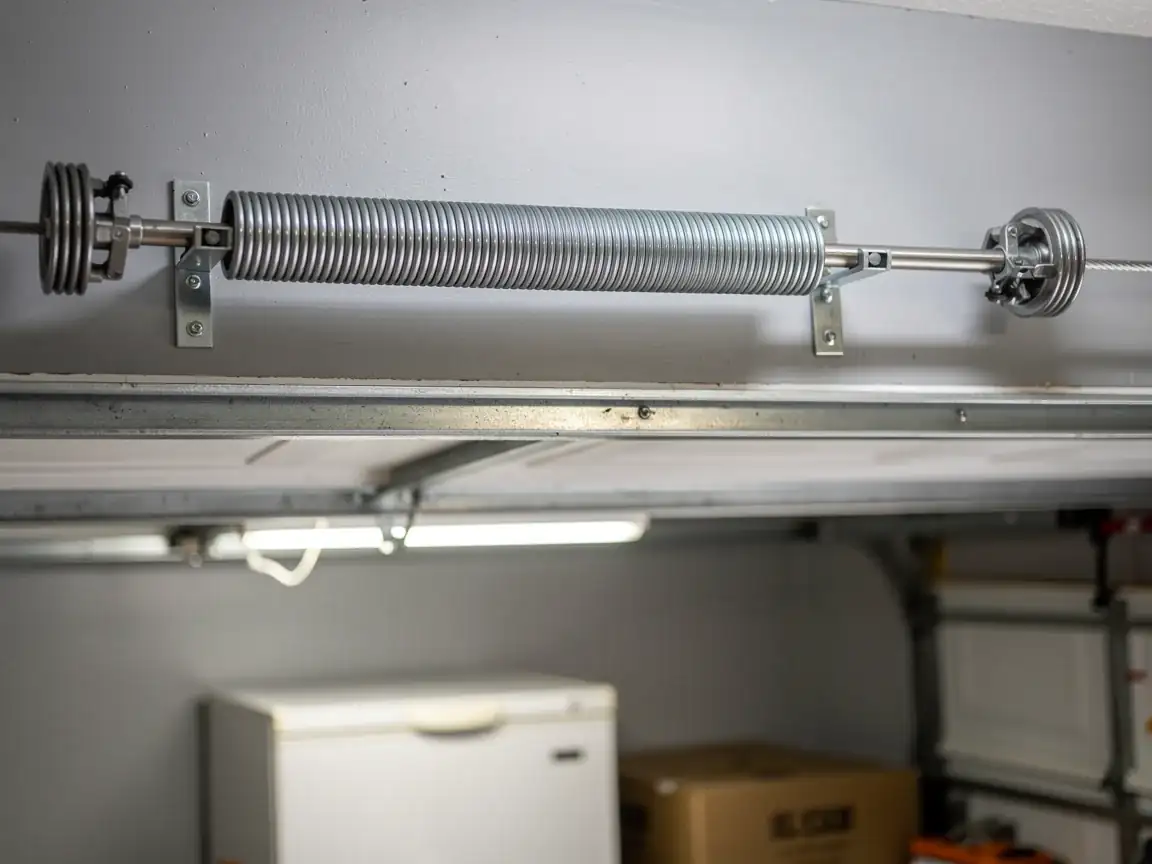
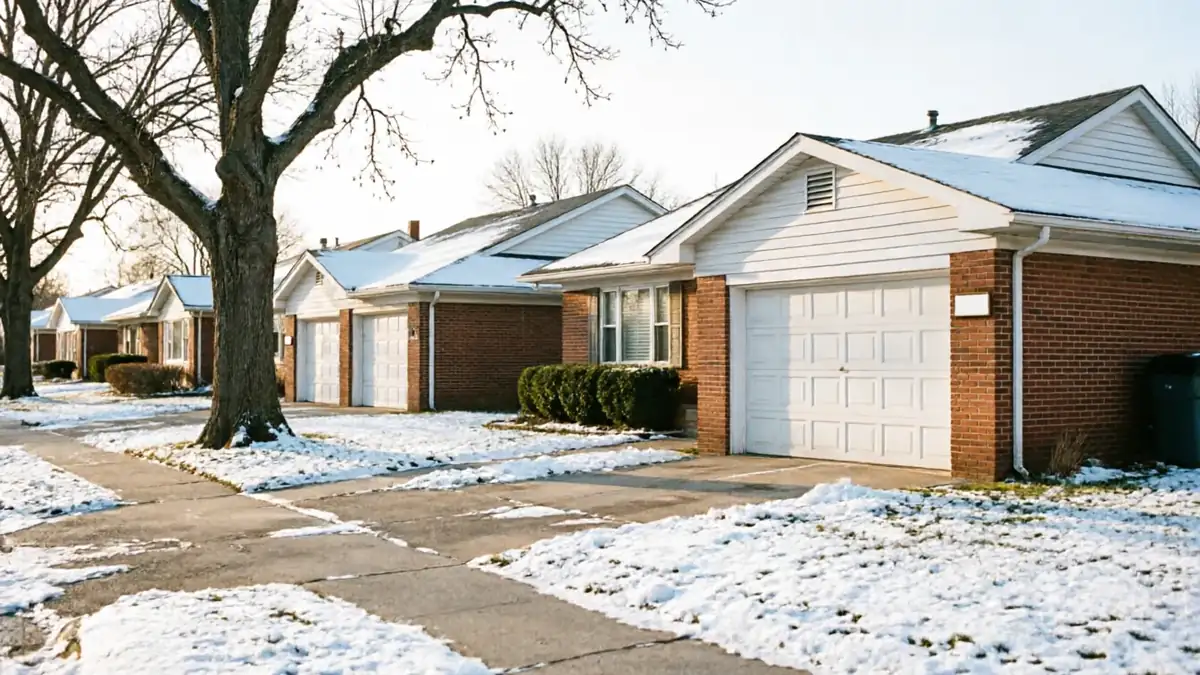
Given the age of Johnston's housing, we see fewer of the total-system failures that come with 1960s-era doors and more of the wear-and-tear calls that show up ten to twenty years into a door's life: torsion springs reaching the end of their cycle rating, openers with aging circuit boards that start skipping commands, and safety sensors that have drifted out of alignment from years of lawn mower bumps or a kid's basketball. Cold-climate weather also plays a role - our area sits in a moderate-cold climate band, and winter is when nylon rollers get brittle and springs under tension are more likely to snap on a cold morning. We also get calls about weatherstripping failing at the bottom panel, which is more common on doors in this age range than on much older stock, since factory seals have a lifespan of their own. One honest note: if your opener board is failing and the model's been discontinued, we'll tell you straight that a new opener is usually the better call than hunting for an obsolete part.
What the Housing Means for Your Door
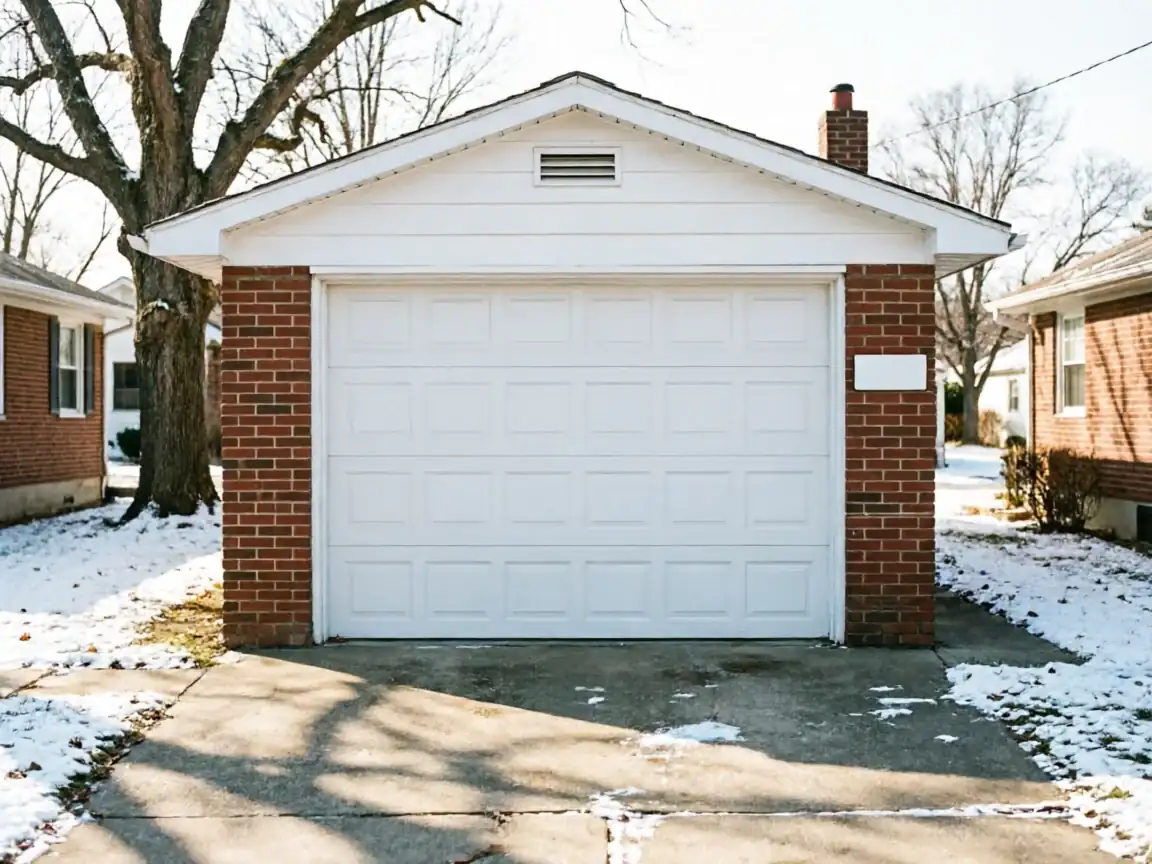
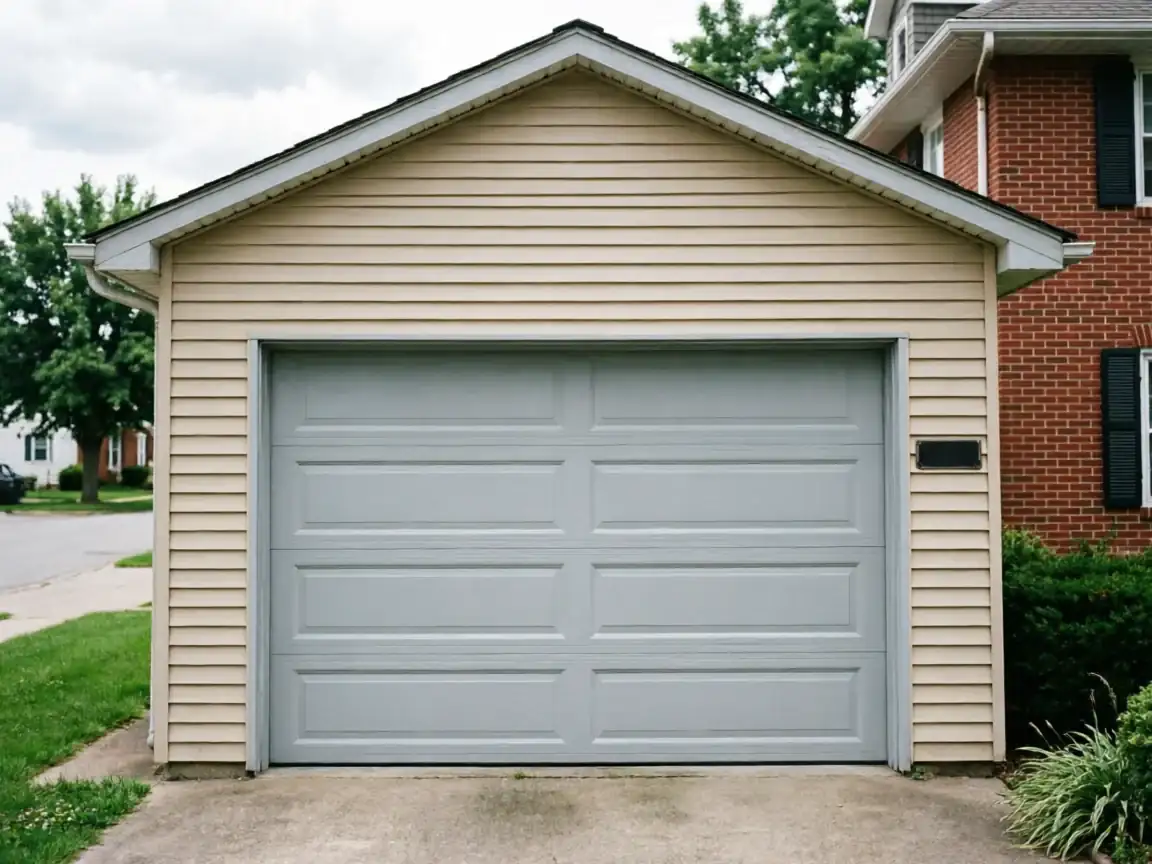
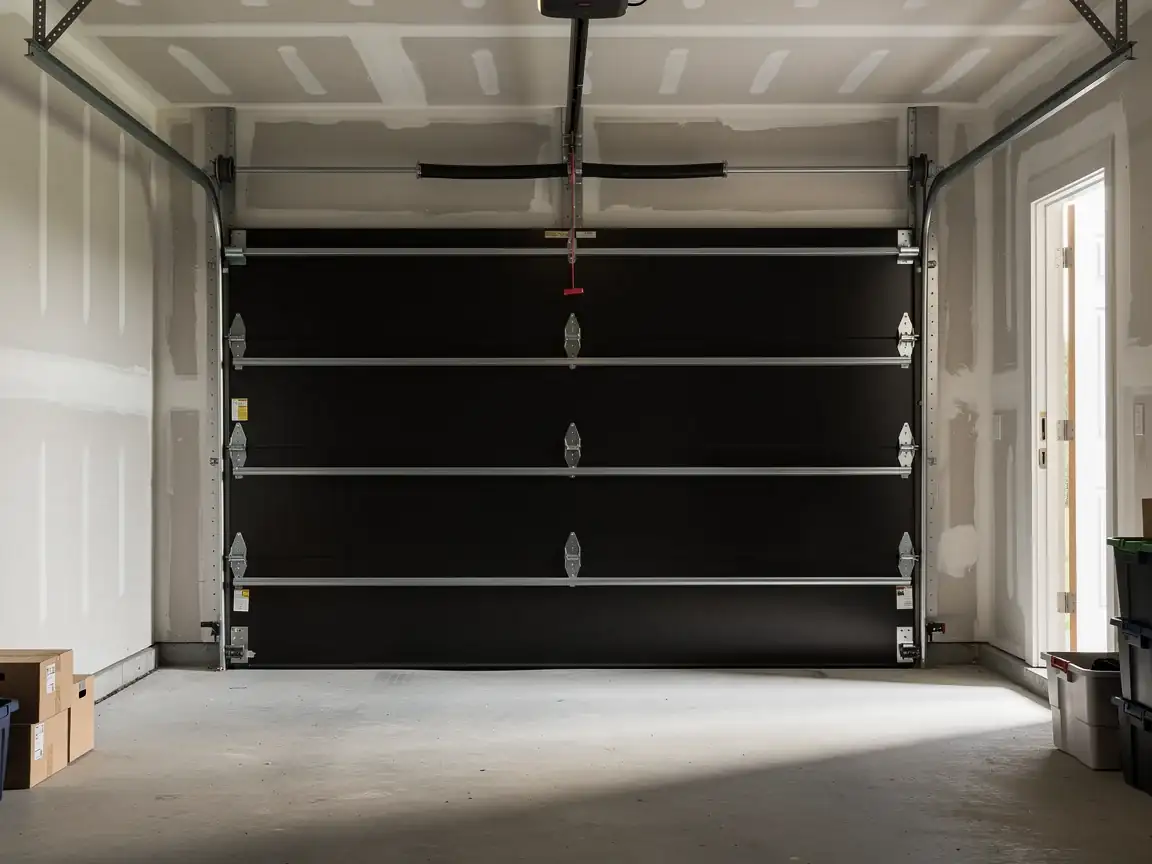
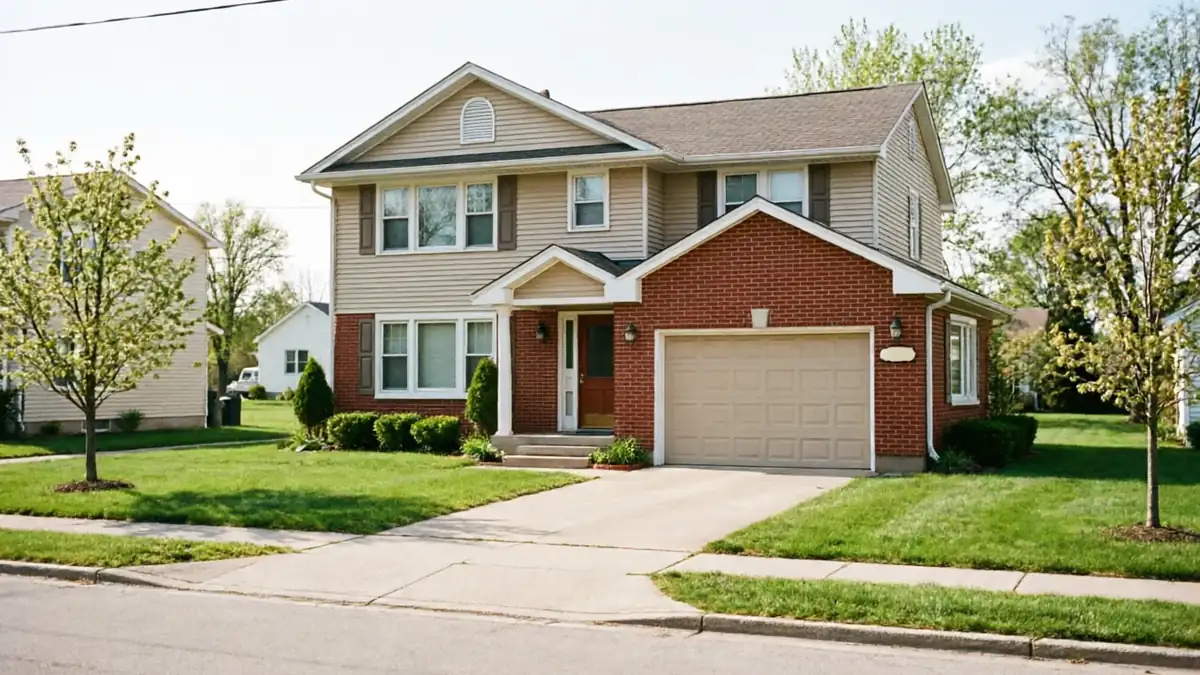
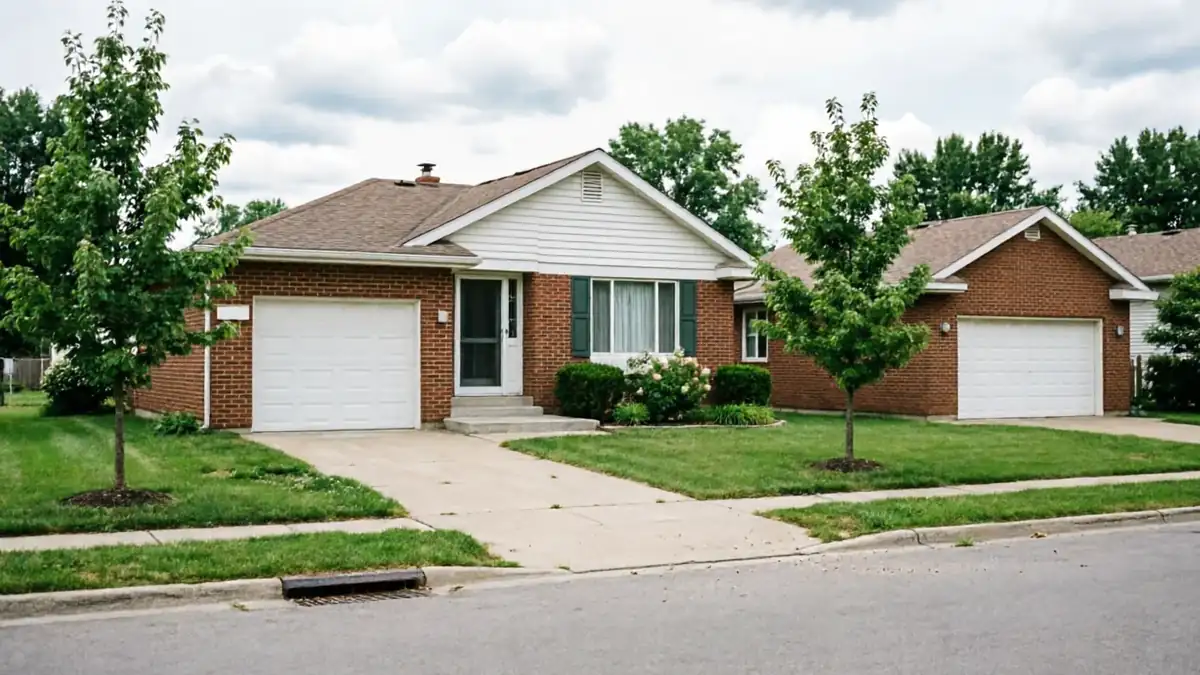
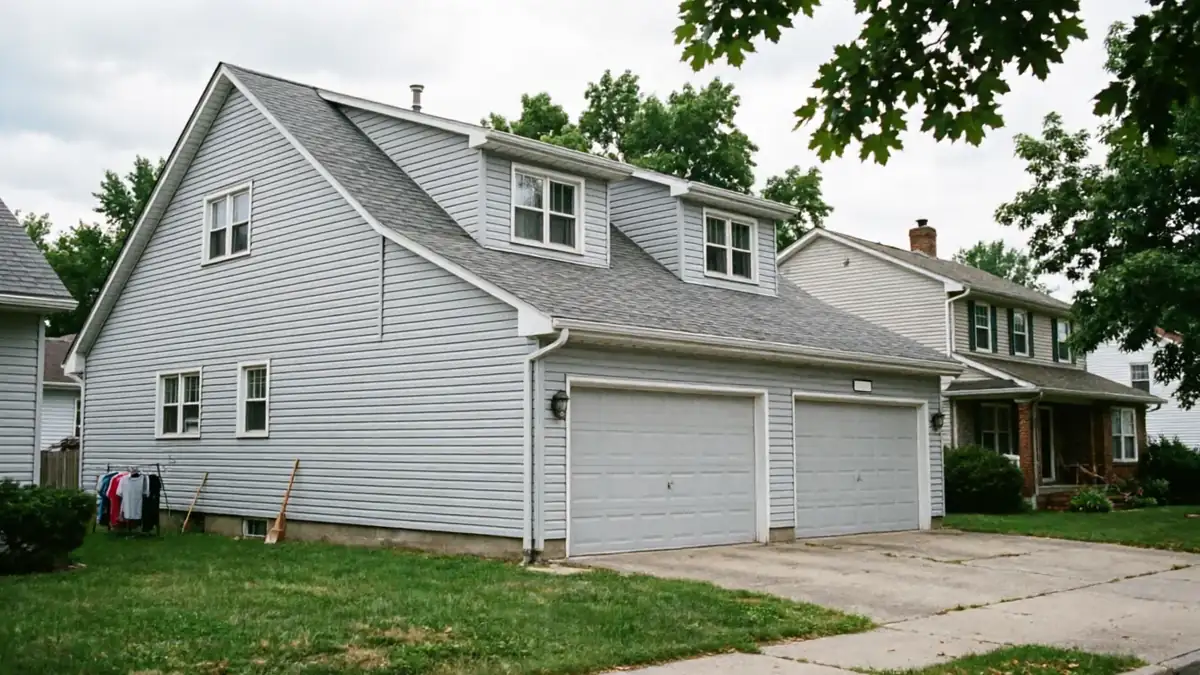
Because most Johnston garages were built within the last two decades, the headroom and track clearances tend to be standard sizes, which means parts availability is generally better here than in the older pockets of our service area - we're not chasing down obsolete hardware for a door from the 1960s. That said, builder-grade components installed during the 2000s housing push weren't always top-tier, and springs and cables from that era are now reaching the point in their cycle life where failure risk climbs. If your door was installed when the house was built and you haven't had the spring serviced since, you're in the window where it's worth a look before it breaks on a cold morning rather than after. We size replacement springs and openers to the loads these newer doors actually carry, not to a generic one-size estimate, since a slightly off spring on a heavier insulated door wears out openers faster than it should.