What Is on the Truck
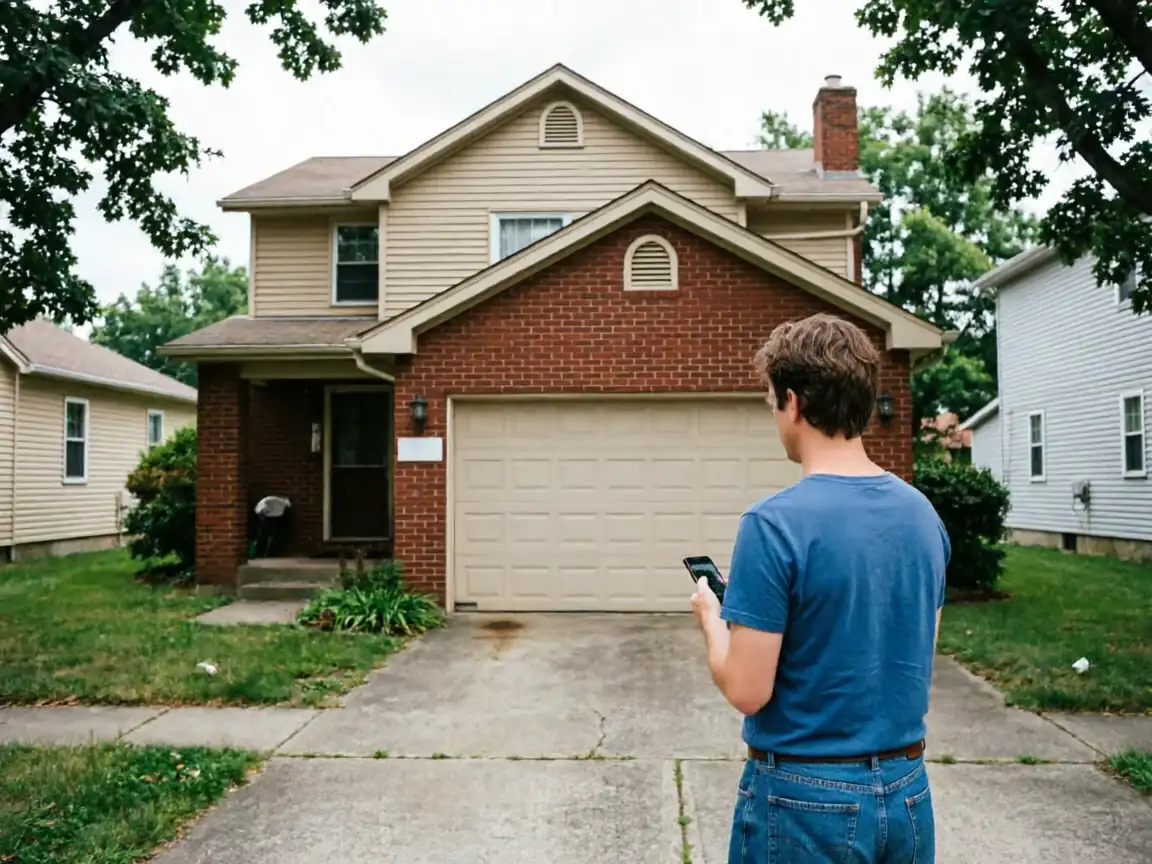
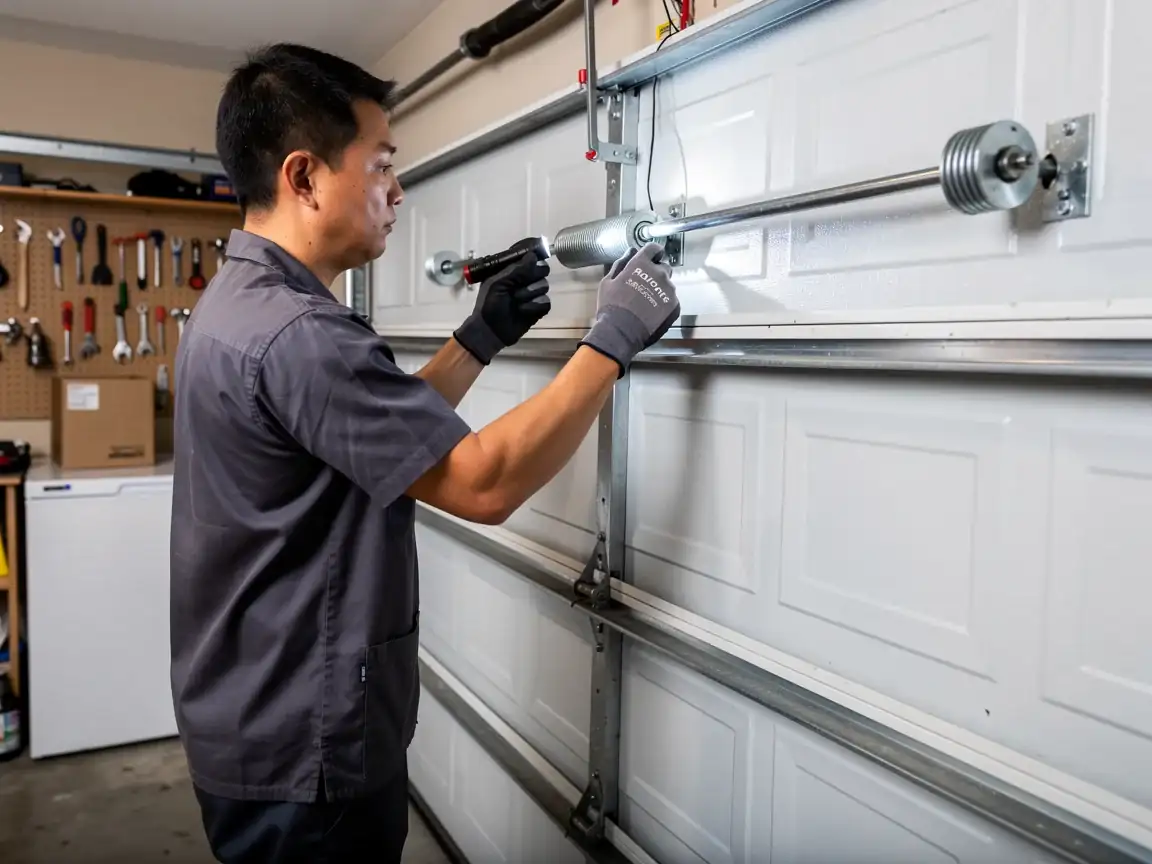
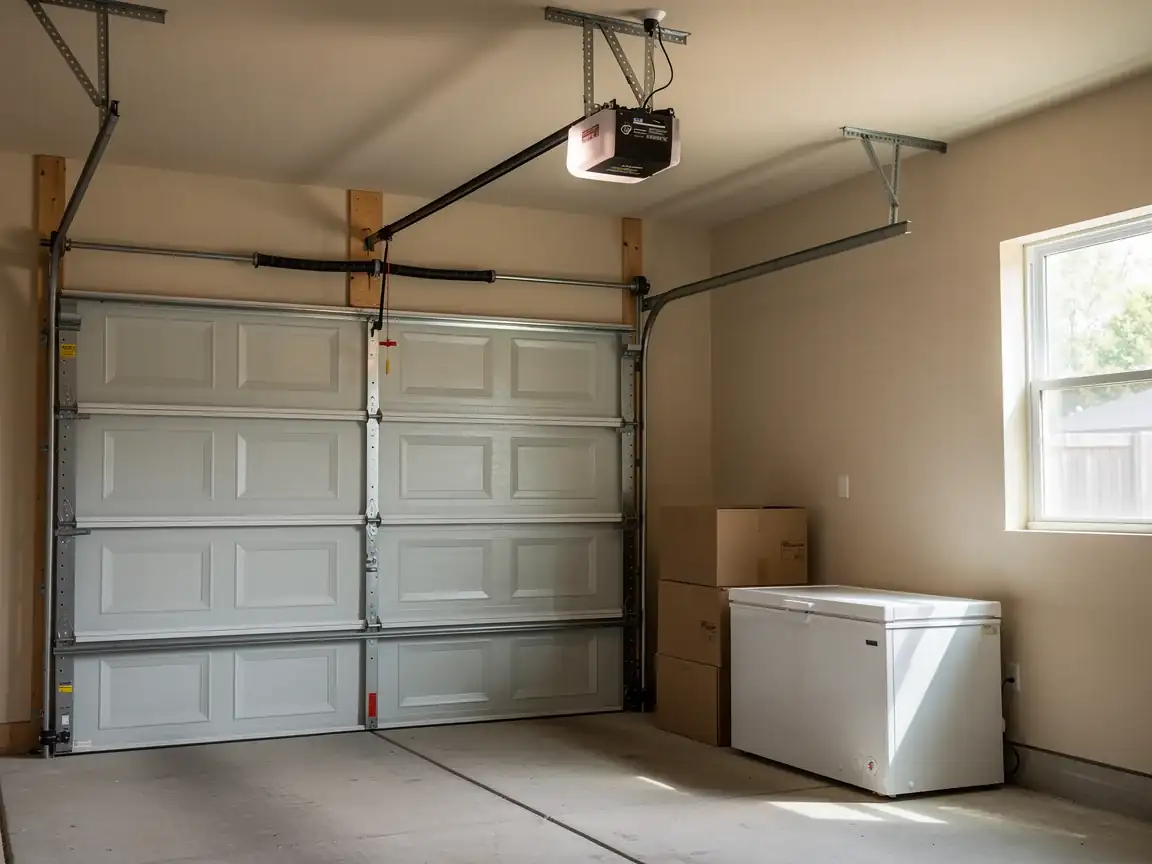
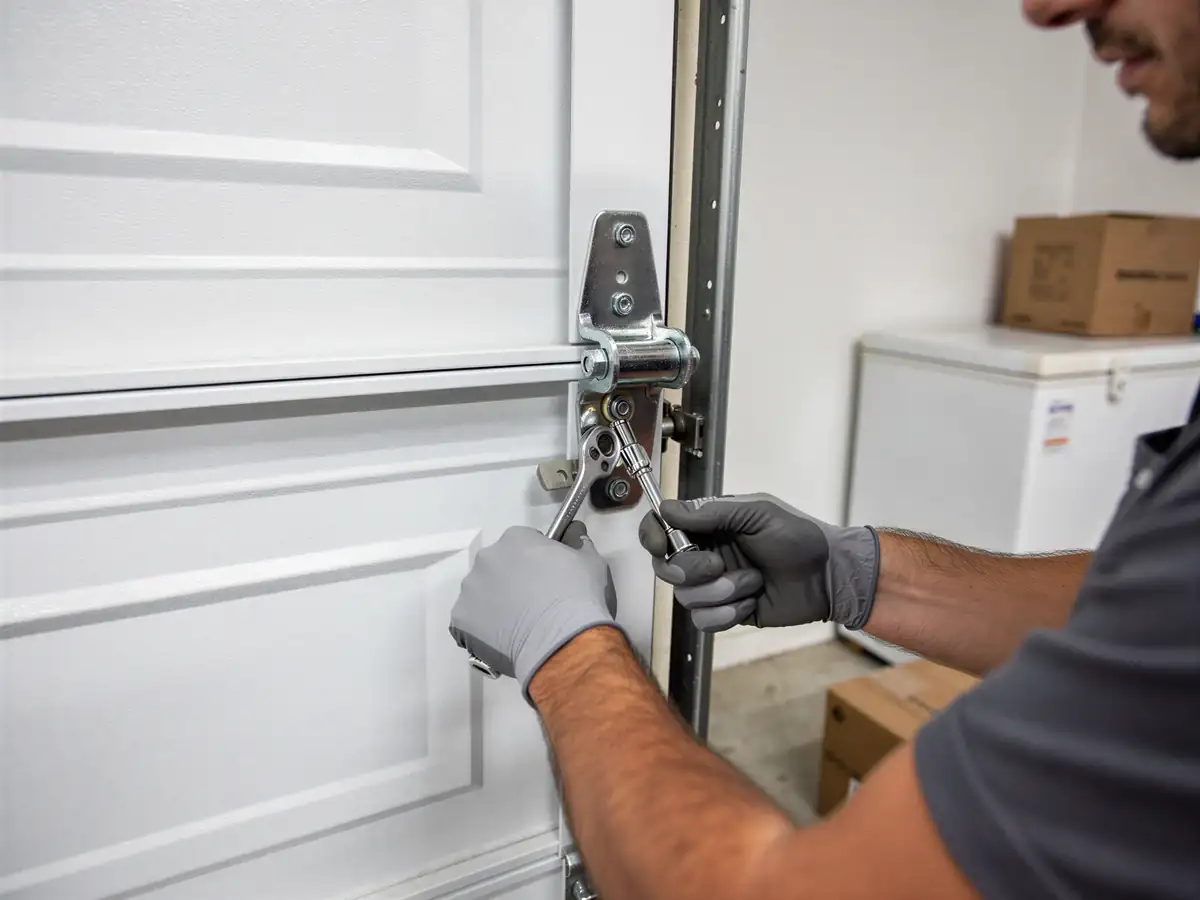
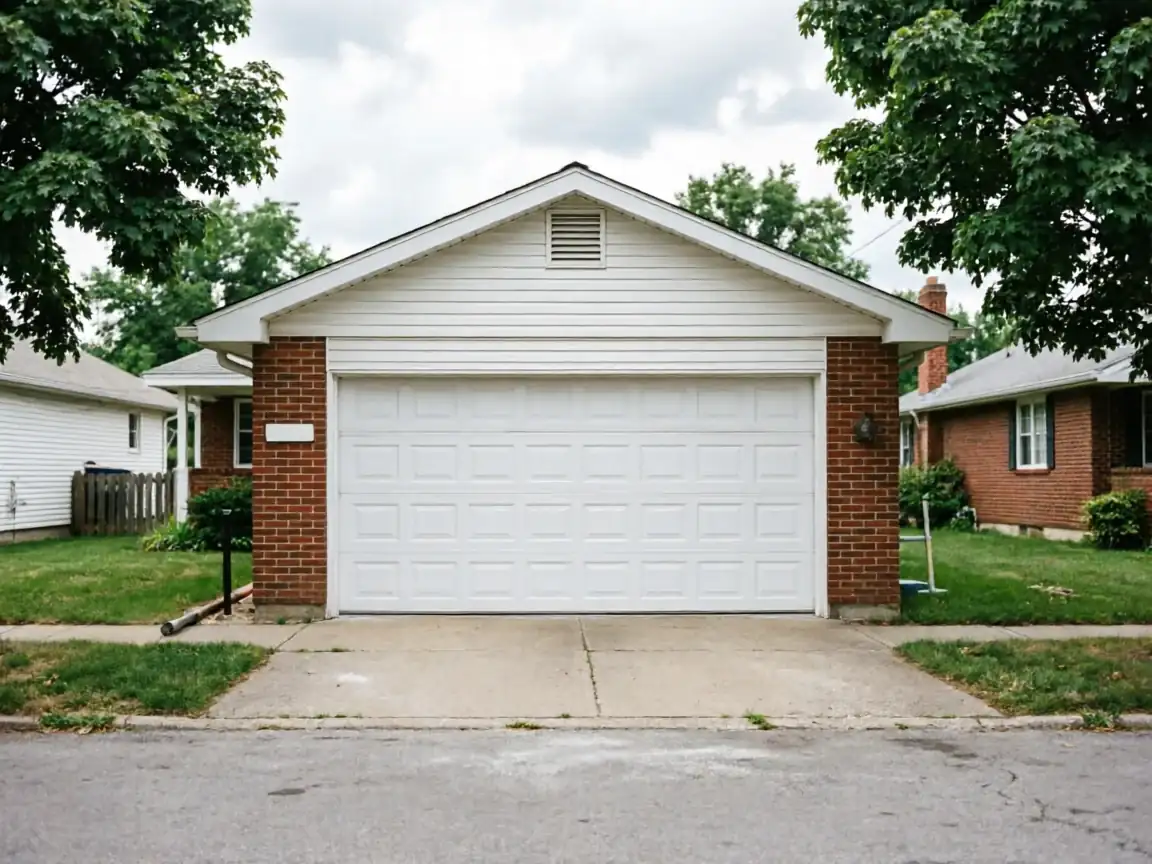
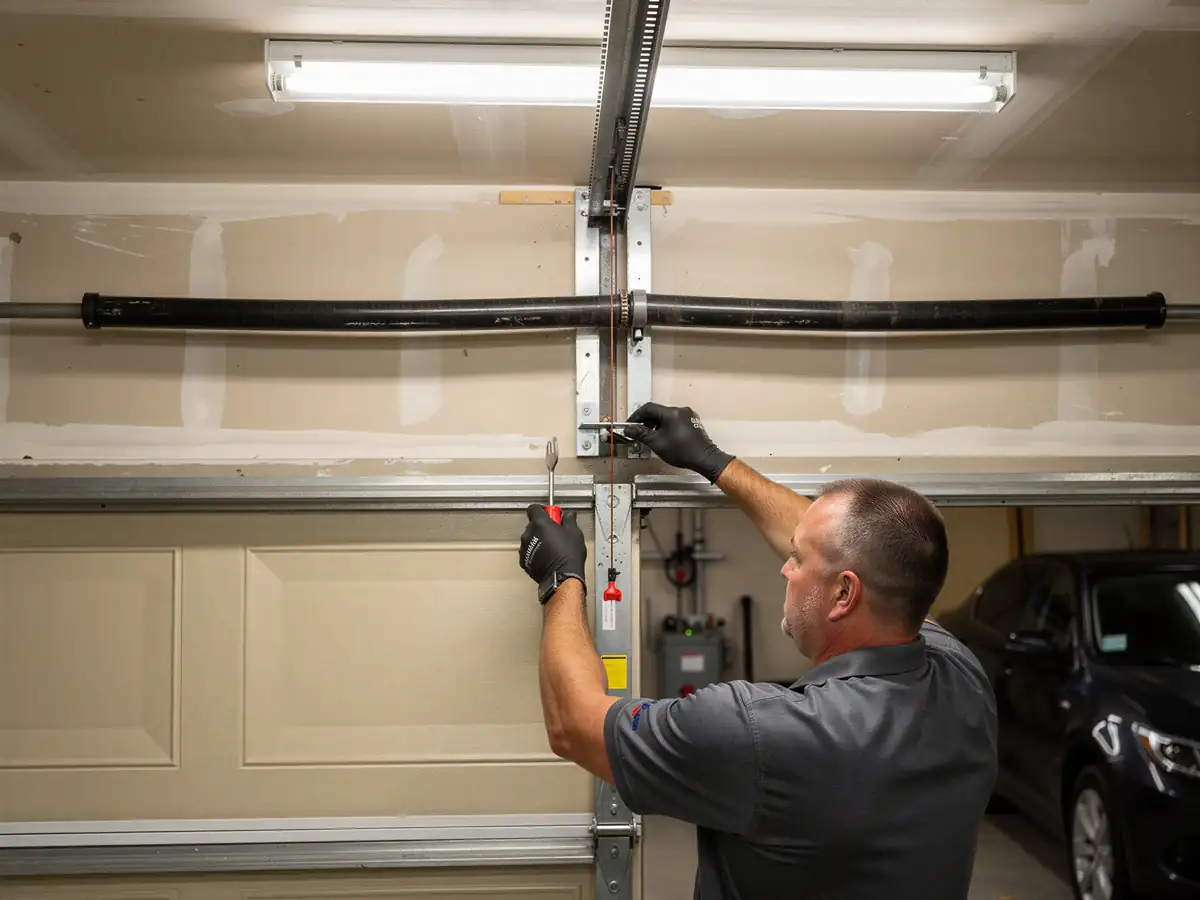
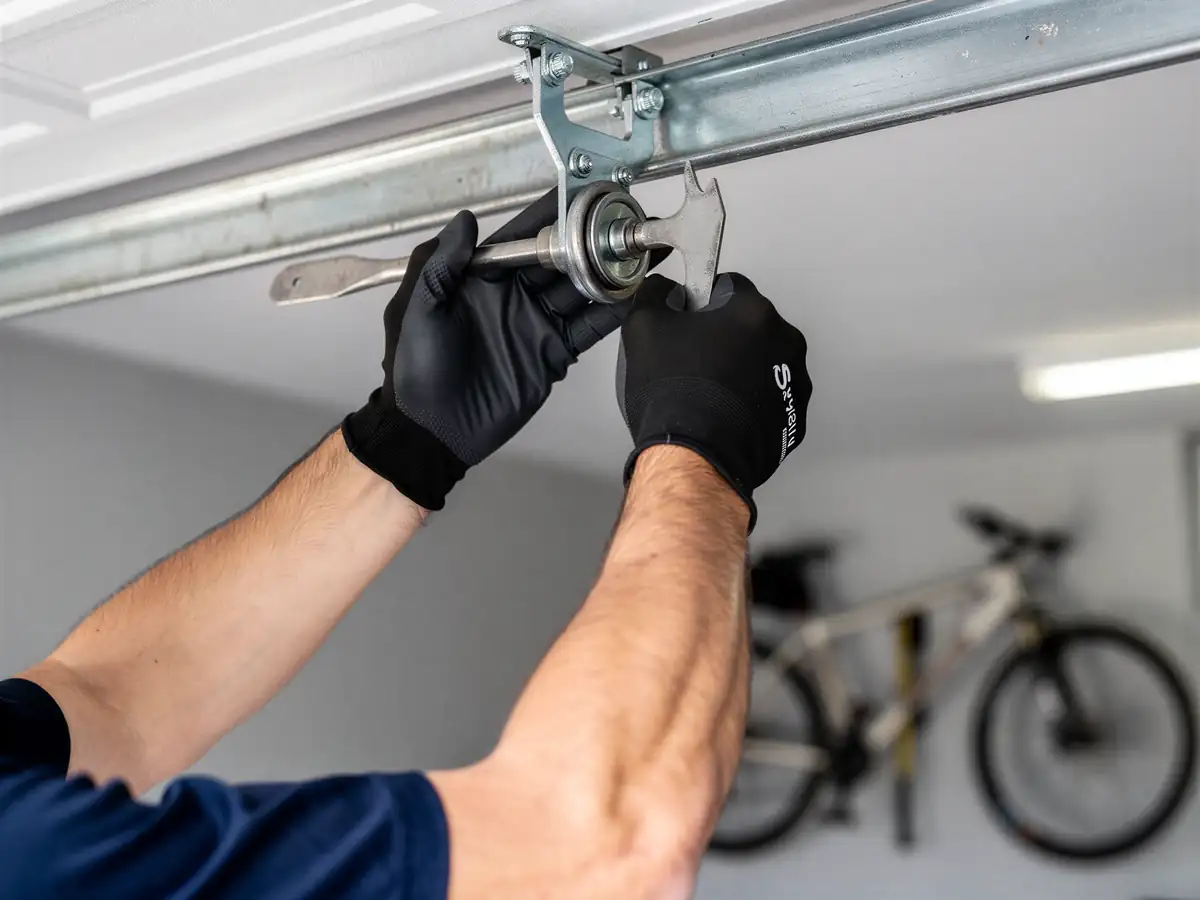
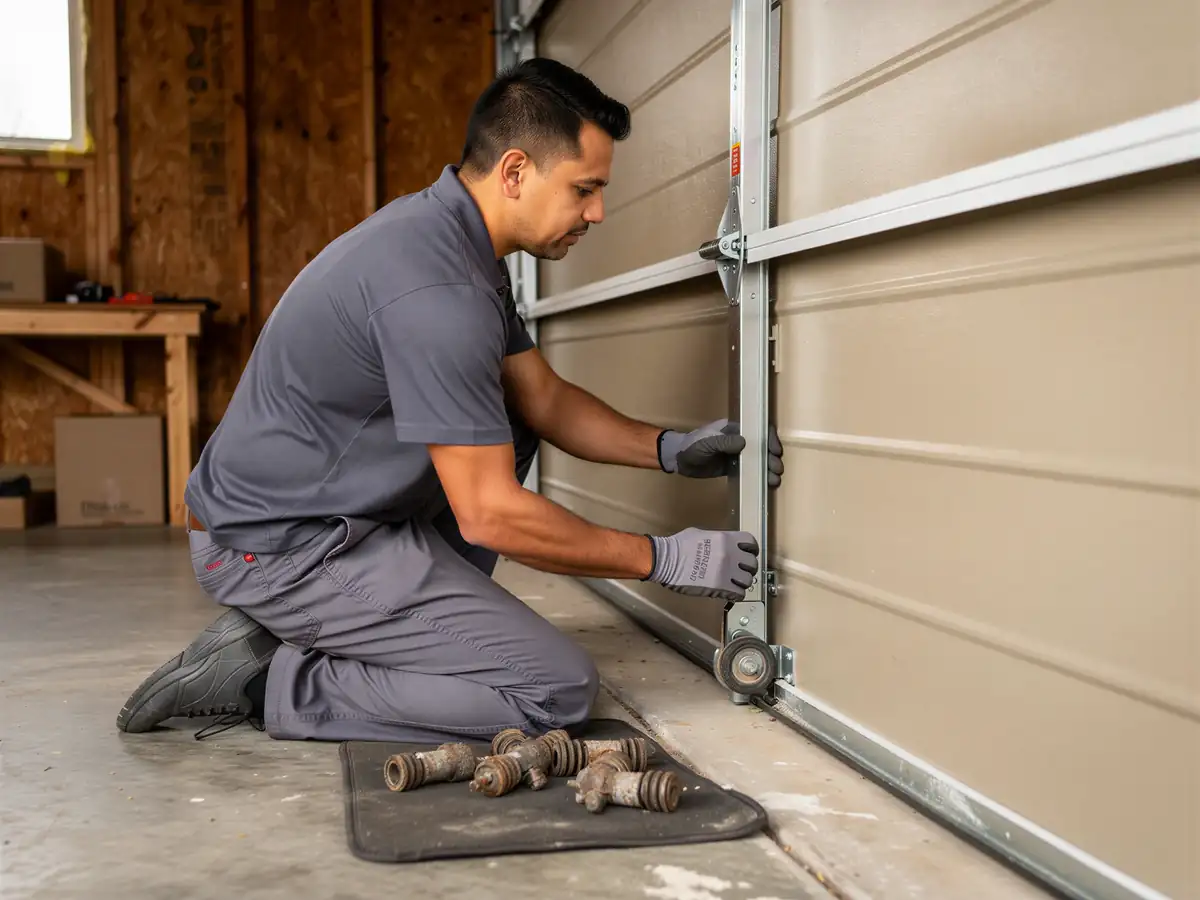
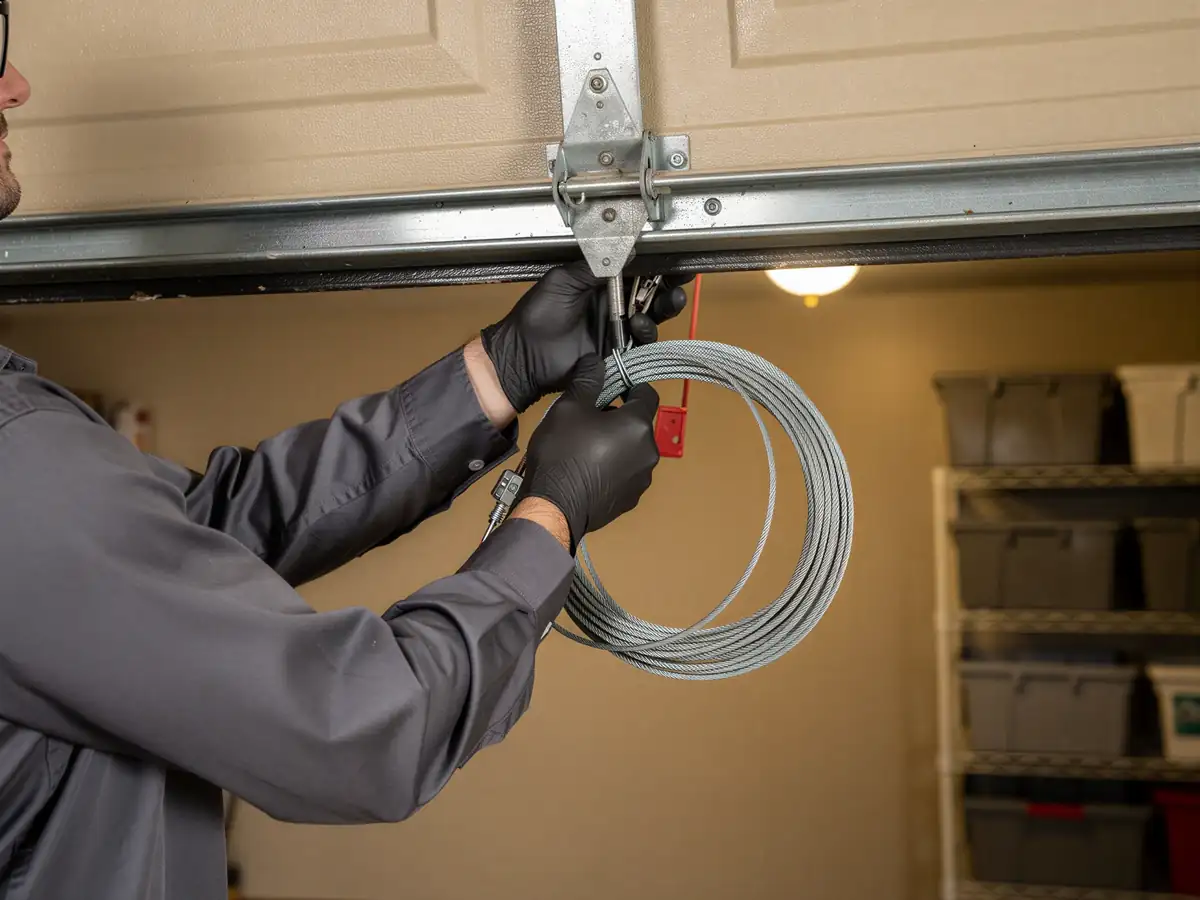
A snapped lift cable on a door built around 2004, which is the median year for houses in Johnston, almost never means the door itself is done. These doors are young enough that the panels, track, and springs are usually still sound - it's the cable, the drum, or a worn pulley that gave out. We carry galvanized aircraft cable in the gauges that match torsion drums from that era, plus the safety cables that extension-spring setups from the late 1990s and early 2000s were built with. We also carry drum sets, since a frayed cable often means the drum groove underneath it is chewed up too, and swapping the cable without checking the drum just buys you another failure in a few months.
Given Johnston's median household income of $103,430, most jobs we see here land on the repair side of the ledger rather than full replacement - the door is worth saving because it's not old enough to have worn out structurally. We bring both standard and heavy-lift cable stock because garage sizes in newer Johnston construction run wider than the older stock elsewhere in the service area, and an undersized cable on a wide double door is exactly what fails first.
Can You Do This Yourself
A broken lift cable on a door held up by torsion springs is not a weekend fix
And we'll say that plainly. The spring is still under full tension even with the cable gone, and winding bars on a drum you don't fully understand is how people end up in the ER, not how they save a service call. If it's an extension-spring door and the cable that broke is the safety cable rather than the lift cable, you can sometimes get by for a short while - but that's a stopgap, not a repair, and you're one bump away from a dropped door.
What you can safely do yourself
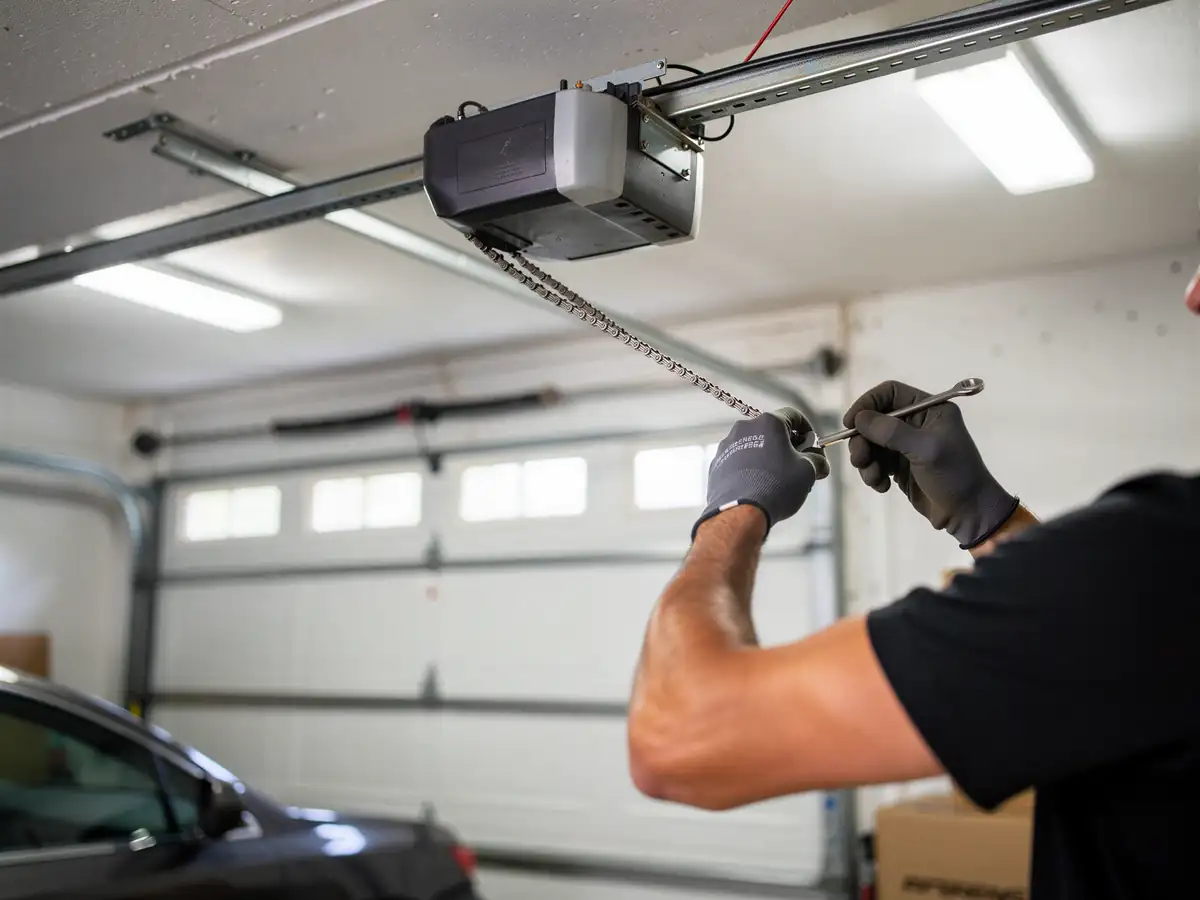
Disconnect the opener, prop the door if it's already down, and keep the car out of the garage until someone deals with the drum and cable together. Don't try to re-tension anything. If the door is stuck halfway open with a cable visibly off the drum, leave it - pulling on it to force it down can snap the second cable too, and then you've got a door with no support on either side.
Why This Fails Locally
Johnston's housing stock skews newer than a lot of the towns in this service area - F1 puts the broader housing-built range at 1959 to 2009 with a median around 1995, but Johnston itself centers closer to 2004. That matters for cable failure because builders in that window were using lighter-gauge standard cable on wider doors to save cost, betting on moderate Iowa winters rather than the harder cold seen a few decades earlier. The service area sits in a cold-moderate climate band, and ten winters of freeze-thaw cycling on a cable that was already sized tight is a common setup for fraying at the drum, not at the bottom bracket where people expect to see wear.
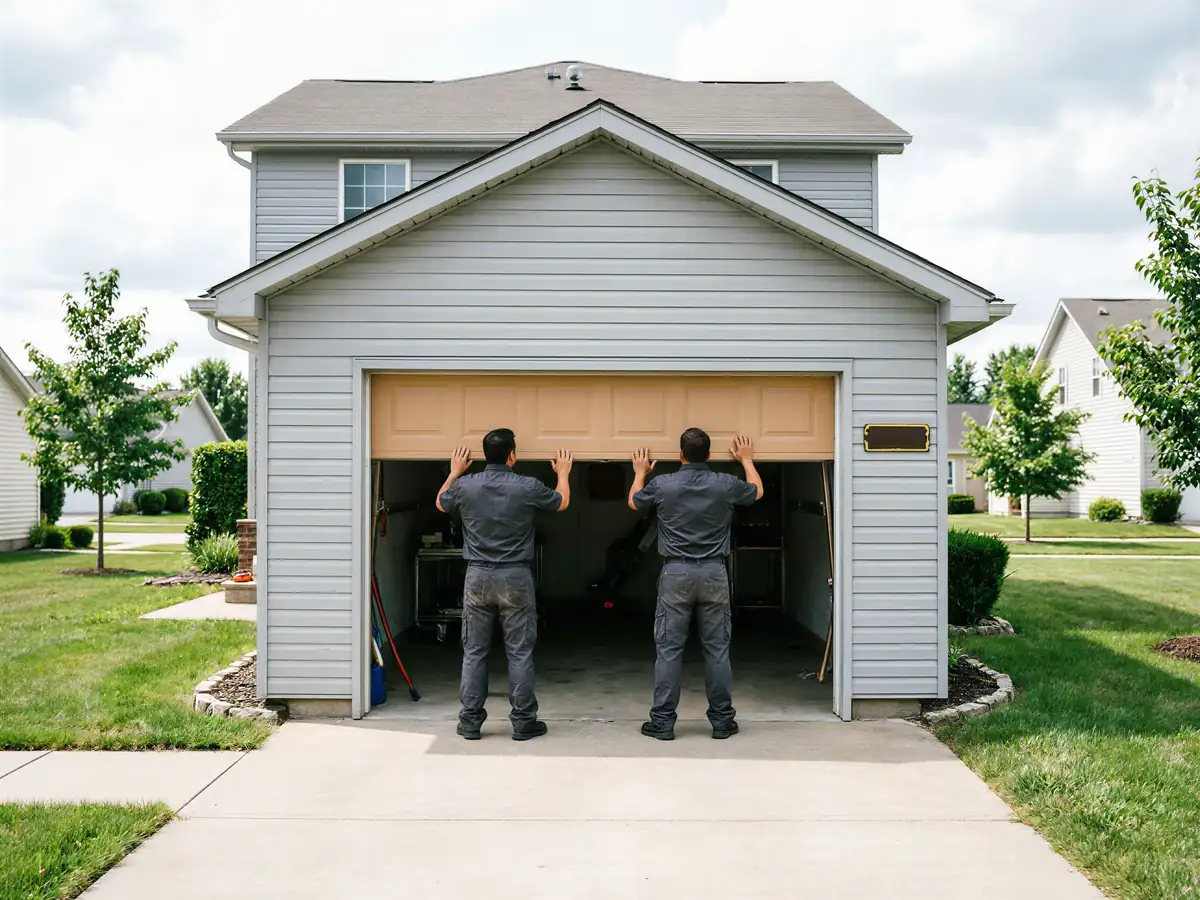
We drive out from Des Moines, about 10 miles to Johnston, and what we find on these newer builds is usually a drum groove worn from factory-spec cable that was never upgraded, plus ice buildup inside the track in January that puts extra drag on the cable right where it's thinnest. On an older door in the region's 1980s-90s stock you'd more often find the spring gone first. In Johnston, the cable usually goes before the spring does.
The Symptom
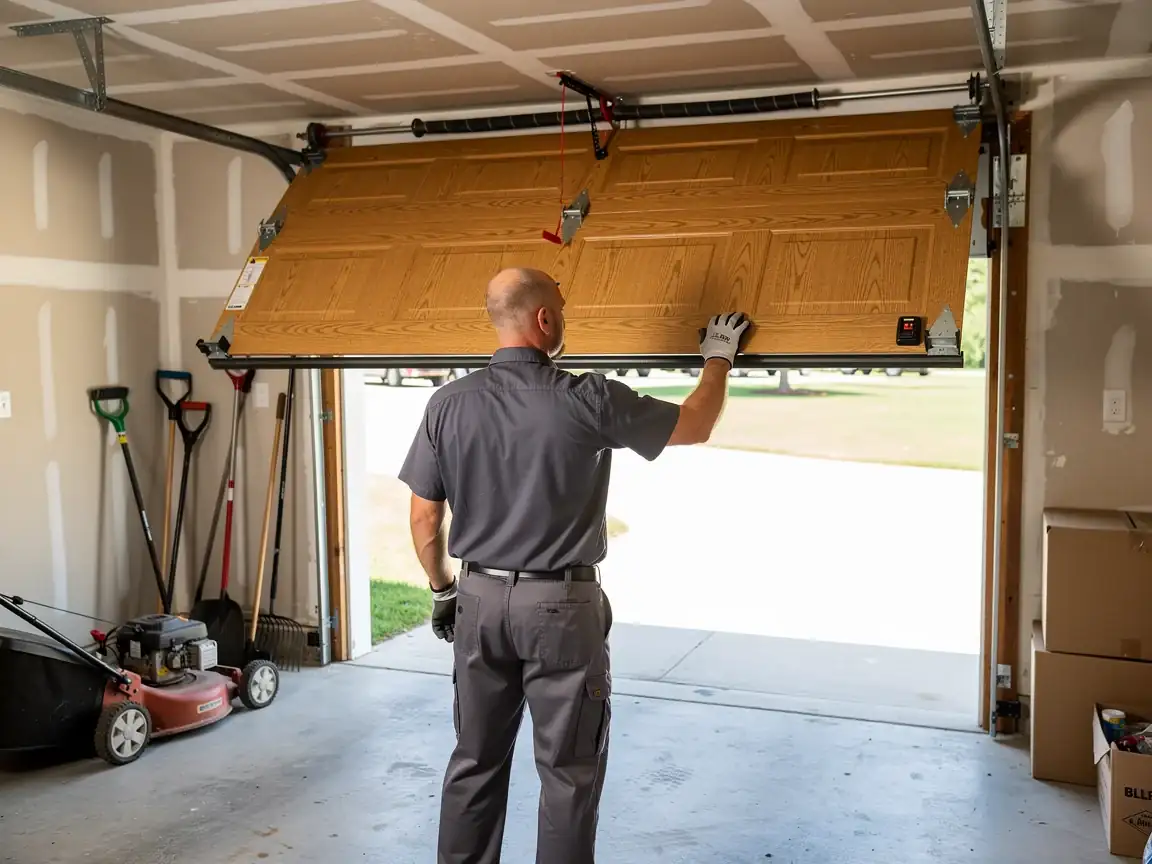
The door hangs crooked - one side higher than the other - or it drops suddenly a few inches partway through opening. Sometimes you'll hear a sharp pop and then the opener motor runs but the door doesn't move at all, which means the cable has come off the drum entirely and the opener is just spinning against nothing. Look at the bottom corners of the door: if a cable is visibly loose, kinked, or frayed into little wire strands near the drum at the top, that's your answer.
Don't keep running the opener once you see any of this. Running the motor against a jammed or detached cable strips the drum groove further and can bend the shaft, turning a cable swap into a bigger job. Shut the opener off at the wall, leave the door where it is, and call it in.