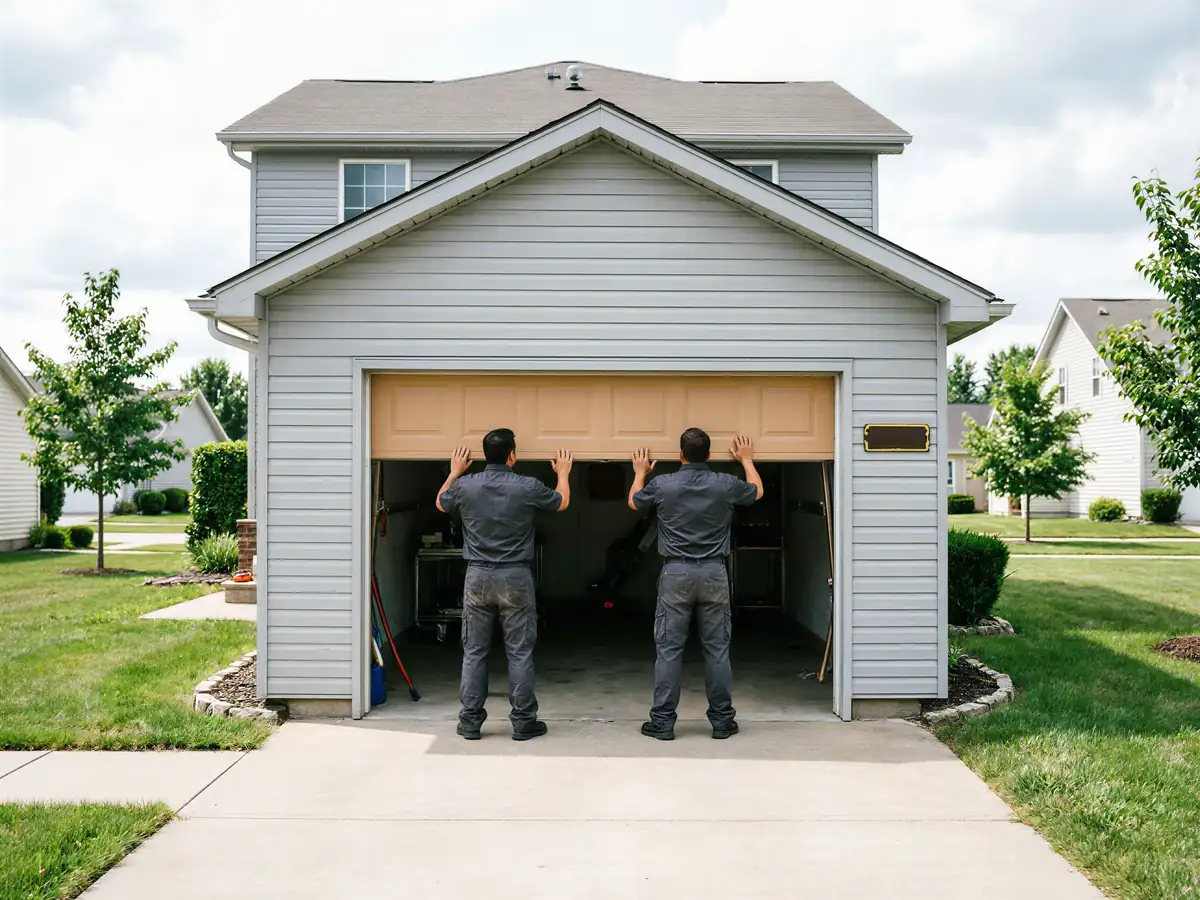
What Is on the Truck
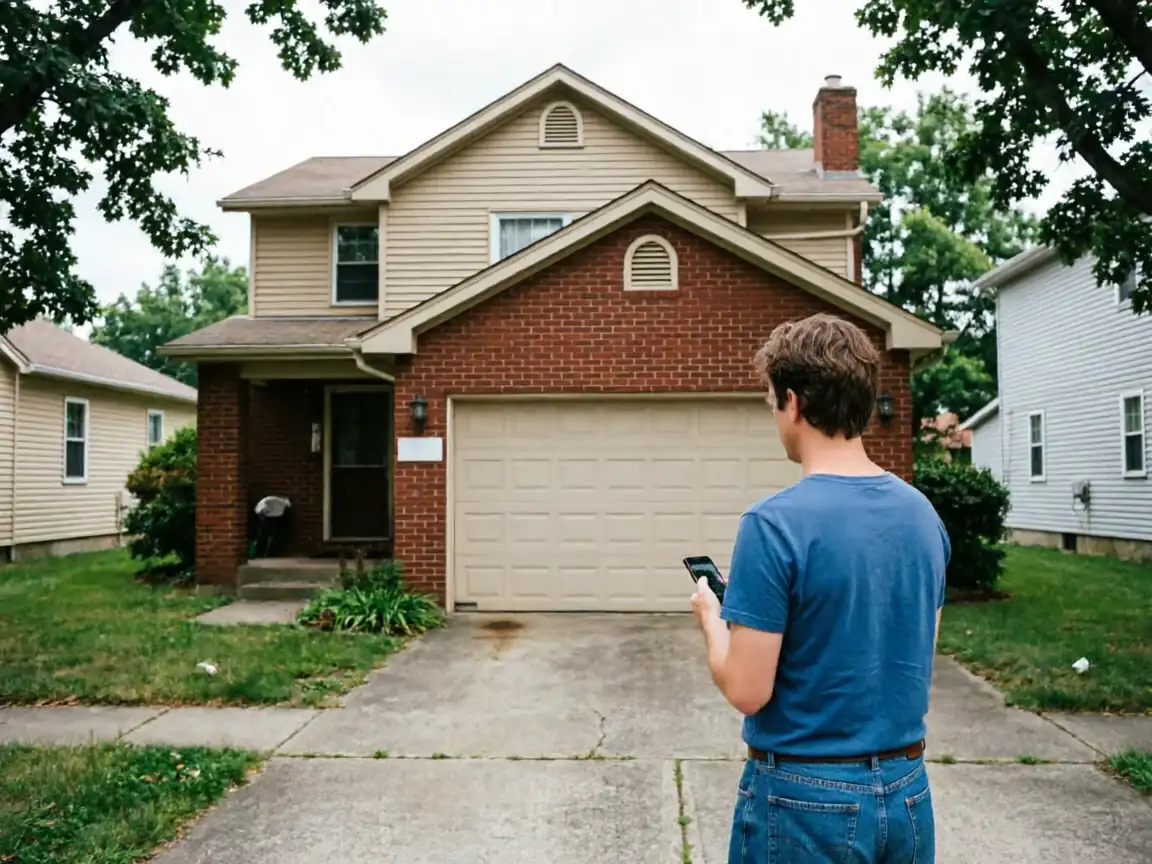
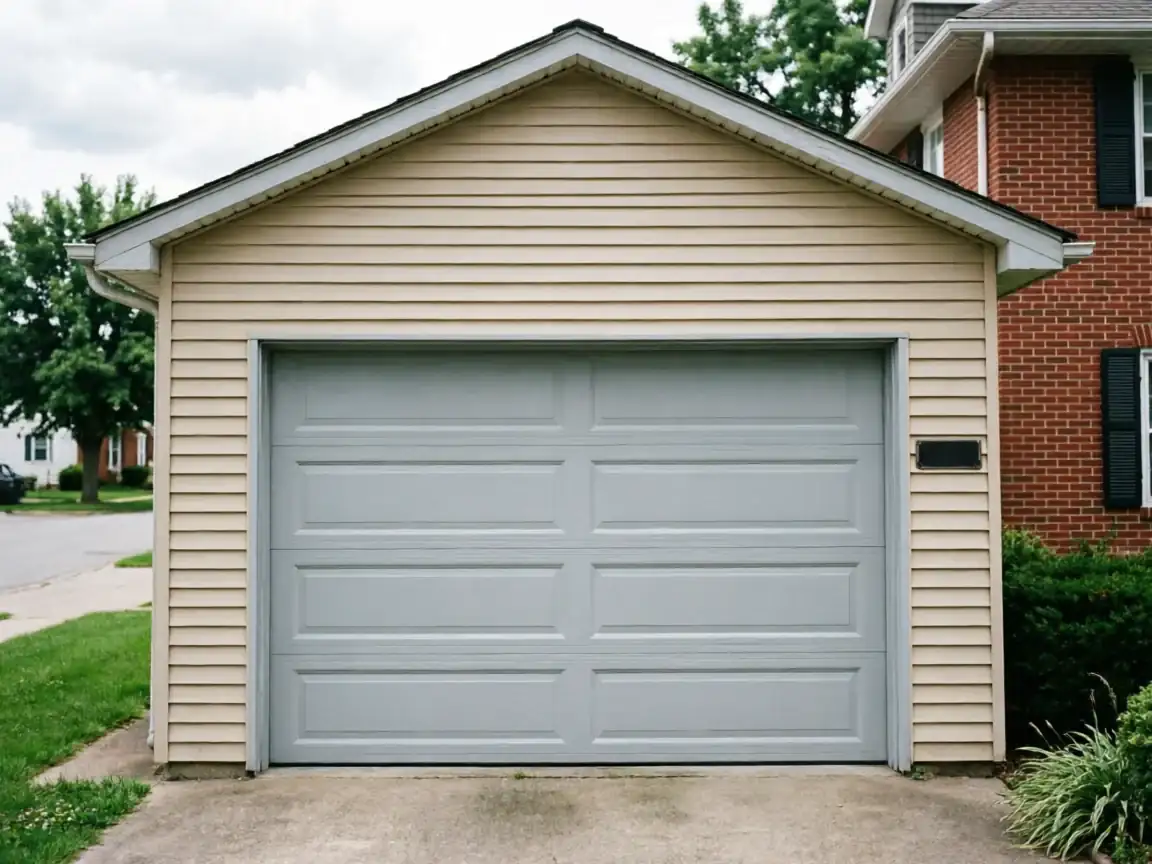
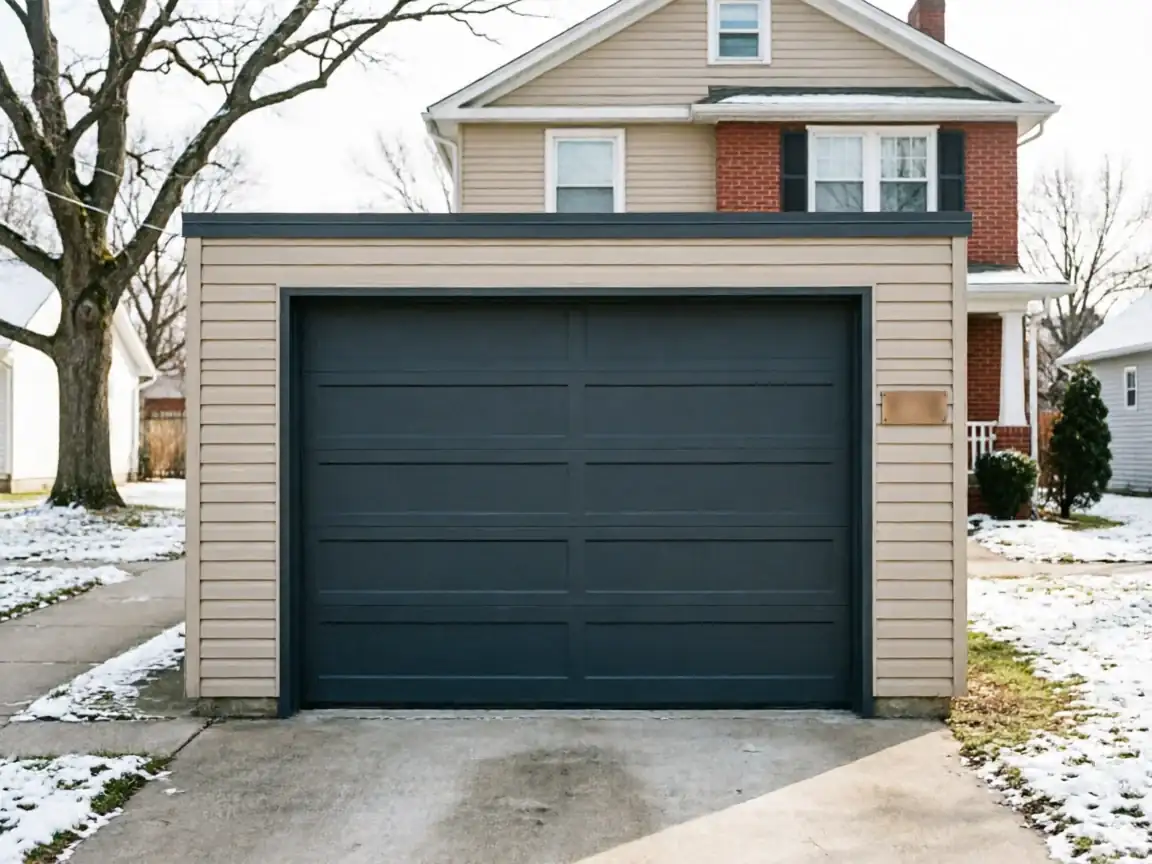
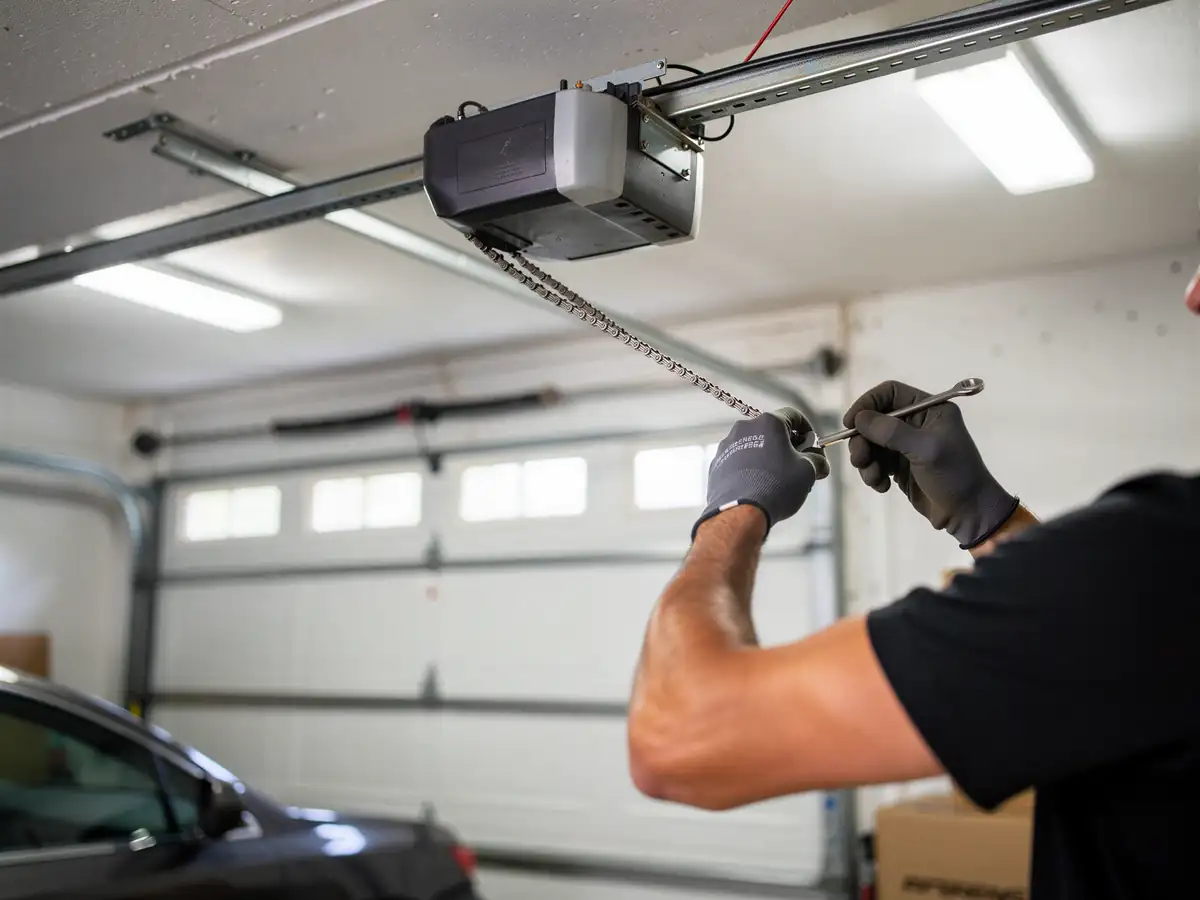
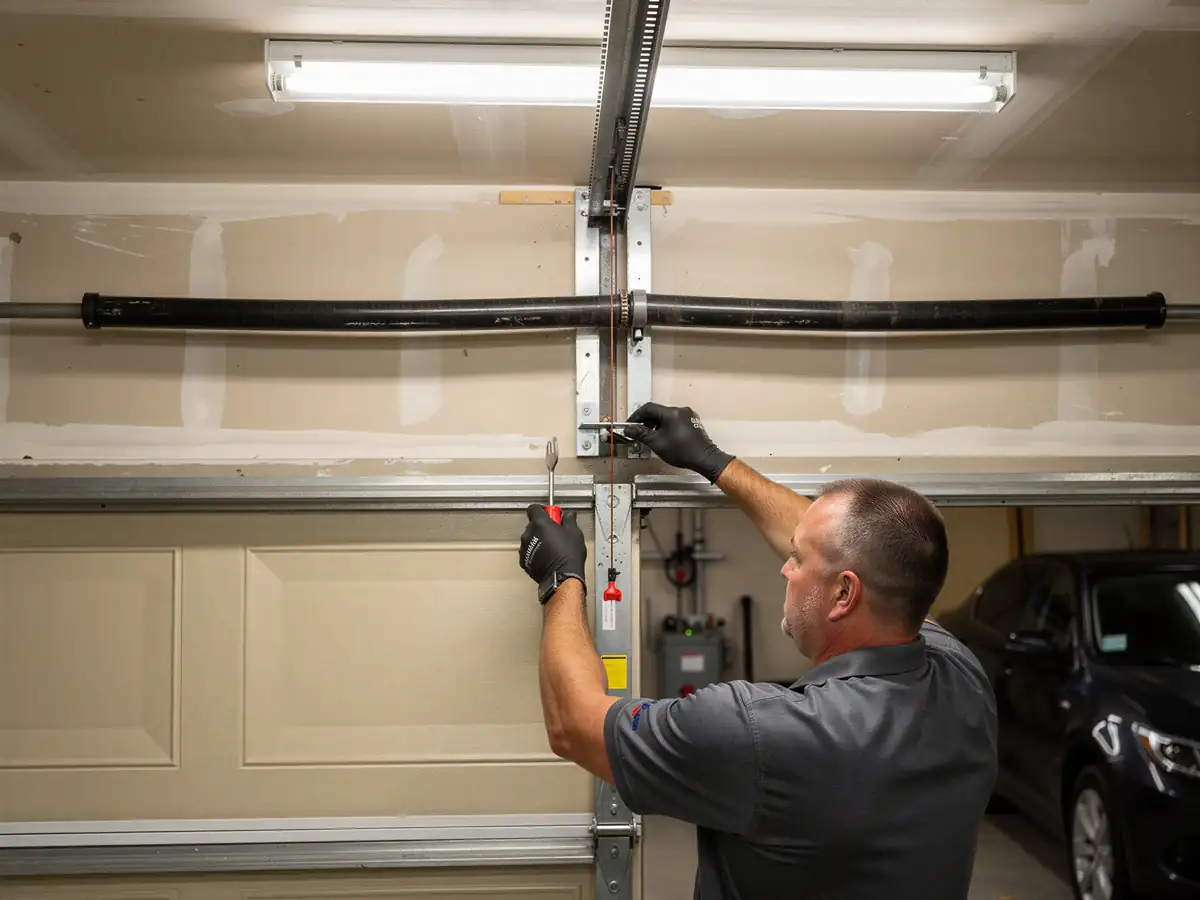
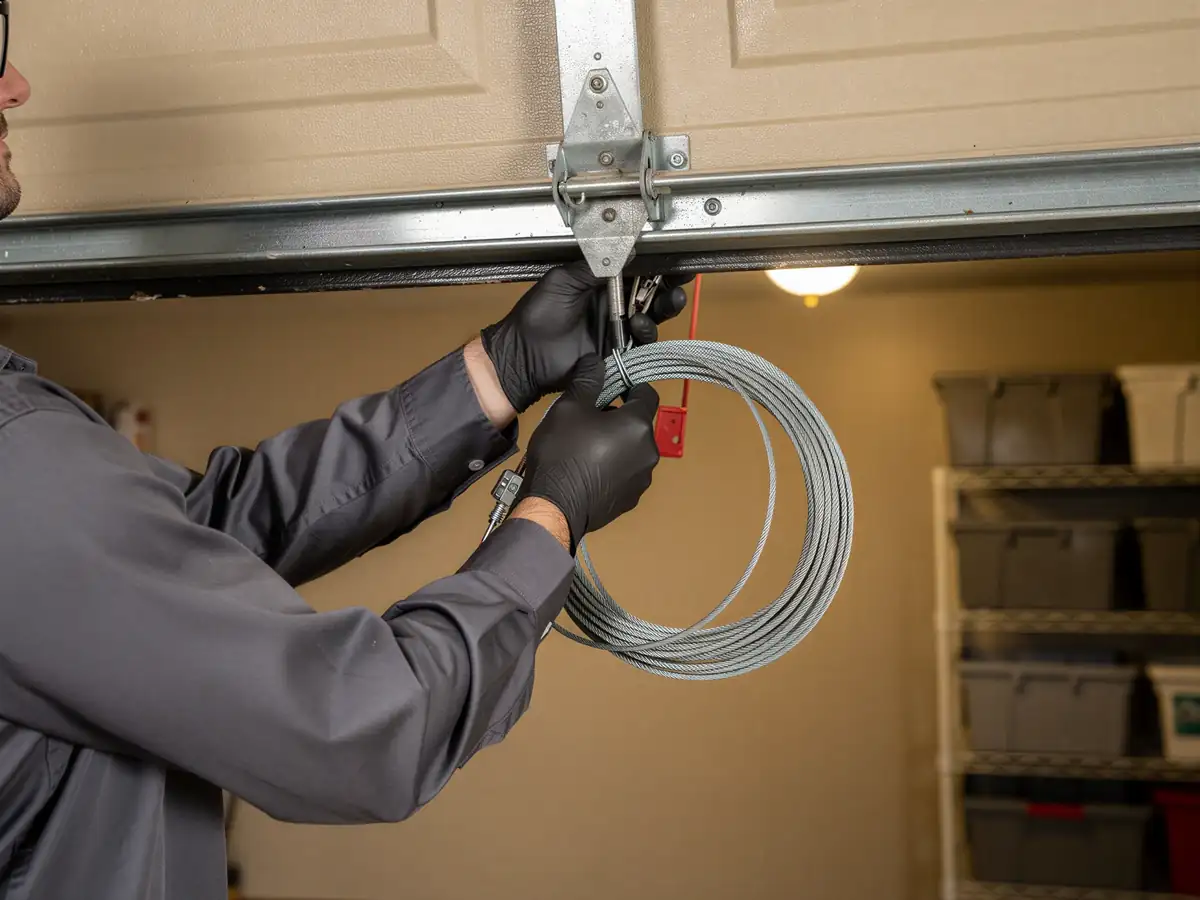
Johnston has about 9,552 households, smaller than Des Moines proper but big enough that we run a steady stream of install calls out here every month. What goes on the truck for a Johnston job looks different from a job in the older parts of the metro. Housing here mostly dates from the late 1990s through the 2000s, with a median build year of 2004, so we're not pulling parts for 1960s one-piece doors or old extension-spring setups. We carry standard steel sectional doors sized for builder-grade openings from that era, torsion spring kits rated for mid-weight insulated panels, and openers with rolling-code receivers that match the wiring already run through these garages. Johnston sits in the same cold-moderate climate band as the rest of the Des Moines area, so an insulated door with a real R-value is the default recommendation here, not an upsell we're pushing.
Why This Fails Locally
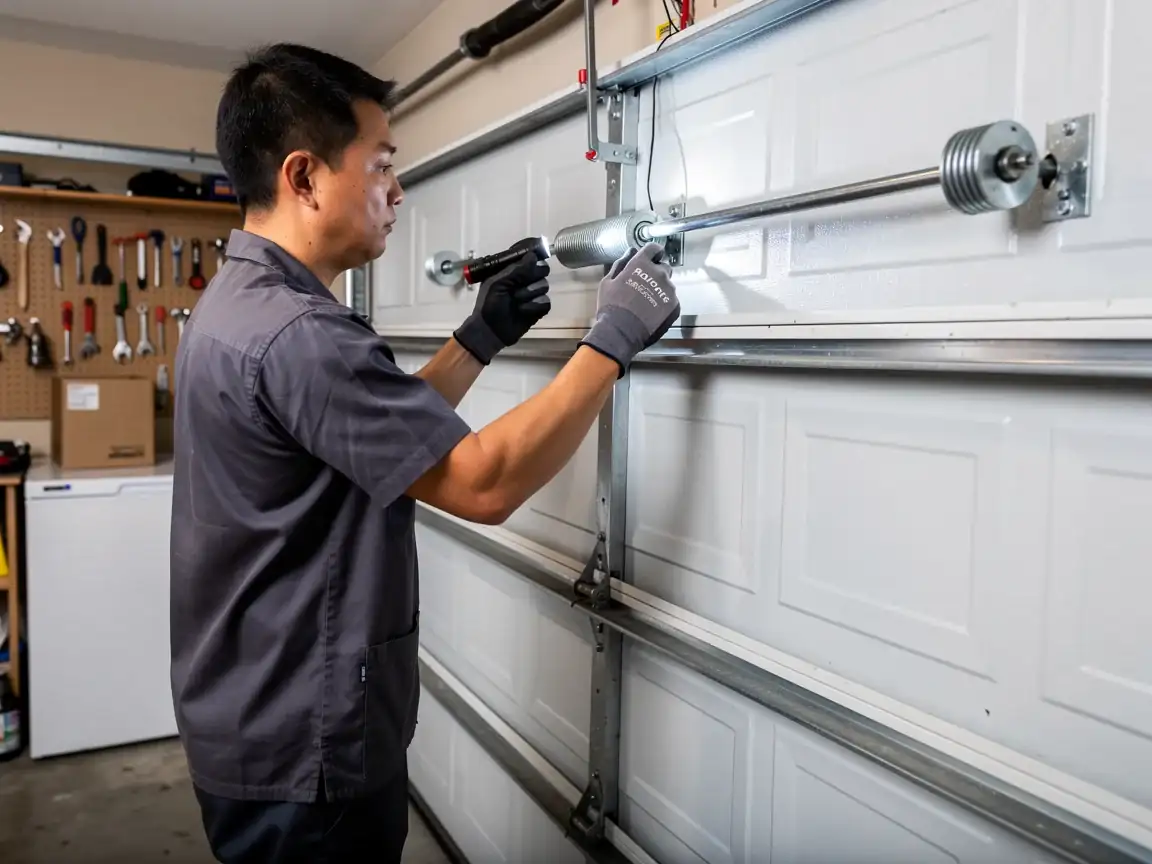
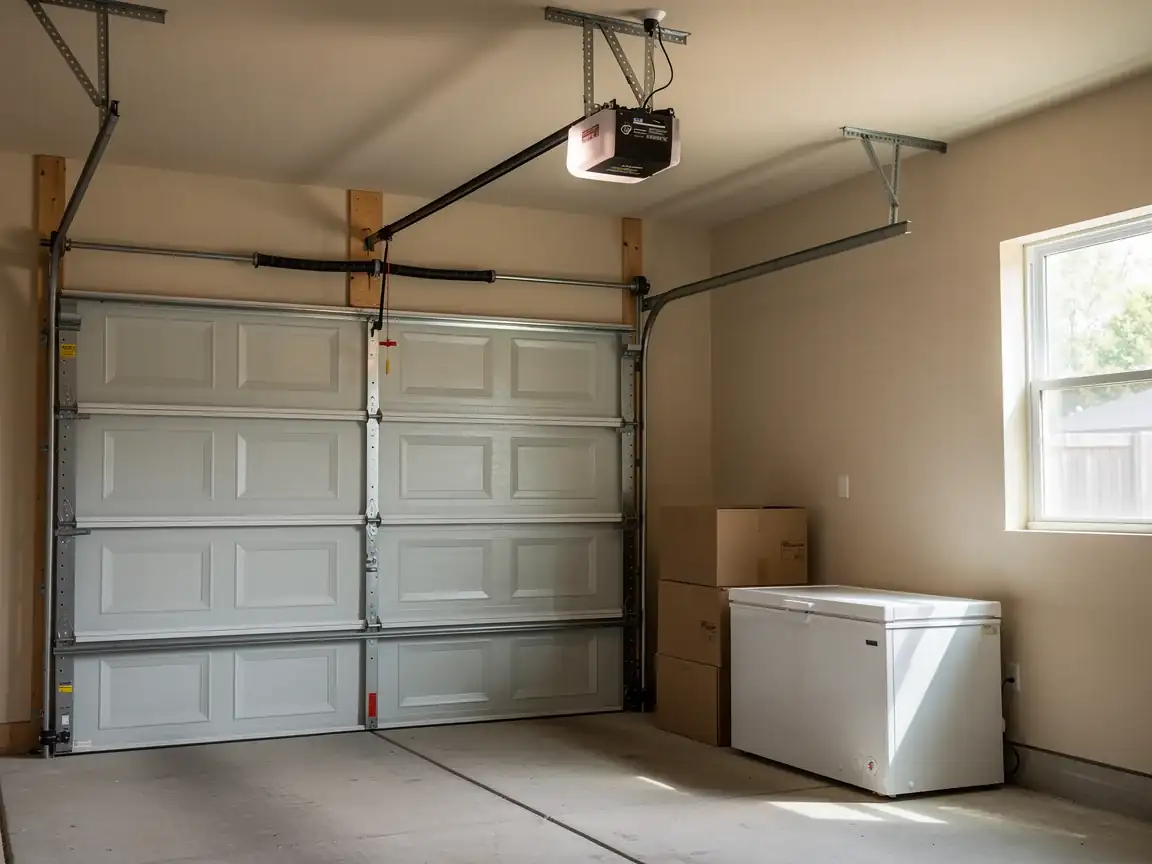
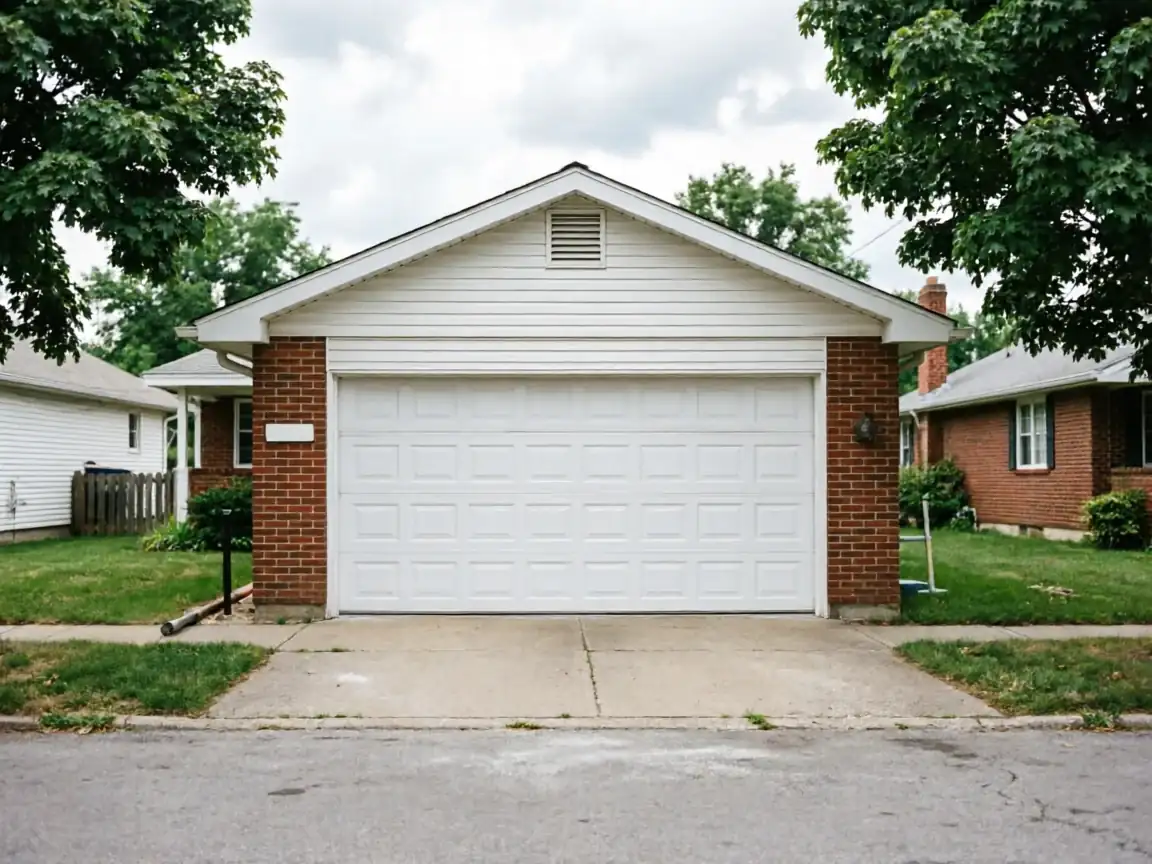
A door that's fine in an older Des Moines house can be the wrong call in Johnston, and the reverse is true too. Most garages out here were built with pre-hung steel jambs sized for a specific door width and a fixed headroom, often tighter than stock closer to downtown, because builders in that era standardized truss height across a subdivision to hold down cost. Swap in a panel that's a half-inch off on thickness and the track brackets won't line up without reworking the jamb. The cold-moderate climate the whole metro sits in means torsion springs here see real freeze-thaw cycling every winter, and a spring sized for a milder climate undersizes fast. That's true anywhere in the service area, but it matters more on these newer doors because owners expect 15 to 20 years out of a 2004-era install and are now hitting that number right on schedule. Setting the opener's safety sensor height to match the slightly different floor-to-rail clearance in these builder-grade garages is the other local trap. It passes a quick test, then trips the reversal sensor six months later.
The Symptom
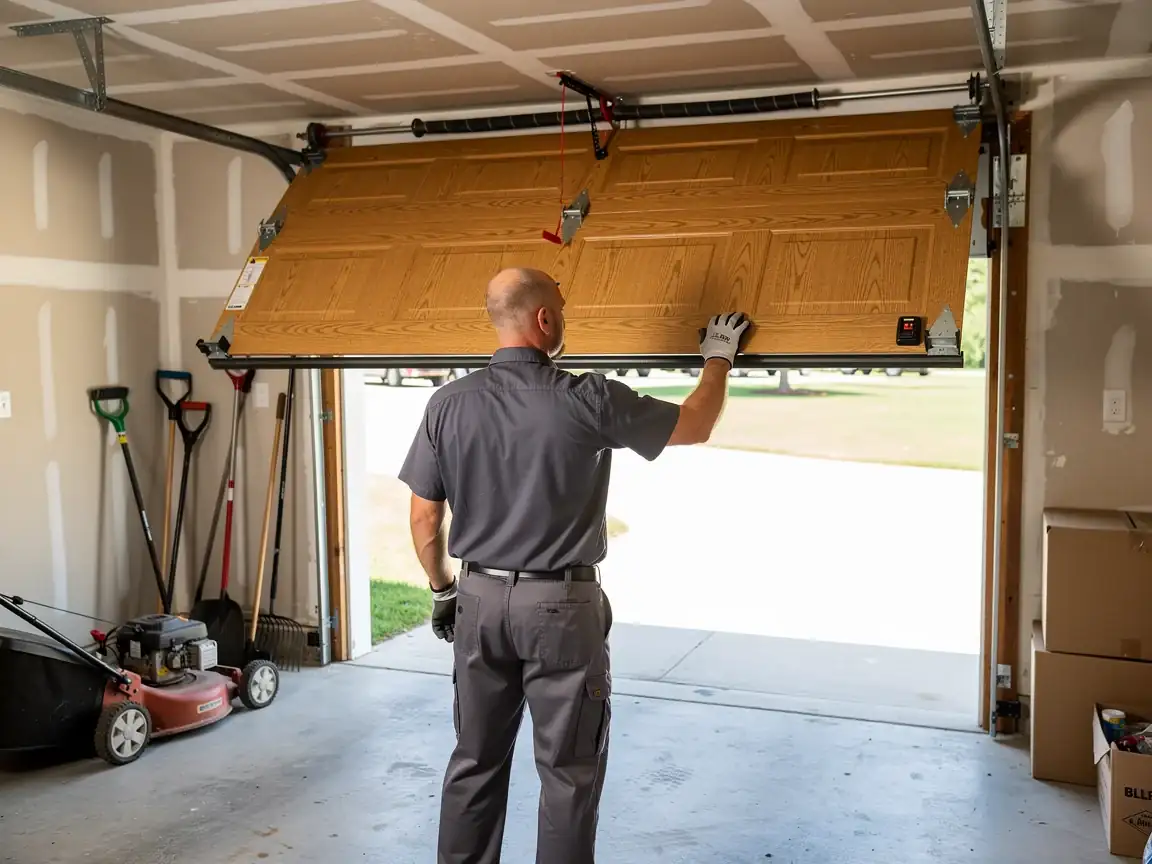
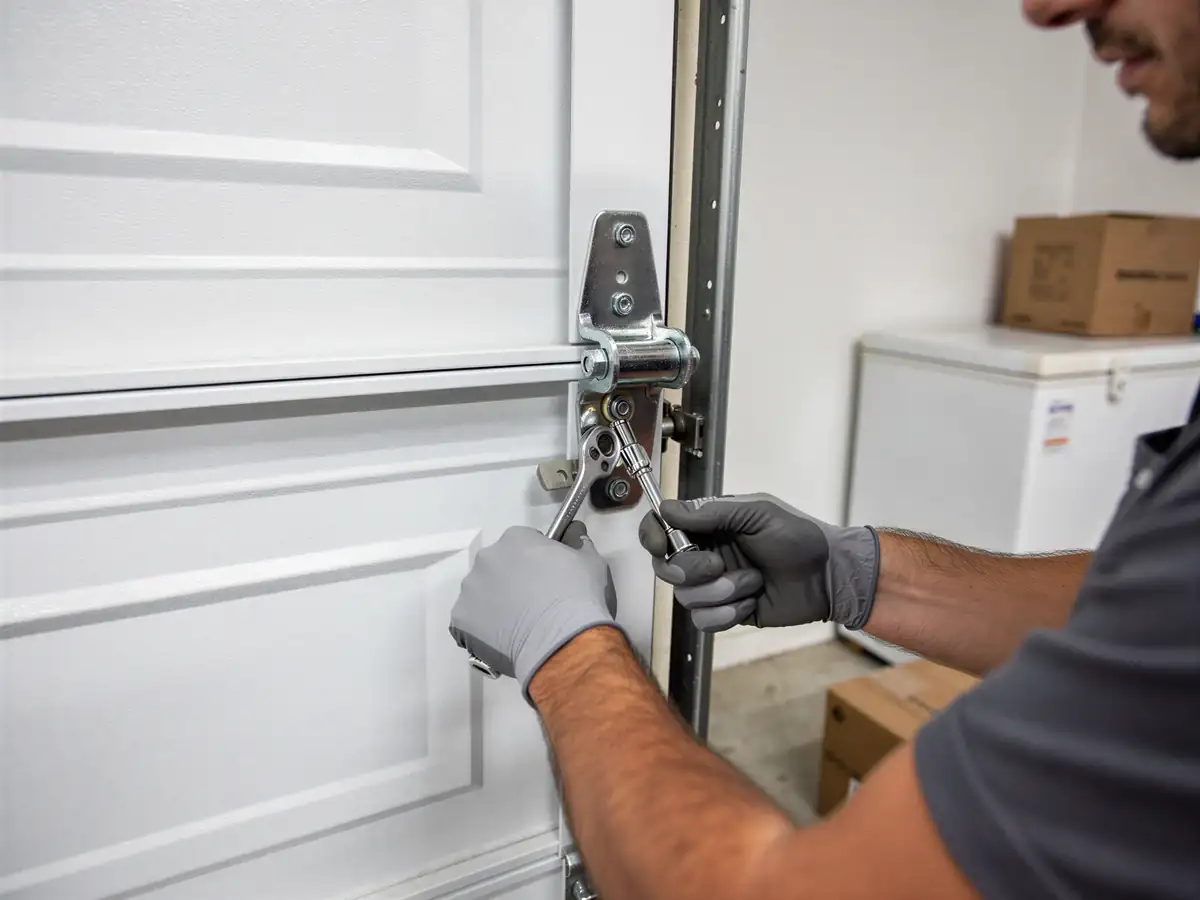
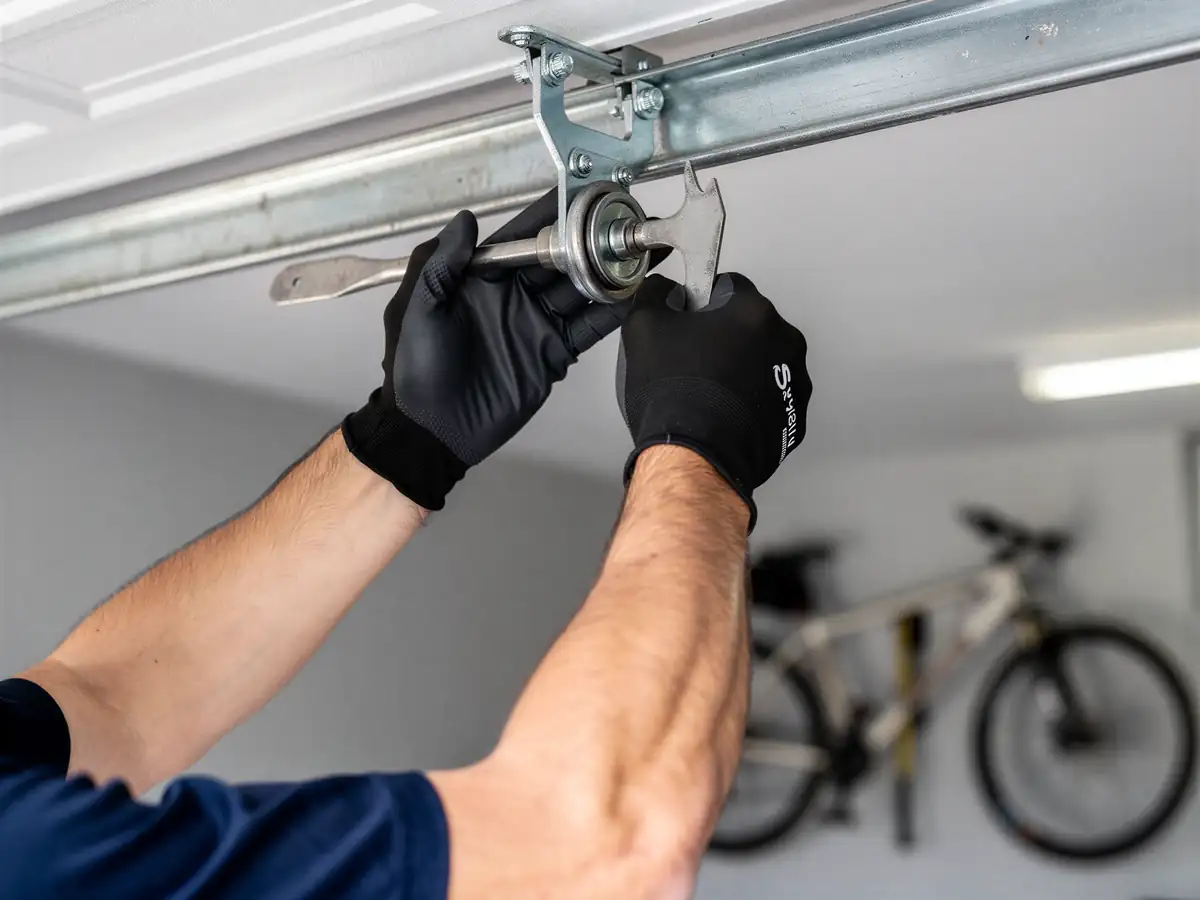
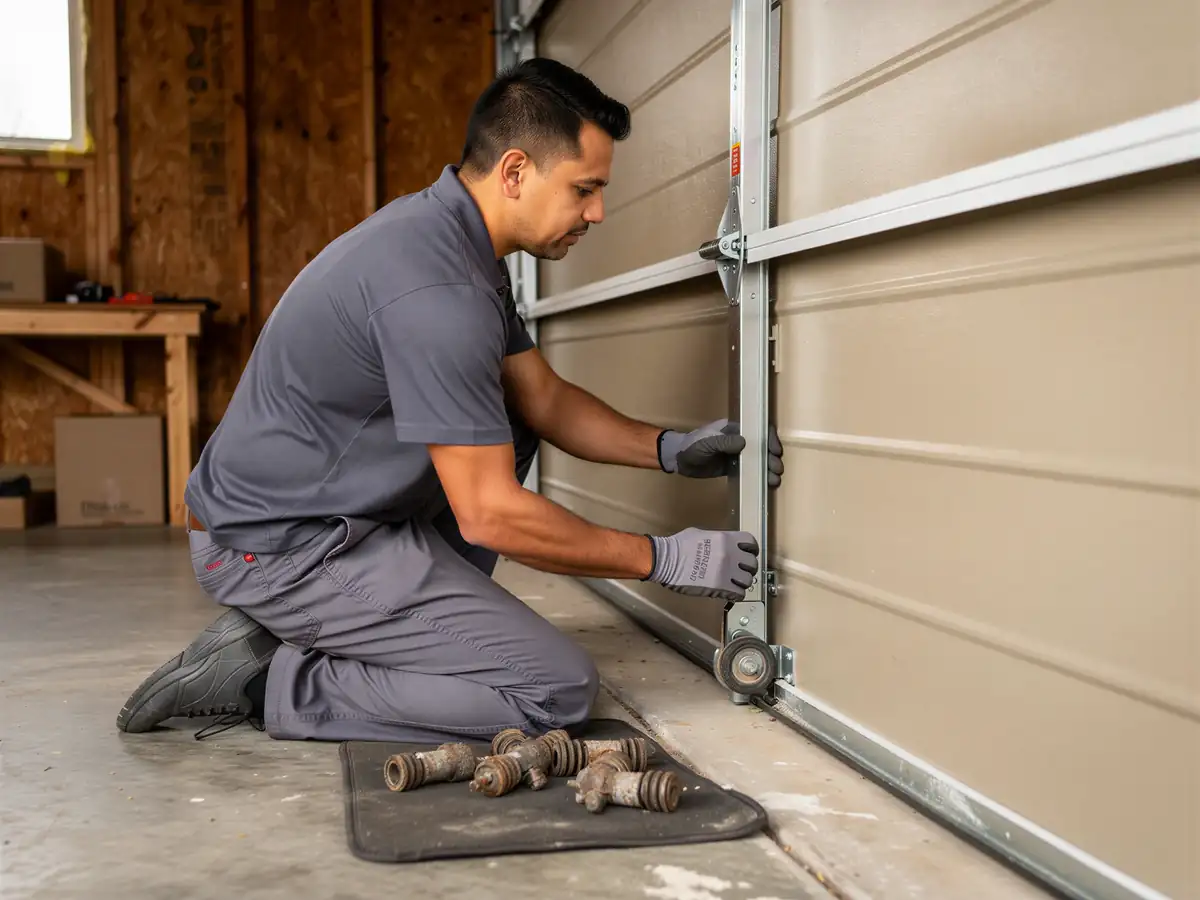
The call we get most from Johnston starts the same way: the door sticks about a foot off the floor, then jerks the rest of the way up. That's a builder-grade door from the early-to-mid 2000s telling you the rollers are worn and the track is bowing slightly under a spring that's lost tension. With a median build year of 2004, a lot of these doors are now pushing twenty years old, right about where steel rollers on plastic bushings start binding and the original torsion spring runs out of cycles. The fix isn't always a new door. If the panels are straight and the track is sound, a spring and roller replacement gets another decade out of a door that's otherwise fine, for a fraction of a full install. We'll tell you that straight if that's what we find, even though an install pays more. If the bottom panel is cracked or the frame has racked over the years, that's when replacement actually makes sense.