What Is on the Truck
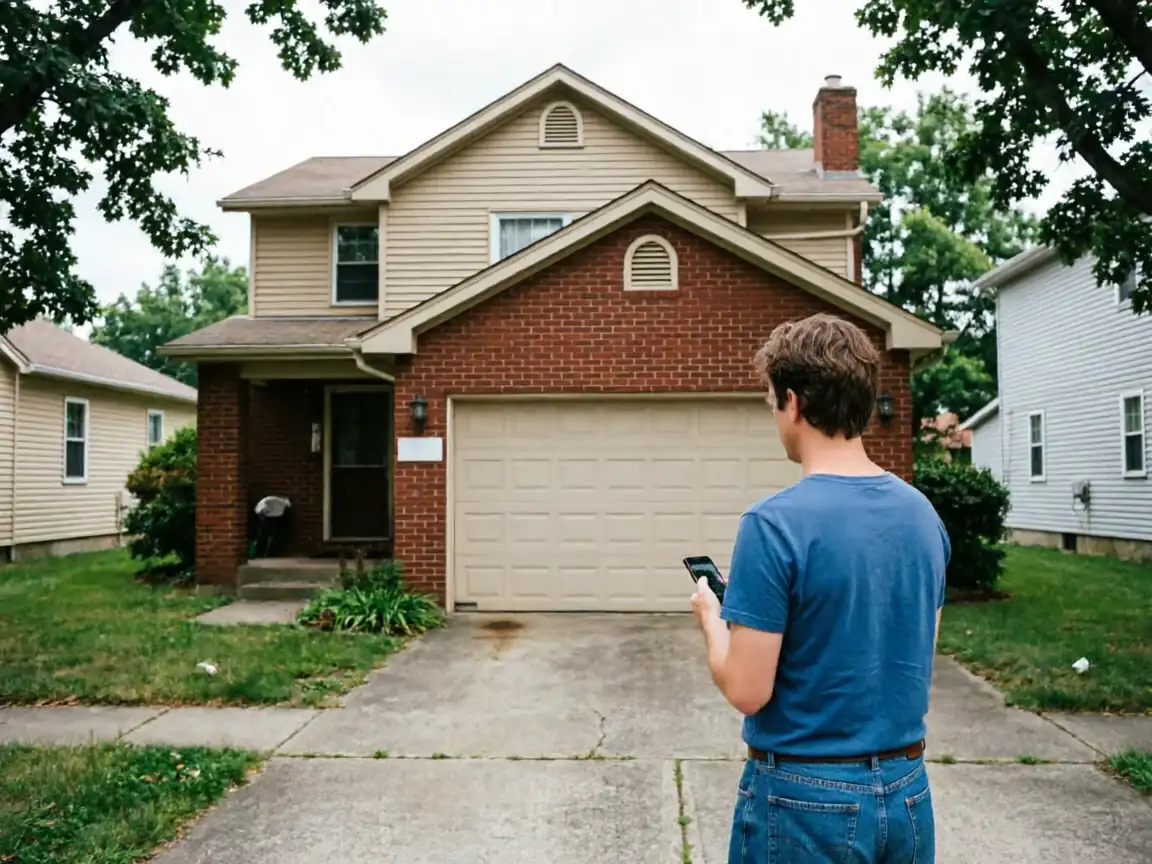
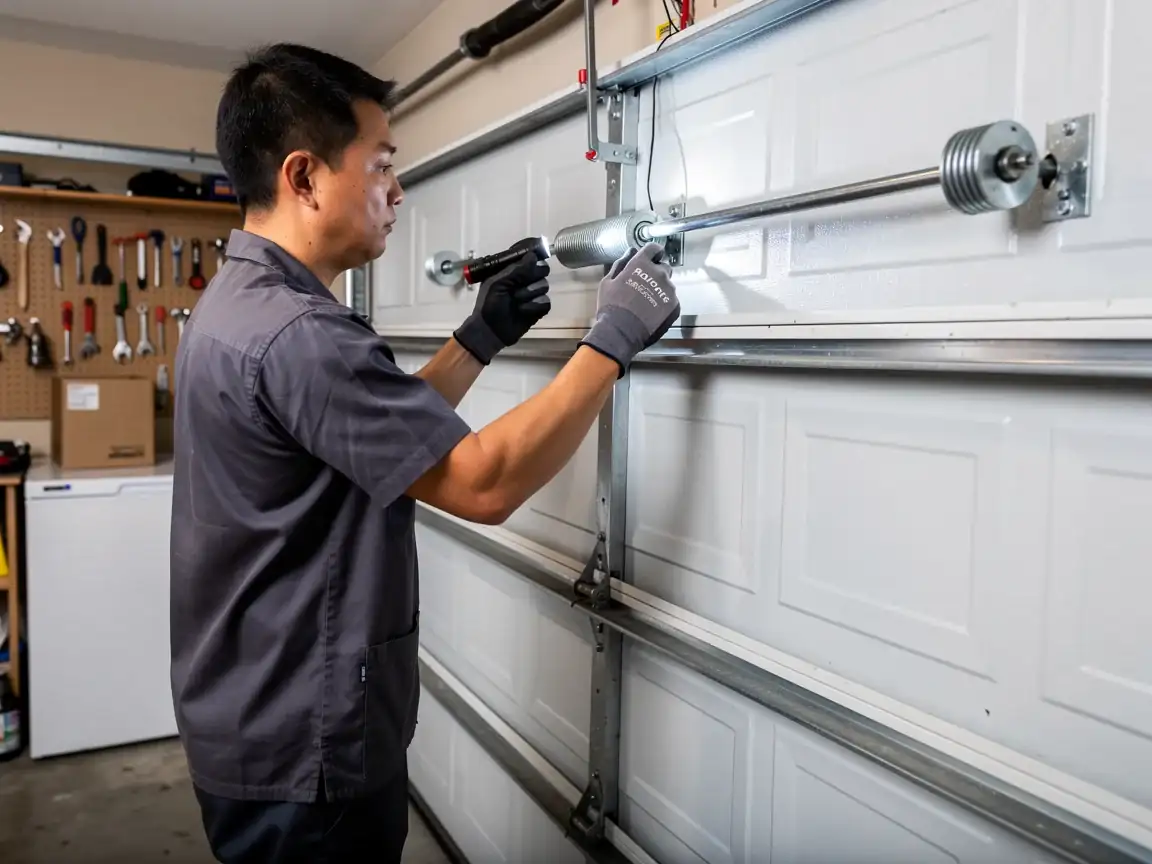
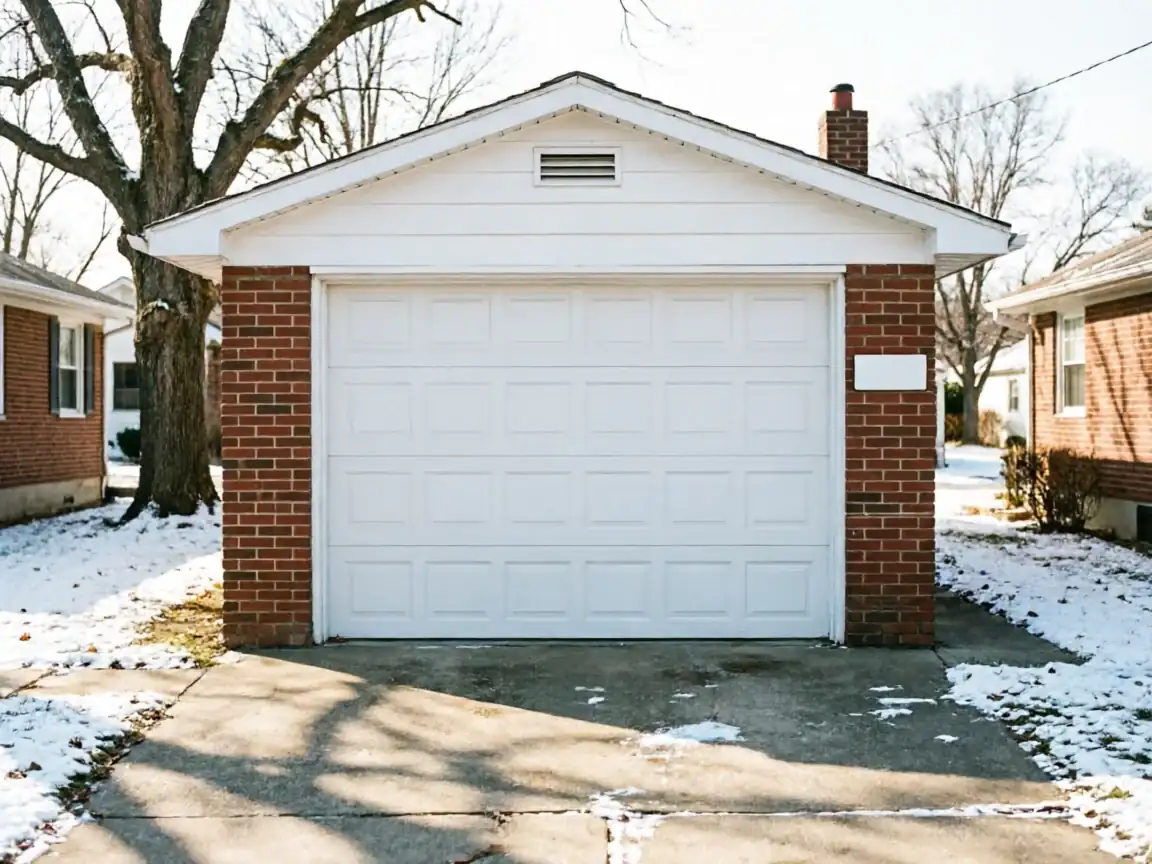
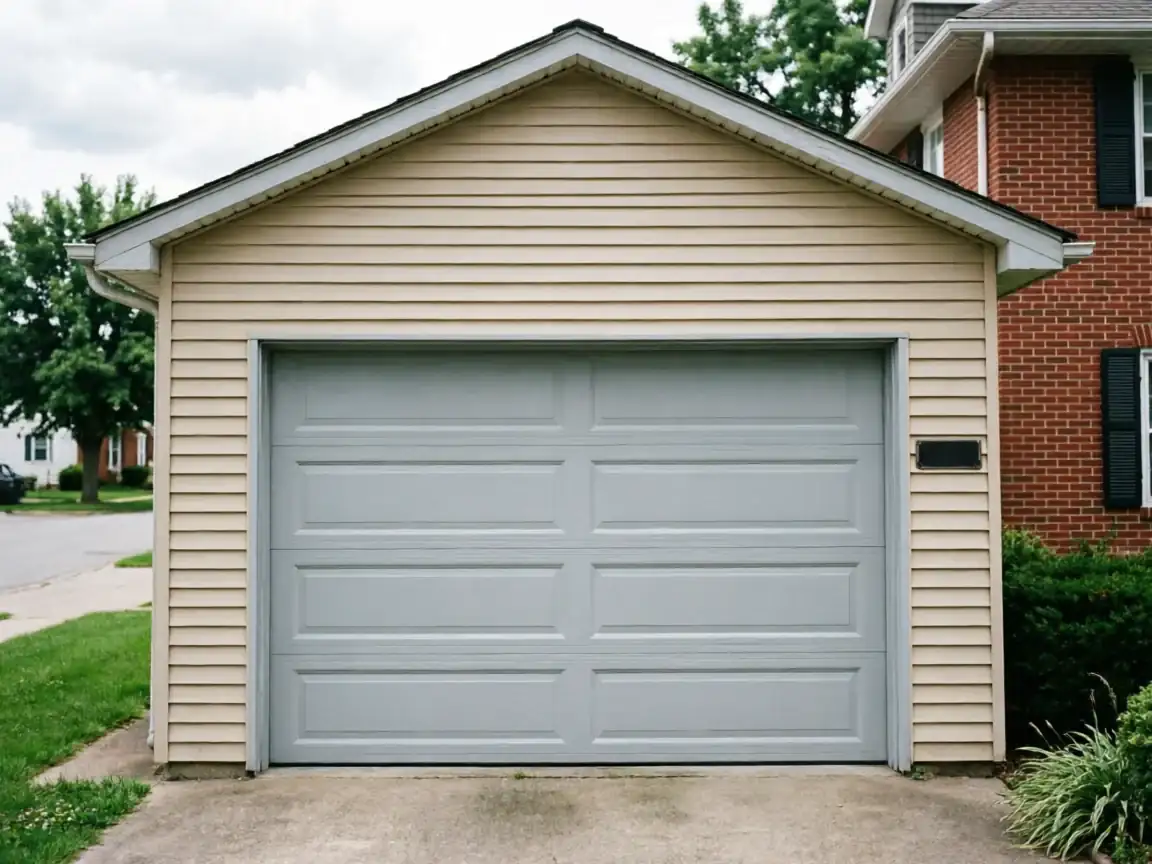
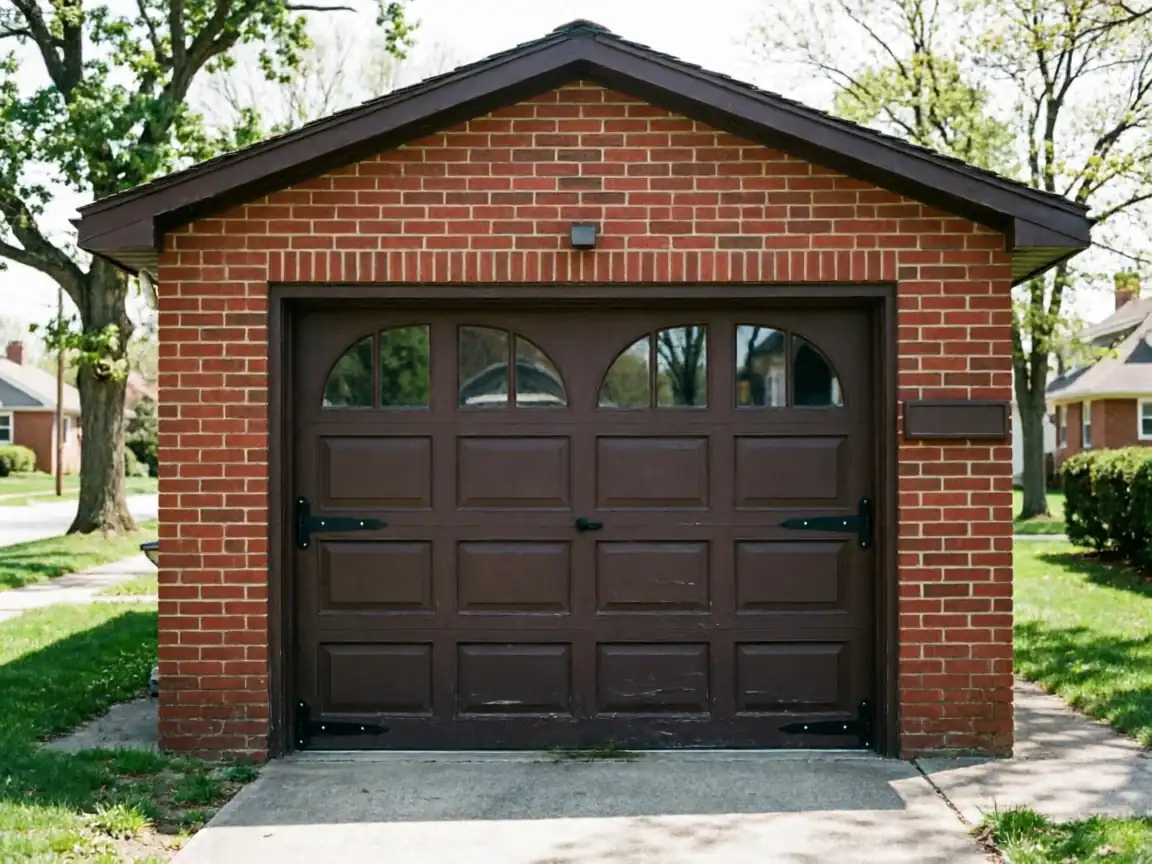
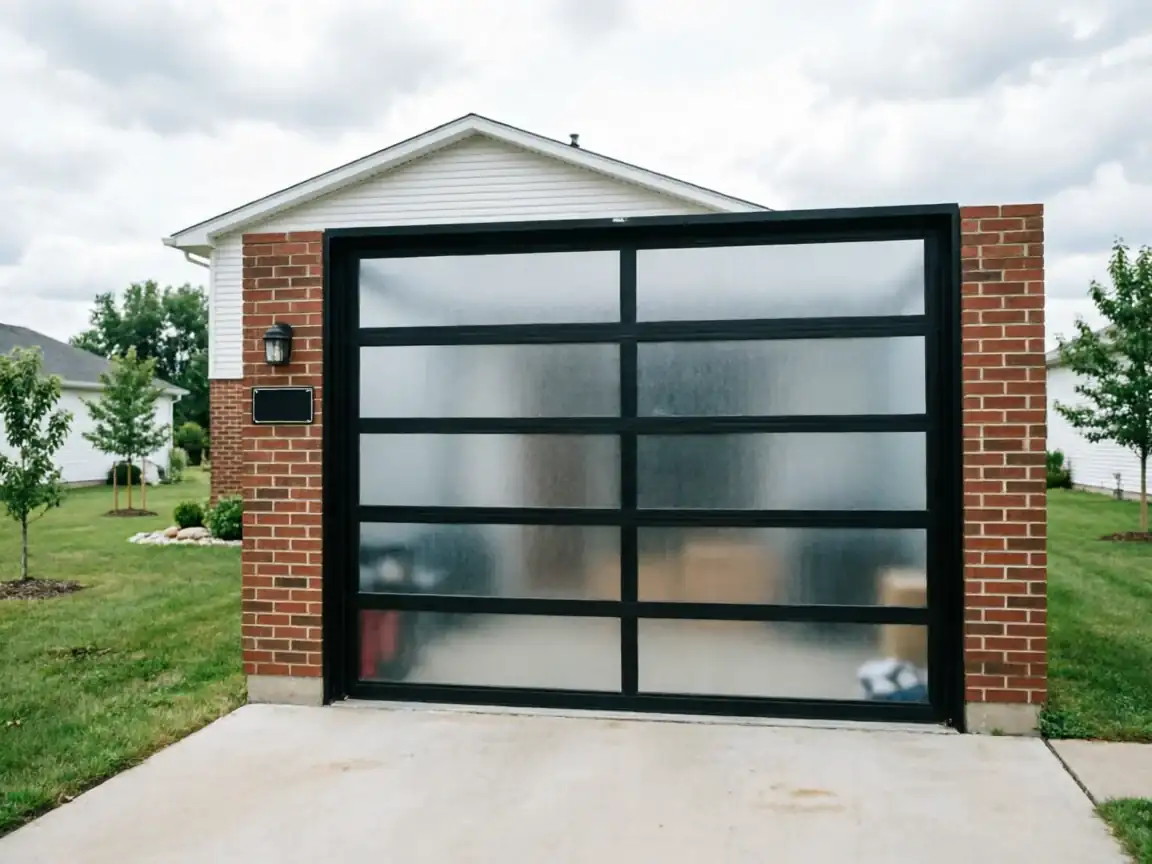
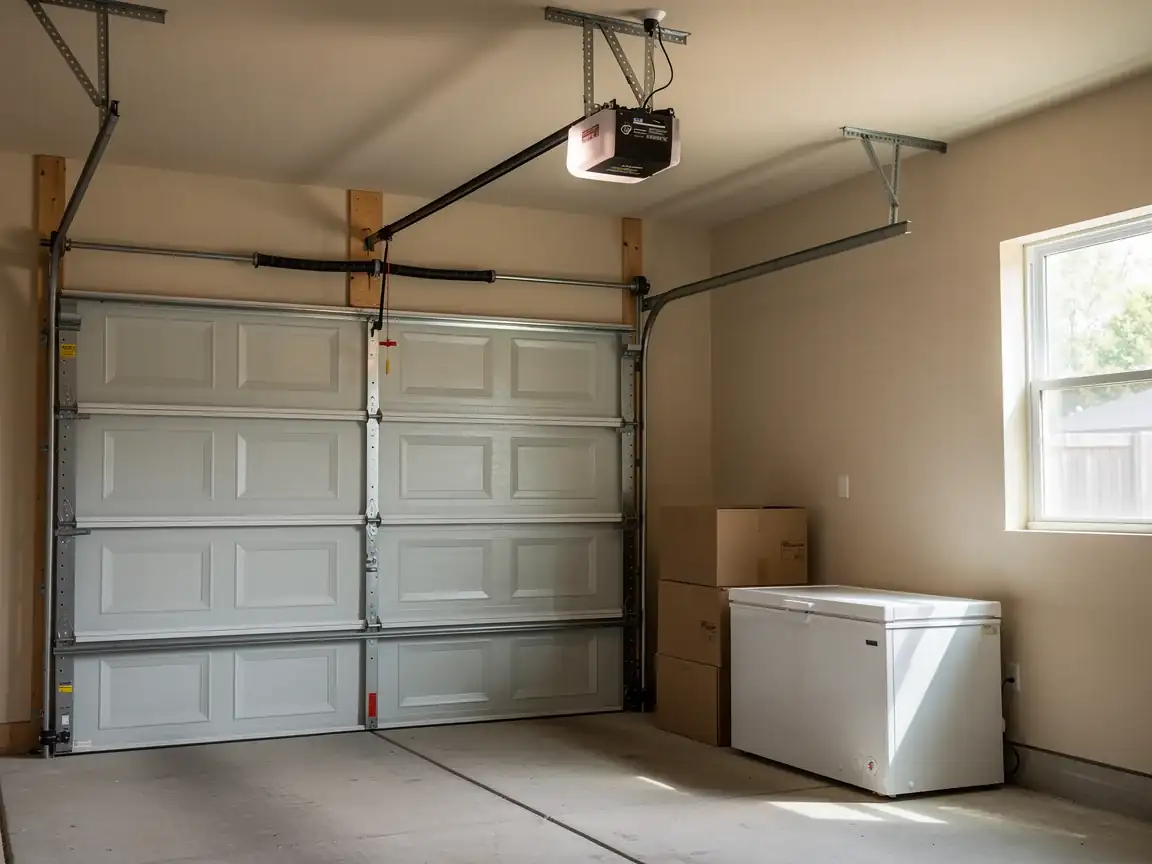
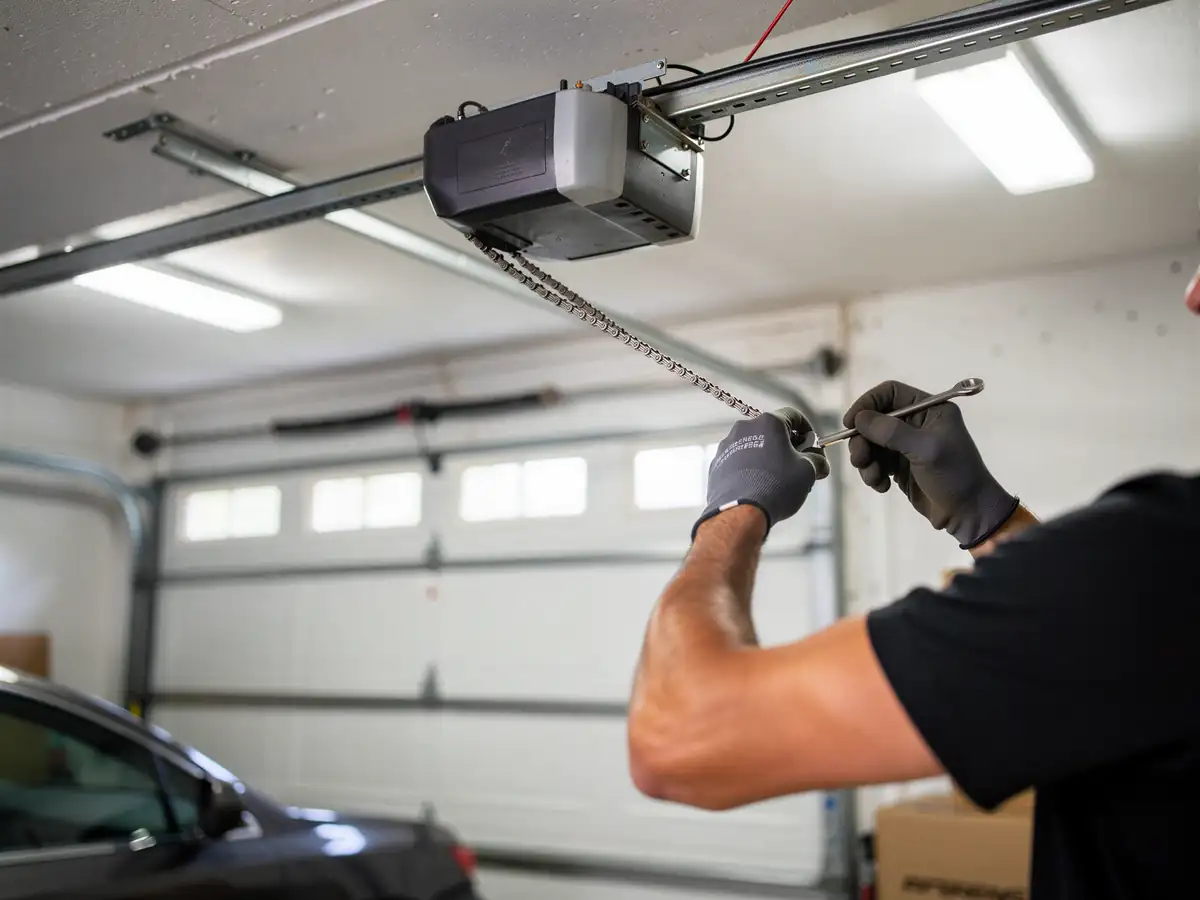
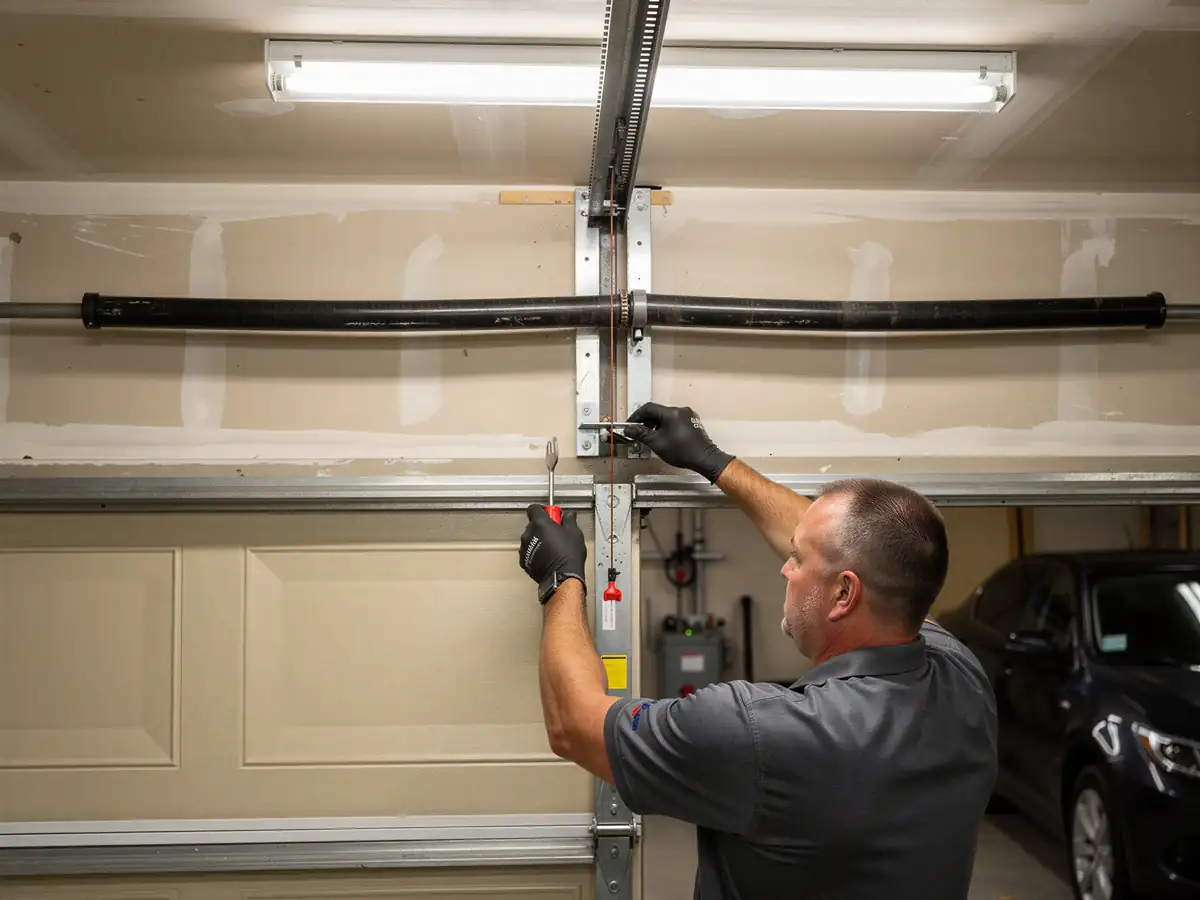
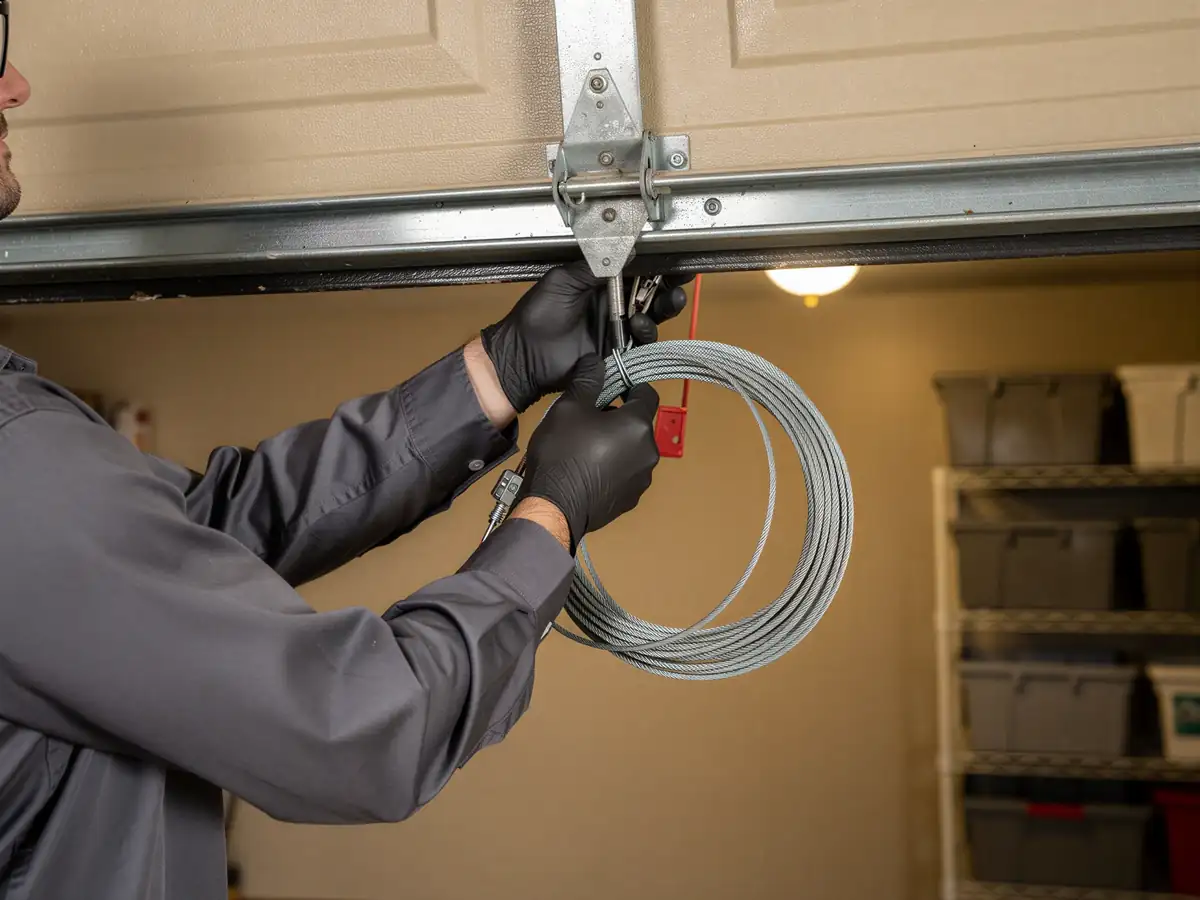
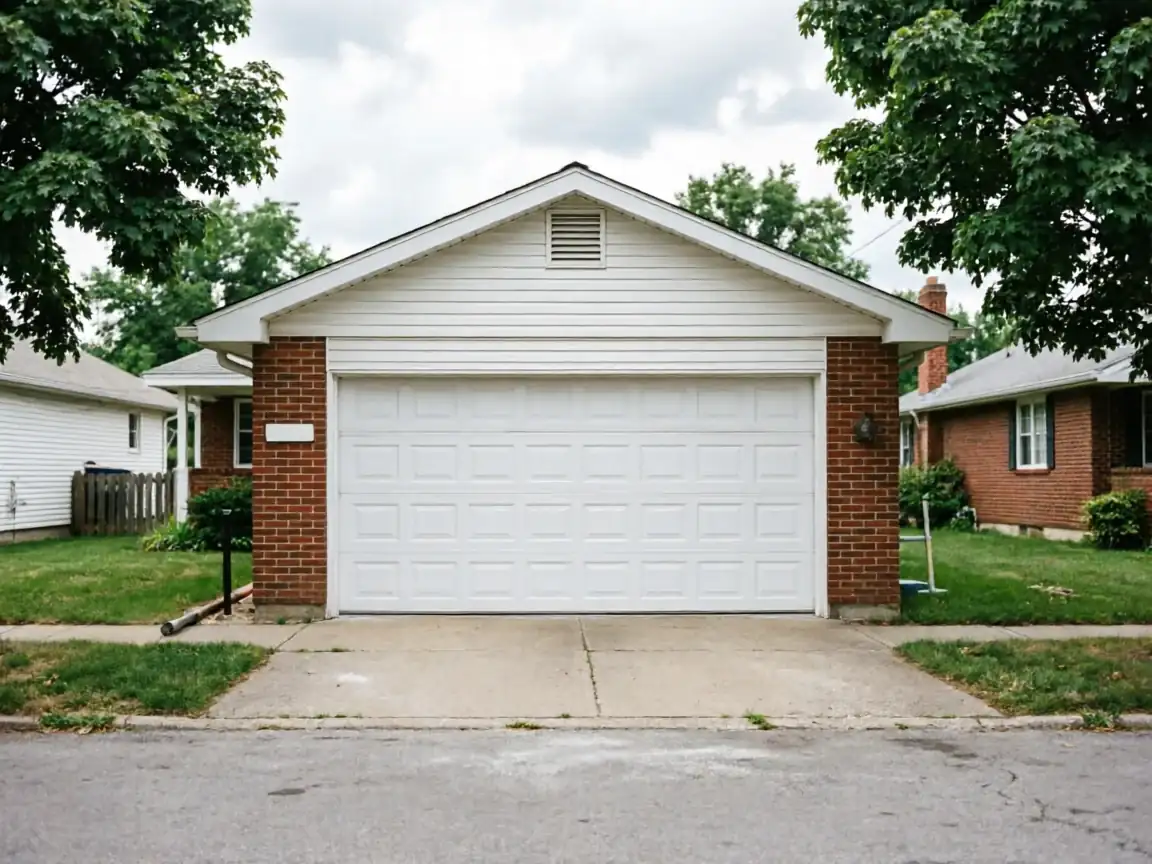
Johnston sits about 10 miles from our shop in Des Moines, and that drive shapes what we load before we leave. A call out here almost never turns into a trip home for a part. Johnston's housing stock is newer than the service area as a whole - across the broader area homes run from 1959 to 2009 with a median year built of 1995, but Johnston itself skews younger, with most of the neighborhood built around 2004. That means fewer old extension-spring setups and a lot more factory-installed torsion systems paired with mid-2000s belt and chain openers. We carry the circuit boards, logic boards, and standard-wound torsion springs that match that generation of hardware, plus the wall console and remote pairs that tend to fail around the 15-20 year mark those openers are now hitting. What we don't load for a Johnston call is the older flat-wire spring stock or the knob-and-tube style safety sensors you'd expect on a pre-1990 door - because we're rarely going to need them out here. Knowing the housing era before we leave the shop means one trip, not two.
Why This Fails Locally
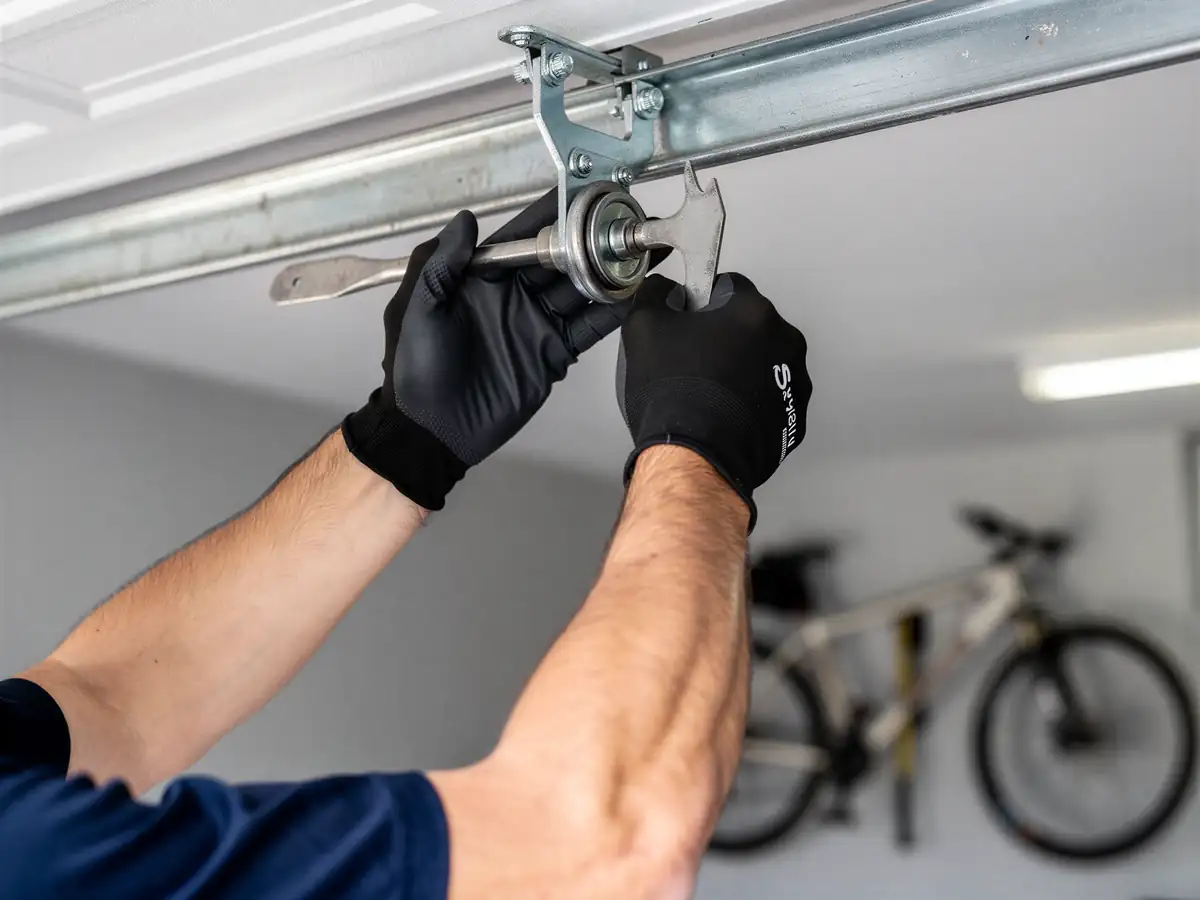
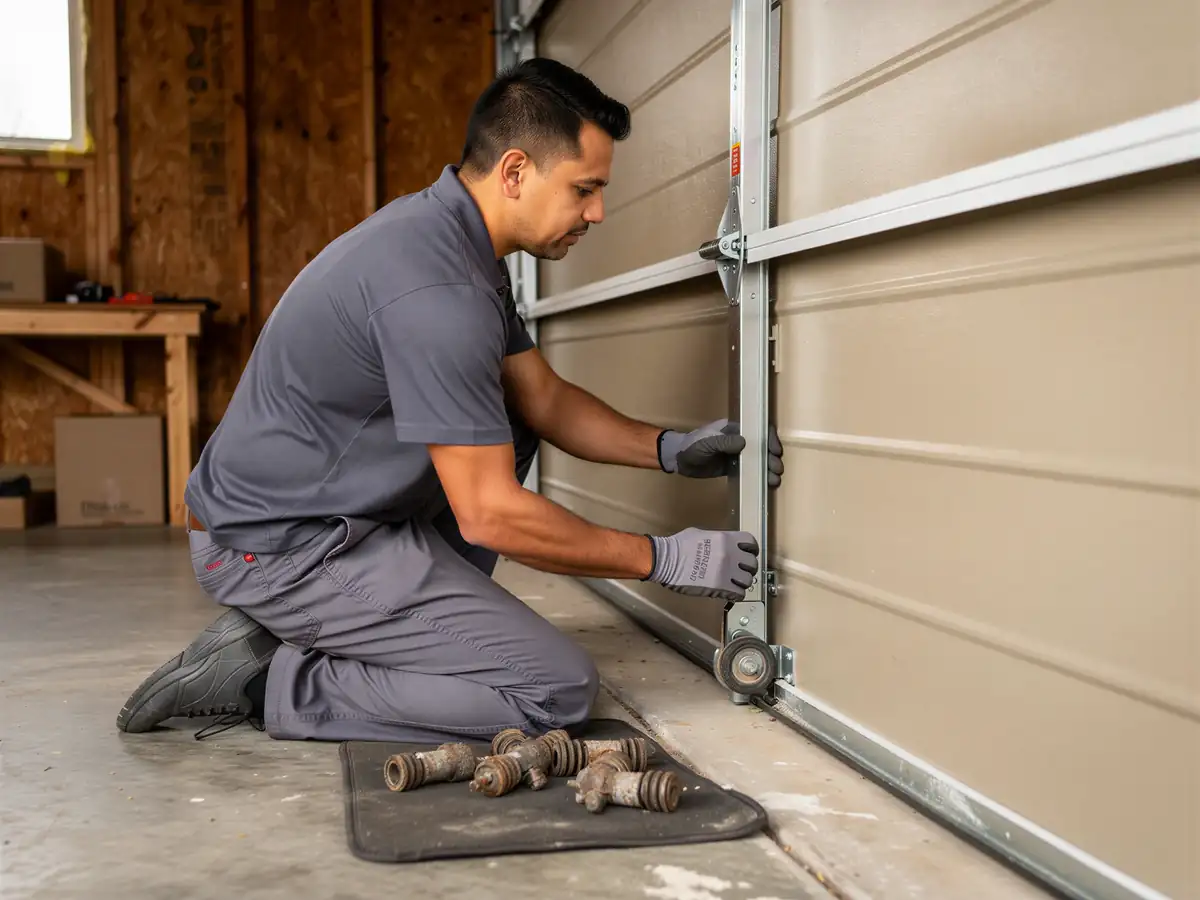
Central Iowa sits in a cold, moderate climate band, and that matters more for a 2004-built door than people expect. Builders in this era commonly used steel rollers and standard nylon bushings rather than the sealed ball-bearing rollers now common, and in freeze-thaw swings those bushings stiffen and bind at the track seam faster than newer hardware does. On a household income here running higher than the wider service area's median - Johnston's median household income is $103,430 against roughly $98,333 across the broader area - a fair number of these houses also run insulated steel doors with a polystyrene core, which is the right call for a cold-winter build but means a bent panel from a car bump doesn't flex back; it cracks the foam and has to be replaced, not hammered out. The failure pattern we see out here isn't the torsion spring snapping cold the way it does on an older door - it's the opener's travel limits drifting after a winter of the door sticking slightly at the bottom seal, which the opener reads as resistance and eventually refuses to push through.
The Symptom
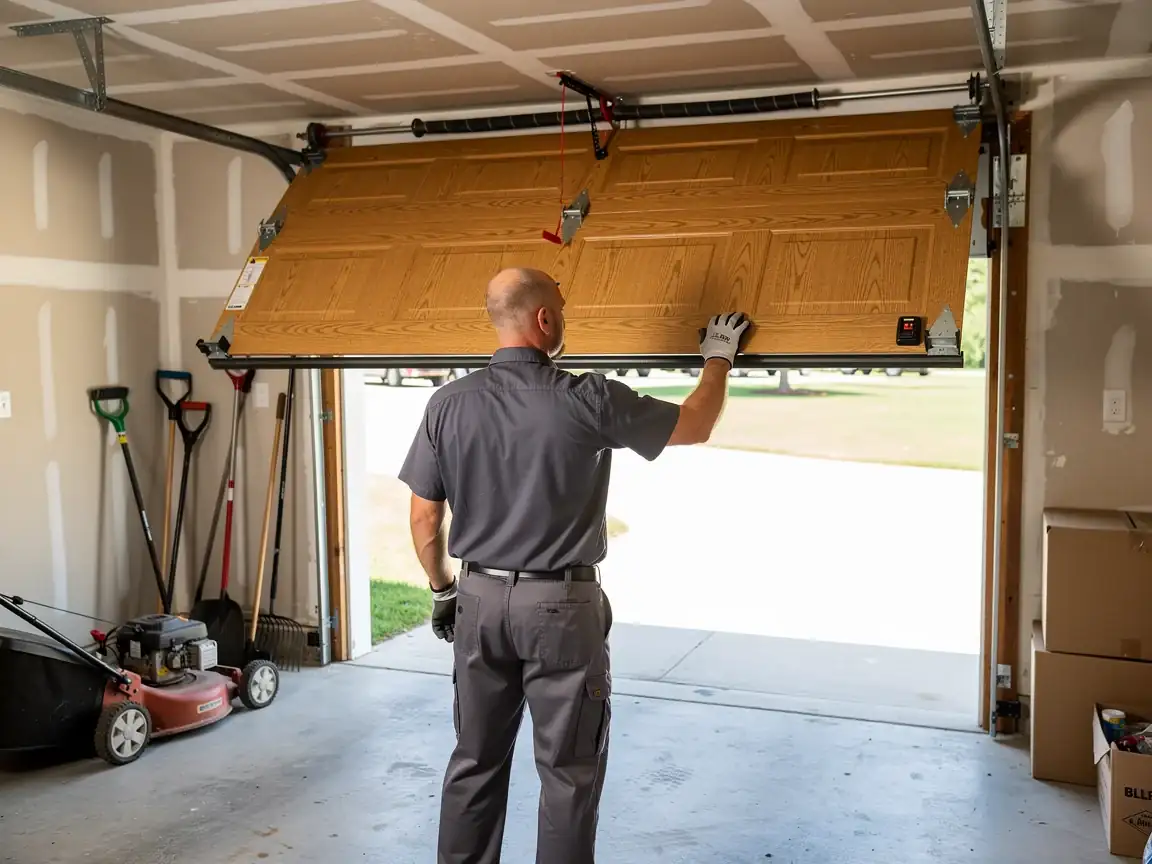
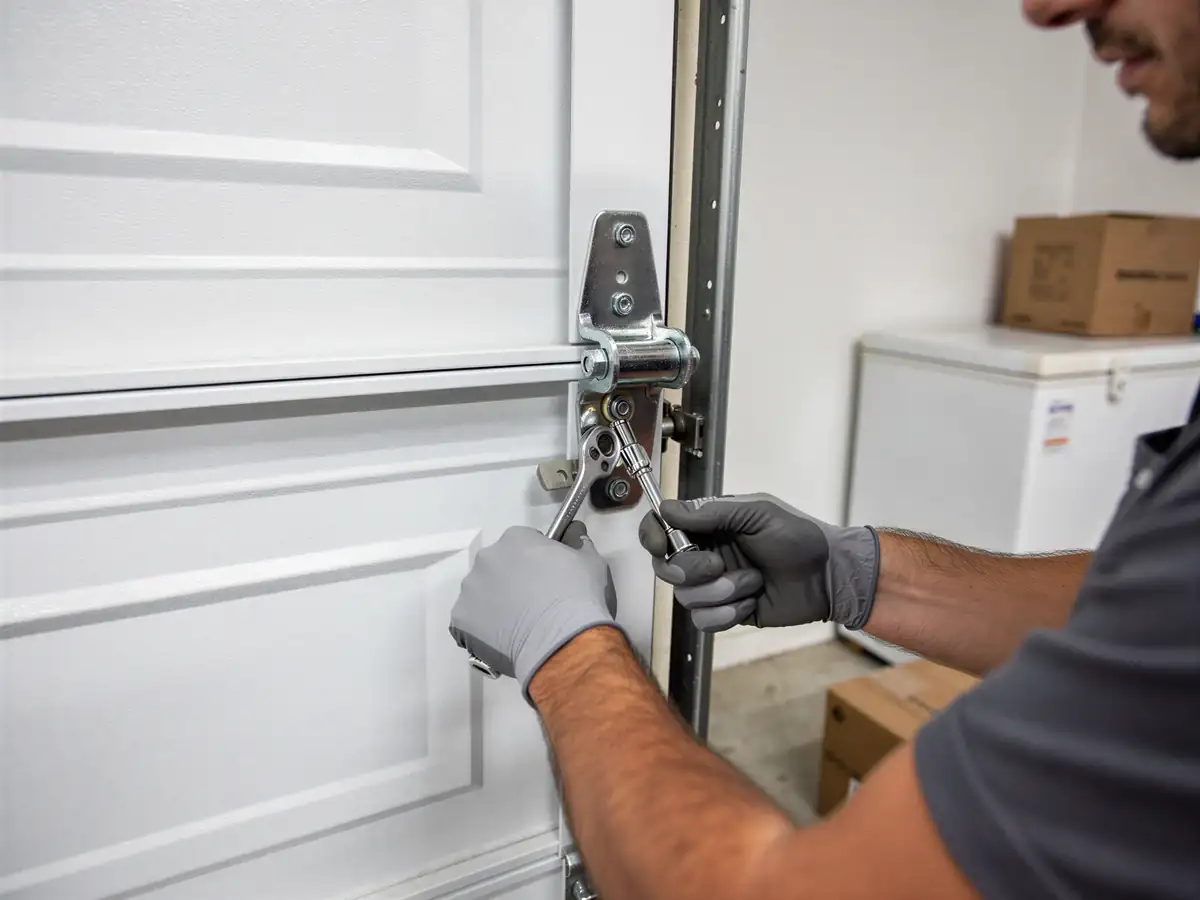
The call we get most from this part of the service area starts the same way: the door reverses before it fully closes, or it closes most of the way and then kicks back open. On a house from this era, that's almost always the opener's down-limit setting fighting a door that's binding slightly before it seats - not a dead opener and not a bad sensor, though both get blamed first. Because so much of Johnston's housing shares a build window, we see the same fix repeat: reset the travel limit after the track and rollers are checked for the slight drag that caused the opener to flag resistance in the first place. It's a short job once we're on site, which is the main reason the drive is worth planning for rather than guessing at over the phone. We'd rather tell you that up front than quote a fix before we've seen the door.