What Is on the Truck
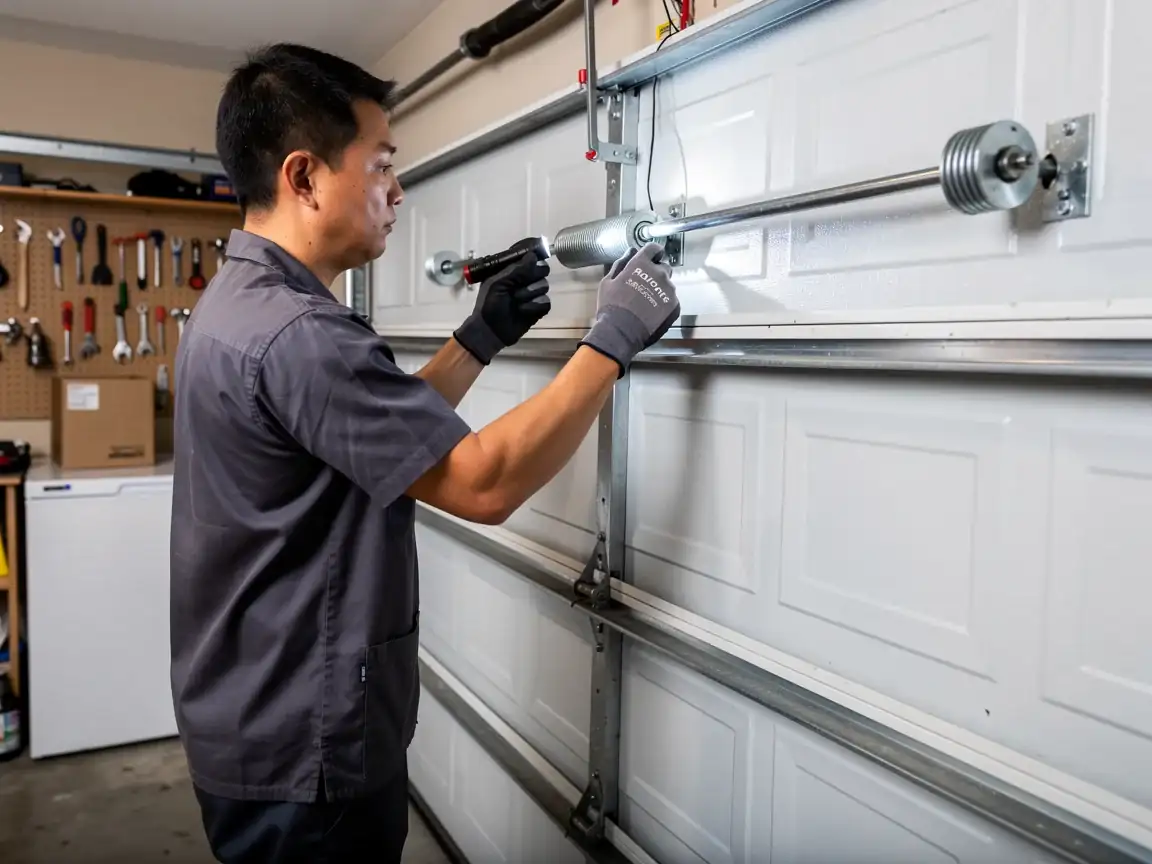
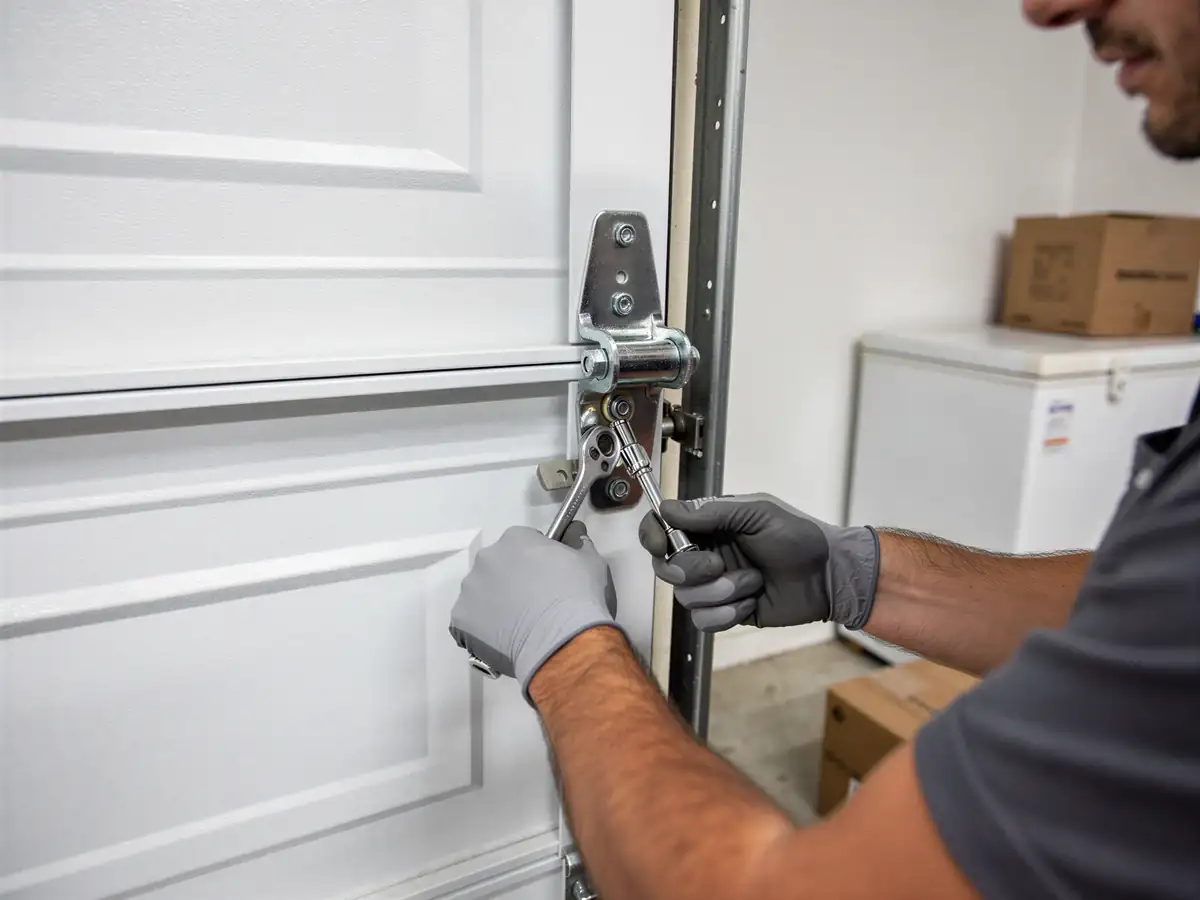
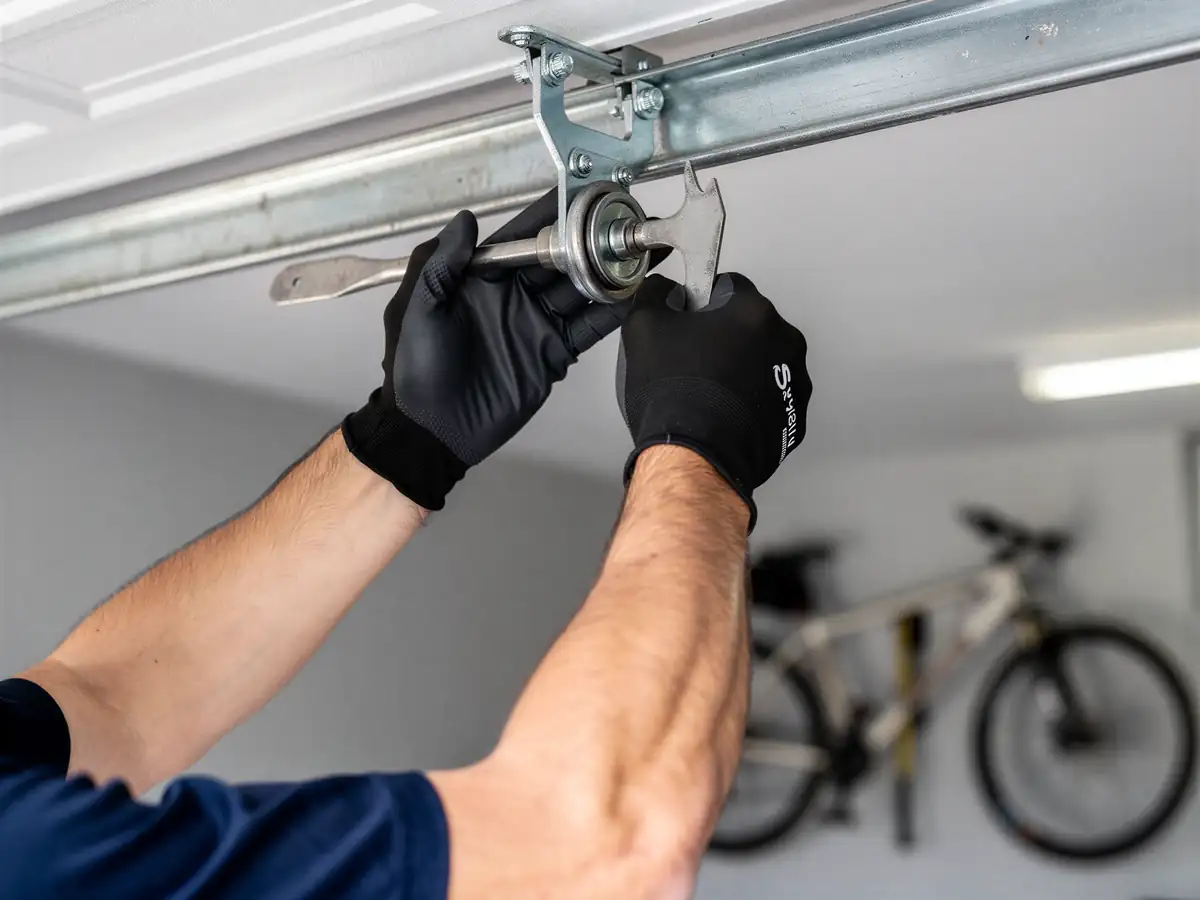
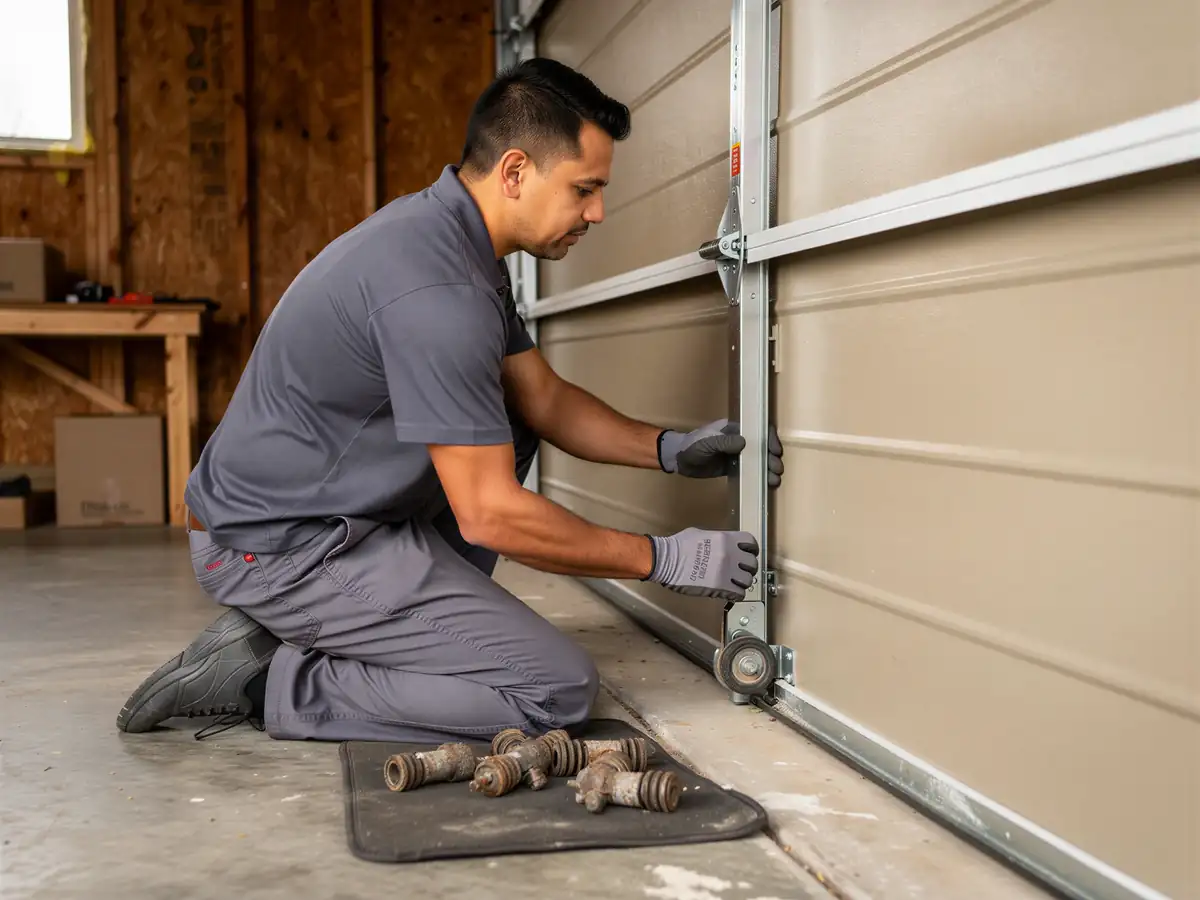
Johnston's housing stock centers on a median build year of 2004, which means most doors here are factory steel sectional units that shipped with stamped-steel rollers on short stems, sometimes upgraded to 7-ball nylon by a builder package. We carry both. The steel rollers that came standard on a lot of these doors are cheap to make and loud by year ten - they ride cast tracks fine but wear flat on one side, and that flat spot is what you hear as a knock every time the door passes the bend radius. We stock 7-ball and 10-ball nylon rollers with sealed bearings in the common stem lengths for 2-inch track, since that's what a 2004-built door is almost always running. We don't carry every stem length and hinge combination off the truck - if your door has an odd aftermarket bracket from a past repair, we may need a short order, and we'll tell you that on-site rather than guess.
Why This Fails Locally
Johnston's housing didn't get built out in one decade the way some of the service area did - the median year here, 2004, puts most doors a full generation newer than the 1980s and 90s stock that dominates many of the other 23 areas we cover. That matters for rollers specifically: a door from 2004 almost never has the side-mount torsion hardware or odd track gauge you find on an older build, so the failure here is simpler and more predictable - stamped-steel rollers wearing their stems and leaving a visible gap where they used to ride flush in the track. With 9,552 households in Johnston and a median income over $103,000, we see more owners catching this early and calling for a roller swap before it turns into a track replacement, rather than running it to failure.
The Symptom
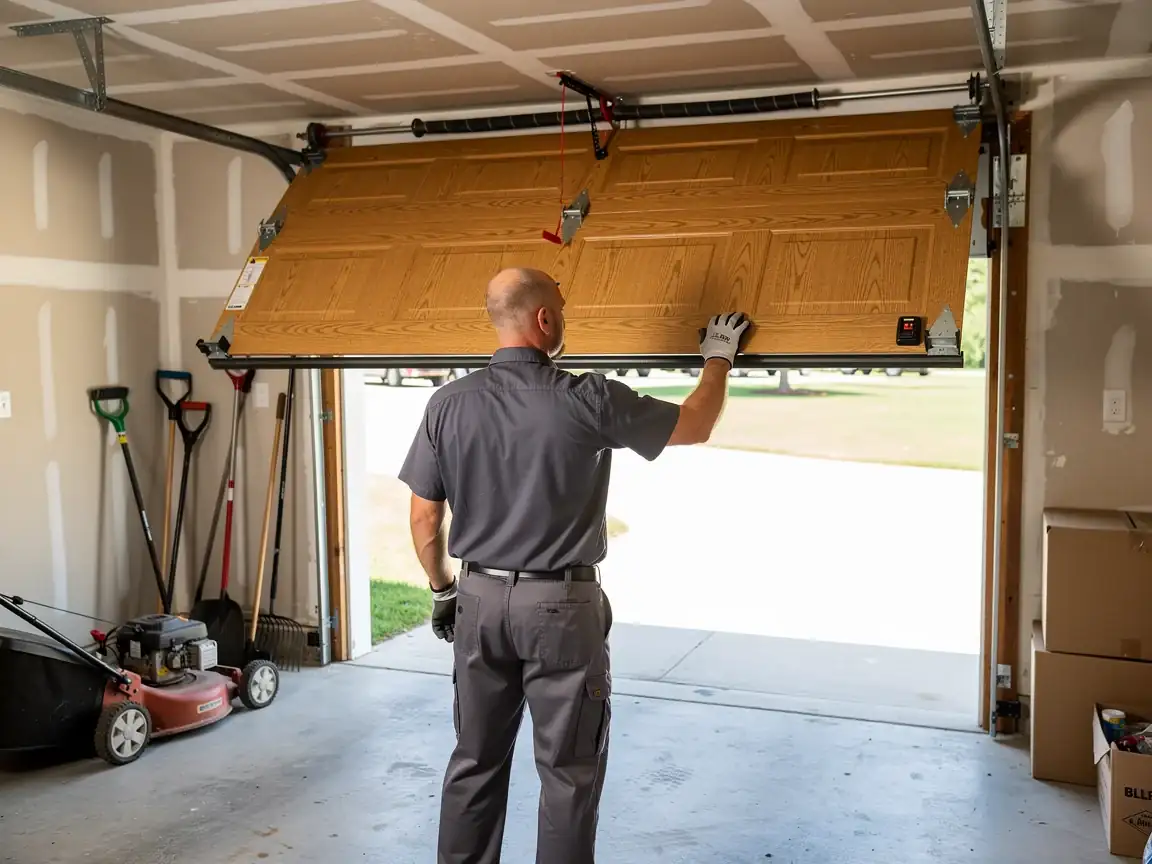
The giveaway on a 2004-era door is a rhythmic knock, once per roller per pass, that gets louder as the door nears the top or bottom of the track where the curve is tightest. If you see the door hesitate or jump slightly at that same spot every time, a roller has gone flat on one side and is riding the edge of its wheel instead of the full face. Left alone, that edge-riding wears a groove into the track itself, and at that point you're not swapping a $20 roller anymore - you're replacing a section of track too. Catching it at the knock stage, before the jump, is the cheaper repair and the one we can usually do in a single visit from Des Moines, about 10 miles out.