Why This Fails Locally
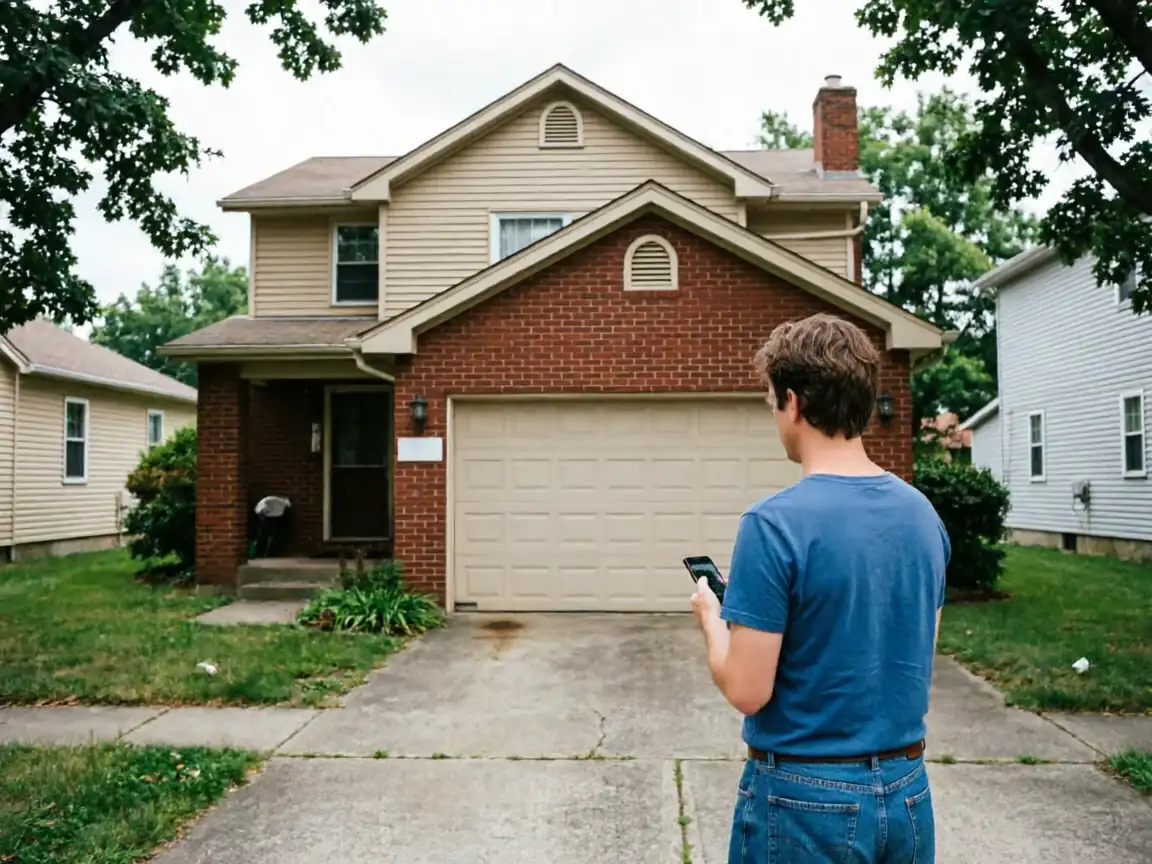
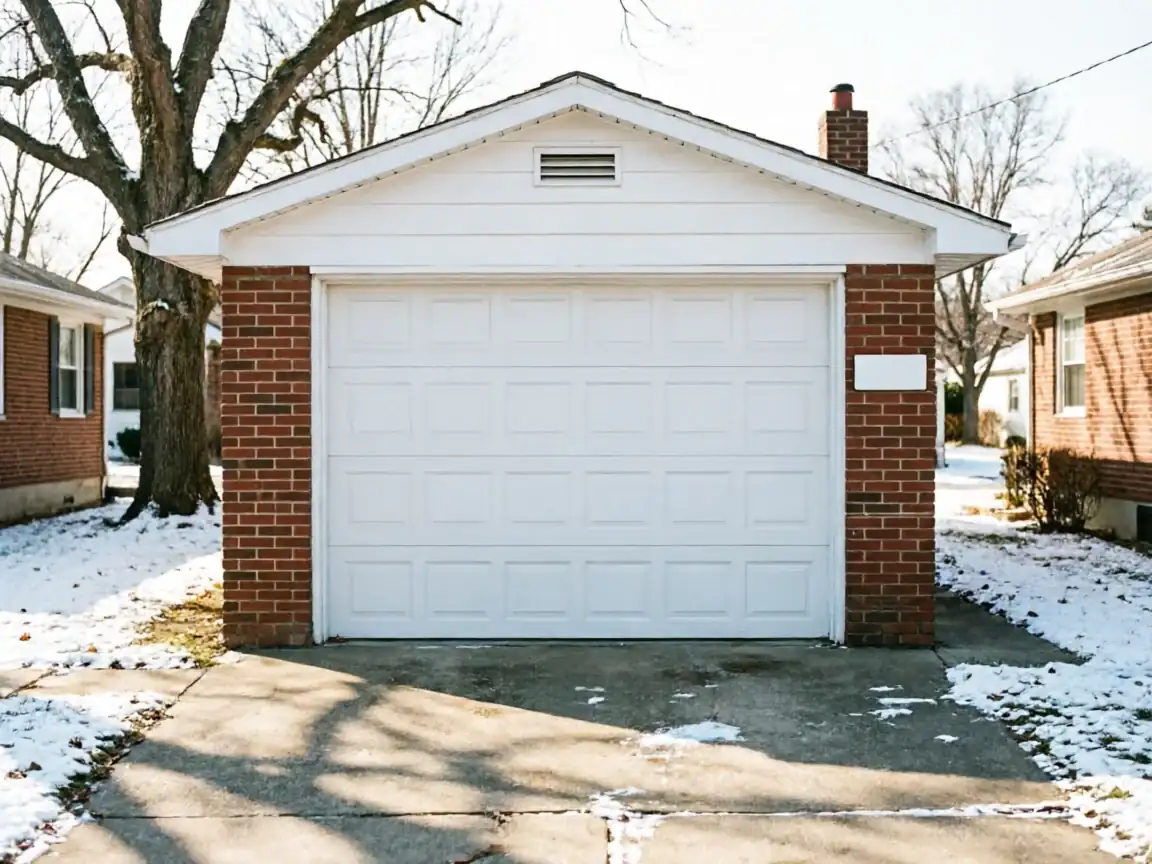
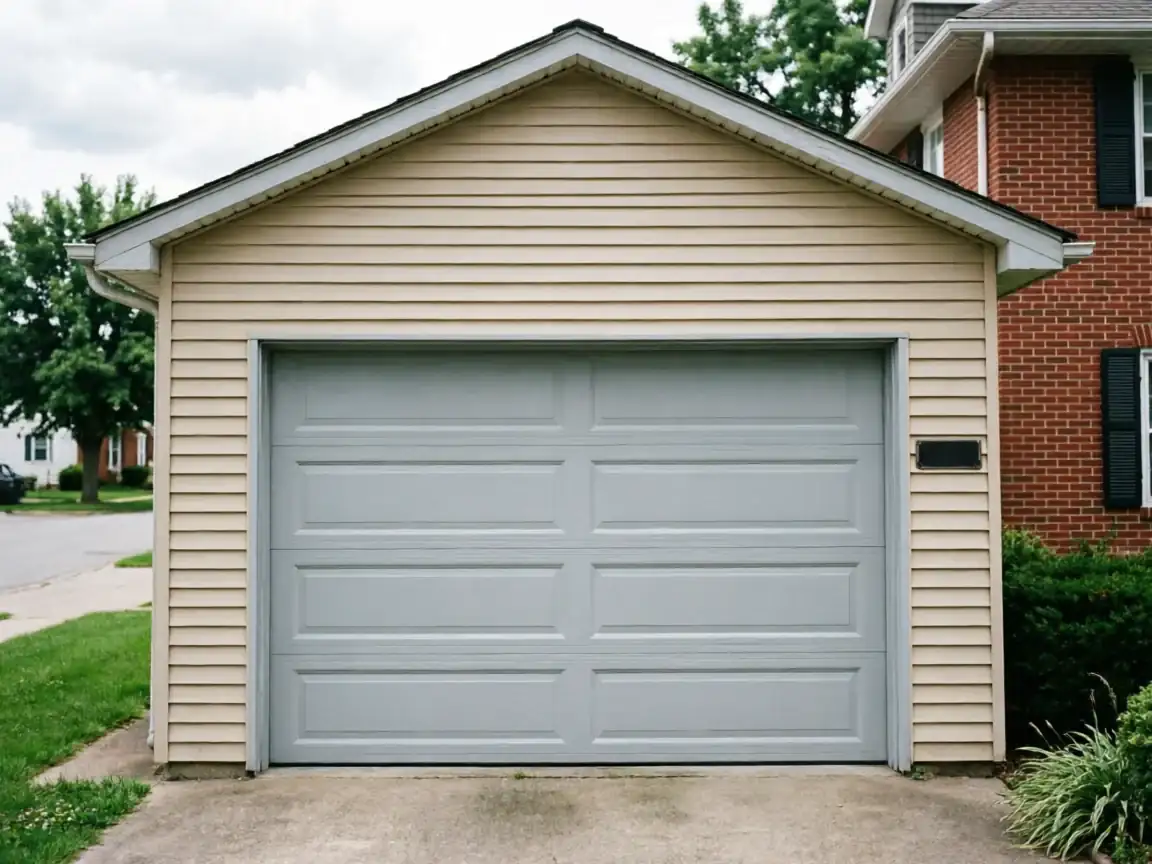
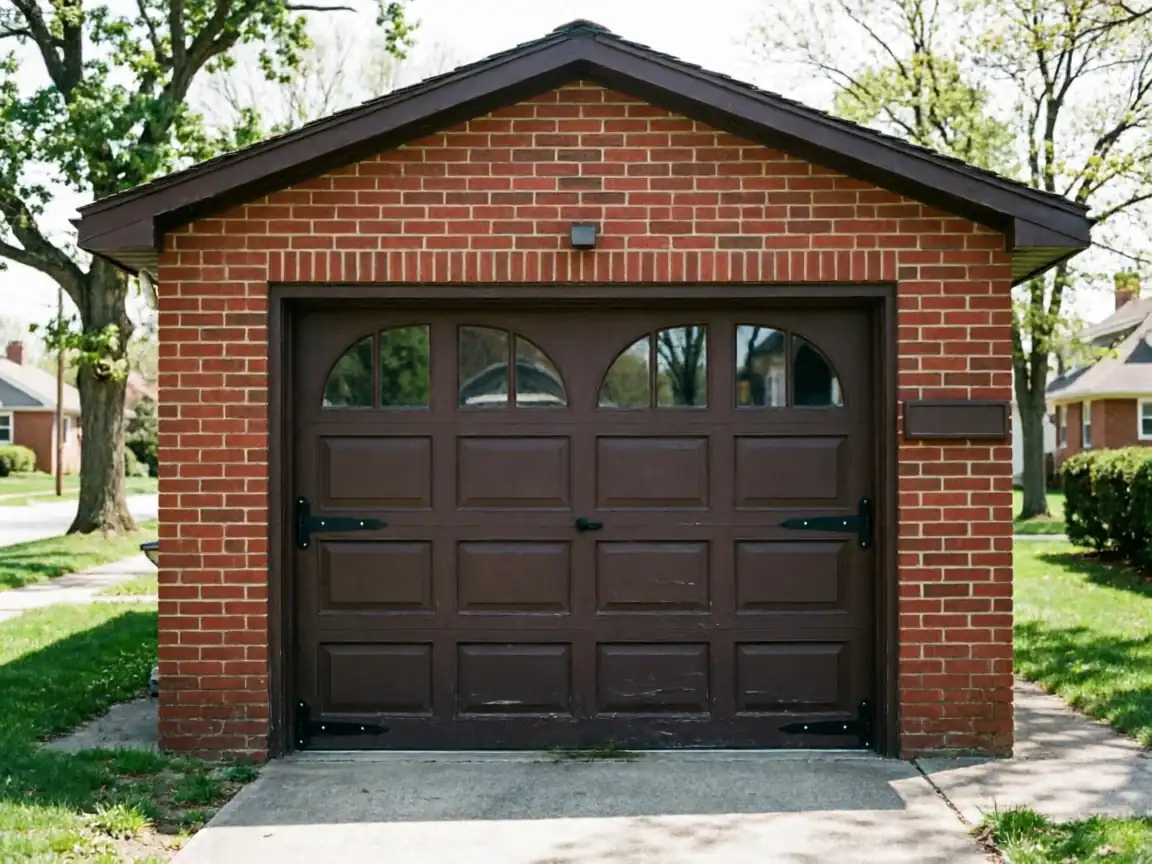
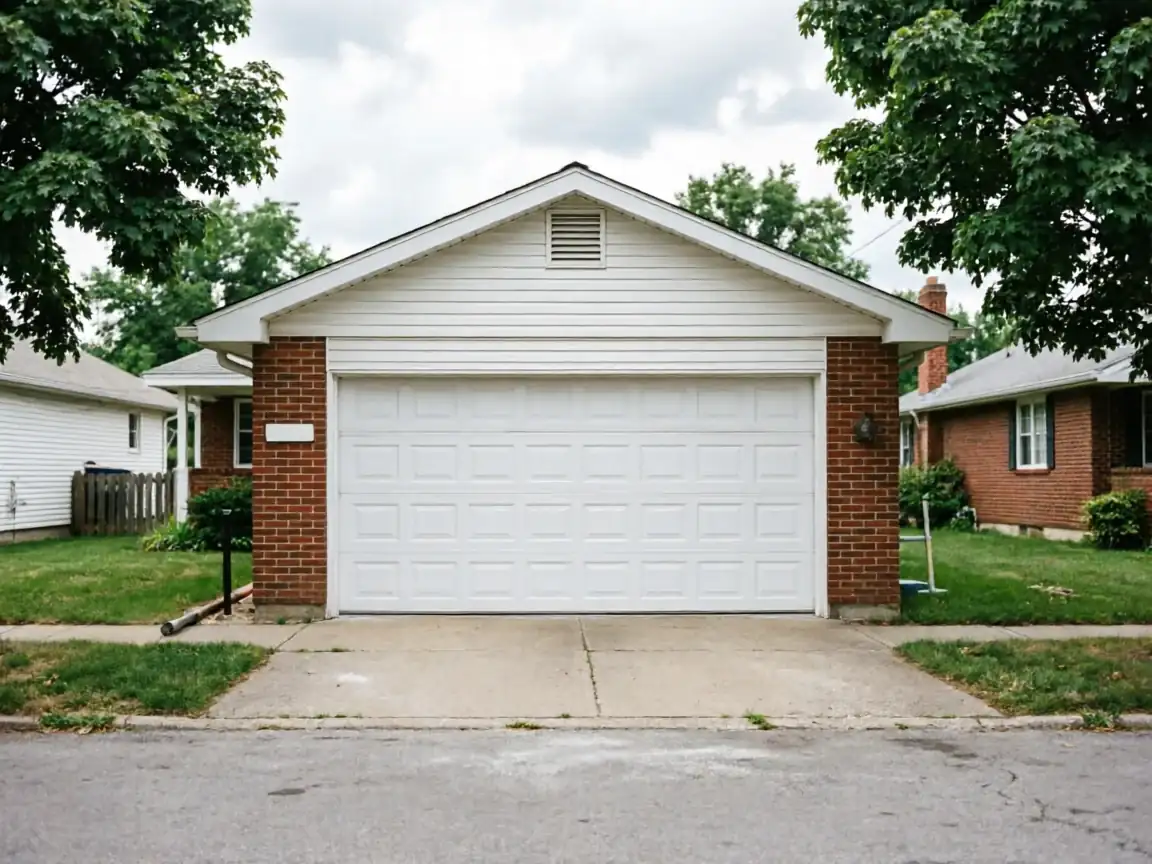
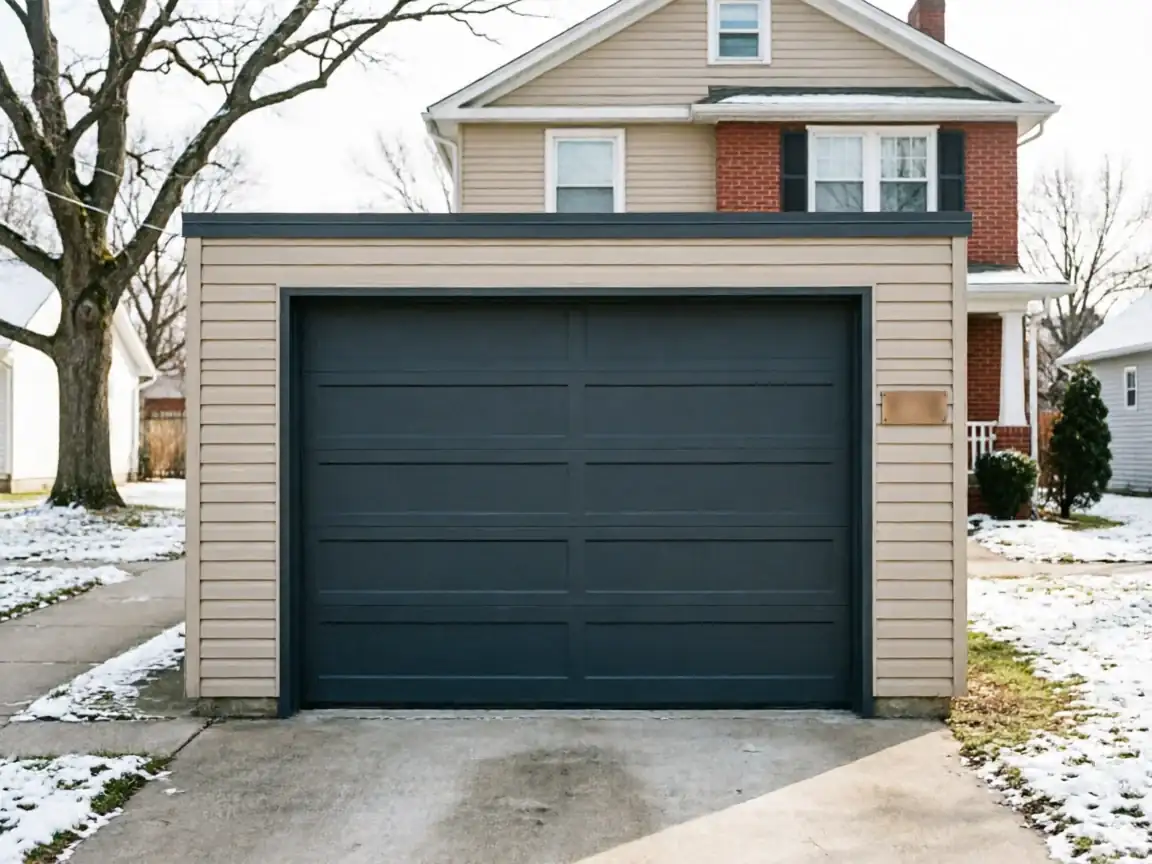
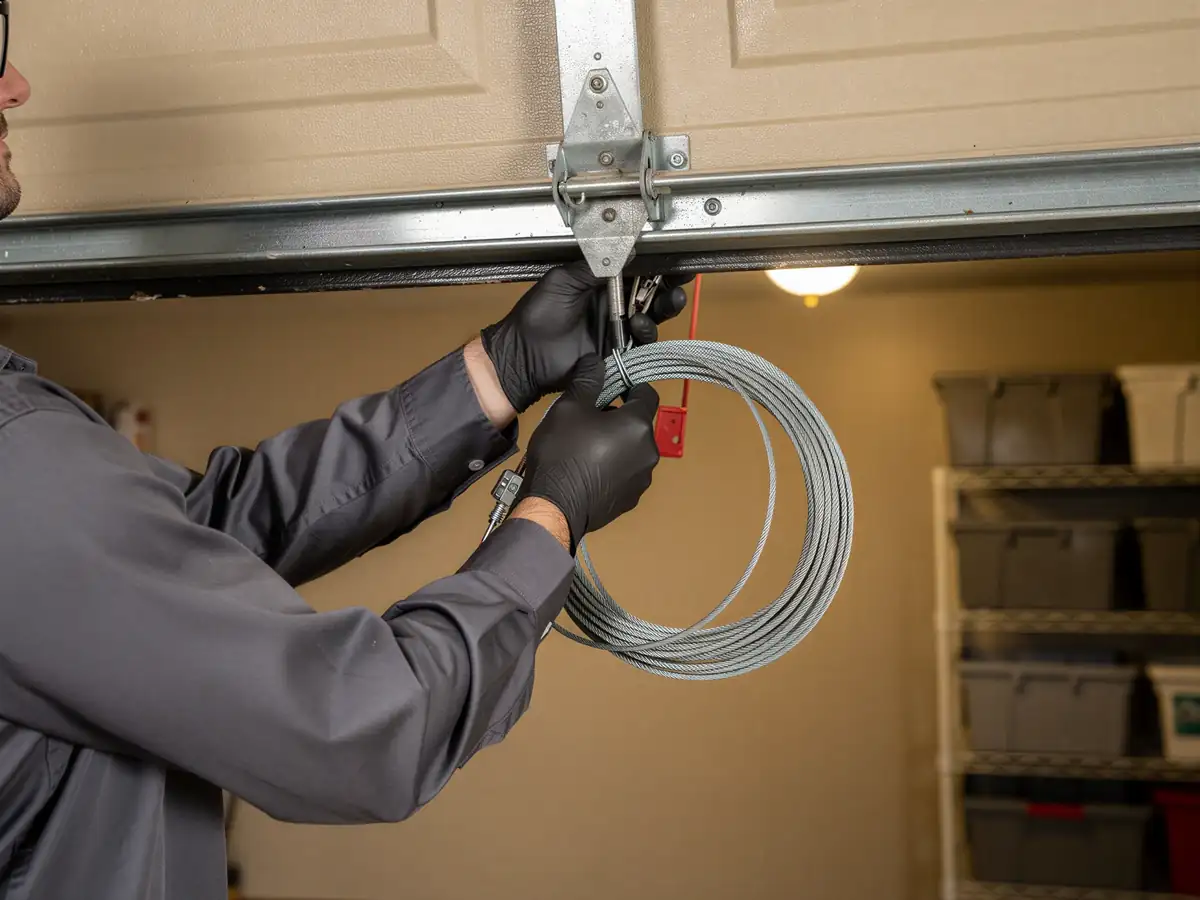
Most of the houses we work on in Des Moines went up between 1959 and 2009, with the bulk of the stock dating to the 1980s and 90s across the 23 neighborhoods we cover. That generation of garage doors came with cable drums and galvanized lift cables sized for the door weight at the time. Thirty-plus years later, those original cables are past their rated life, and a lot of owners haven't replaced them because the door still looks fine - until a cable frays at the drum and lets go.
Des Moines sits in a cold, moderate climate band, and that matters here more than people expect. Cables don't fail because of heat the way rubber seals do; they fail from repeated cold-to-warm cycling that stiffens the galvanized strands and makes them brittle at the drum groove. A door that gets opened and closed through a hard freeze, then sits in a 40-degree garage by afternoon, is putting more stress on that cable than a door in a mild climate ever sees. Add in original hardware that was never upgraded, and you get the pattern we see across the metro: cable failure on doors roughly old enough to vote.
The Symptom
A cable failure rarely looks like a clean break
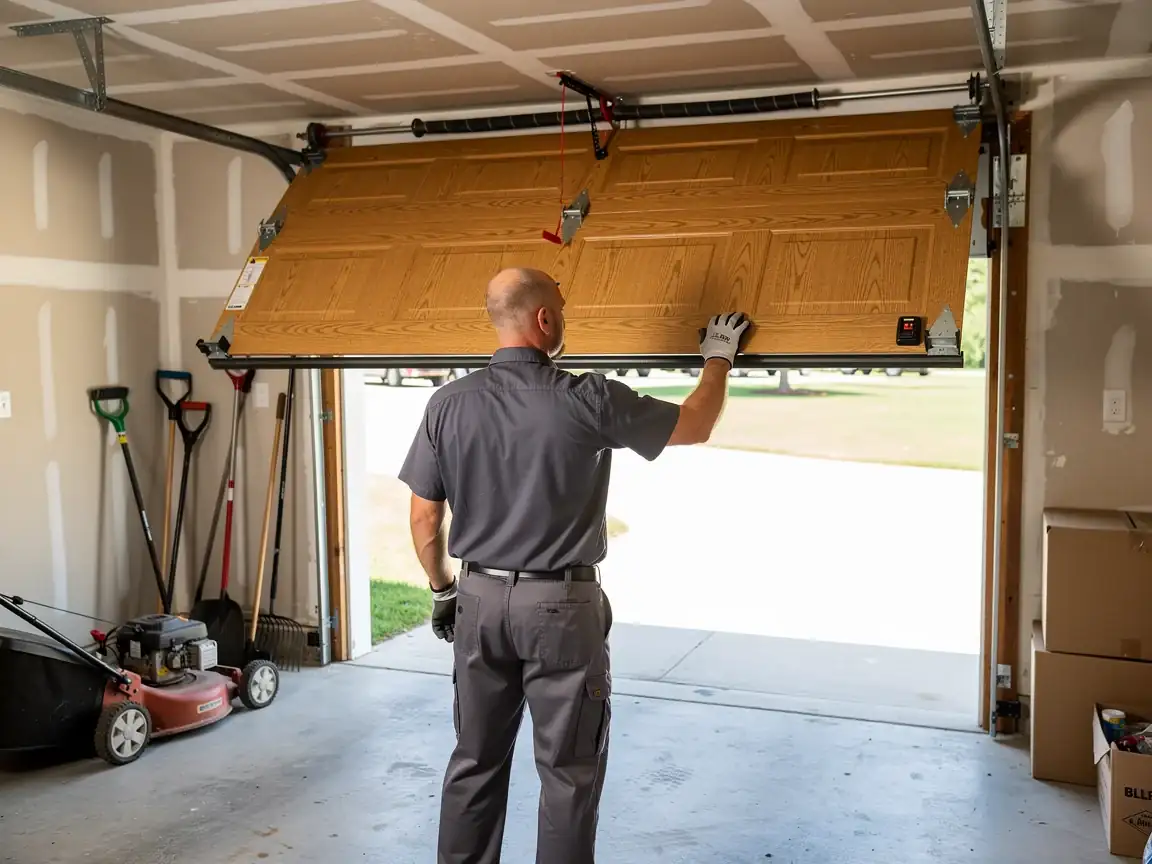
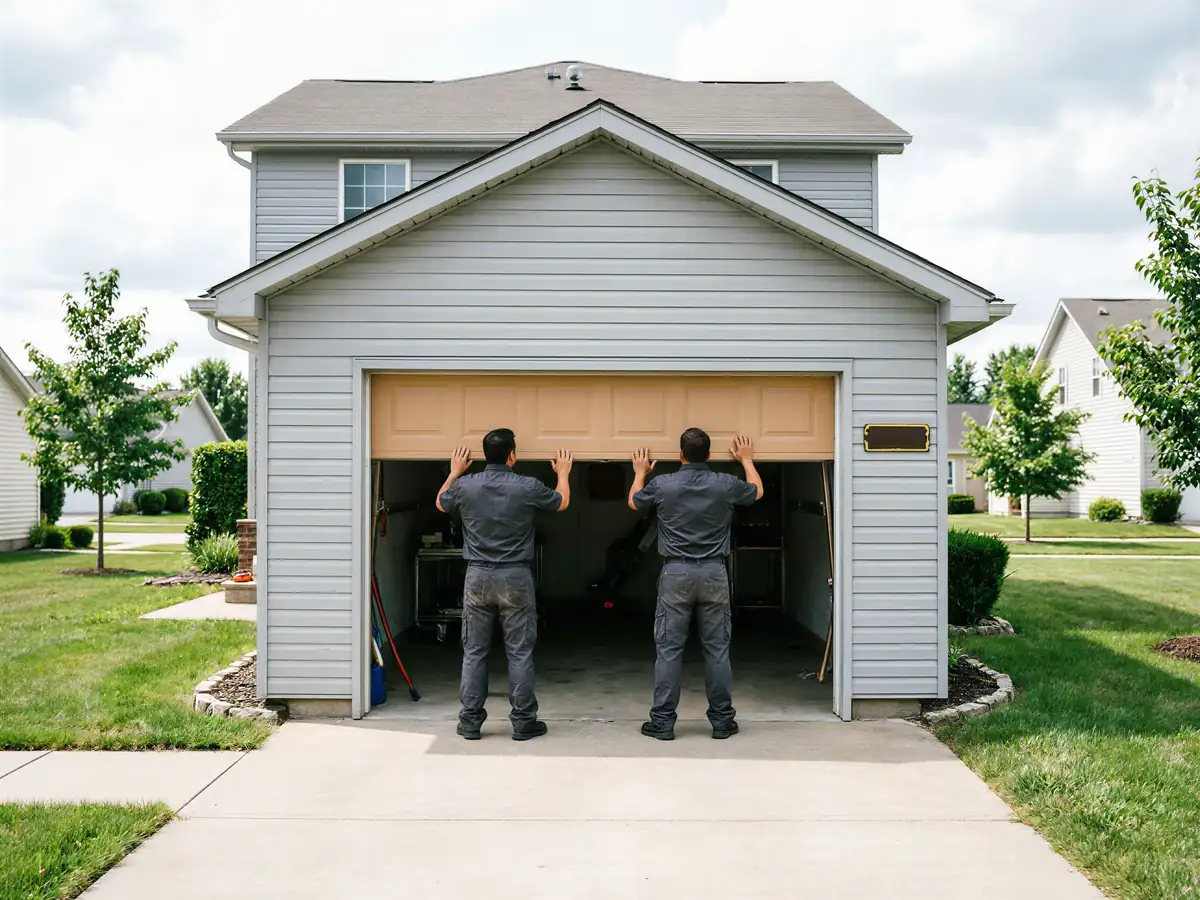
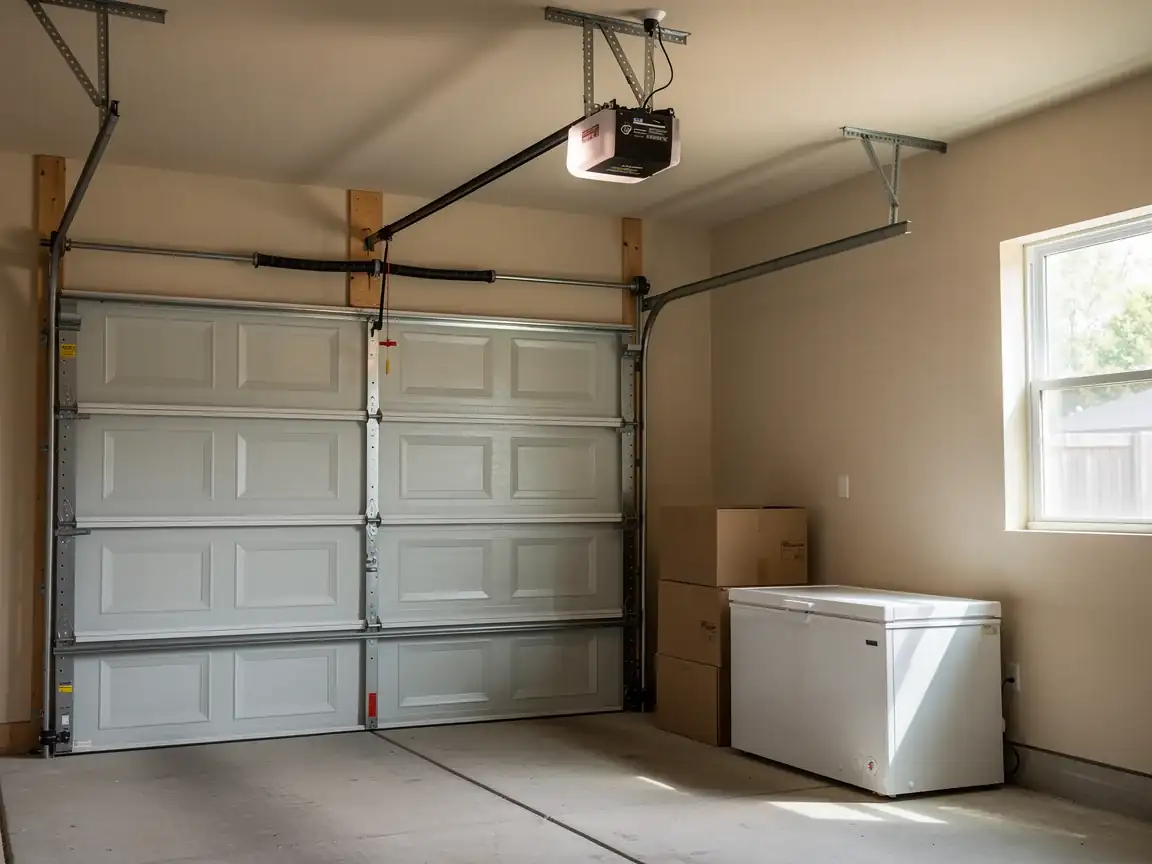
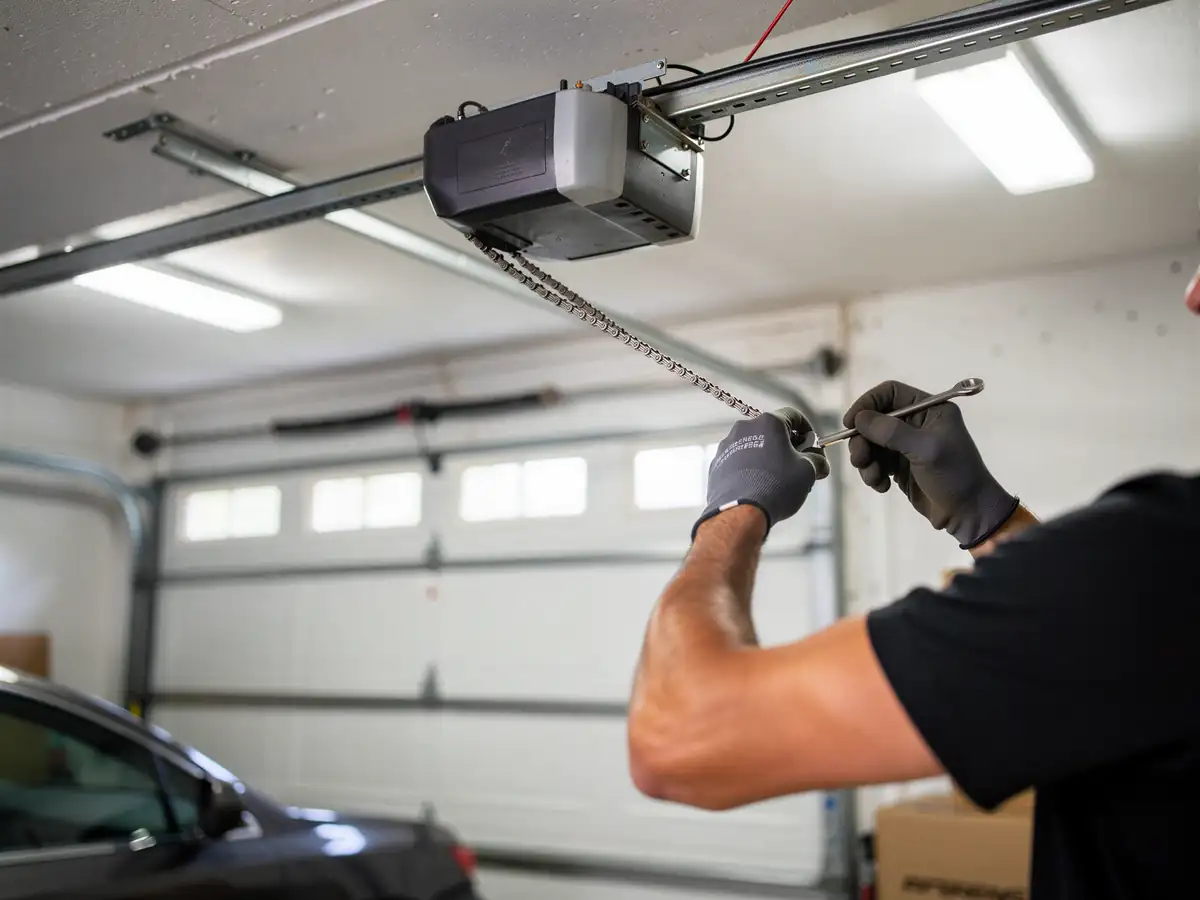
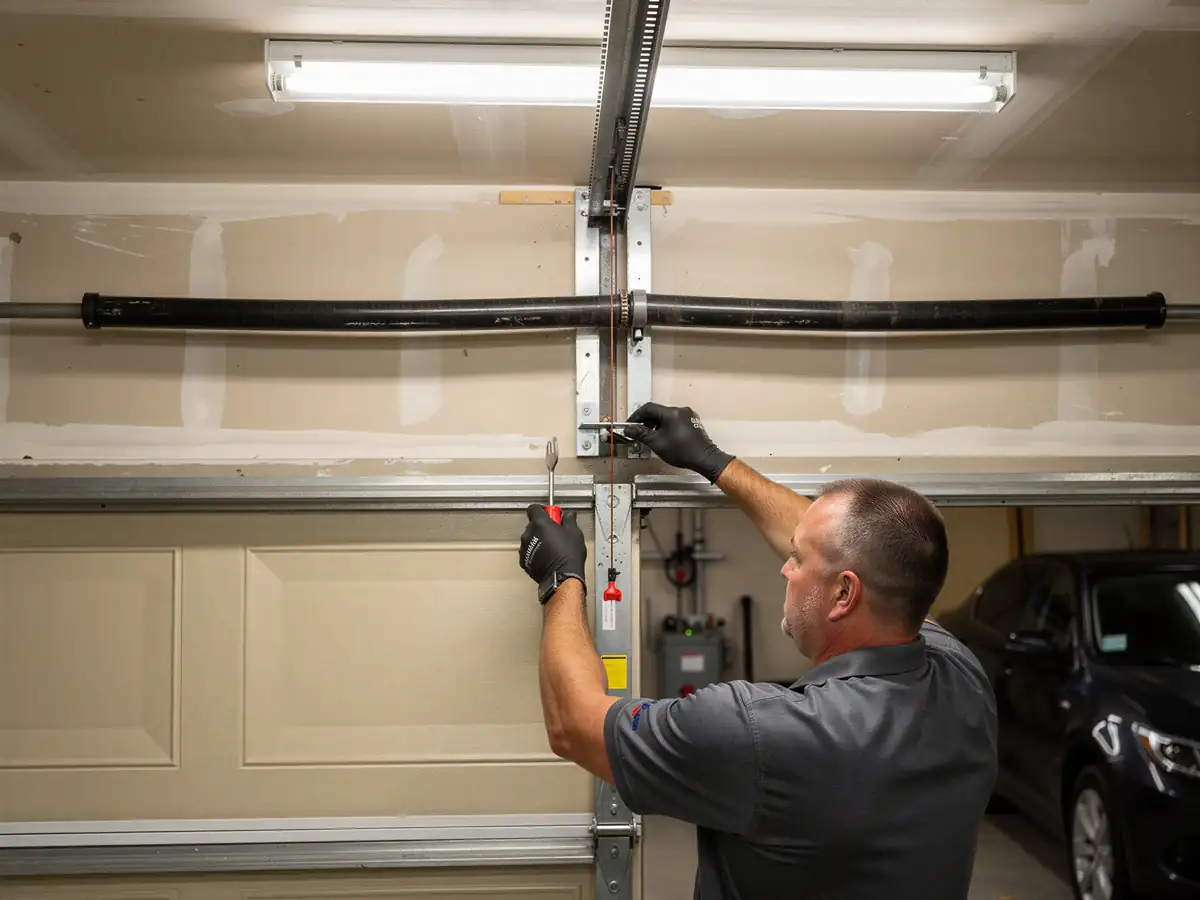
More often one side of the door drops an inch or two lower than the other, or the door starts to tilt as it comes down, binding in the tracks. Sometimes you'll hear a snap and then a loud bang as the door drops and the safety cable (if the opener has one) catches it hard. On older torsion setups without a separate safety cable, a snapped lift cable can let the door fall most of the way, which is why we treat this as a same-day call rather than something to put off.
If you catch it early, you might just see fraying
A few broken strands poking out near the bottom drum, or rust streaks on the cable itself. That's the door telling you it's close. Don't run the opener through a cycle once you notice a tilt or a frayed cable; it can bind the door cockeyed in the tracks and turn a cable job into a track and panel job.
What Is on the Truck
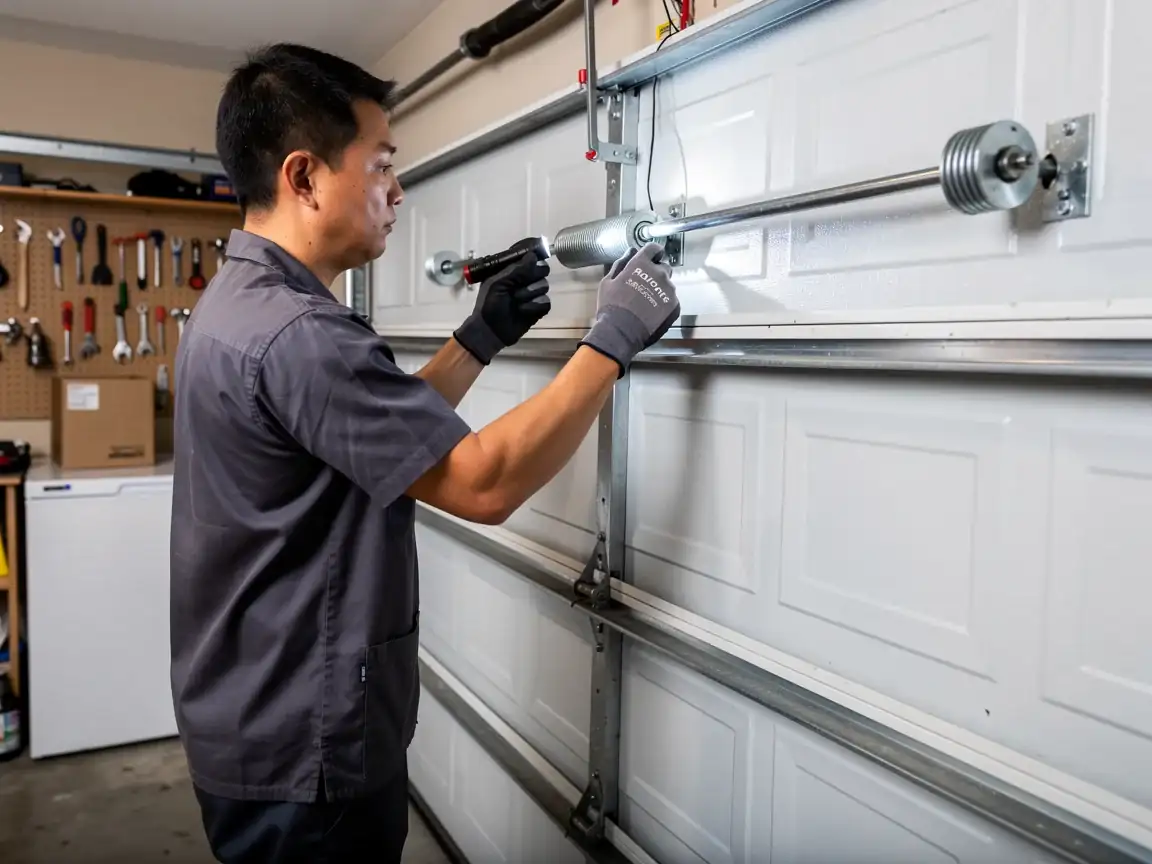
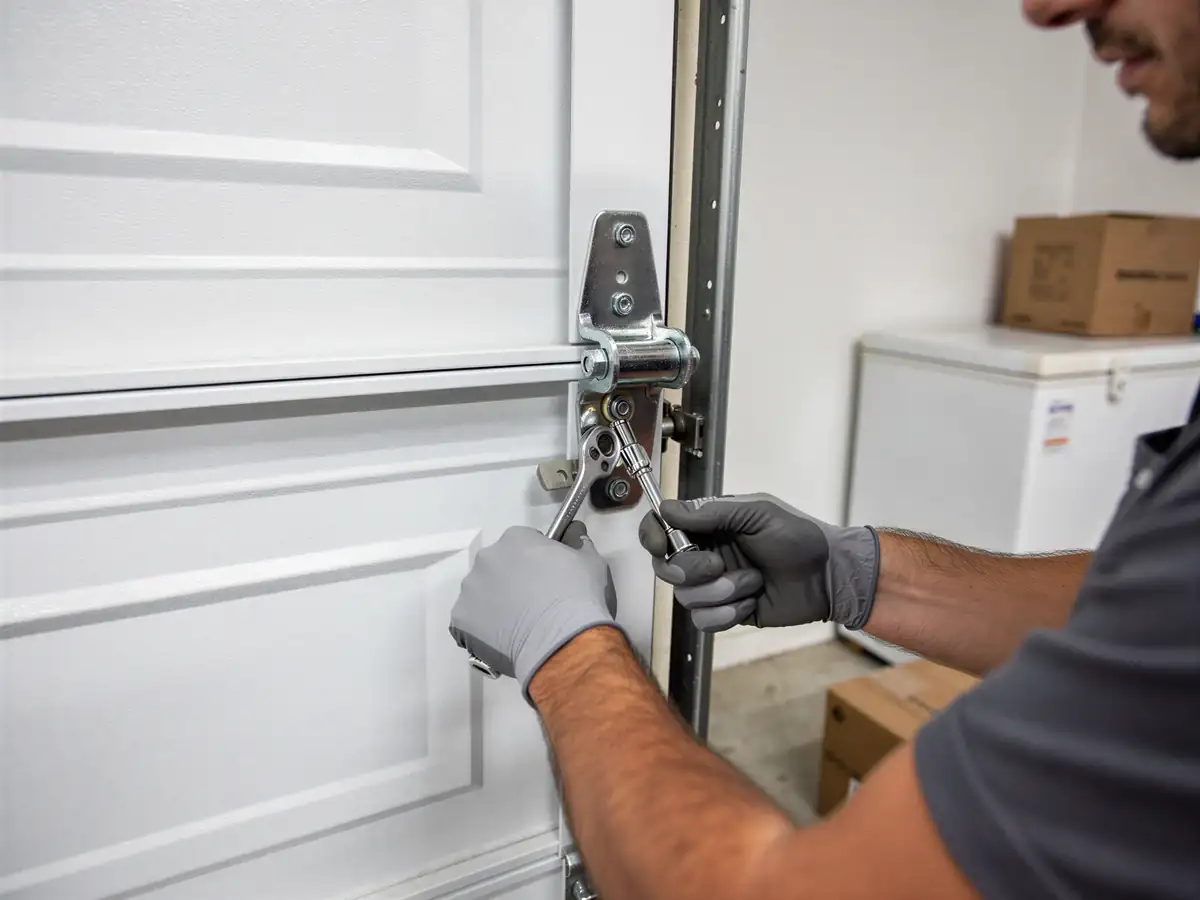
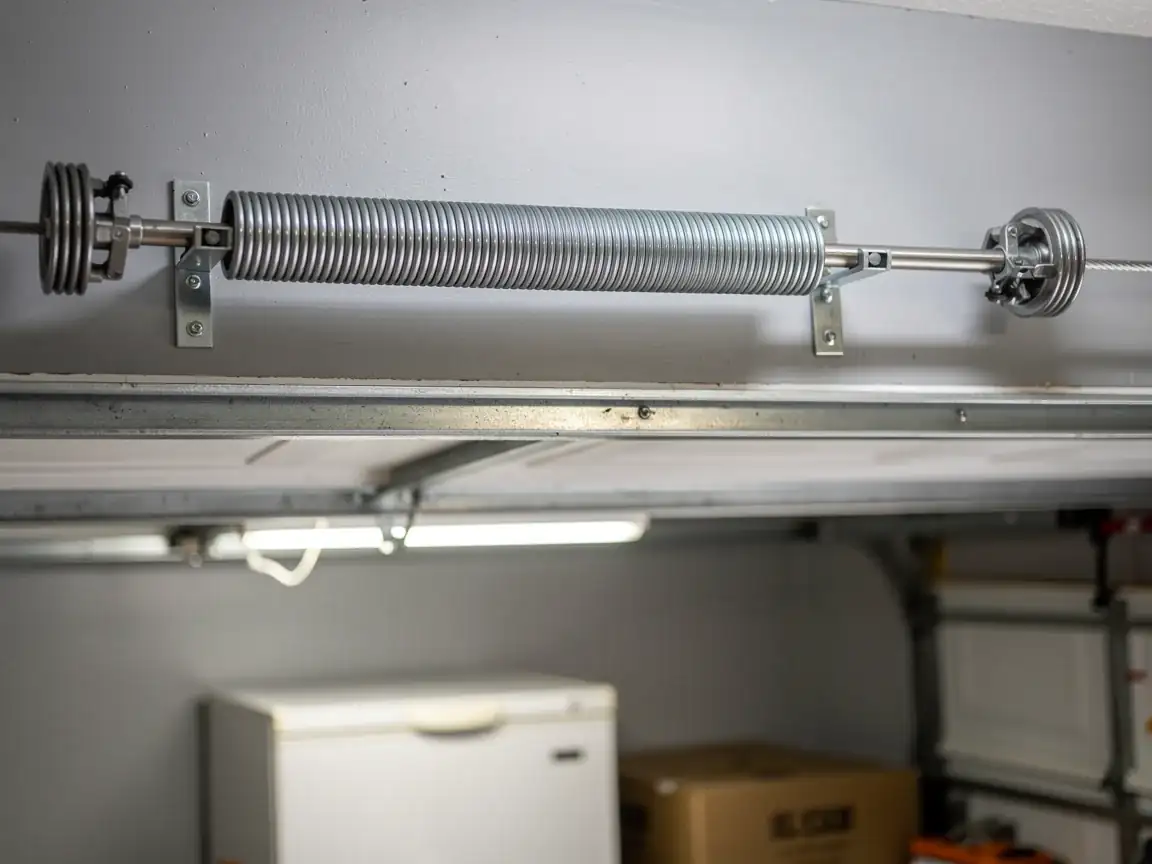
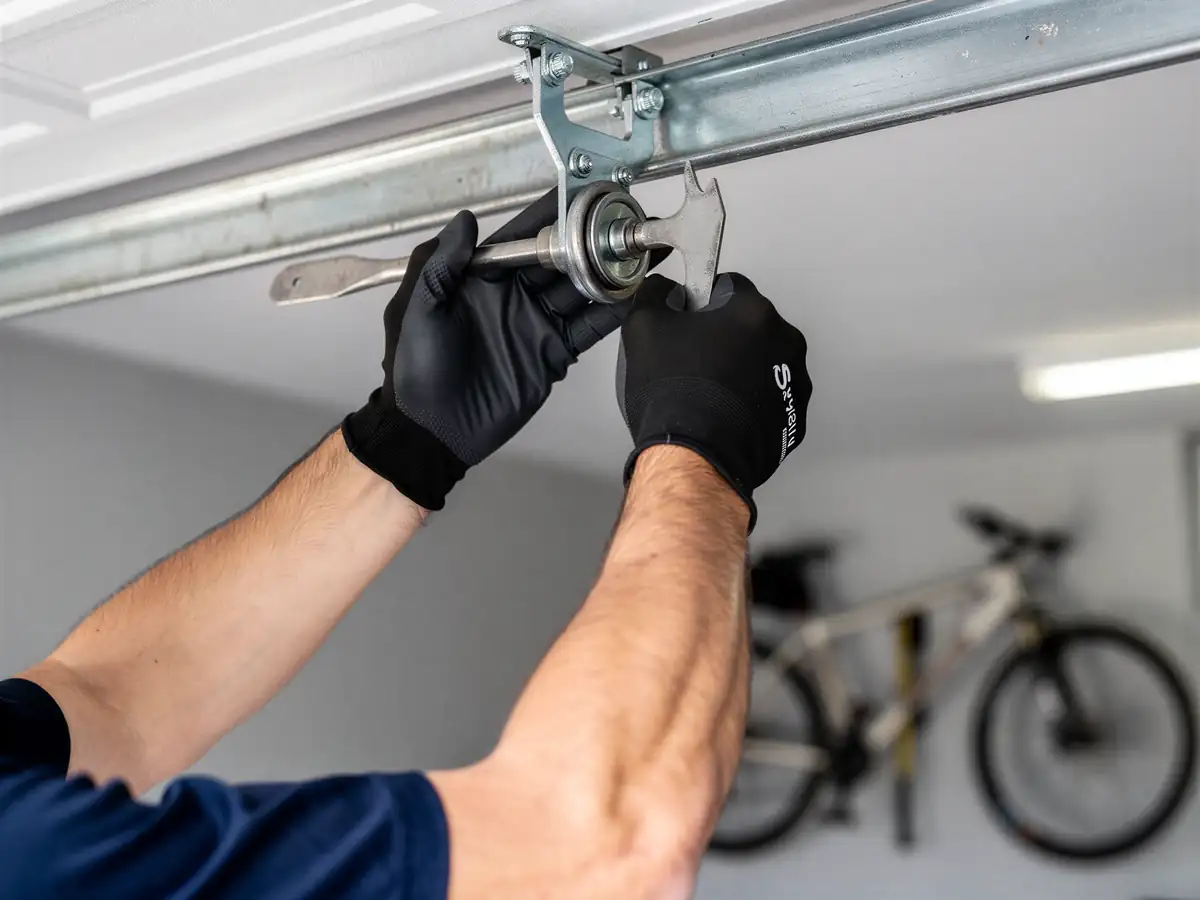
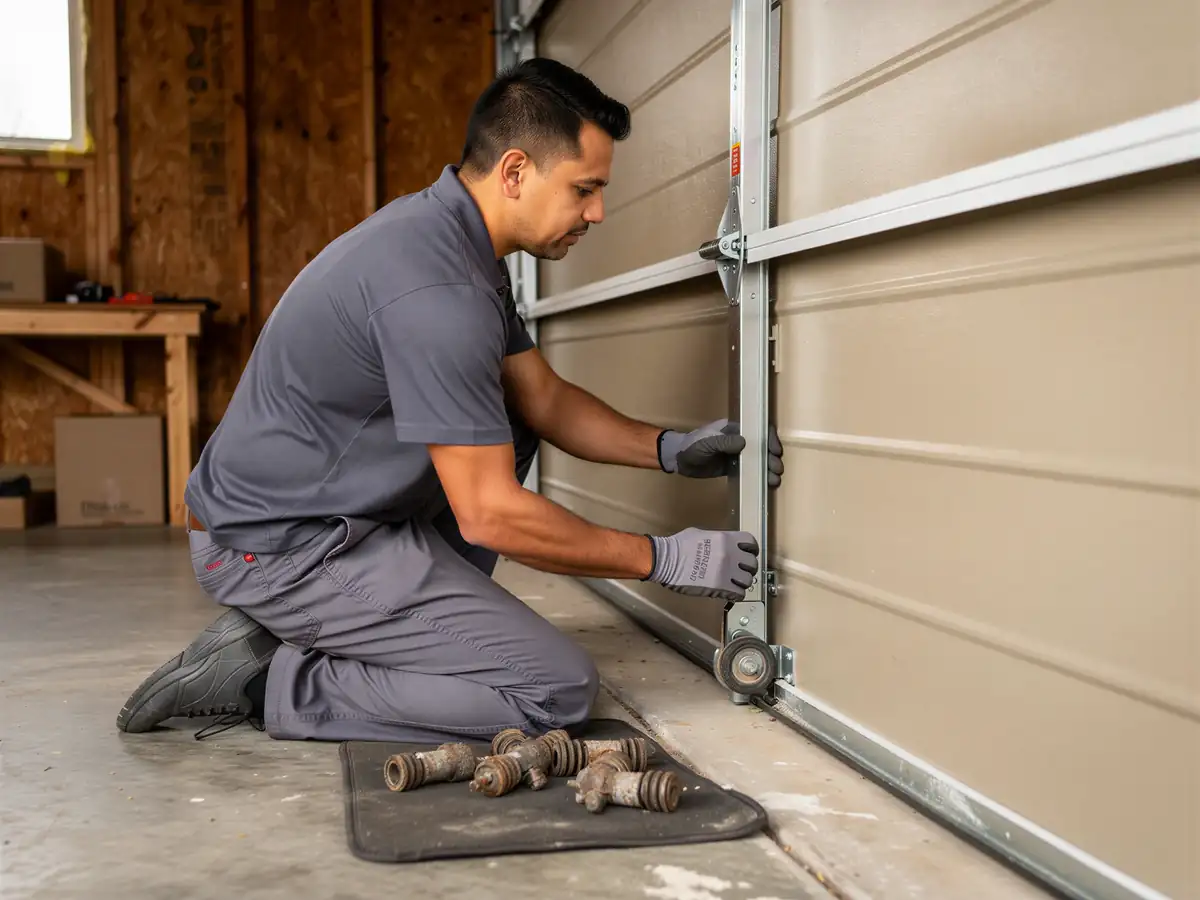
We stock lift cables in the sizes that match the door weights common to the 1980s and 90s builds around Des Moines, along with the drums, bottom brackets, and end bearing plates that cables tend to take out with them when they go. If the cable snapped because a drum cracked or a bearing seized, we replace those parts in the same visit instead of just running a new cable through worn hardware that'll cut it again in a year.
What we don't carry is every obsolete drum size from a door that's been discontinued for decades. On a small number of original-equipment doors from the early end of that 1959-2009 build range, we may need to source a part rather than pull it off the truck, which means a short return trip instead of a same-day finish. We'll tell you up front if your door falls into that category before we start.
What It Costs
Cable repair pricing depends on whether it's a single cable or both, whether the drums and bearing plates survived the failure, and whether your door uses standard torsion hardware or an older configuration that needs a sourced part. We give you a number before any work starts, not after.
One thing worth knowing: if a cable snapped because the opposing spring is also near the end of its life, fixing the cable alone just sets you up for a second call in a few months. We'll point that out if we see it, since replacing both at once usually costs less than two separate visits.