Timing on This Area
We run out of Des Moines, about 8 miles southwest of Altoona, so we're not sitting on a truck in town waiting for a call. What that means in practice: we schedule the trip, we don't drop by on a whim between jobs closer in. For a dead opener or a spring that let go overnight, that's still a same-day conversation in most cases, but we're honest that Altoona isn't a five-minute hop for us the way it is for a company based here. If timing matters more than anything else for your situation, say so when you call and we'll tell you straight whether today works.
The area itself sits among the closer-in ring of places we cover - Pleasant Hill and Bondurant are both nearby, and Altoona shares a lot of the same housing-era story with them. That's less about geography and more about what got built when, which is the part that actually changes the job on your garage door.
The Houses Here
Across the wider service area, the housing stock runs 1959 to 2009 with a median build year of 1995
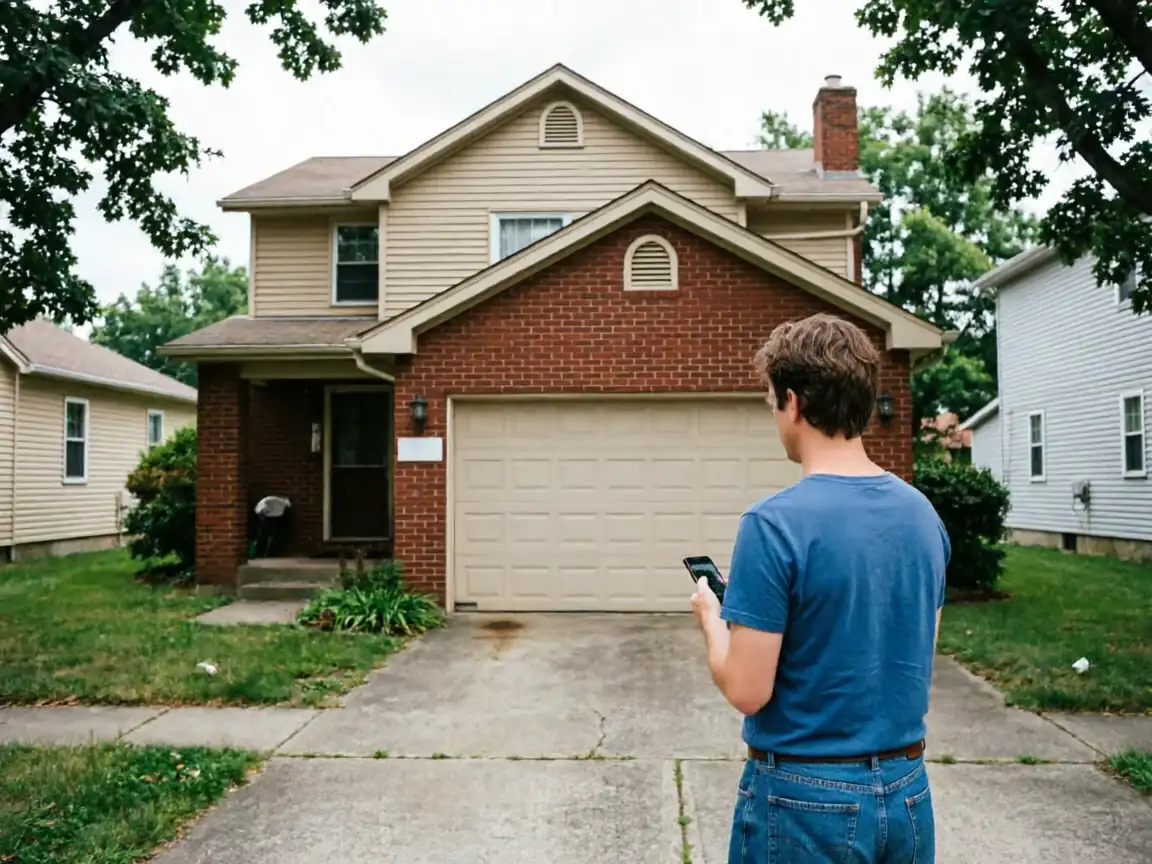
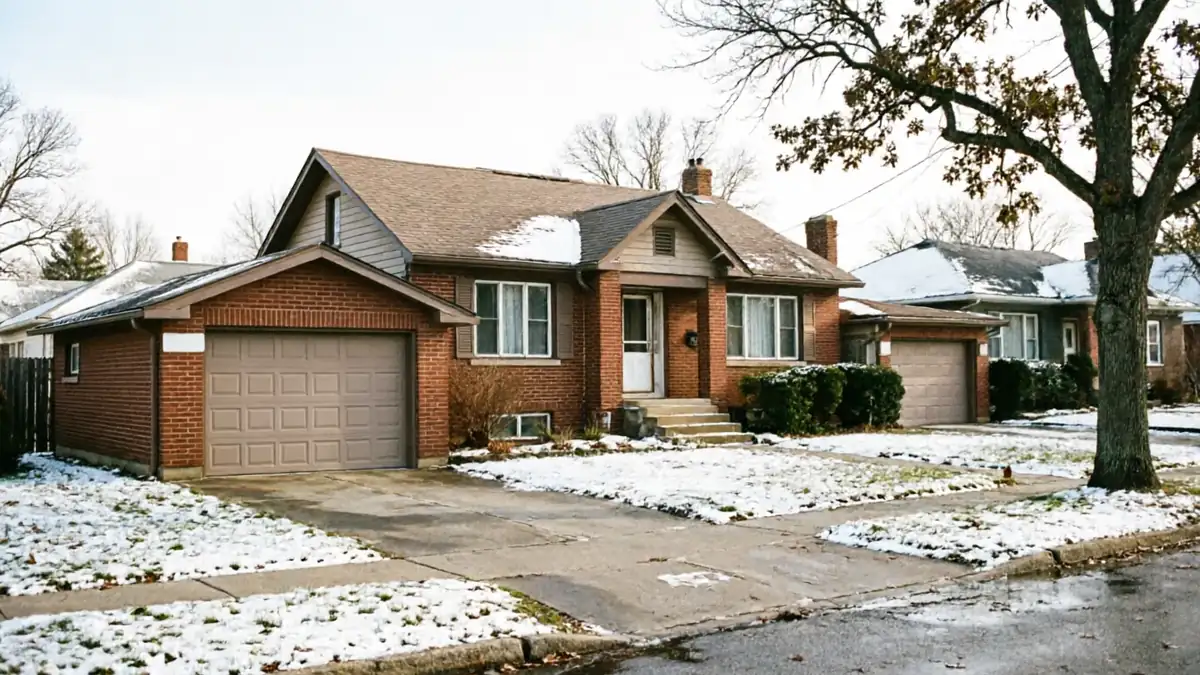
Altoona skews a touch newer than that median - homes here were typically built around 1998, putting most of the neighborhood squarely in the late-90s building wave rather than the older 1960s-70s stock you'd find in some of the inner Des Moines areas we also cover. With roughly 7,865 households in Altoona and a median income of $87,123, this is a steadily built-out suburban area, not an old core neighborhood patched with new infill.
- 7,865 households
- $87,123 median household income
That 1998 median matters more than it sounds like it should
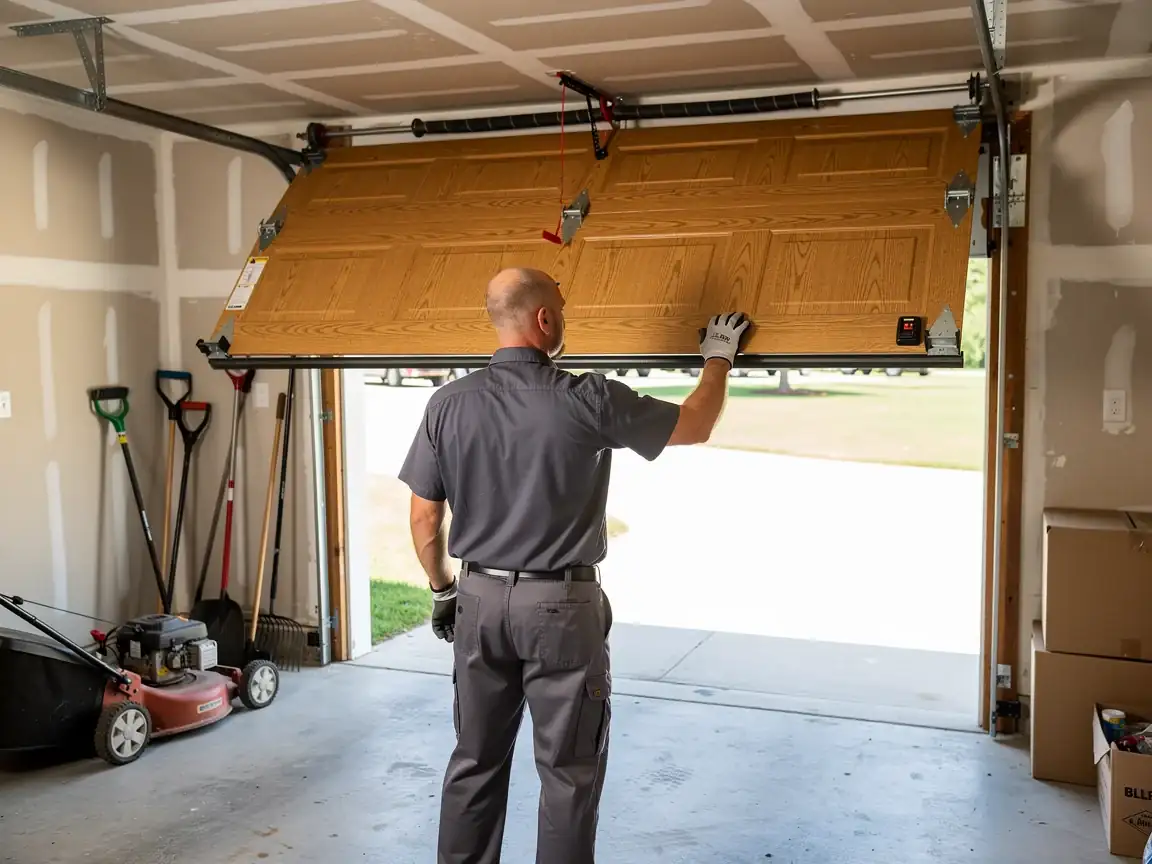
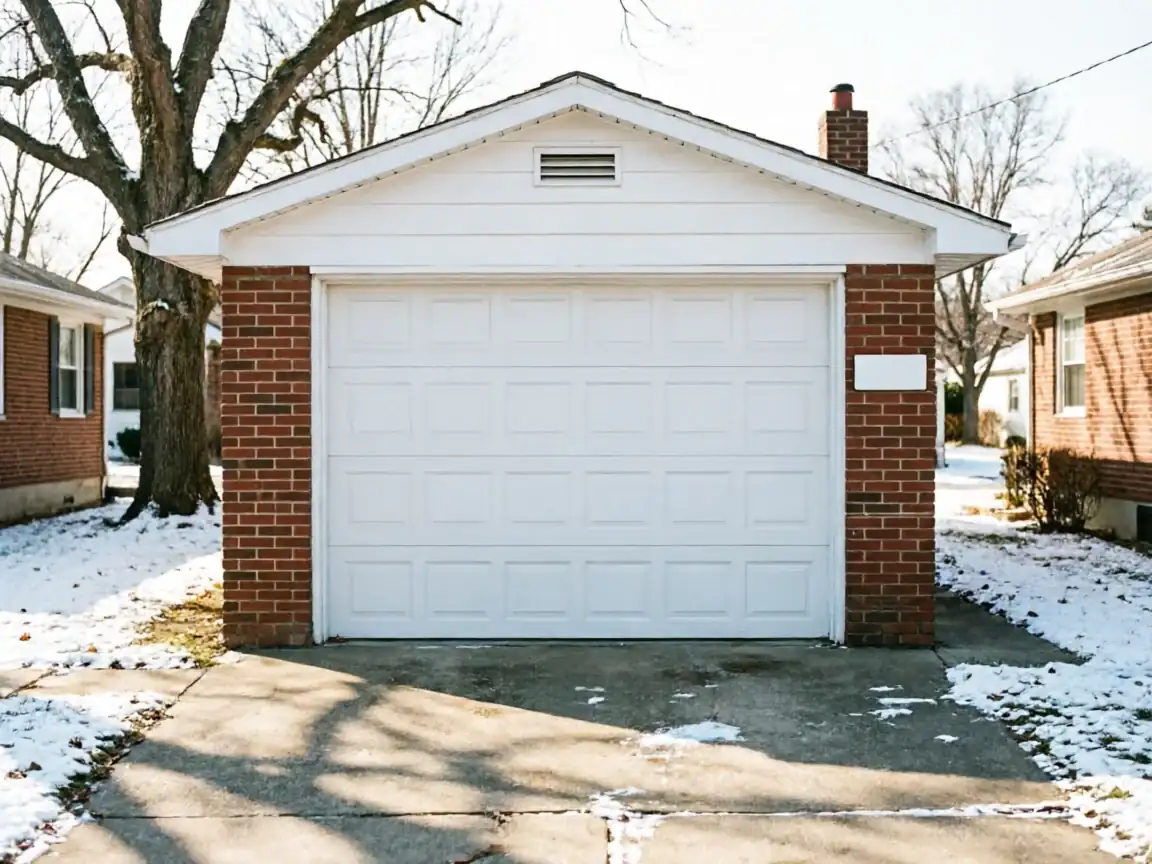
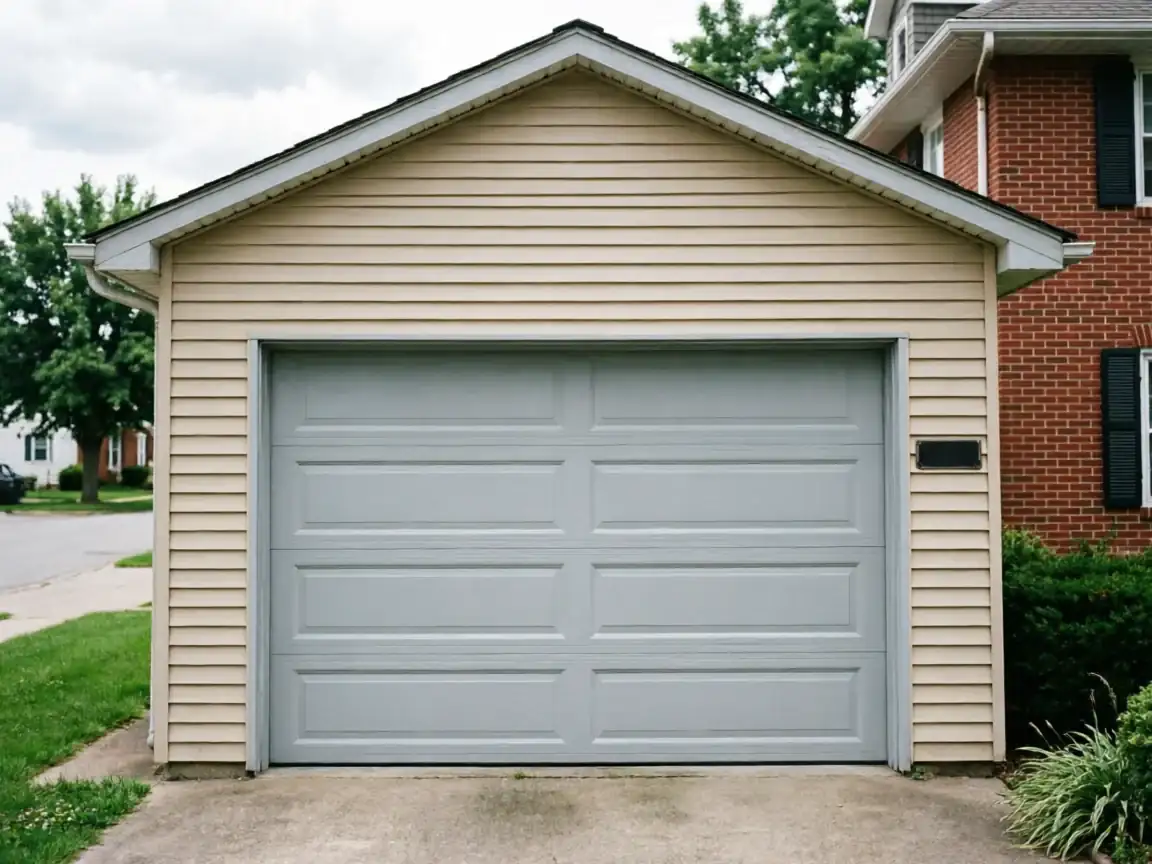
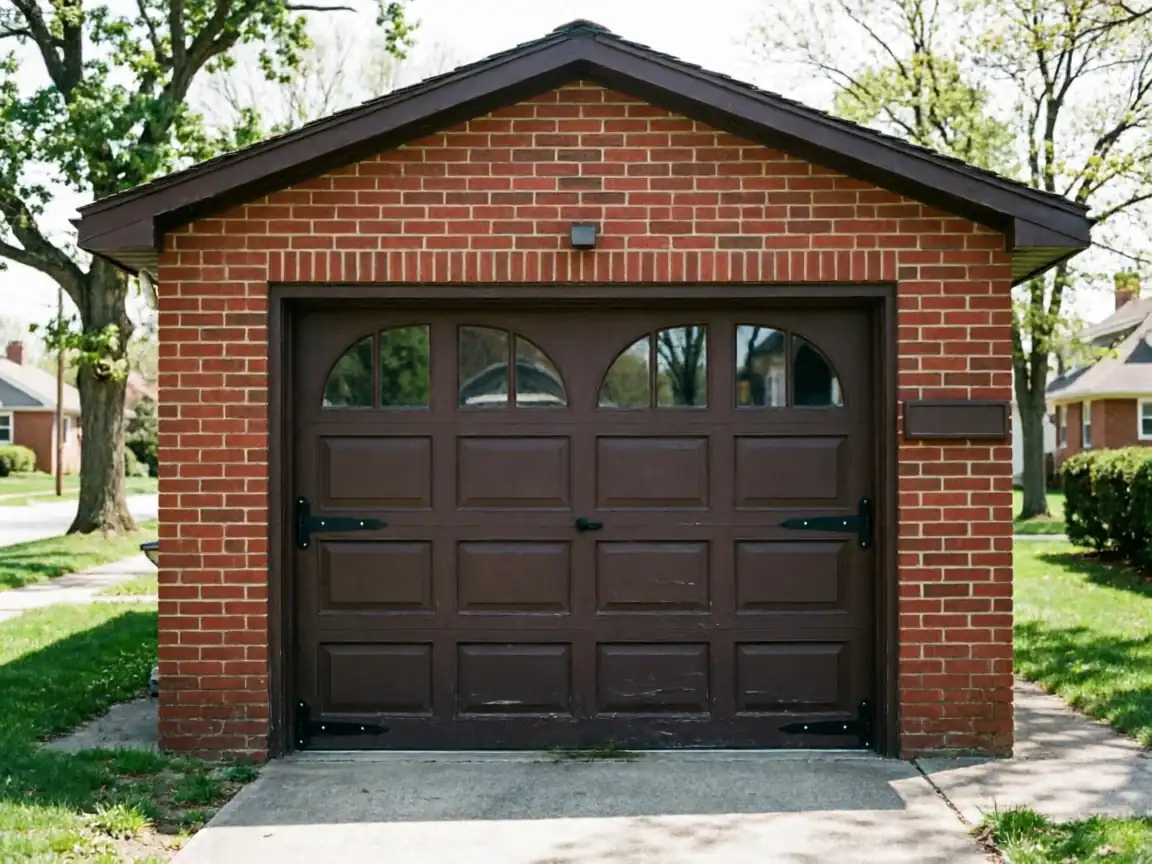
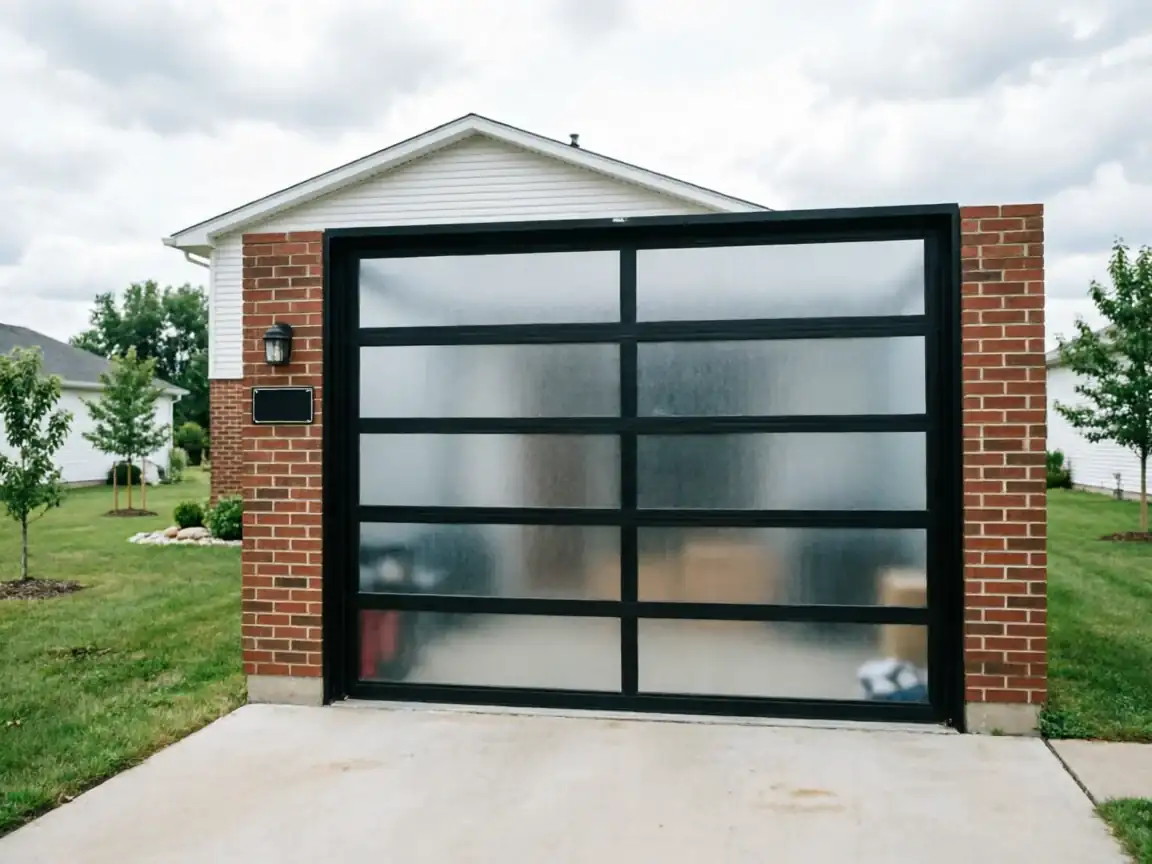
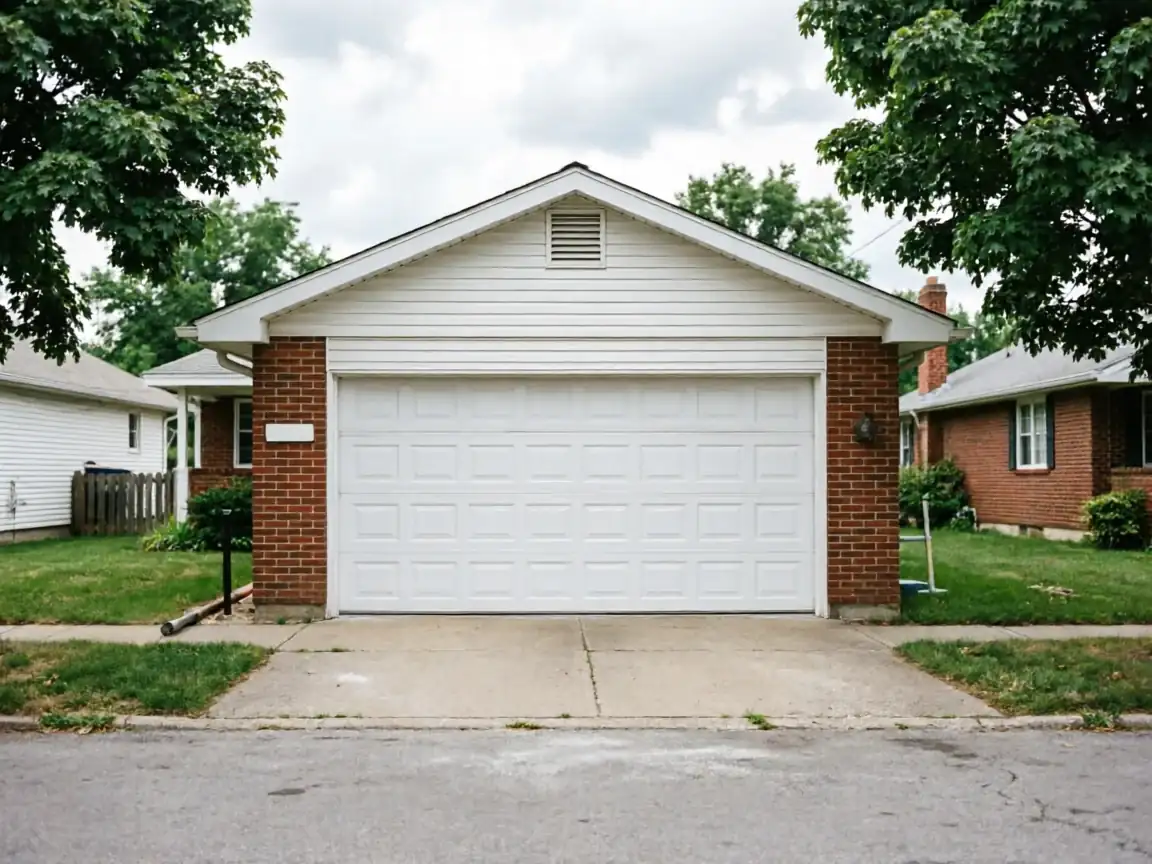
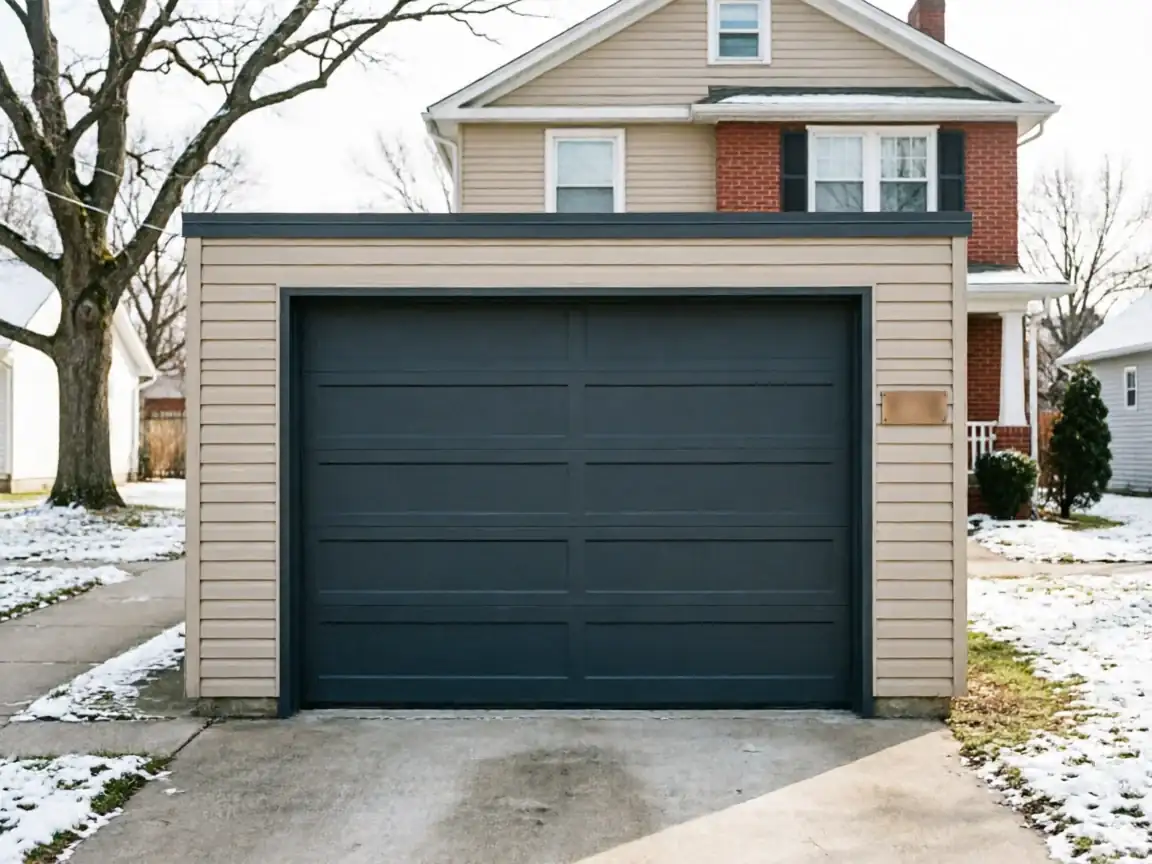
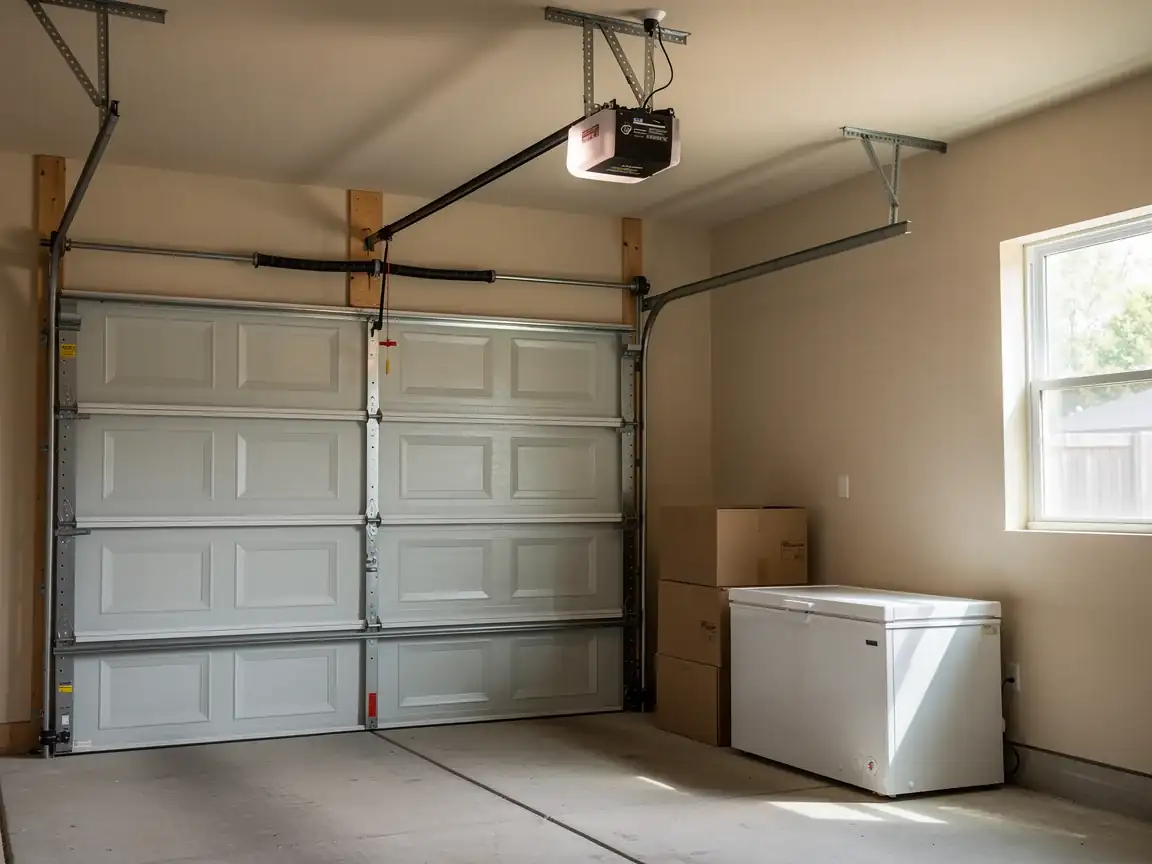
Garage doors and openers from that era are old enough to be wearing out on original parts but new enough that they're almost all steel sectional doors on extension or torsion springs with a chain or belt-drive opener - not the oddball one-piece doors or home-built hardware you sometimes find in pre-1960 housing. It's a more uniform, more predictable fleet of doors to work on, which is good news when something breaks.
The Usual Work Here
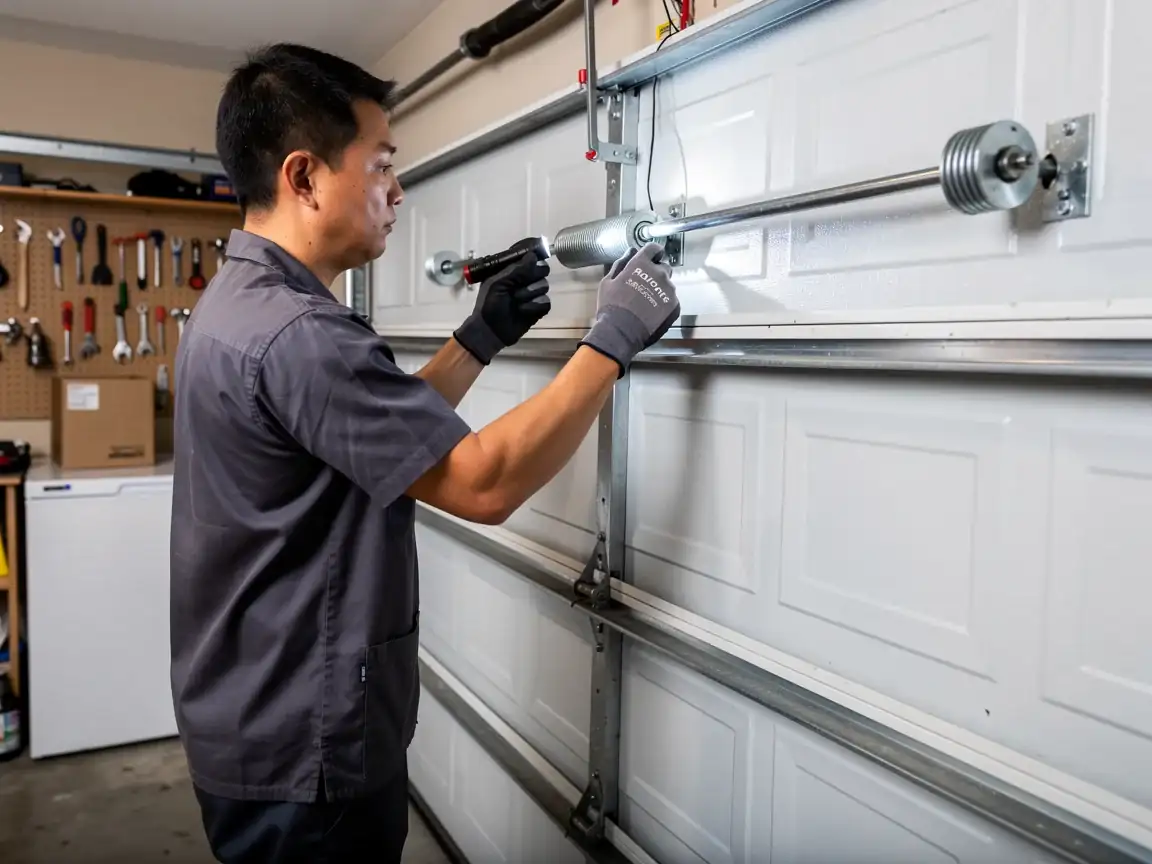
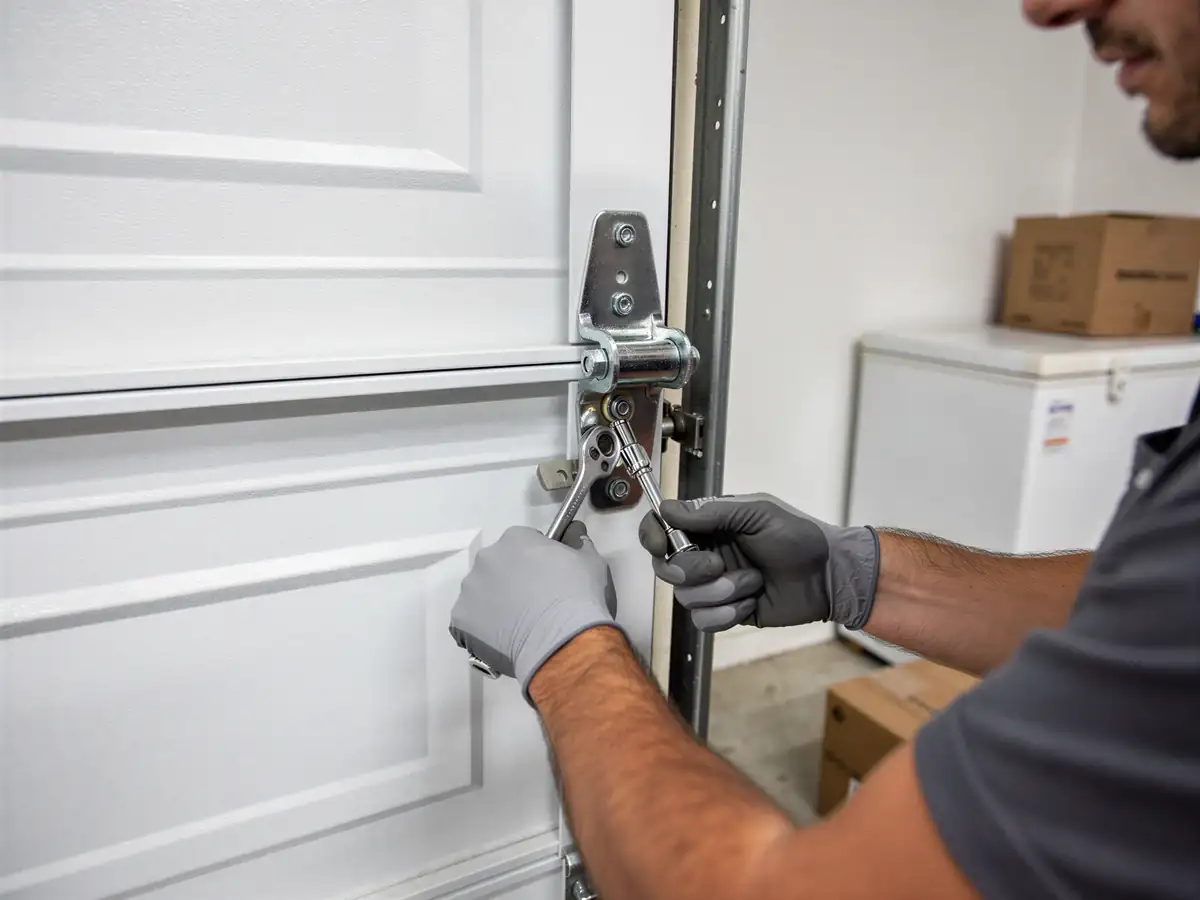
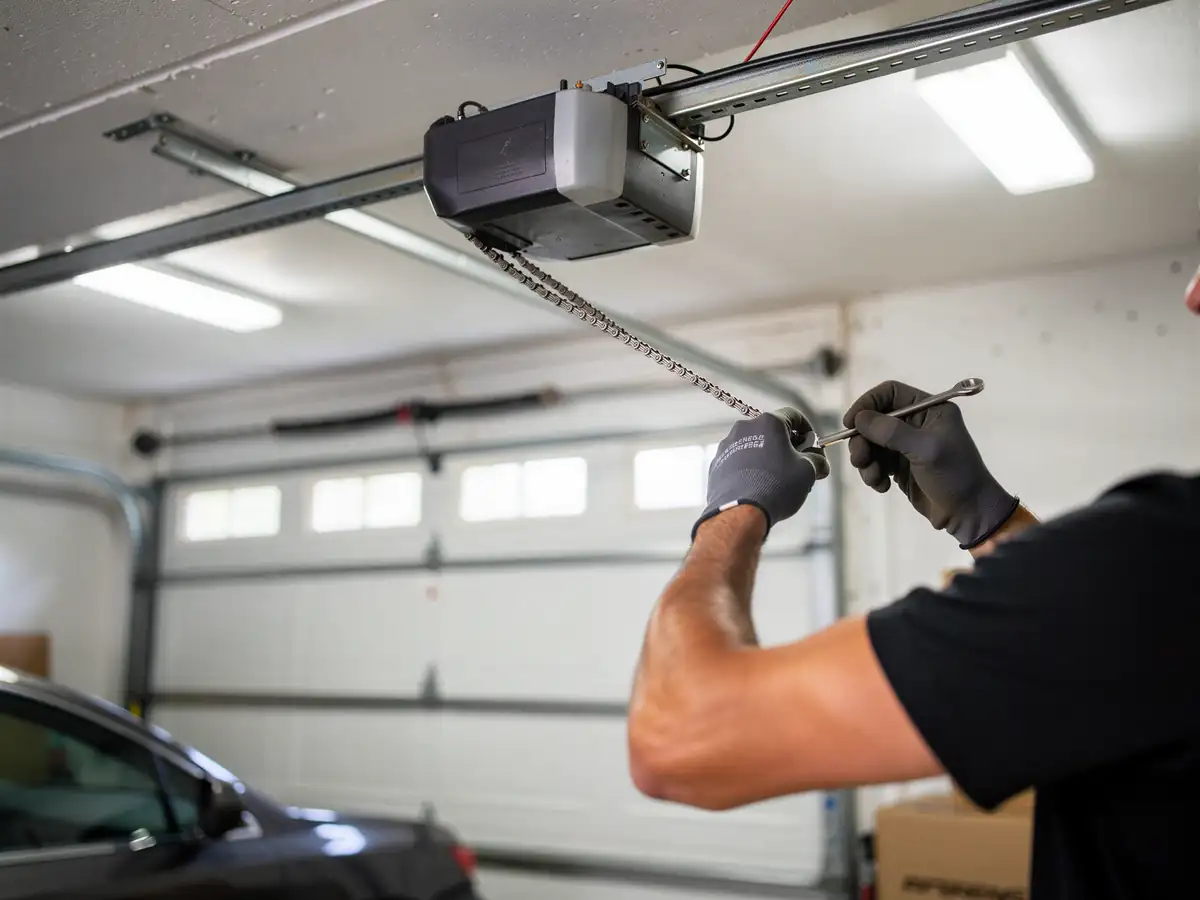
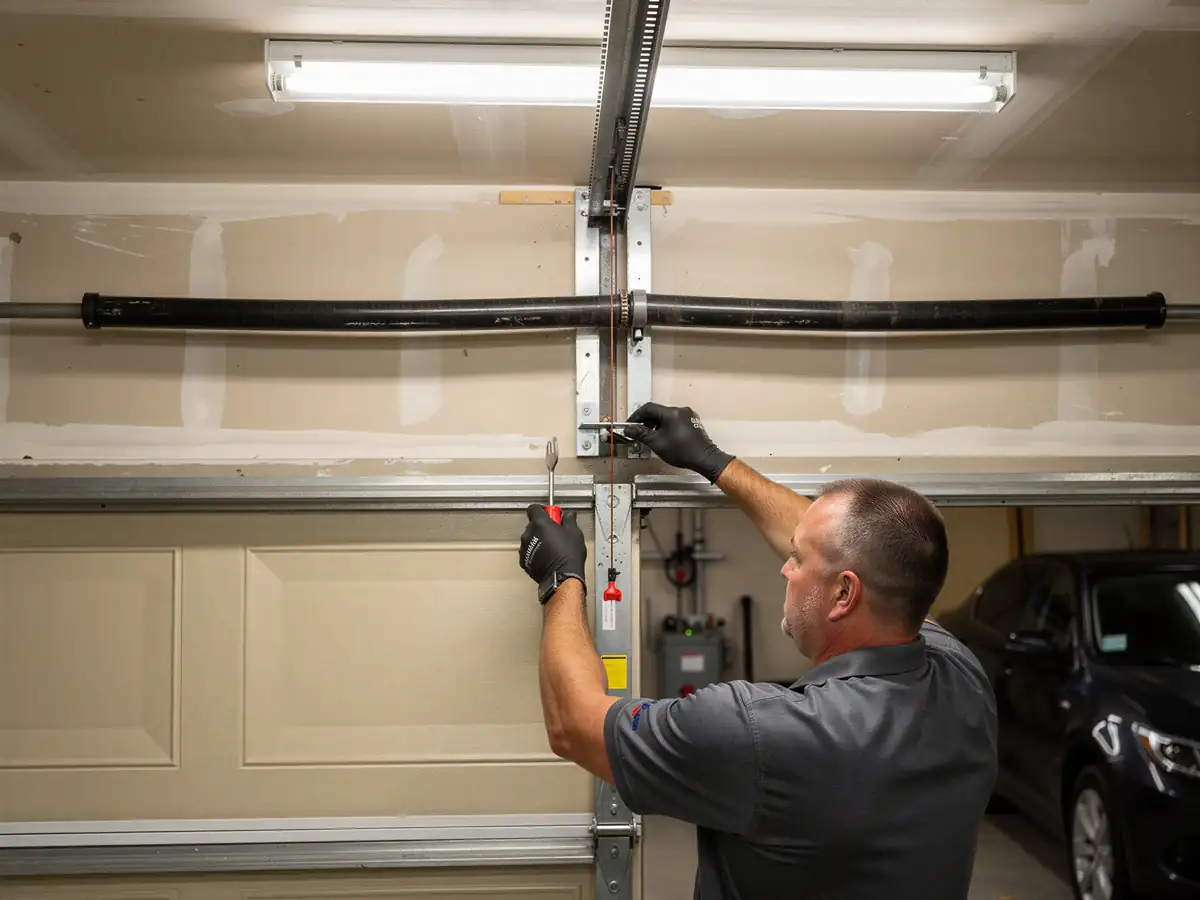
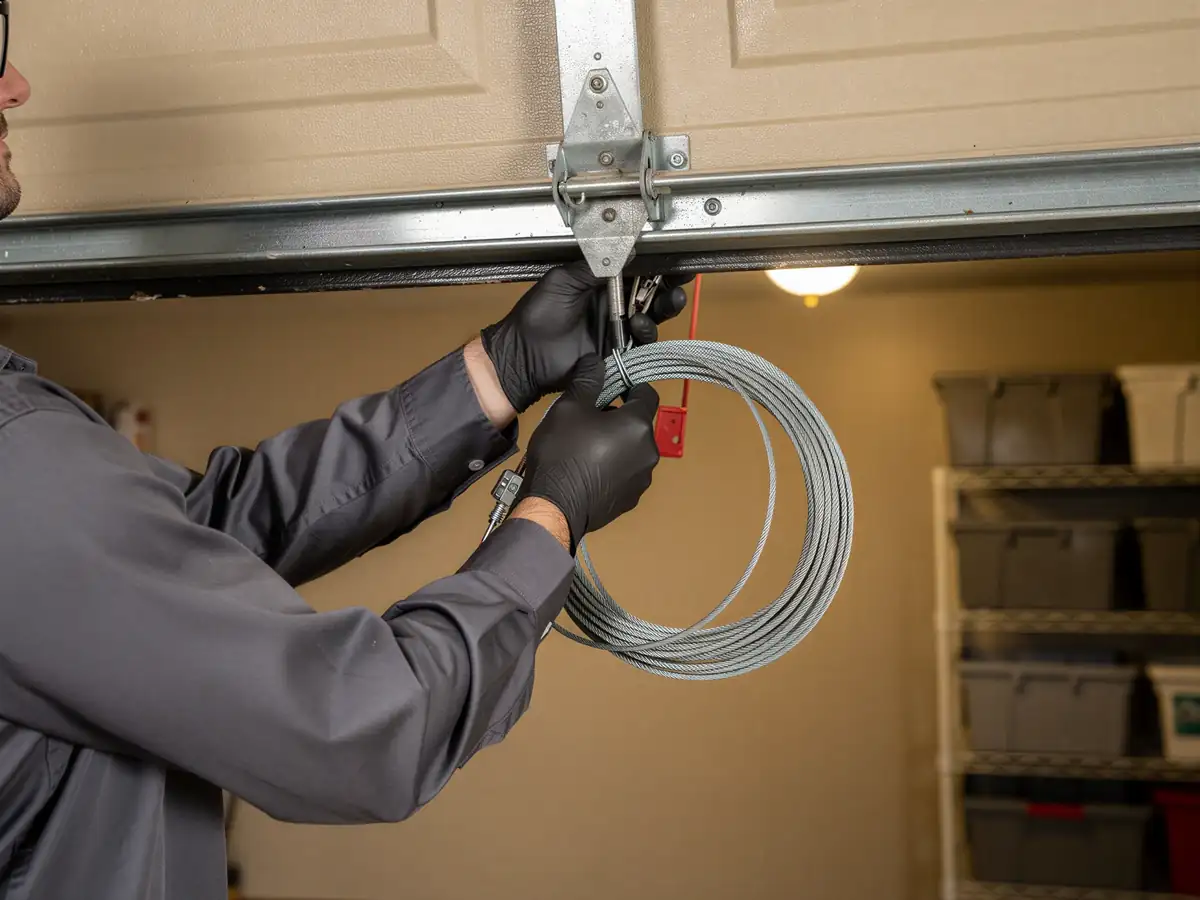
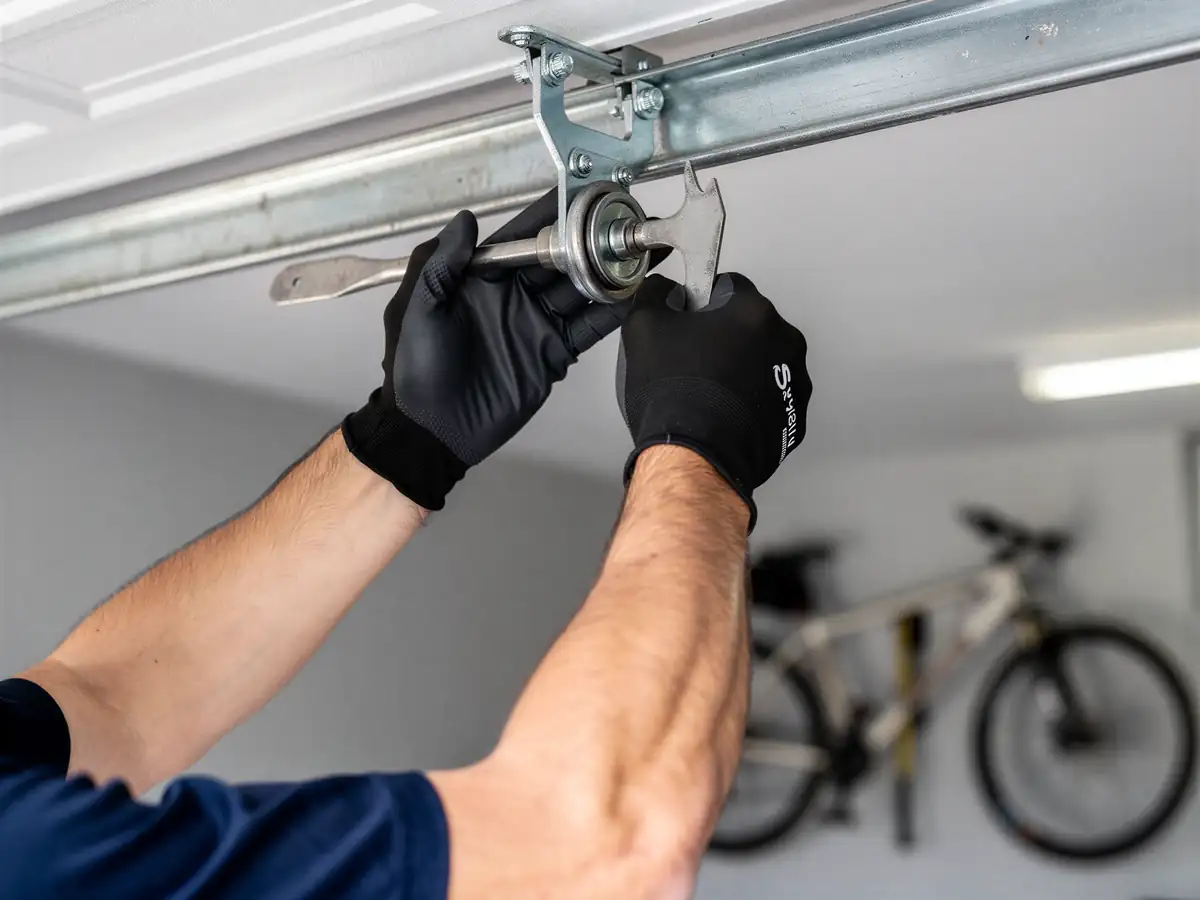
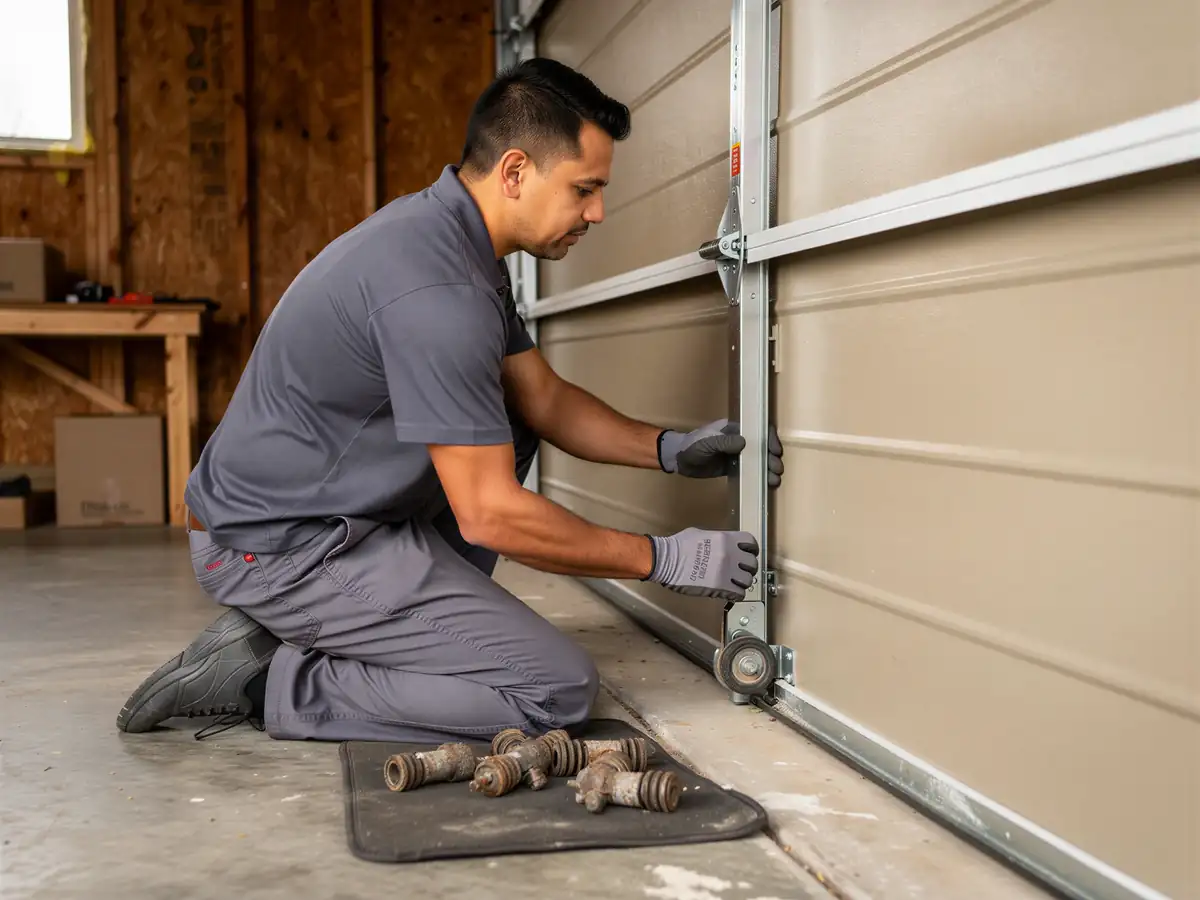
Given a late-90s build date, the calls we'd expect from this area center on parts simply aging out: torsion springs that have done 10,000-plus cycles and are due, nylon rollers that have gone from quiet to grinding, and openers from that generation reaching the end of their motor life. Steel panels from 1998-era doors also tend to show their age through rust at the bottom panel or dented tracks from 25-plus years of cars, bikes, and basketballs.
The COLD moderate climate band this whole region sits in means winter is doing real work on these doors too - cold makes springs more likely to snap on a cold morning when they're stiff, and it shrinks weatherstripping until it stops sealing. None of that is unique to Altoona, but it hits a late-90s door differently than it hits a door from 1965 or 2005, because the metallurgy and spring cycle-life specs changed over those decades. We'll tell you plainly if a repair isn't worth it versus a full door and opener swap - on a 25-plus-year-old door, that's often a real conversation, not a sales pitch.
What the Housing Means for Your Door
Because Altoona's housing stock clusters tightly around 1998, you don't see the wide mix of door styles and hardware generations that older, more patchwork neighborhoods have. Most garage doors here were installed with a specific generation of torsion spring hardware and a specific class of chain-drive or early belt-drive opener, which means parts availability is usually straightforward - we're not hunting down obsolete hardware for a door style nobody made after 1975.
The flip side is that a lot of these doors and openers are approaching the same age at roughly the same time. If your opener was installed when the house was built in the late 90s, it's had over two decades of winters in a COLD moderate climate. That's long past the point where most manufacturers expect the motor, the drive gear, or the circuit board to still be original. We won't tell you to replace something that's working fine, but if you're calling about a second or third failure on the same opener in a year, replacement usually makes more financial sense than another repair.