The Symptom
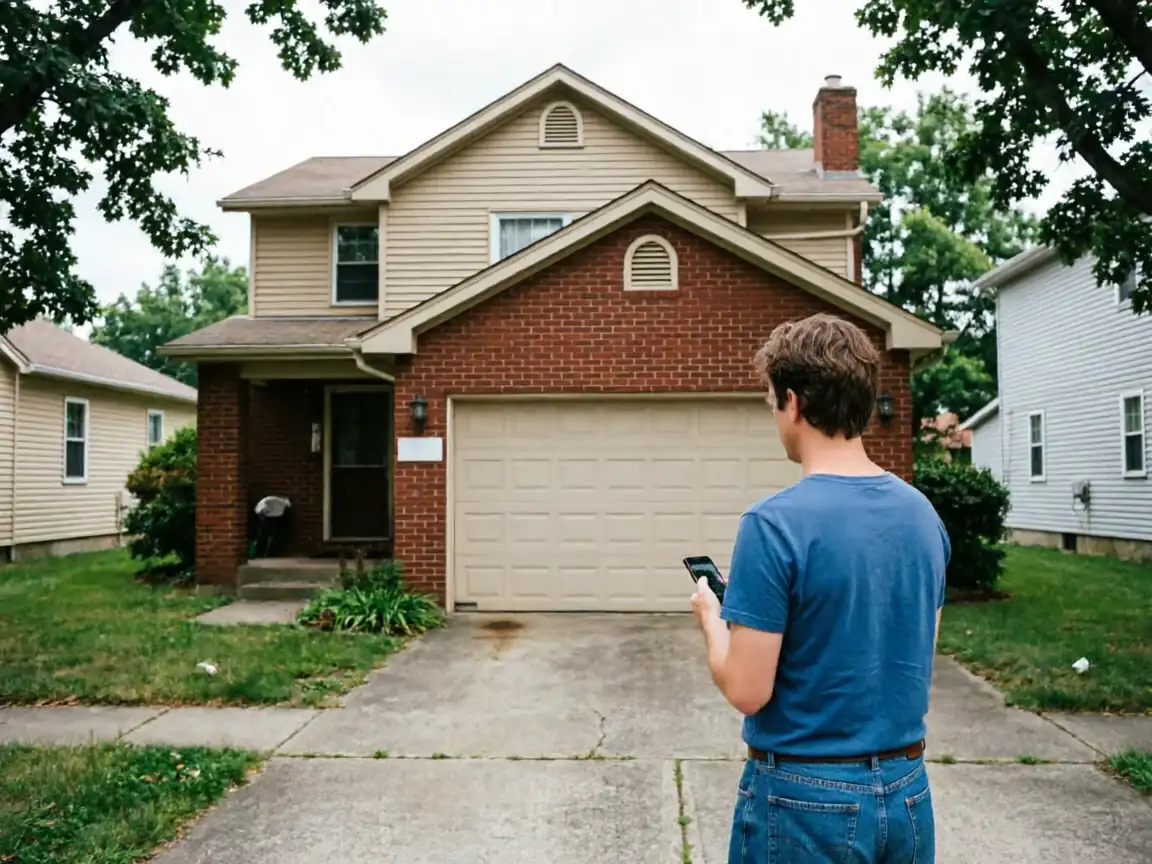
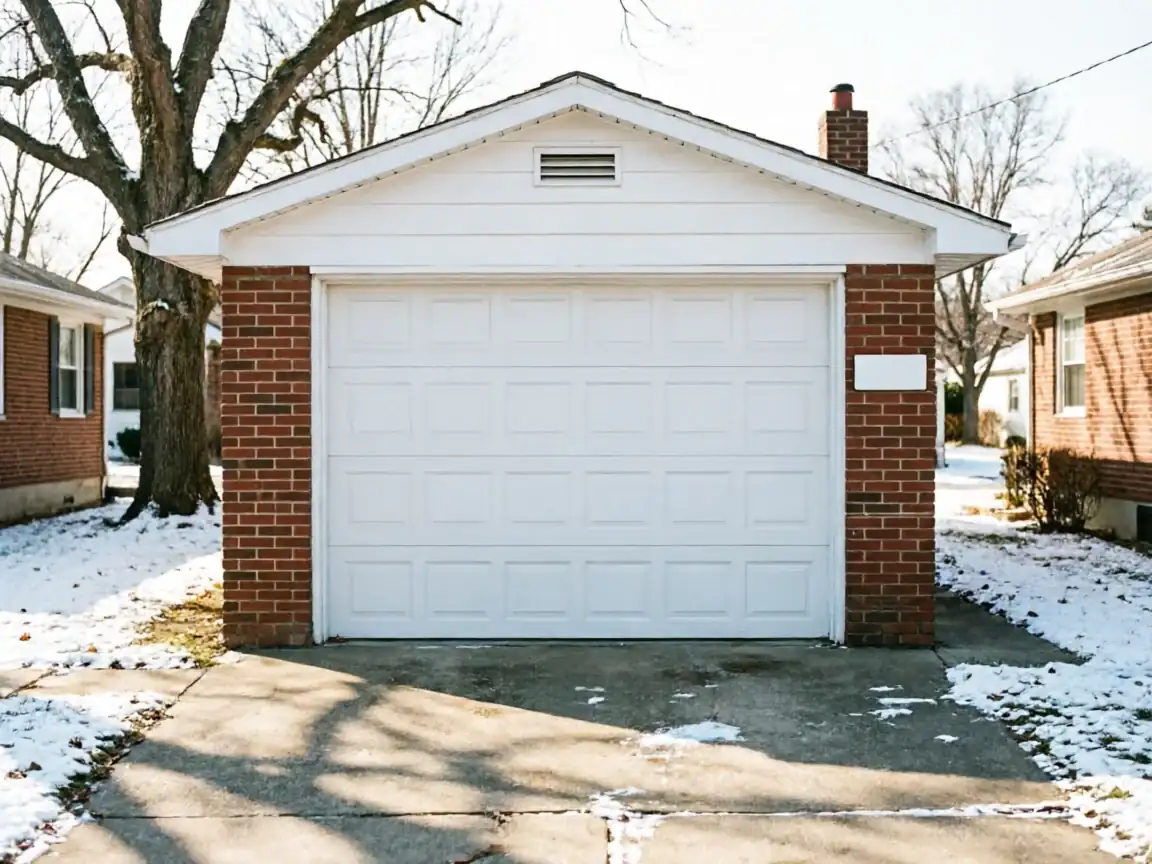
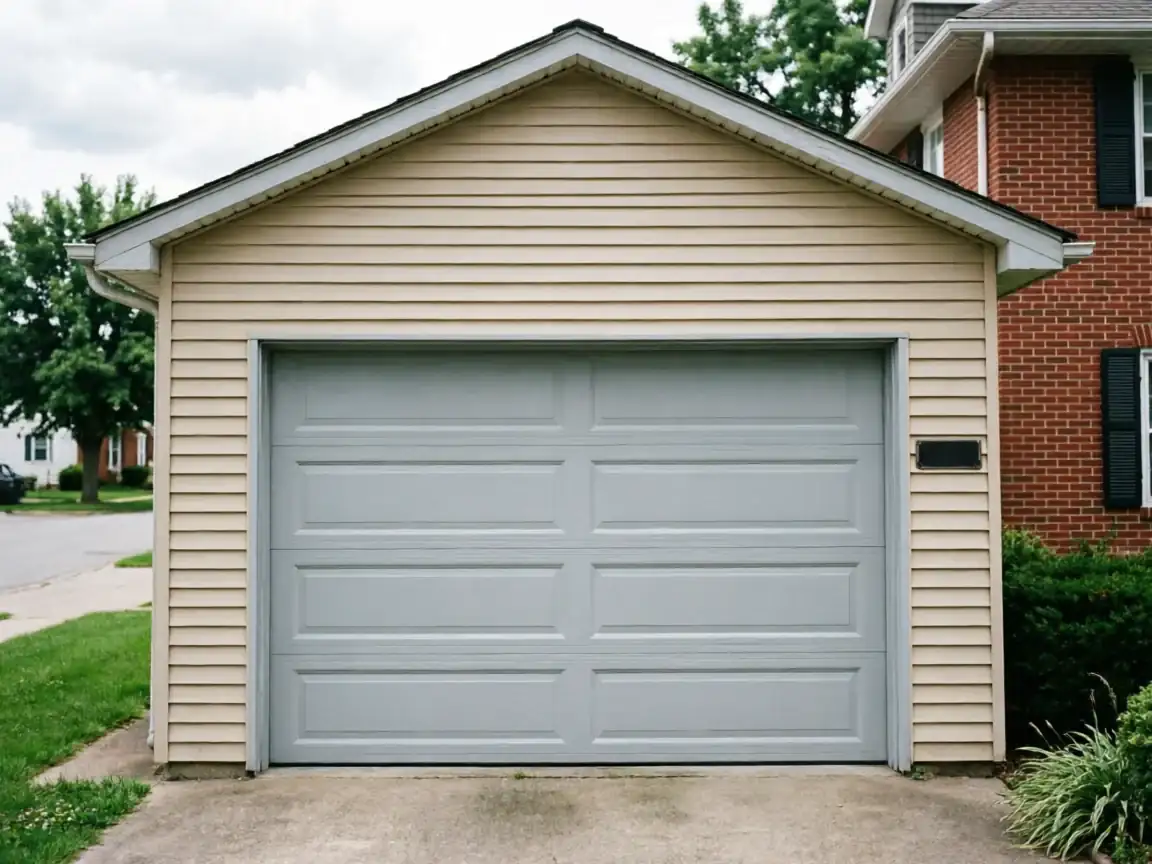
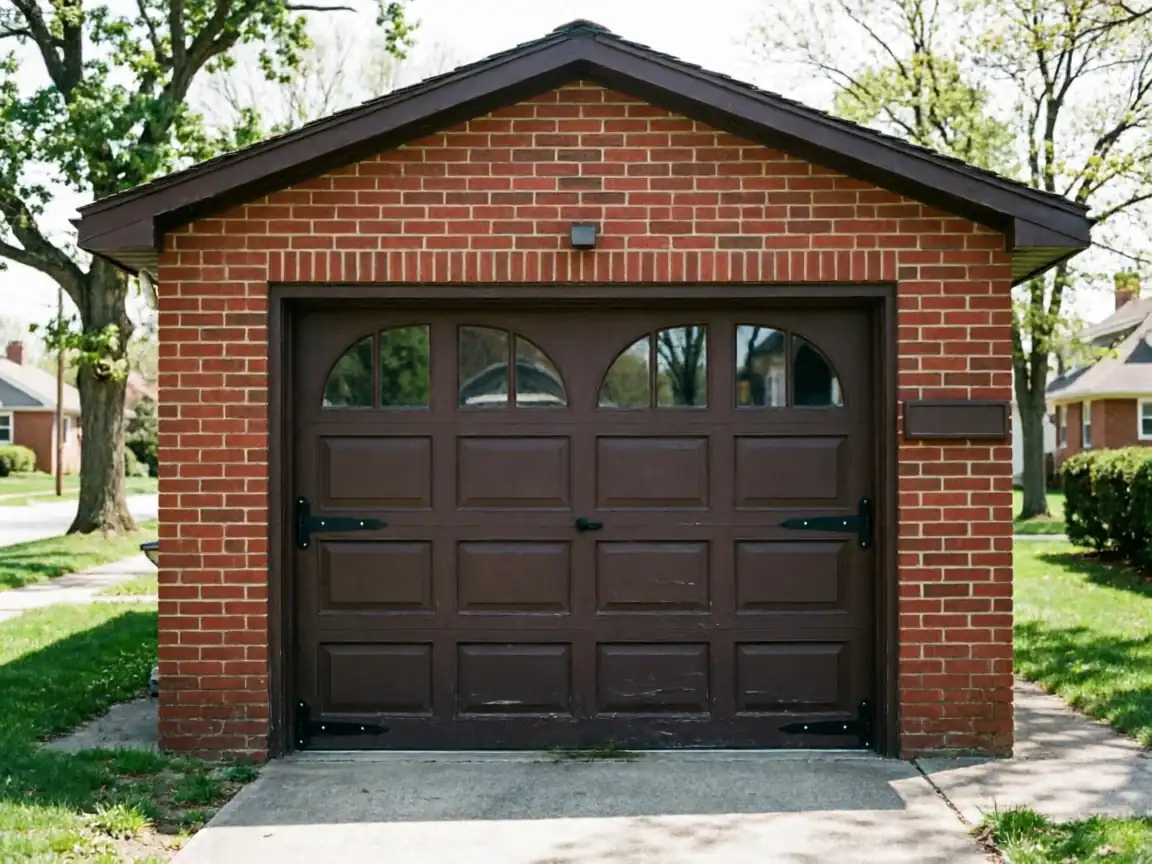
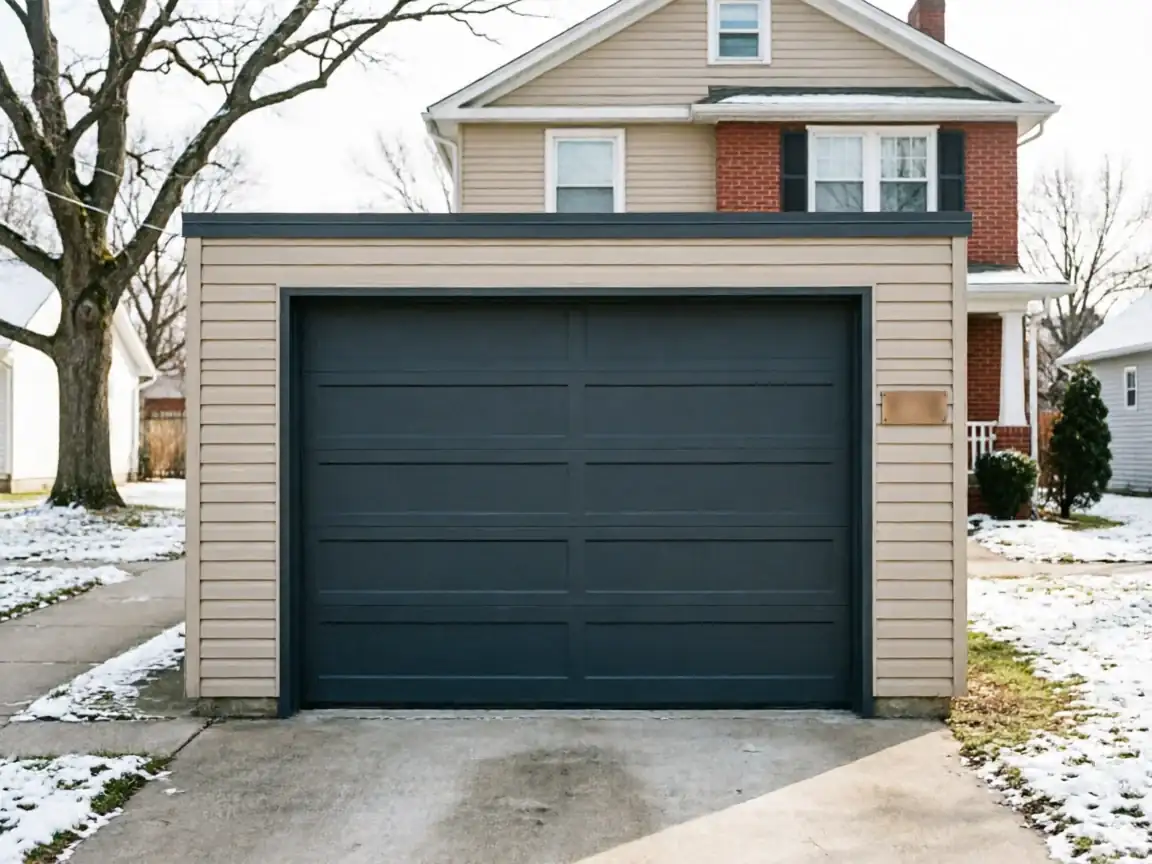
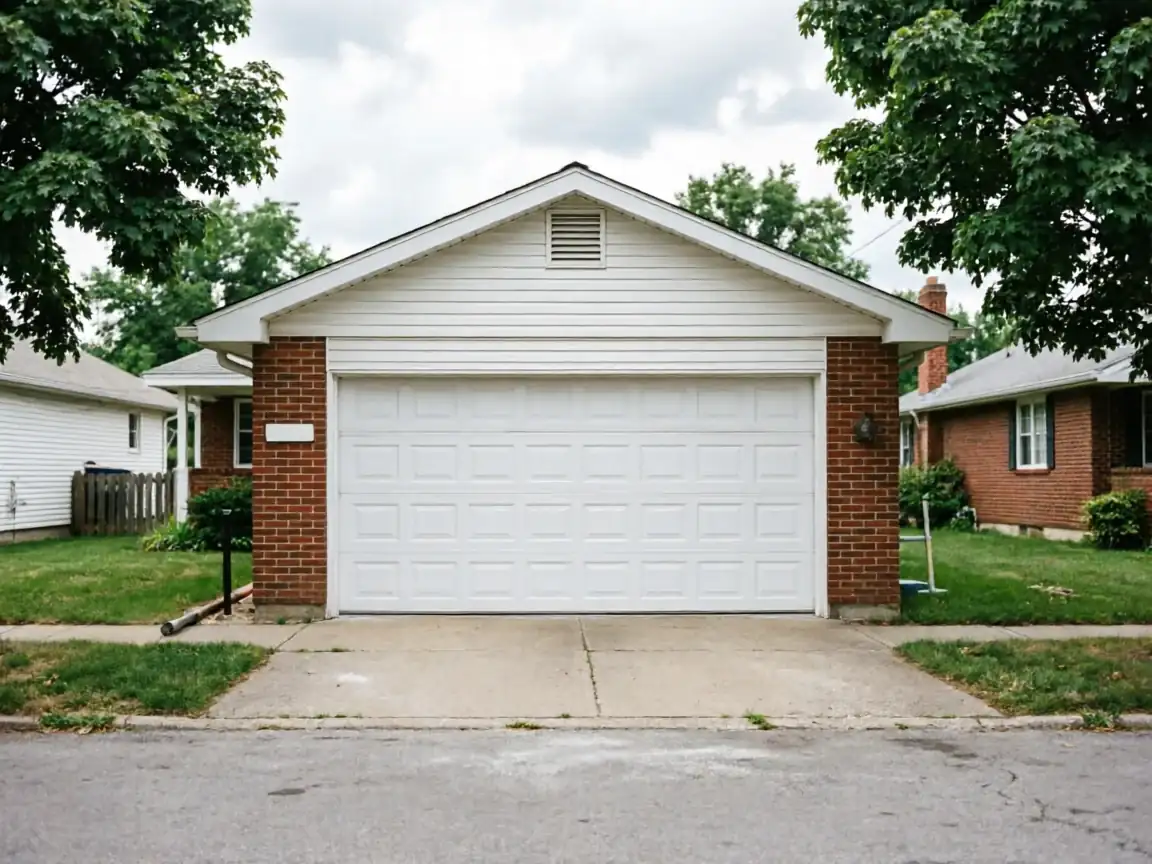
Most garages in Altoona are holding the door they were built with. The median home here dates to around 1998, which puts the bulk of the housing stock squarely in the era of steel sectional doors - two-car openings, 16x7 or two 9x7 singles, raised-panel steel skins with a thin layer of foam or none at all. These aren't the heavy wood doors of an older neighborhood or the thin aluminum of a much newer one. They're mid-90s builder-grade steel, hung on torsion springs sized for a door that's now pushing 25-30 years old.
The symptom that brings people to replace rather than patch is usually one of three things: the door is visibly sagging at the bottom panel, the foam insulation (if it had any) has crumbled and left cold spots on the wall it backs up to, or the opener is original and simply can't be matched to new safety sensors and remote standards. None of these show up overnight. They show up slowly, over a winter, until the door looks tired next to the rest of the house.
What the Fix Involves
A new install on a door this age isn't just swapping a panel set
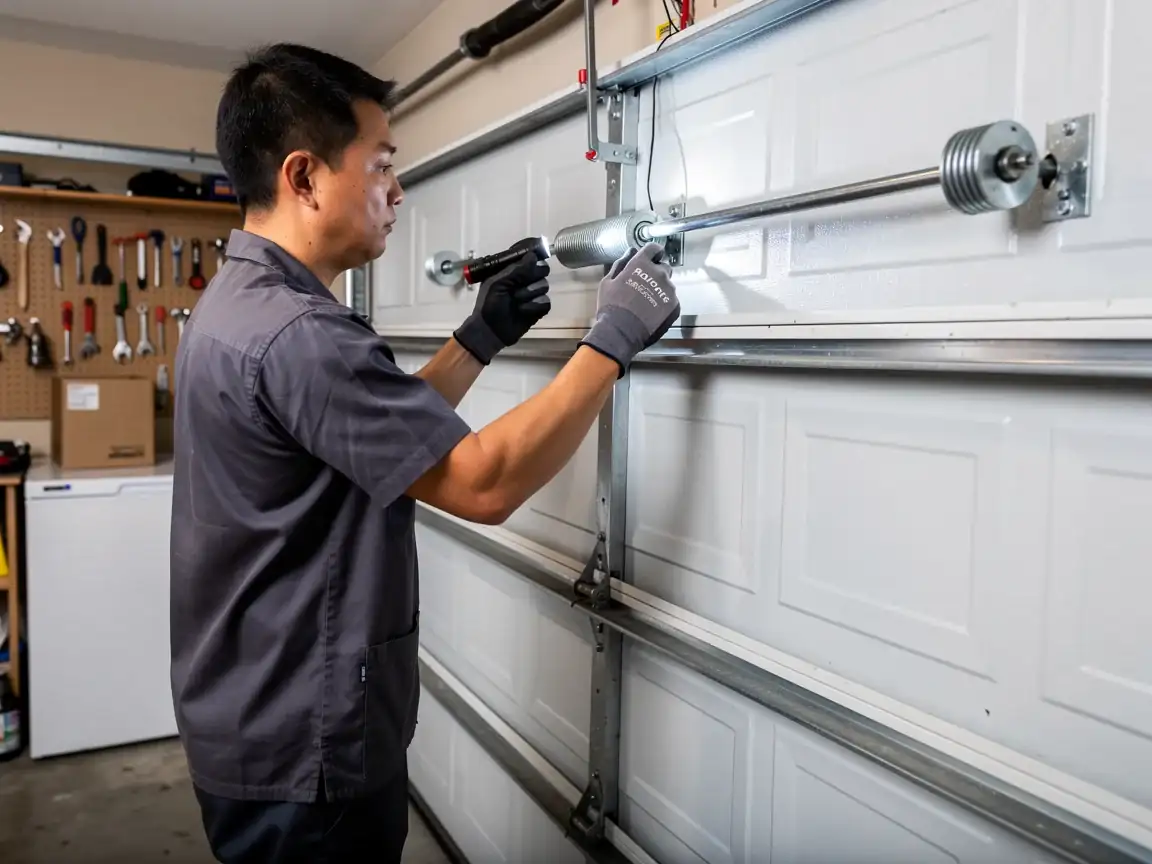
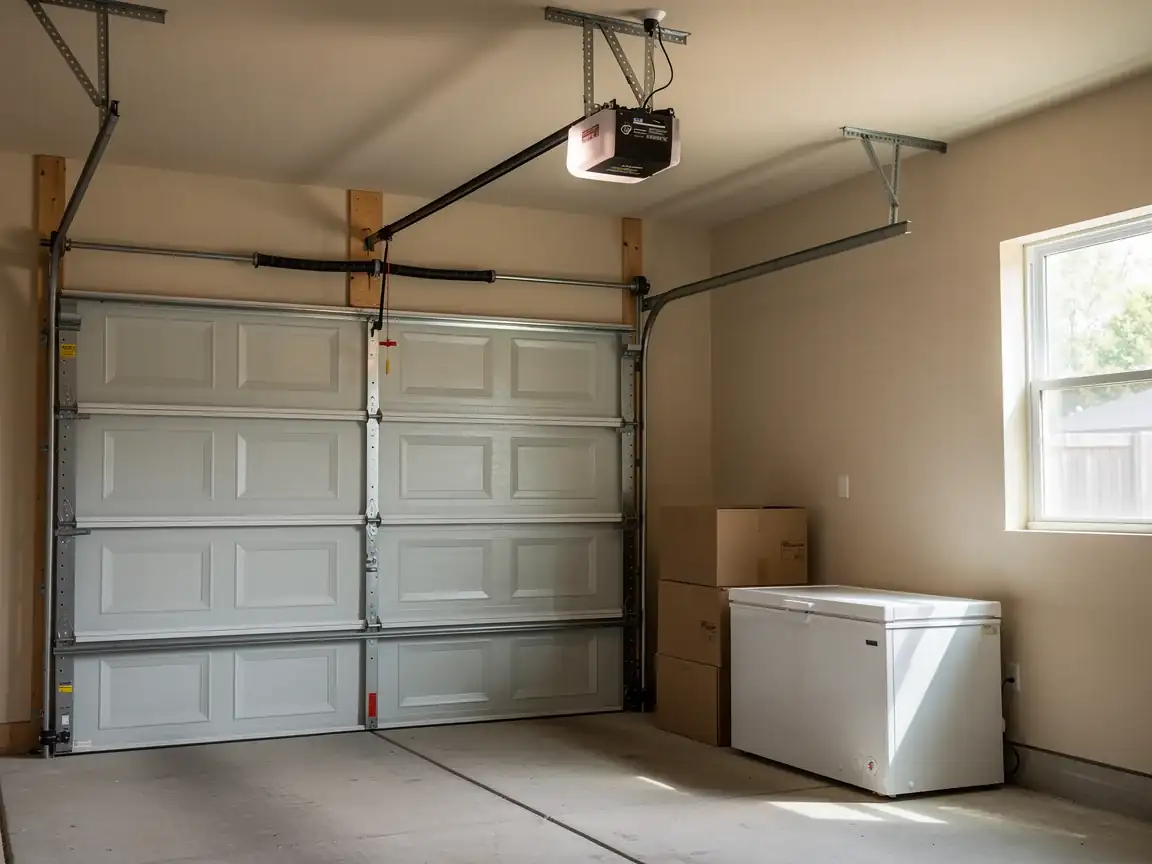
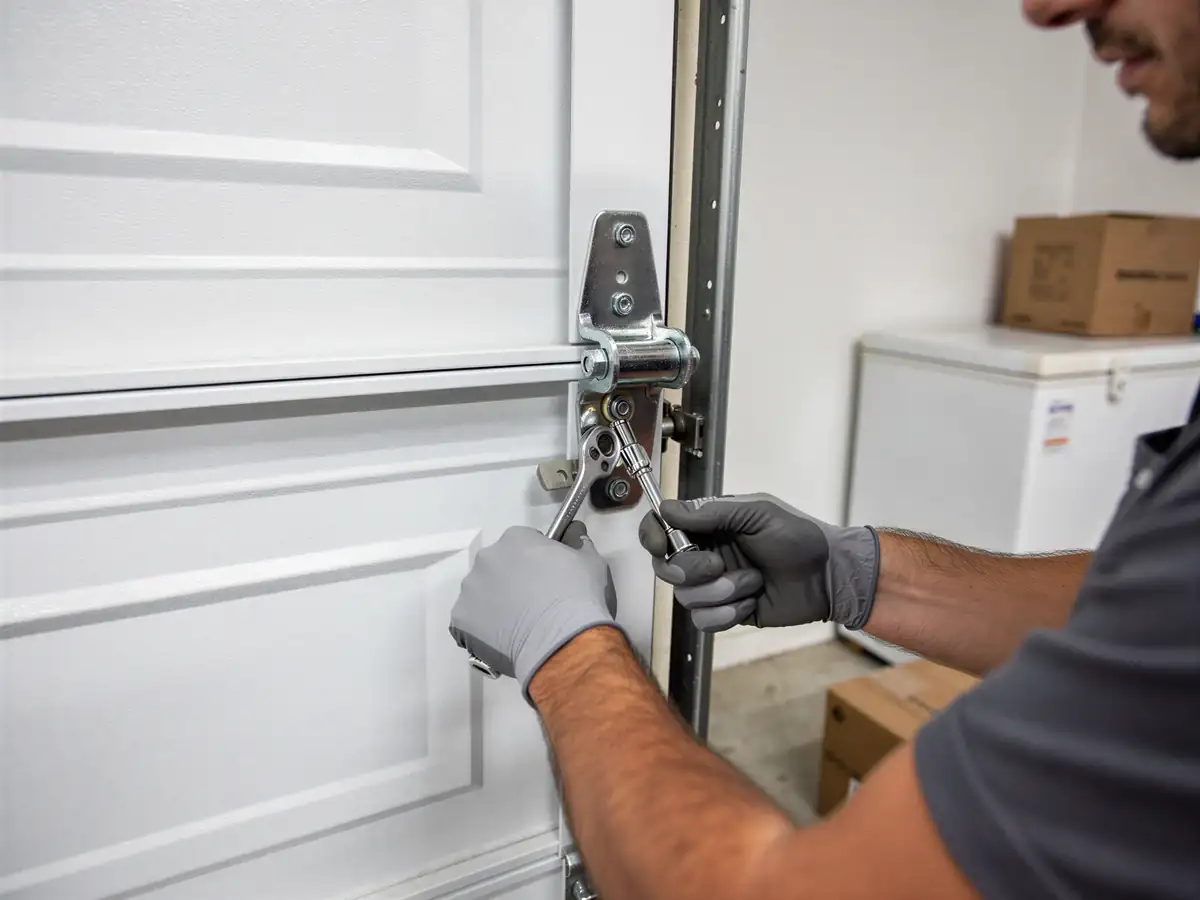
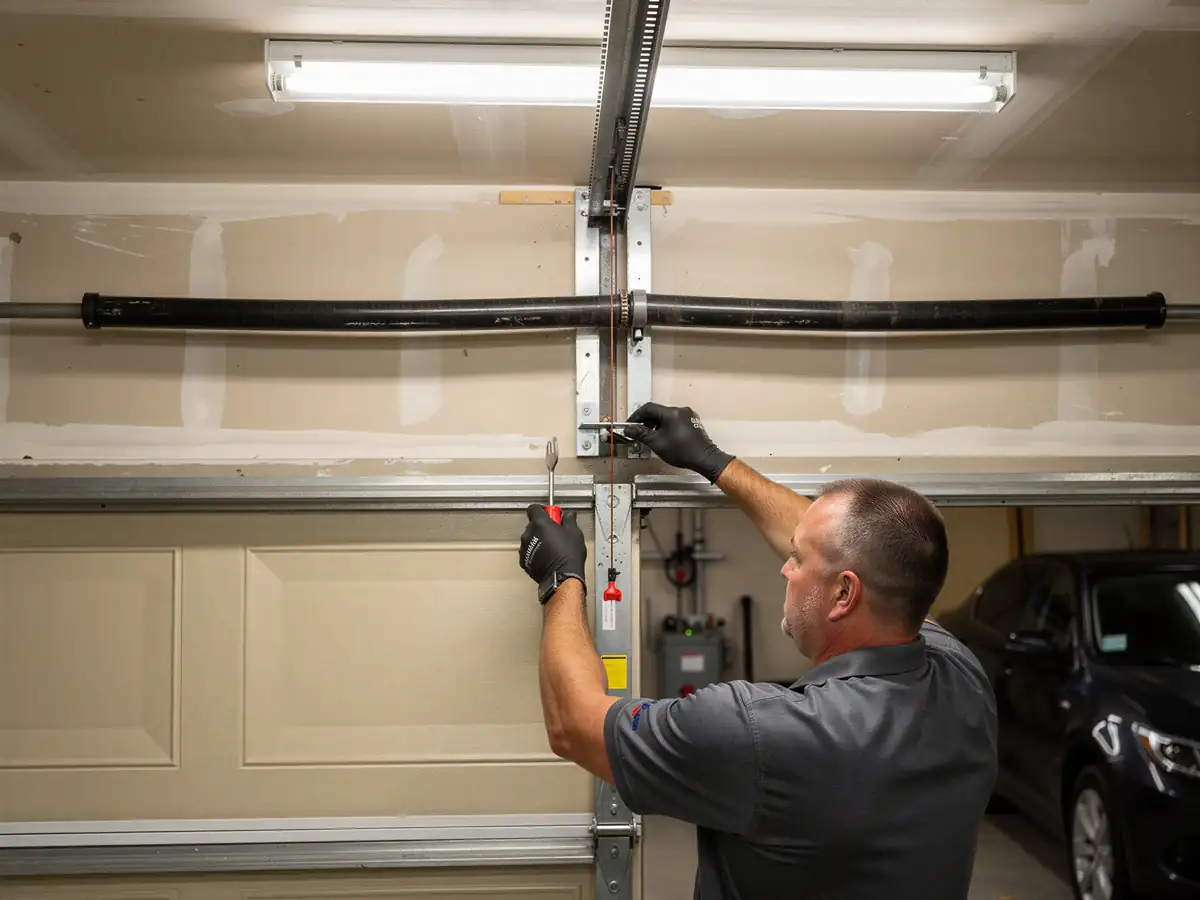
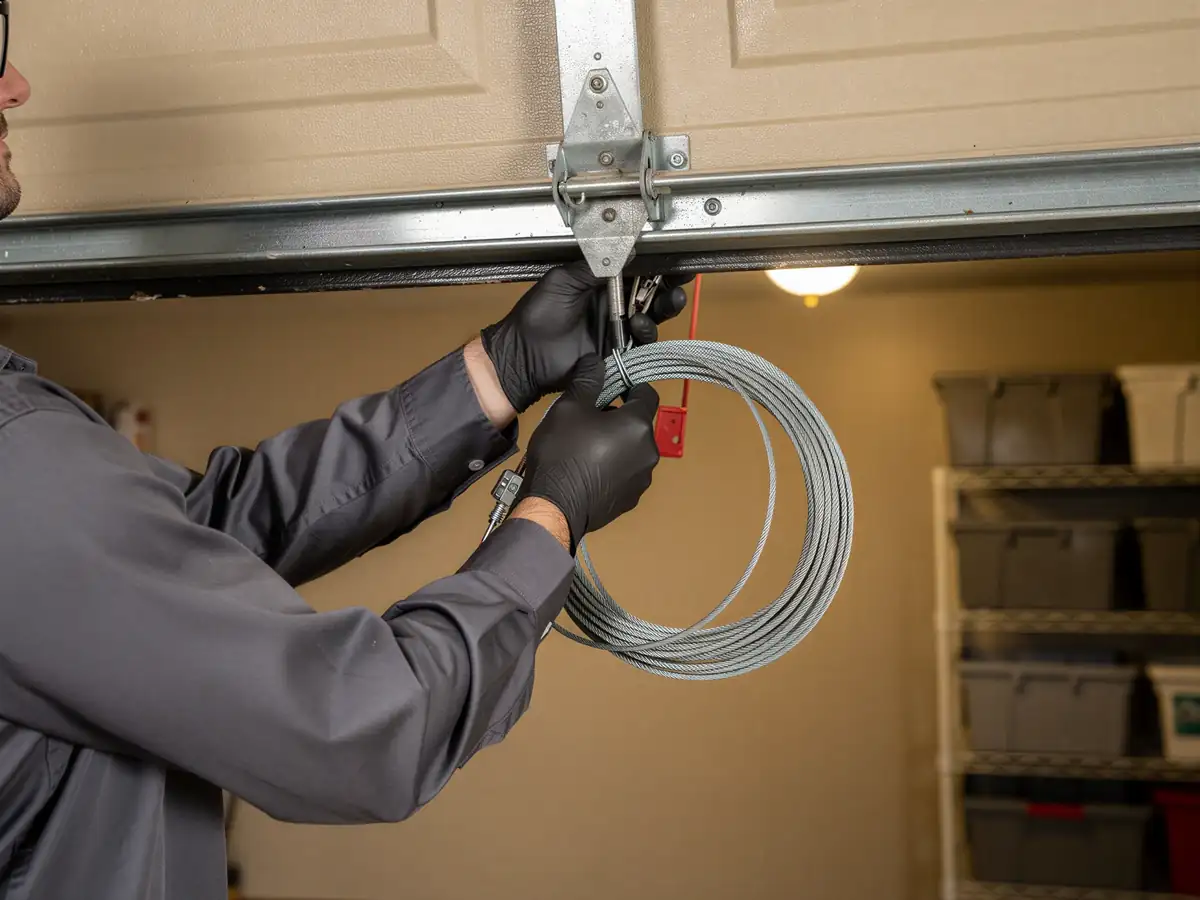
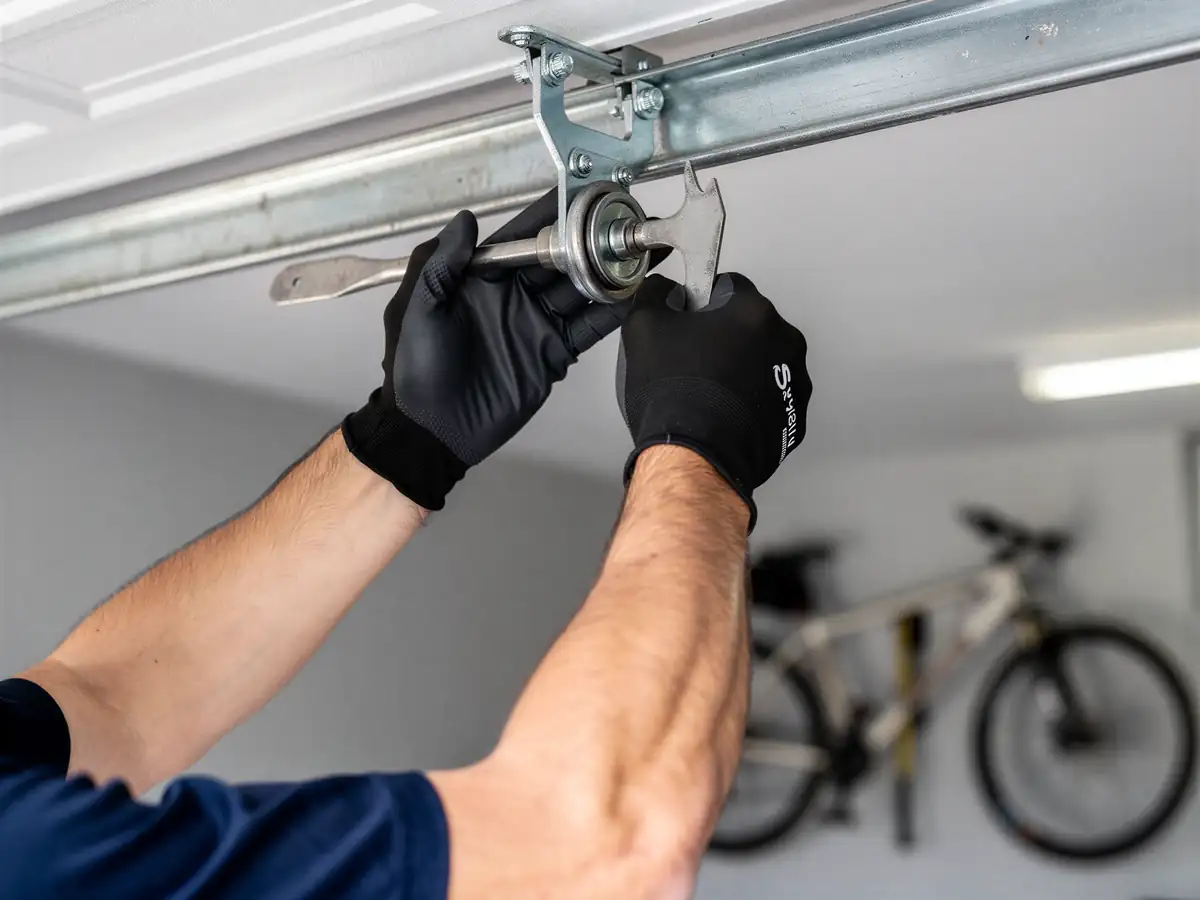
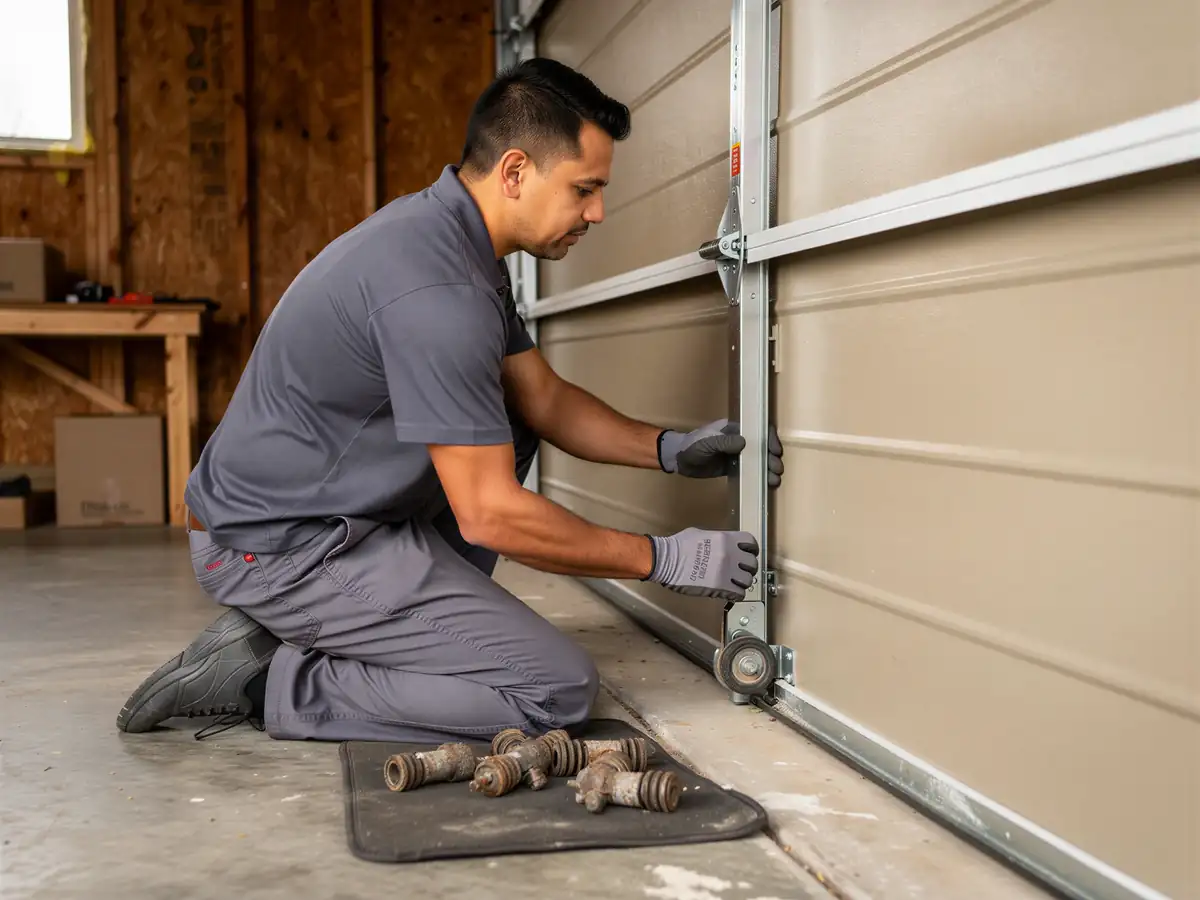
The torsion spring system on a late-90s door was sized to the original door's weight, and a new insulated steel or composite door almost always weighs differently - sometimes less, sometimes more depending on the insulation package you choose. That means new springs, usually a new torsion shaft if the drums don't match, and a track check, since 25 years of settling can leave the jamb slightly out of square even if nobody ever noticed.
- 25 years
We also check the header and jamb framing against the new door's size
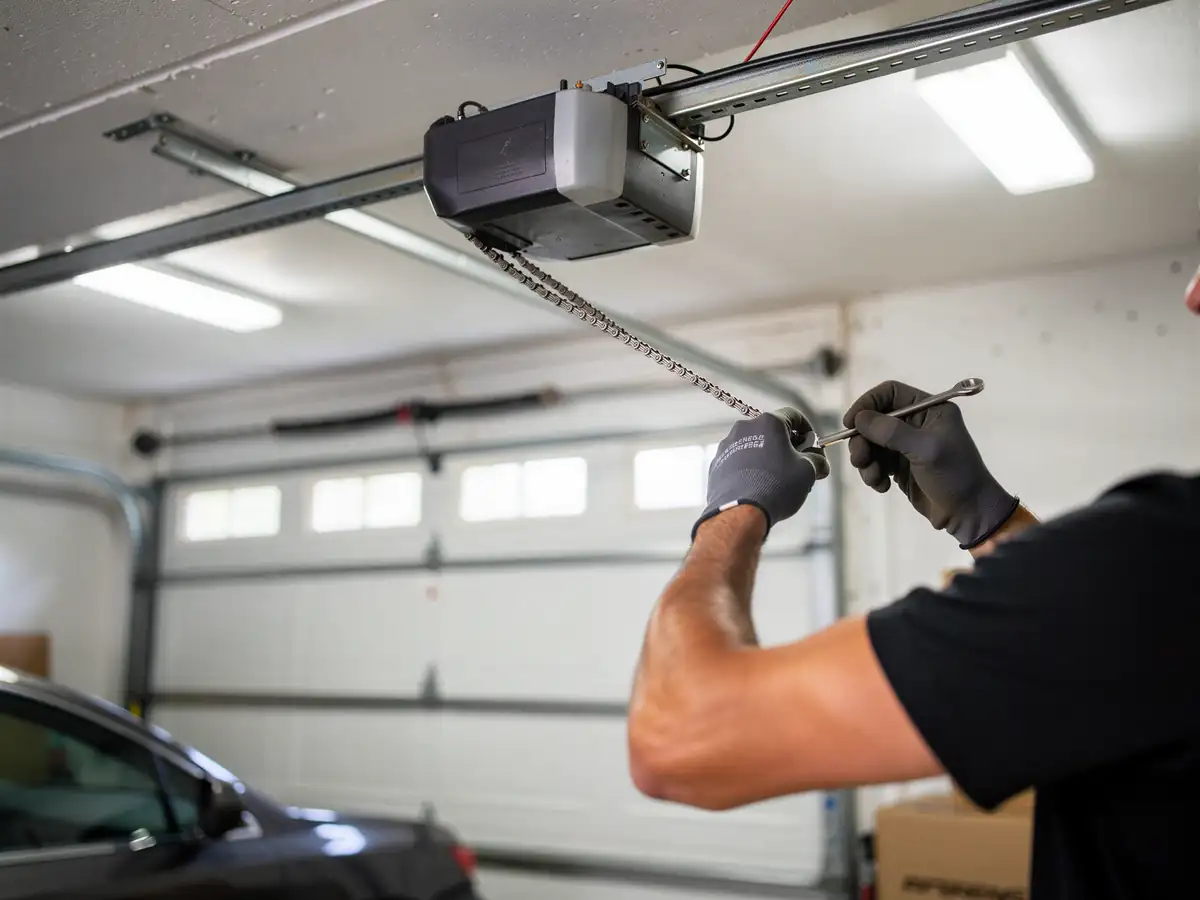
Builder-grade garages from this period were framed tight to code for the day, not for today's thicker insulated panels, so a double door going in sometimes needs the stop trimmed or reset. Opener compatibility gets checked too - if the opener is original, replacing the door is often the point where it makes sense to swap the opener at the same time rather than force an old drive unit to run a heavier new door.
What It Costs
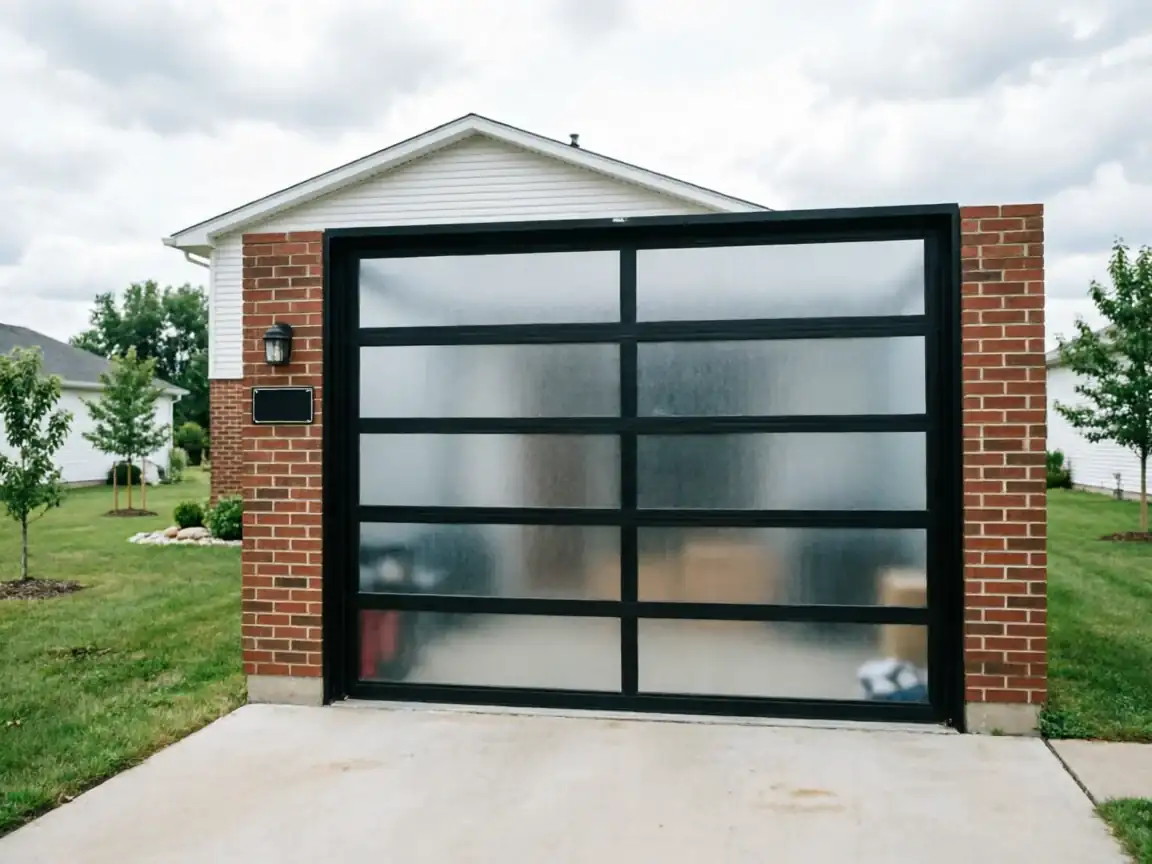
We don't post a flat number here because door size, insulation level, and whether the opener comes with it all move the price. What we can tell you is what drives the cost on an Altoona job specifically: most garages here are standard two-car openings on homes with no major structural quirks, which keeps labor predictable compared to an older, settled house. The variable is almost always the door itself - steel versus composite, single-layer versus double-layer insulated, and window inserts if you want them.
Given the median household income in this service area runs close to $87,000 locally, we see a lot of buyers land in the mid-tier insulated steel range rather than top-end composite, which is a reasonable call for a door that faces Iowa winters. Ask for a written quote before any work starts - we'll walk the actual door and give you a number tied to what's in your garage, not an average.
The Complications
The complication we run into most in Altoona isn't the door - it's the opener. Homes built around the late 90s often still have openers from that period, and the sensor eyes, rail systems, and remote frequencies on those units don't always talk to a modern door's safety reversal system. If your opener is original, plan on replacing it alongside the door rather than trying to make it work.
The other one is weatherstripping and the bottom seal. A door built in that window usually used a basic vinyl astragal that was fine for its time but doesn't hold up well against a true cold-climate winter over 25 years - cracked, flattened seals let in drafts and water that then freeze. New doors come with a better seal standard, but if the slab floor has settled even slightly, we sometimes need to adjust the threshold seal separately. One limitation worth saying plainly: if your garage framing is out of square by more than a small amount, that's a carpentry fix before the door goes in, not something a new door solves on its own.
How Long You Are Without the Door
We travel from Des Moines to Altoona, about 8 miles
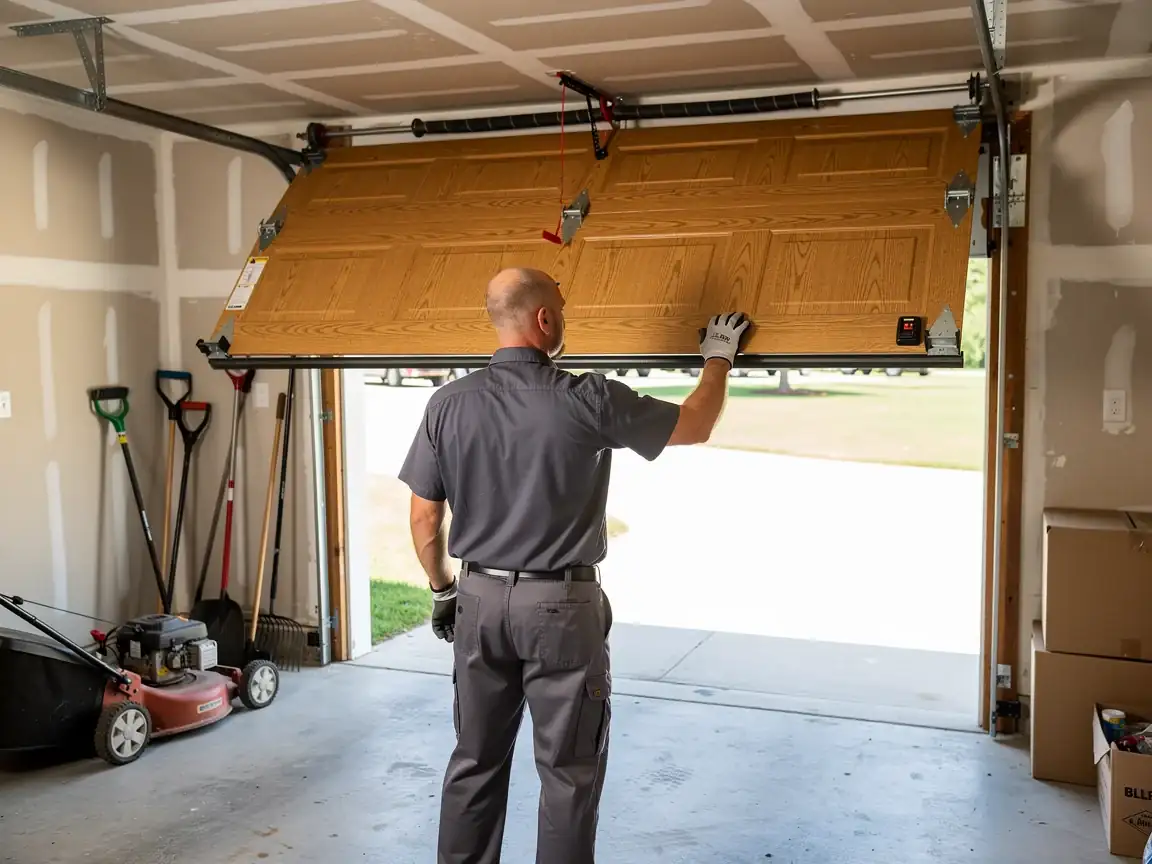
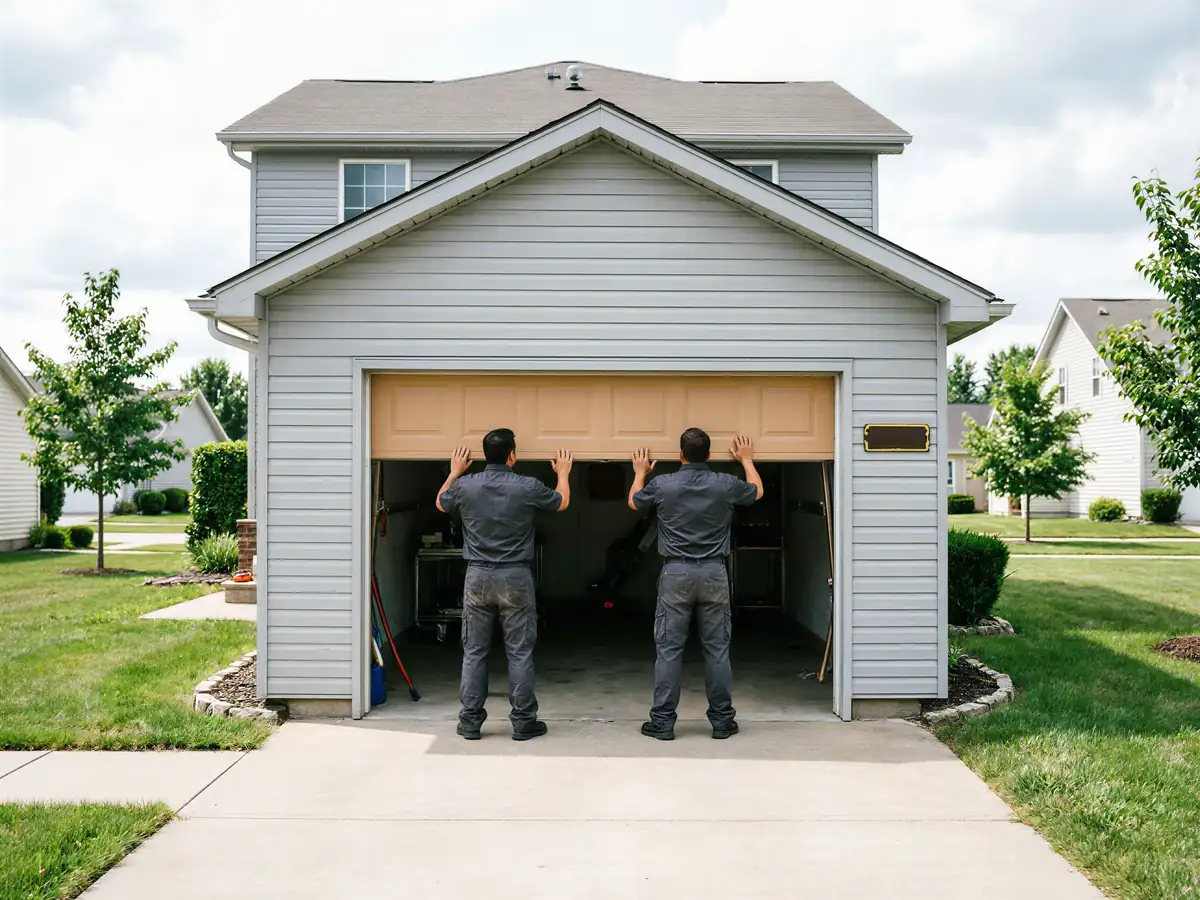
So arrival time on the day of the job isn't the bottleneck - the door itself usually is. A standard install, once the door and hardware are on the truck, runs a few hours for a single door and closer to half a day for a double with a new opener. You're not without a garage door overnight if everything's scheduled and the unit's in stock; the gap comes if you've ordered a less common size or a composite door that has to come from the manufacturer first.
- 8 miles
We'll give you a realistic lead time when we quote the job
Based on what's actually in stock versus what has to be ordered, so you're not guessing at how many days your car sits outside.