The Symptom
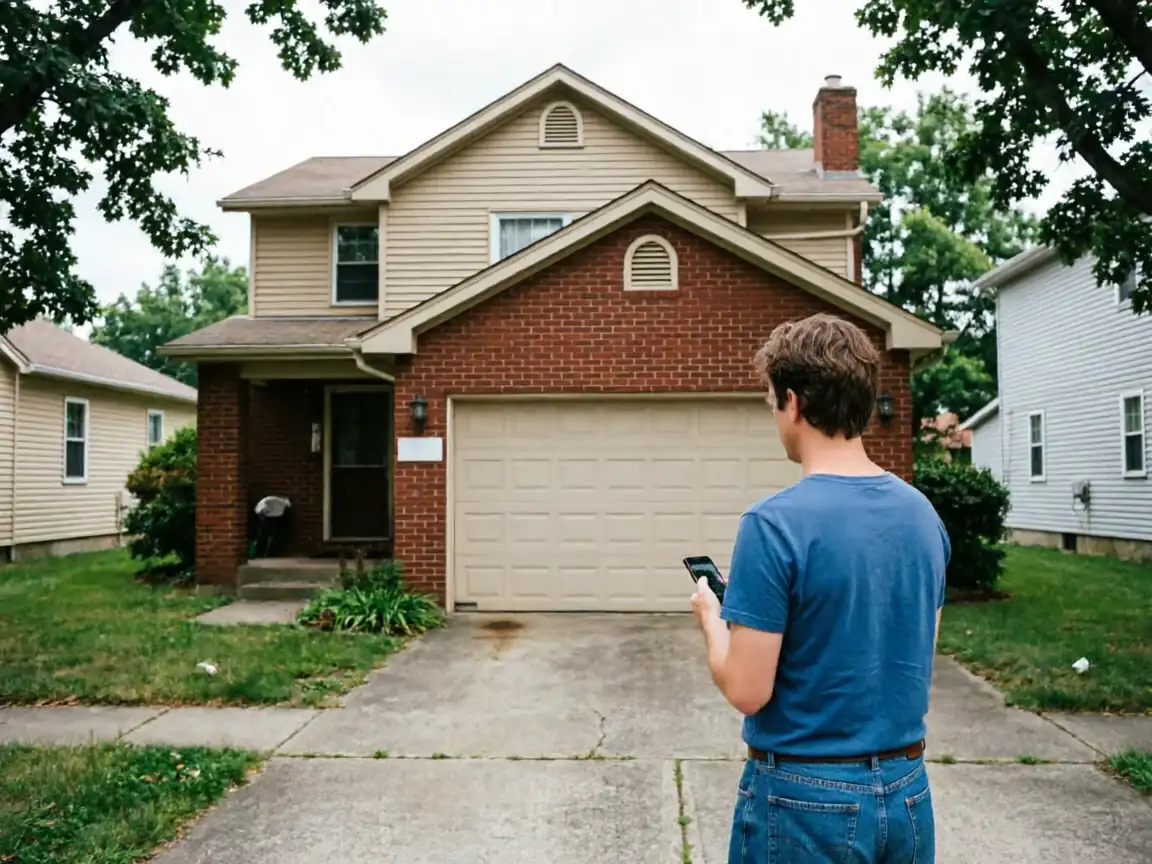
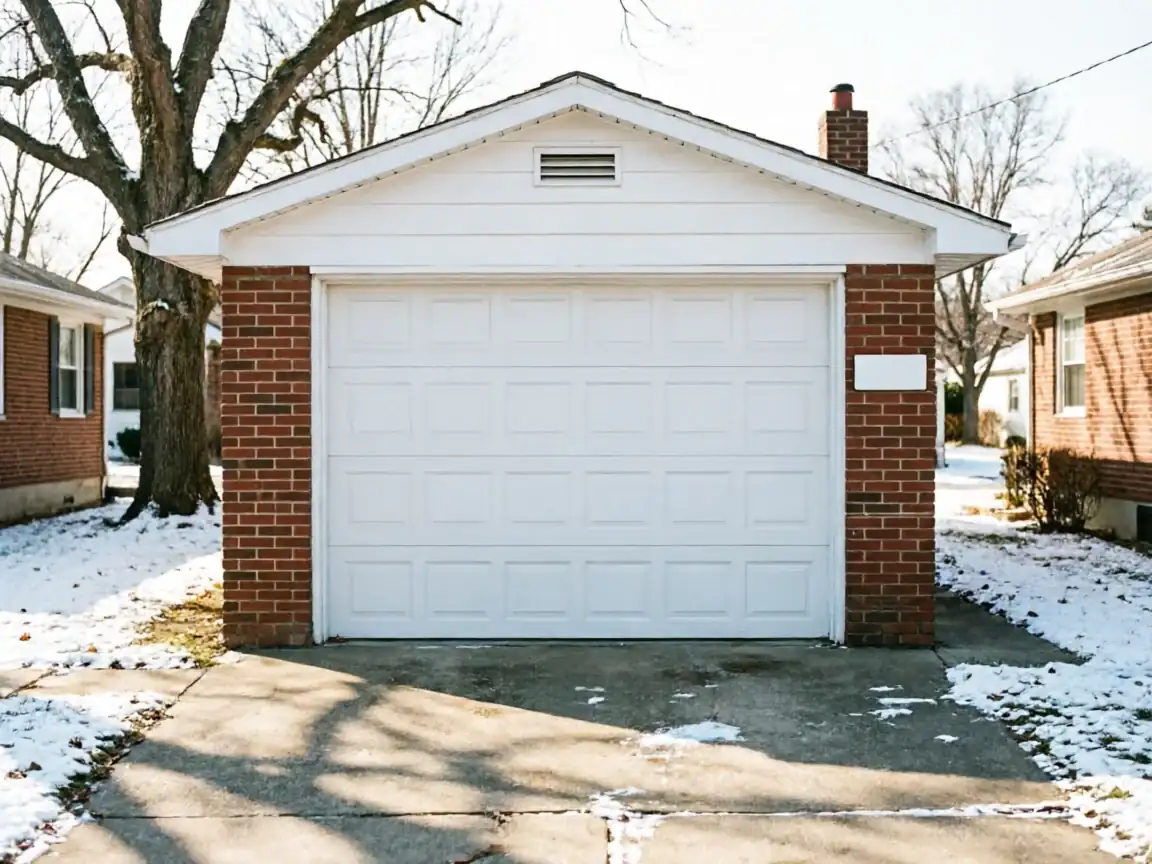
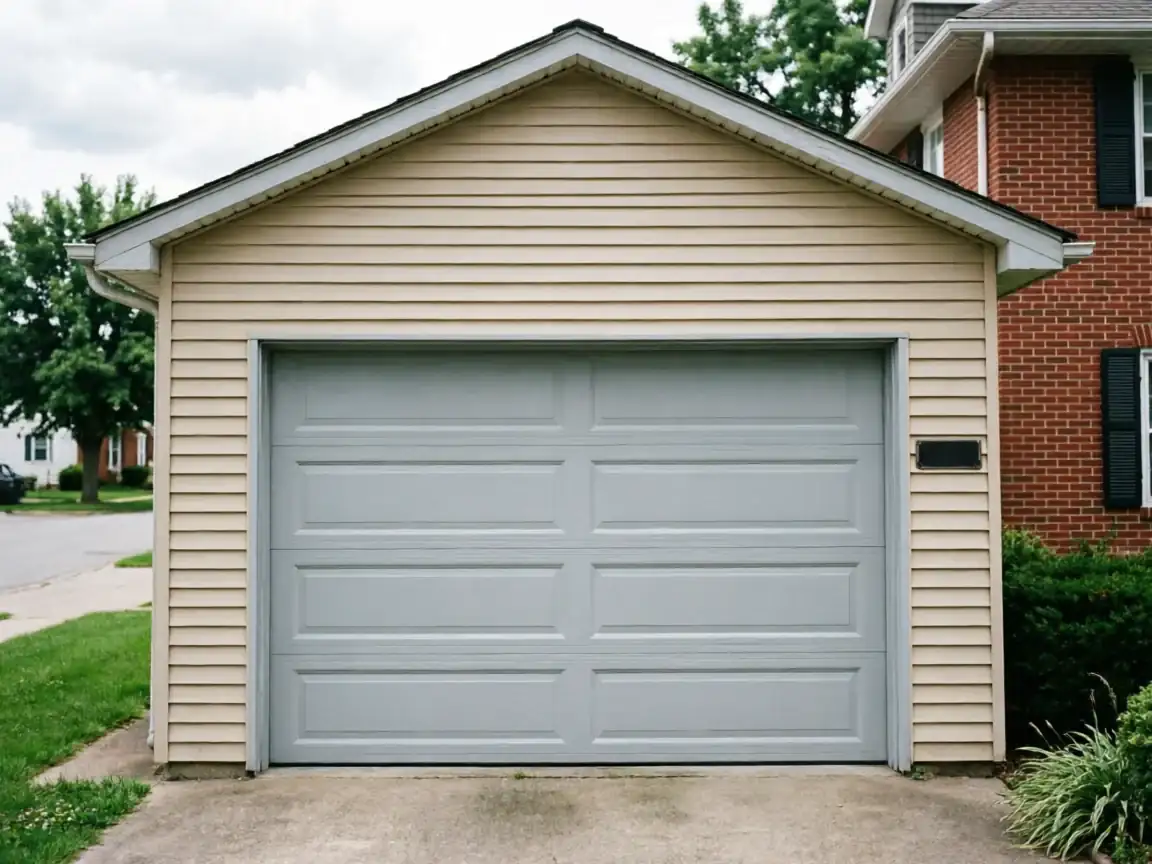
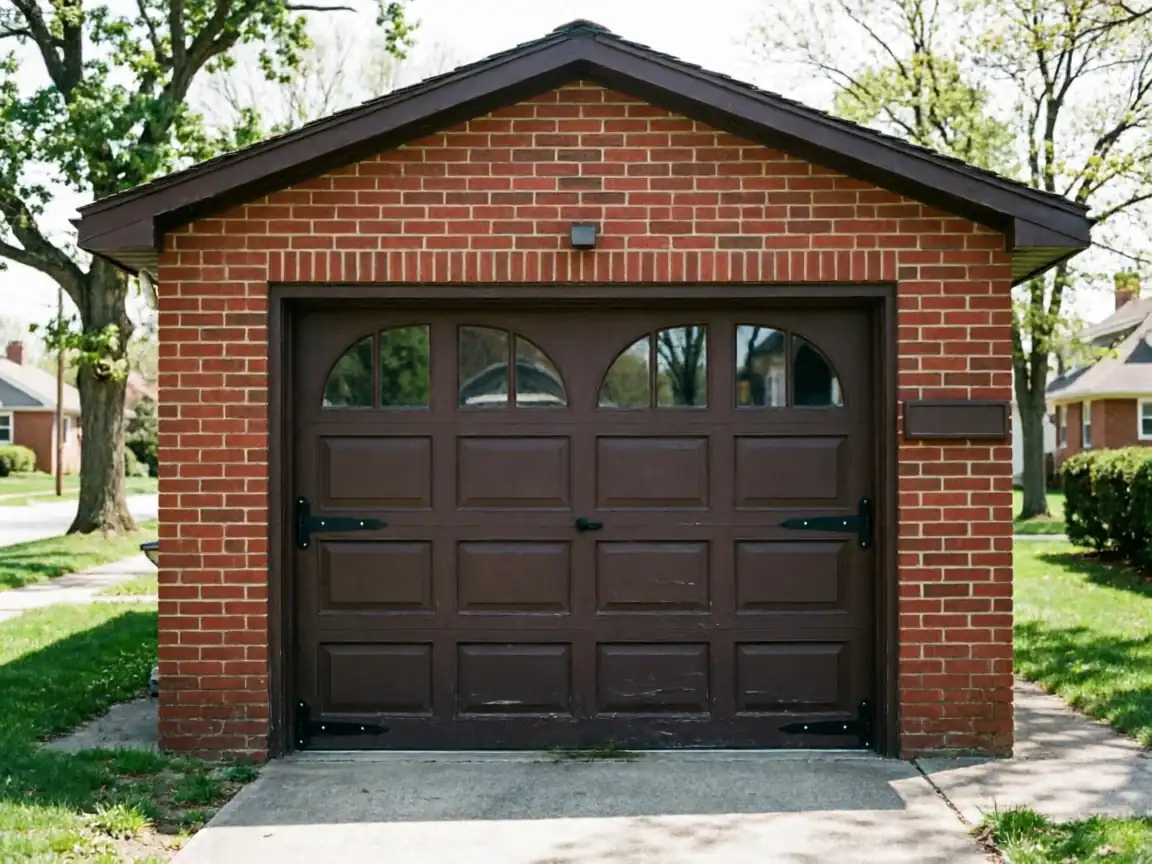
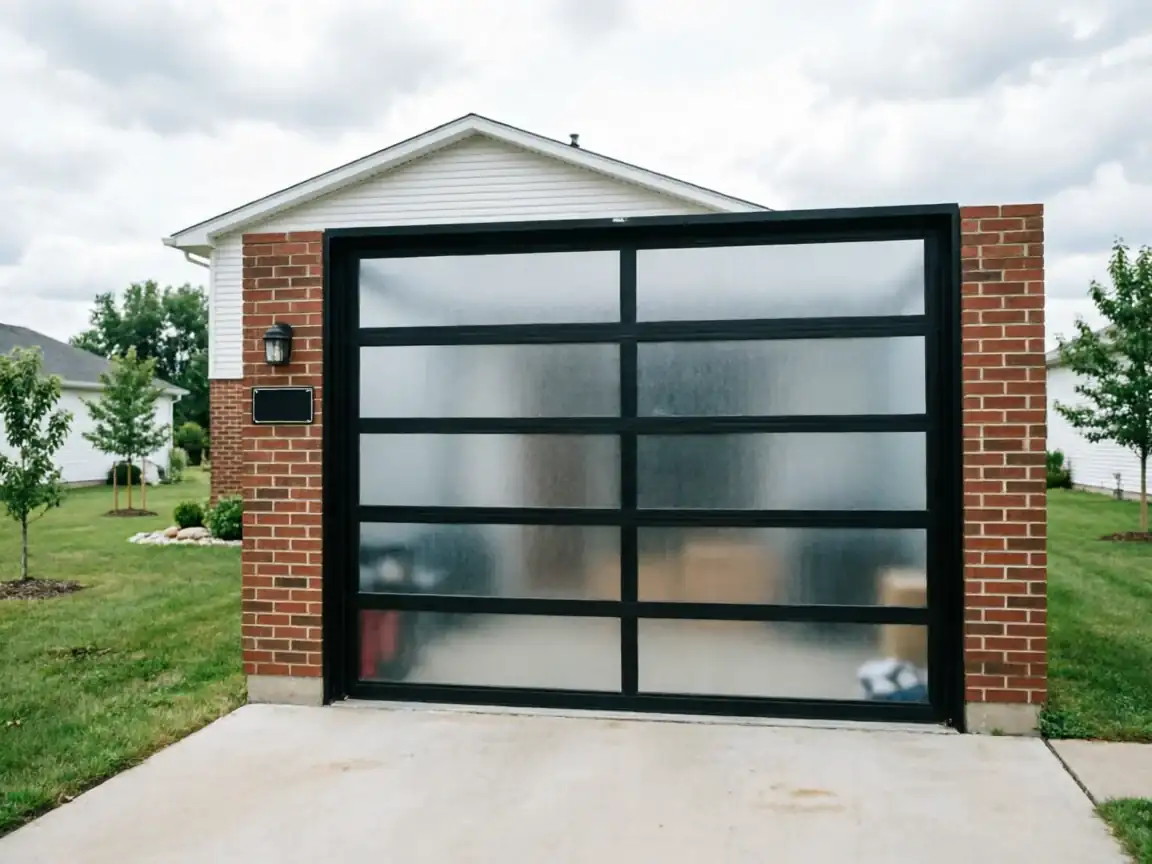
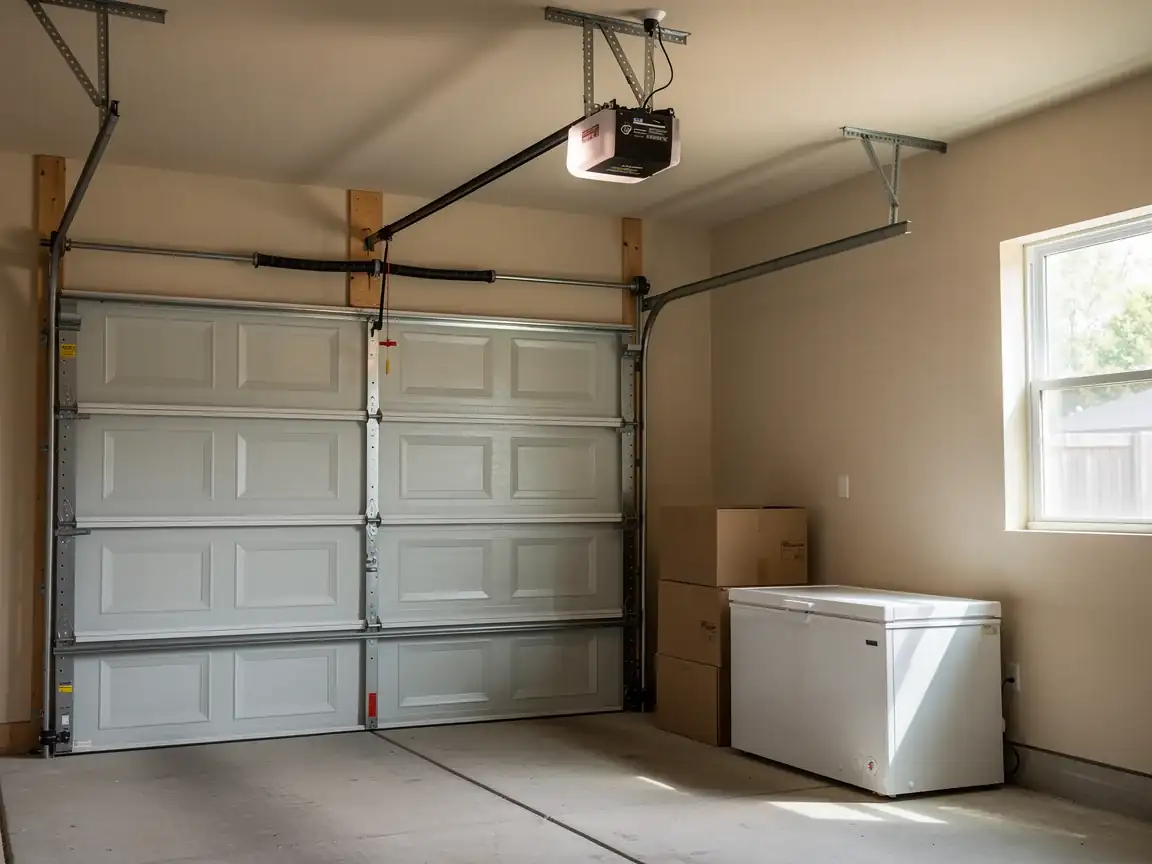
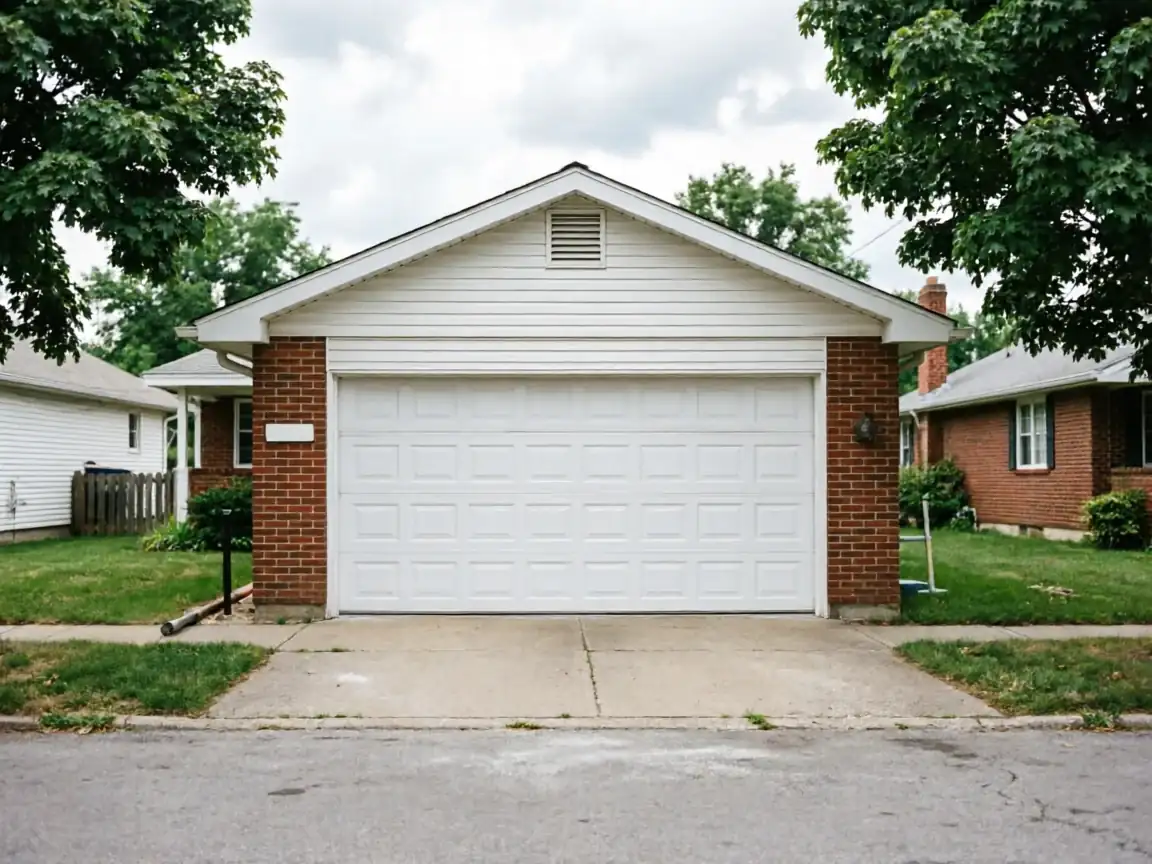
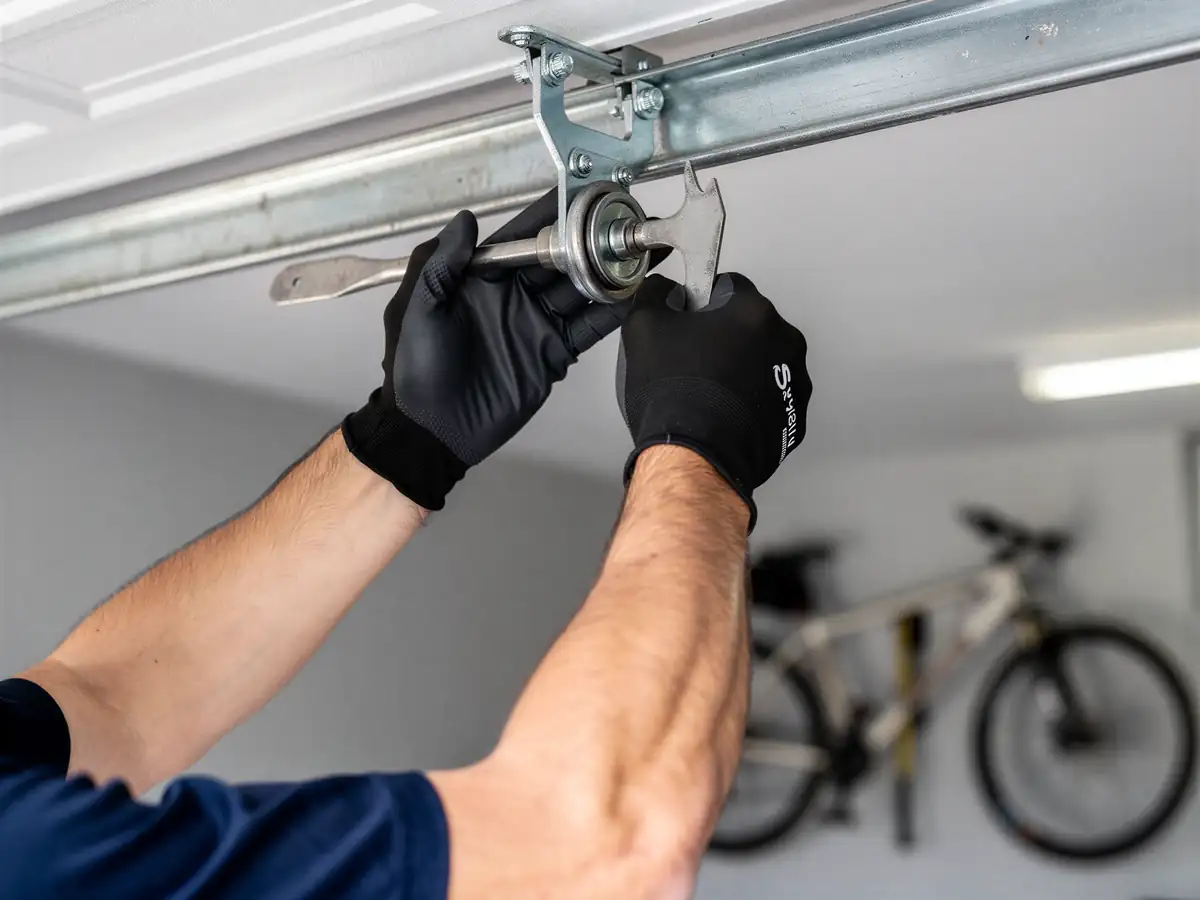
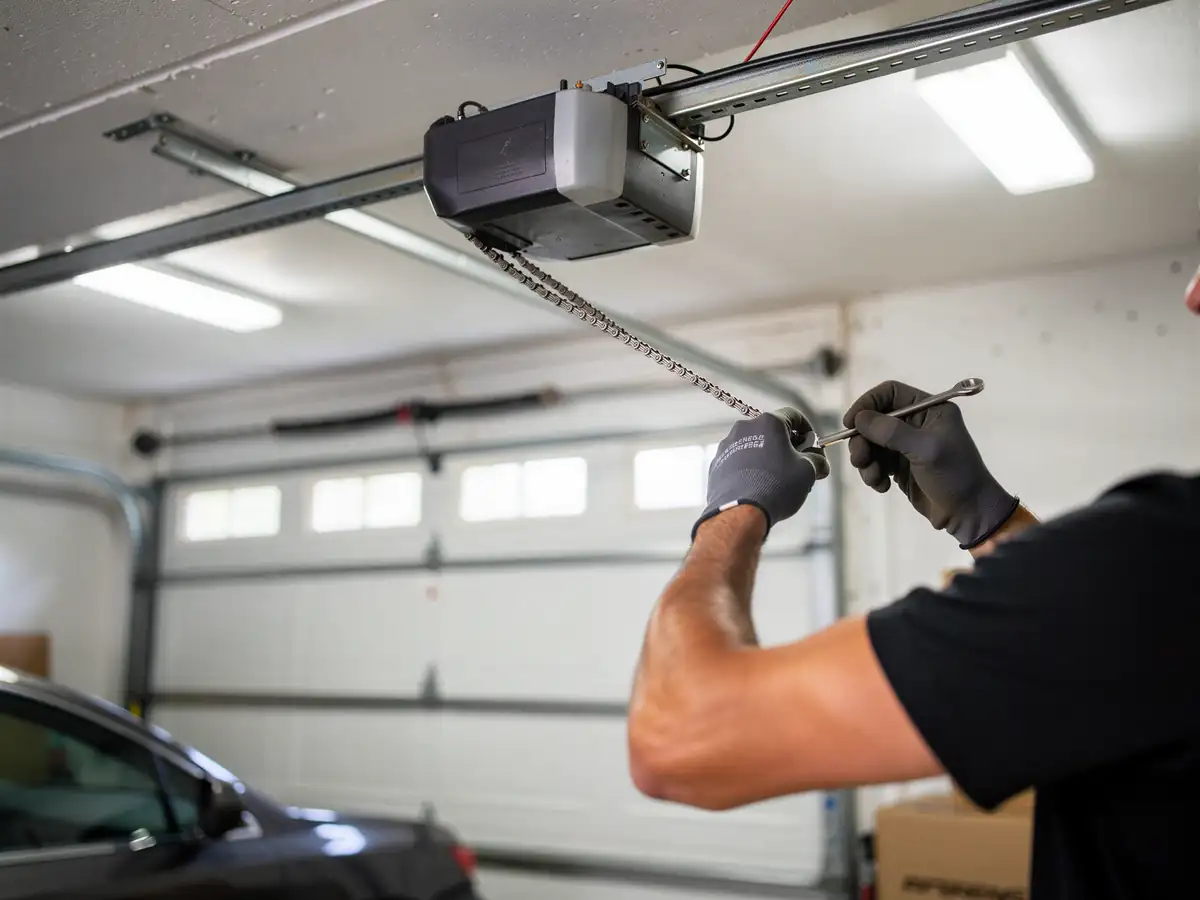
Altoona's median household income sits at $87,123, noticeably below the $98,333 median across the rest of the service area, and that number matters more than it sounds like it should once an opener starts acting up. A lower household income means the math on repair-versus-replace tends to favor fixing the unit you have, as long as the motor and gearing are still sound. Most Altoona garages were built around 1998, so the opener bolted to the ceiling joist is often the original chain-drive unit, or a direct replacement installed when that one finally quit. Symptoms at this age run predictable: the door reverses for no reason, the remote works intermittently, the unit grinds but the door doesn't move, or the lights blink a code nobody can read without the manual. Sometimes it's the safety sensors near the floor, knocked out of alignment or fogged with a film that builds up over winters. Sometimes it's a stripped drive gear, a part that's plastic by design and wears out regardless of how well the rest of the unit was built. None of this means the opener is dead. It means it's old enough that several things fail around the same mileage, and the first job is figuring out which one actually quit.
What It Costs
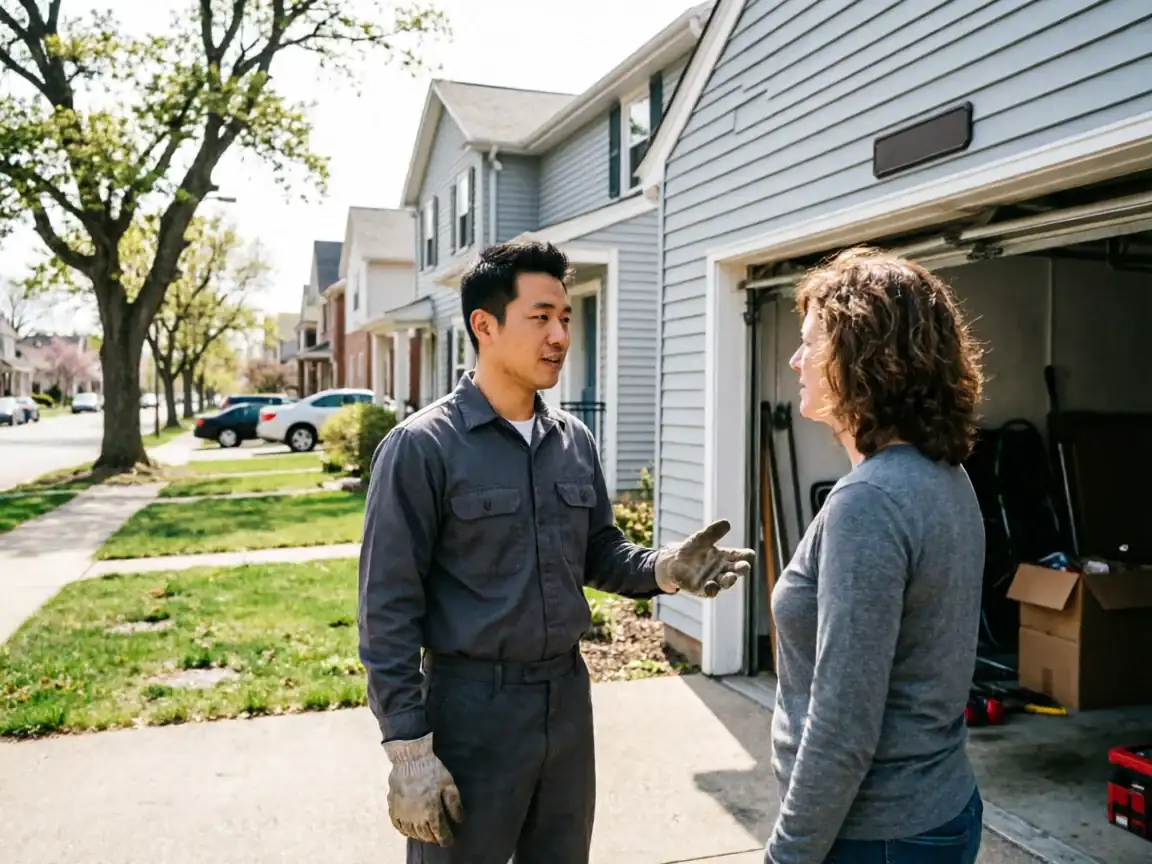
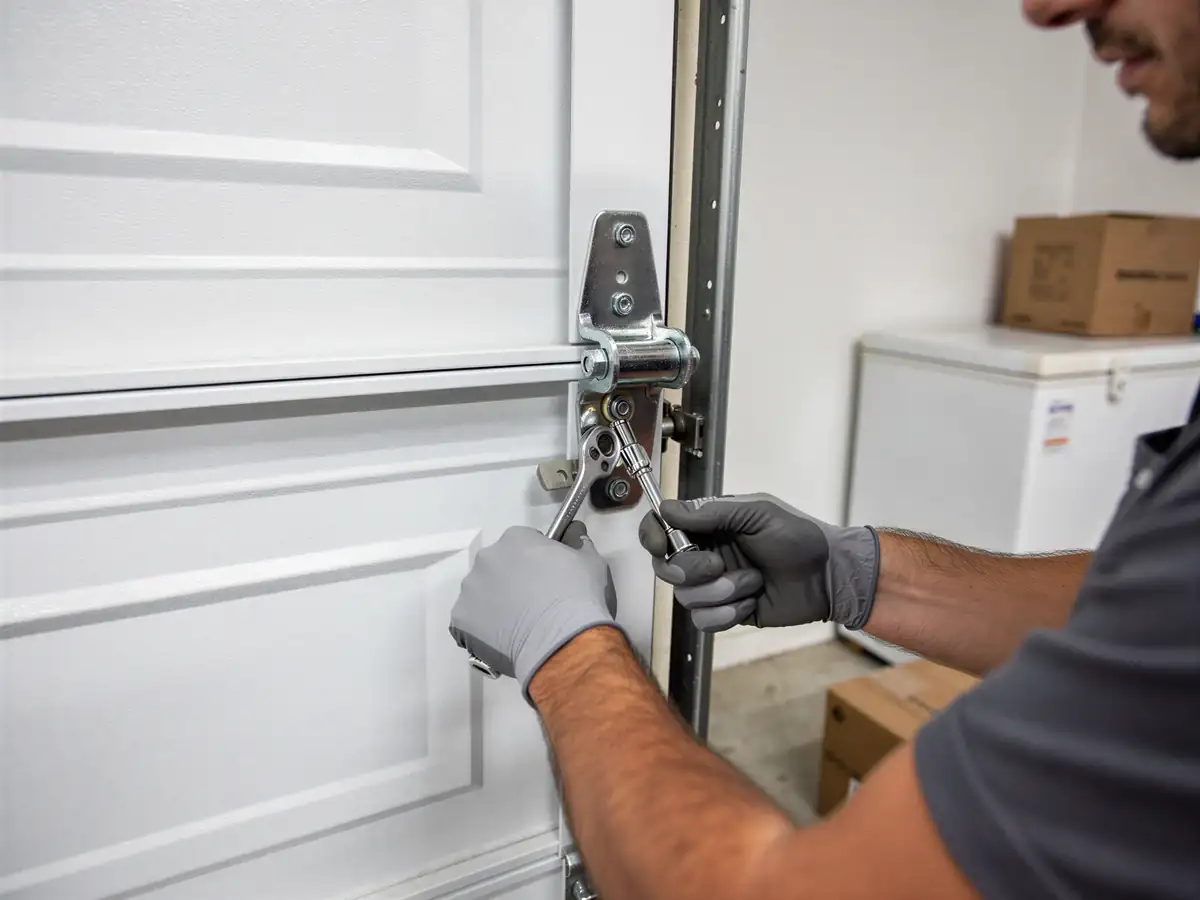
We don't post a fixed number here because the fix ranges a lot: a sensor realignment or remote reprogram is a small job, a drive gear or capacitor swap is a mid-size one, and a full motor or board replacement starts closing the gap with a new opener. Given the $87,123 median income in Altoona, most homeowners we talk to want the repair priced before they'll consider replacement, which is the right instinct on a unit where the motor still runs strong. Where that changes is when the same unit has already had one or two repairs and the drive mechanism itself is showing its age, not just one failed part. At that point, a new opener with a sealed board and a belt drive often costs less over the next several years than another round of patching a 1990s chain-drive unit. We'll give you both numbers before any work starts, so the call is yours, not ours.
The Complications
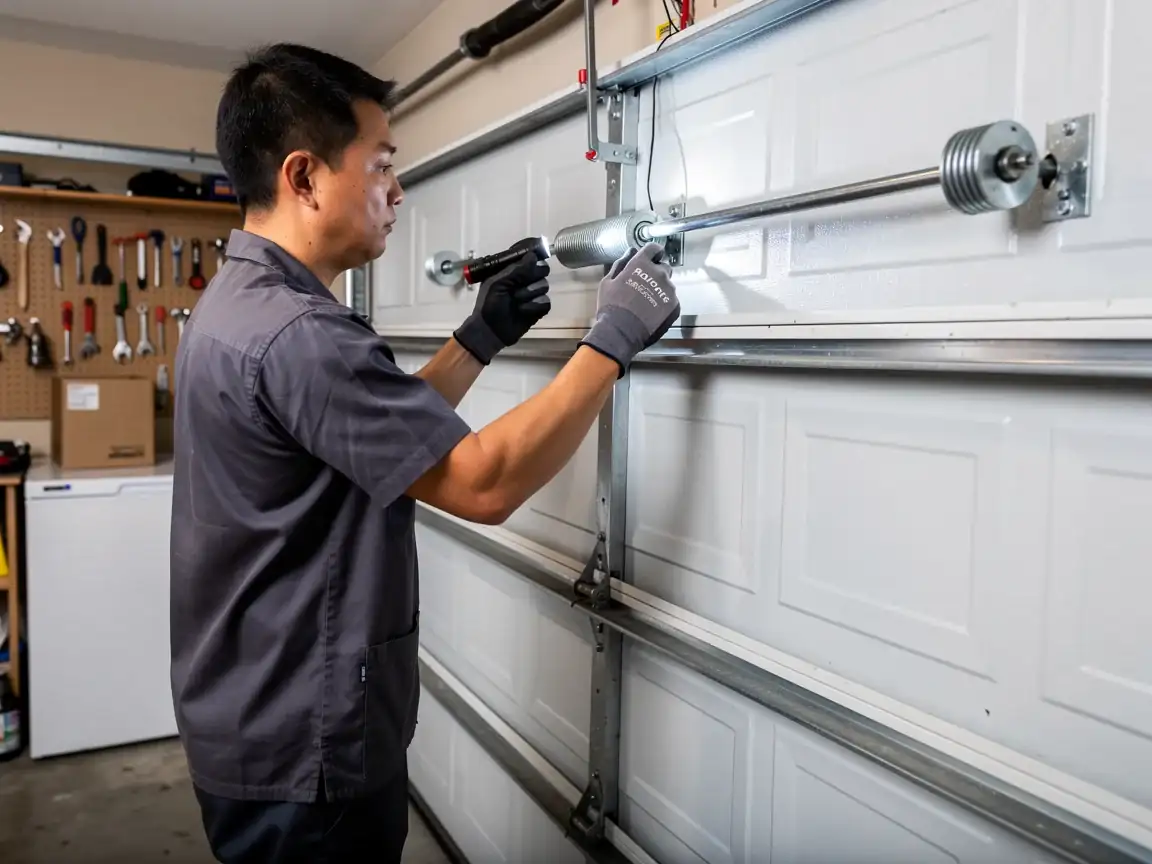
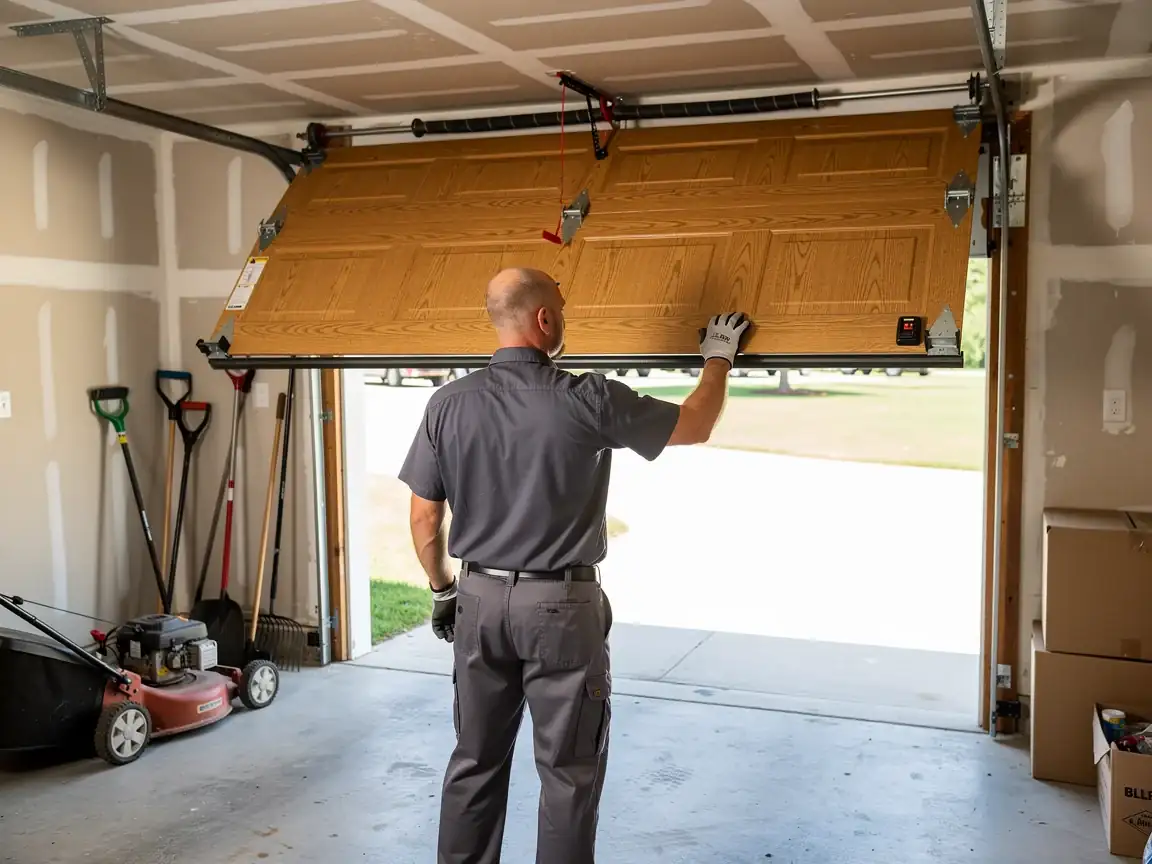
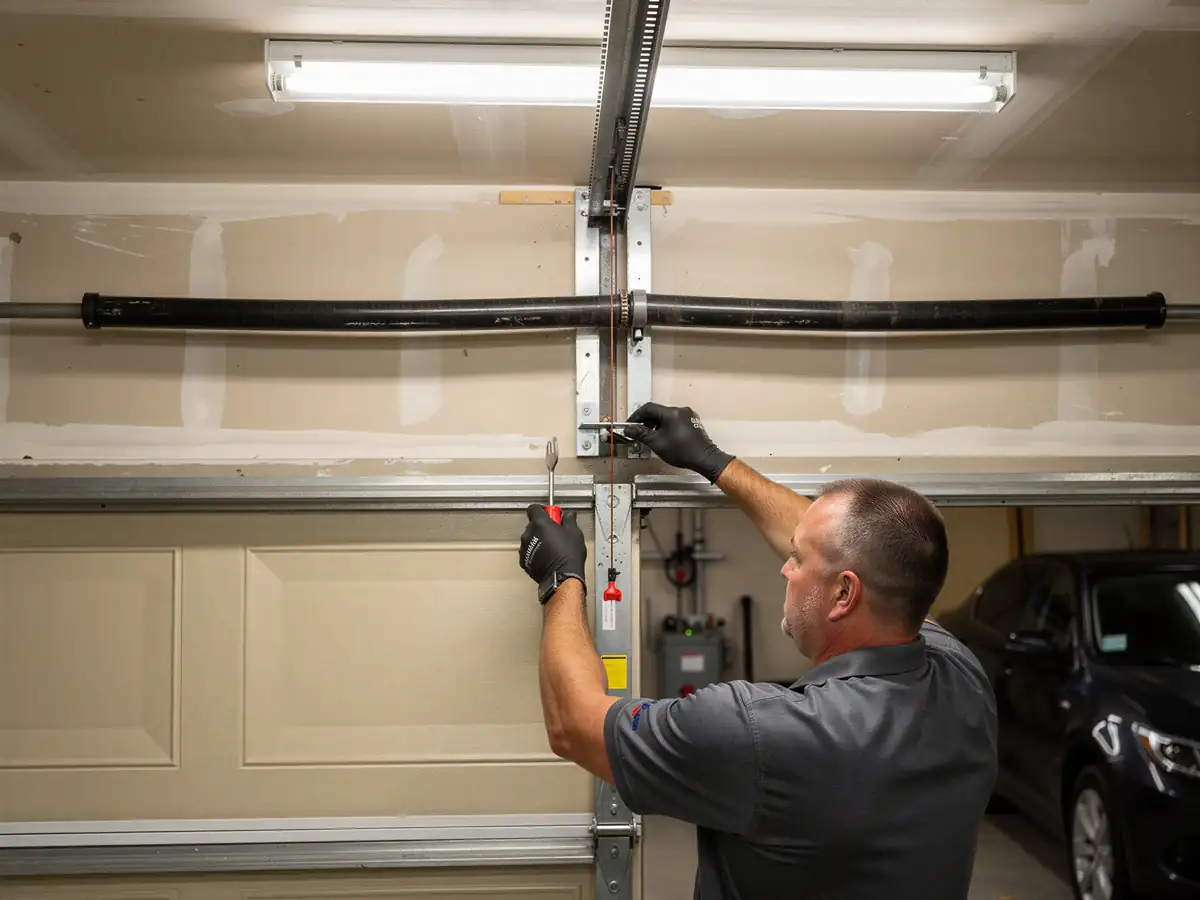
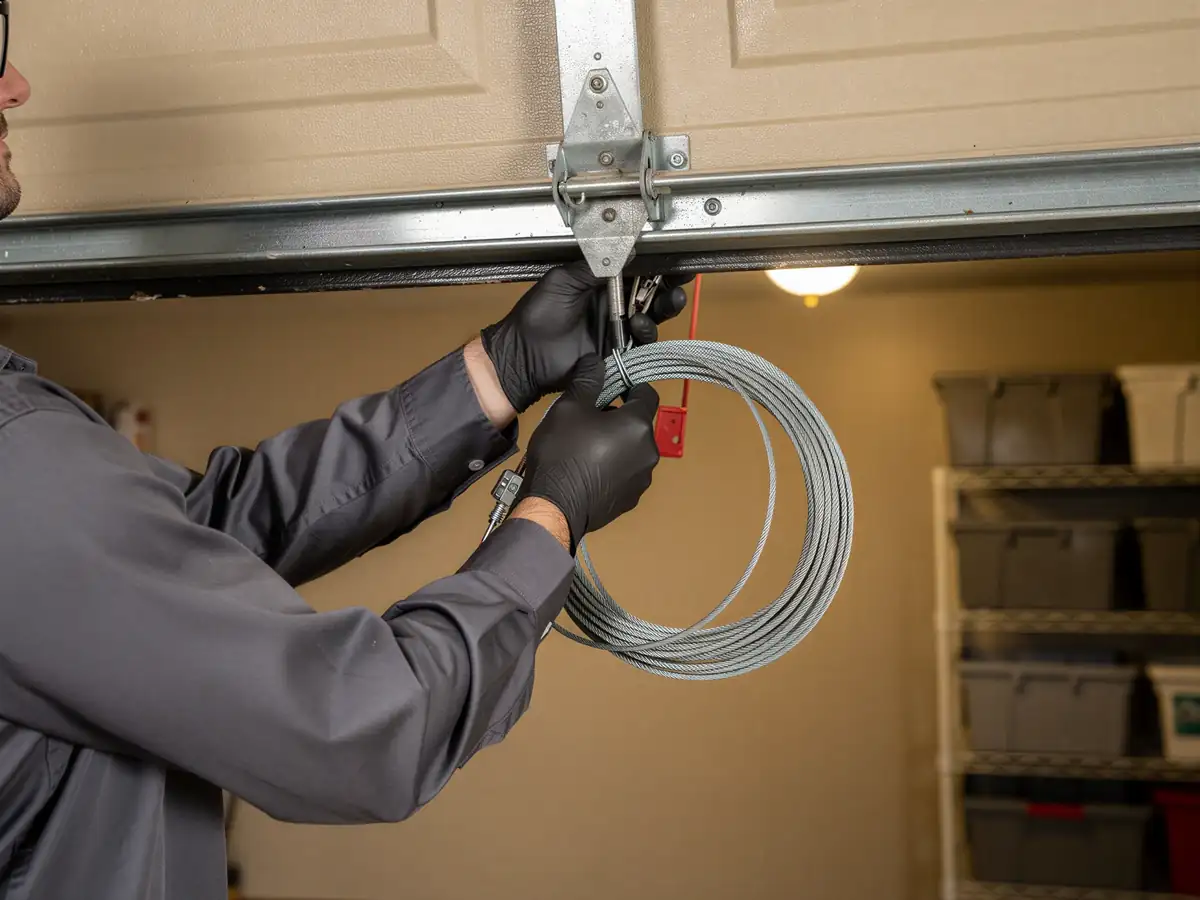
The complication unique to this age bracket of opener is parts availability. A unit installed when a house in Altoona was new, around 1998, is old enough that some manufacturers have stopped stocking logic boards and gear kits for that exact model. When that happens, the repair stalls on a part that has to be sourced secondhand or substituted, and we tell you that rather than let the job drag. A second complication: openers from this era were paired with torsion or extension spring setups that are also aging out, and a weak spring can mimic an opener problem, straining the motor and throwing false fault codes that point a homeowner toward the wrong fix. We check the spring and the door balance before blaming the opener outright, because replacing a board on a unit that's fighting a bad spring just burns out the new board too. A third: safety sensor wiring run along a garage wall picks up corrosion and loose connections over 20-plus years, and that looks electrical but is really just old wire.