Why This Fails Locally
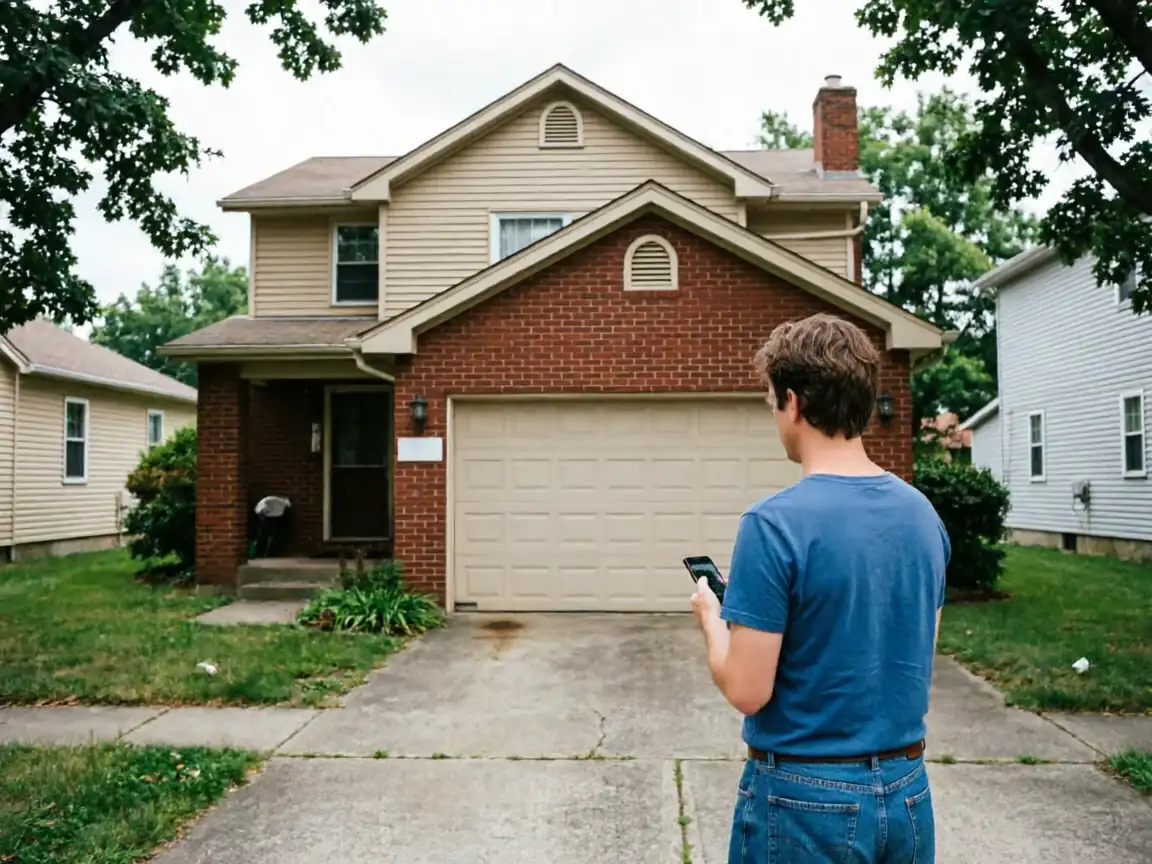
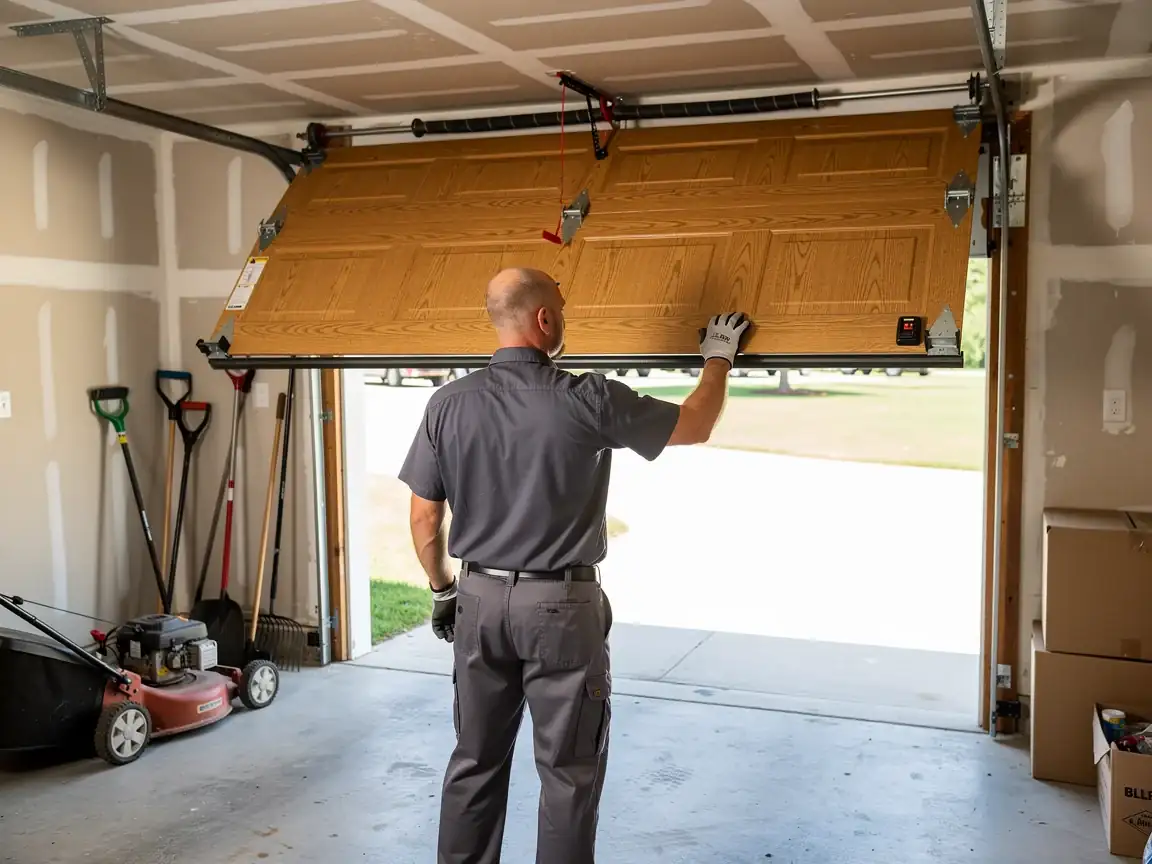
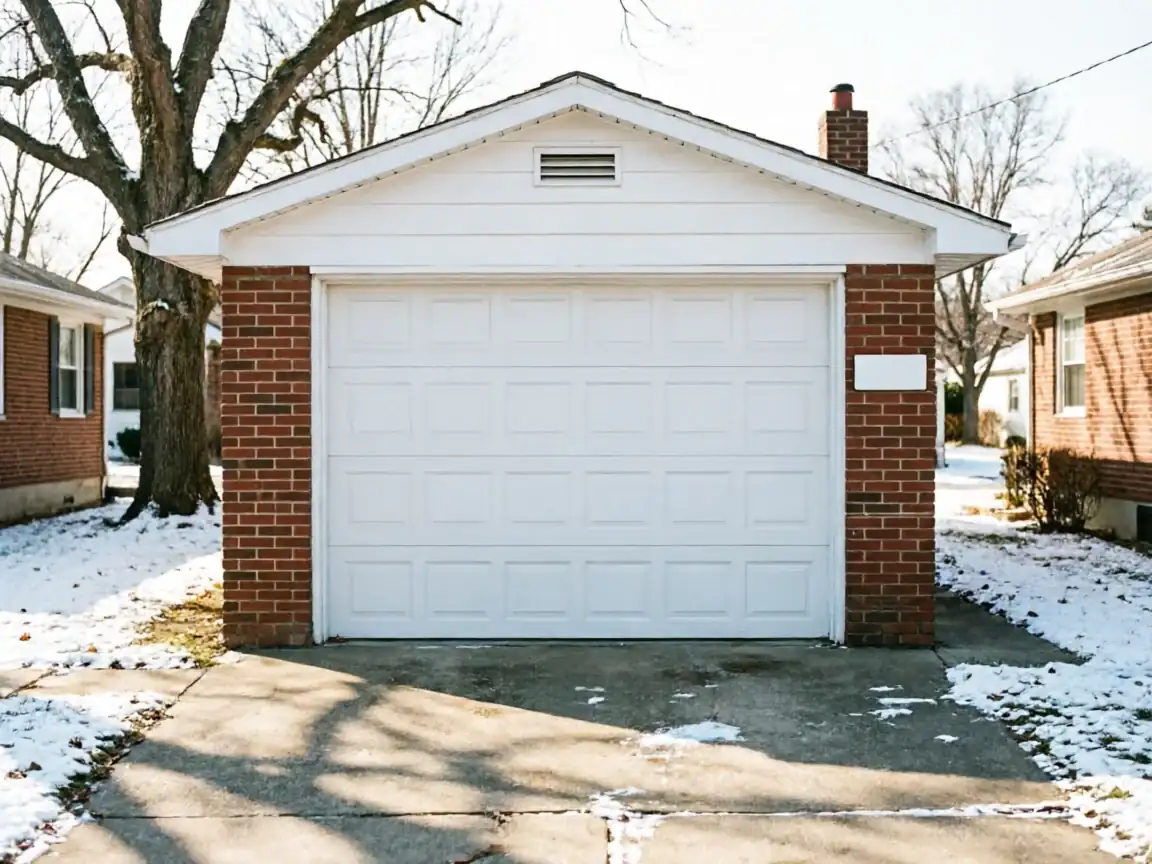
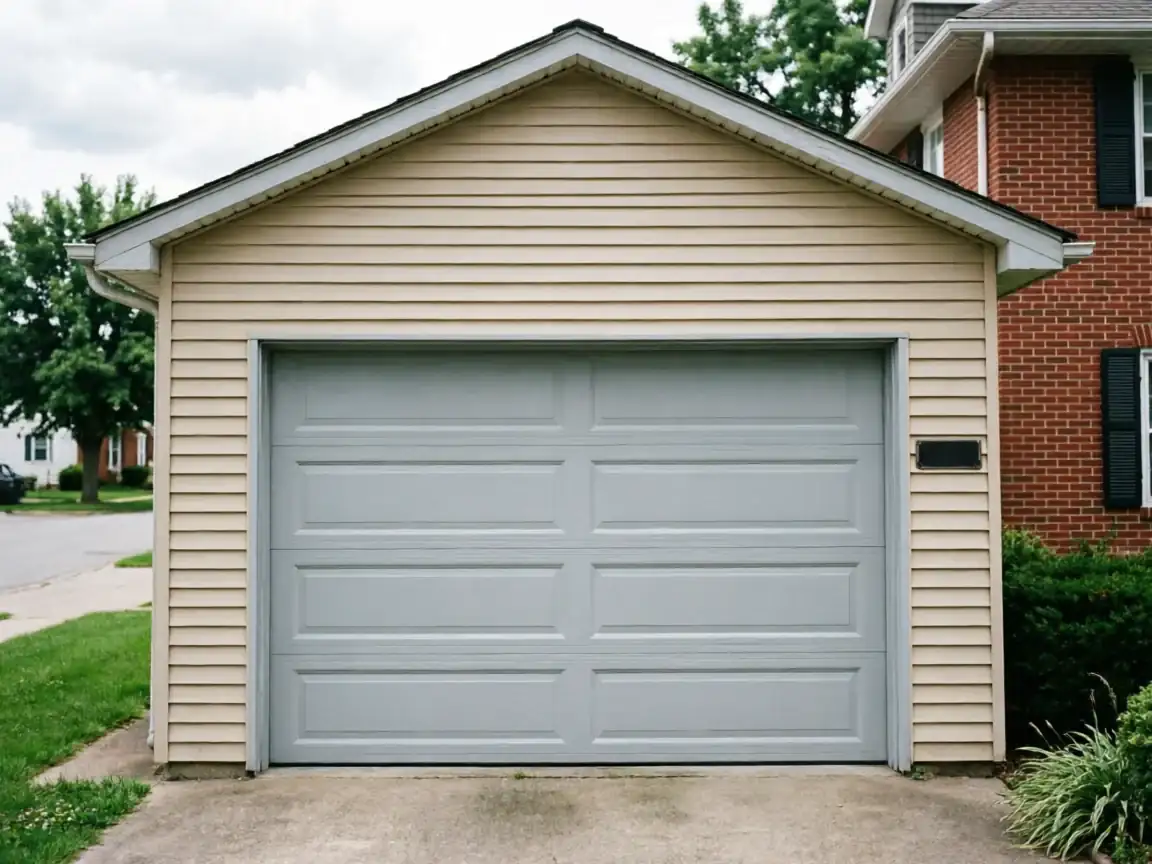
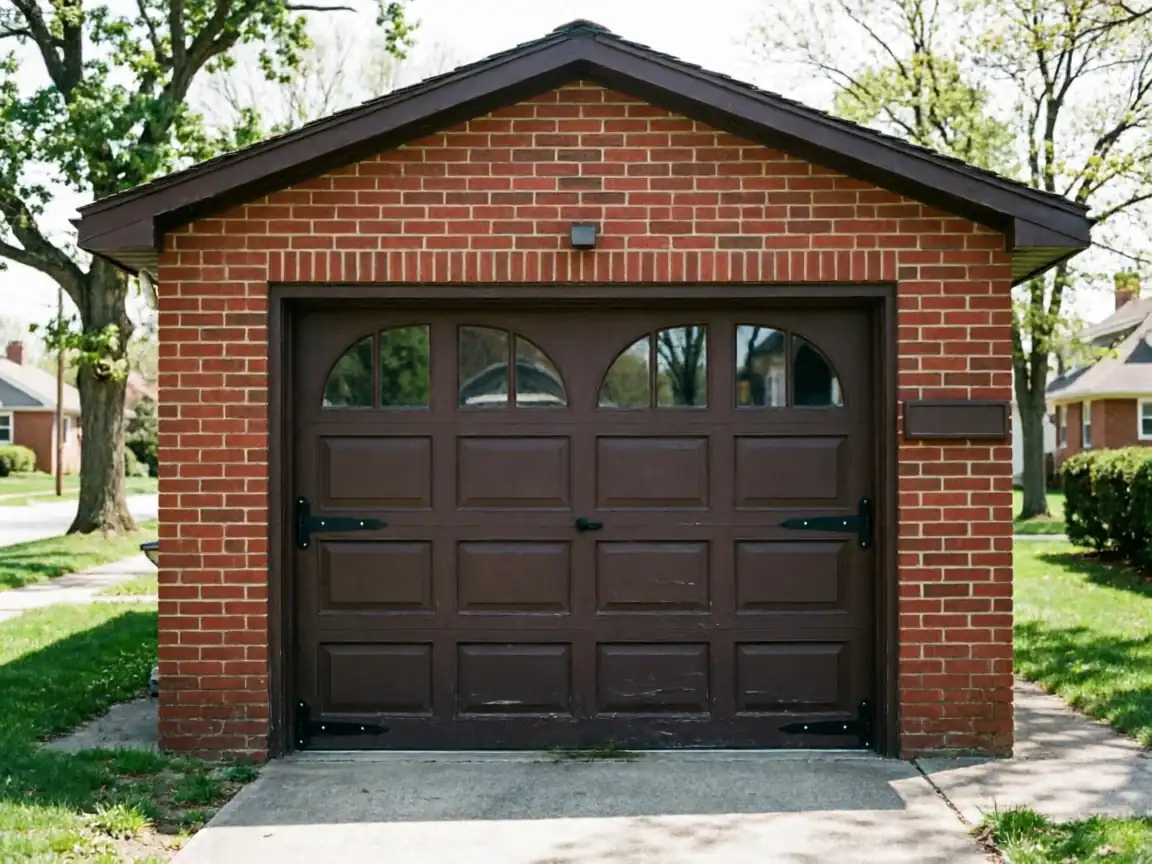
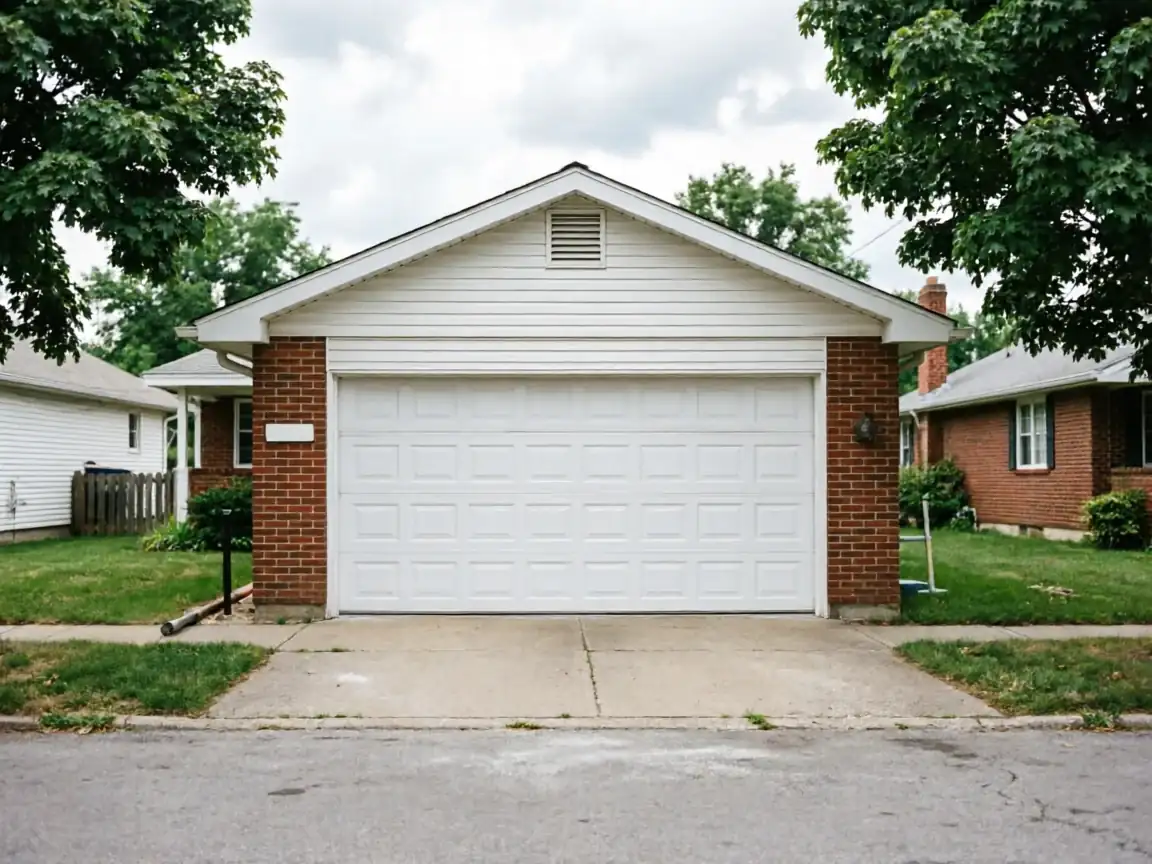
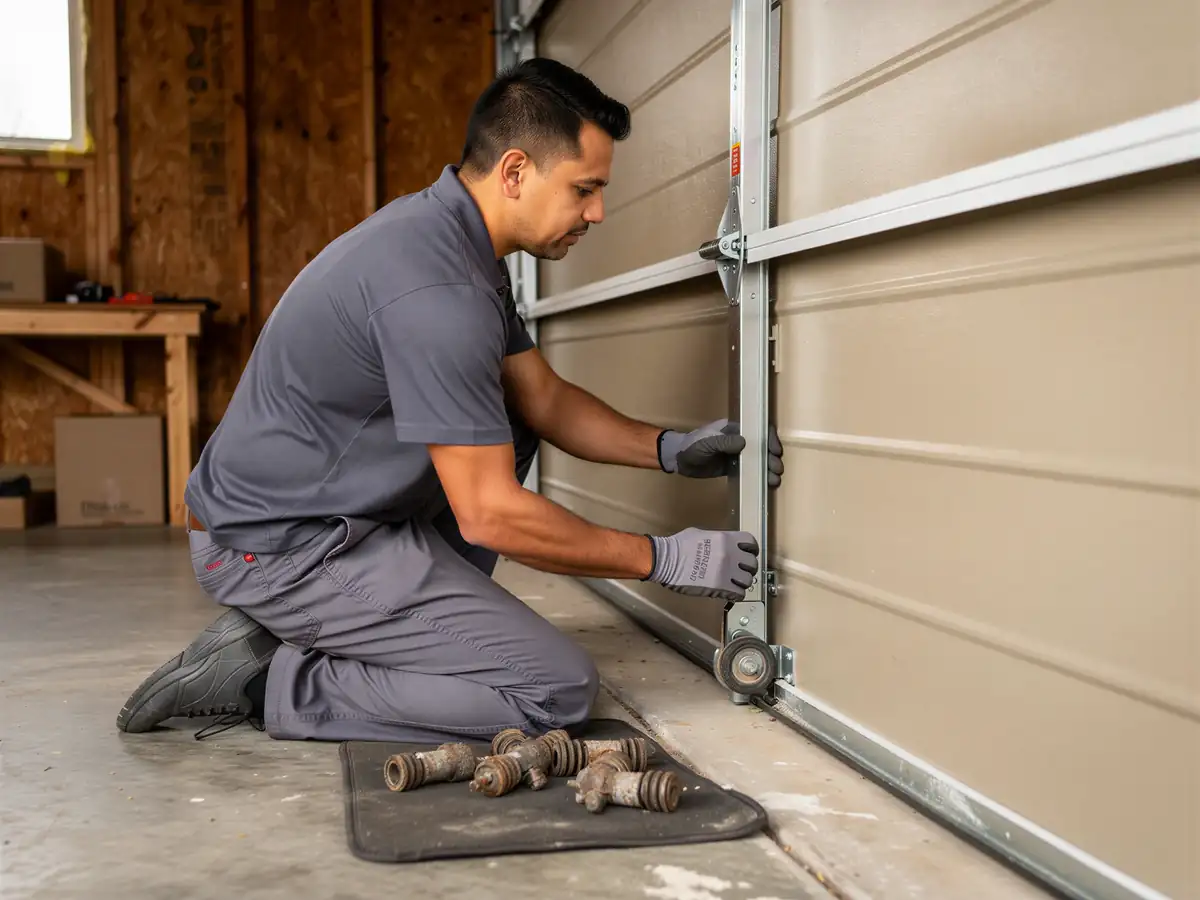
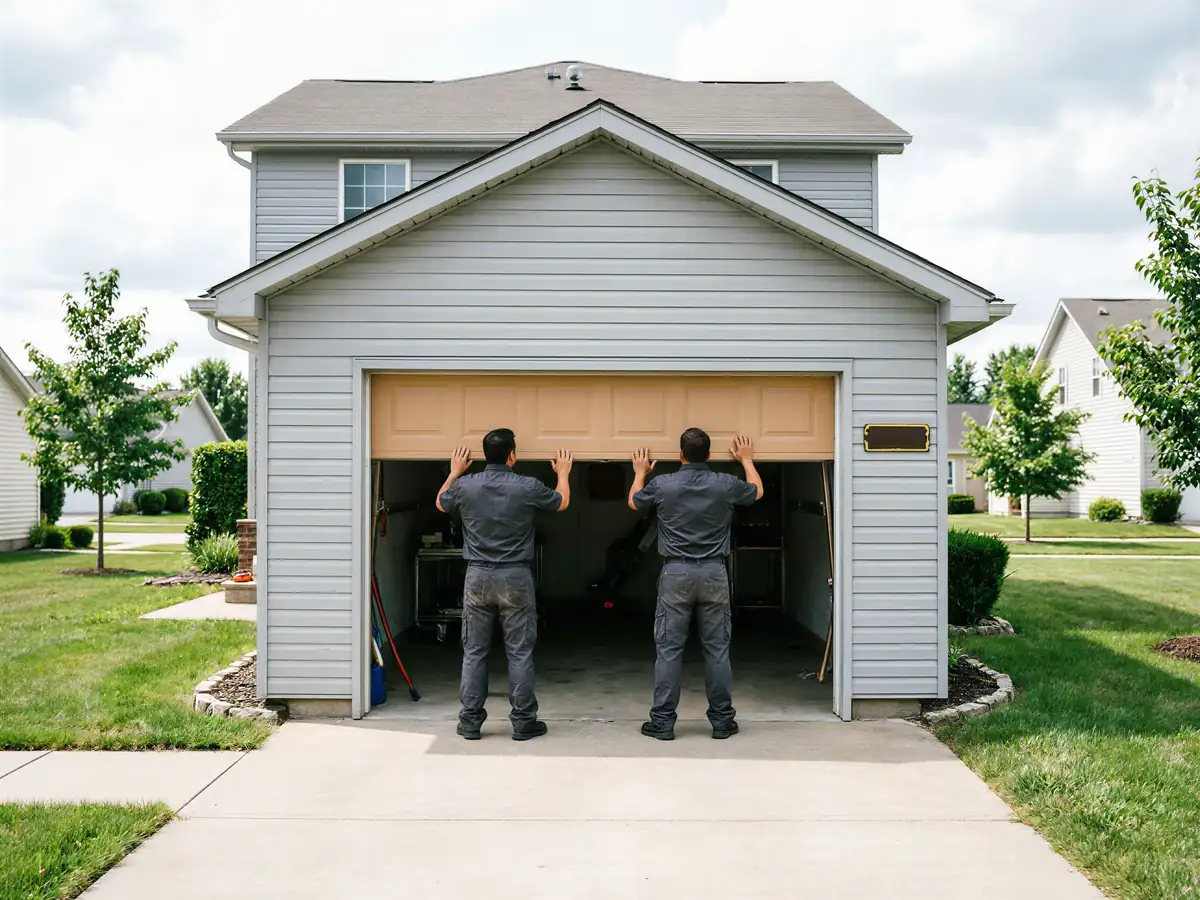
Most of the garage doors we replace in Des Moines aren't failing because the owner did anything wrong - they're failing because the door was never right for this house or this climate to begin with. Housing stock across the metro runs from 1959 up through 2009, with the median build year sitting around 1995, and the bulk of homes in the 23 areas we work went up in the 1980s and 90s. That generation of builder-grade doors came with thin single-layer steel and minimal weatherstripping, because the national product line at the time wasn't built for a cold-moderate climate band like ours. Add a few decades of freeze-thaw cycling on the track hardware and the panel seams, and you get doors that look fine from the driveway but bind, sag, or let a cold draft straight into the garage. Installation here isn't just swapping an old door for a new one off the shelf - it means matching the opening to a house built to an older spec, re-checking the header and jamb for square after 30-plus years of settling, and picking a door with insulation that actually does something once temperatures drop. Skip that step and you've just installed next decade's service call.
What Is on the Truck
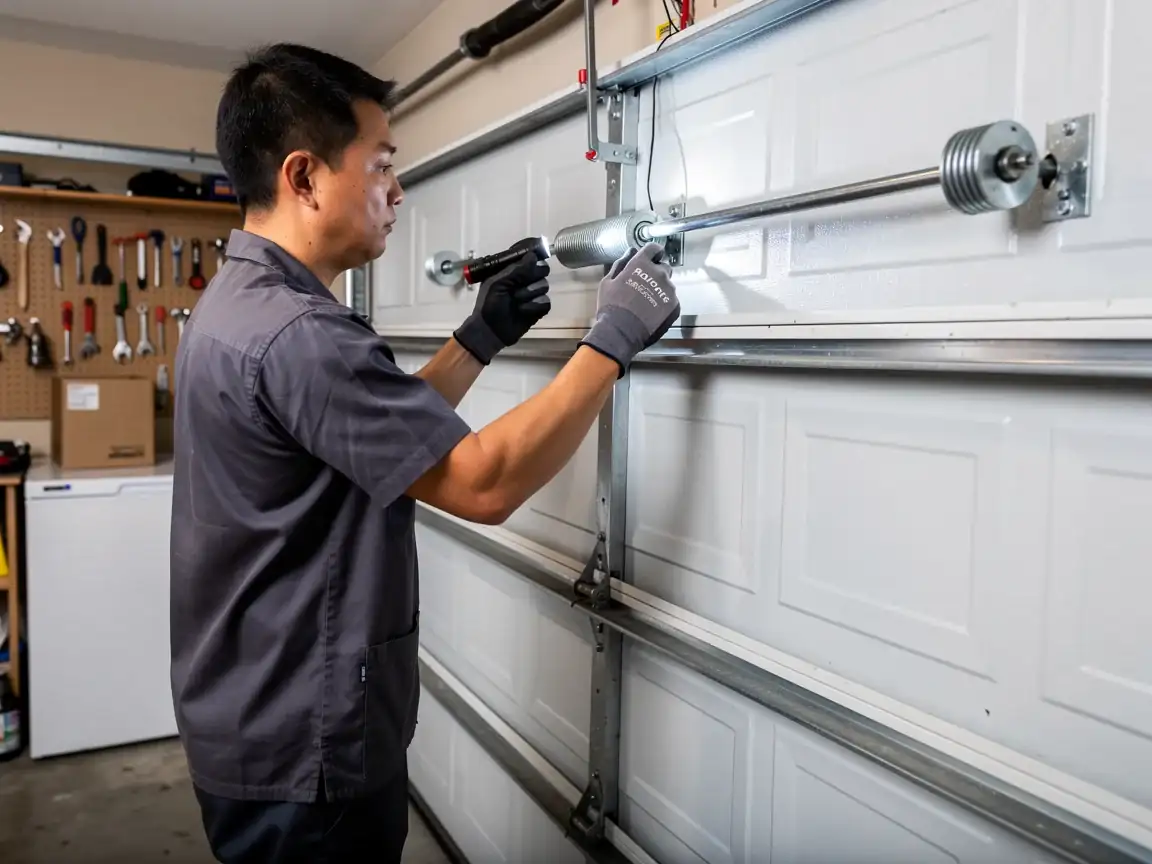
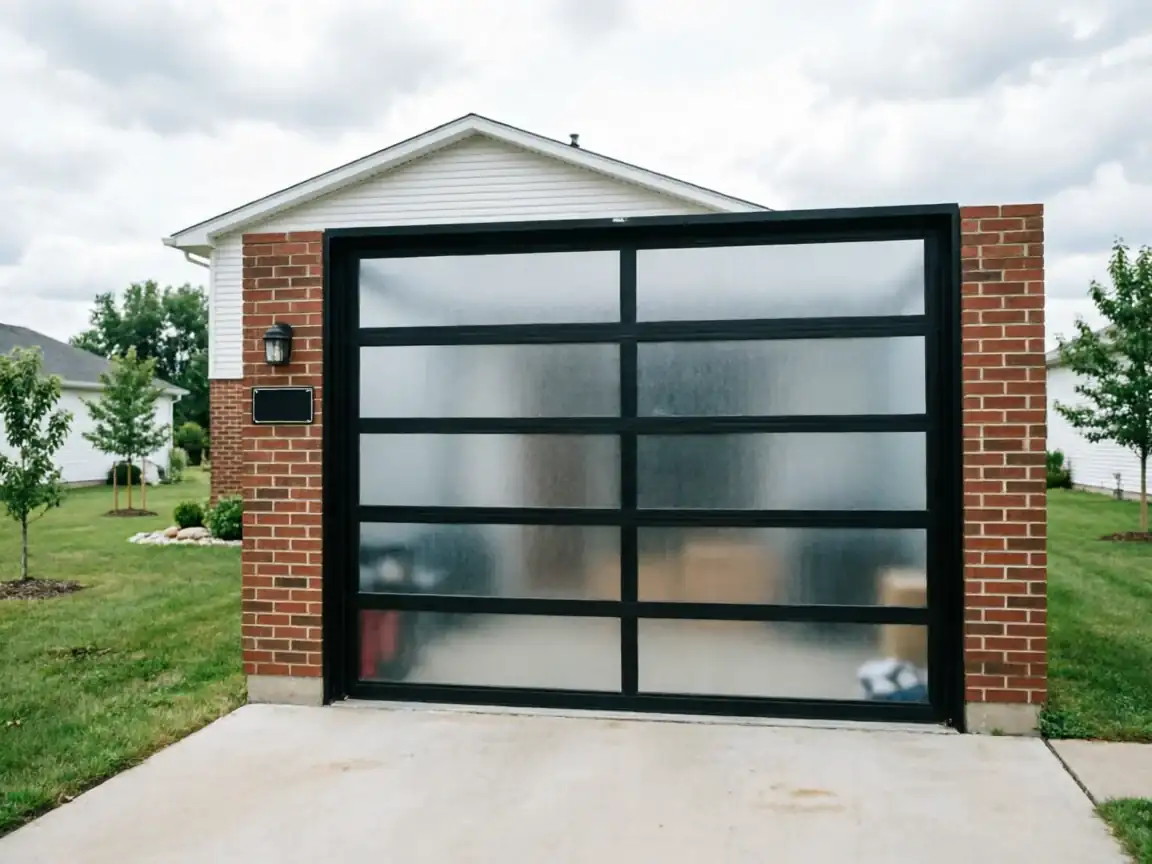
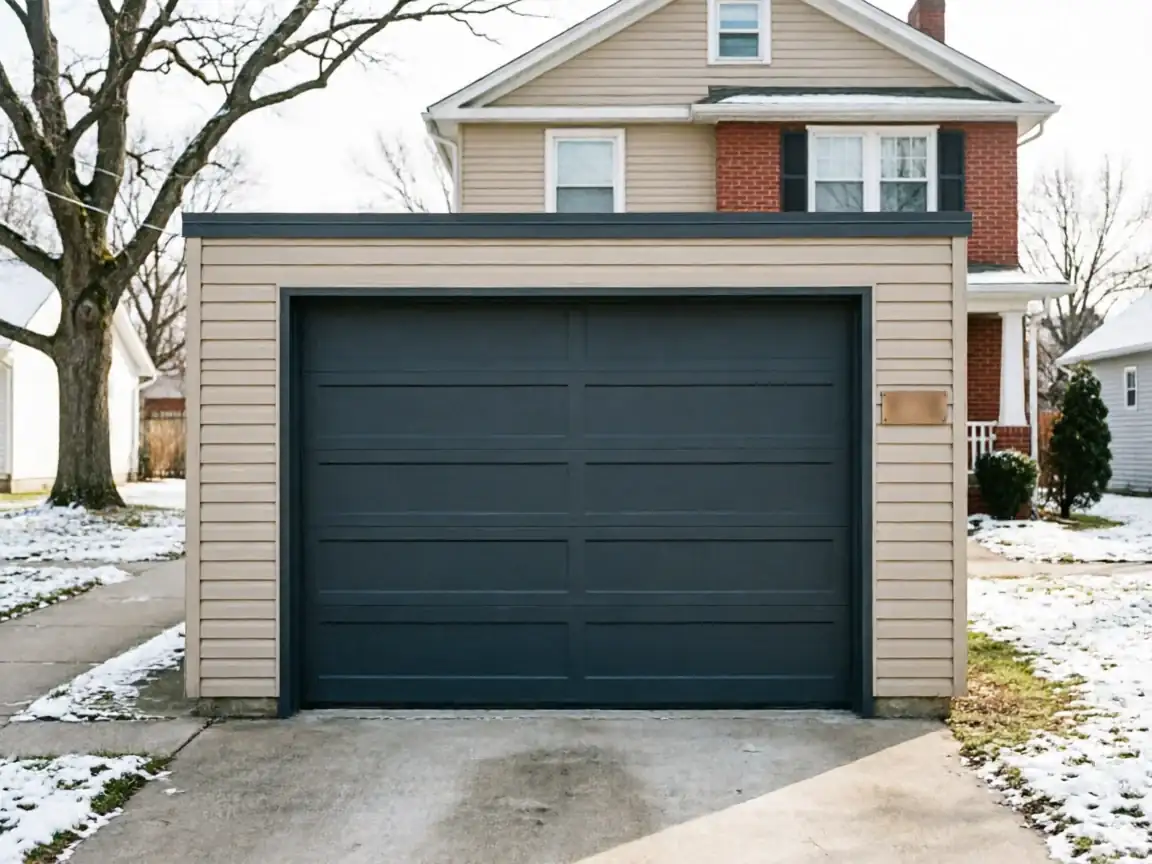
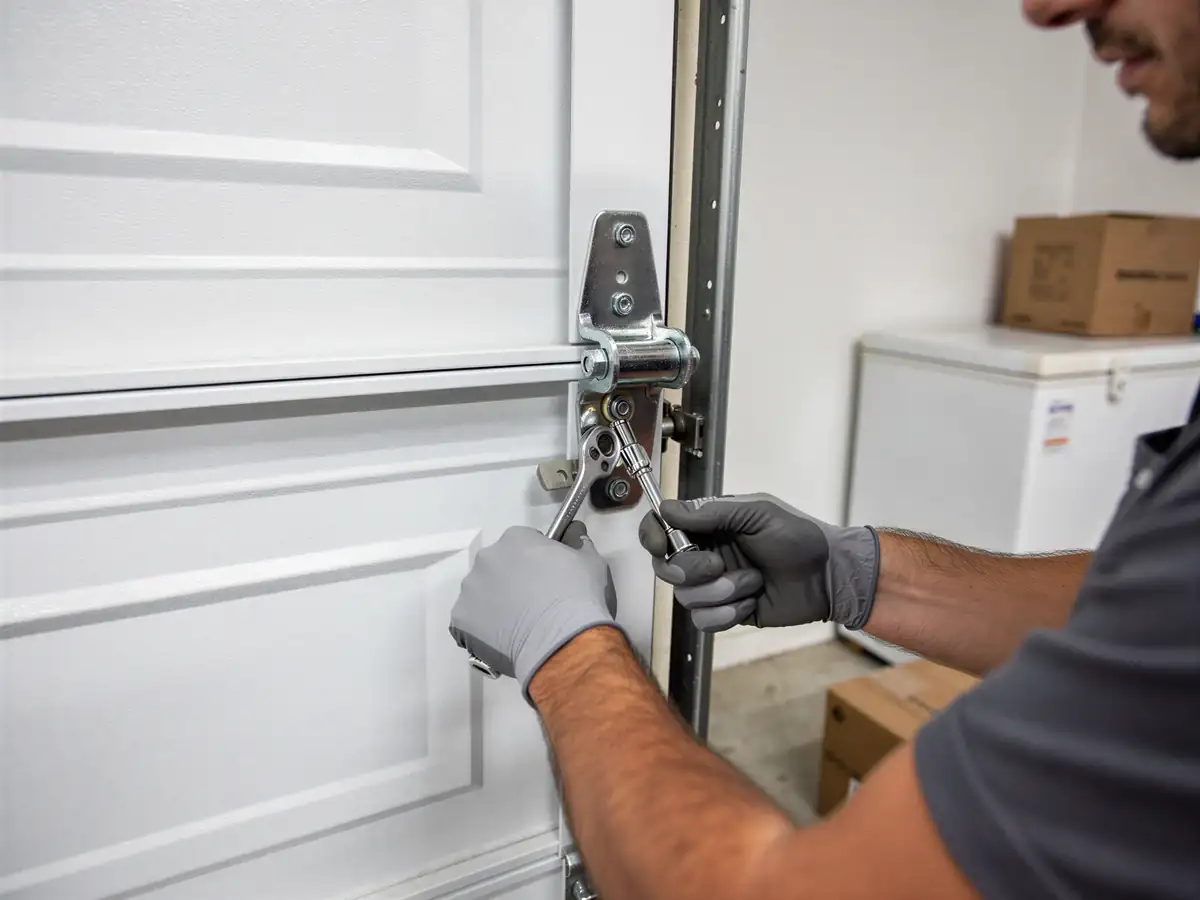
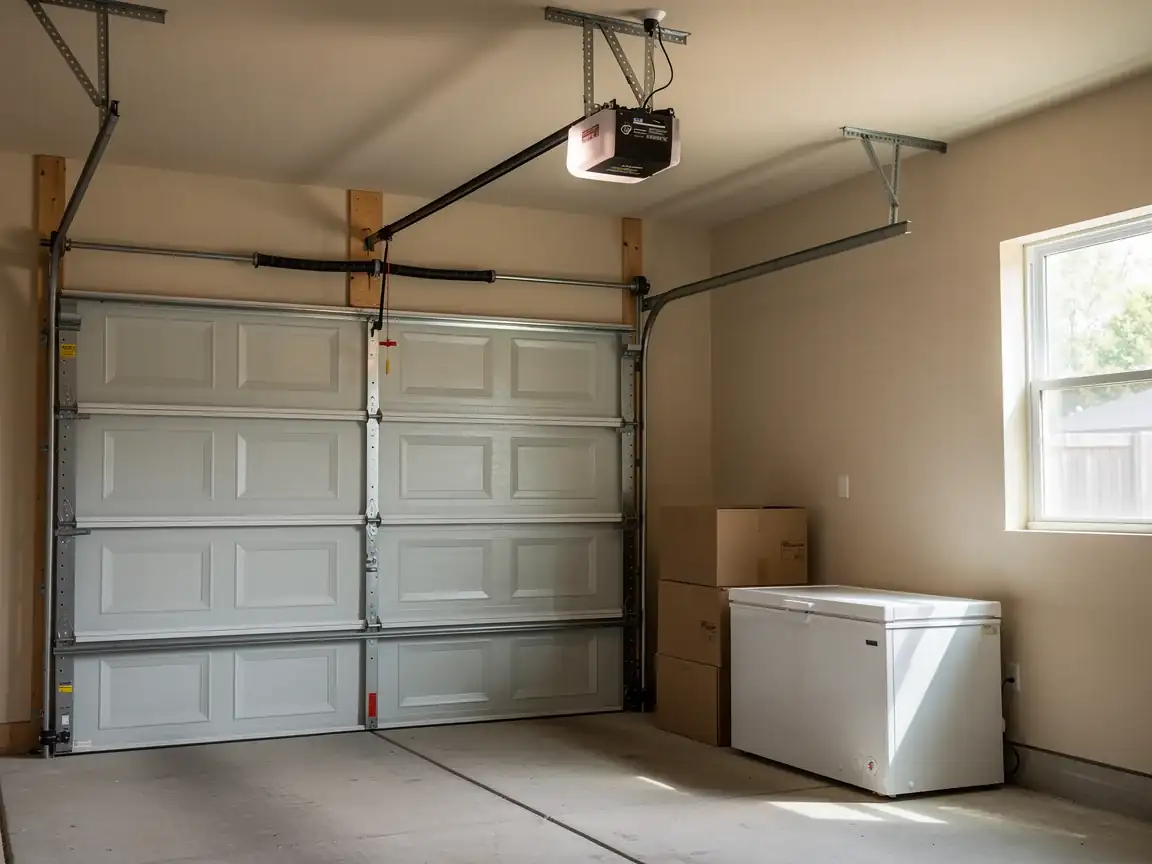
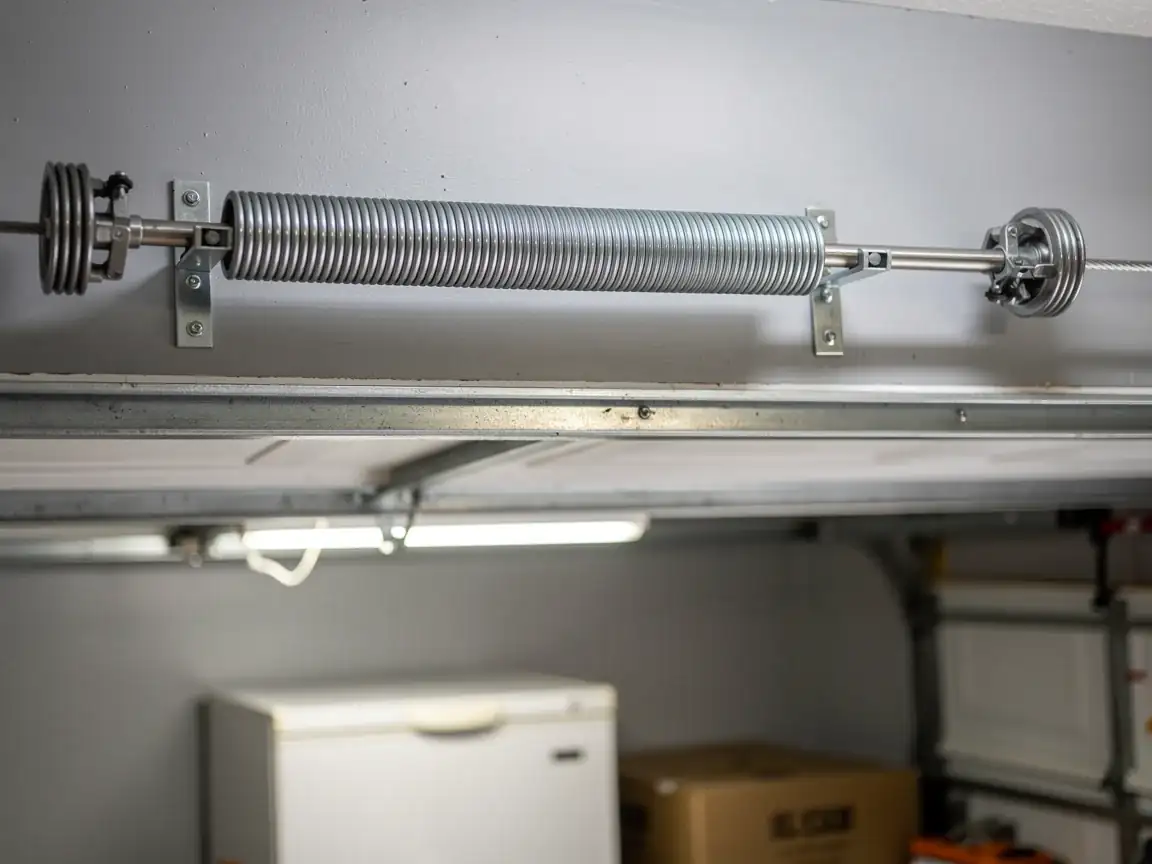
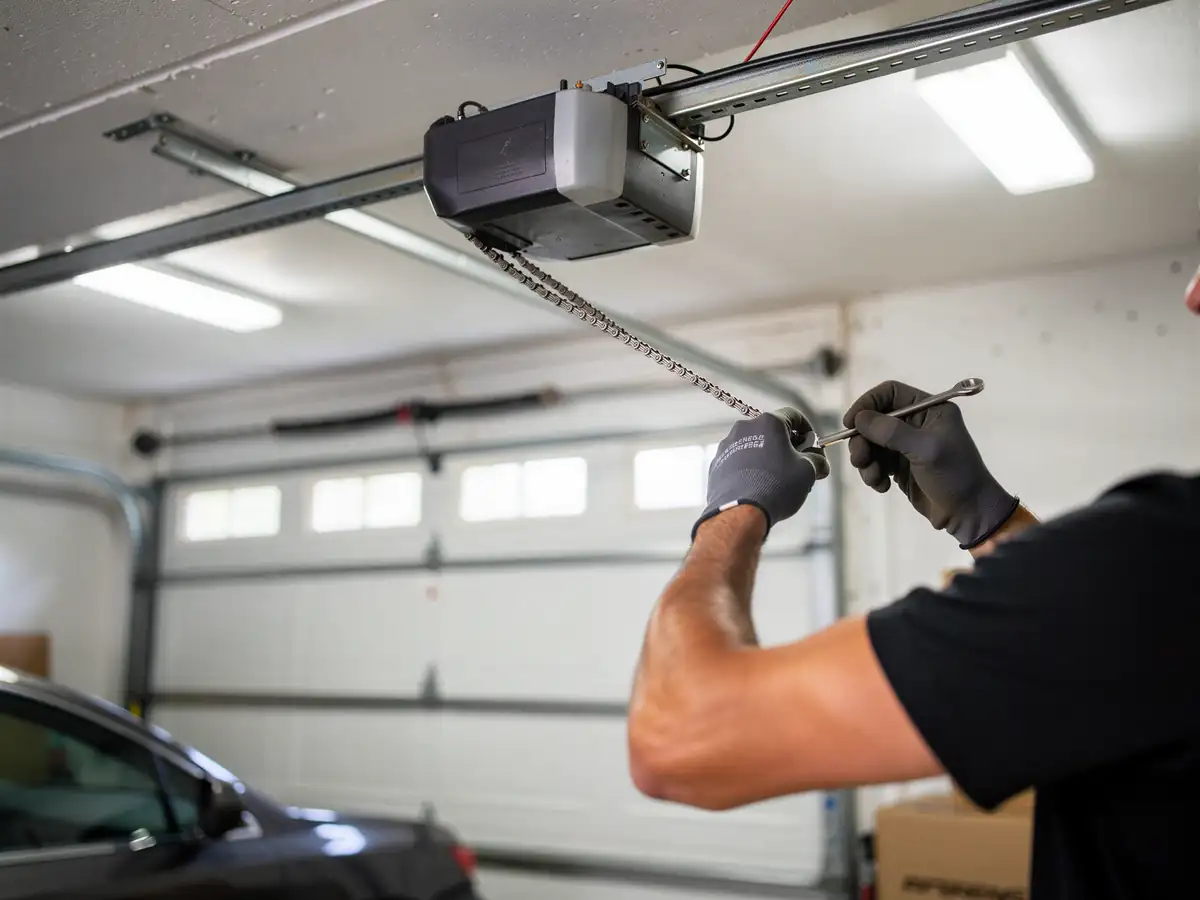
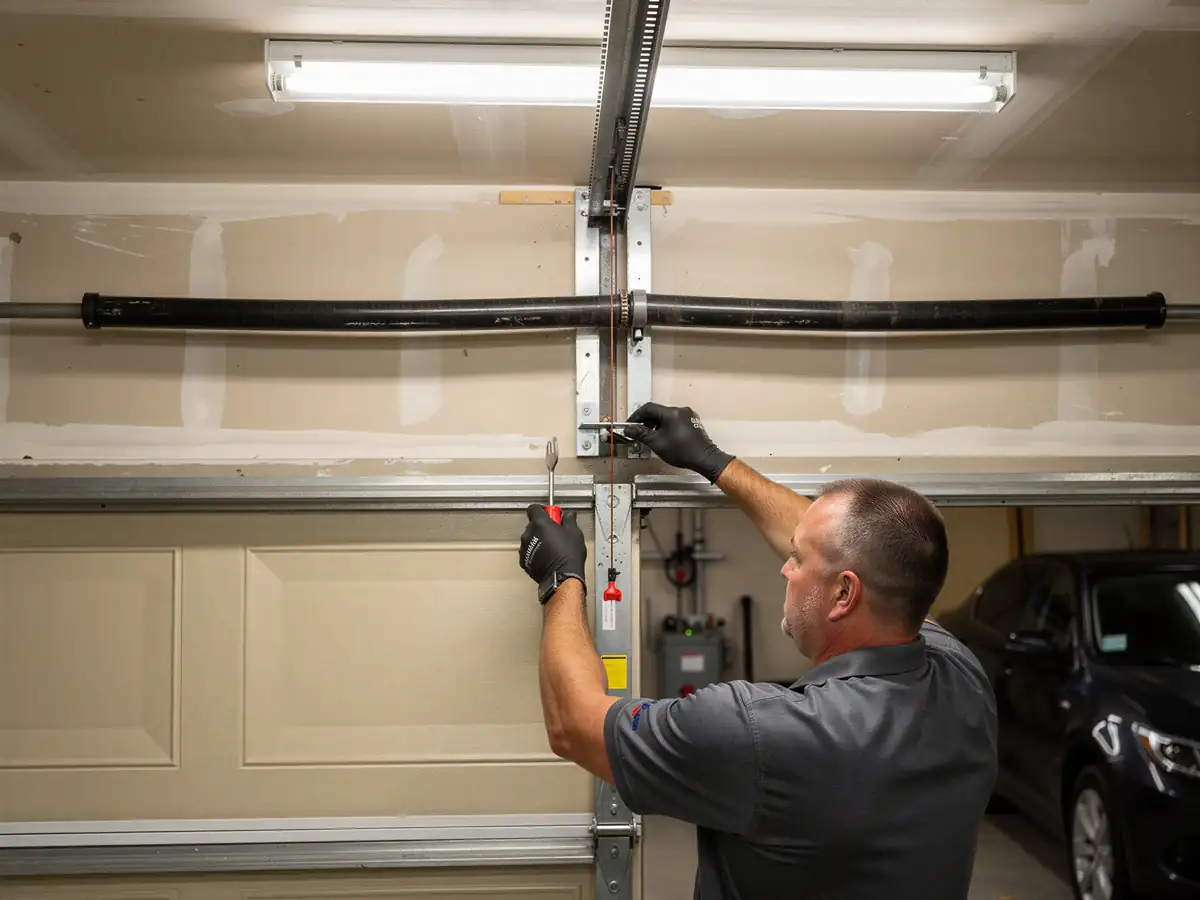
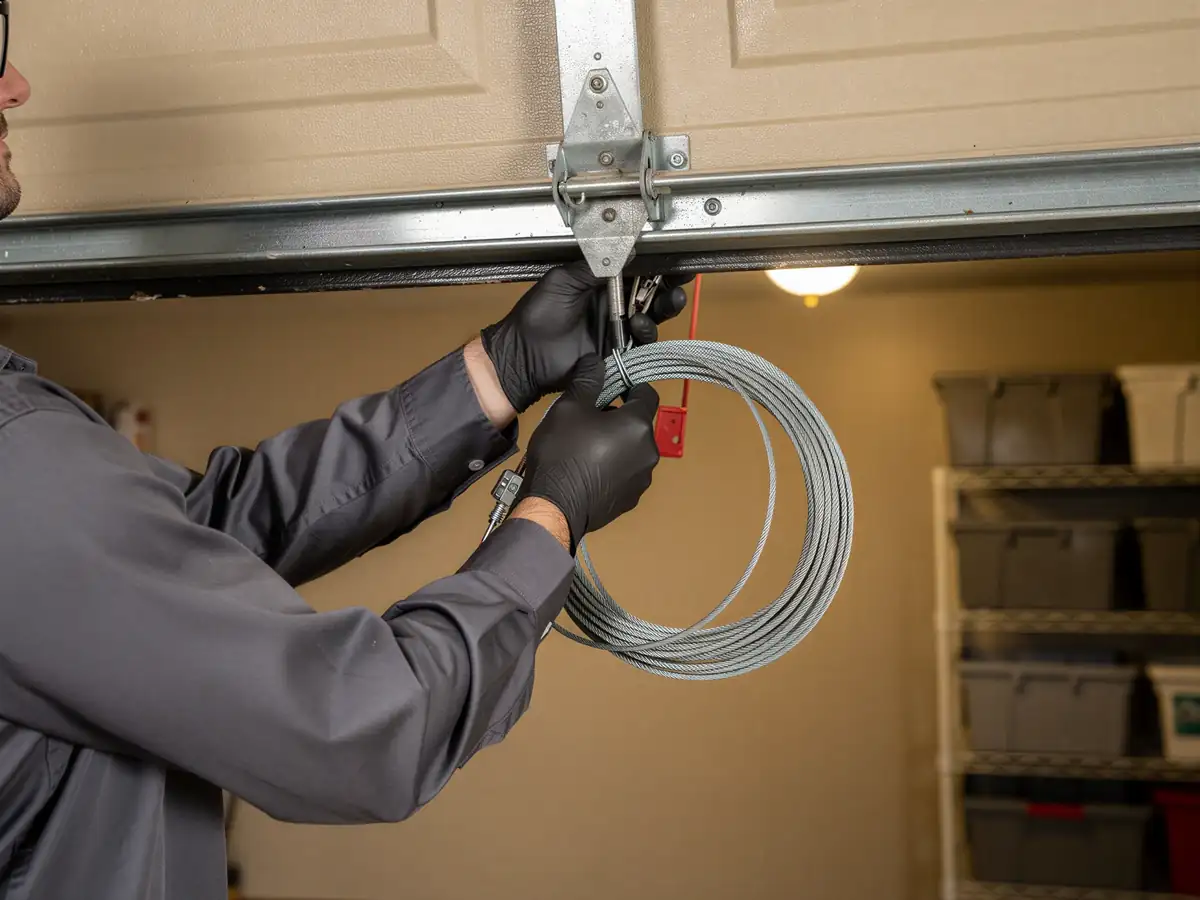
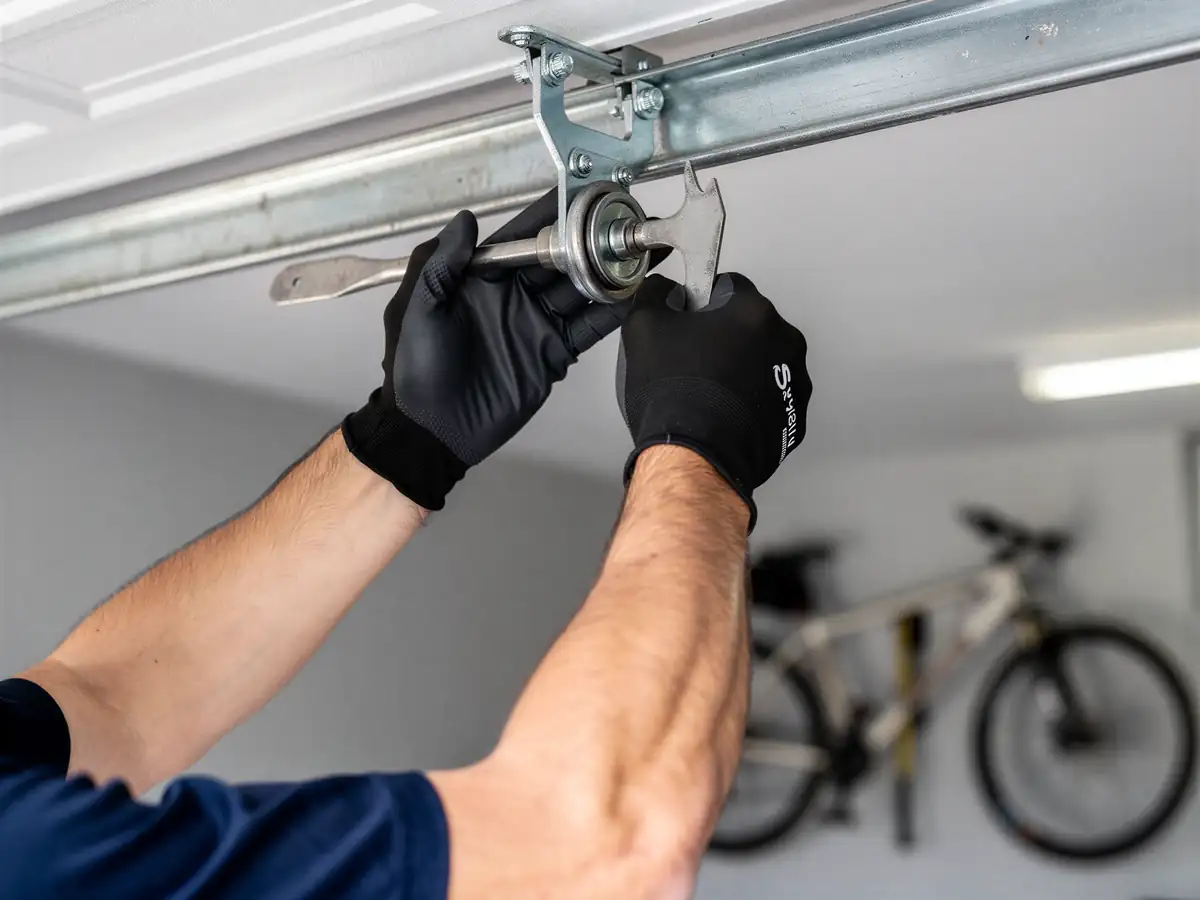
For a straightforward installation we bring standard-width sectional doors, track sets, and torsion spring assemblies sized for the opening, plus the jamb and header hardware needed to reset a frame that's shifted over the years - common on housing built before 2000. Given the cold-moderate climate here, we stock doors with real insulation values, not just a foam-core label, and bottom seals rated to hold up through repeated freeze-thaw cycles rather than cracking by the second winter. We carry openers with cold-weather-rated motors, since a standard unit can struggle to start on the coldest mornings. One honest limit: if your opening is a nonstandard size, custom glass-panel, or a high-end insulated door with a long manufacturer lead time, that unit isn't something we keep on the truck - we'll order it and give you a realistic timeline rather than install a stand-in that doesn't fit right. We'd rather tell you the wait up front than hand you a door that fights the frame for the next ten years.
What It Costs
We don't post a flat number here because installation cost depends on door size, insulation level, and whether the opening needs frame work - and that varies a lot across a service area where houses range from 1959 builds to ones finished in 2009. What we can say is that median household income across this area runs around $98,333, and most of the roughly 45,923 owner-occupied houses here were built during decades when a basic, uninsulated door was standard - so a lot of the installs we quote include an upgrade in insulation and hardware that the original builder skipped. That changes the number more than the brand of door does. We'll give you a written quote after we've actually measured the opening and looked at the frame, not a phone estimate based on a guess. If a repair would solve the problem for less than a full replacement - a new spring, a realigned track - we'll say so instead of selling you a door you don't need yet.