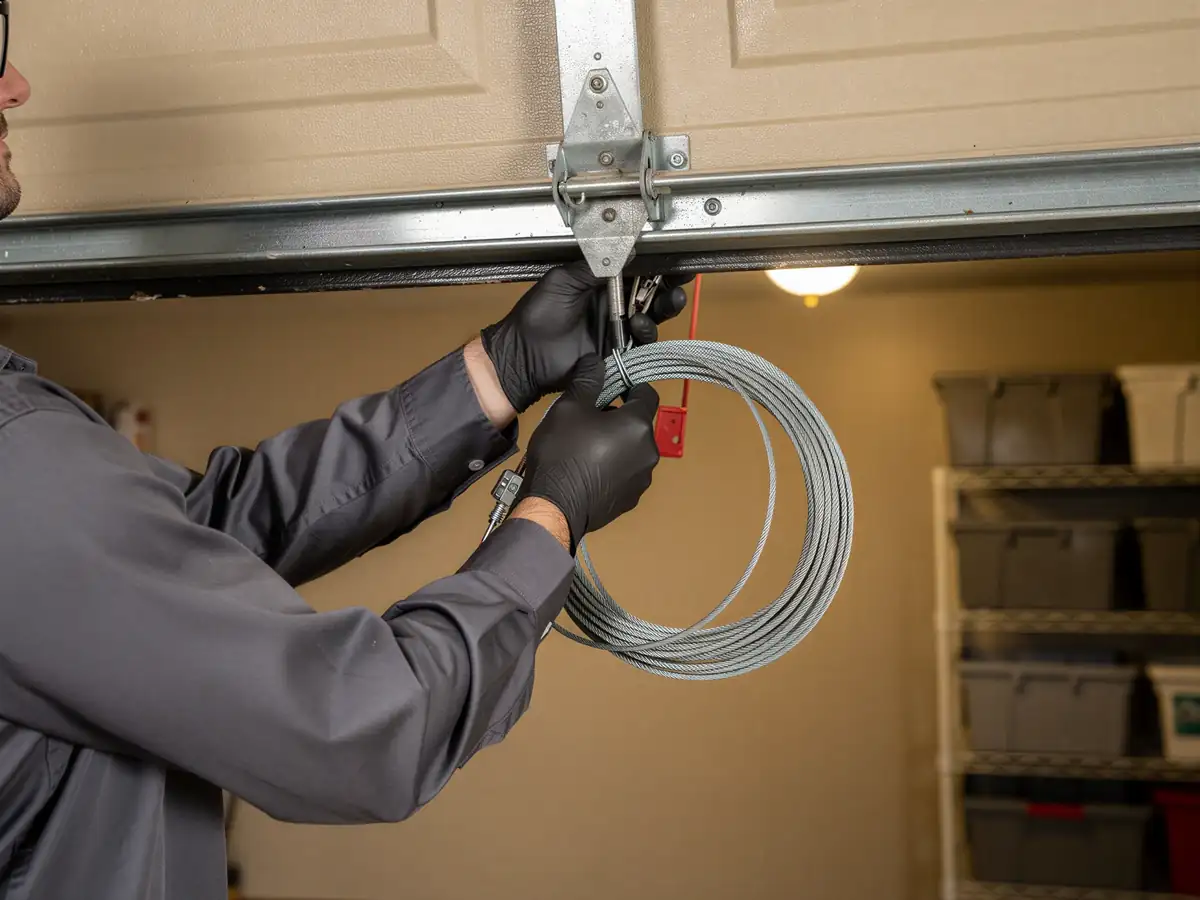
What the Fix Involves
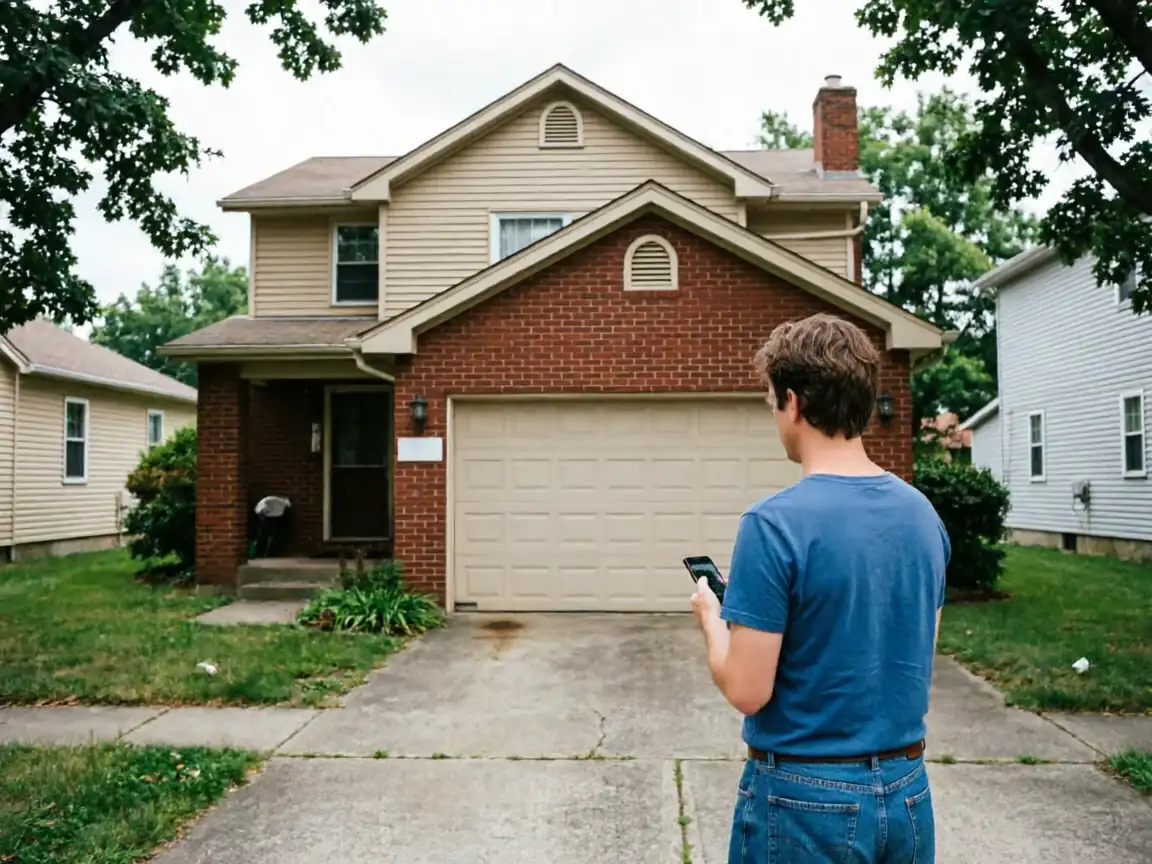
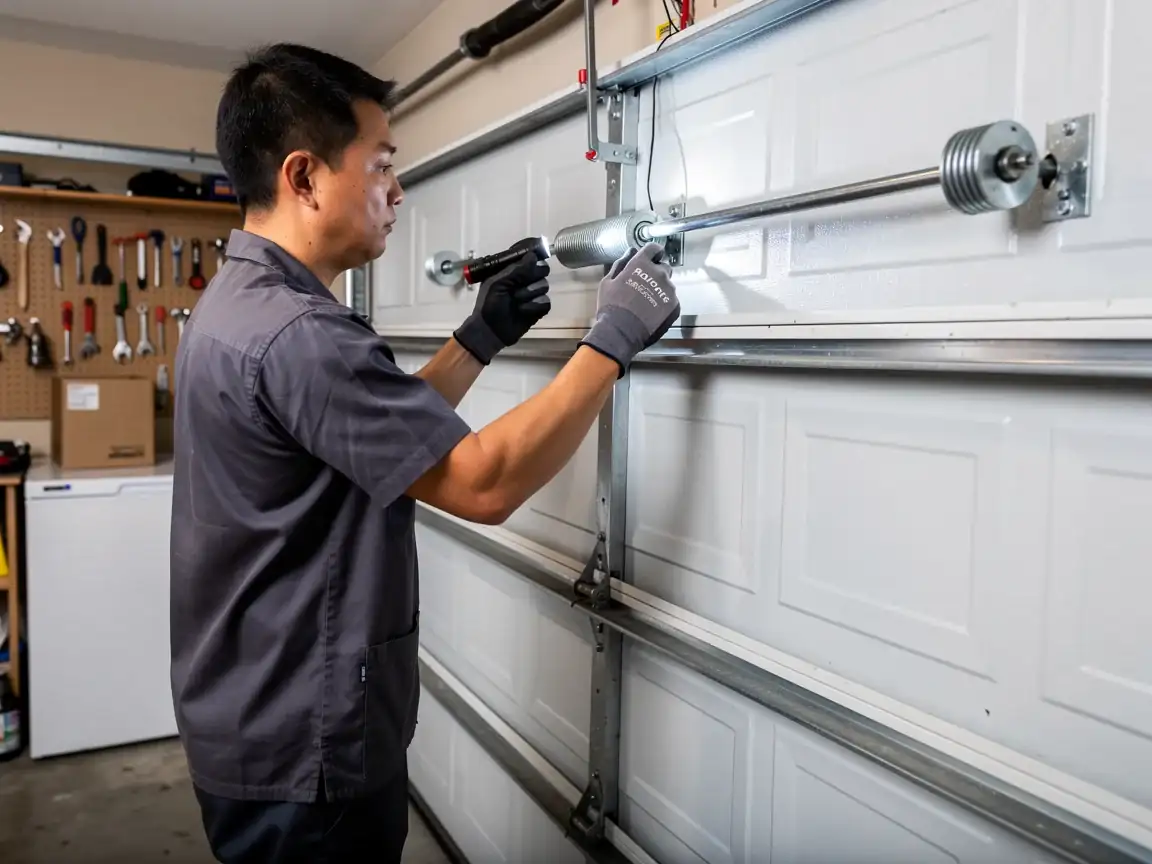
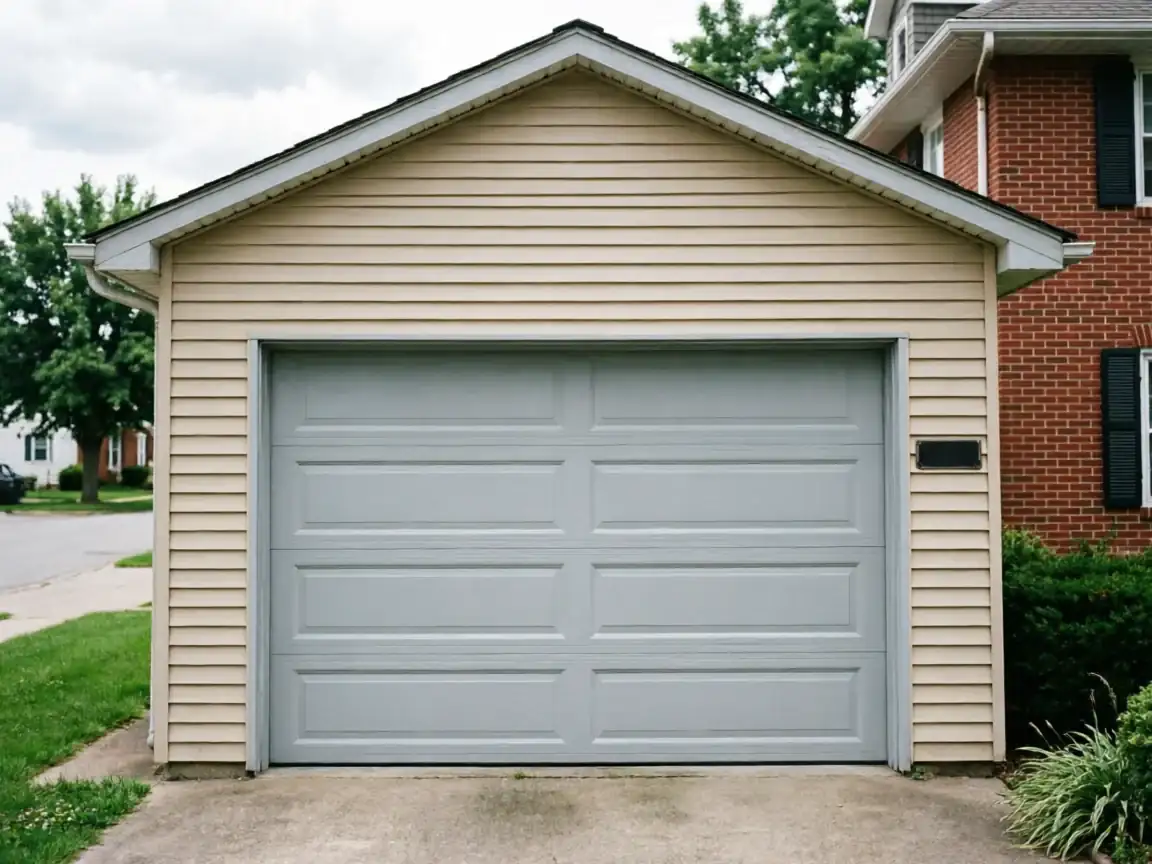
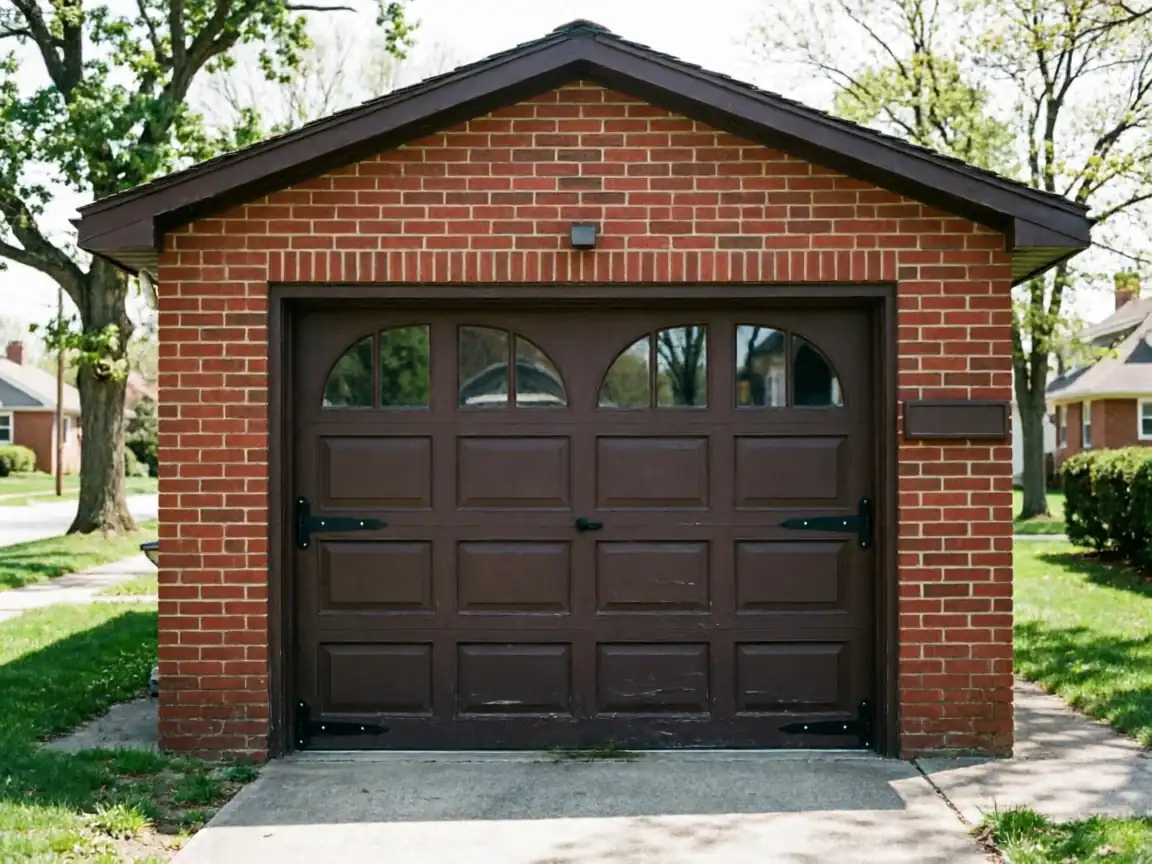
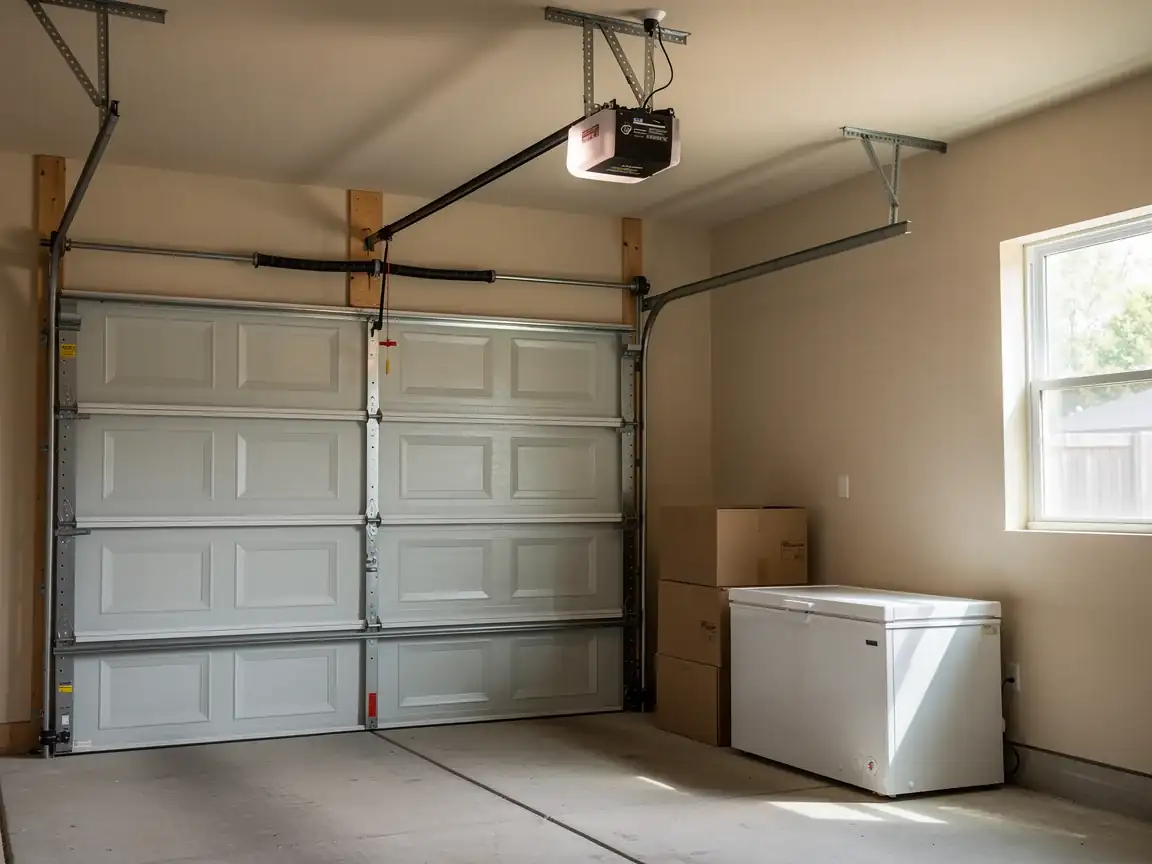
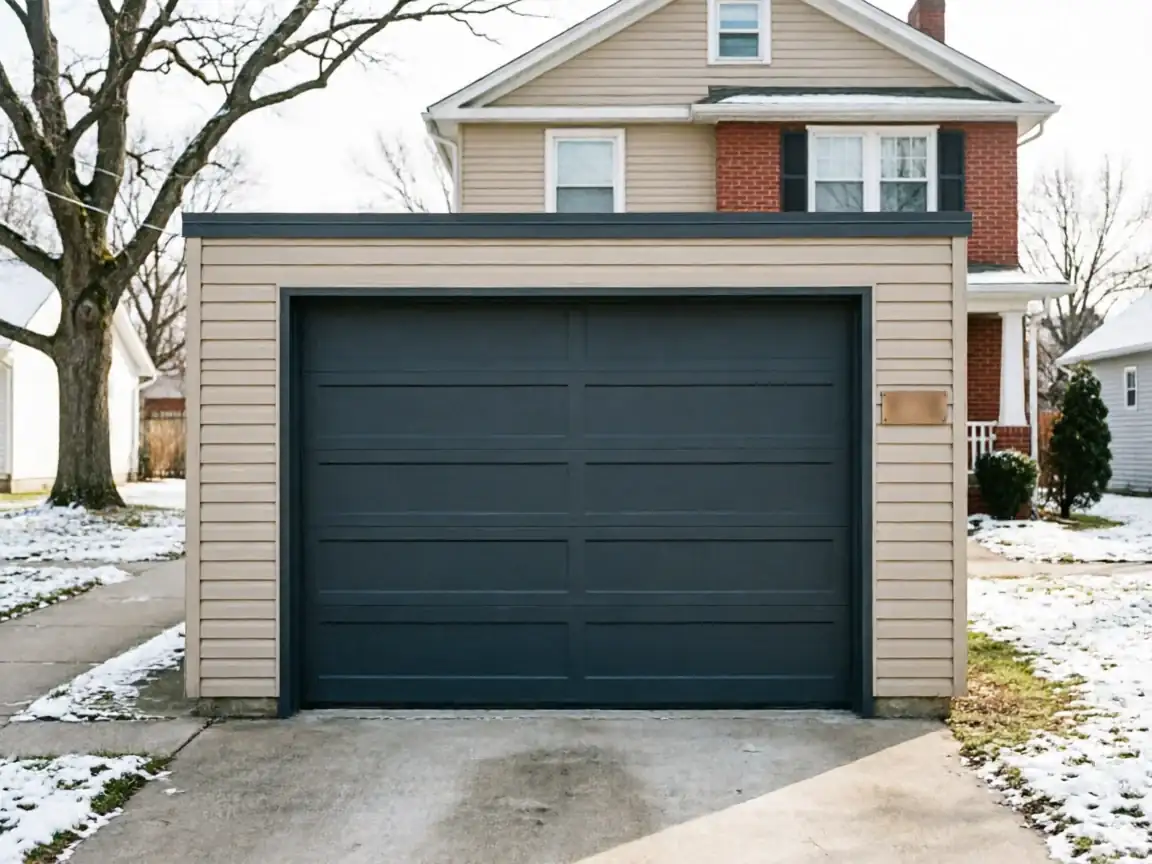
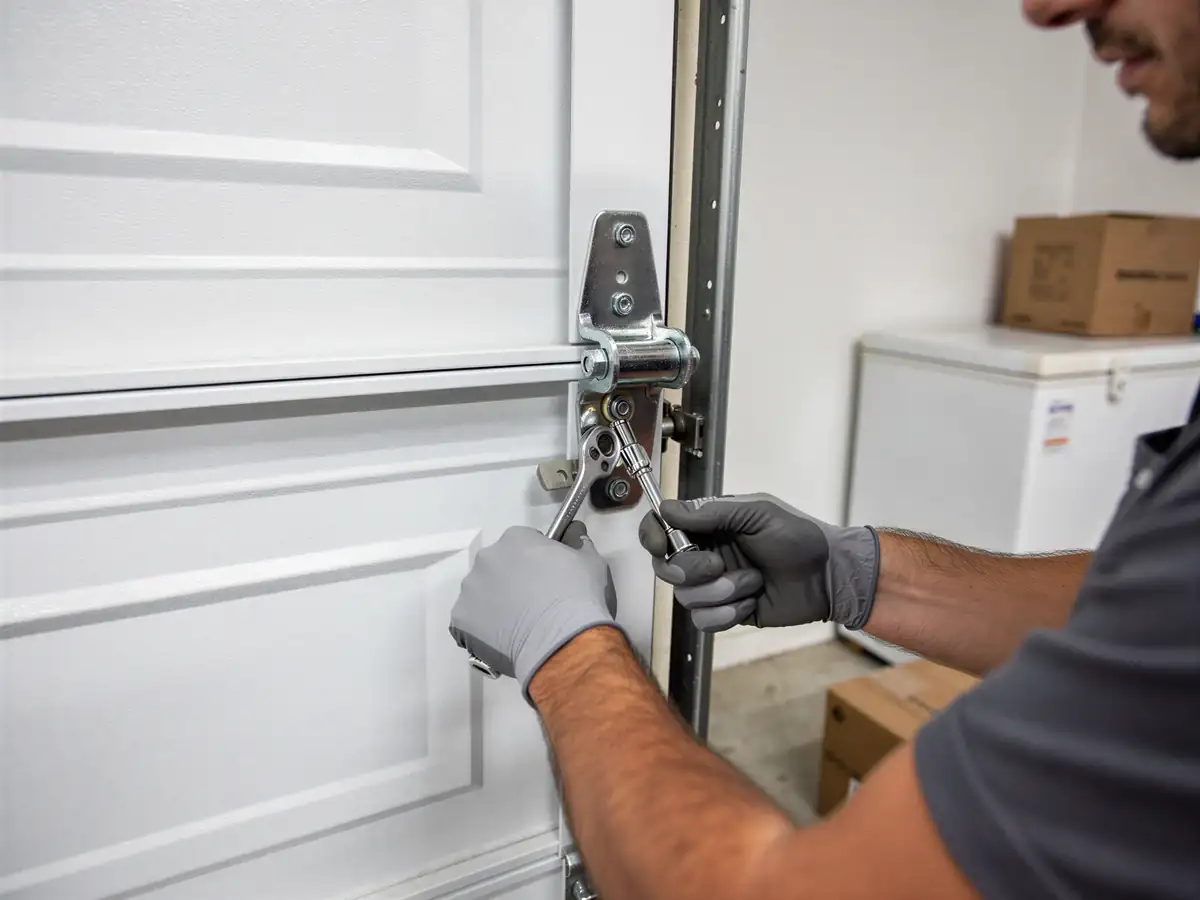
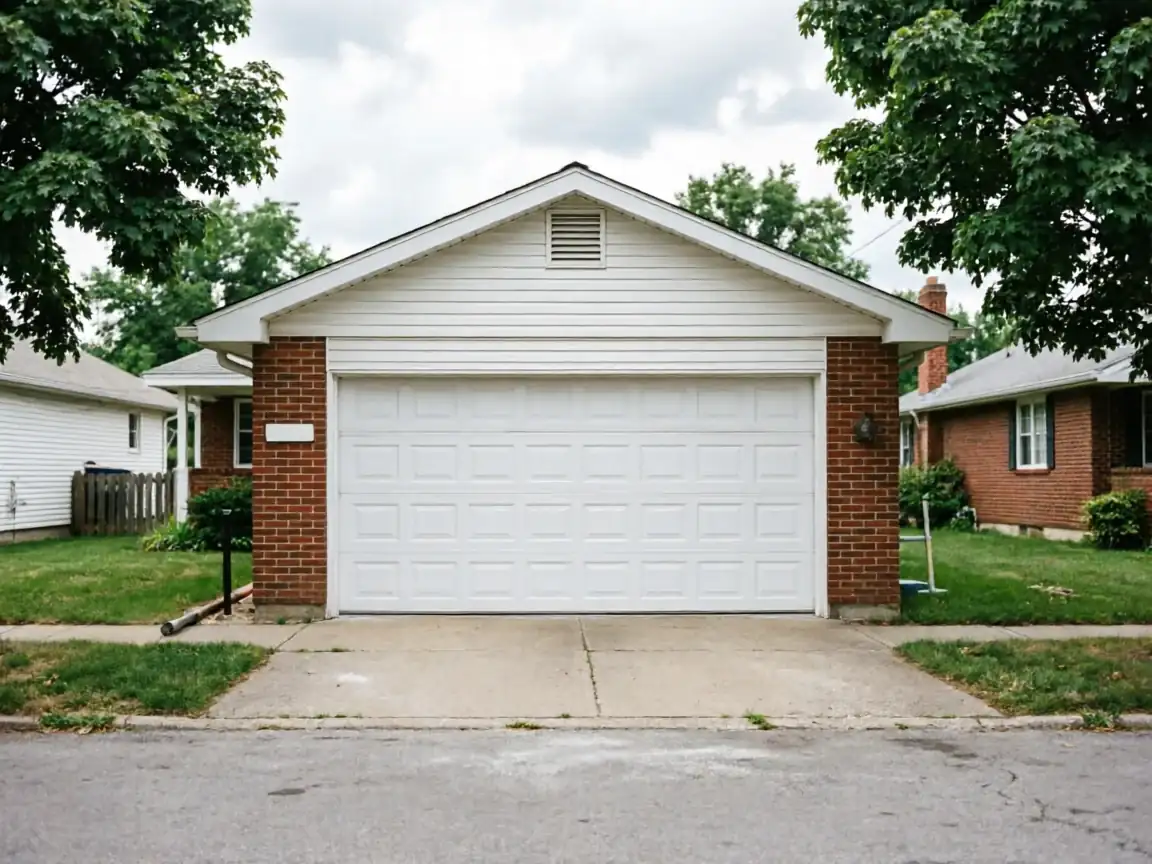
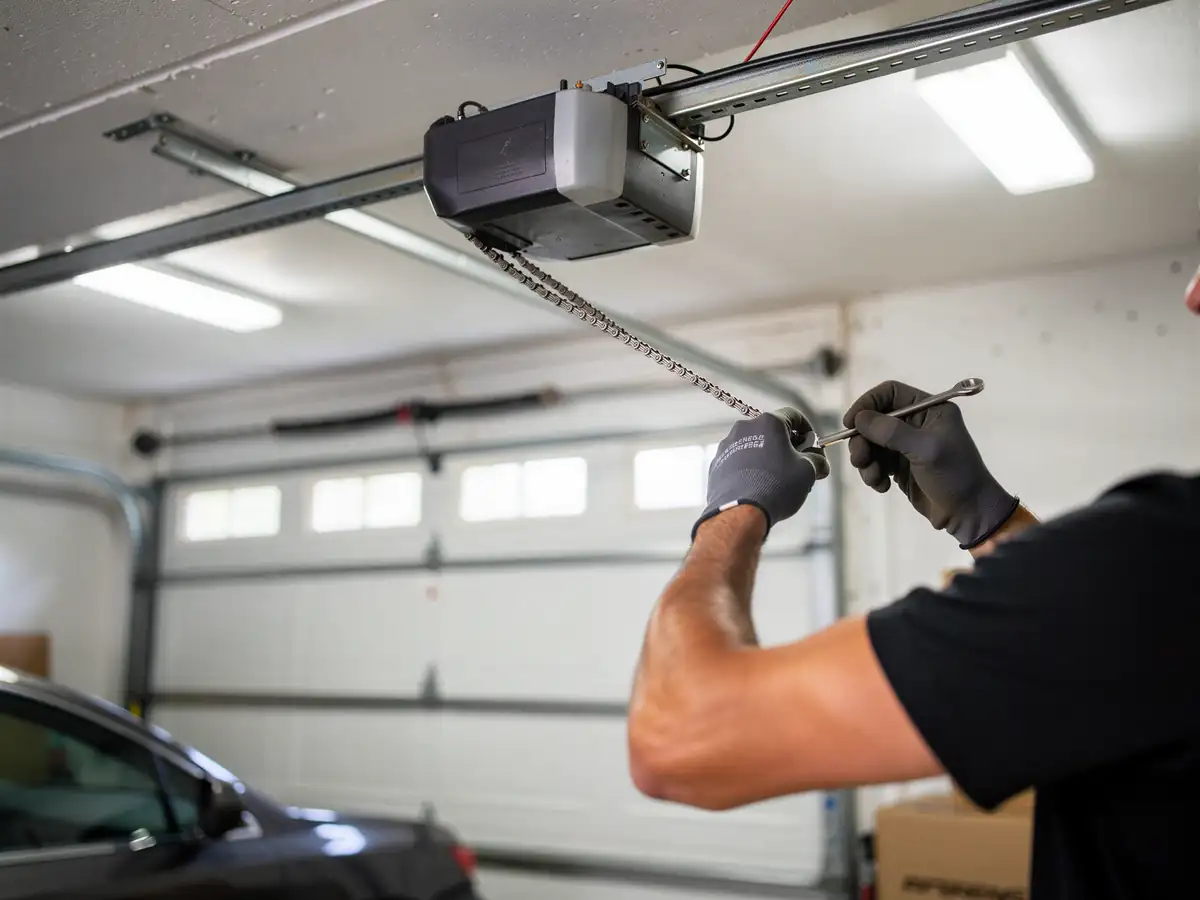
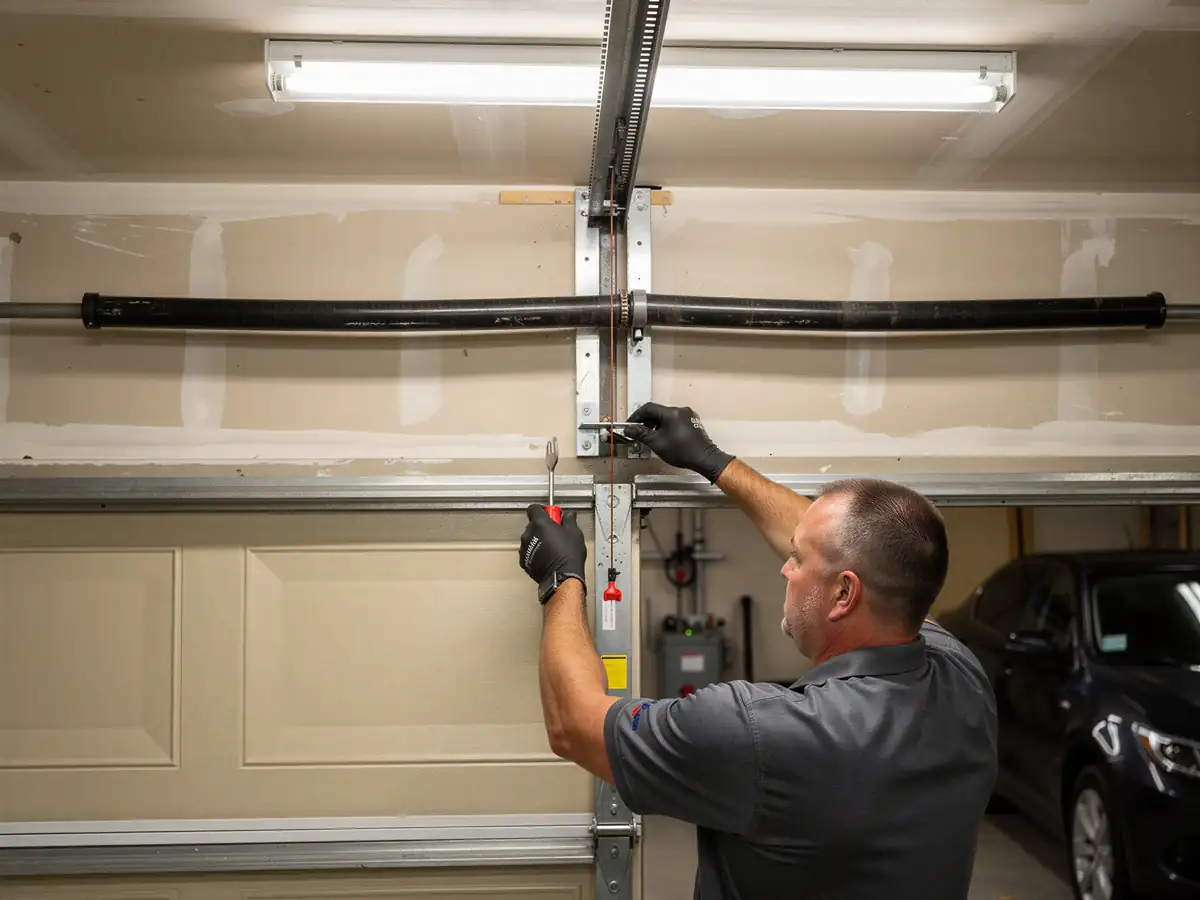
Carlisle's houses mostly went up around 1973, a good two decades before the service area's median build year of 1995. That gap matters on a cable call. A door from that era is more likely to be running its original two-cable drum system paired with extension springs along the tracks, rather than the torsion setup that became standard on newer builds. The fix itself is the same basic work either way: pull the old cable off the drum, check the drum and the bottom bracket for wear, measure and cut new galvanized aircraft cable to length, and wind it back on under the right tension. What changes is what we find underneath. On a 1973 door we're more often dealing with a rusted drum, a bent bottom bracket from years of the cable riding wrong, or a track that's shifted slightly out of plumb and has been chewing through cable strands for a while before it finally snaps. We check both cables even when only one has failed, since they wear on the same schedule and the second one is usually close behind.
How Long You Are Without the Door
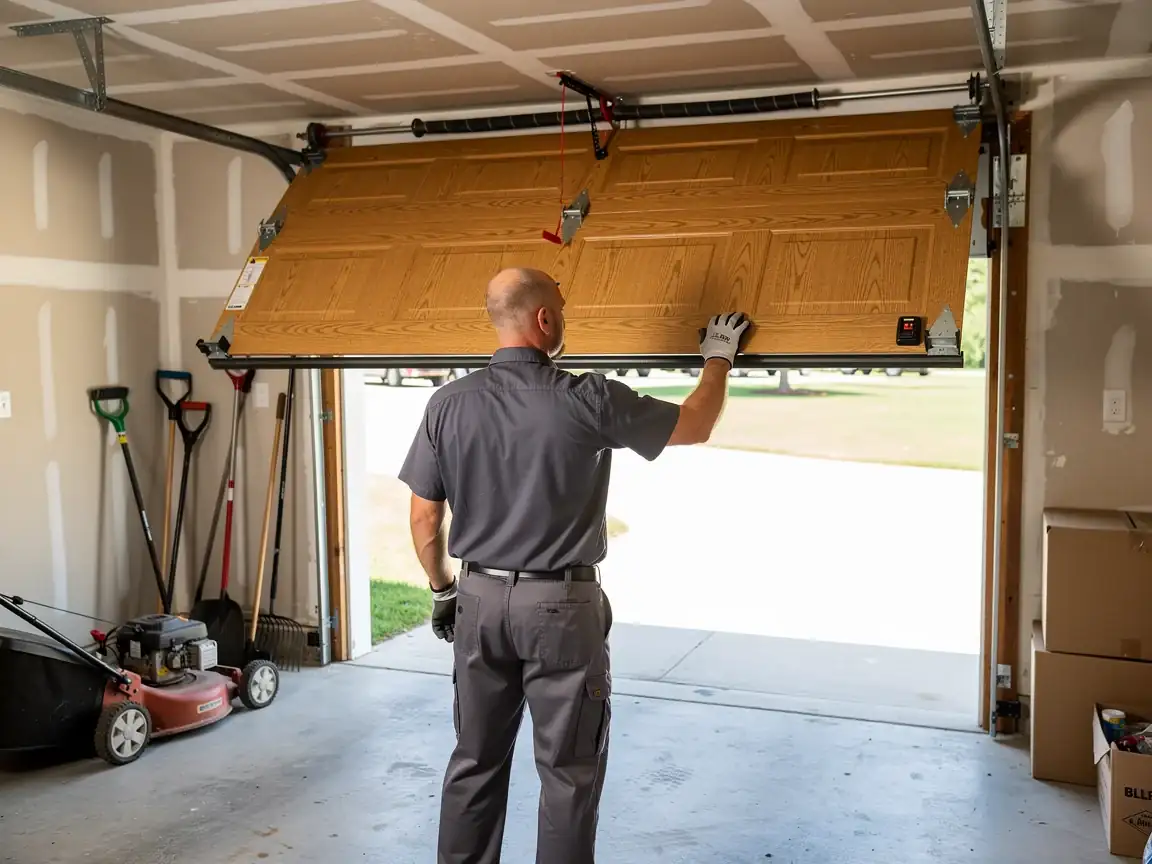
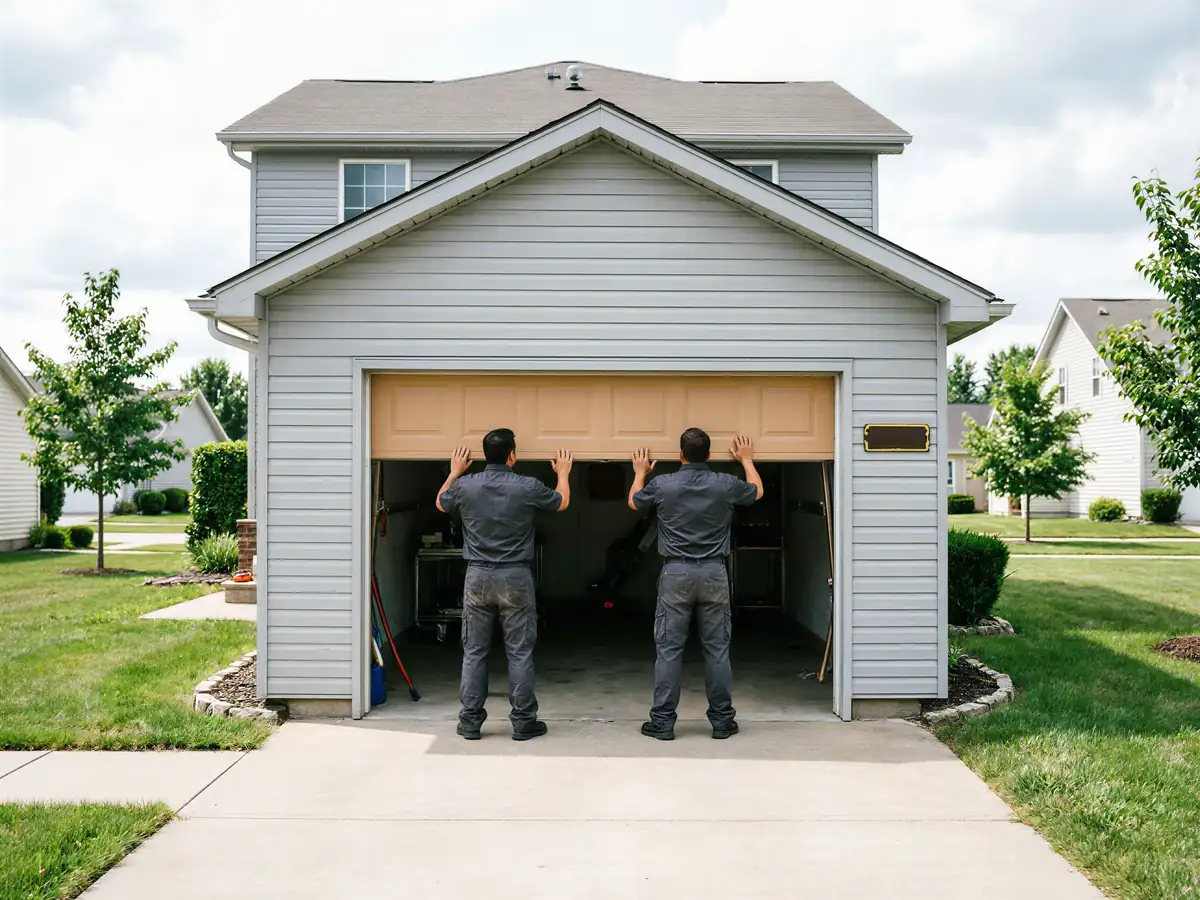
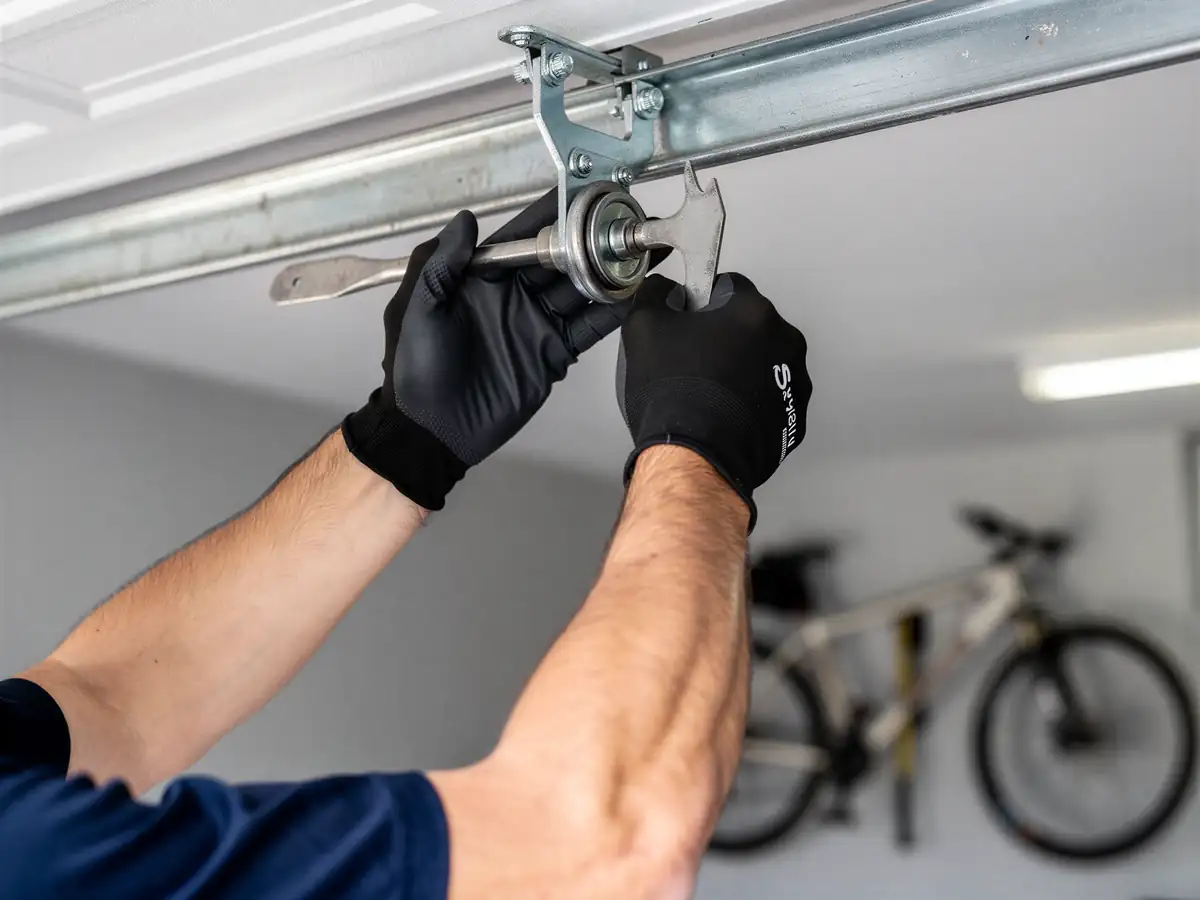
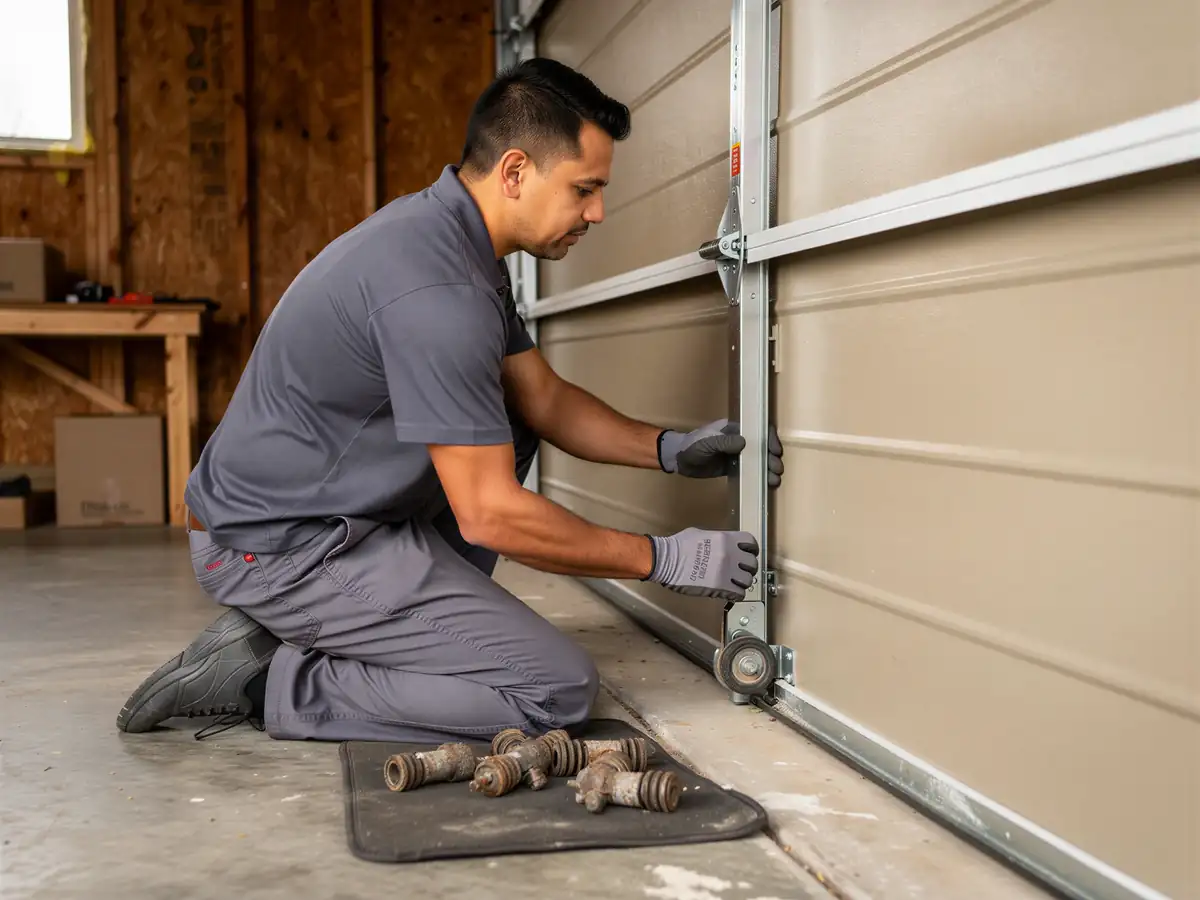
A straight cable replacement, once we're on site with the right cable and bracket hardware, doesn't take long. The time that adds up is what's unique to older stock: if the drum is scored, if the bracket is bent, or if a mismatched spring needs swapping to match the door's actual weight, that's additional parts and additional time. We don't carry every obsolete drum size on the truck for a door that old, so there are jobs in Carlisle where the first visit is diagnosis and the second is the repair, once we've got the right part. We won't promise a same-day fix on a door with non-standard hardware, because that promise isn't ours to make honestly. What we can tell you up front, usually before we leave your driveway, is which kind of job you've got.
Why This Fails Locally
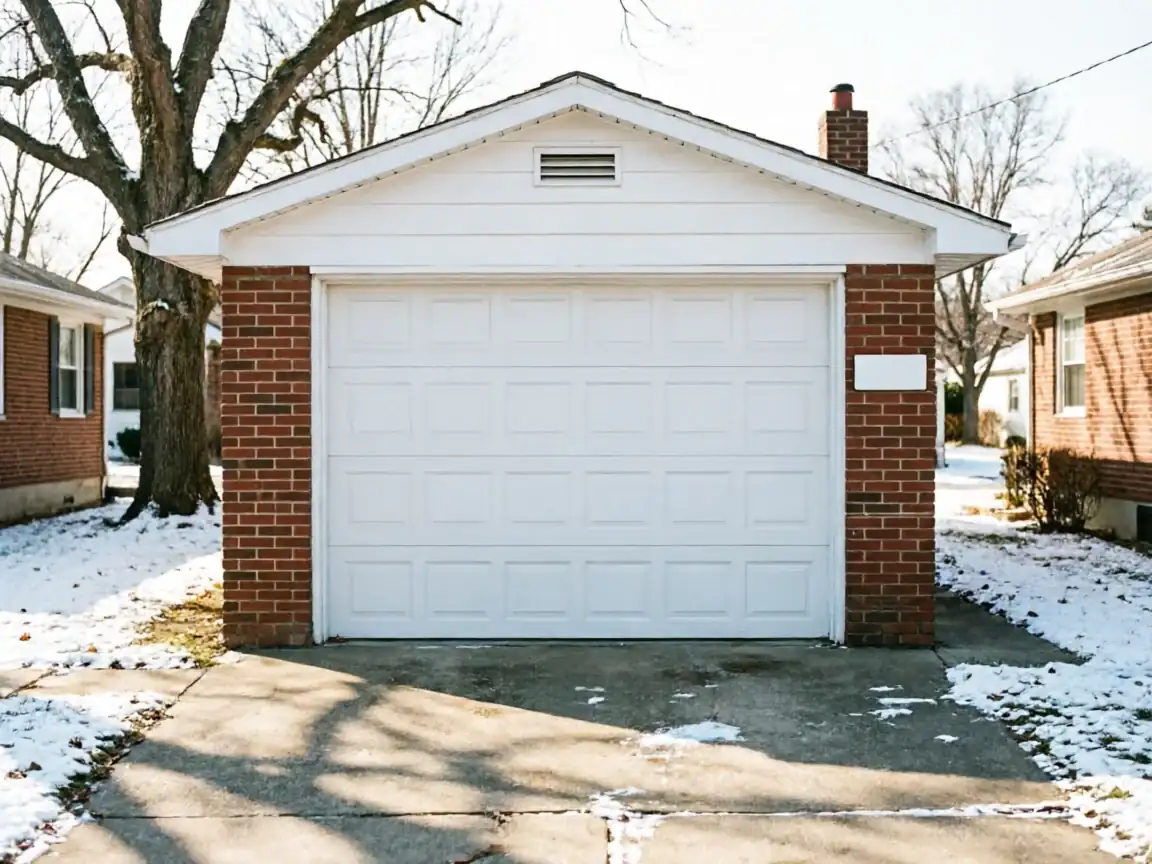
Carlisle sits in the same cold, moderate climate band as the rest of the service area, and that band is part of why 1973-era cable fails the way it does. Galvanized cable stiffens in cold weather, and the lubricant that keeps strands sliding against each other thins out and migrates in summer heat, then gums up in winter. On a door that's forty-plus years past its install, decades of that freeze-thaw cycle on the same original cable leaves strands that look fine until the last one lets go, usually on a cold morning when the door's been sitting shut all night. Newer doors in the service area's 1995-median stock see the same climate, but with less cumulative cycling on the original cable. That's the practical reason an older Carlisle door is more likely to need this repair than a newer one a few miles away.