The Symptom
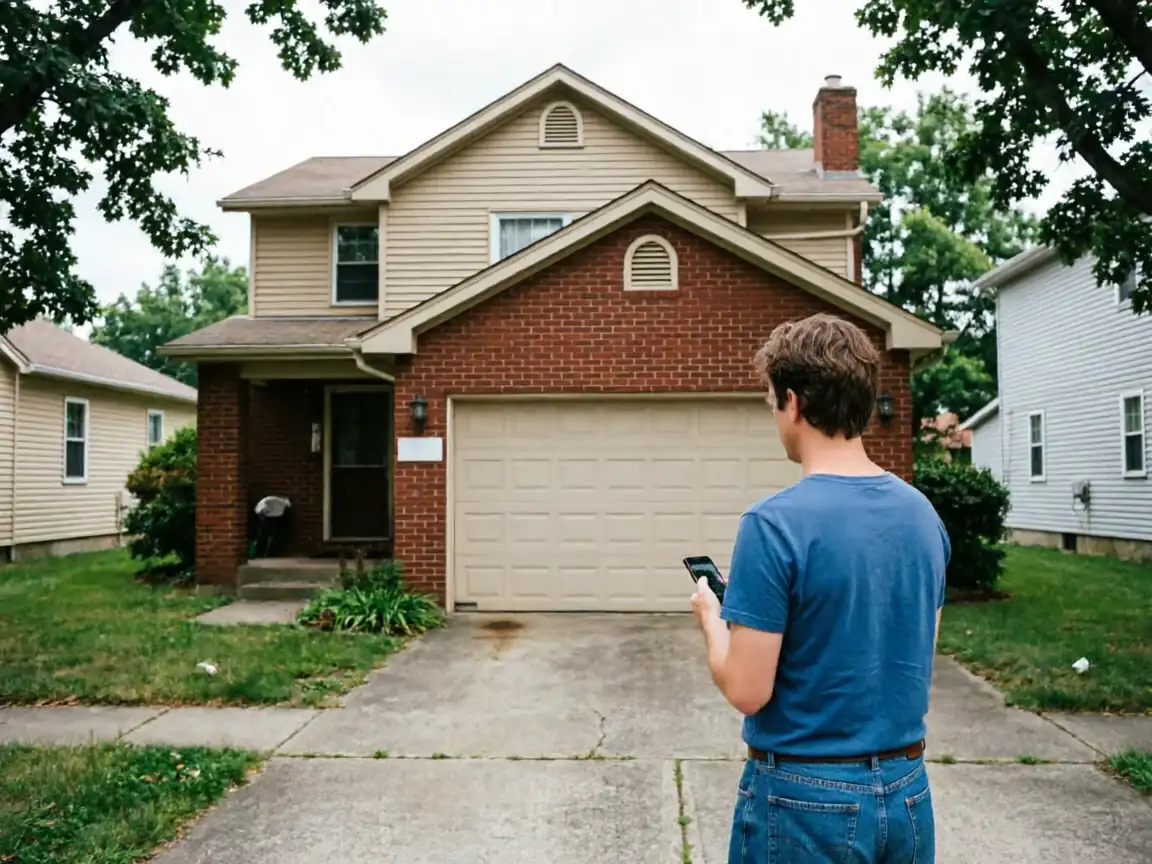
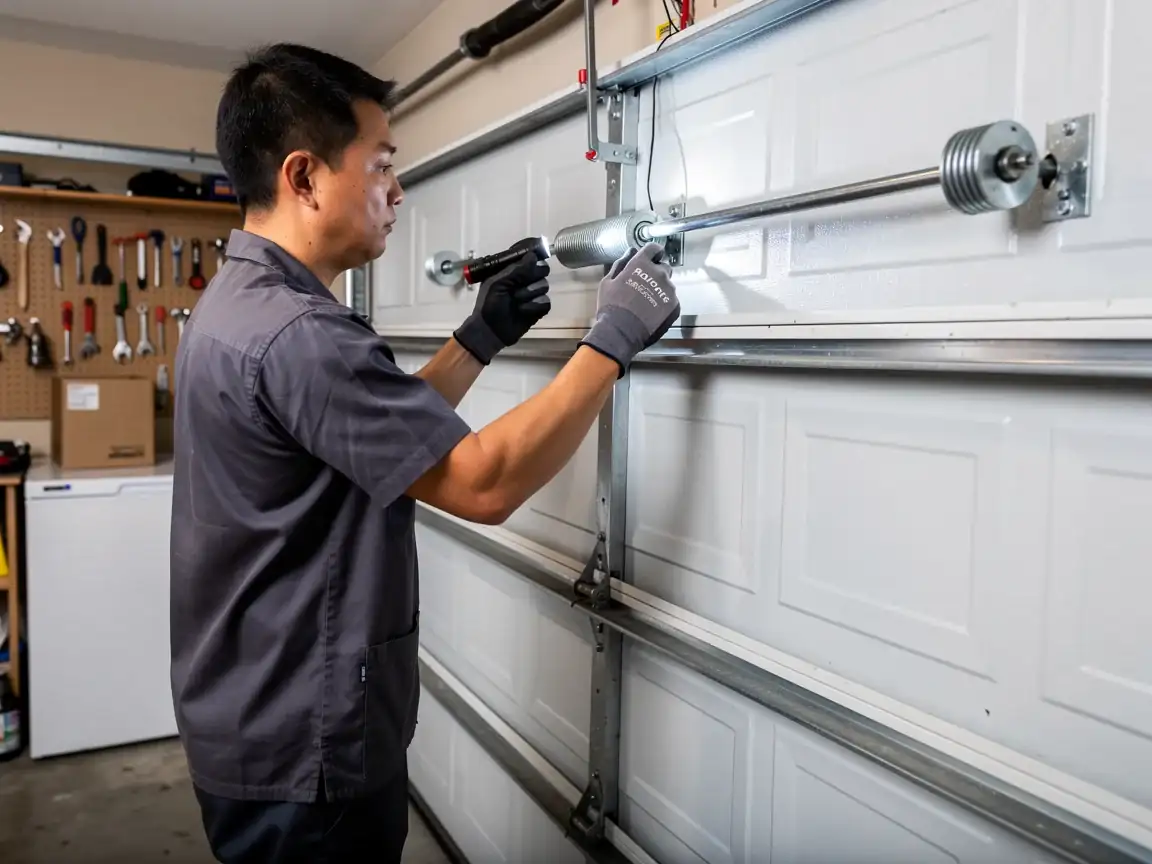
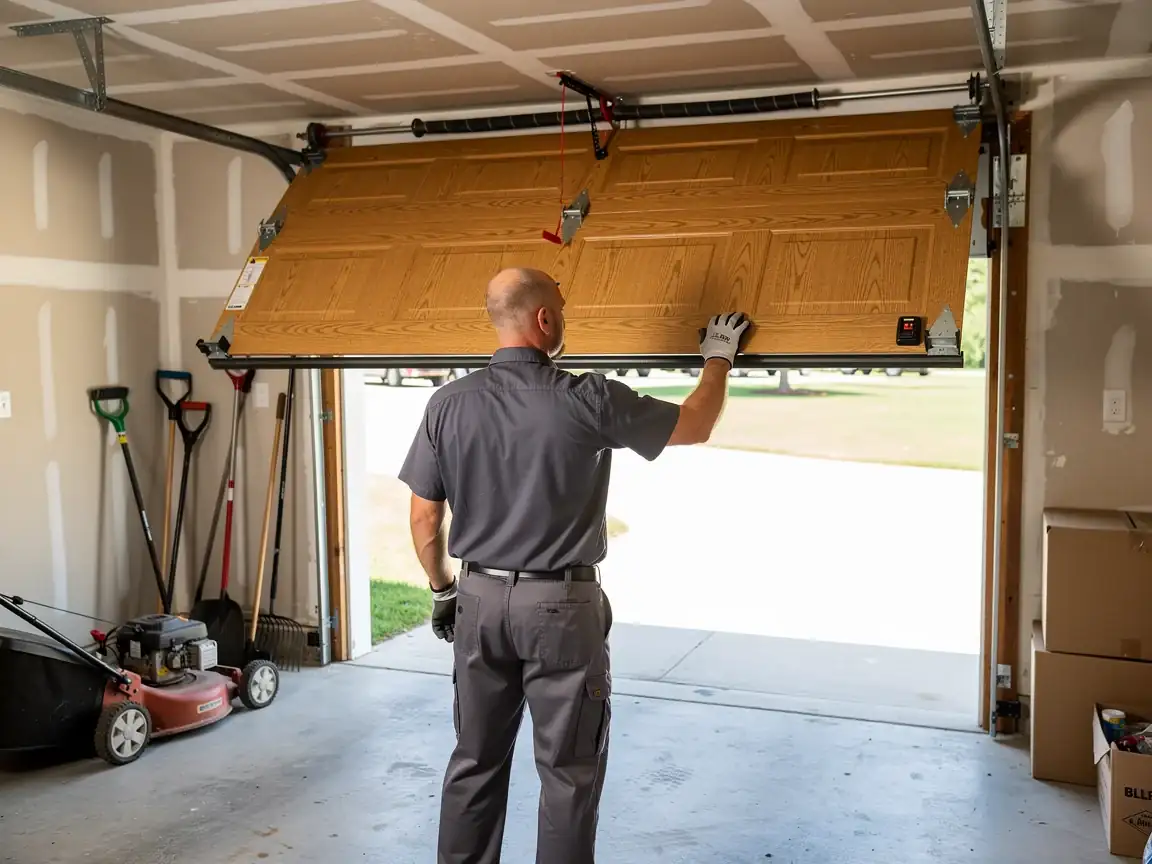
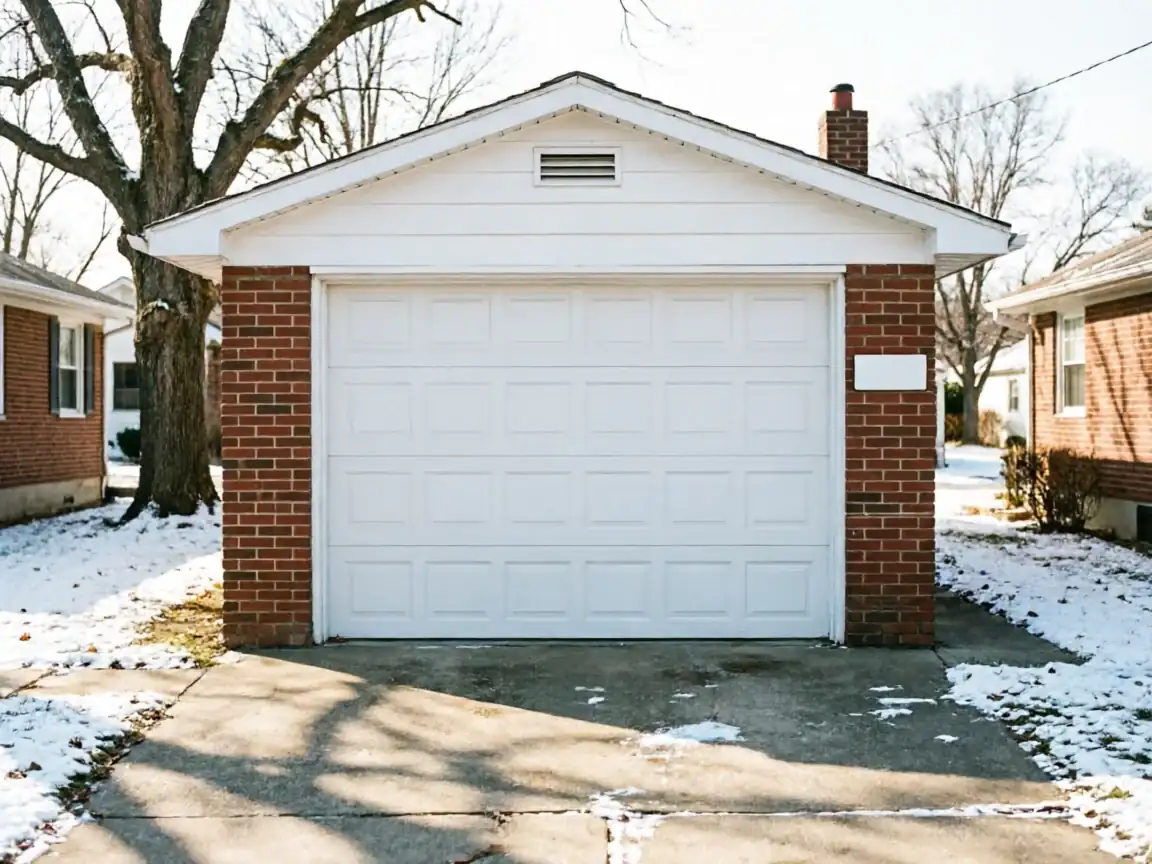
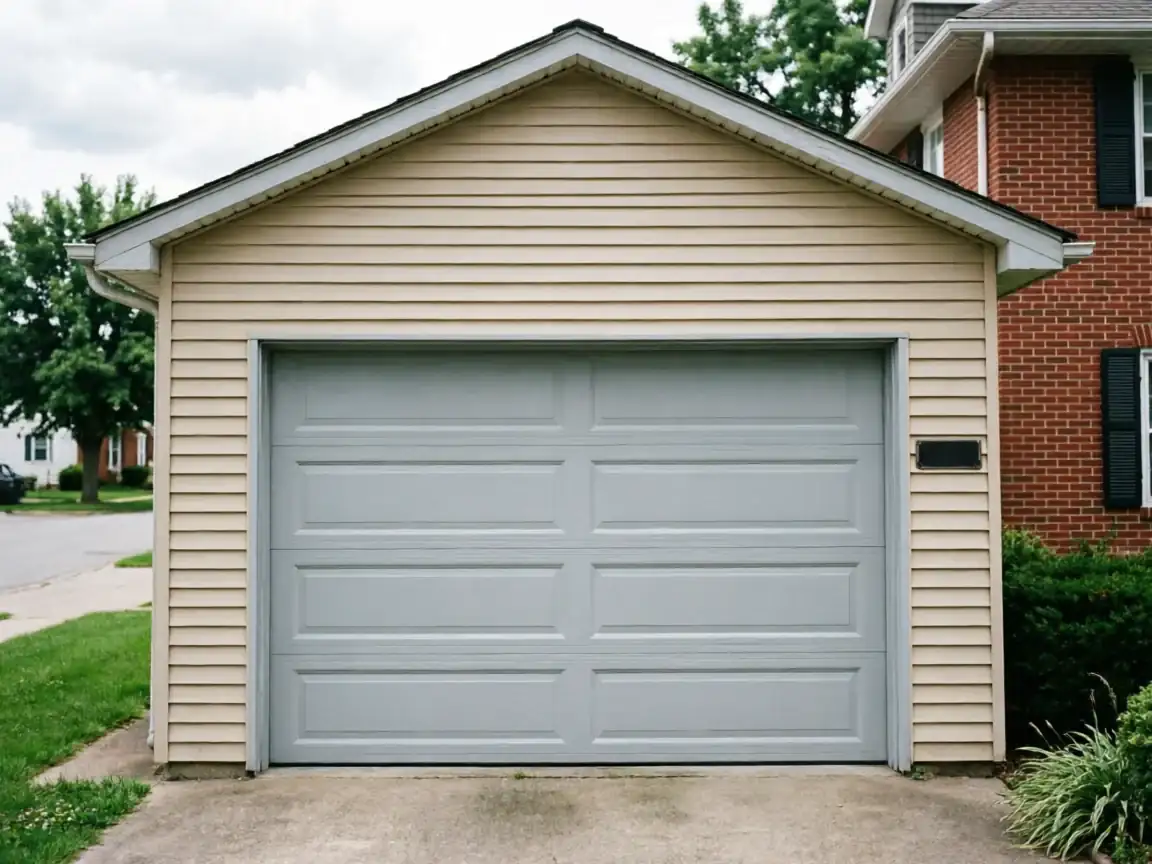
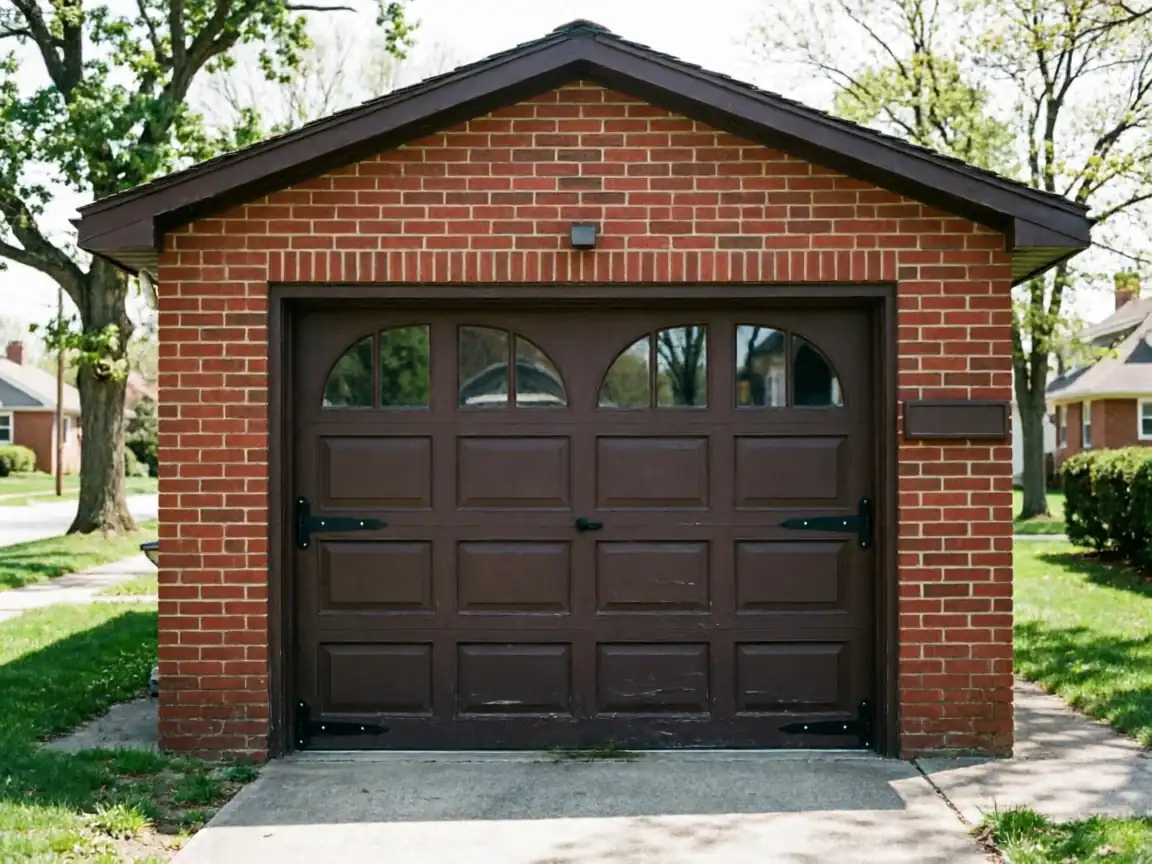
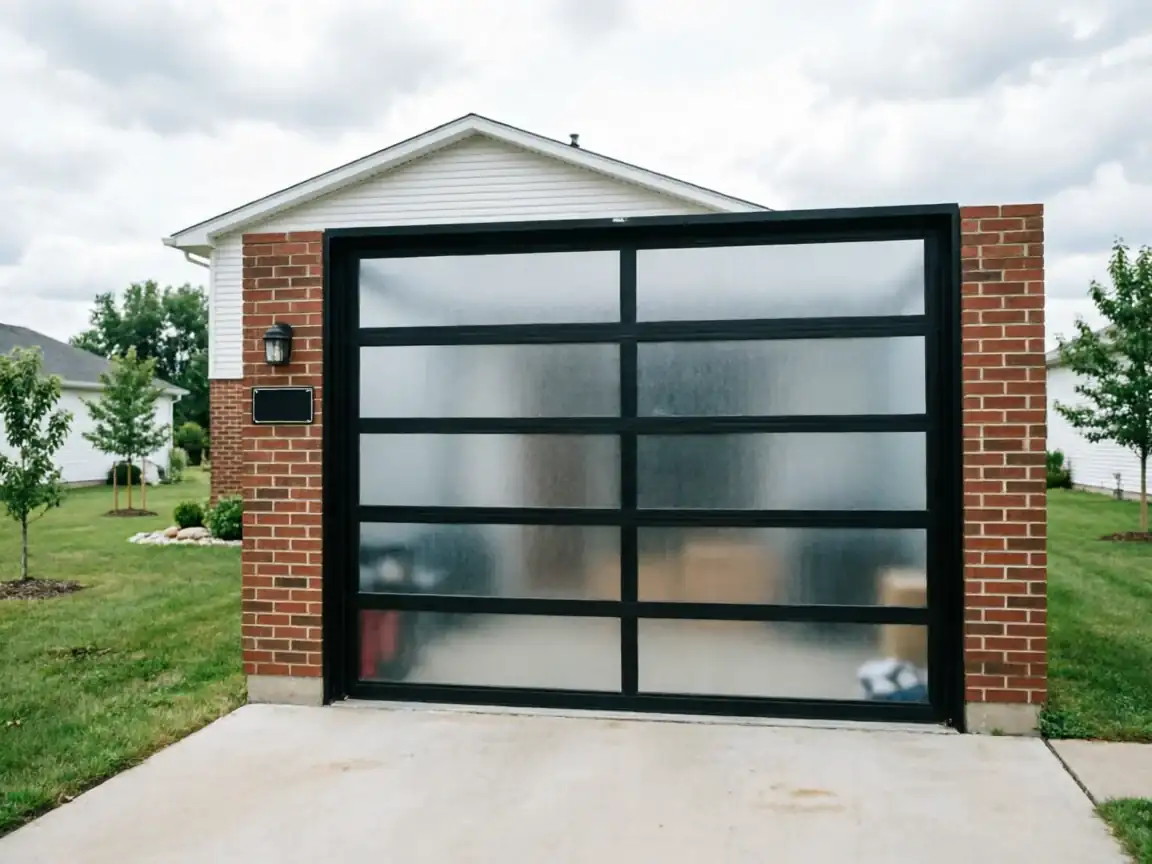
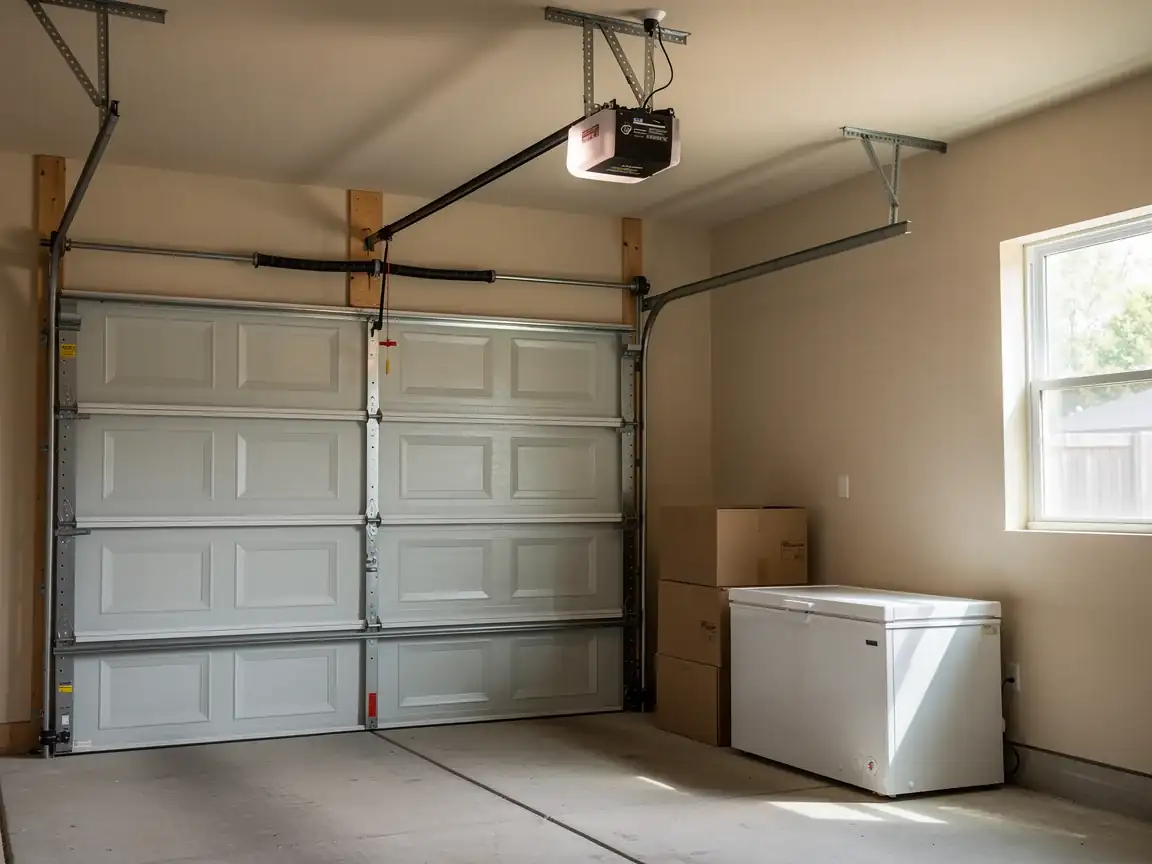
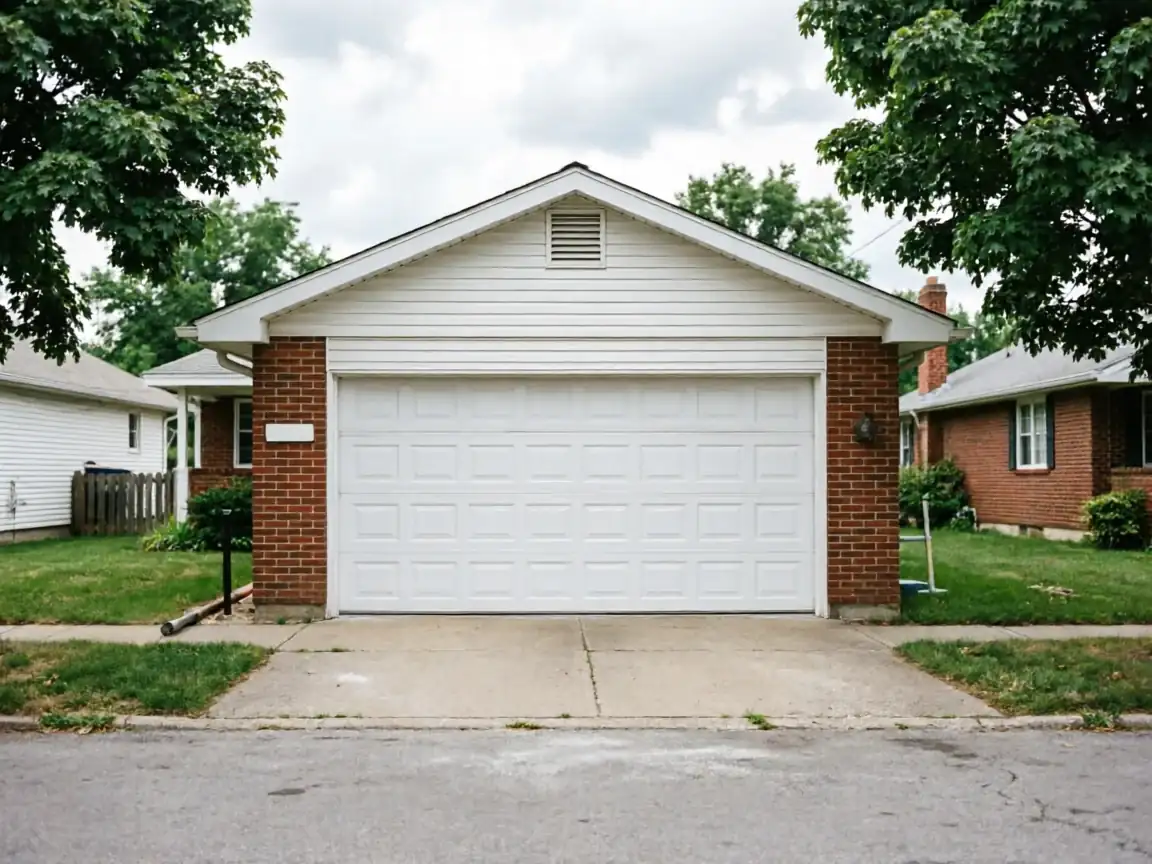
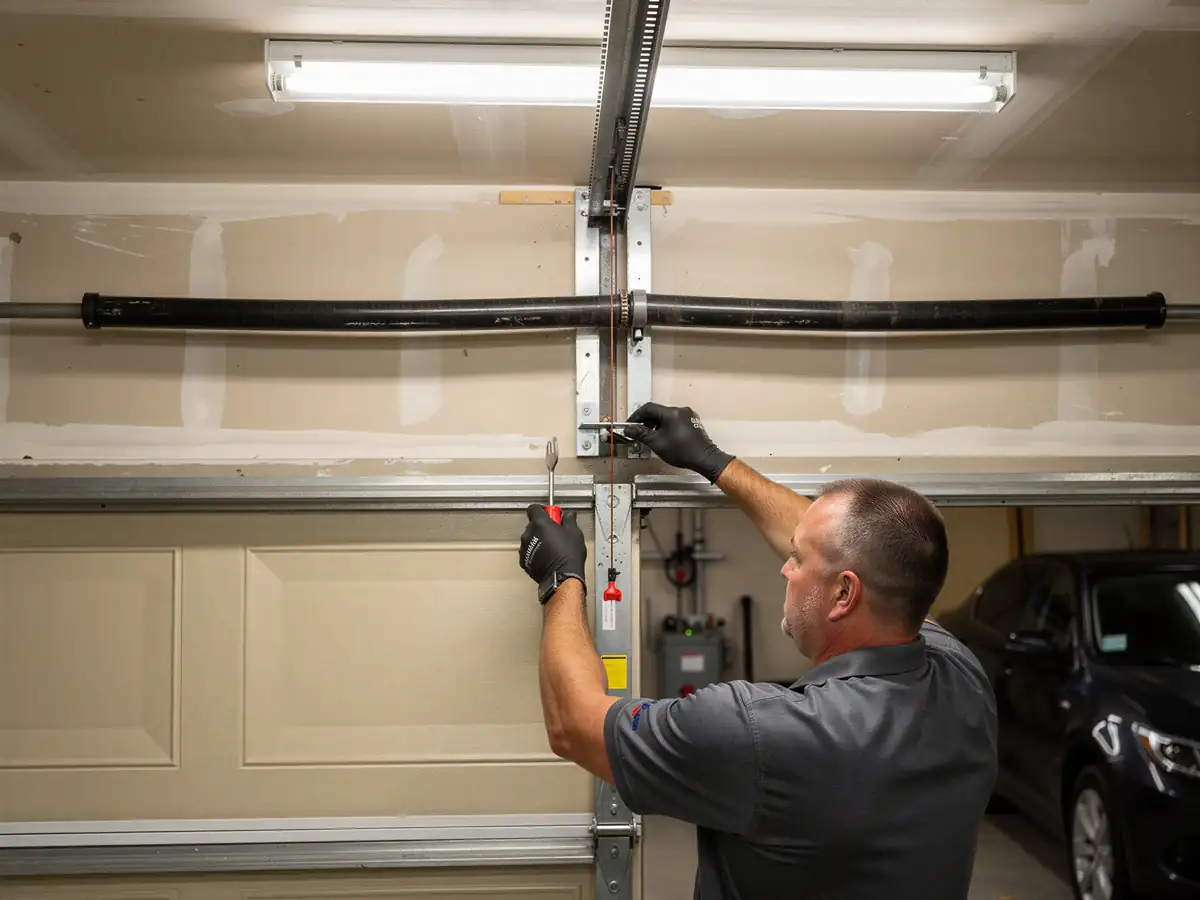
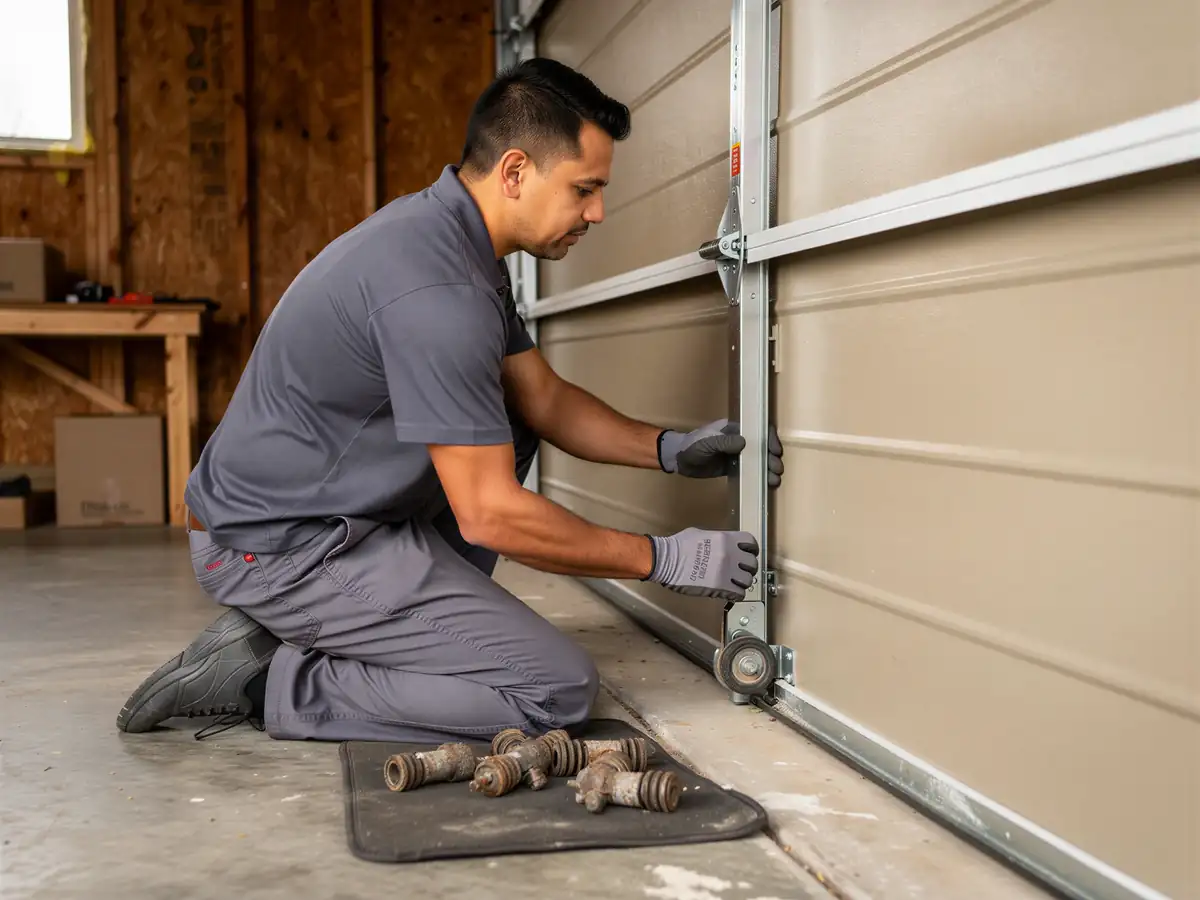
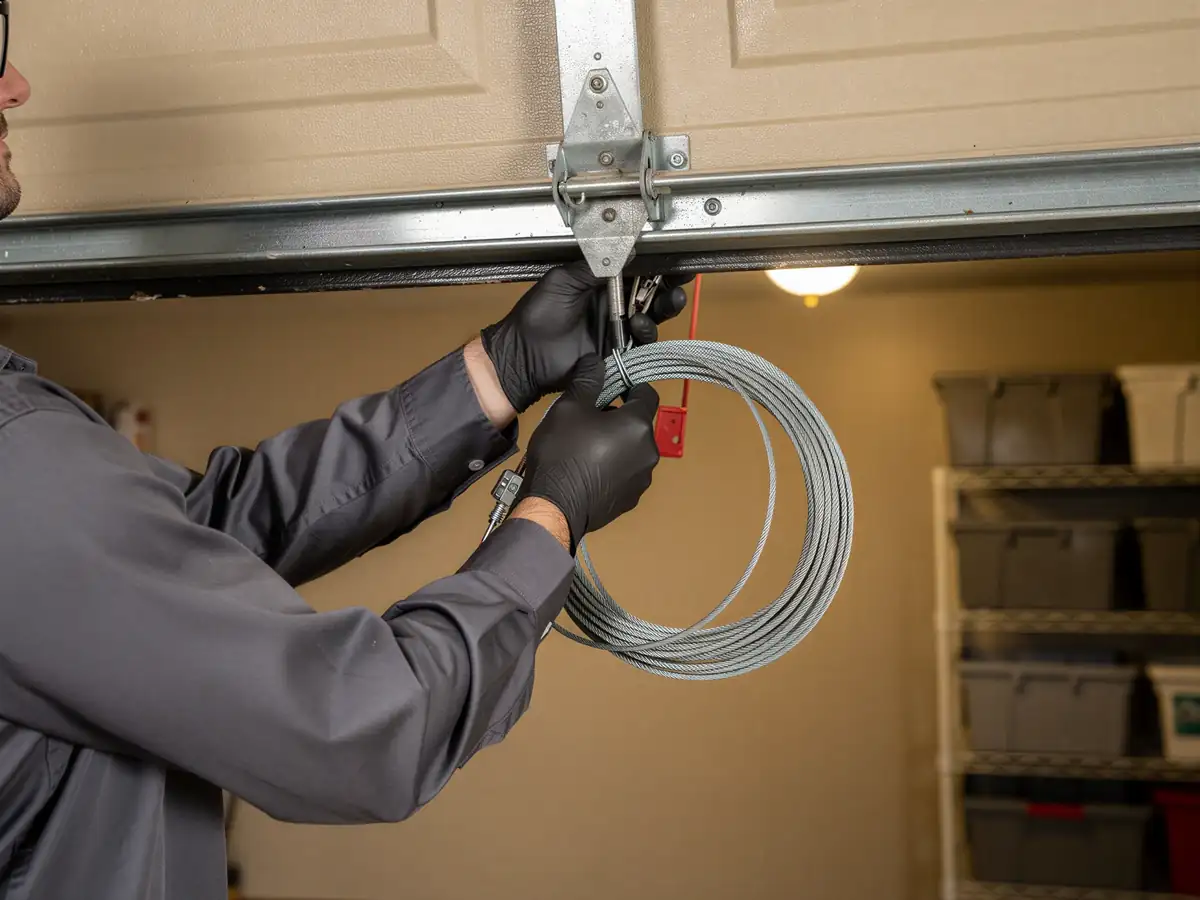
Most garage doors in Pleasant Hill went up after 2002, well past the 1995 median for the wider Des Moines service area. That means you're mostly looking at wider steel sectional doors, often two-car width, built onto factory cable drums rather than the older pulley-and-pocket setups you'd find on a door from the 1970s. The cables on these doors are thinner-gauge, wound tight on a drum at each end of the torsion shaft, and they're doing double duty holding up a heavier insulated panel than older stock ever carried. When one of these cables frays or lets go, the door doesn't ease down crooked the way an old door might - it drops hard on one side, fast, because the drum has nothing left to spool against. You'll hear a bang, see the door hanging at an angle, or find it won't budge past a few inches before the opener strains and quits. A frayed cable showing wire strands sticking out near the bottom bracket is the warning sign before the drop. Catch it there and it's a different job than catching it after.
Why This Fails Locally
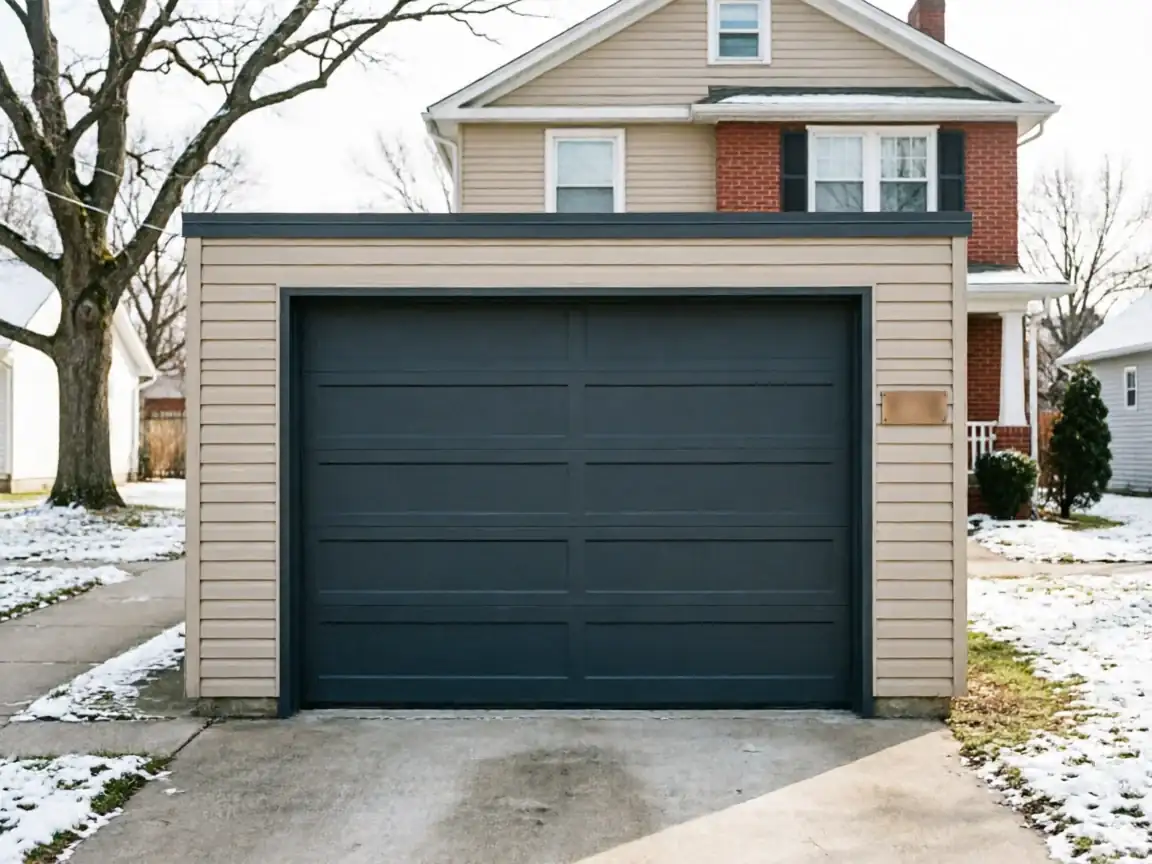
Pleasant Hill's housing stock skews newer than most of the Des Moines service area - 2002 median versus 1995 across the wider area covered in F1. Newer doesn't mean the cables last forever; it means a specific failure pattern. Builders in this stretch favored wider double-door openings, and a wider door puts more load on each cable and on the drum it winds onto. Add the climate: this area sits in the same cold-moderate band as the rest of the region, and cable wire stiffens and loses flex in winter the same way it would on an older door. The difference here isn't the weather, it's the load. A cable on a 16-foot door working in January cold is carrying more stress per inch of wire than the same cable would on a single-car door, and that's the door you're more likely to have in Pleasant Hill than in an older part of the metro.
The Complications
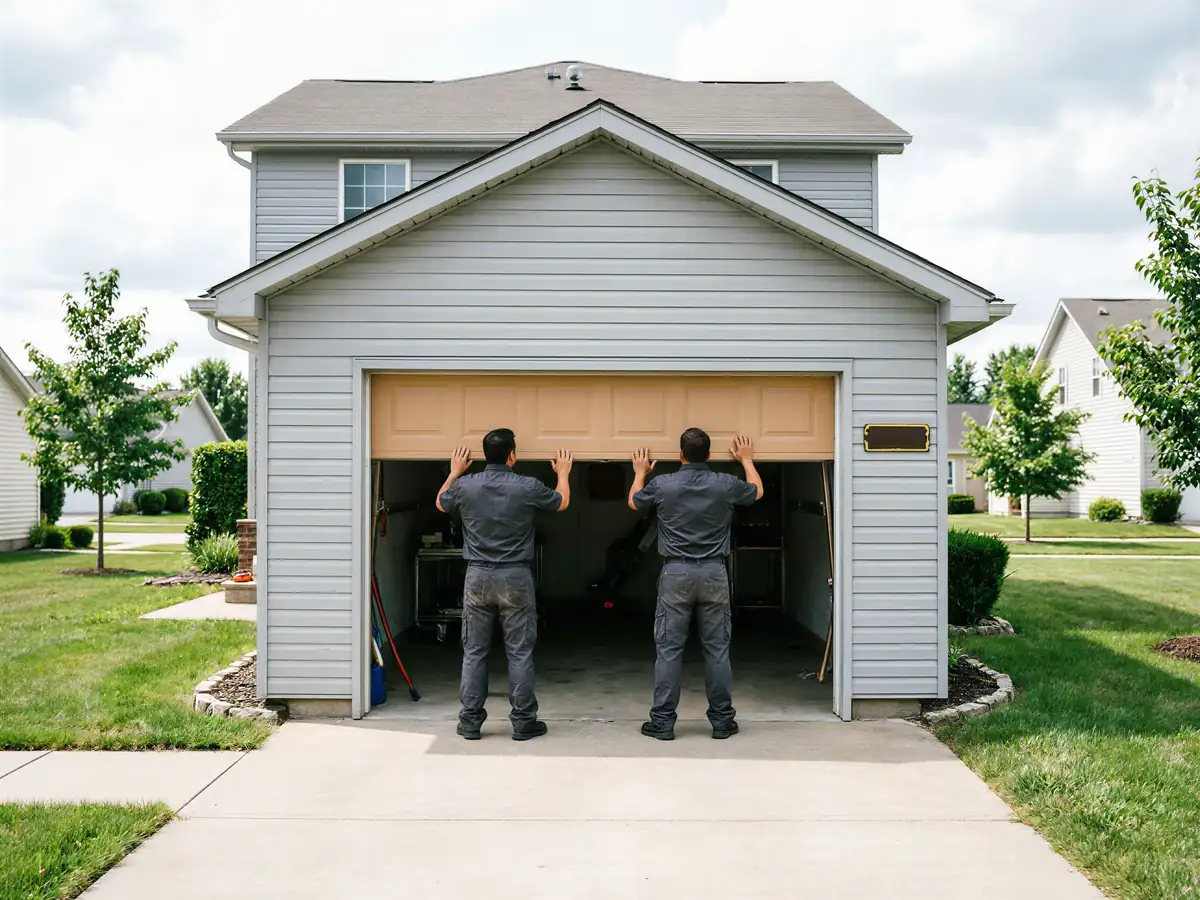
The complication we see most in Pleasant Hill is the double-wide door with only one cable gone. The door looks like it's still working because the opener can sometimes drag it up lopsided, which puts the remaining cable and the track on that side under load they weren't built for. Running the opener on a door with one bad cable is the fastest way to turn a $150 repair into a track replacement. The other complication is households here running two-car doors with heavier insulated panels on torsion springs sized for the original lighter door, if anything's been swapped over the years - we check spring size against door weight before we touch the cable, because a cable repair on a door with the wrong spring will fail again in months.
What Is on the Truck
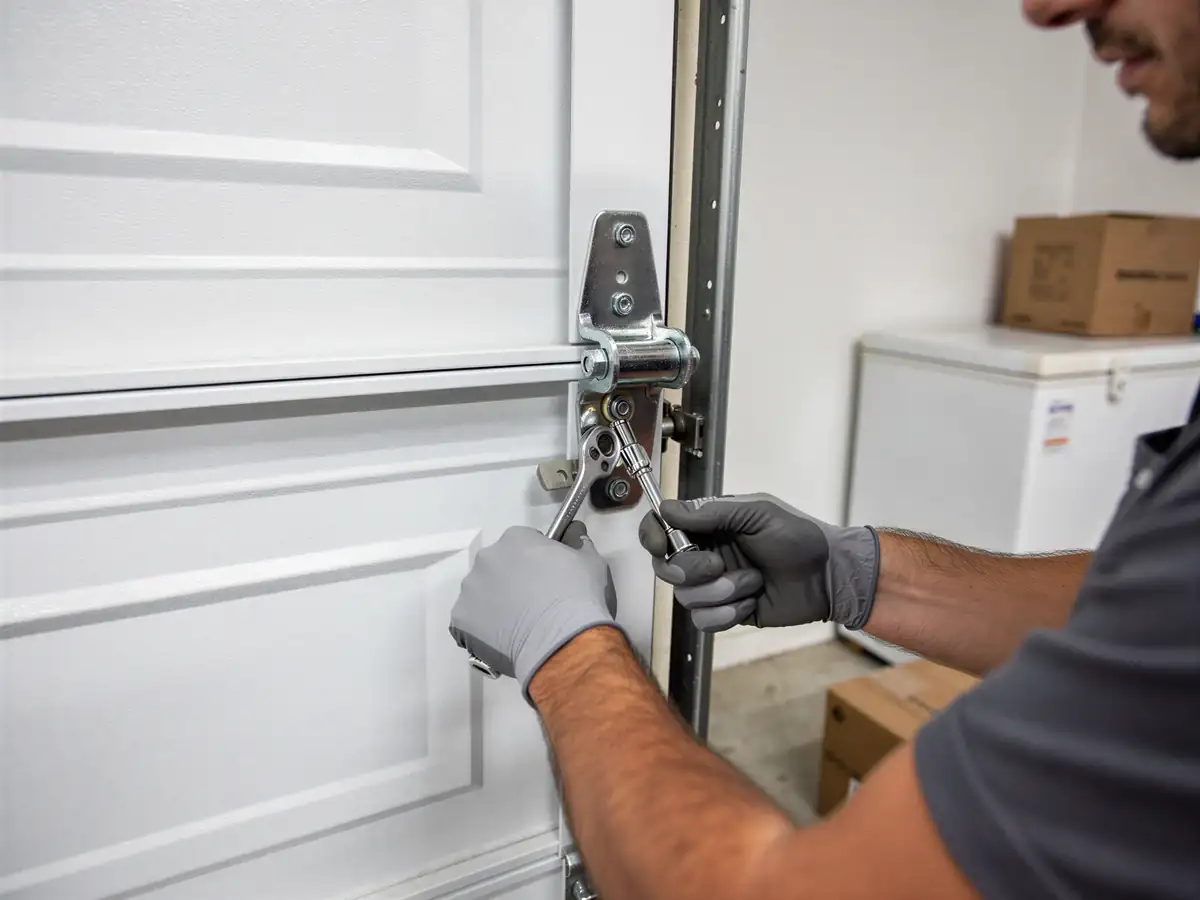
We carry cable stock sized for standard residential drums, in the lengths that fit the door widths common in this part of the metro, plus drums, bottom brackets, and the fasteners that hold them. For a household income point in the mid-$80,000s across the area's 4,035 households, most of these are planned repairs rather than emergency replacements, and we stock to match - standard galvanized cable, not a specialty order. What we don't carry on the truck is matched replacement panels in every builder finish; if a dropped door cracked a section and you want a factory match, that part gets ordered and that's the one piece of this job we can't do same-visit.