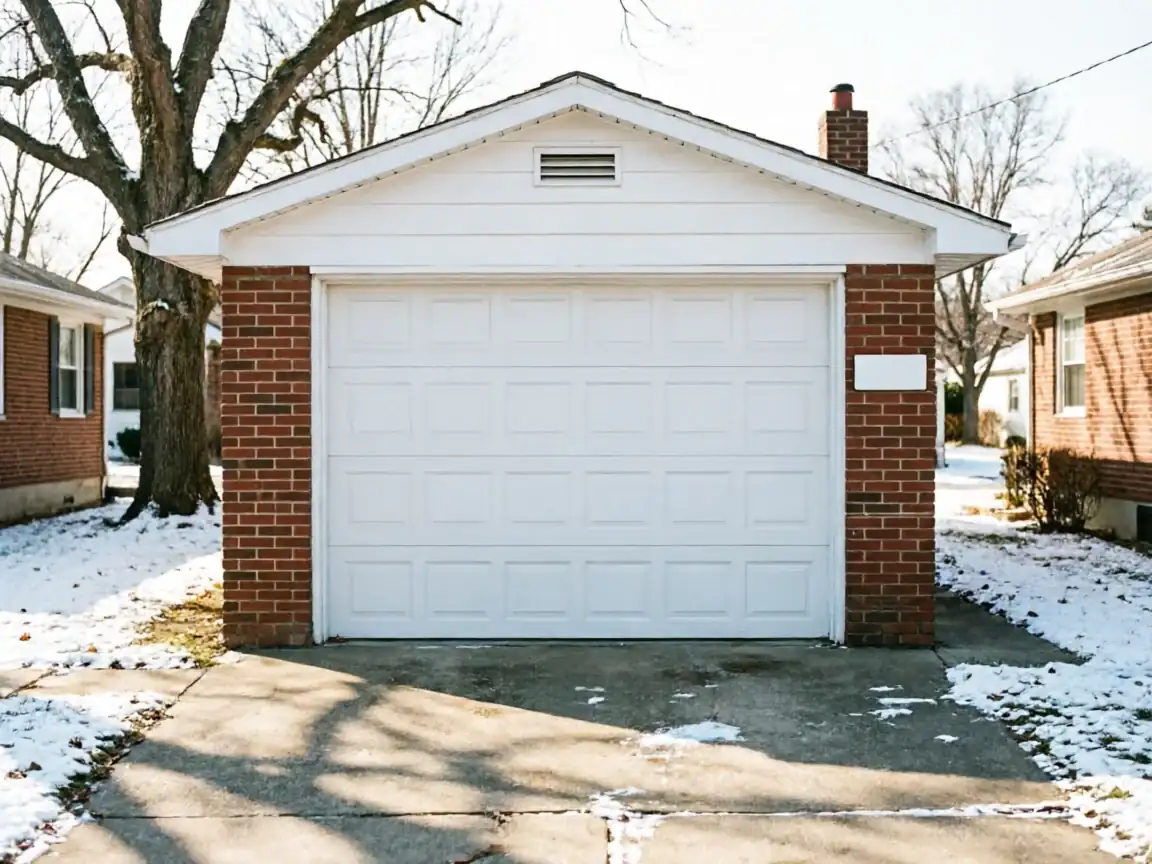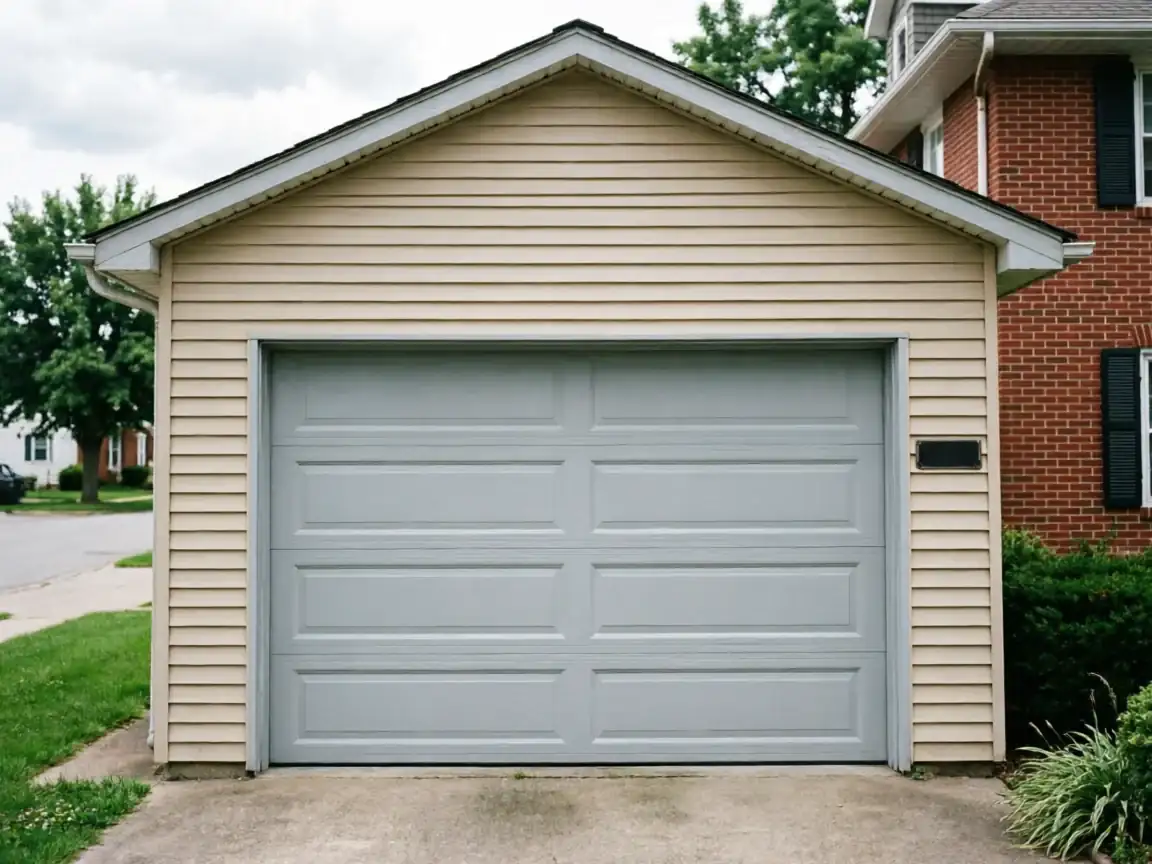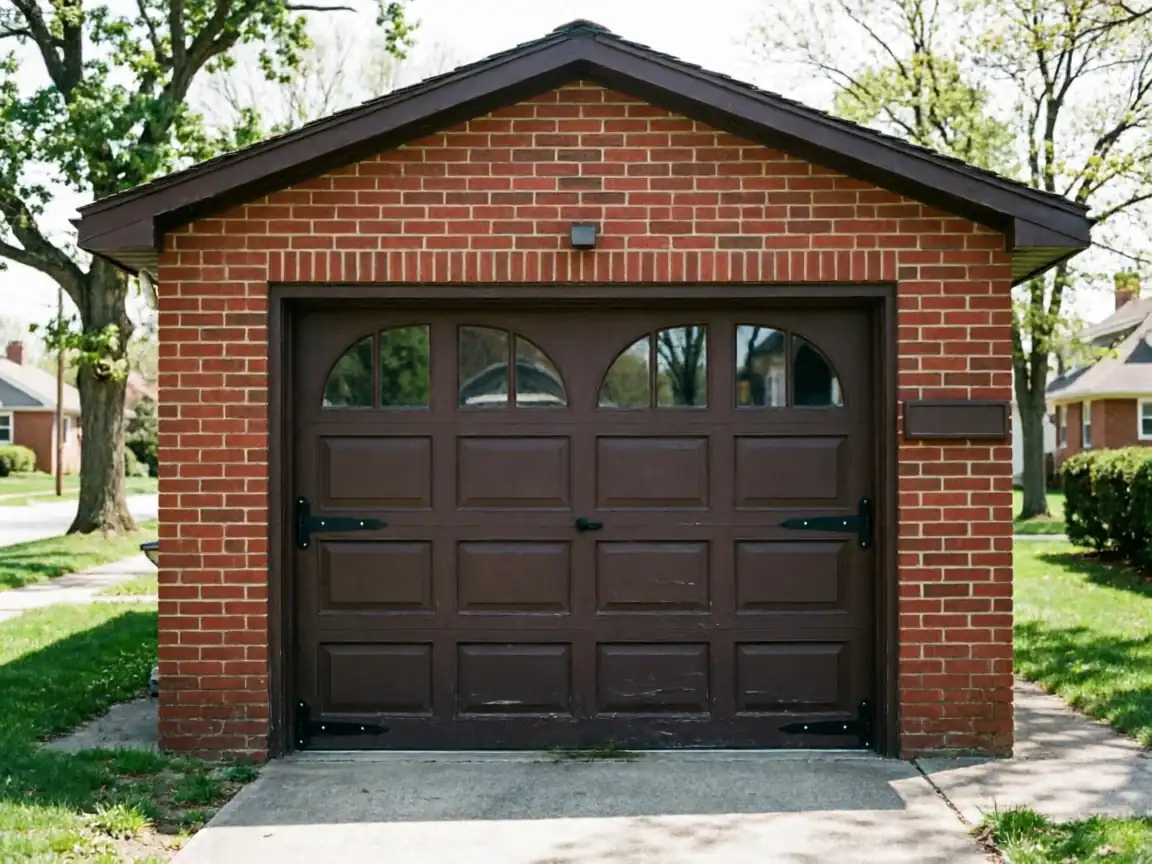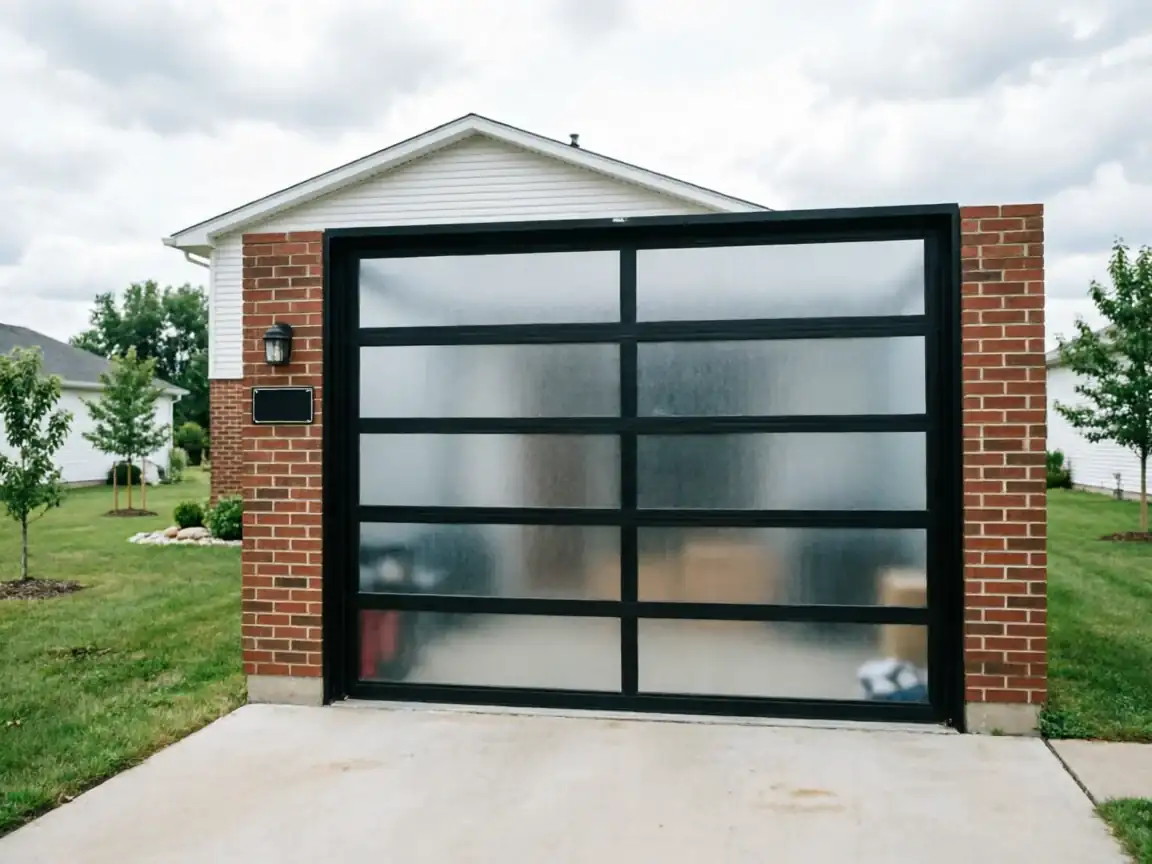
The Symptom
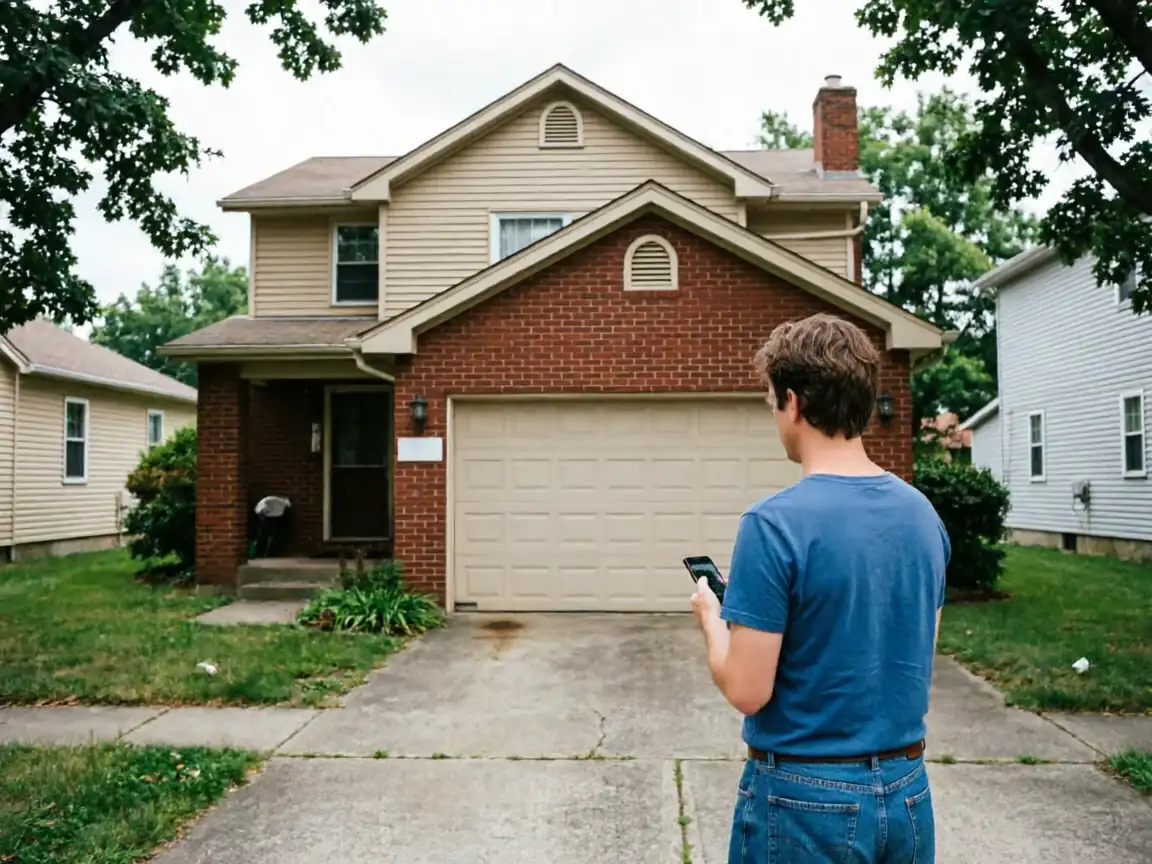
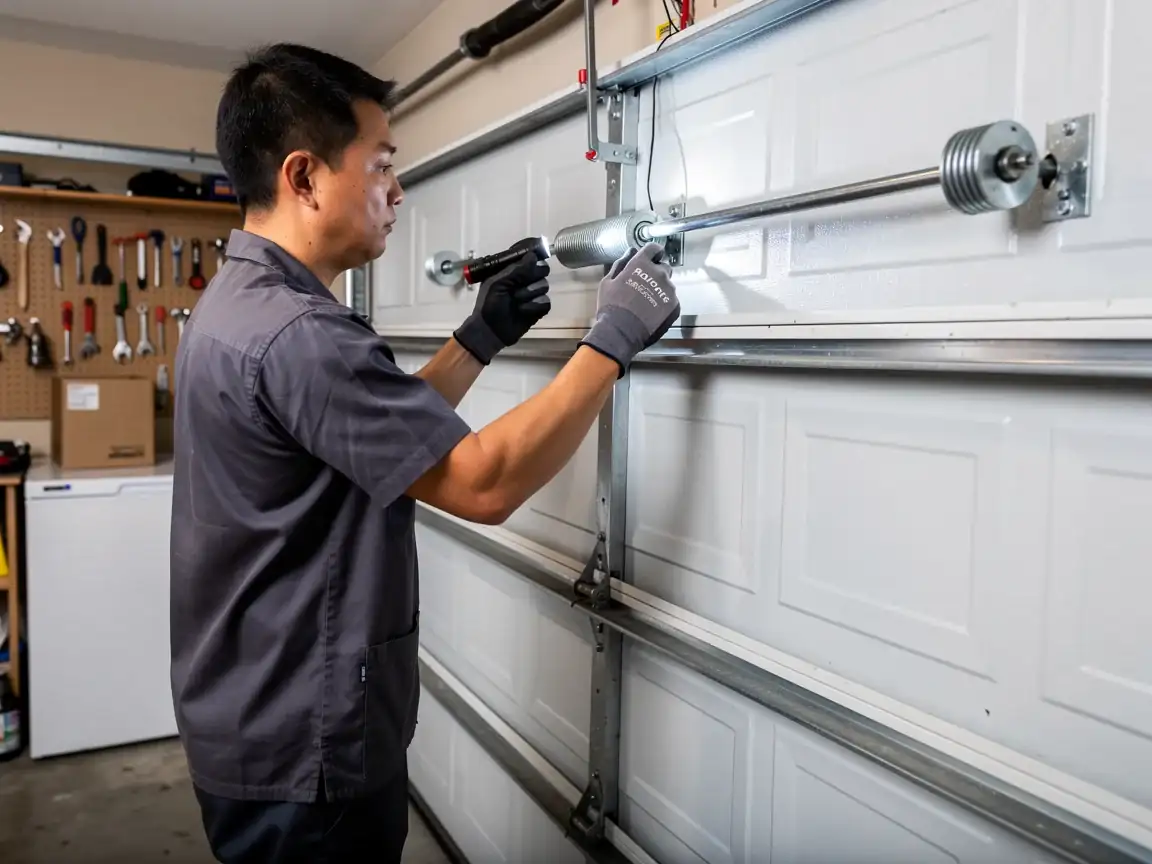
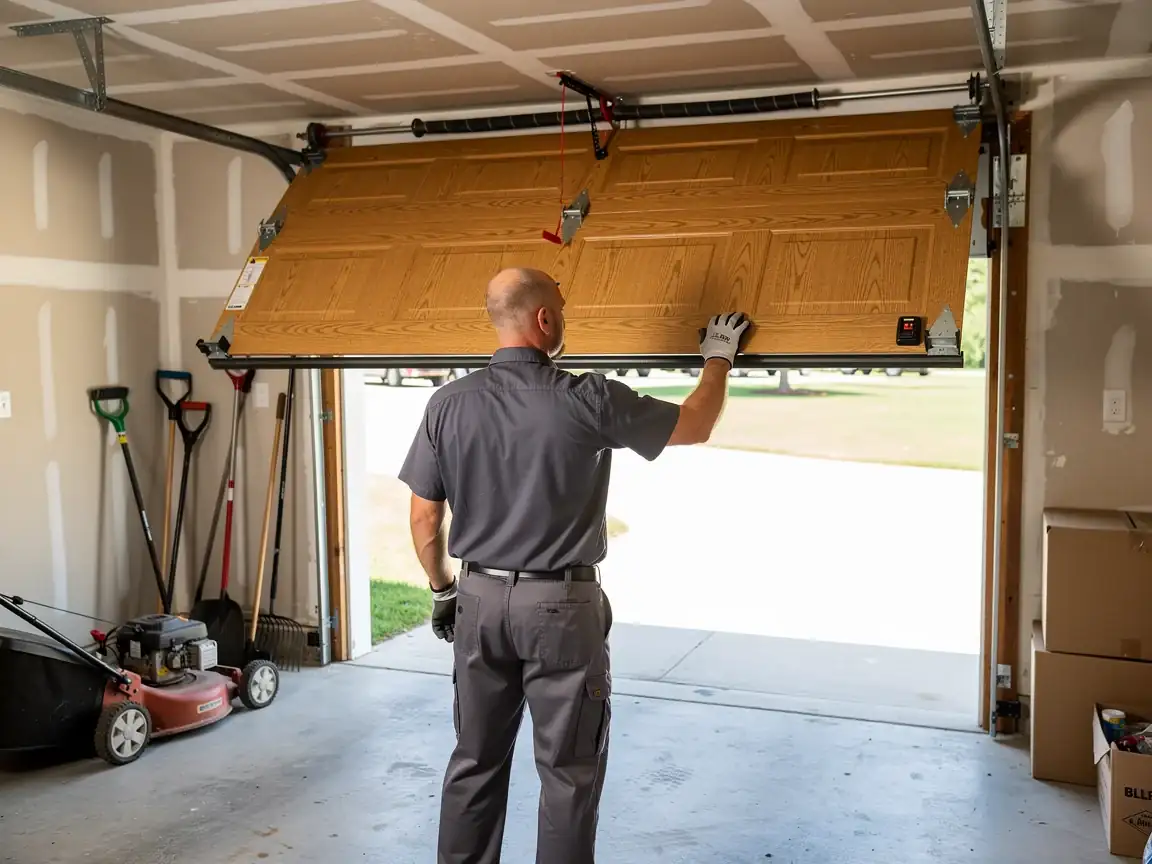
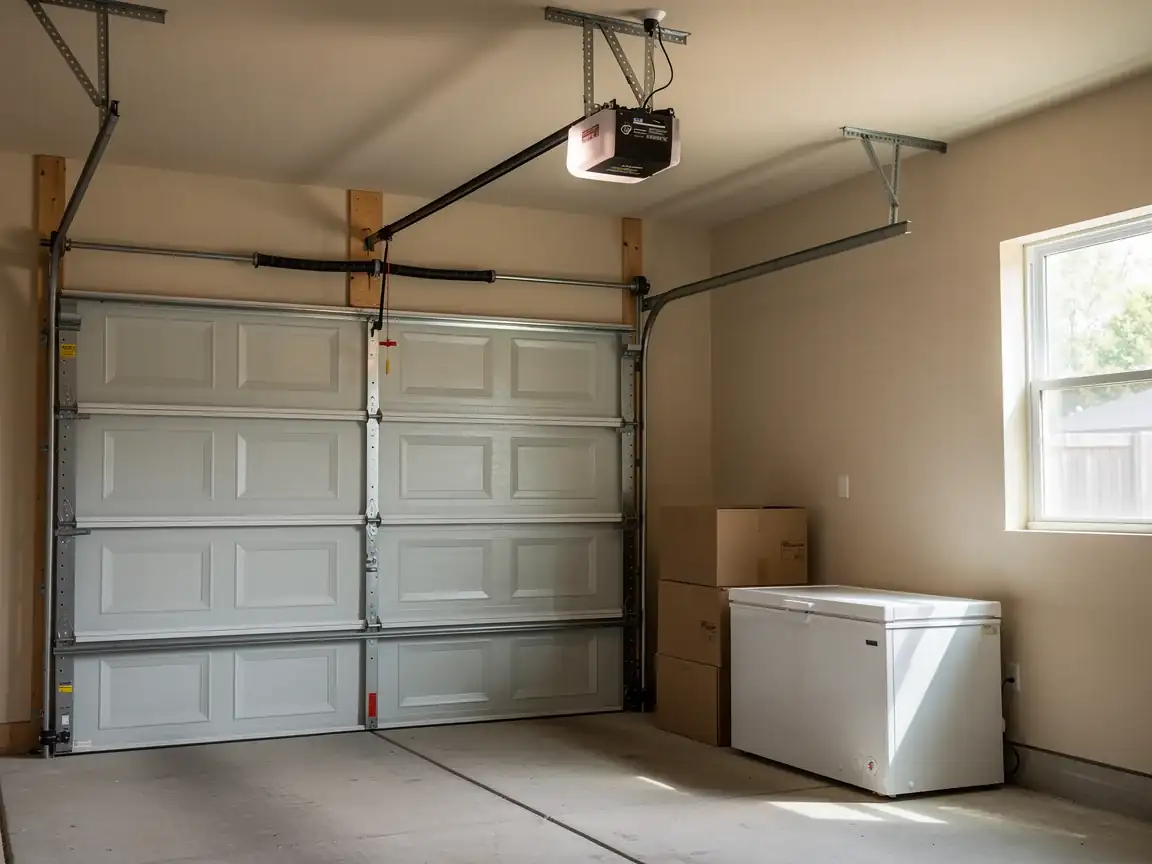
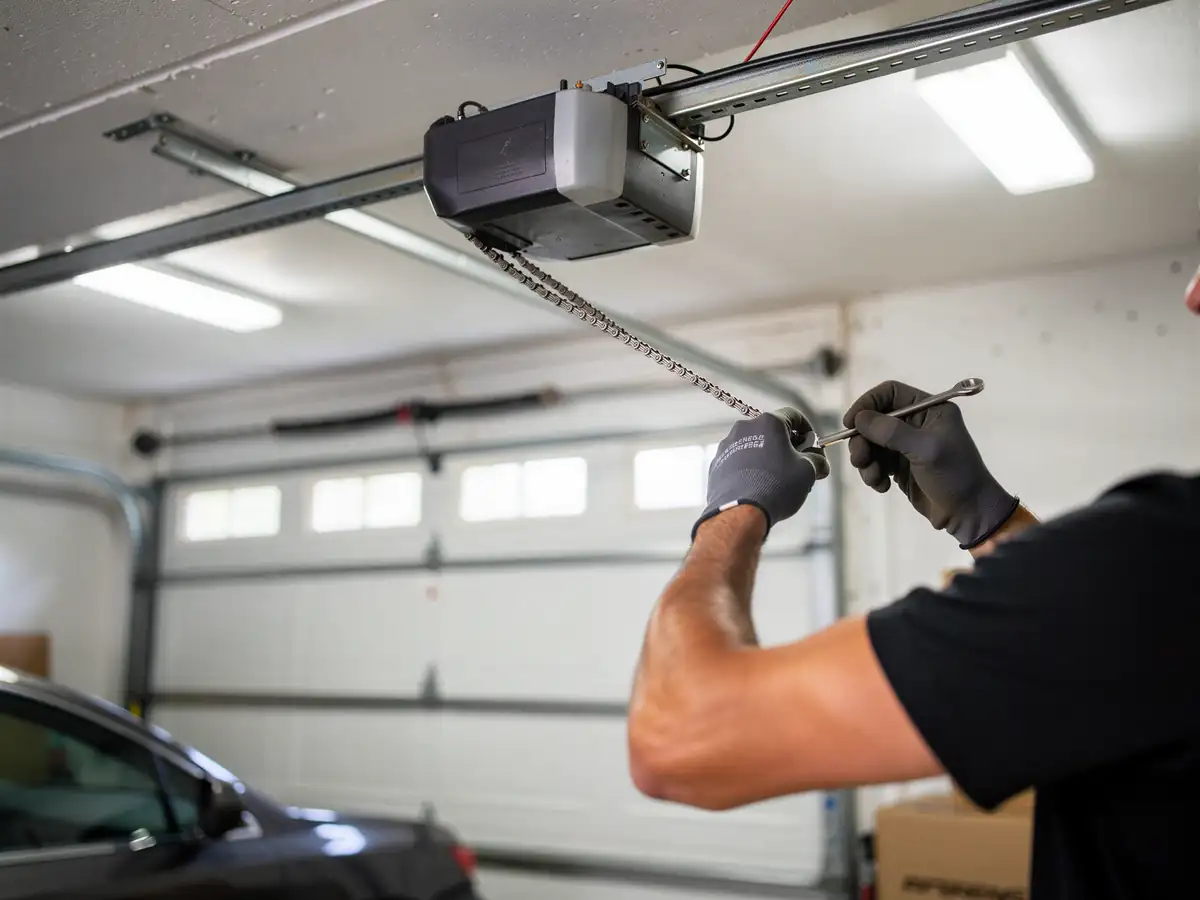
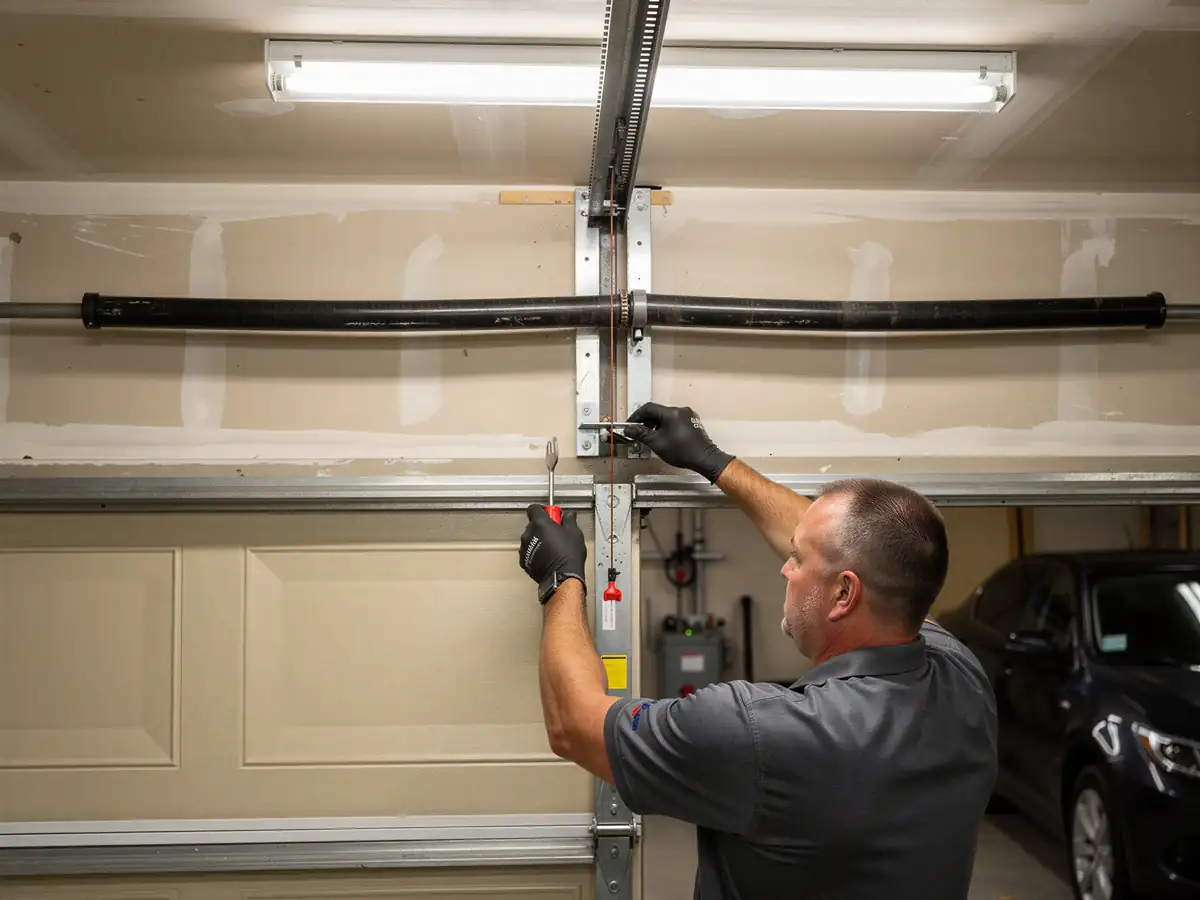
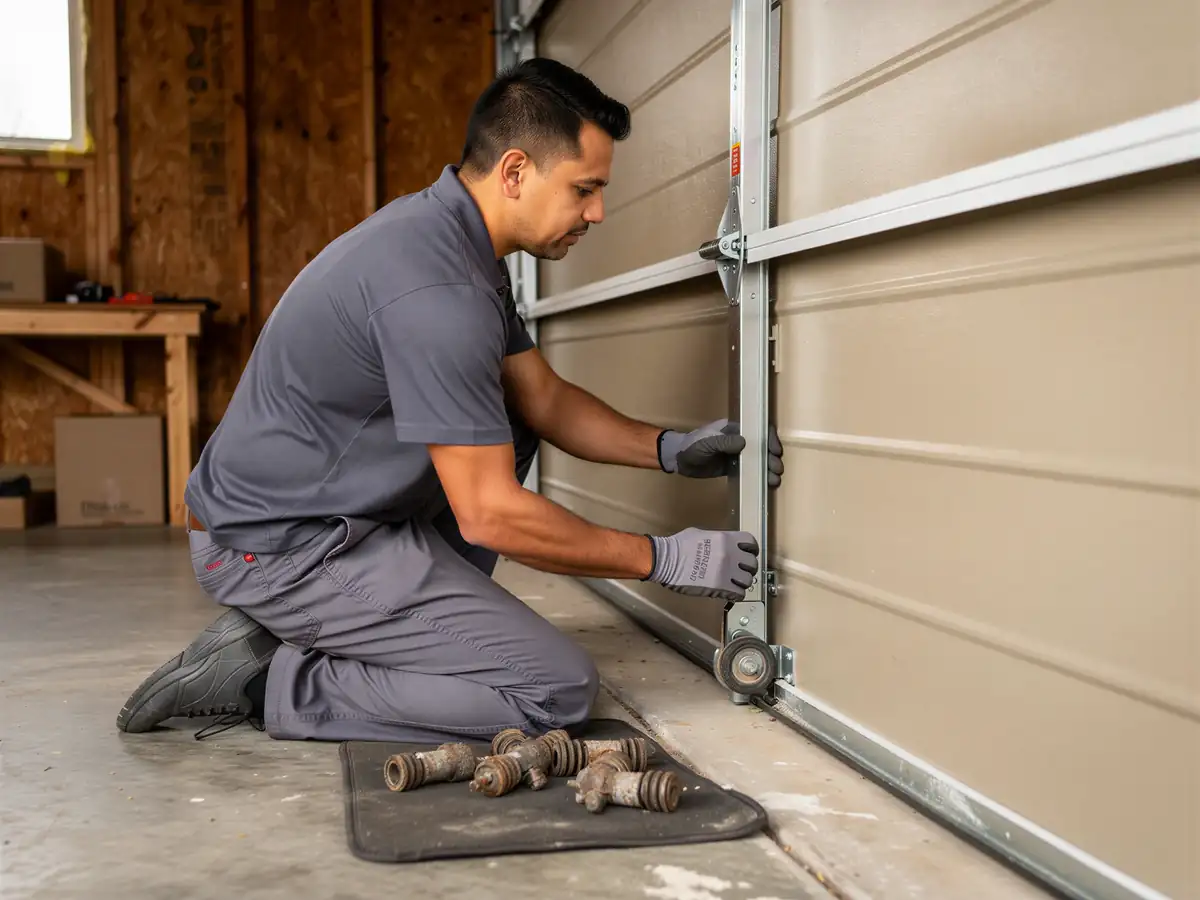
Pleasant Hill's housing stock skews newer than a lot of the Des Moines service area. The broader area we cover runs from 1959 up through 2009, with a median around 1995 - but Pleasant Hill's own median build year lands closer to 2002. That gap matters. A door that's roughly 20 years old is wearing out its original torsion spring right about now, and the opener - if it's the same unit that came with the house - is hitting the age where the logic board or the drive gear starts acting up before the motor itself quits. You'll notice it as a door that hesitates halfway up, reverses for no reason, or groans on one side when it used to run quiet. On a 2002-era door, that's not random. It's the spring or the gear kit finally giving out after two decades of cycles. The symptom here looks different than it does on a 1960s house with a one-piece door and side-mounted hardware - this is a sectional door on extension or torsion springs, with a chain or belt-drive opener that's probably never been serviced.
Why This Fails Locally
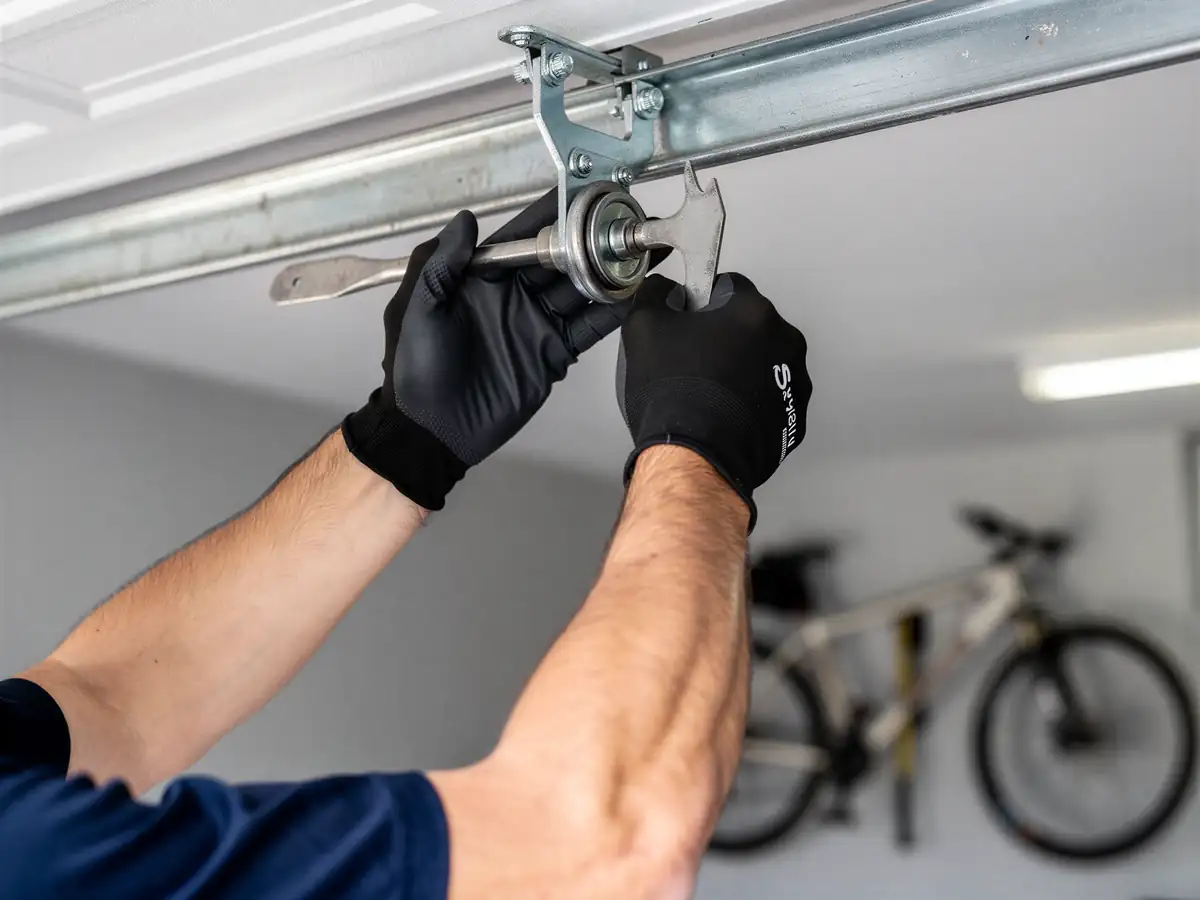
Climate is the other half of this. We're in a cold, moderate climate band here, and a garage door built in the early 2000s was engineered to a different set of expectations than one going up today. Winterized torsion springs lose tension faster with repeated cold-to-warm cycling, and the nylon rollers common on builder-grade doors from that era crack after enough freeze-thaw seasons. Pleasant Hill homes built around 2002 are hitting that failure window right now - not because anything was done wrong, but because 20 years of Iowa winters is close to the design life for the springs and rollers that came standard back then. This isn't the same clock as a 1960s torsion setup or a house built in 2008; it's its own age bracket, and it fails in its own way.
The Complications
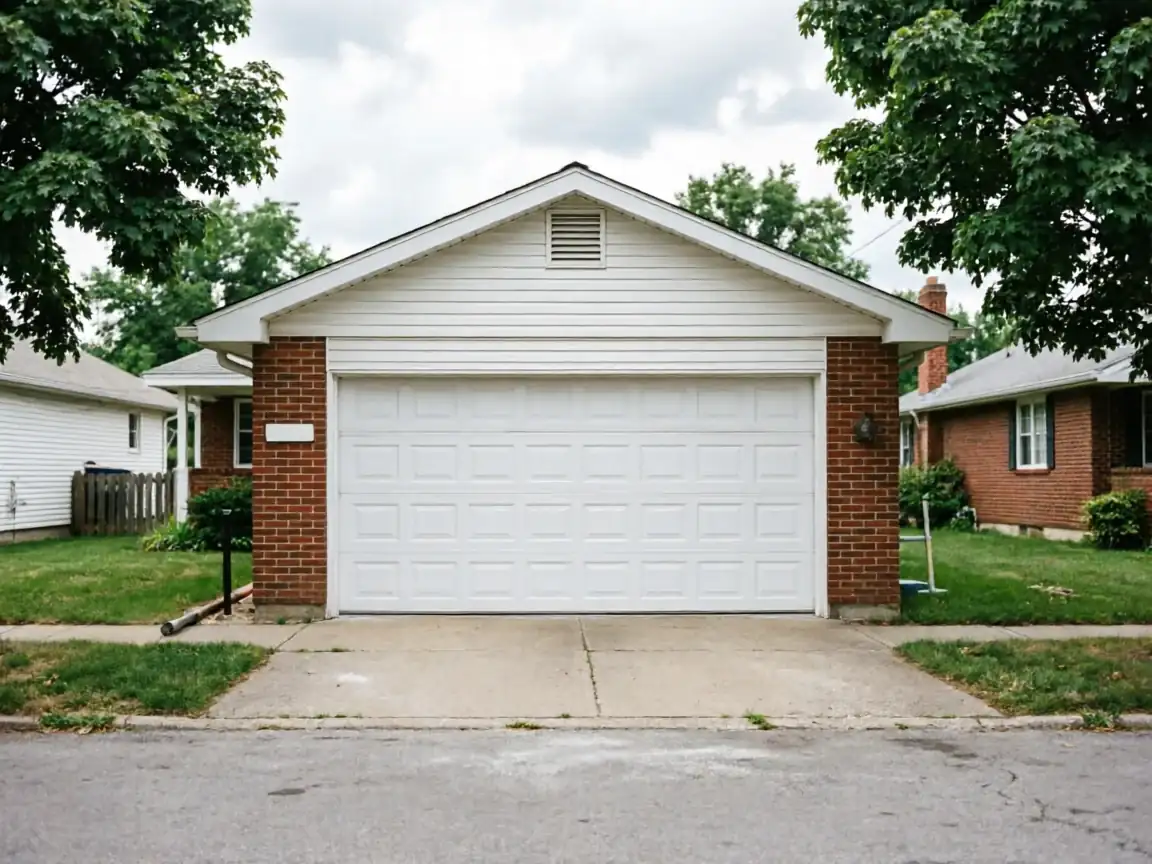
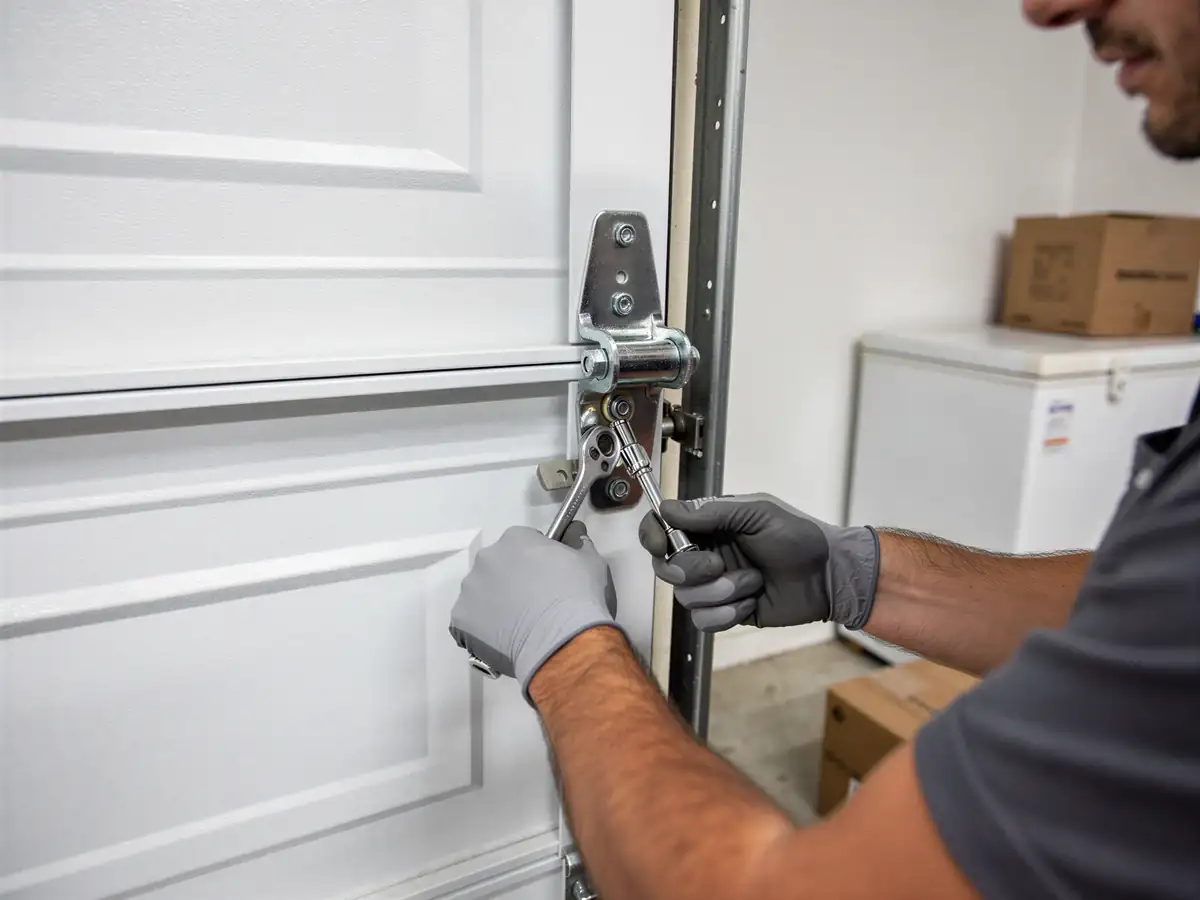
Builder-grade openers from the early 2000s often used proprietary remotes or safety sensor brackets that newer universal parts don't always match without an adapter. If your opener still has the original keypad or remote, replacing just the sensor eye or the circuit board can mean sourcing a part that isn't on every truck - that's the one honest limit here. We carry common spring sizes and standard hardware, but a specific opener board from a model that's been discontinued may need an order, and we'll tell you that up front rather than promise a same-day fix we can't deliver. Double doors also complicate things over single doors - two torsion springs working in tandem on an off-center track means a spring failure on one side puts more strain on the other, and if one spring is 20 years old, the other usually isn't far behind.
What Is on the Truck
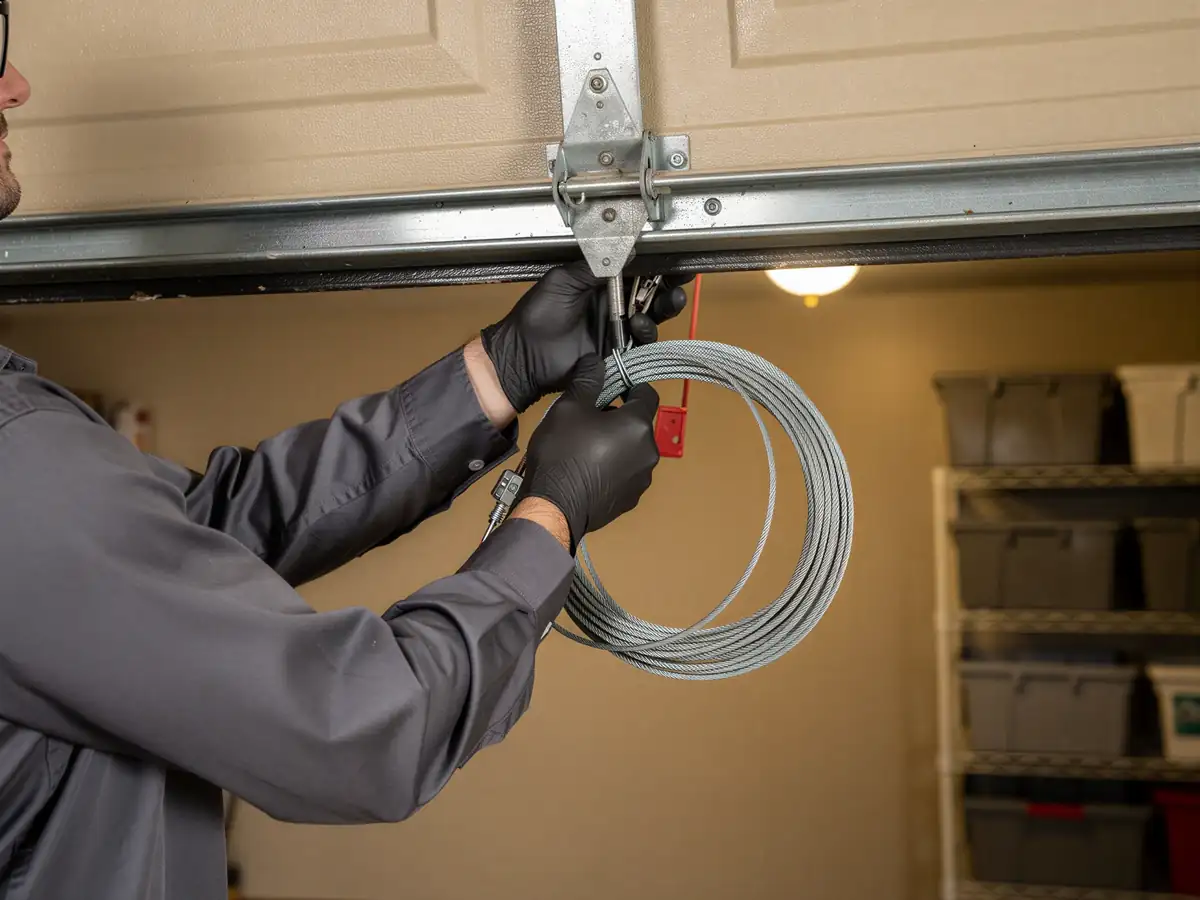
For a service area where 45,923 of 87,050 households are owner-occupied houses - most of them built between the late '80s and late '90s, with Pleasant Hill running a bit newer - we stock the torsion spring sizes that cover standard double and single doors, nylon and steel rollers, standard safety sensors, and drive gears for the common belt and chain opener brands from that build era. What we don't carry for every job is a specific discontinued opener board - if yours needs one, we'll order it and tell you the wait before we start. For routine spring, roller, cable, and track work, we're equipped to finish it from the truck on the first visit.