Can You Do This Yourself
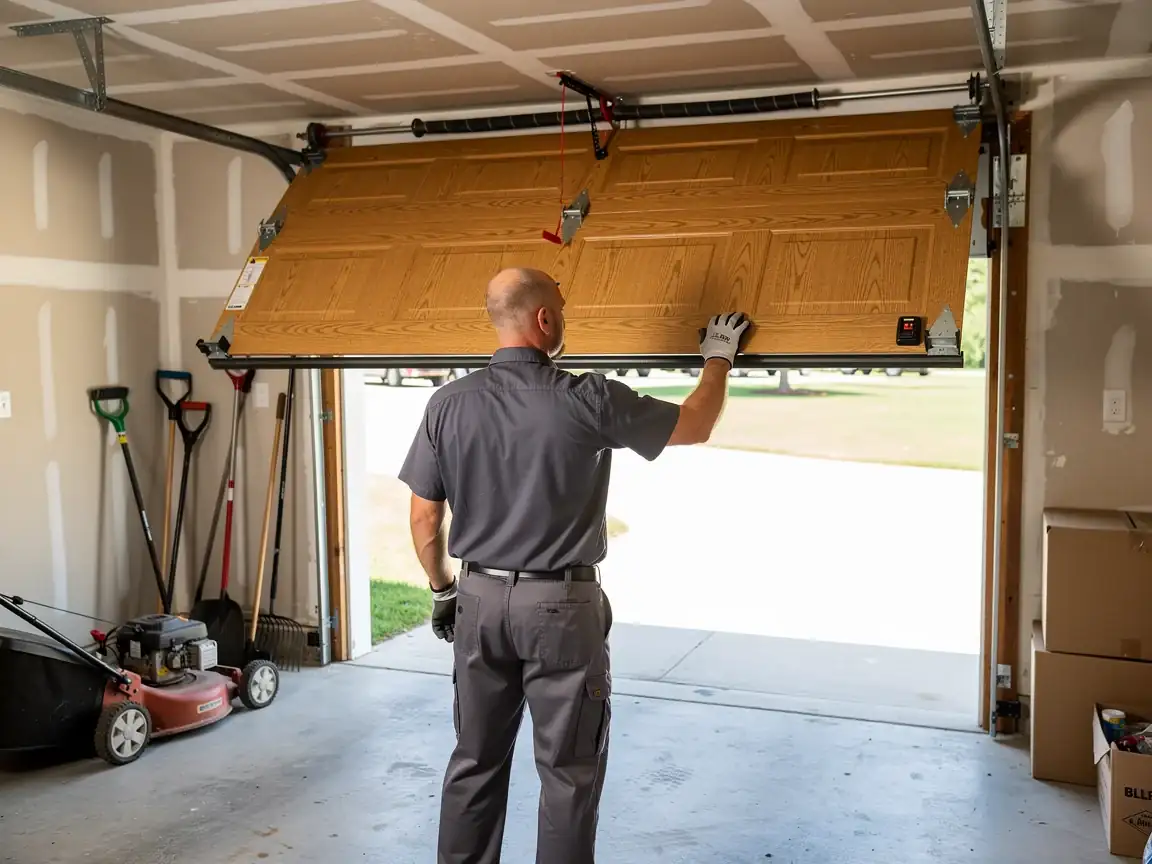
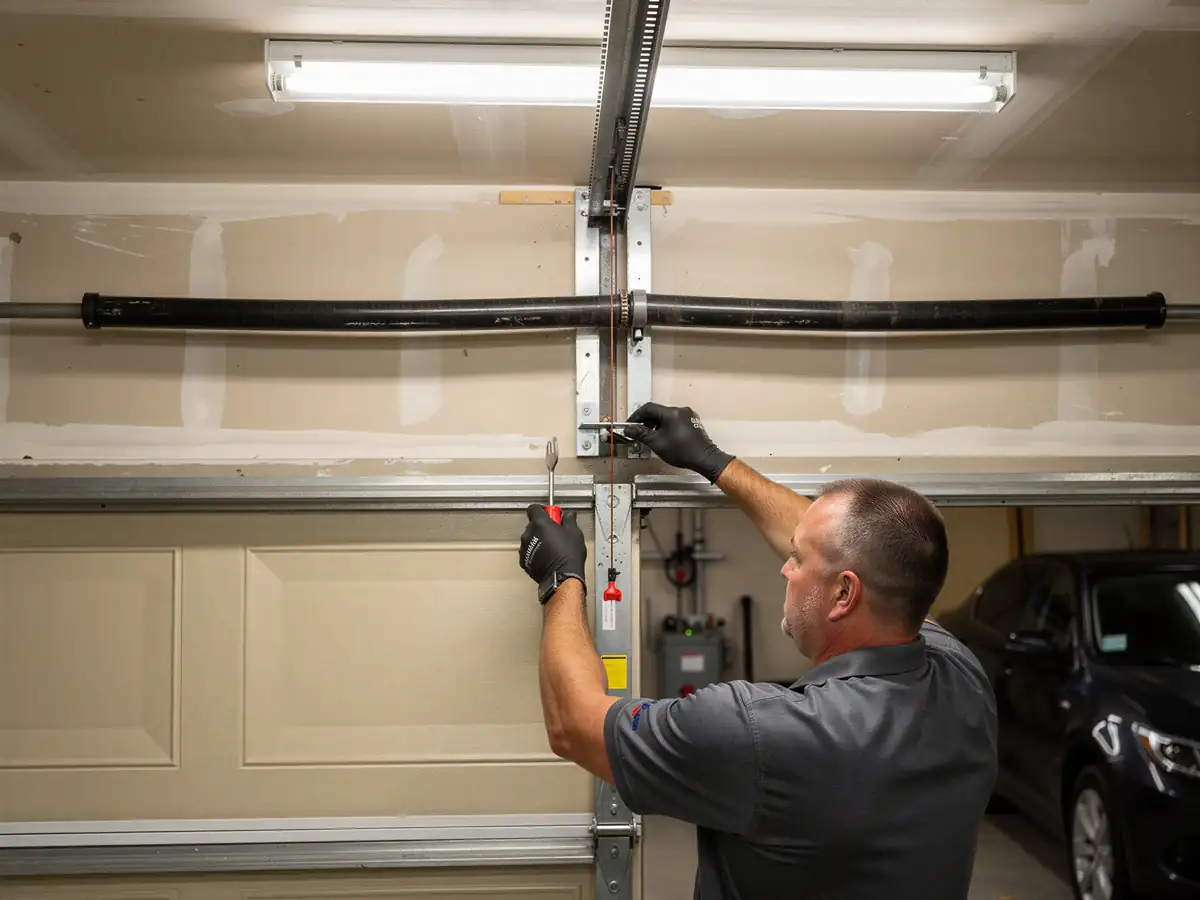
A snapped cable looks like a simple fix - it's a thin braided wire, after all. It isn't simple, because that cable is still attached to a drum that's holding the tension of a spring wound tight enough to lift a 150-pound door. Loosen the wrong bolt and the drum can spin hard enough to take a finger with it.
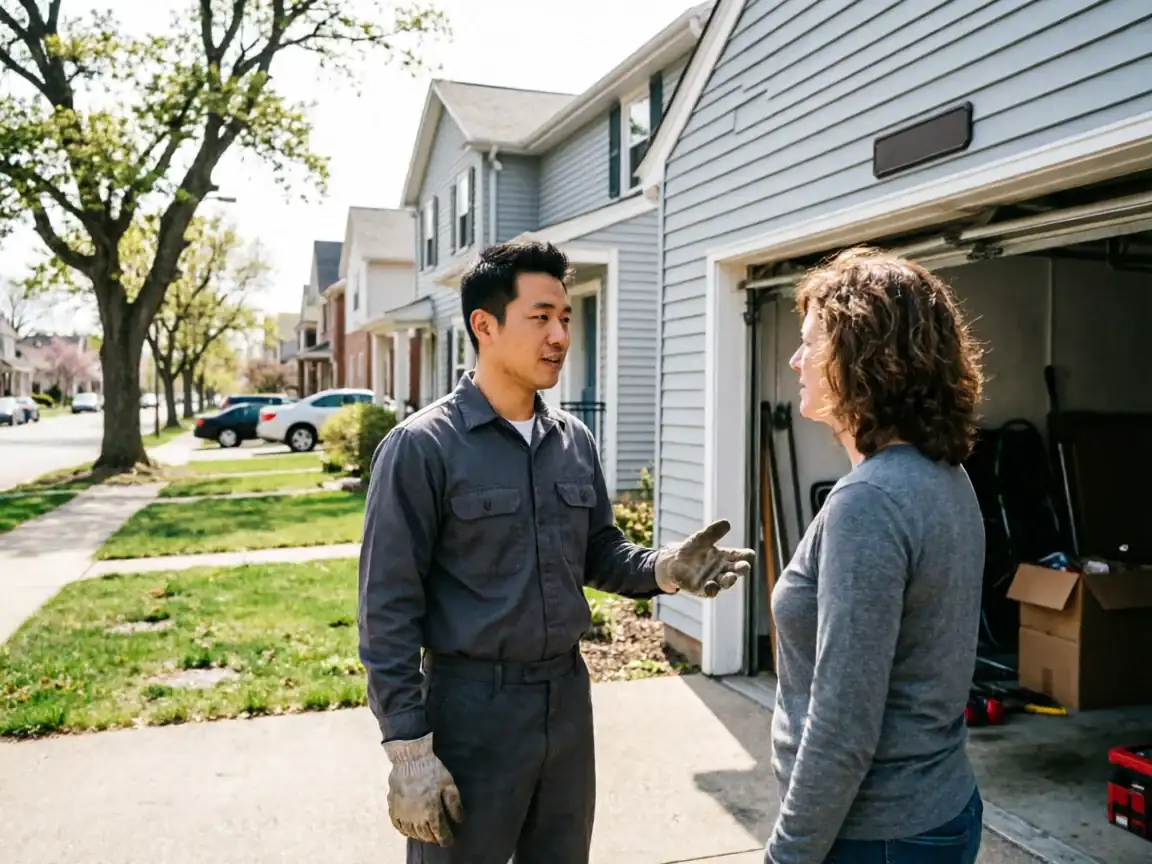
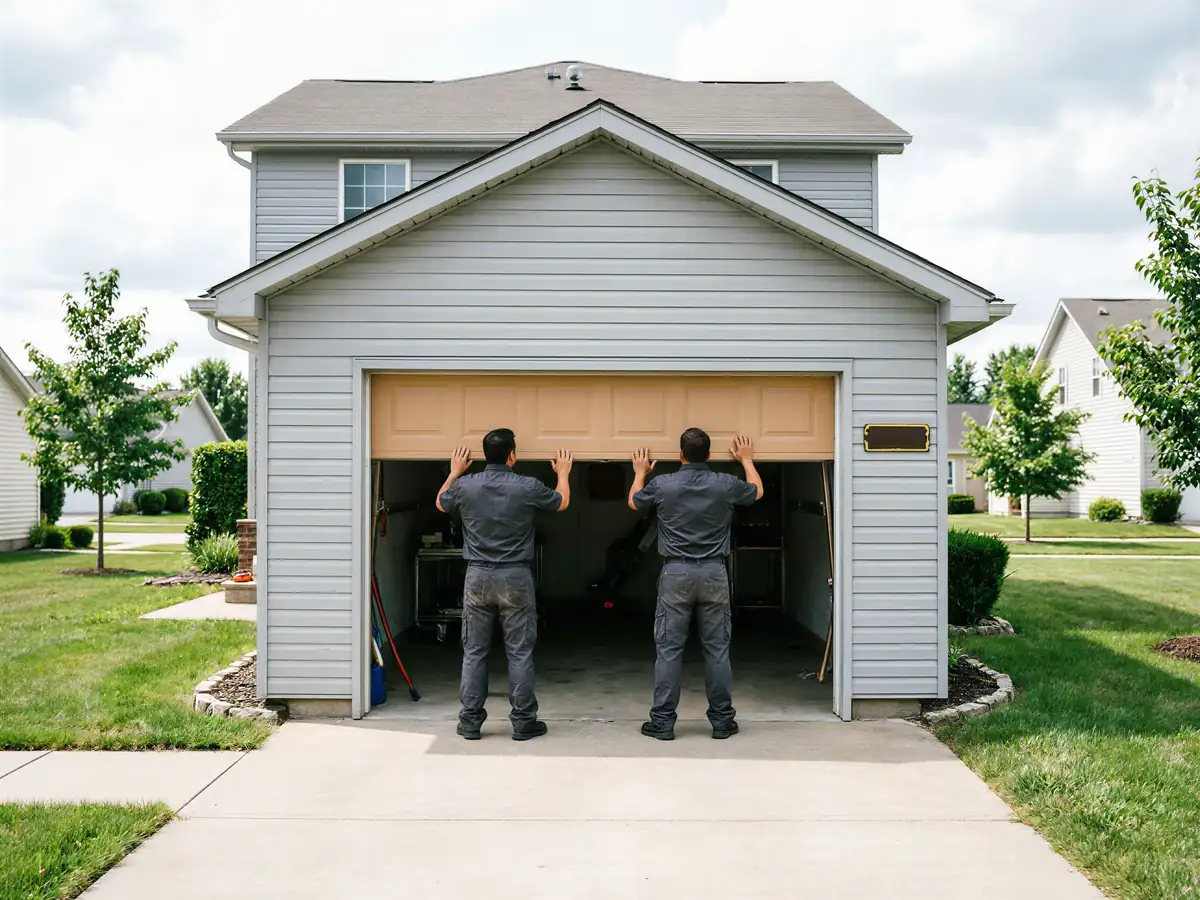
We make the drive out from Des Moines for this exact reason: it's a two-person, right-tool job even for people who work on doors every day. If you're set on doing something yourself before we get there, the safe move is to unplug the opener and leave the door down - don't try to lift it manually, and don't try to wind or unwind anything on the drum. That's the one honest limitation here: there's no shortcut version of this repair that's actually safer, just a slower one. Save your effort for holding the door shut if it's stuck open, not for touching the spring side.
Why This Fails Locally
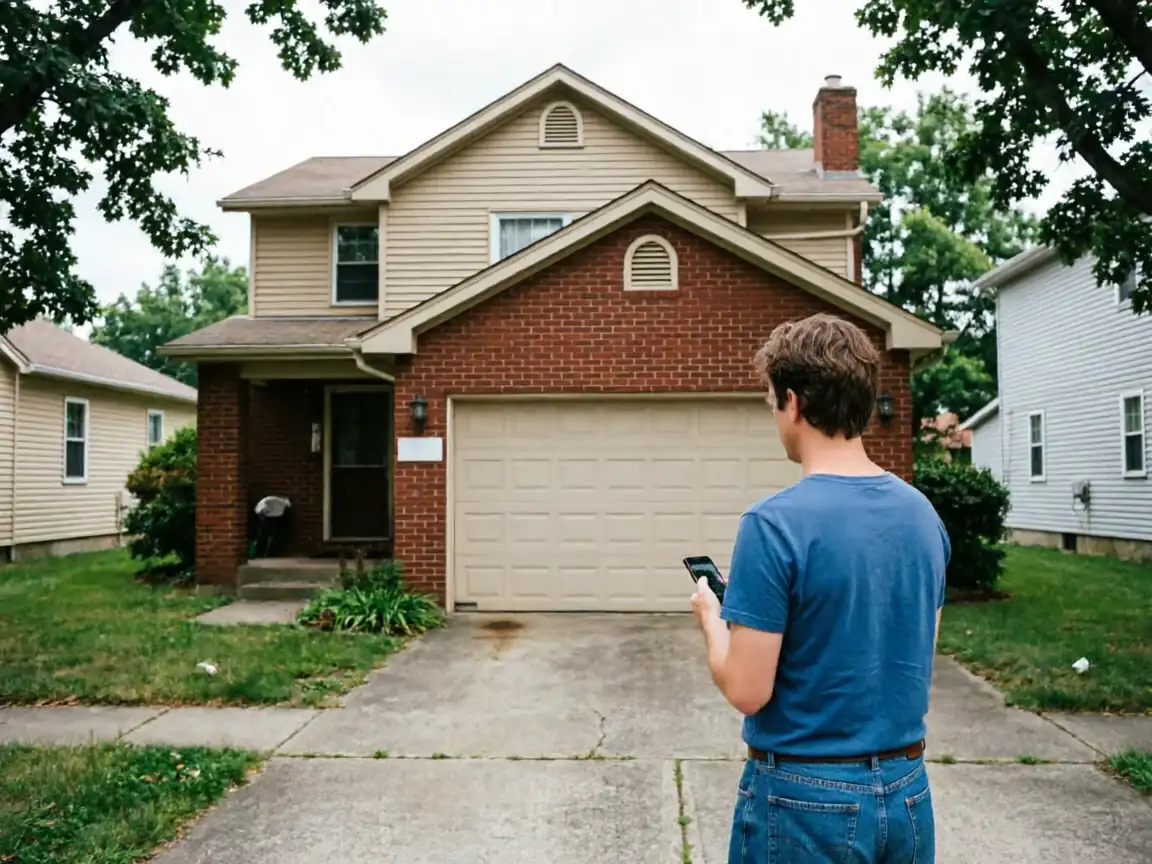
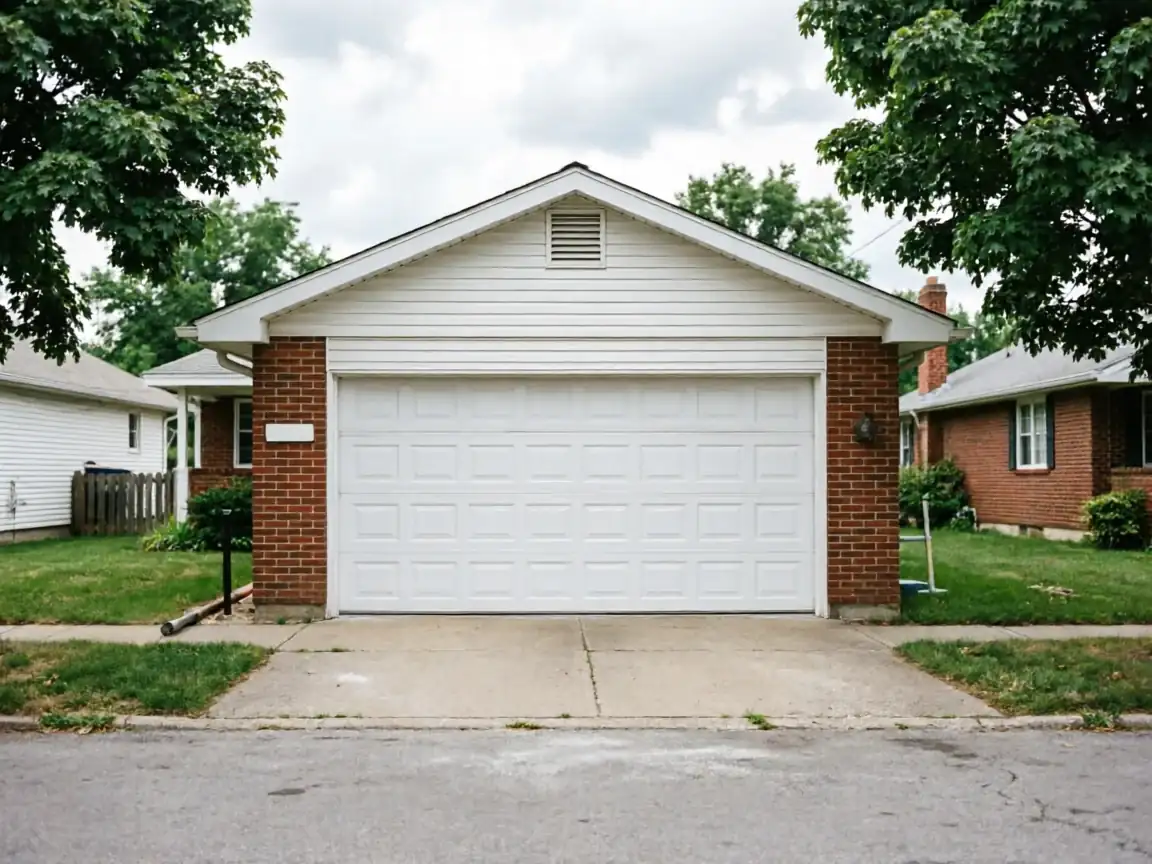
Clive's housing mostly went up around 1995
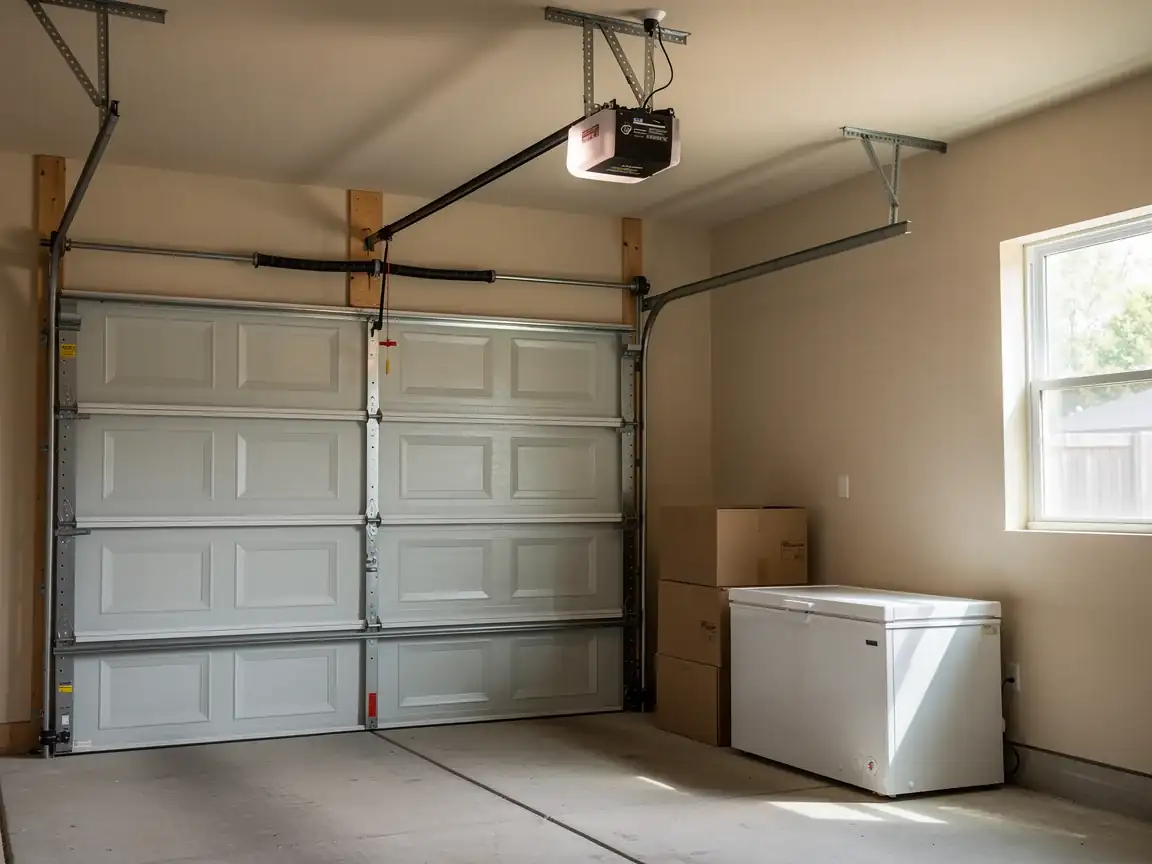
And the city sits inside the broader Des Moines-area stock that runs 1959 through 2009 with that same mid-90s median. Builders in that window leaned on torsion springs with the cable running off a drum at each end of the shaft rather than the older extension-spring, pulley-and-cable setup you'll find in much older neighborhoods closer to the center of the metro.
That torsion-drum cable does its job well for years
Then fails for a specific, local reason: the climate here is cold and moderate, meaning repeated freeze-thaw cycles on the galvanized wire. Moisture gets into the strands during a thaw, then the overnight freeze flexes and stiffens it. Do that every winter for two decades on a door installed around the time most of this city's streets were platted, and the cable frays at the drum groove long before the spring itself gives out. You'll usually see it as a door that sits crooked on one side, or a cable visibly unspooling, before it lets go entirely.
What It Costs
We don't post a flat number for cable repair because what you're paying for is the labor and the part, and the part depends on what's actually on your door - standard torsion drums versus the less common setups, single cable versus a pair, and whether the drum or bearing plate got damaged when the cable let go. A straightforward cable replacement with no secondary damage costs less than a job where the cable snapped and let the door drop, which can bend track or chip a panel on the way down.
With a median household income of $131,082 in Clive, well above the wider service area's $98,333, we're not suggesting anyone here is hunting for the cheapest possible fix over the safest one - the point is we quote after we look at the actual hardware on your actual door, not off a phone estimate. We'll tell you plainly if a repair makes sense or if, given the age and wear on the rest of the hardware, replacement is the better money.
What the Fix Involves
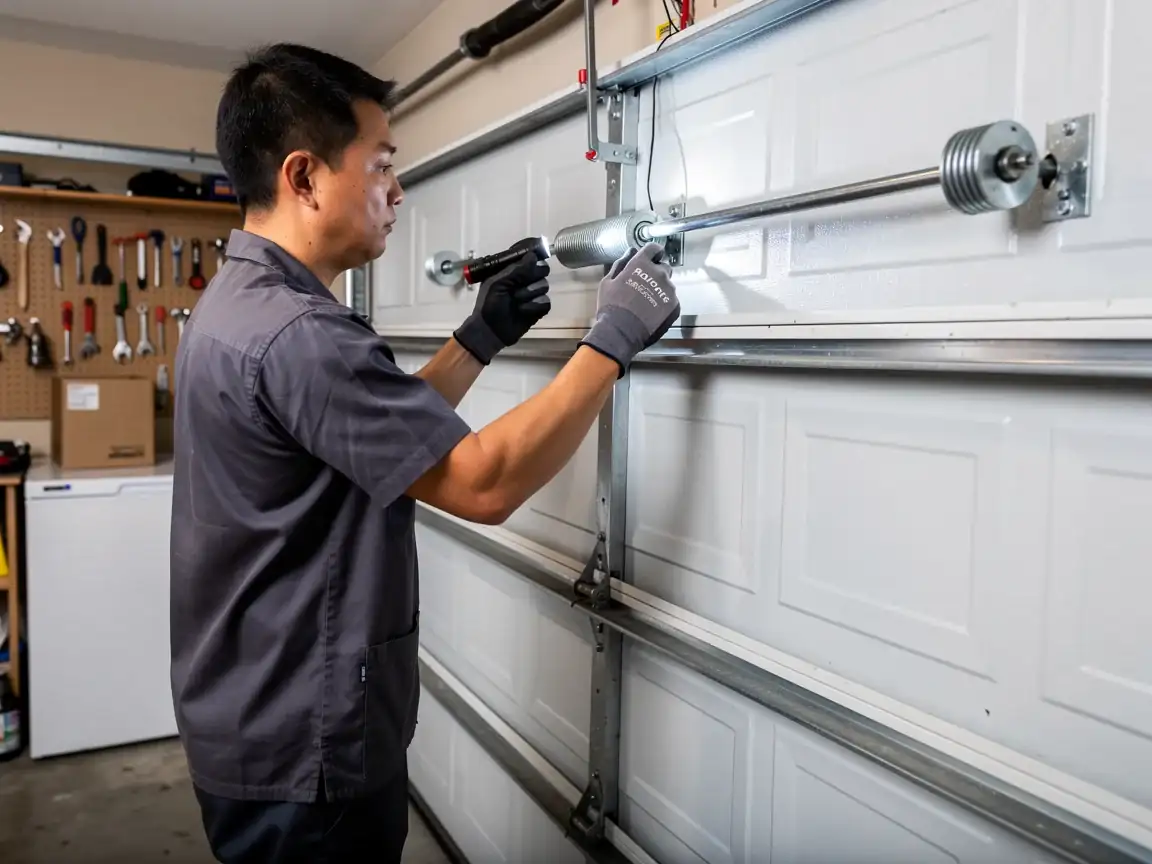
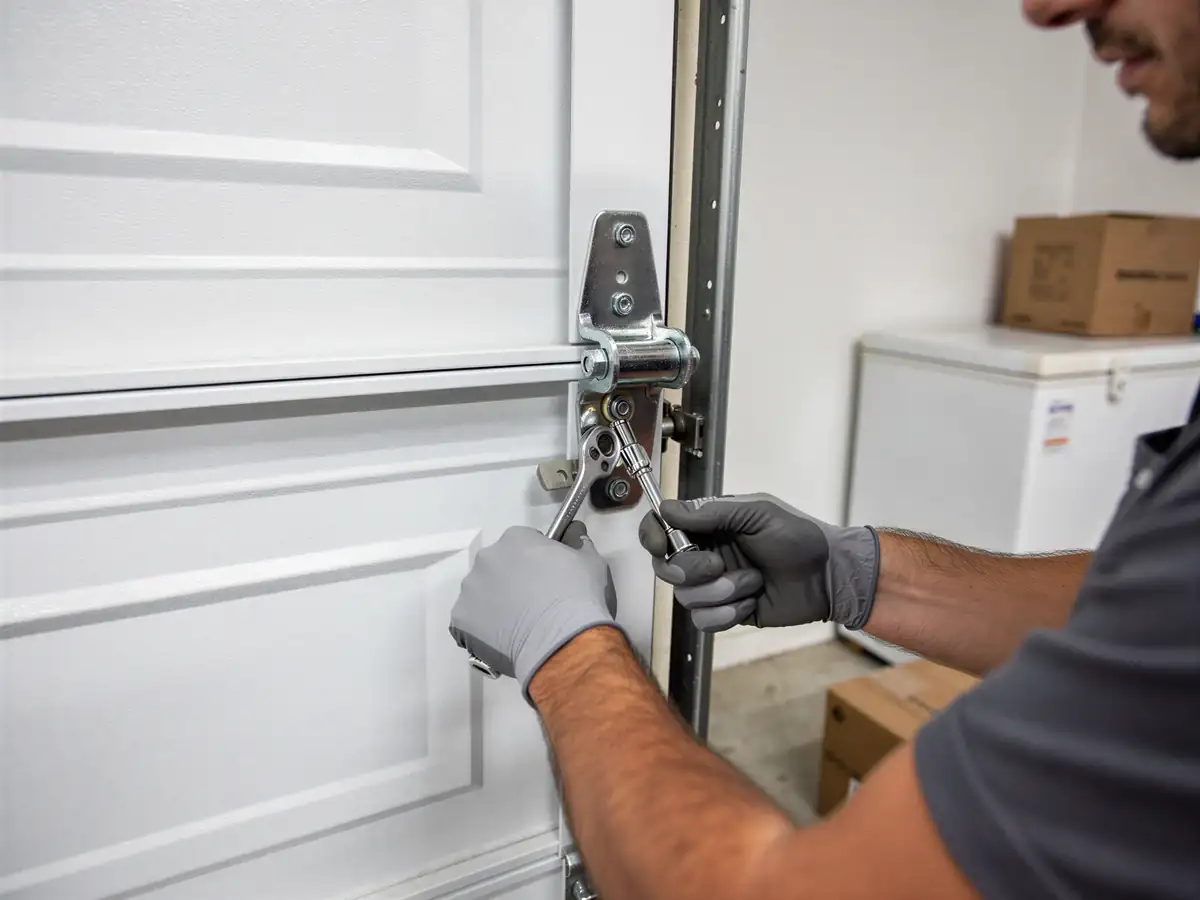
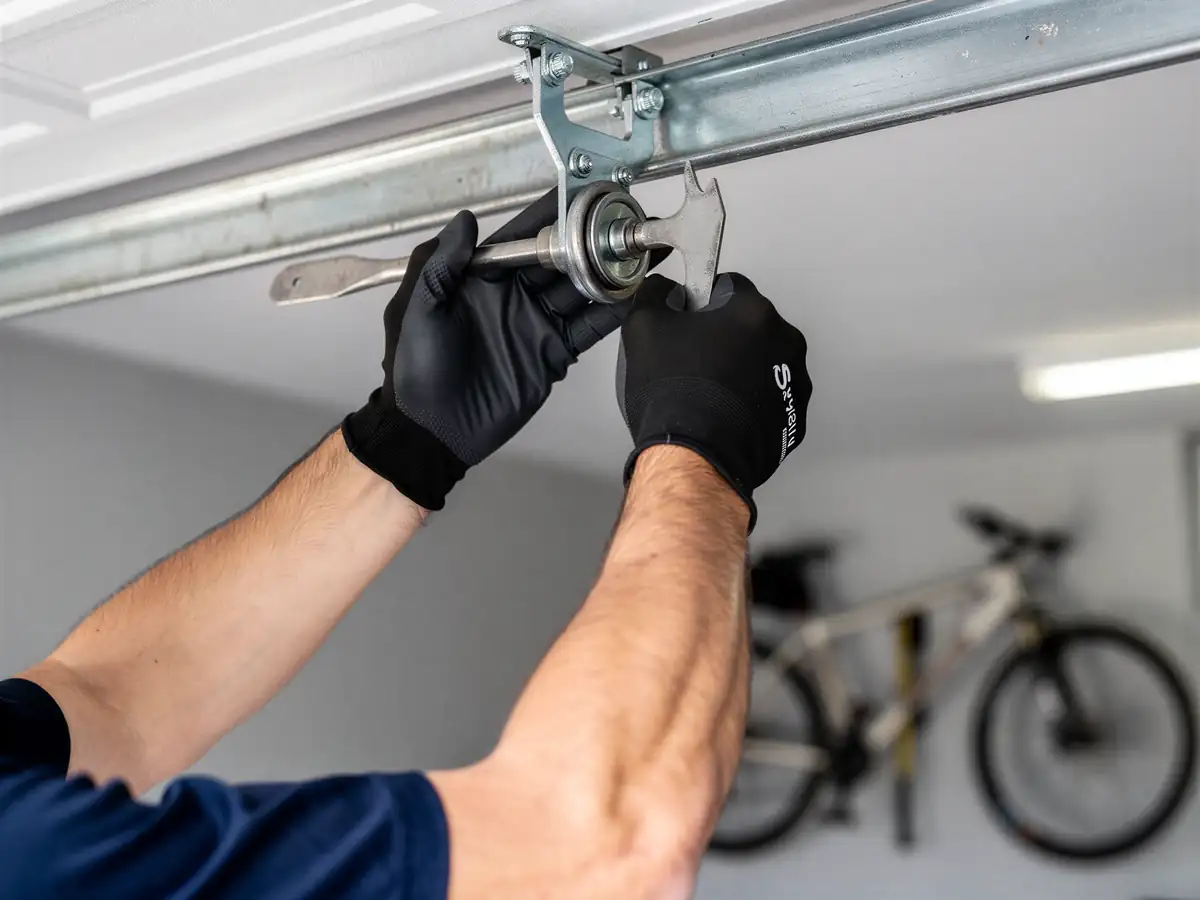
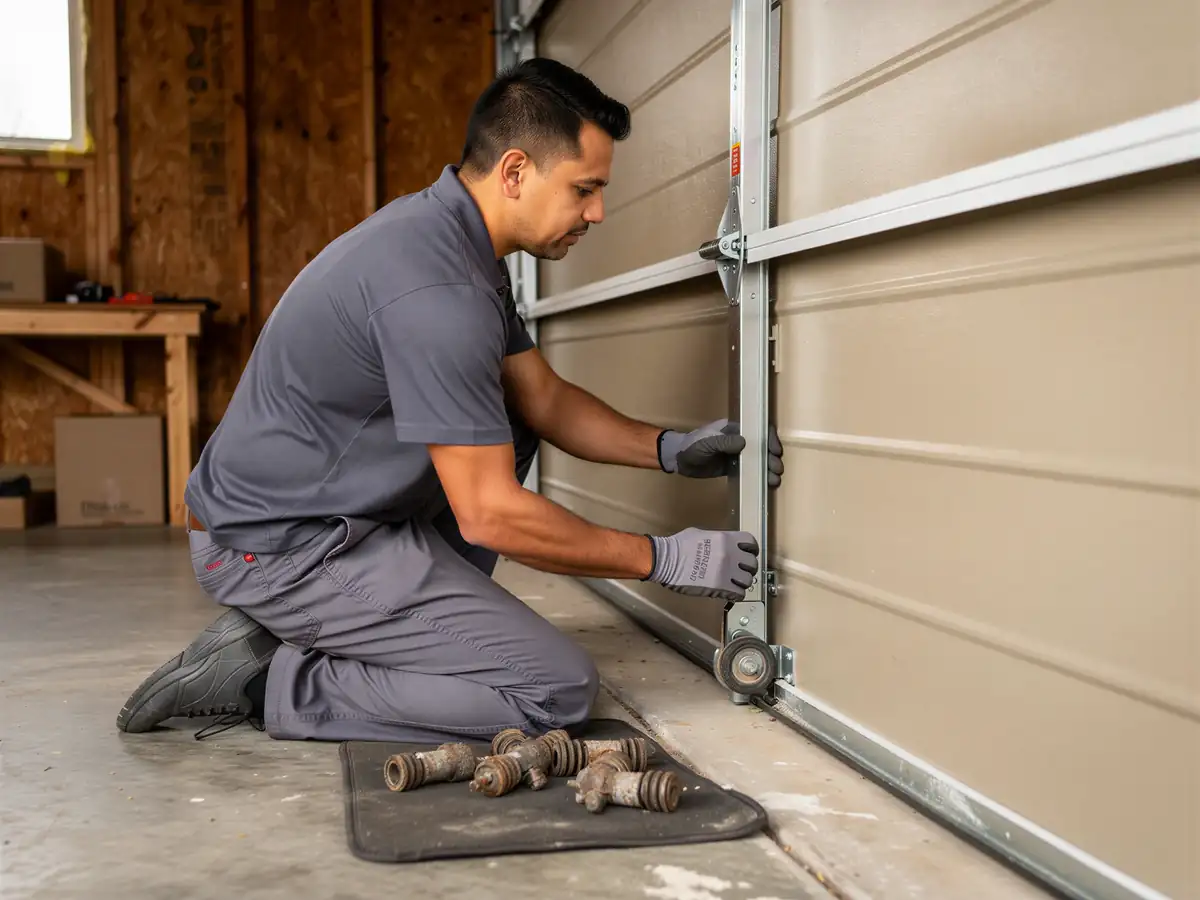
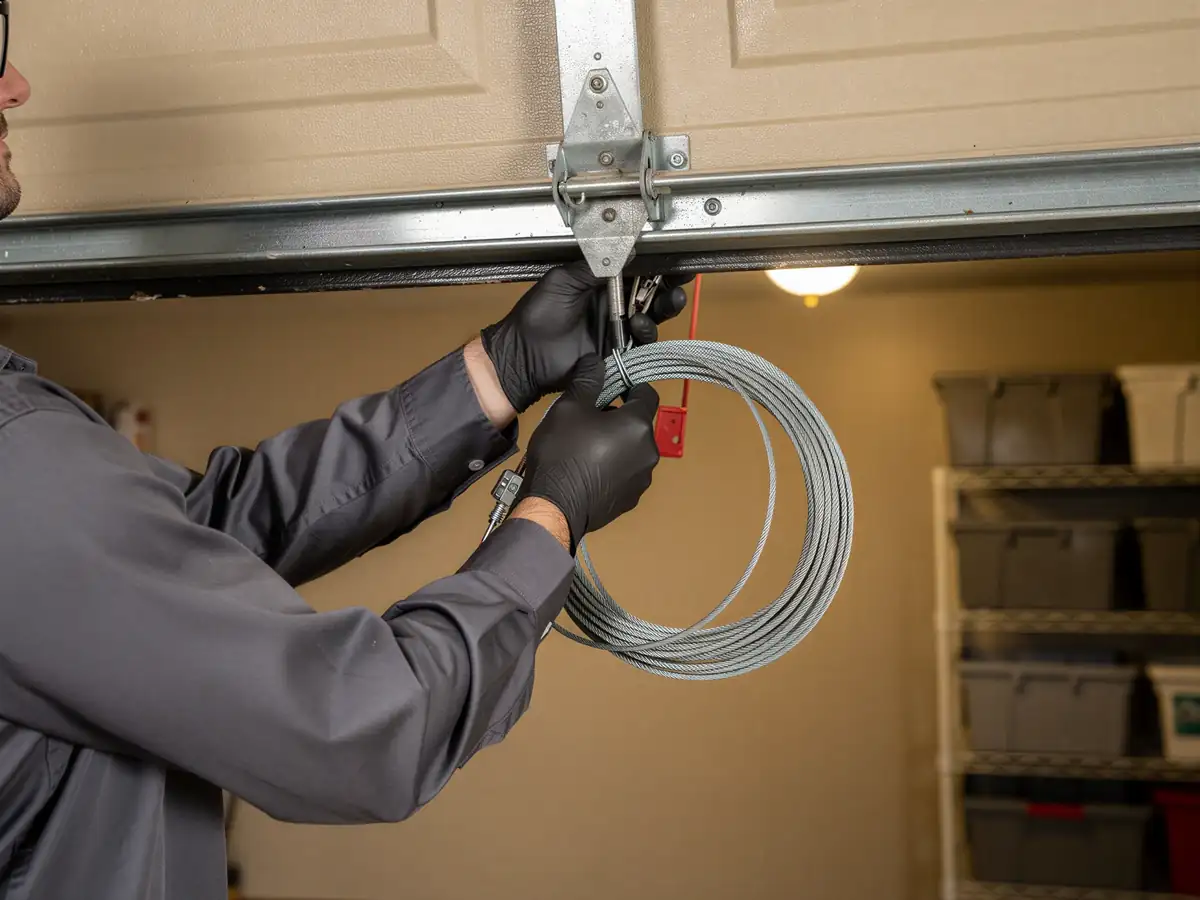
First we release the spring tension safely - the step that makes the rest of this a routine job instead of a hazard. Then we pull the old cable off the drum, check the drum groove itself for the wear pattern that caused the failure, and inspect the bottom bracket where the cable anchors to the door. On a lot of Clive's 1990s-built doors, this is the first time the drum has been opened up since installation, so we're also checking the bearing on that end of the shaft while we're in there.
New cable goes on sized to your door's exact drop and drum, wound to the correct number of turns, and the spring tension brought back to match the door's weight. We test the balance by hand after re-tensioning, not just by running the opener, since an opener will mask a door that's actually out of balance. If the other cable's showing the same age and wear, we'll flag it - replacing both at once on a matched set is usually cheaper than a second call out here once the first one goes.