Can You Do This Yourself
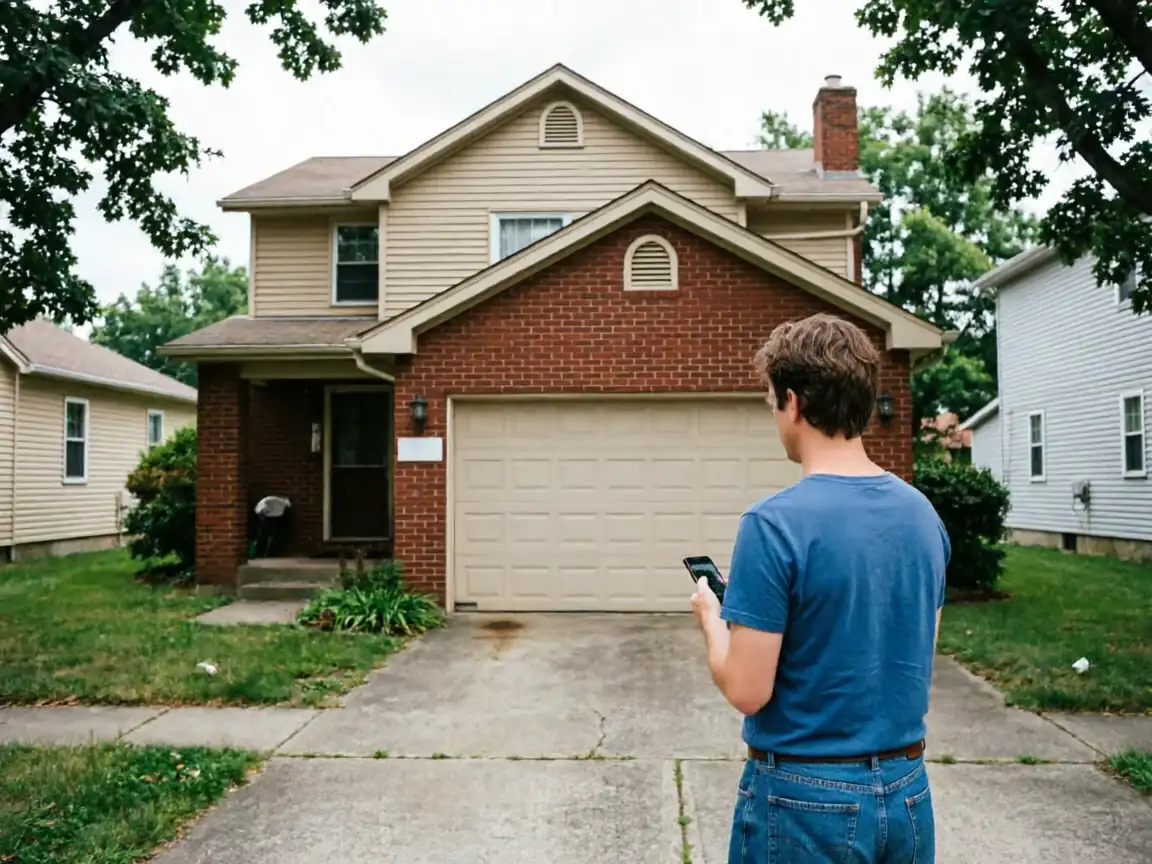
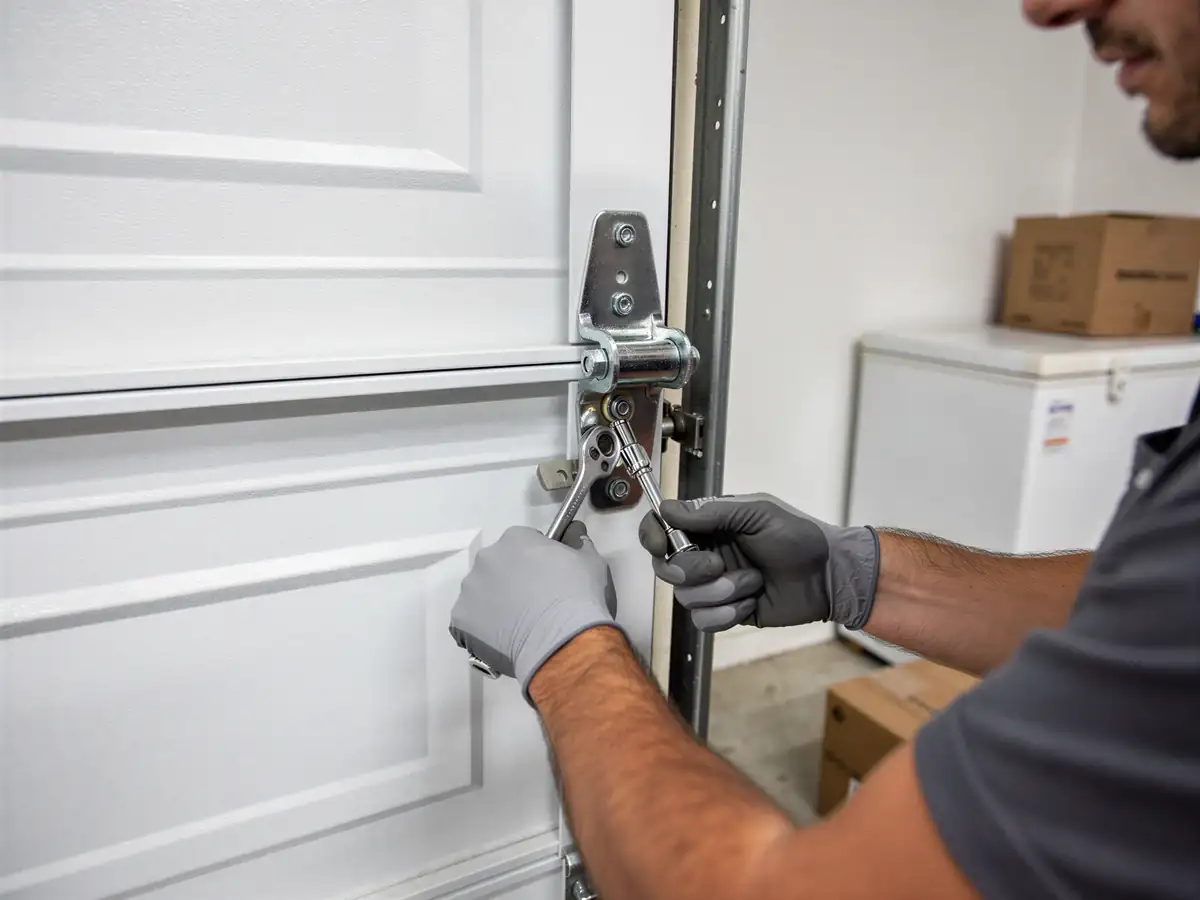
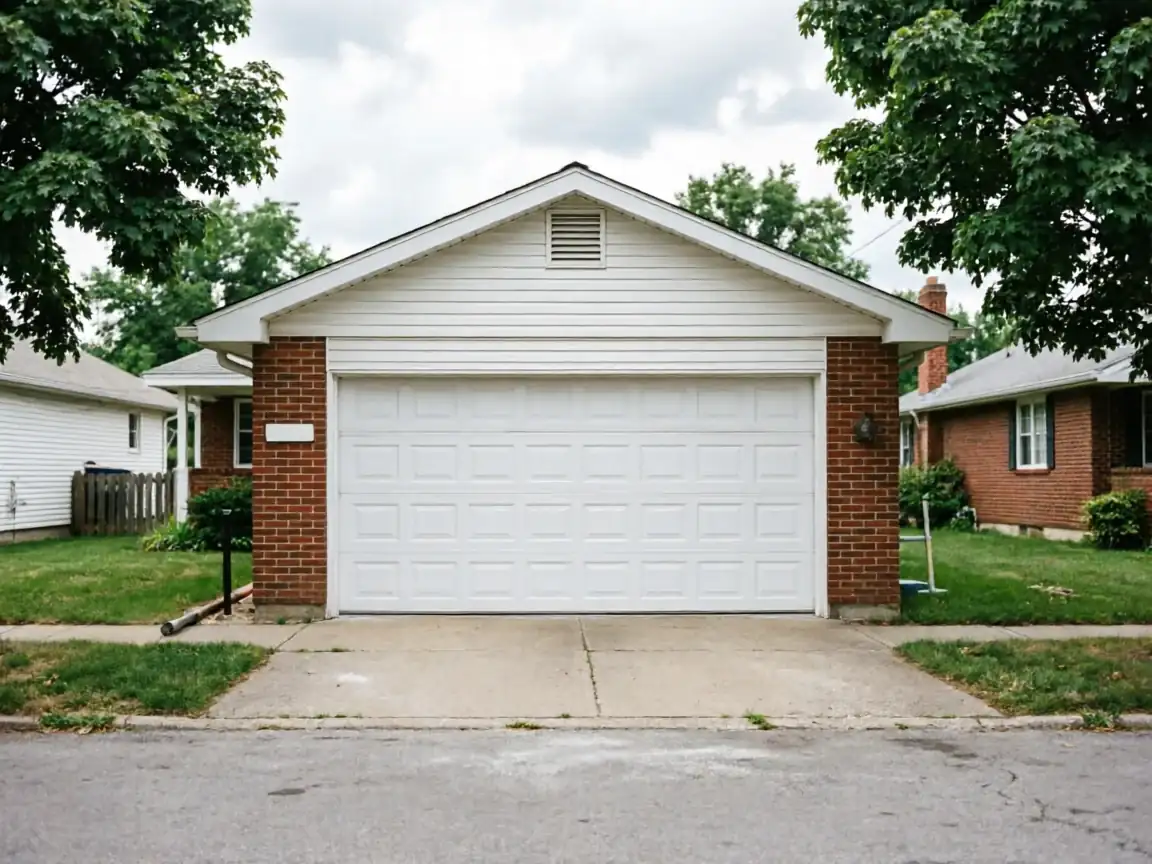
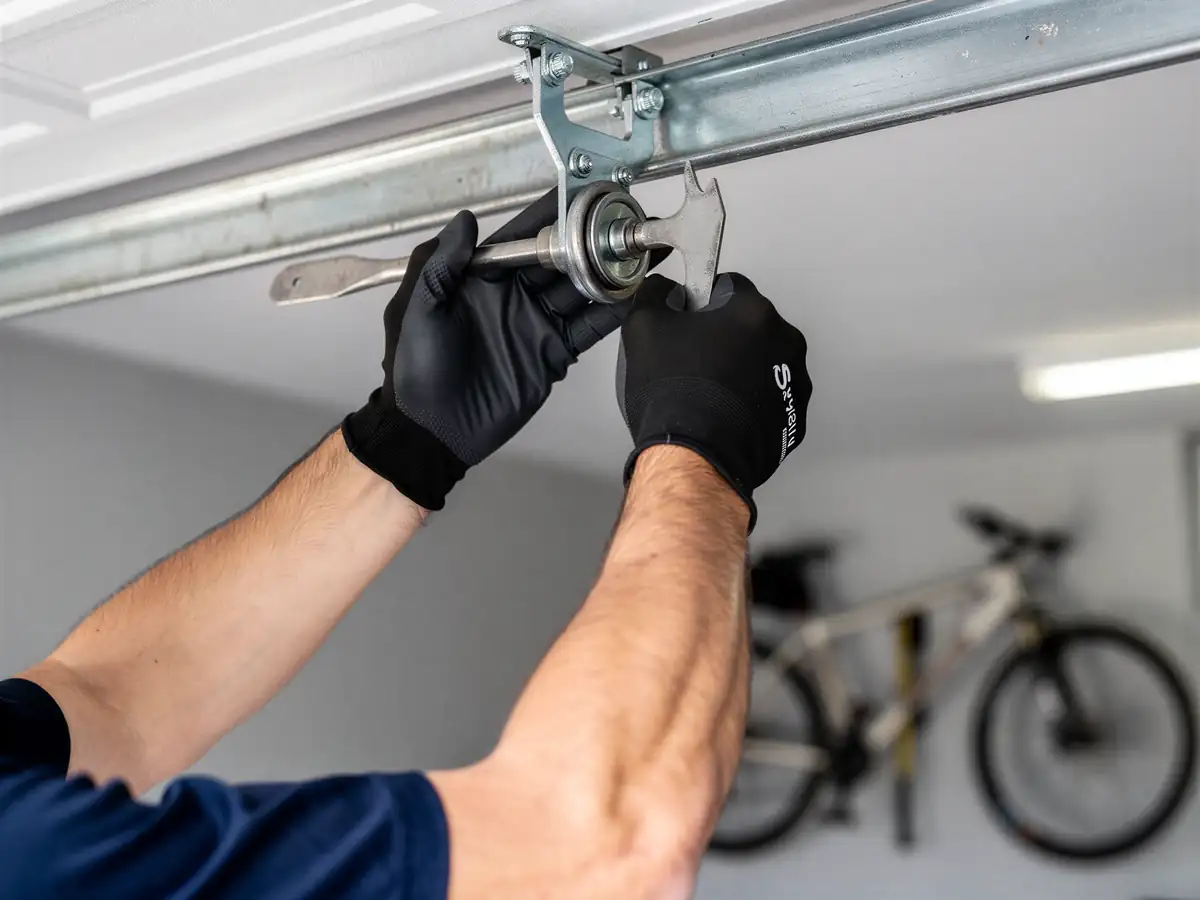
Clive's median household income runs $131,082, well above the $98,333 figure for the wider service area, and that number matters more than people think when they're staring at a dead opener in the garage. At that income level, a lot of homeowners here could buy a mid-range opener kit off a shelf and have the tools to hang it. The physical install isn't the hard part - bolting a rail, mounting a motor head, running a wire to a wall button.\n\nWhat trips people up is the stuff that isn't in the box: setting travel limits so the door doesn't crush a bumper or reverse into the ceiling, matching spring tension to the new opener's pull, and wiring a safety-reversal sensor pair so it actually works instead of just blinking. Houses built around 1995, which is most of Clive's housing stock, often still have the original door hardware even if the opener's been swapped once already. Mixing a new opener with old track or an old spring setup is where a weekend job turns into a service call anyway. If you're comfortable with a torque wrench and a level, the mounting is doable. Getting the force settings and the sensor alignment right the first time is the part worth paying for.
What It Costs
We don't have a Clive-specific price list to publish here, and quoting a number without seeing the door and the opener you've got would be a guess dressed up as a fact. What does affect the number: whether the existing rail and mounting bracket can be reused, whether the wall control and sensors need replacing along with the motor head, and whether your door's spring tension matches what the new opener is rated to pull. On houses built around 1995, the bracket and rail are often salvageable even when the motor isn't, which keeps the job smaller than a full teardown. The honest answer is we price it after a look at what's actually on your garage, not before.
What the Fix Involves
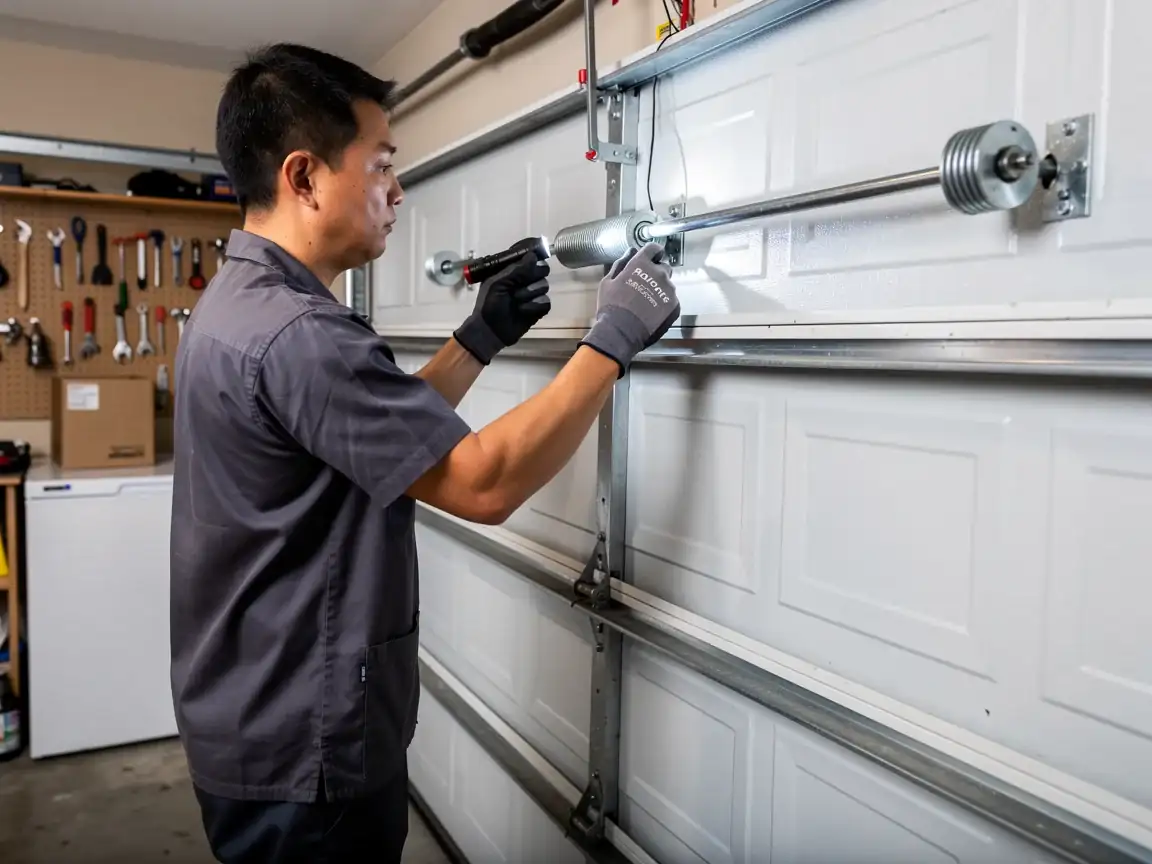
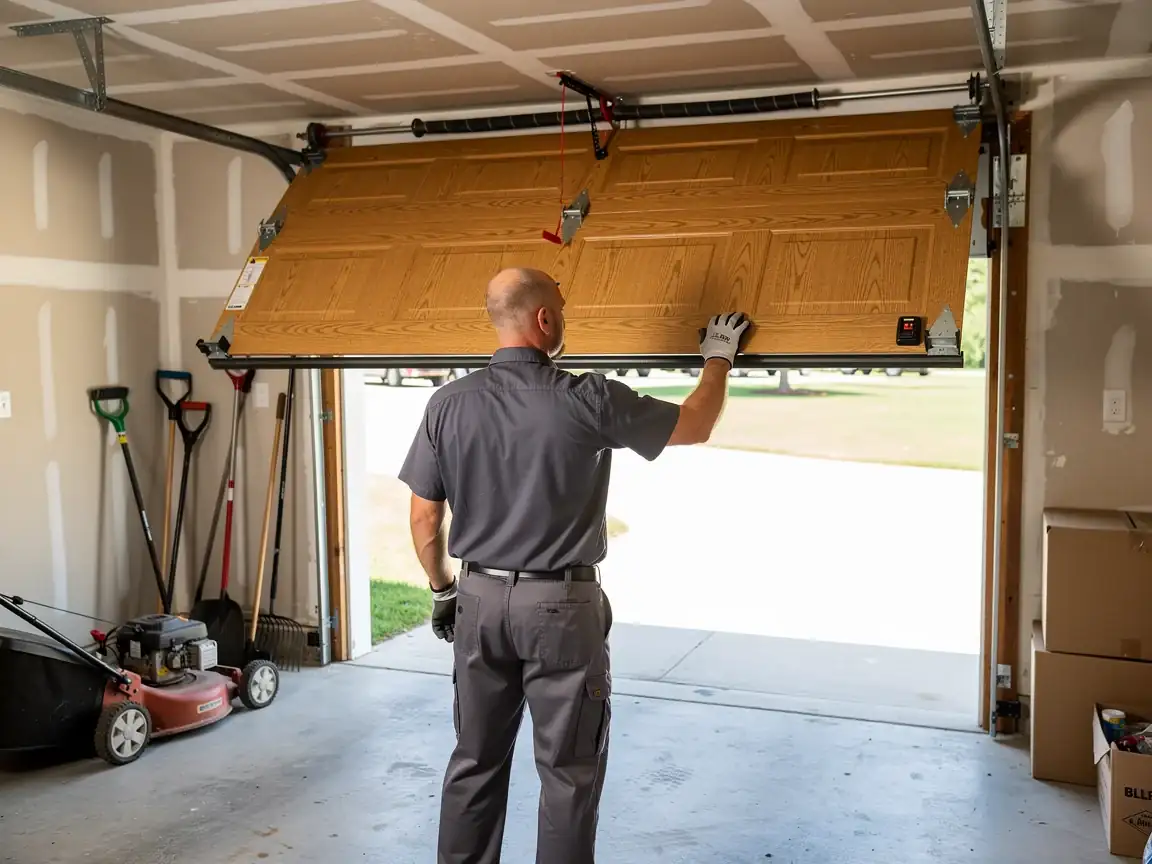
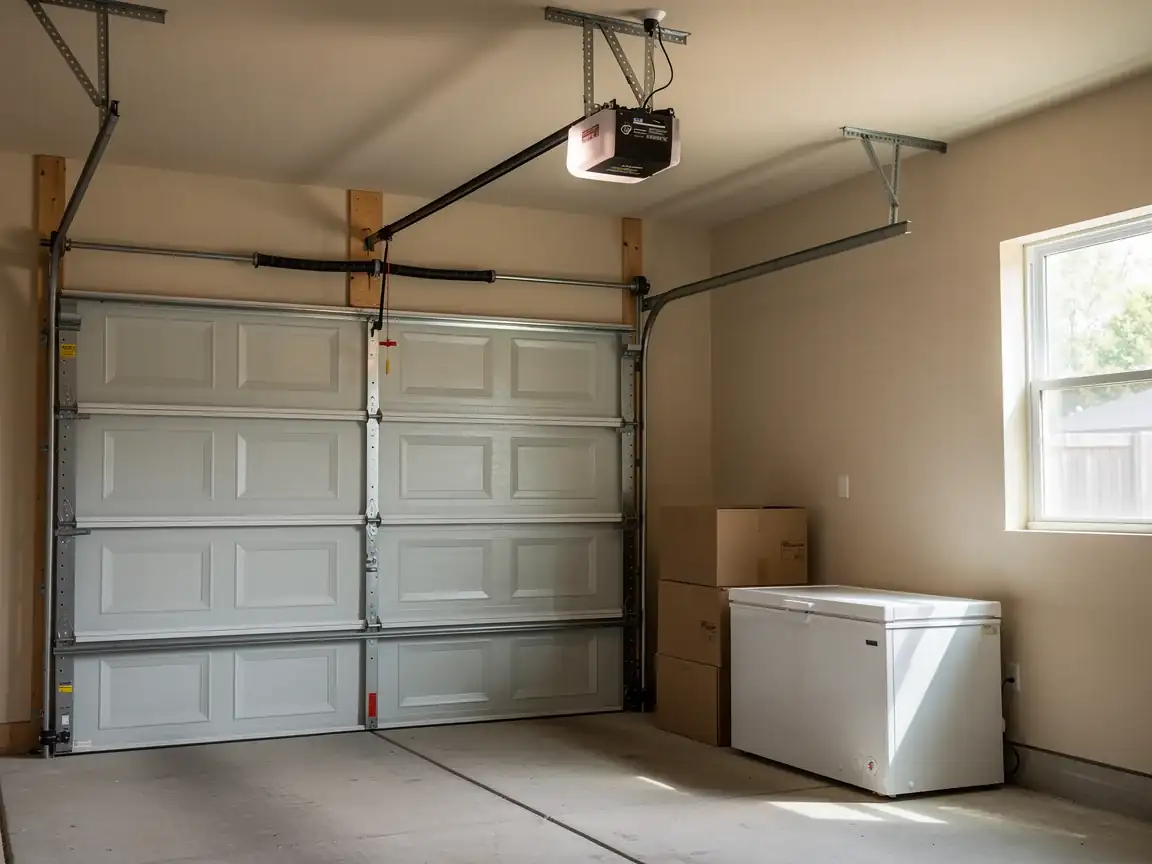
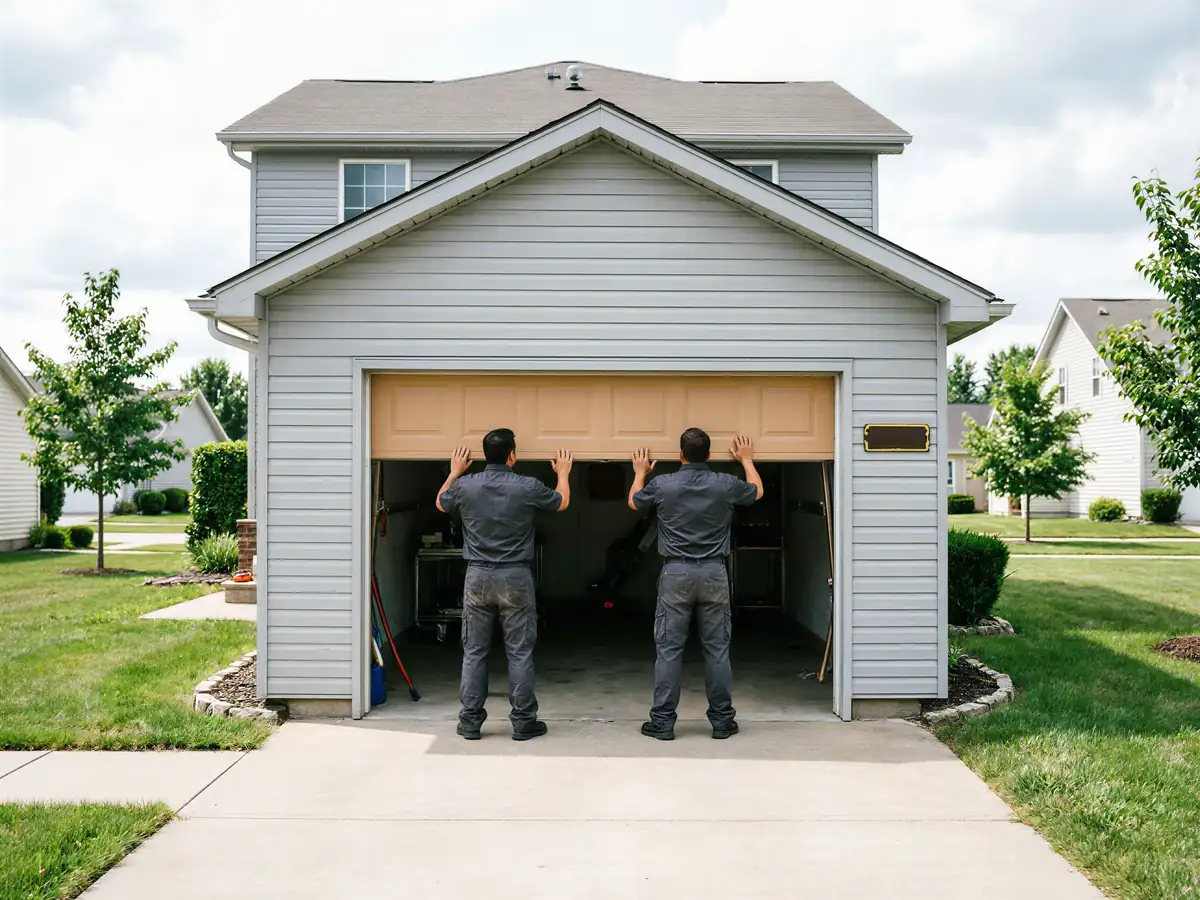
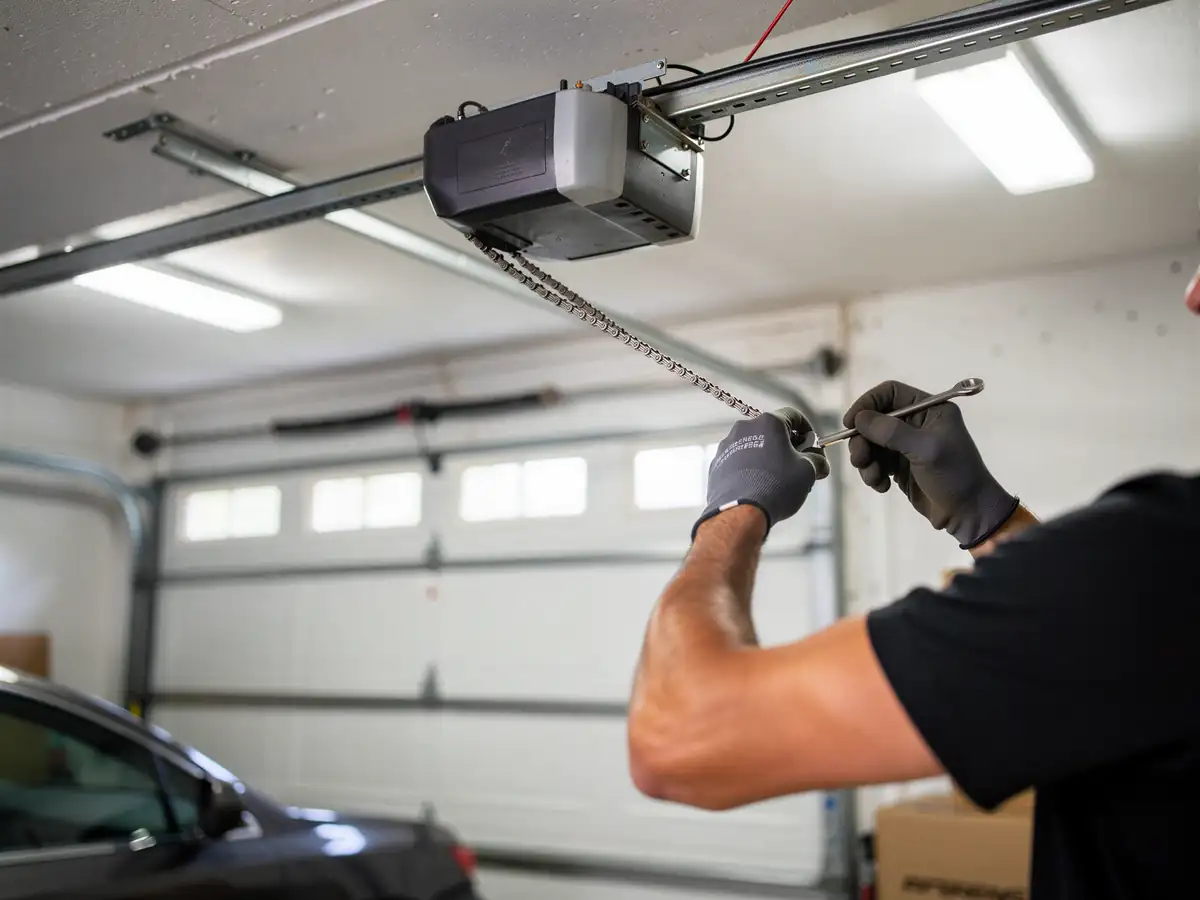
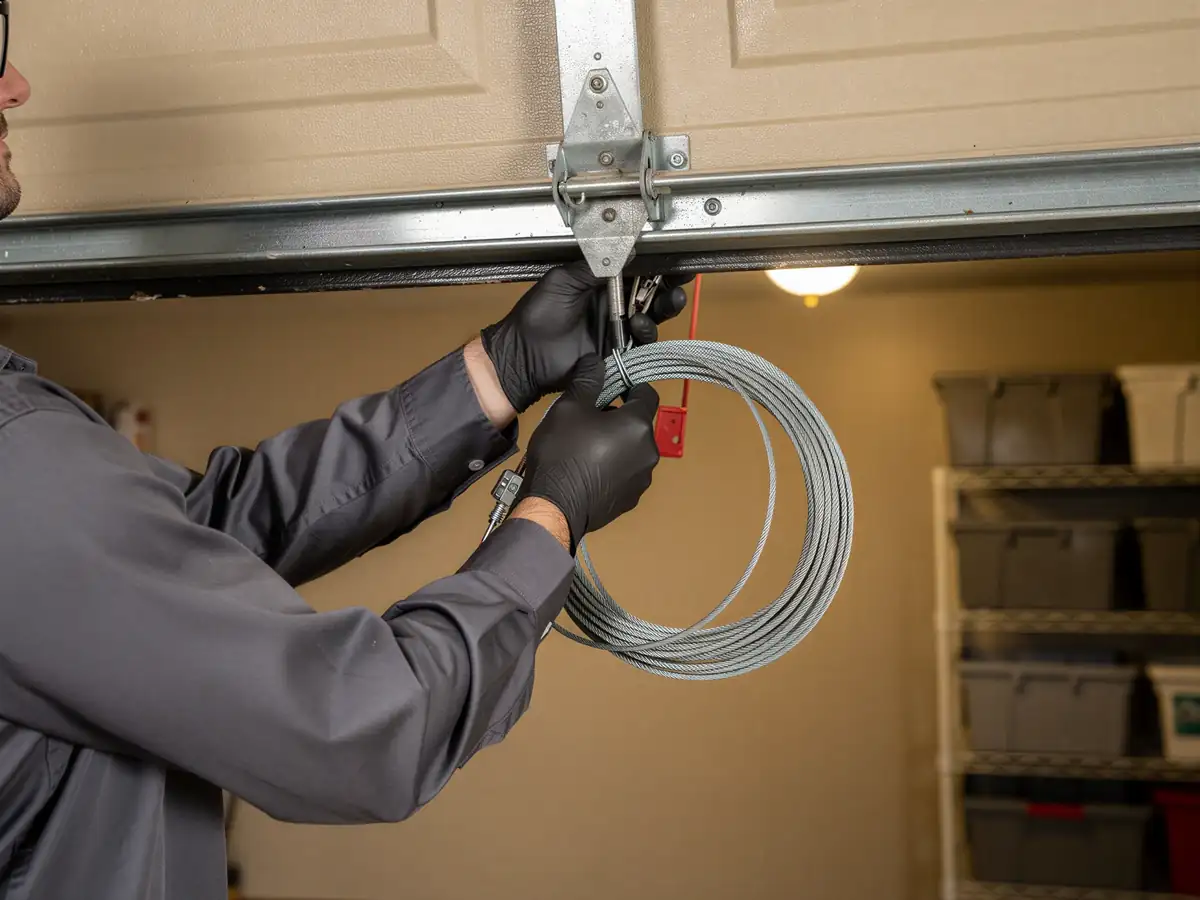
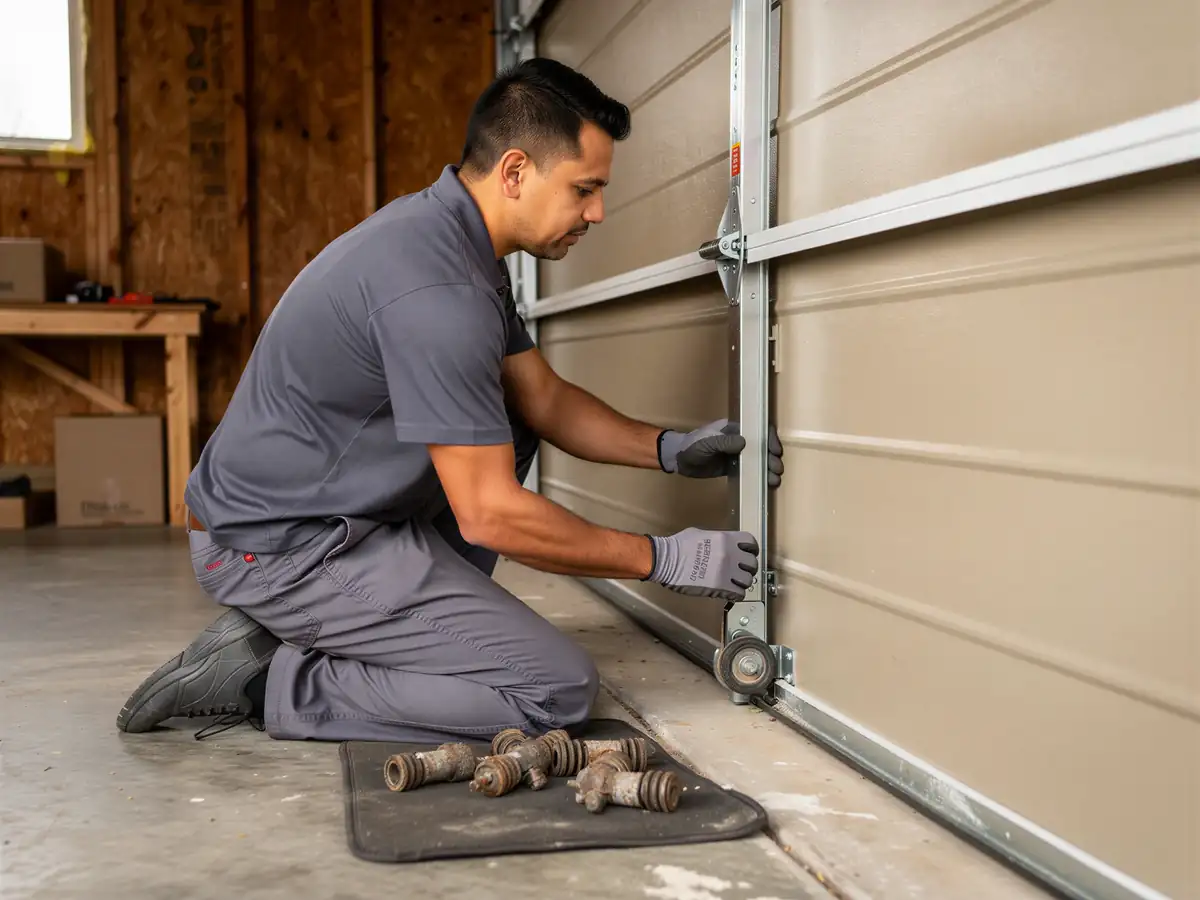
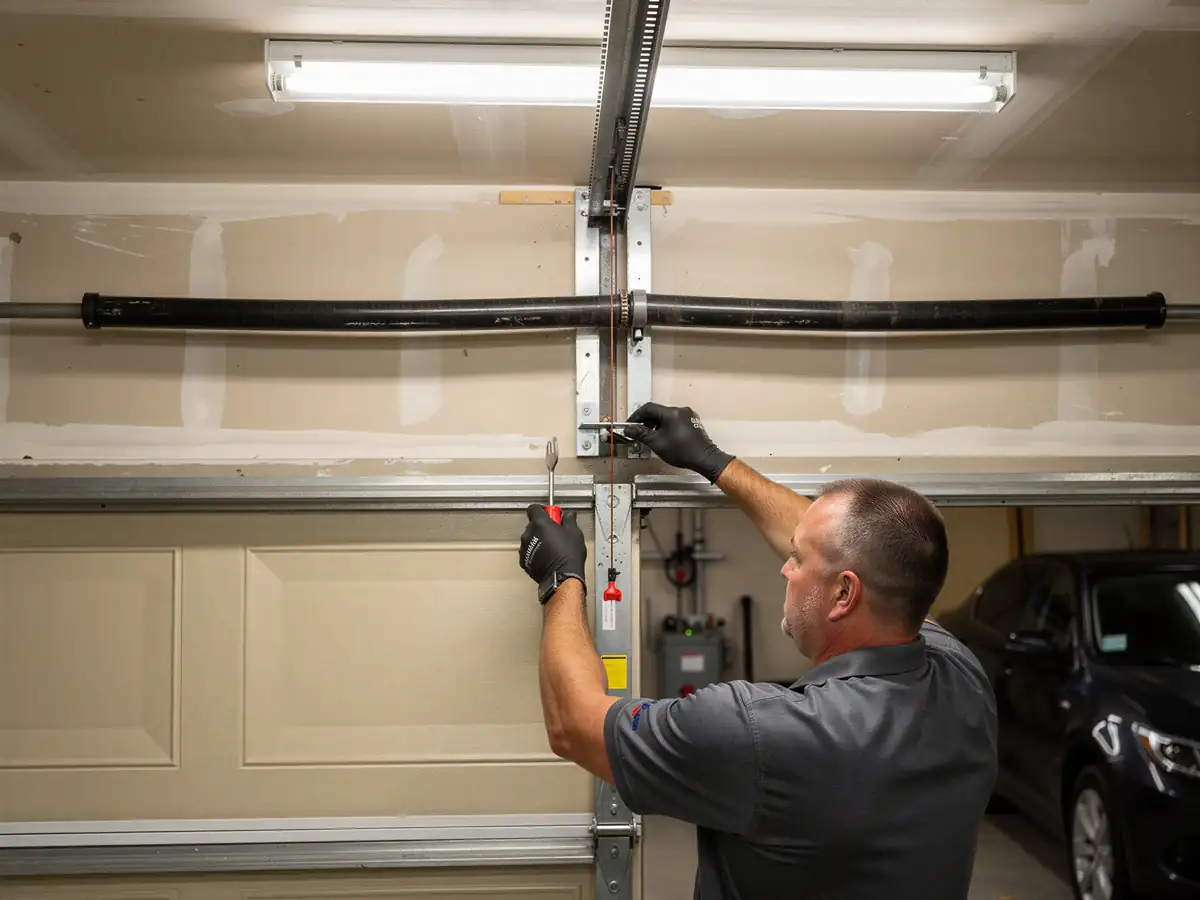
The job starts with pulling the old motor head and checking the rail and trolley for wear - on a unit installed when these Clive houses were new, the rail is often fine even though the motor has quit. We mount the new opener head, run or reuse the rail, and set the door's travel limits so it closes flush and reverses on contact rather than fighting the floor.\n\nSafety sensors get mounted at the base of the track, low enough to catch anything in the door's path, and wired back to the head unit. We test the force setting against your actual door weight, not a factory default, since a door that's heavier or lighter than average will either struggle to close or slam. Last step is pairing the wall control and any remotes or keypad, and running the door through a full open-close cycle to confirm the reversal sensors stop it correctly. One thing we won't do is install a new opener onto a spring or cable setup that's already failing - if the door itself isn't sound, fixing that comes first, because a new motor on bad hardware just fails again faster.