Can You Do This Yourself
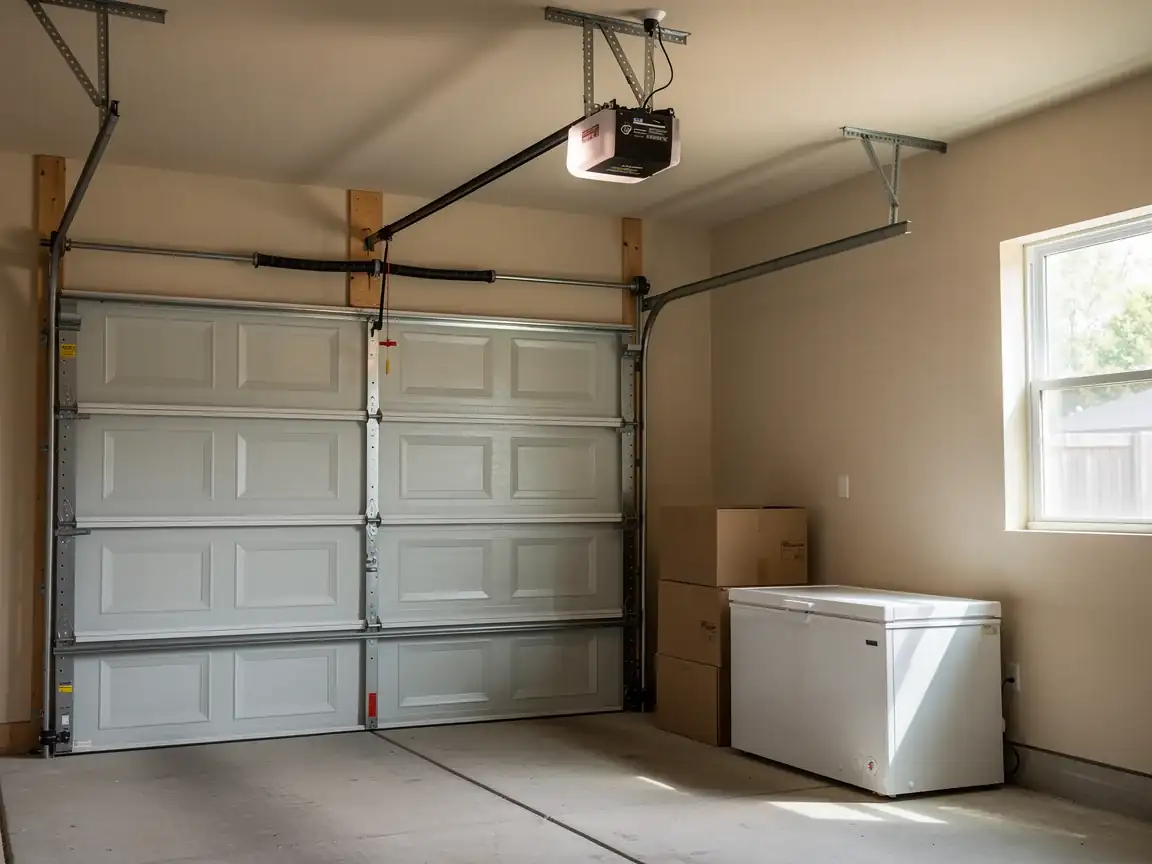
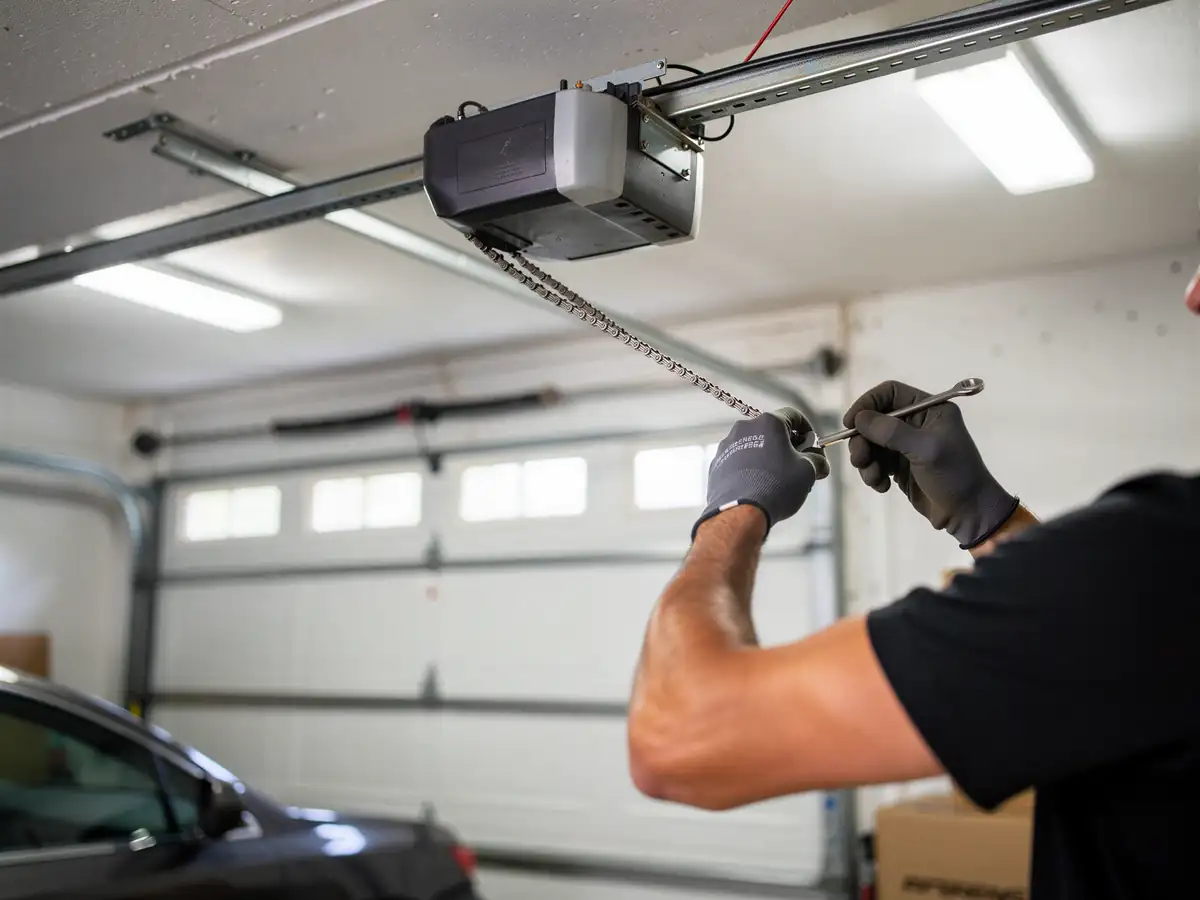
A good share of what we see in Clive is opener hardware from right around 1995, since that's where this area's housing stock centers. That's different from the city itself, which spans houses built anywhere from 1959 to 2009. A mid-90s chain-drive opener is simple machinery, and some of it you can handle: replacing batteries in a wall console, re-learning a remote, clearing the photo-eye sensors if a toddler's bike knocked one sideways. Those are five-minute jobs with a screwdriver.
What you shouldn't touch is anything involving the logic board or the travel limits on a unit that's pushing 25-30 years old. Boards from that era weren't built with the surge protection modern units have, and opening the housing without knowing what you're looking at risks shorting something that was otherwise fine. If the opener reverses randomly, grinds without moving the door, or the wall button does nothing while the remote still works, that's a wiring or board issue, not a settings issue. Stop there and call it in rather than guessing with a multimeter.
Why This Fails Locally
Clive's opener failures track its build year
Houses here went up mostly in the 1980s and 90s, same window as most of the 23 named areas this company covers, which means a lot of original chain-drive units are still running decades past their expected life. The logic boards in those units use capacitors that dry out with age, and our winters push that along faster than milder climates would. This area sits in a cold-moderate band, and repeated freeze-thaw cycles on a garage that isn't heated stress solder joints and connector pins inside the opener head.
What that looks like in practice
An opener that worked fine in October and starts skipping cycles or failing to close fully once temperatures drop. It's not usually the motor. It's the board losing tolerance for the cold, or a sensor lens fogging and throwing a false obstruction. Because Clive's households sit well above the area's median income at $131,082, we also see more mid-tier belt-drive units from the 2000s here than the bare-bones chain drives common in older parts of the service area - different symptom set, same root cause of age meeting cold.
- $131,082 median household income
What It Costs
We don't have a published price list for opener repair broken out by job type, and we're not going to guess at a number here. What we can tell you is how pricing gets decided: it depends on whether the fault is in the logic board, the drive gear, the sensors, or the wiring harness, and that gets diagnosed on site before any number gets quoted. A board swap on a 1990s-era opener costs more than a sensor realignment, and sometimes a unit that old is cheaper to replace outright than to keep patching - we'll tell you straight if that's where you land.
One honest limitation: original 1990s opener boards are long out of production. If yours needs that exact part, we may be waiting on a compatible aftermarket board rather than a factory match, and that can add a day or two to the job. We'd rather tell you that up front than have you wondering why a repair that sounded simple is taking longer than expected.
What The Fix Involves
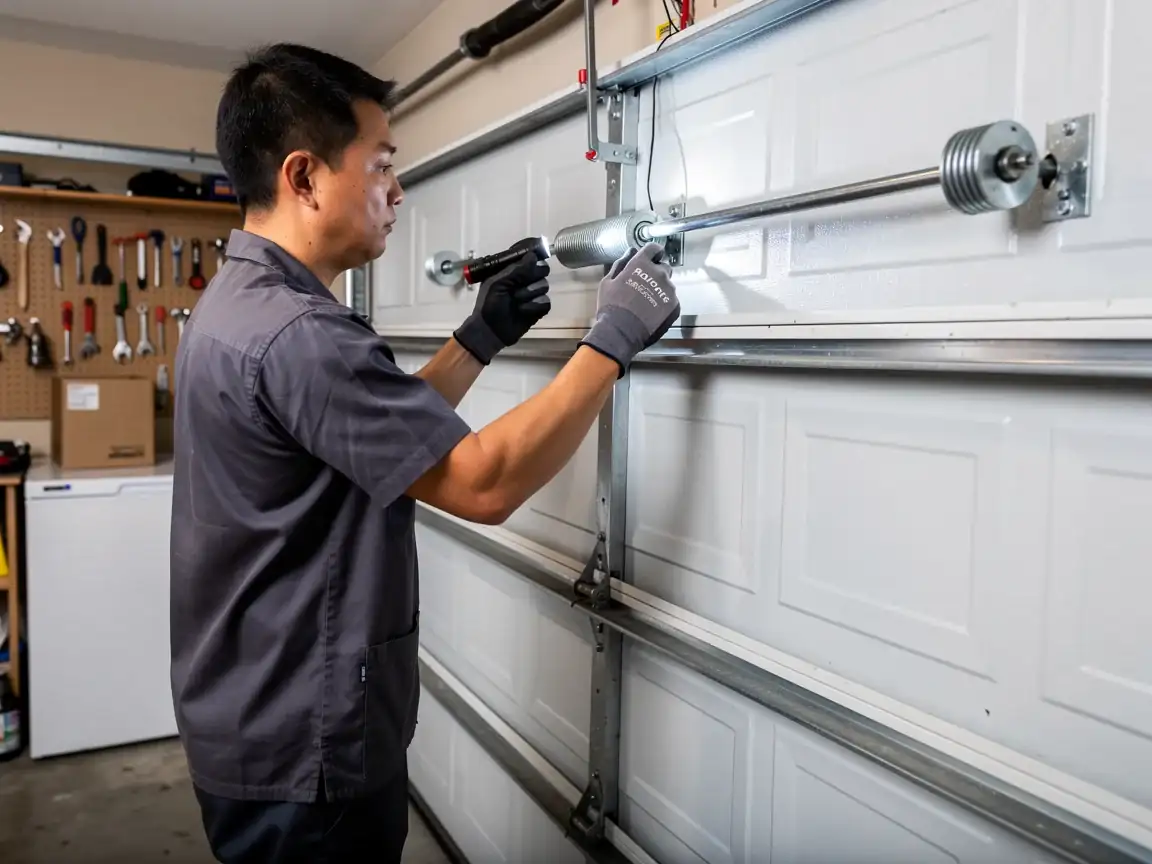
Since Clive is served out of Des Moines, 10 miles away, the truck arrives with a diagnostic kit built for exactly the mix of ages we see here - not just new belt drives, but the older chain-drive units still common across this area's 1995-median housing stock. First step is always testing the logic board response before touching anything mechanical: does it fire the motor, does it read the sensors, does it log the wall button press. That isolates board failures from gear or sensor failures fast.
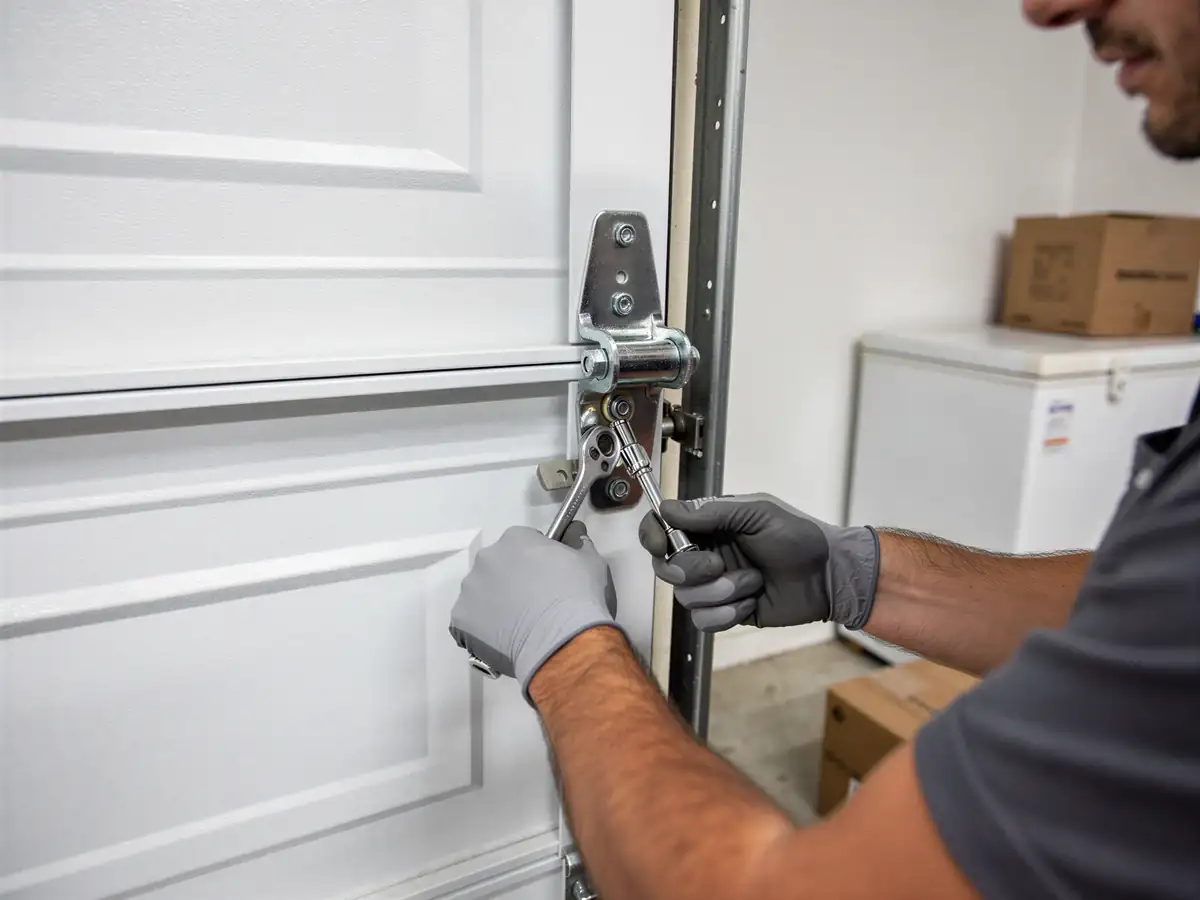
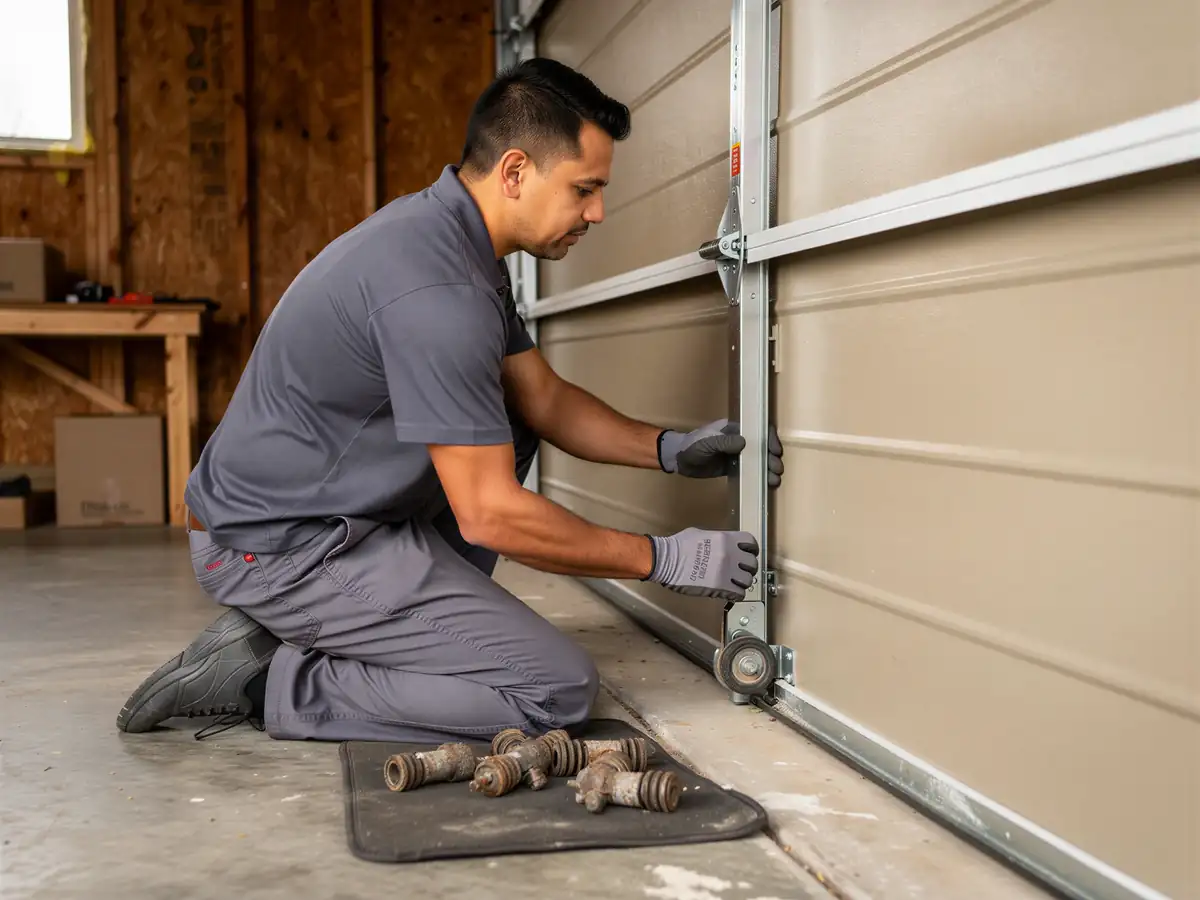
If it's the board, we replace it and re-pair the remotes and keypad, since most boards from this era don't carry memory forward. If it's a drive gear worn down from running against the chain for two decades, that's a straightforward swap. Sensor issues usually mean realigning the photo-eyes along the track, which is also a job to check first if cold weather is involved - a nudged bracket reads the same as a bad sensor until someone actually looks at the alignment.