Can You Do This Yourself
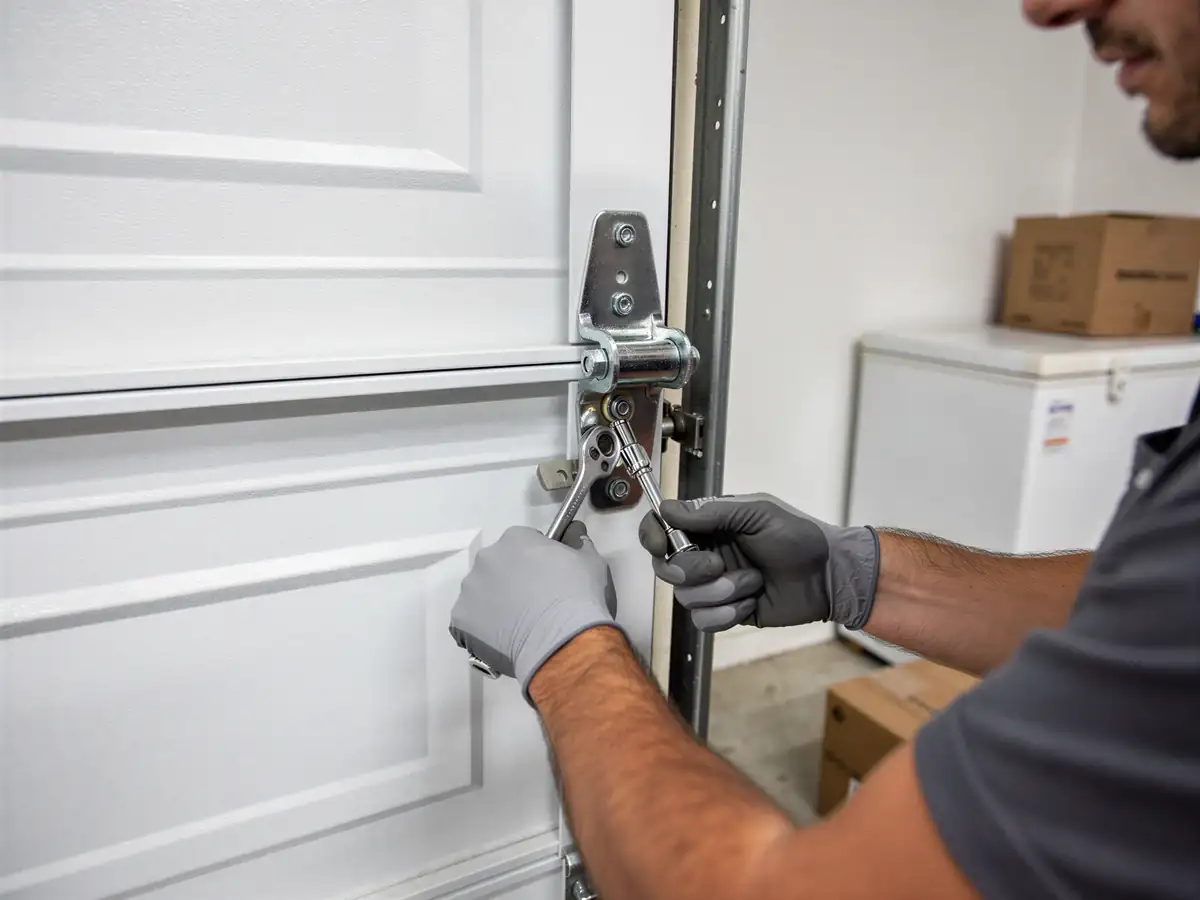
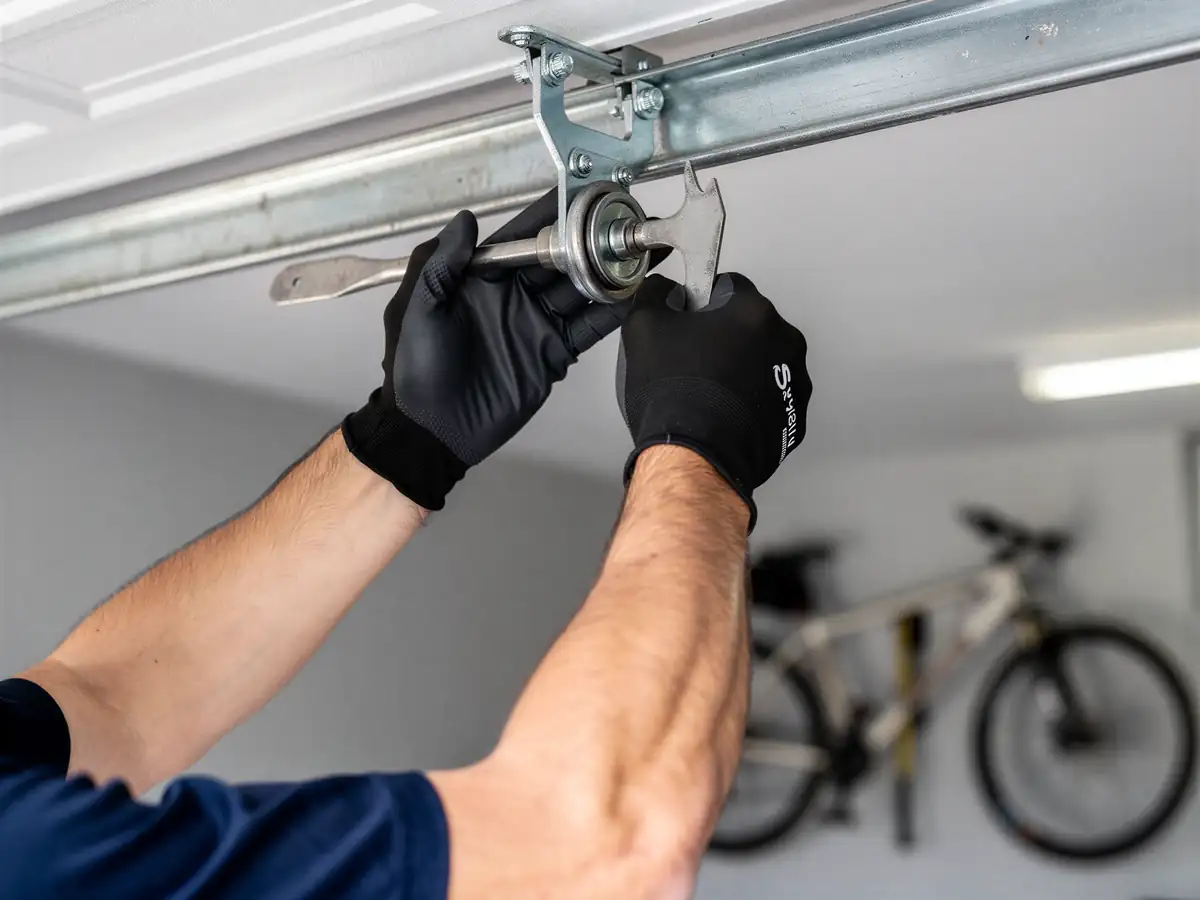
Swapping a single roller is within reach if the door is down, the spring is intact, and you can get the hinge pin out without the roller stem binding in the track. Most Clive doors built in the 1995 window use 2-inch steel track, and the rollers on the bottom brackets are usually the ones that go first because they carry the most weight on the turn into the horizontal rail.
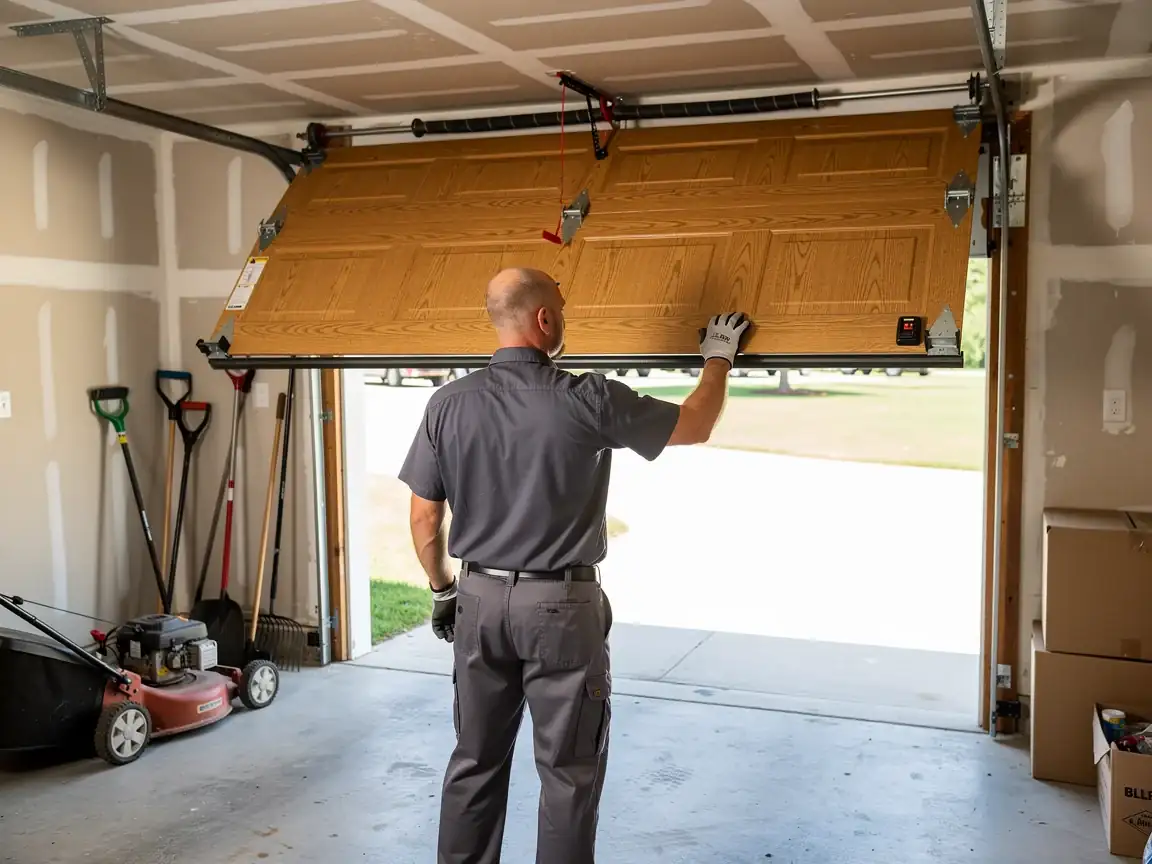
Where people get hurt is the top rollers nearest the spring side, or rollers on a door with a broken cable - the whole section can shift once you pull a bracket, and a heavy steel door off its track has nowhere good to go. If you're not sure which roller is bad, or if the track itself has a kink where the roller rode, that's a call, not a weekend project. We won't talk you out of the easy ones, but we also won't pretend every roller job is a one-hour fix.
Why This Fails Locally
With a median build year of 1995, most of Clive's garage doors are old enough that the original rollers are either plain steel on steel track or early nylon with a steel stem - neither holds up forever, and neither was built for the kind of freeze-thaw cycling this part of the state gets
In a COLD moderate climate band, the track gap tightens when the garage goes cold overnight and the door's been run warm during the day, and a roller that's already worn flat on one side starts chattering in that gap instead of rolling through it.
That chatter is what turns into a grinding, off-track door inside a season or two
It's not a Clive-specific defect, it's a Clive-specific age problem: a door built in the 1959-2009 stretch that makes up most of this area's housing is old enough now that the rollers it shipped with have outlived their bearings, whether or not the owner's noticed yet.
What It Costs
We don't have a flat number to quote here, and anyone who gives you one without seeing the door is guessing. What we can tell you is what moves the number: how many rollers are shot versus just noisy, whether the track needs straightening along with the roller swap, and whether you want to stay with steel rollers to match the original hardware or step up to sealed nylon, which runs quieter and holds up better through the kind of temperature swings this area sees.
Clive's median household income sits well above the wider service area's figure, and we see more owners here opt for the nylon upgrade across all rollers at once rather than patching one or two steel ones - it costs more upfront but it's one job instead of three over the next few years. Either way, we'll tell you the actual number once we've looked at your track and your door, not before.
What the Fix Involves
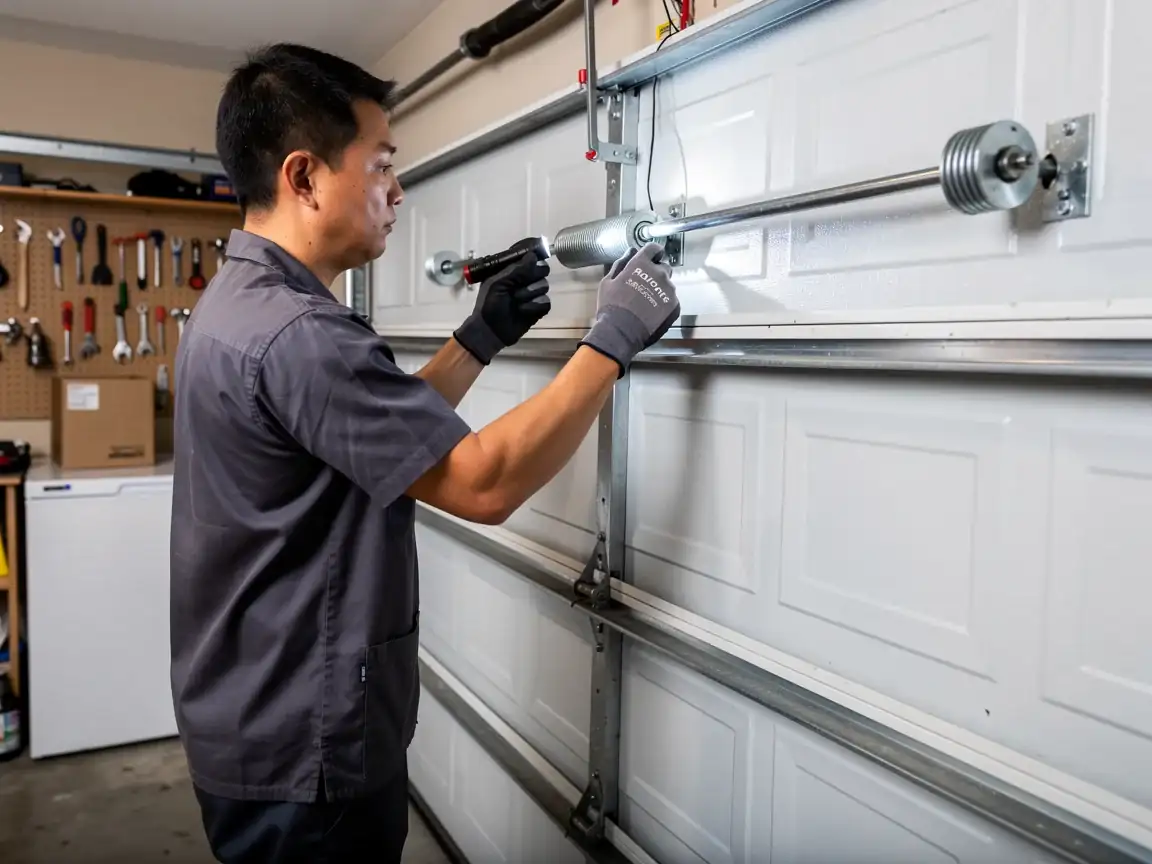
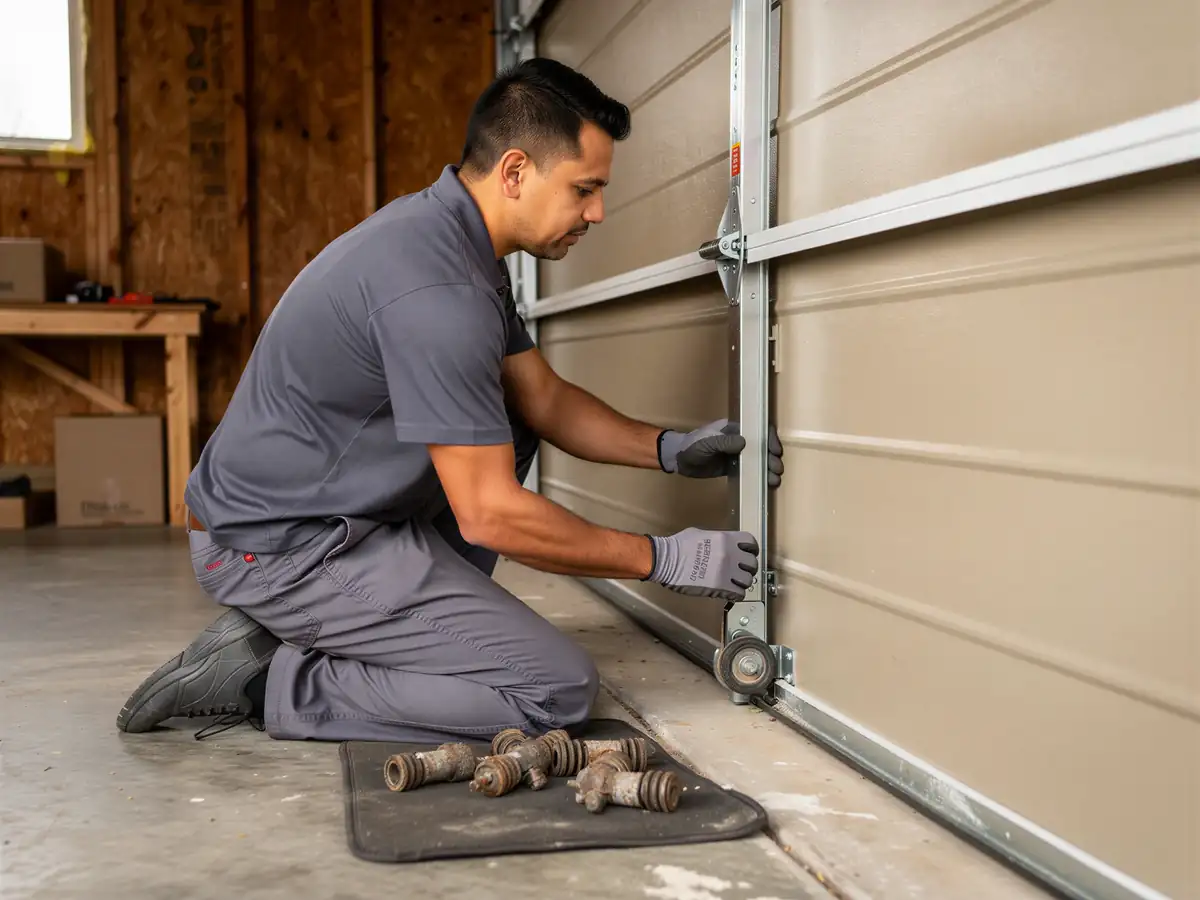
We pull the door down, support it, and work roller by roller rather than yanking the whole set at once - that keeps the door aligned while we go. Each bracket comes off, the old roller stem comes out, and we check the track at that point for the kind of wear groove a bad roller leaves behind, since a worn track will chew through a brand-new roller just as fast as the old one.
On a 1990s-era Clive door, the bottom brackets usually take the brunt and the top rollers are often still fine, so we don't automatically replace all ten if four are doing the job. We travel out from Des Moines for this, about 10 miles each way, so we bring what the job needs on the truck rather than making a second trip for one missing part.