Can You Do This Yourself
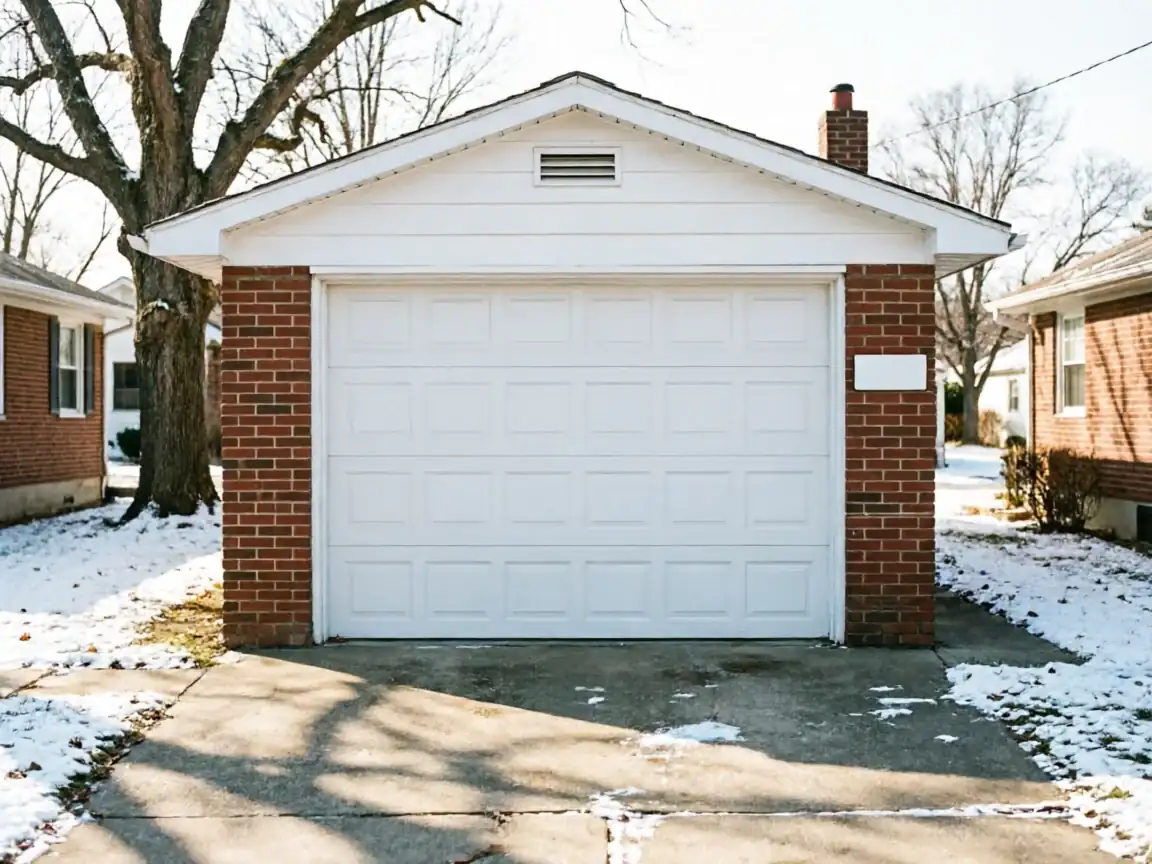
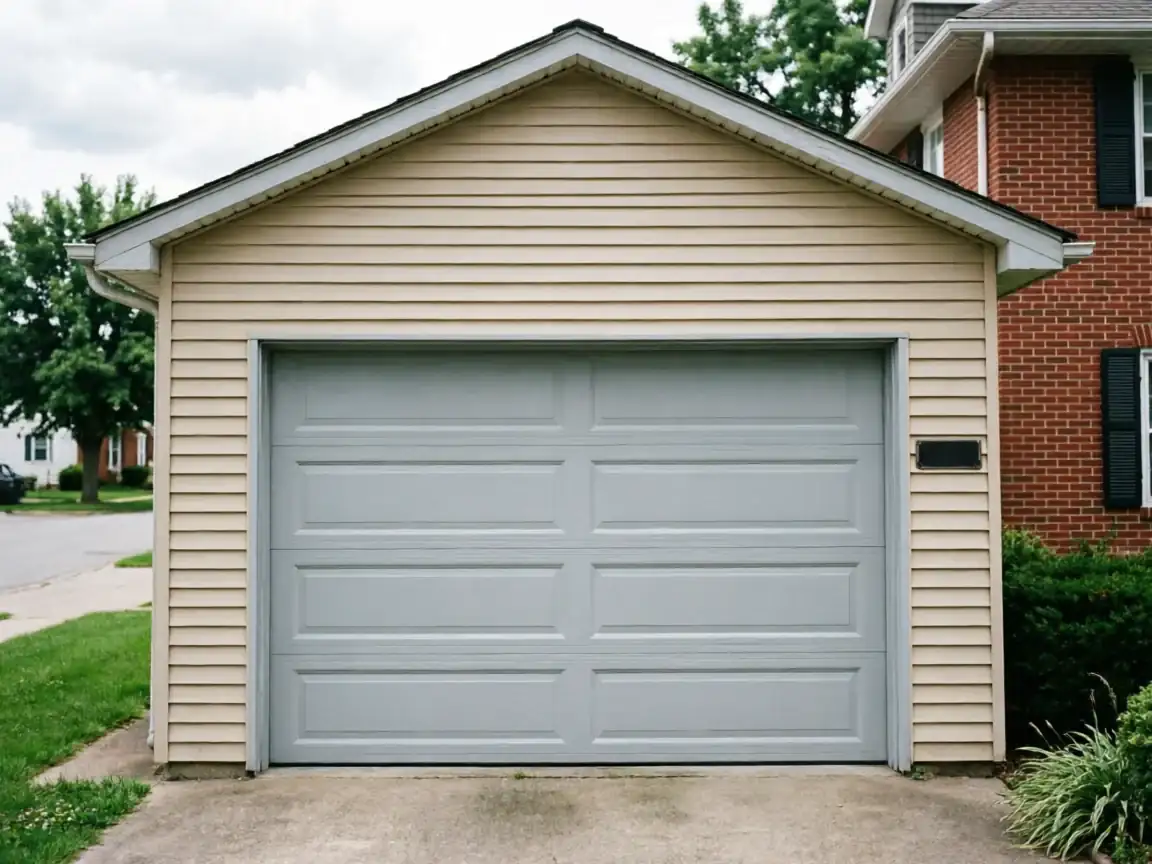
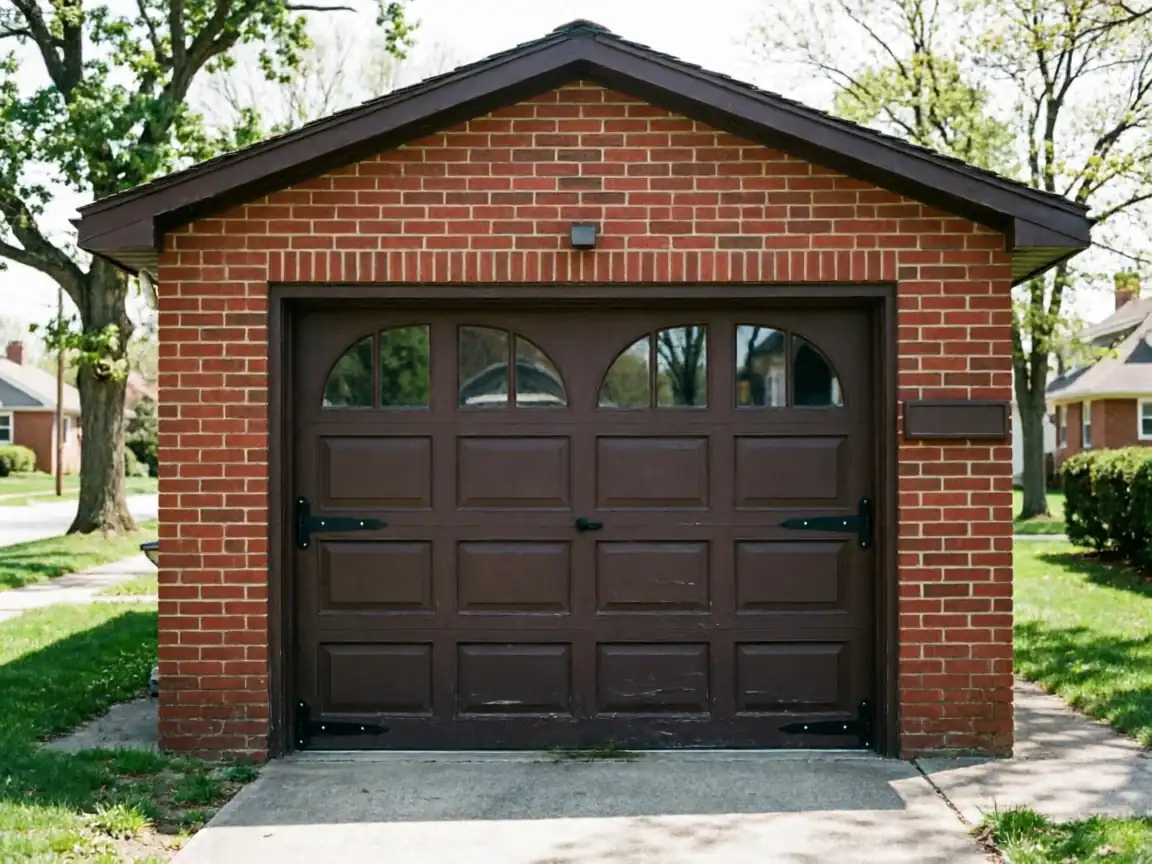
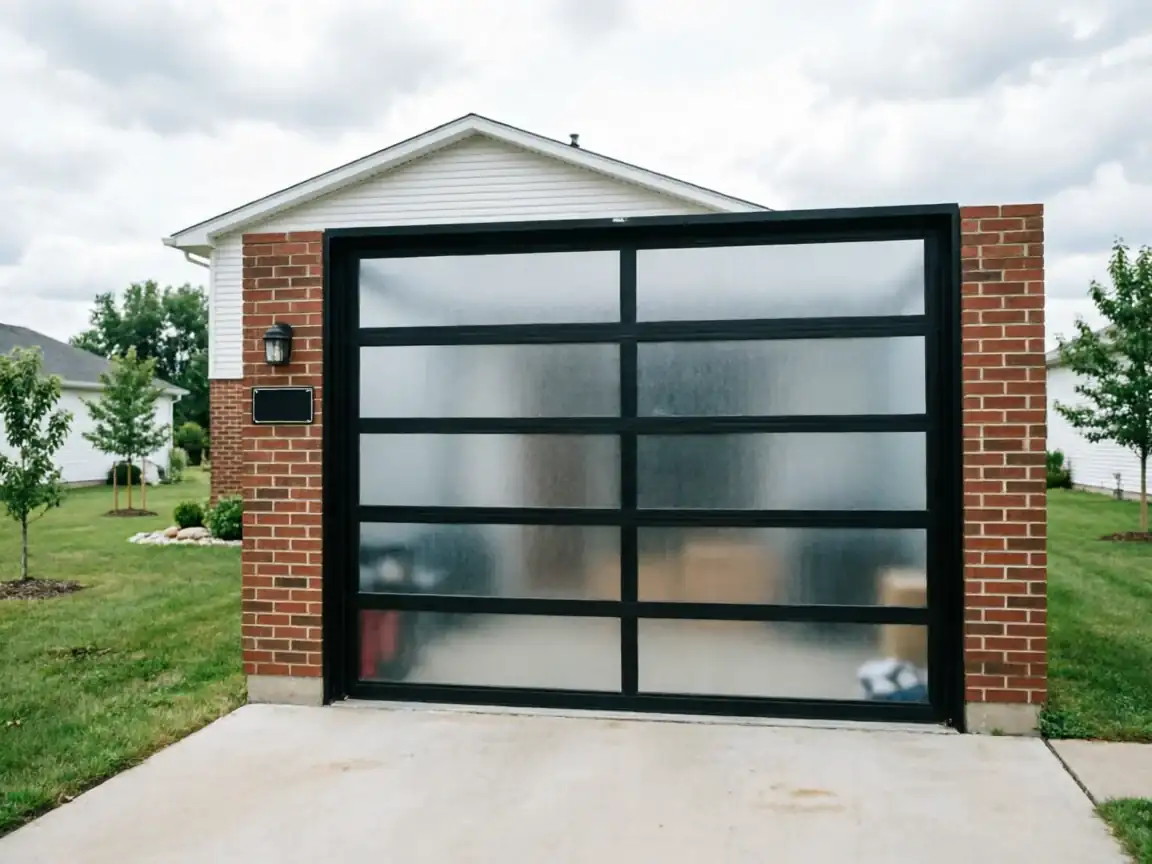
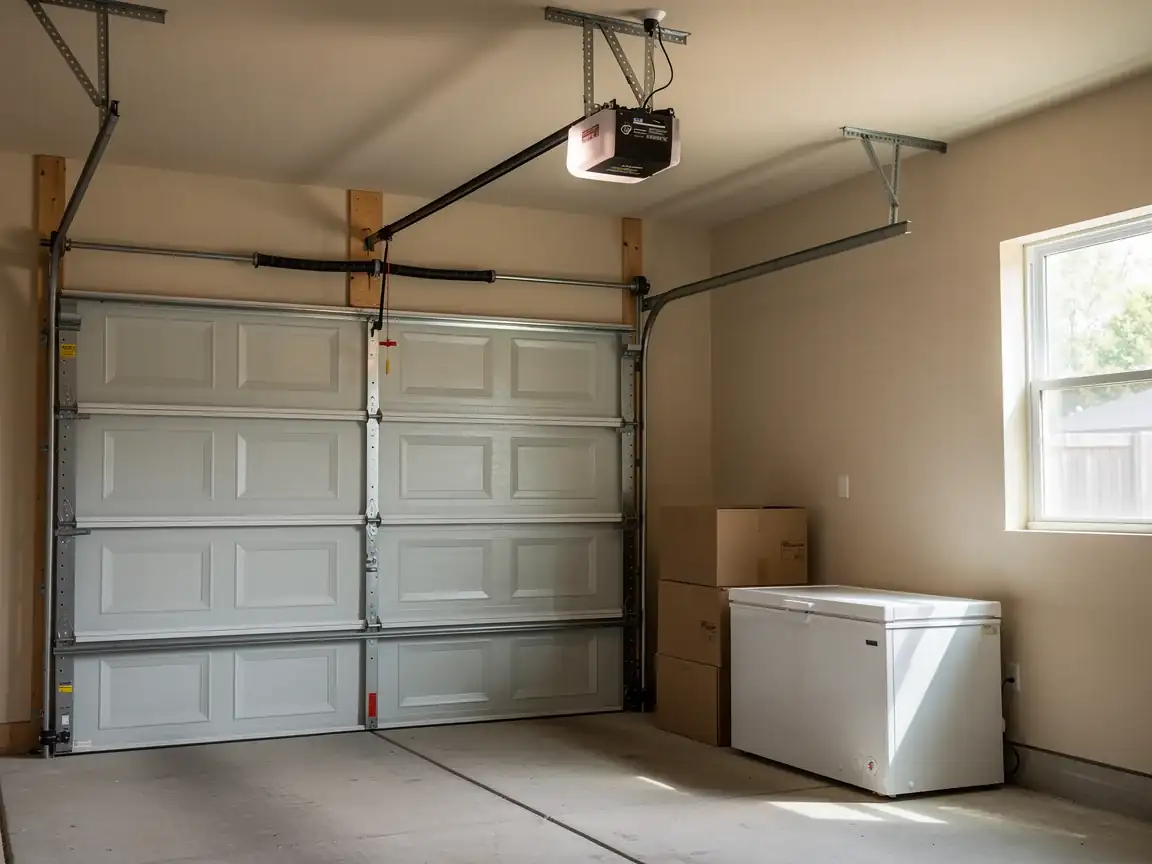
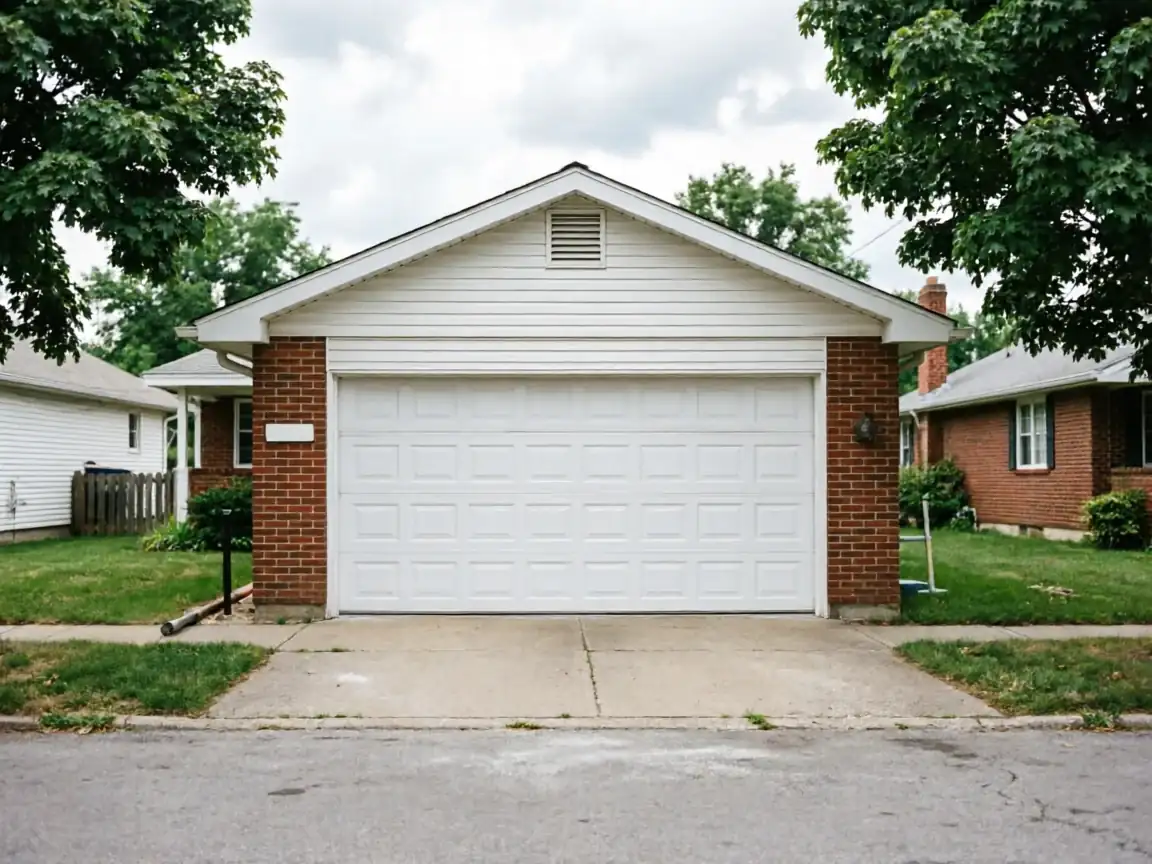
Most houses in Clive went up around 1995, which puts the typical garage door here at a steel sectional, usually a 16-foot double or a 9-foot single, hung on a standard torsion spring and a factory-width track. That's a newer setup than you'll find on the older blocks closer to Des Moines, and it matters because parts for a 1995-era door are still made - you're not hunting down an obsolete bracket or a discontinued panel profile.
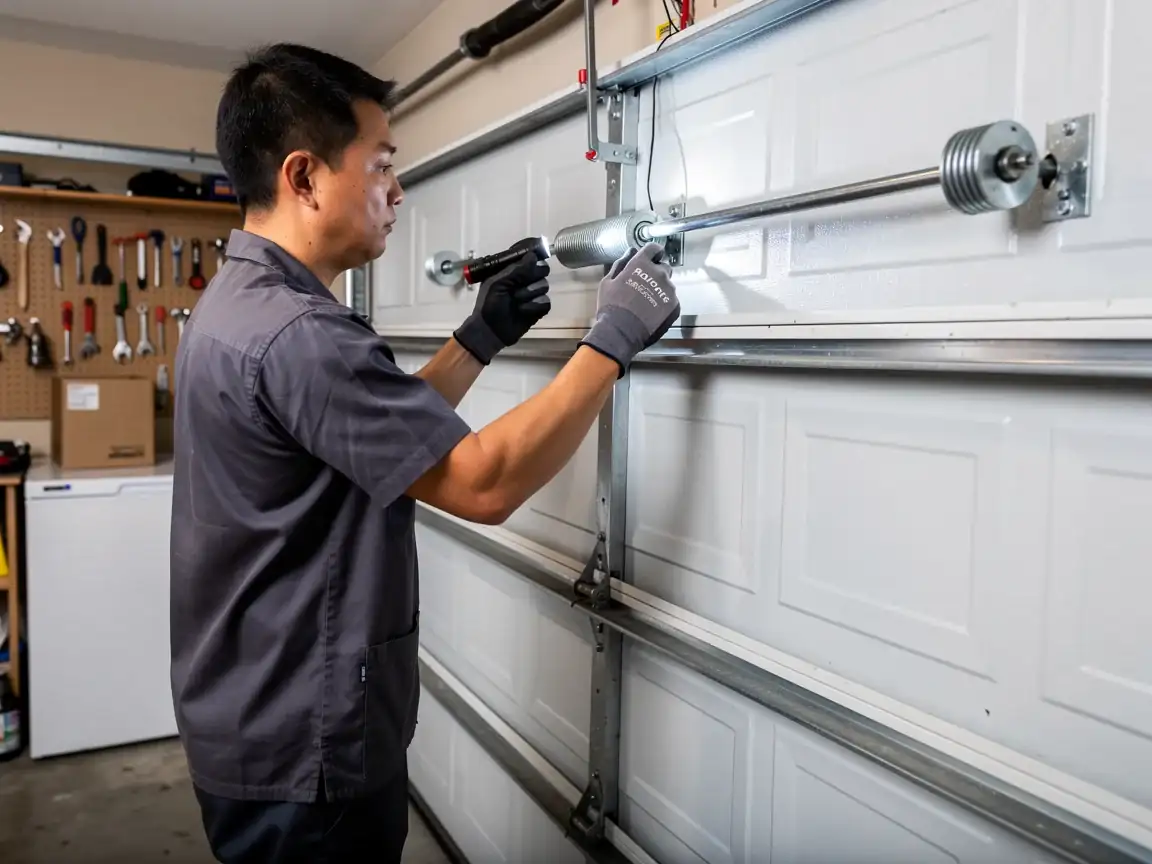
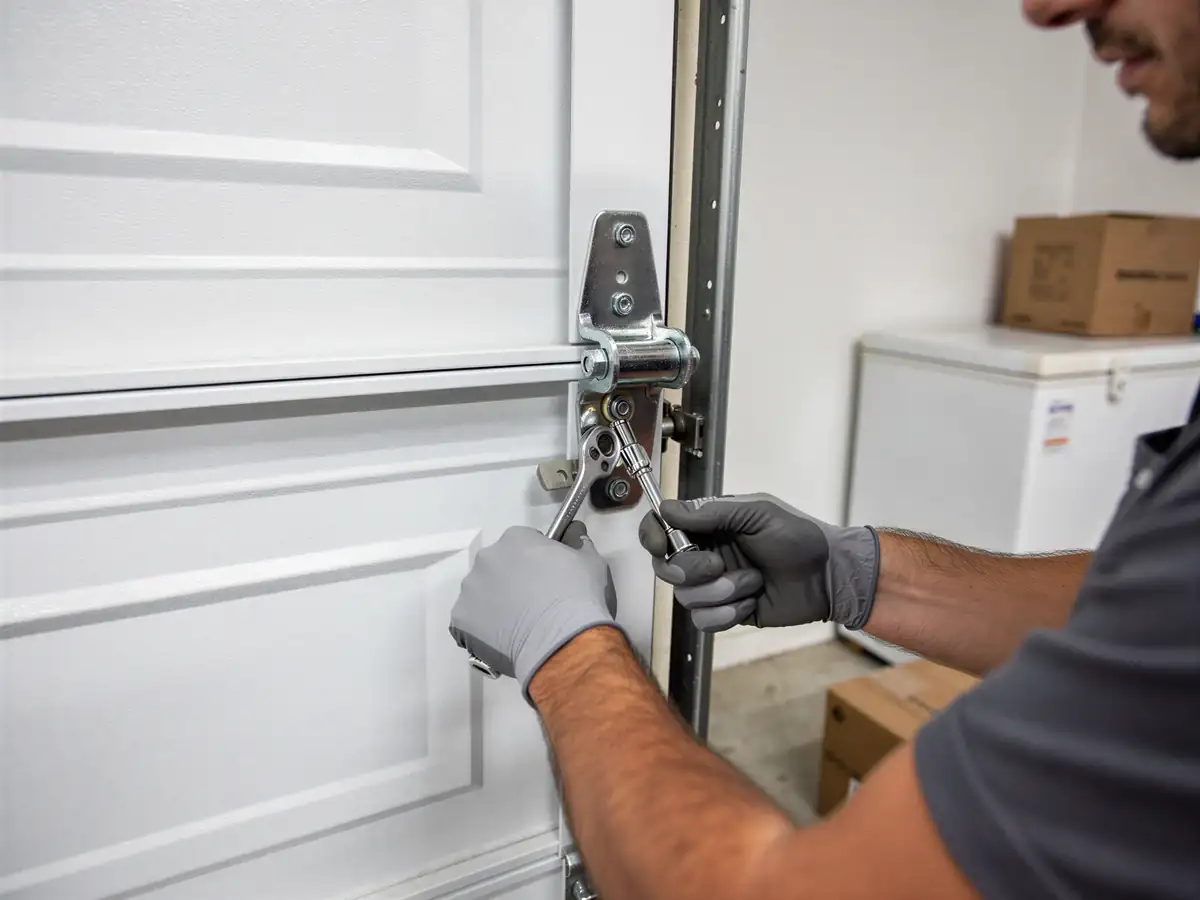
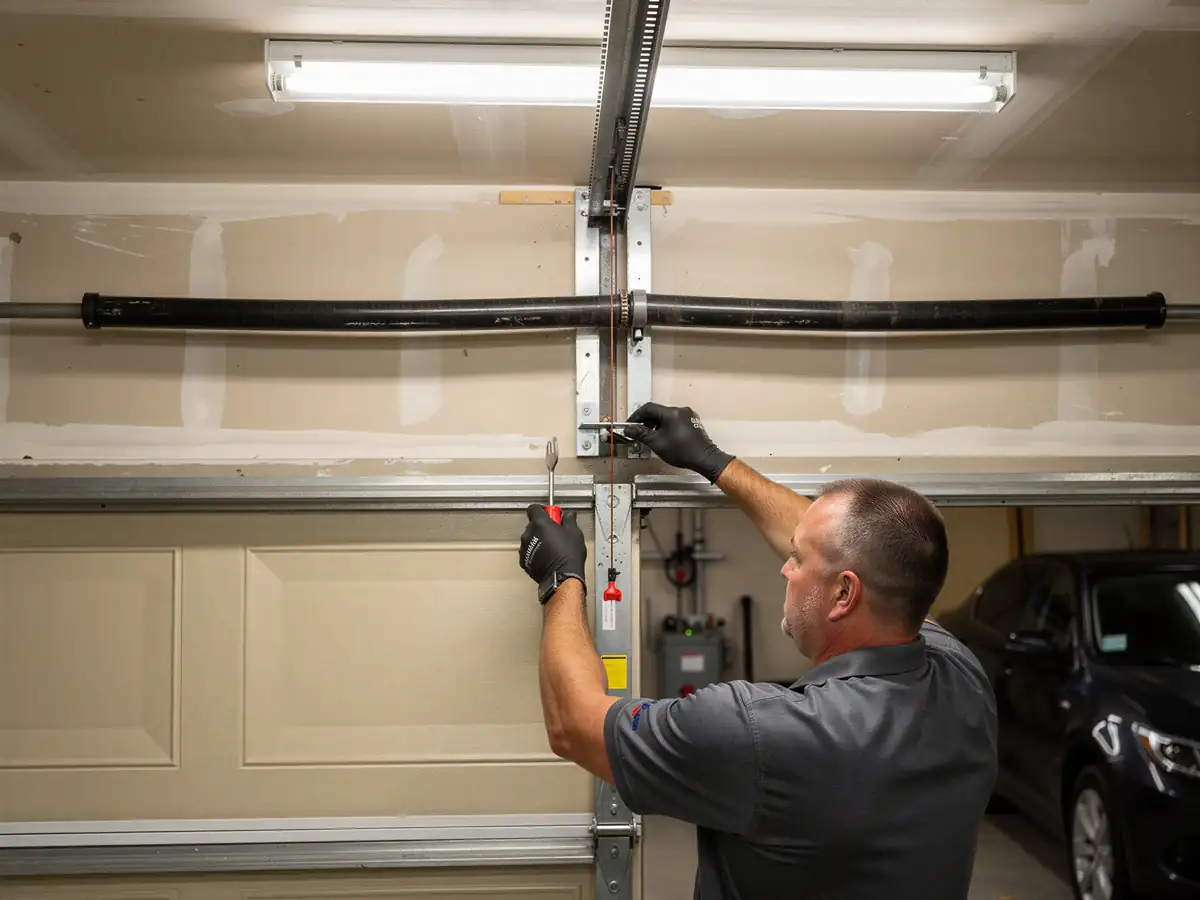
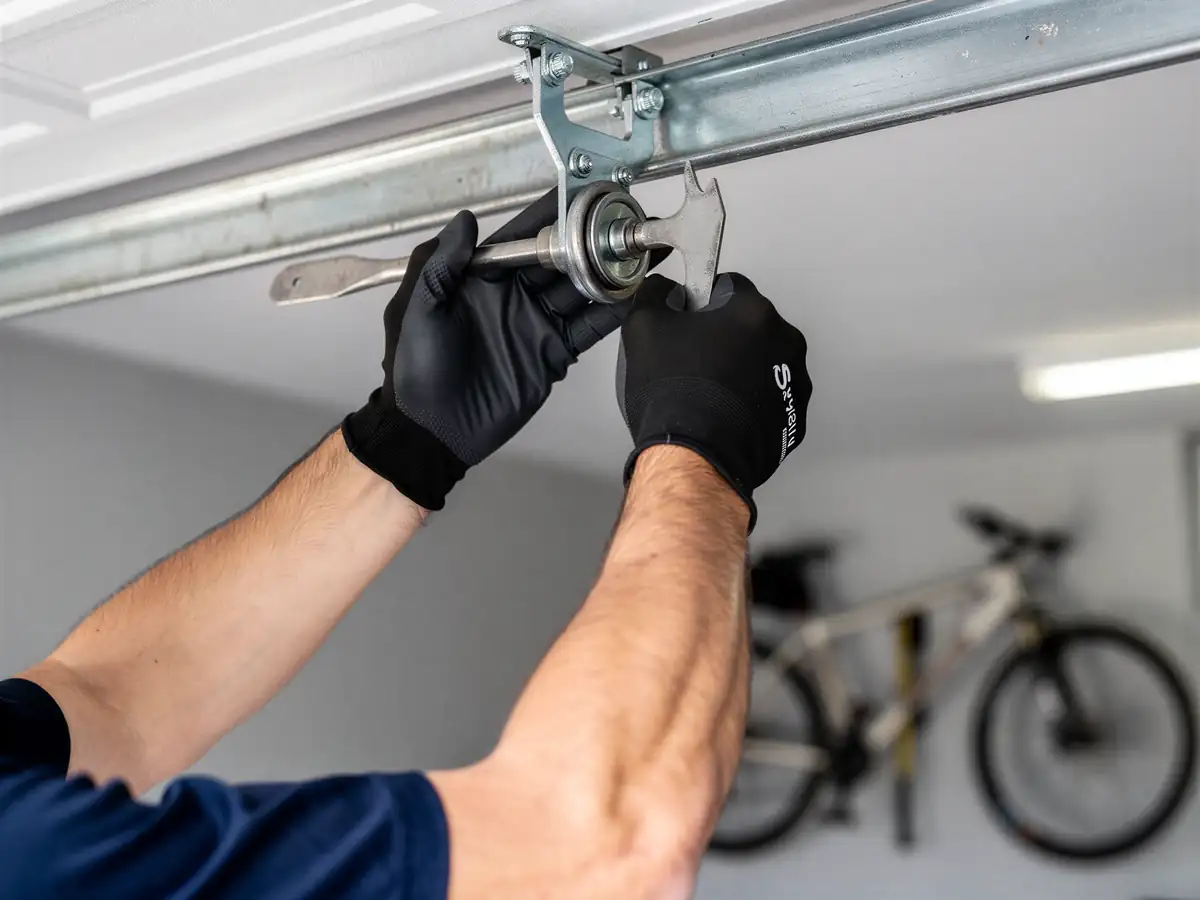
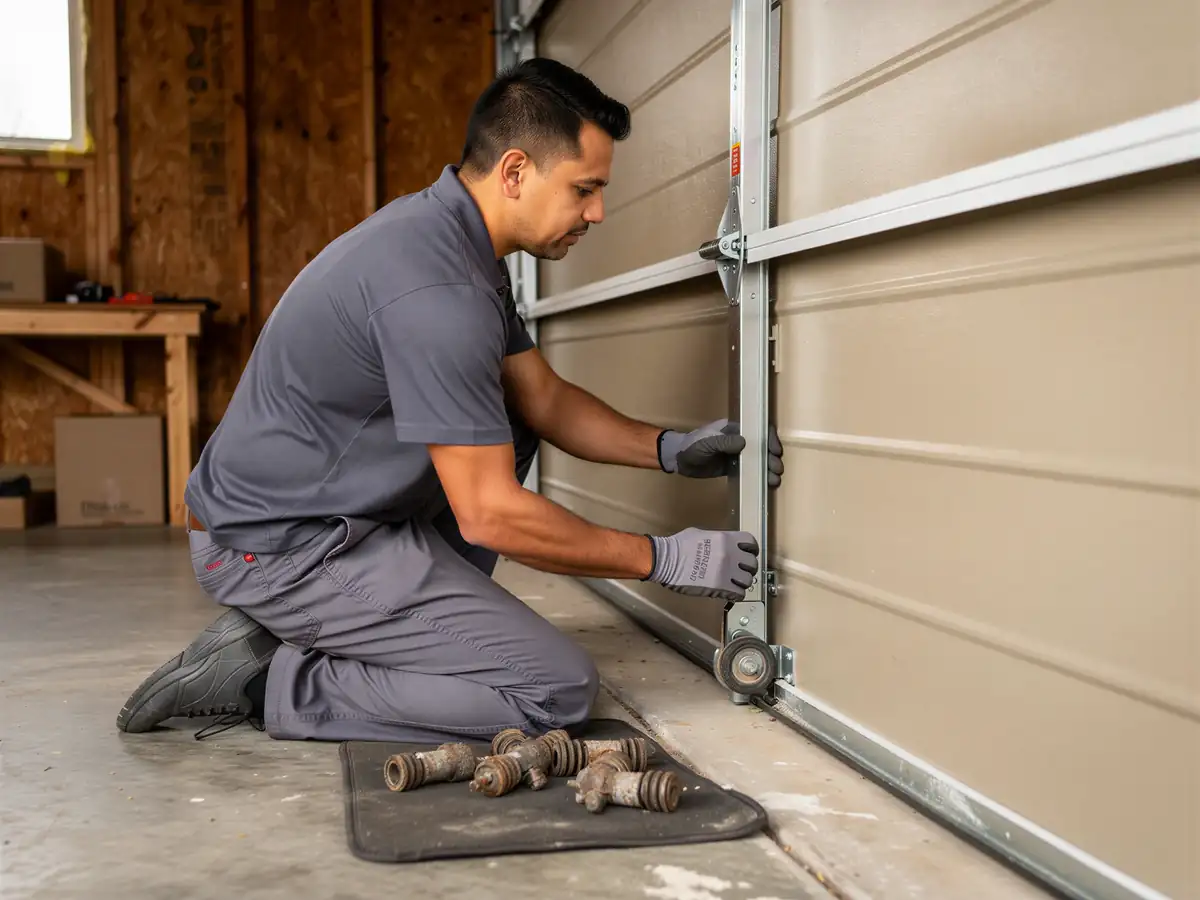
That said, a torsion spring under full tension can put someone in the ER if the winding bar slips, full stop. Swapping a broken spring, replacing cables, or realigning a bent track are jobs where the margin for error is a trip to urgent care, not a bruised thumb. Tightening loose hinge bolts, lubricating rollers, or replacing weatherstripping - those you can do with a stepladder and twenty minutes. Anything involving the spring, the cable drum, or the opener's travel limits is where we'd tell you to call instead of climbing on a ladder with a wrench.
Why This Fails Locally
Clive sits about 10 miles from where we're based in Des Moines
And the housing stock here skews newer than a lot of the service area - most of it built between 1959 and 2009 with a median around 1995, same as Clive's own number. That means fewer of the ancient one-piece doors we see on older blocks, but it also means a lot of these torsion springs and openers are now 25 to 30 years old, which is right around when the factory-rated cycle count on a spring starts running out.
- 10 miles
- 30 years
The area sits in a cold-moderate climate band
And a door built for 1995 spec wasn't engineered with the insulation or weatherstripping standards that come standard now. Combine that with a household income here well above the wider service area's median, and what we see in Clive calls isn't deferred maintenance from neglect - it's a spring or opener logic board that simply reached the end of its rated life on a door that was otherwise taken care of.
What It Costs
We don't have a price list specific to Clive to hand you here, and any number we gave you without seeing the door would be a guess dressed up as a quote. What we can tell you is what drives the cost on a typical 1995-era door: whether it's a single spring or a pair, whether the opener needs replacing alongside the spring, and whether the track or drum shows wear that a spring swap alone won't fix.
One honest limitation: if your opener is original to the house, parts for a logic board that old can take longer to source than the spring itself, and sometimes a full opener swap ends up cheaper than chasing down a matching control board. We'll tell you straight if that's the case instead of running up a bill trying to save a part that isn't worth saving.
What The Fix Involves
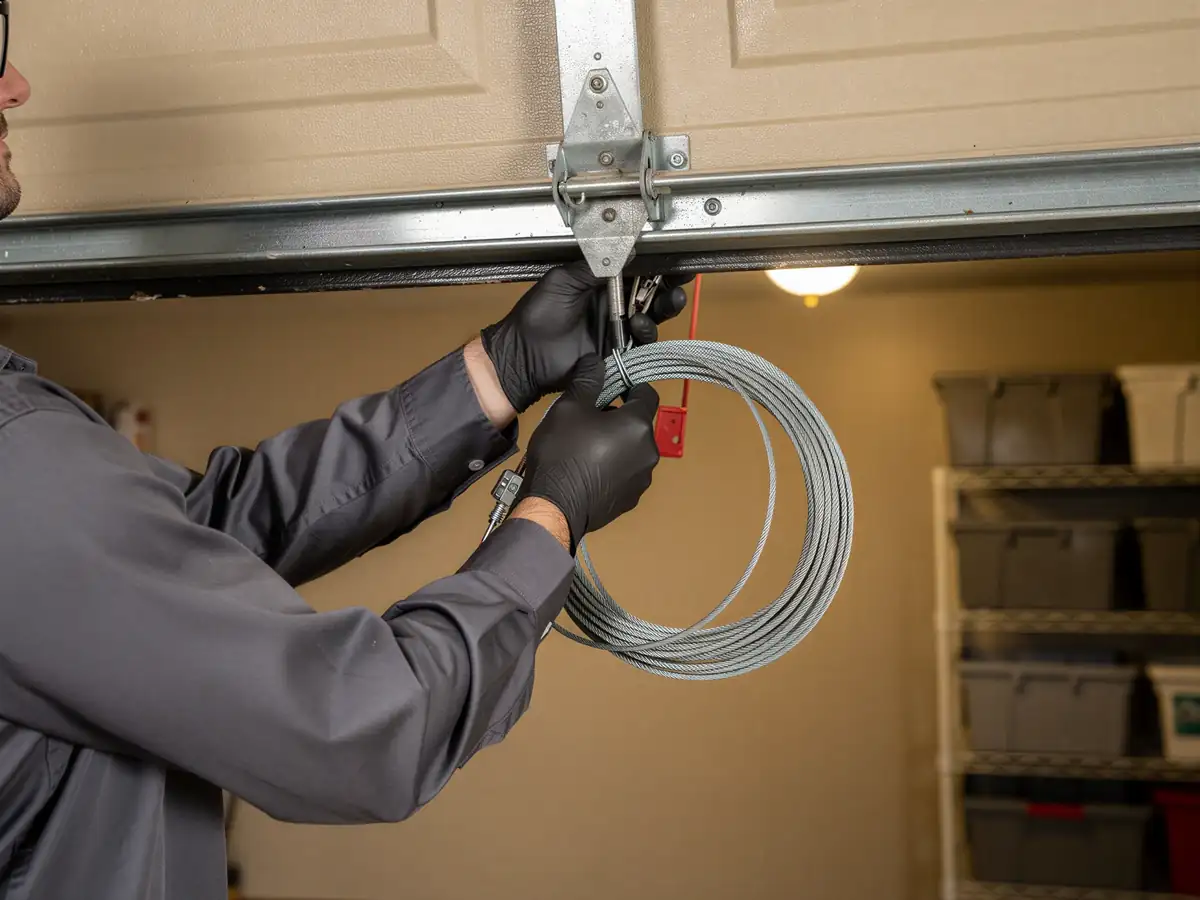
On a standard torsion-spring door from the Clive era, the fix usually starts with measuring the existing spring's wire size and wind - 1990s doors were built to fairly consistent factory specs, so matching parts isn't the hunt it can be on older stock. We unwind the old spring with winding bars, pull the cable drums if the cables are frayed, and check the track for the kind of out-of-plumb bend that a slammed car door or a decade of settling can cause.
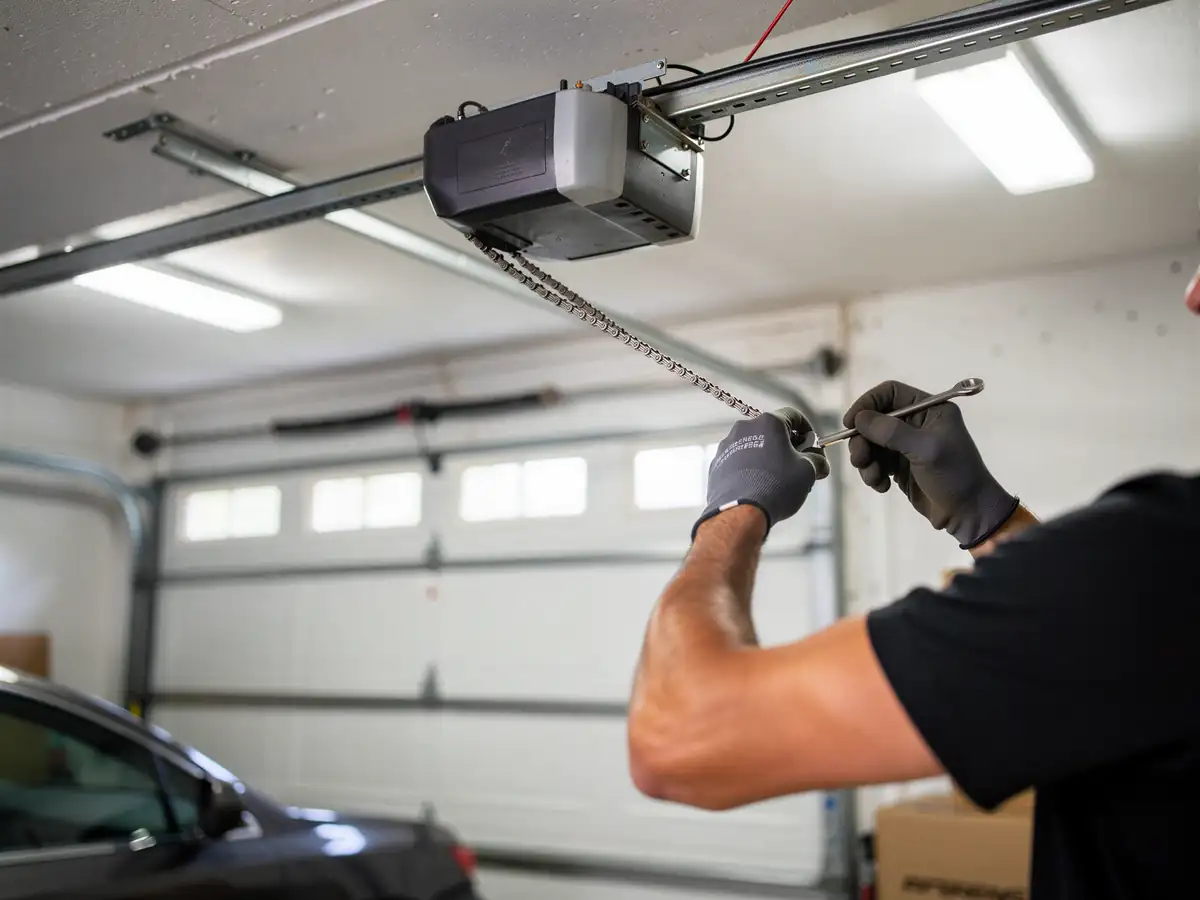
If the opener's original, we test the travel limits and the force settings before touching anything else - a door that's been straining against a misadjusted opener for years often needs more than a spring to run right again. We don't replace parts that are still within spec just because they're old; a working roller or a sound panel gets left alone. The goal is getting the door back to moving the way it did when the house was built, not selling you a full teardown you don't need.