Why This Fails Locally
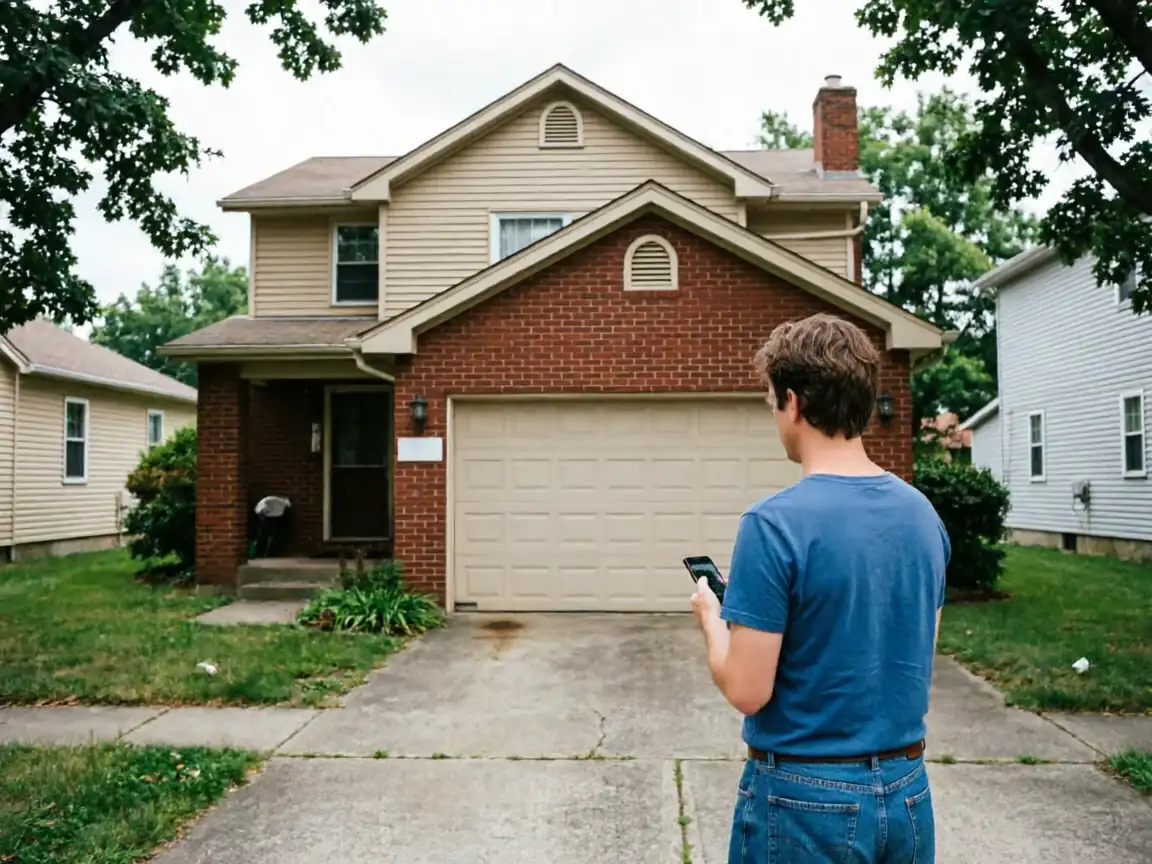
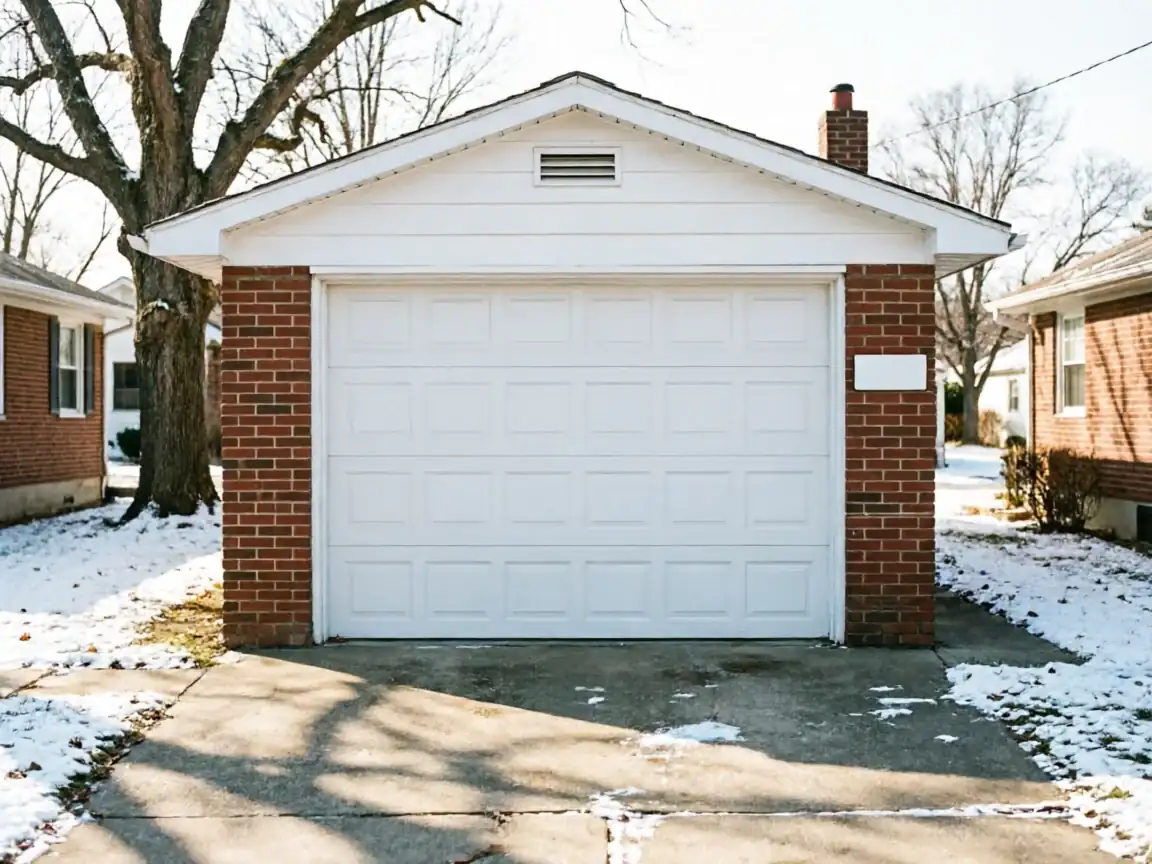
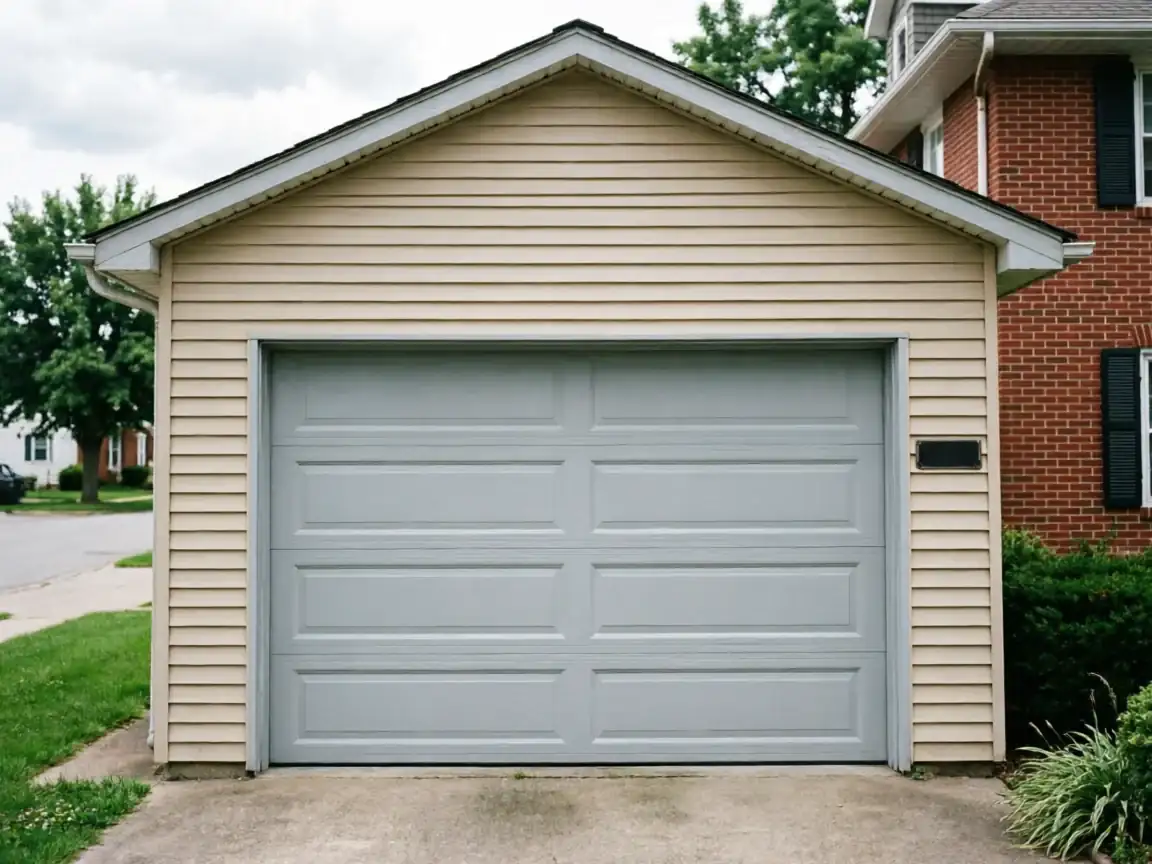
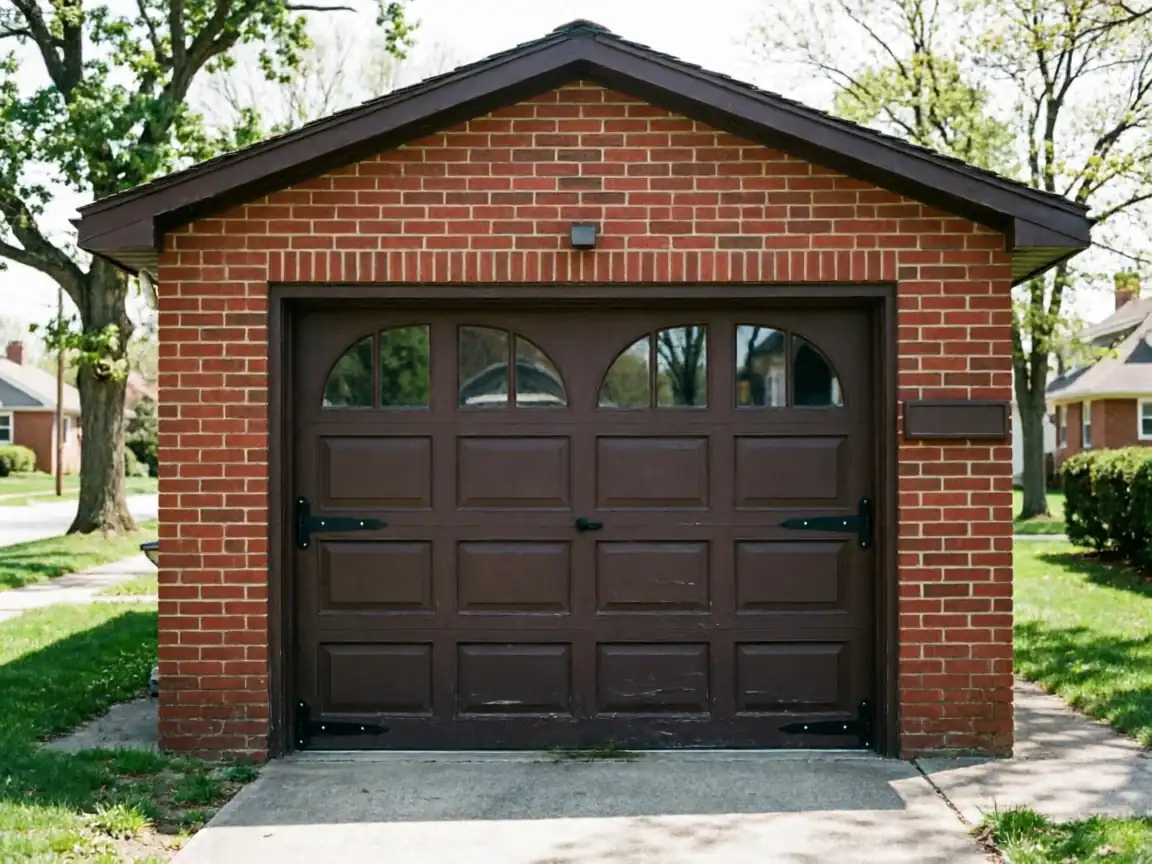
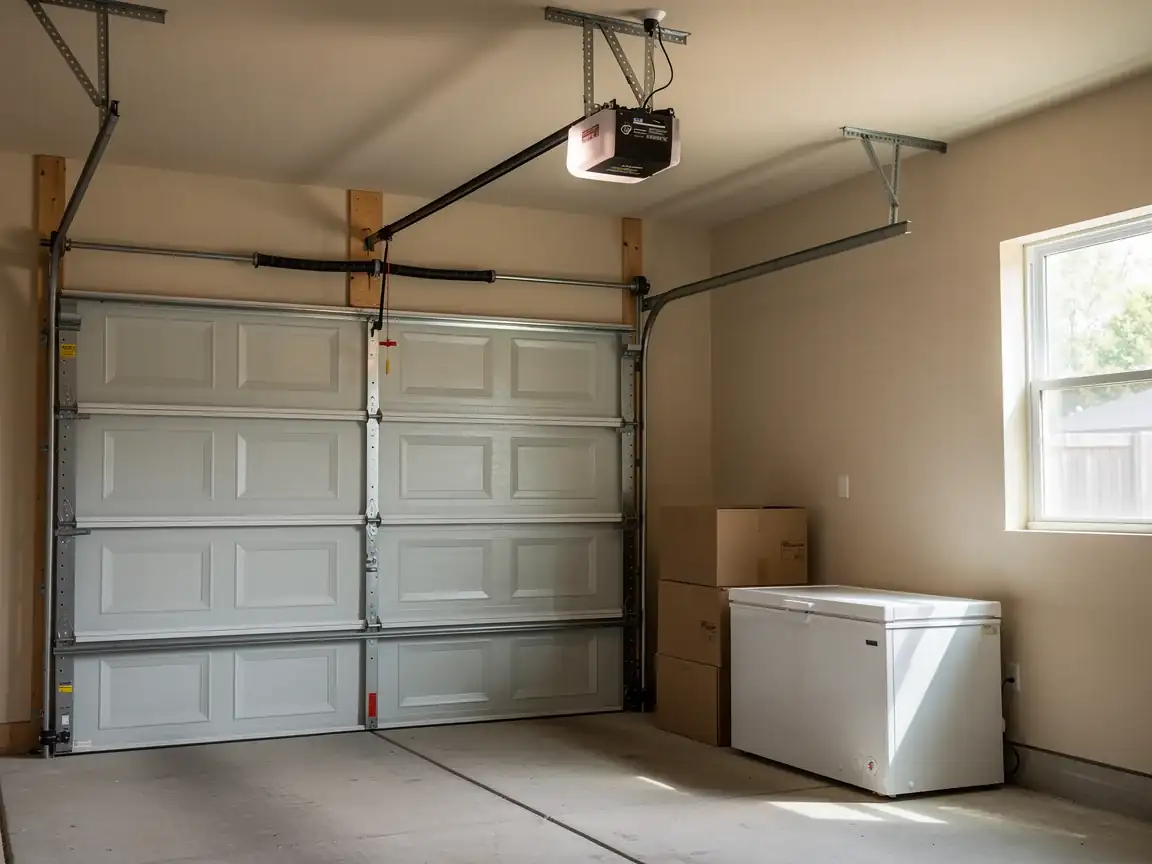
The typical Urbandale house went up around 1992, which puts it on the newer edge of the service area's 1959-2009 build range. That year matters because of what it tells you about the door itself: a steel sectional door, almost certainly a 16-foot double or a pair of 9-footers, hung on torsion spring hardware mounted on a header above the opening. By 1992 the old side-mounted extension spring setups were already on their way out in new construction, so if your door is original, it's running torsion.
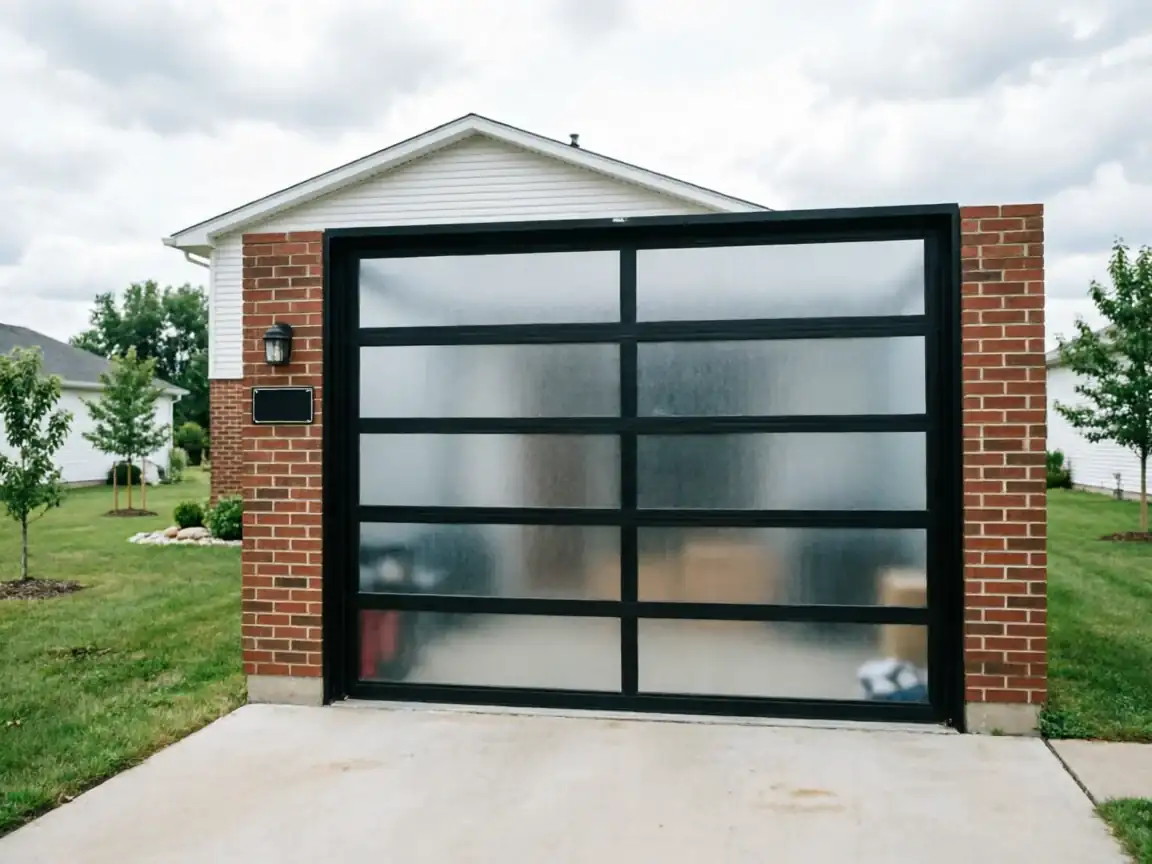
Thirty-plus years on torsion springs is a long run. Steel fatigues with every cycle, and a door that goes up and down a few times a day for three decades has put a lot of cycles on that spring. The panels themselves hold up fine - steel doesn't rot - but the hardware that lifts them wears out quietly until one day it doesn't lift at all, or it lifts crooked. At a median household income of $113,086, a lot of these owners are replacing worn doors with insulated models rather than patching old ones, which is a reasonable call once a door's hardware and panels are both aging out together.
Can You Do This Yourself
Some of this is fine to do on your own
Lubricating rollers and hinges, tightening loose hardware on the tracks, checking that the photo-eye sensors near the floor are aligned and clean - all of that is homeowner work and it extends the life of a door that's already past thirty.
Torsion springs are a different matter
A torsion spring under tension holds enough stored force to break a wrist or worse if the winding bars slip, and the tools to do it safely aren't something most garages have lying around. We don't recommend DIY torsion spring work, full stop - not because it's complicated to explain, but because the margin for error is small and the consequence of getting it wrong is an ER visit, not a redo. If your door is sticking, binding, or came off track, that's also a job for a tech rather than a weekend project - a bent track looks like a quick bend-it-back fix and usually isn't.
What you can judge yourself
If the door is noticeably heavier to lift by hand than it used to be, or one side drops faster than the other when you release it, that's spring wear talking. Call before it fails outright.
The Symptom
On a door built around 1992, the most common complaint we hear is the door that starts to open, gets partway up, and stalls or reverses. That's usually a spring that's lost enough tension that the opener is doing work it was never sized for, and the opener's force sensors kick in to protect the motor.
A close second is the door that closes unevenly - one corner drops before the other, or the door racks slightly in the frame as it comes down. That points to a cable or roller issue on one side rather than the spring, since a spring problem usually shows up symmetrically. Either way, these are hardware-age symptoms, not opener-age symptoms; the opener itself, if it's been swapped out over the years, may be newer than the springs and tracks that came with the house.
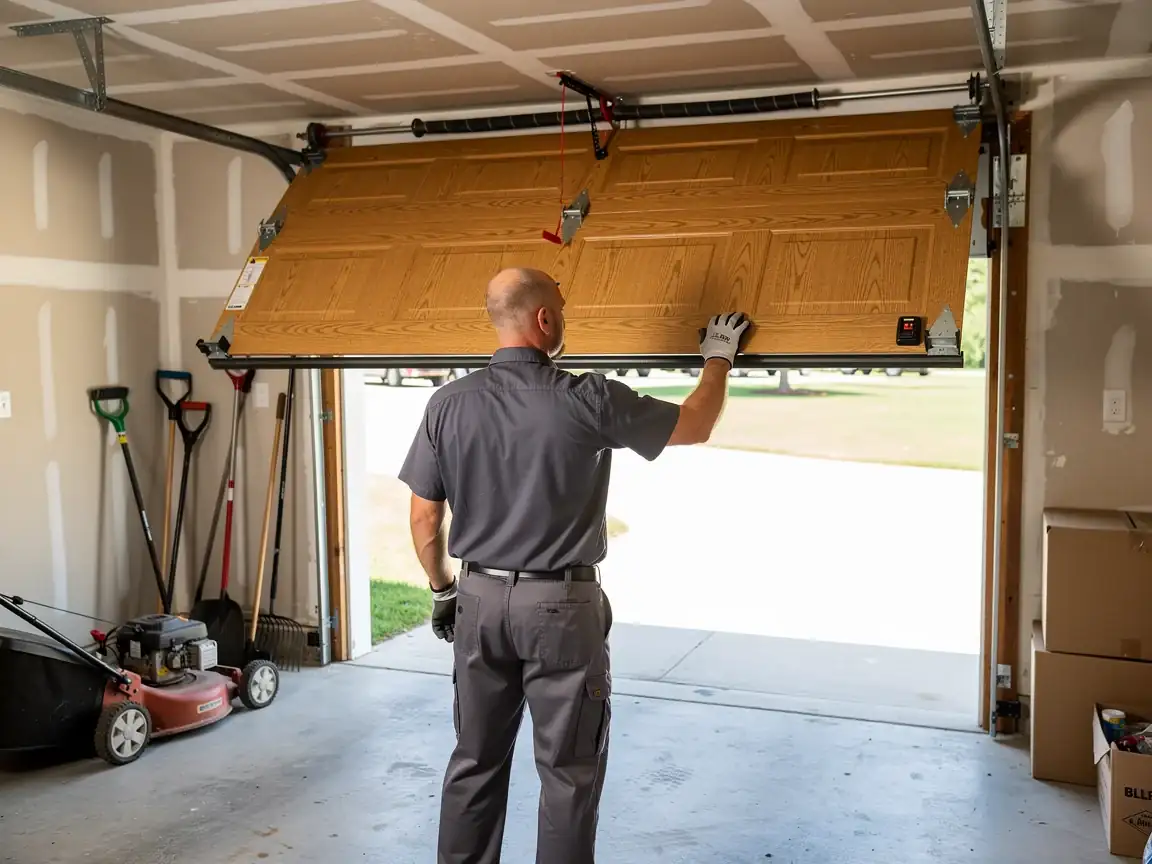
A door that's gone silent on one side - no resistance, just dead weight - means a spring has actually snapped, not just weakened. That's not a lubrication fix. It's a full stop until the spring is replaced, because the opener alone can't lift a double door's weight without spring assistance.
What the Fix Involves
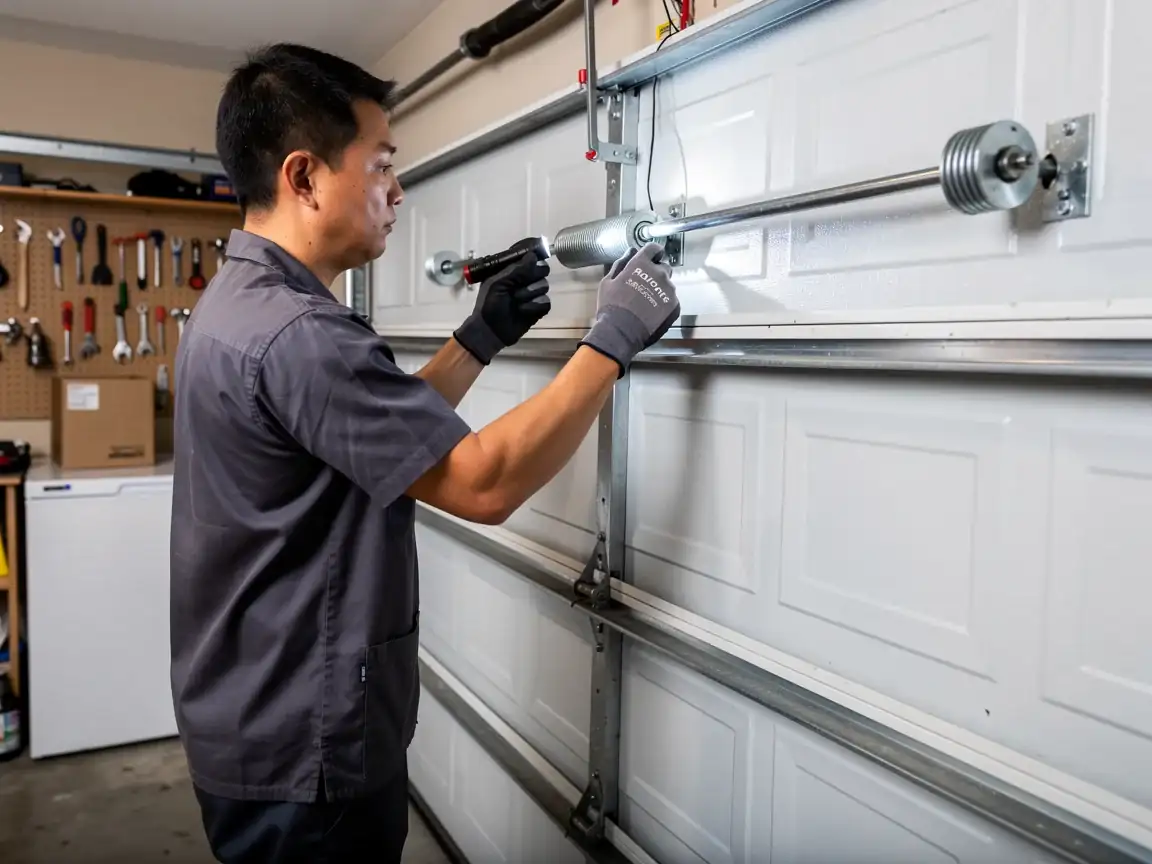
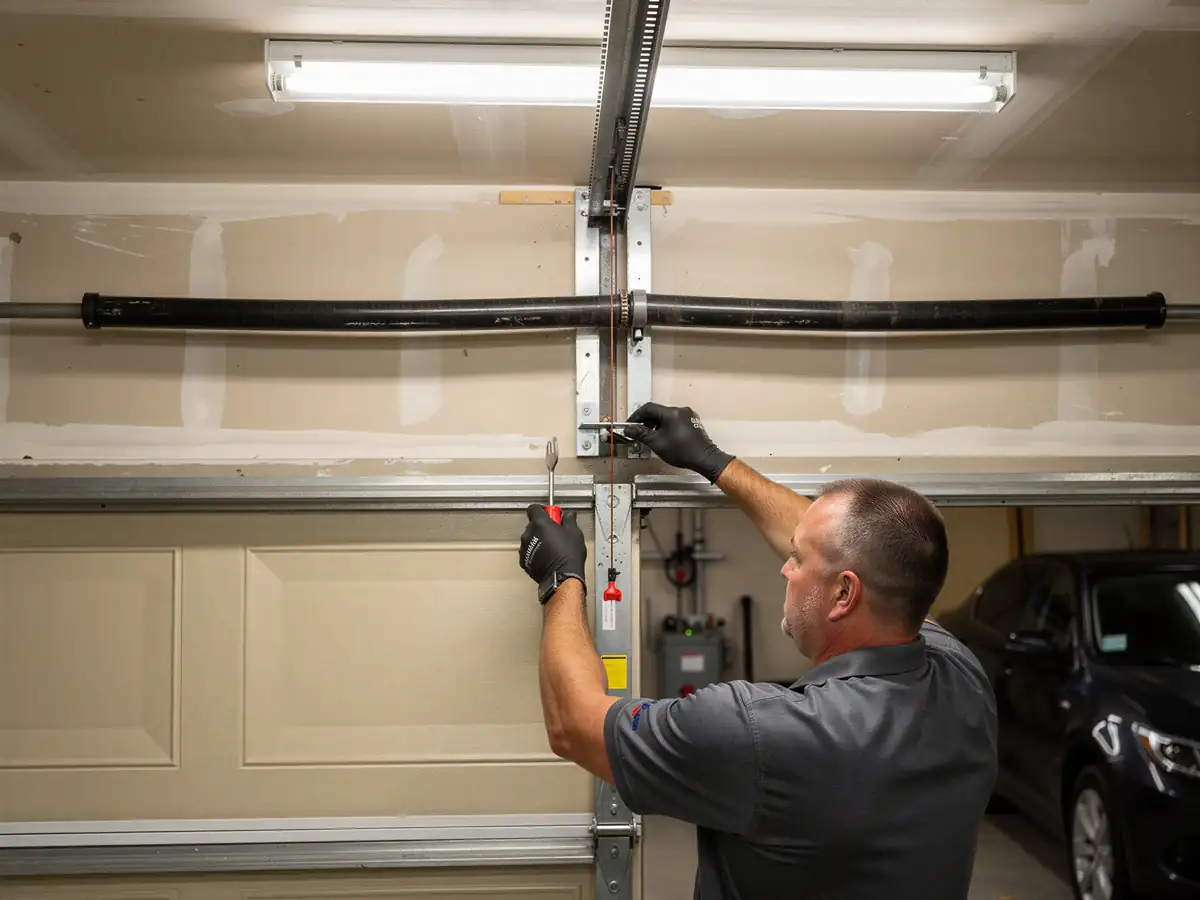
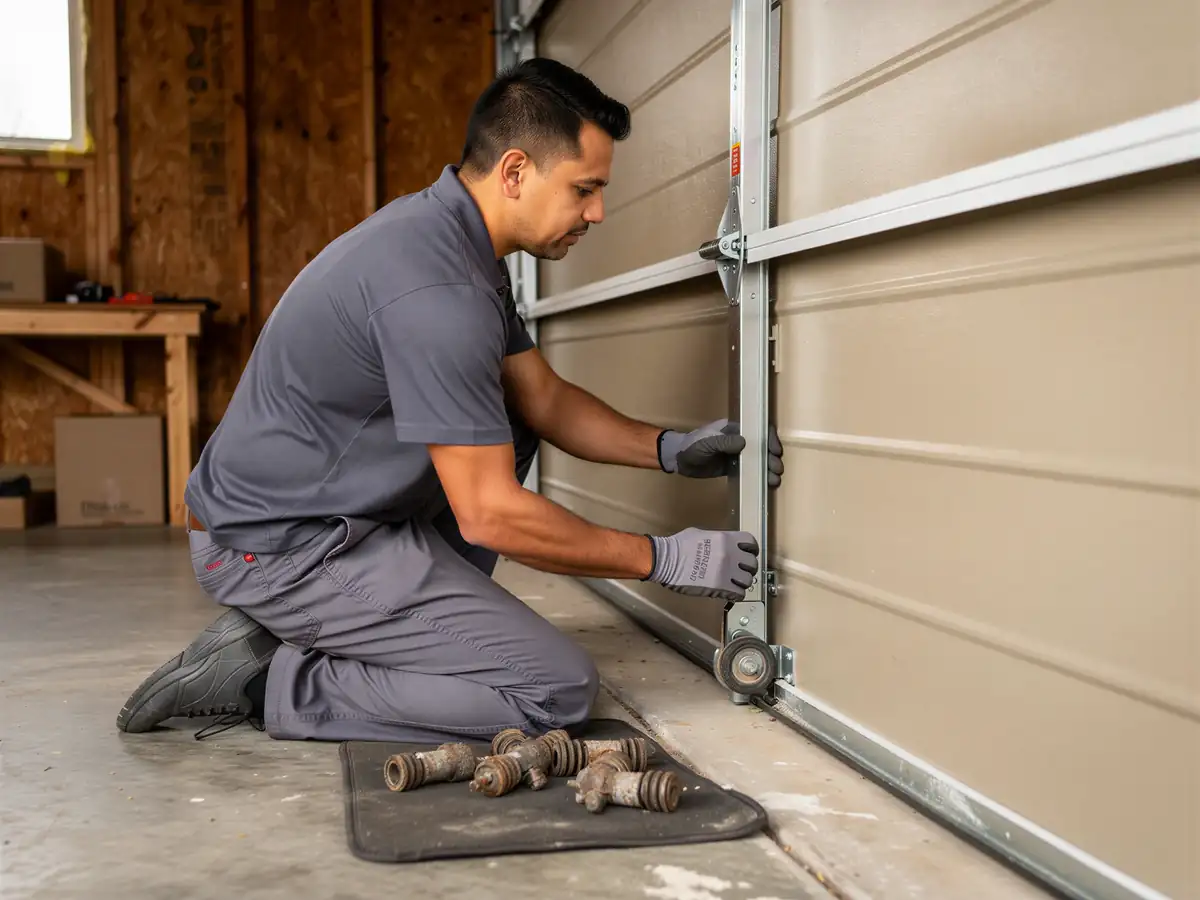
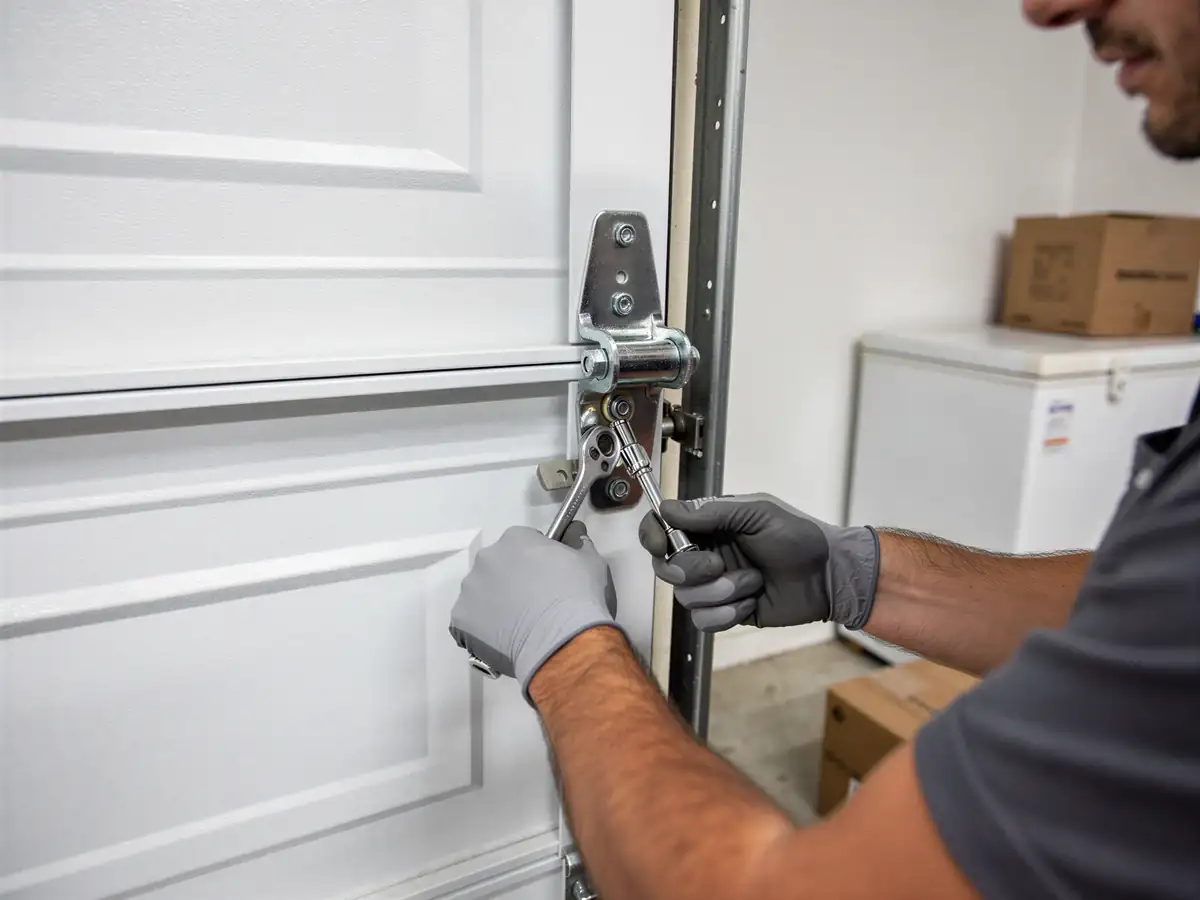
For a spring job on a door this age, we're matching new torsion springs to the door's actual weight and the drum size on the shaft - not just swapping in whatever's close. Get the wind count or wire gauge wrong and the door either slams down or won't stay up, so we measure rather than guess.
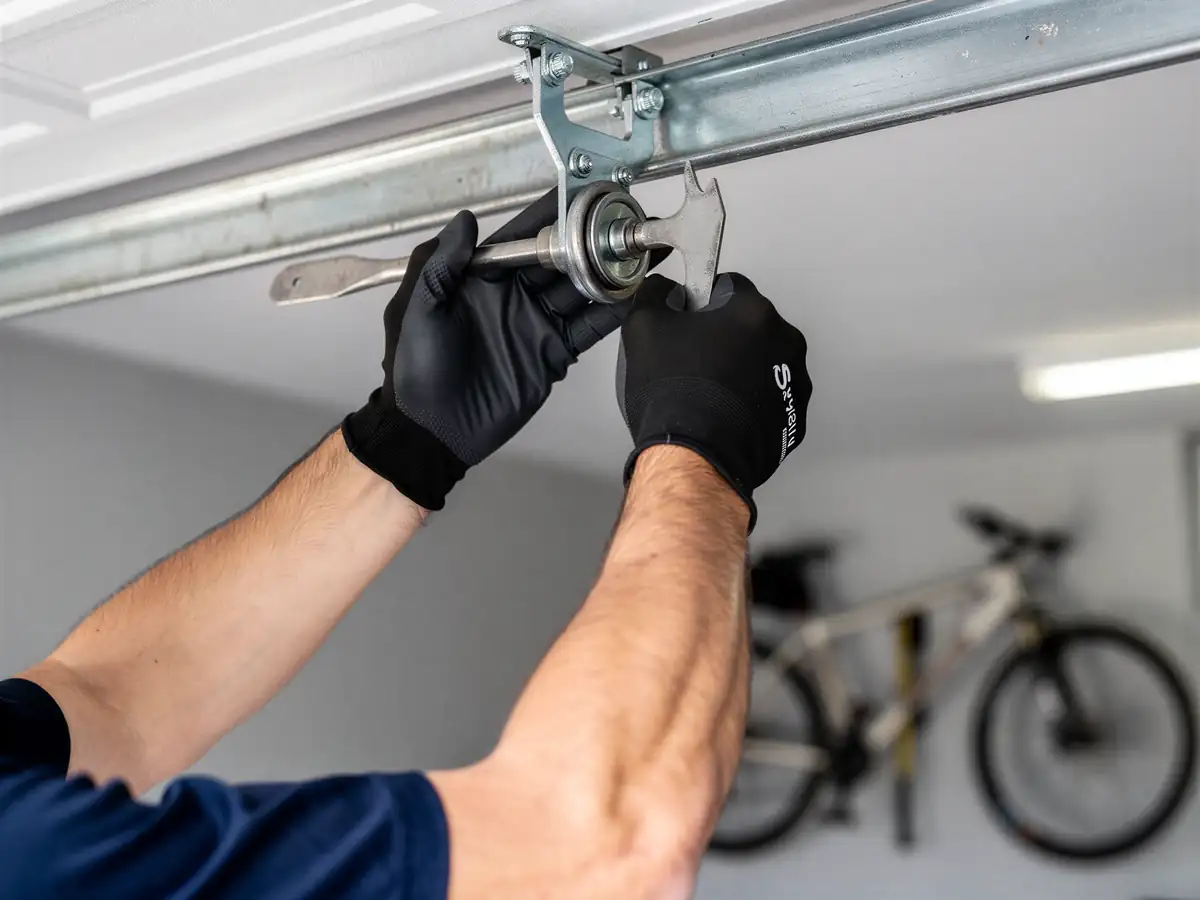
We also check the track alignment while we're in there, since thirty years of settling and seasonal ground movement can throw tracks out of plumb by enough to cause binding, even when the spring is the real complaint. Rollers get inspected too - steel rollers original to a 1990s door are usually loud and often cracked by now, and swapping them for nylon is a cheap upgrade while the door's already apart.
Given the cold winters here, we also look at weatherstripping and the bottom seal, since a door built before insulation was standard practice often has none worth mentioning. Cold makes steel brittle and lubricant thick, so a winter spring failure is harder on hardware than a summer one. We use lubricant rated for the temperature swing rather than whatever's on the shelf.
What It Costs
We don't have a flat number to put here
Because what a job costs on an Urbandale door depends on what's actually failed - a single broken spring on a 9-foot door is a different job from both springs going on a 16-foot double, and a cable or roller repair is different again from a full spring replacement.
What we can tell you is what drives the number up or down
Door width and weight, whether one or both springs need replacing, whether the drums or cables show wear alongside the spring, and whether the tracks need realignment or just a spring swap. A door original to a 1992 build is more likely to need more than one thing fixed at once, simply because everything's aged together.
We'll give you the actual number after we look at the door, not before
If a repair starts to approach what a new door costs - which can happen on a door this old once you're replacing springs, rollers, and weatherstripping all at the same visit - we'll say so plainly rather than nickel-and-dime you through parts one at a time.
The Complications
The honest limitation here is parts. Hardware made for doors from the early 1990s isn't always something we can grab off the truck - some drums, end bearing plates, and older opener logic boards are discontinued, and getting an exact match can mean a short wait rather than a same-visit fix. When that happens, we tell you up front rather than installing something that's close enough and hoping.
The other wrinkle is scope creep. Once a tech is inside a thirty-year-old header replacing a spring, it's common to find a track that's also due, or a bottom seal that's cracked through from years of cold-weather flexing. We'll flag what we see, but we only fix what you approve - we're not going to run up a bill on extras you didn't ask for.
And because this job comes from our Des Moines shop rather than a branch in Urbandale itself, we work the visit around the drive - the 10 miles out doesn't change the repair, but it does mean we schedule rather than drop by on a whim. For anything that looks like it needs more than a spring and some rollers, replacement is sometimes the better call than another round of patching, and we'll tell you when we think that's true.