Why This Fails Locally
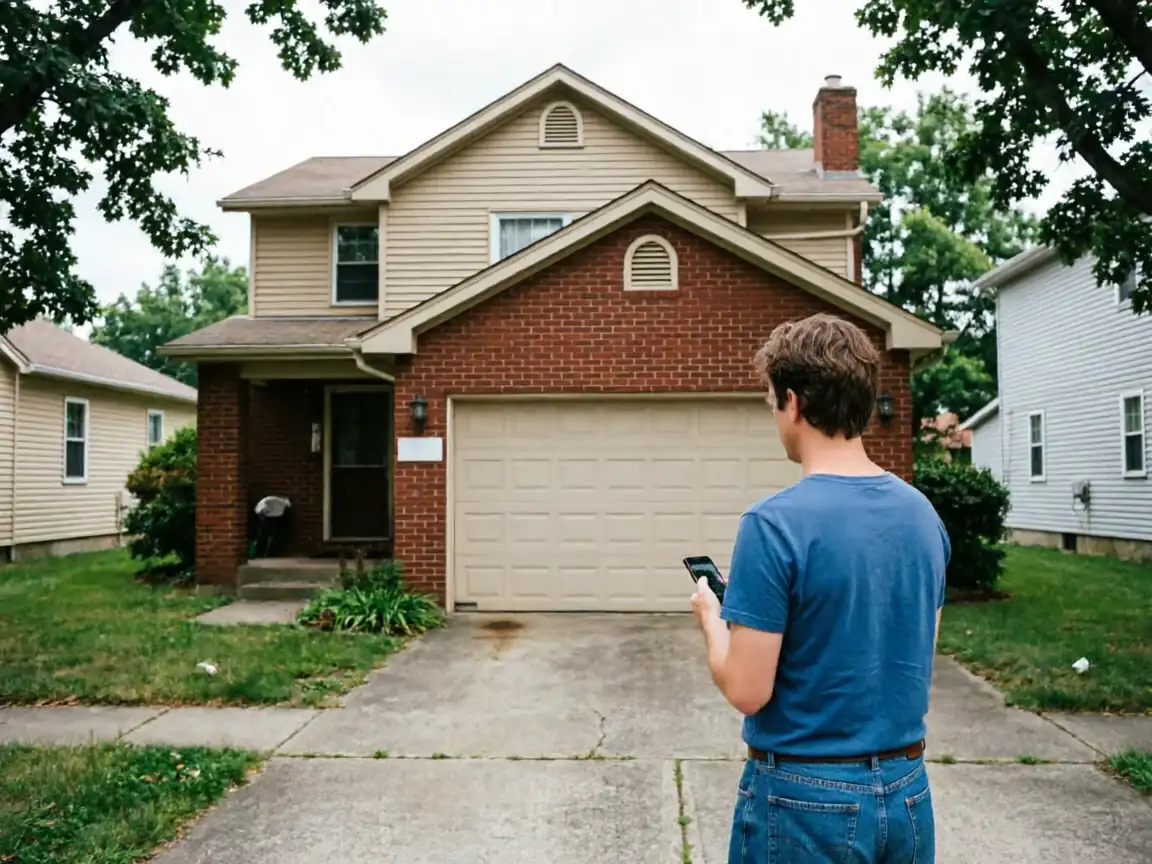
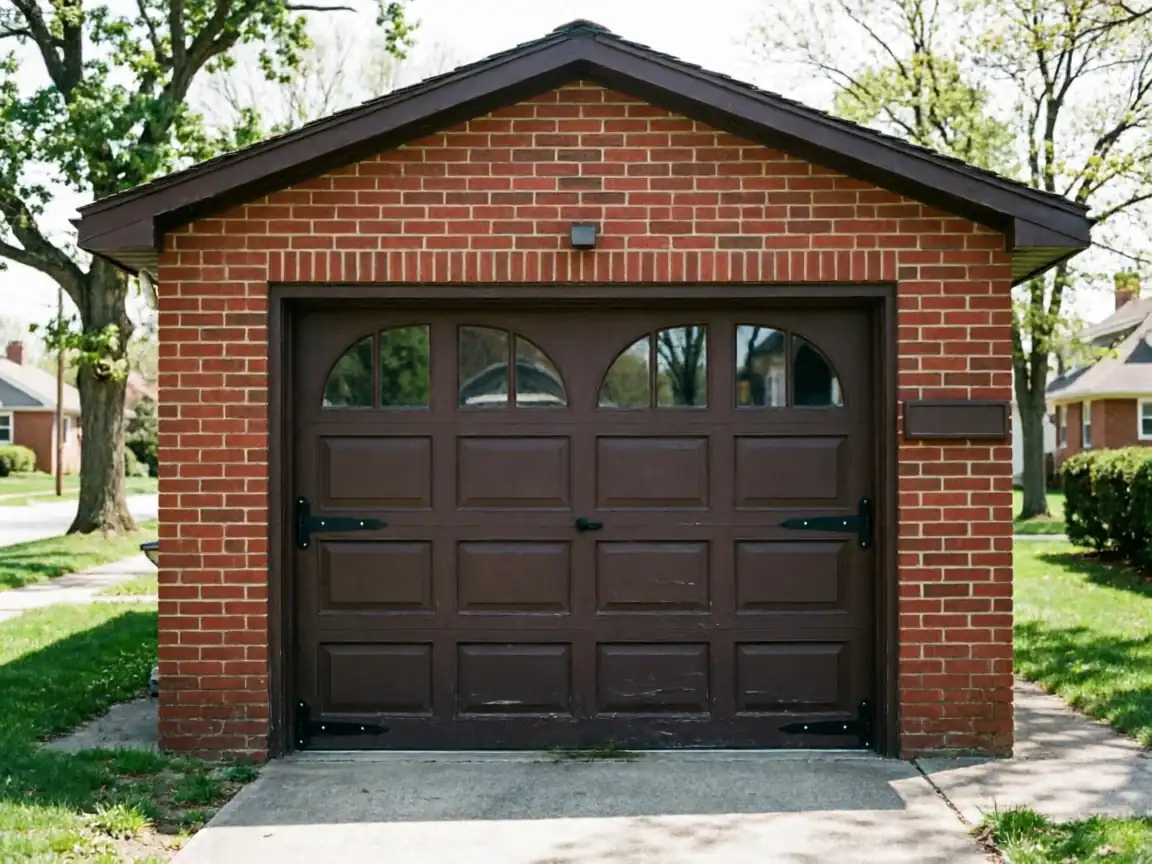
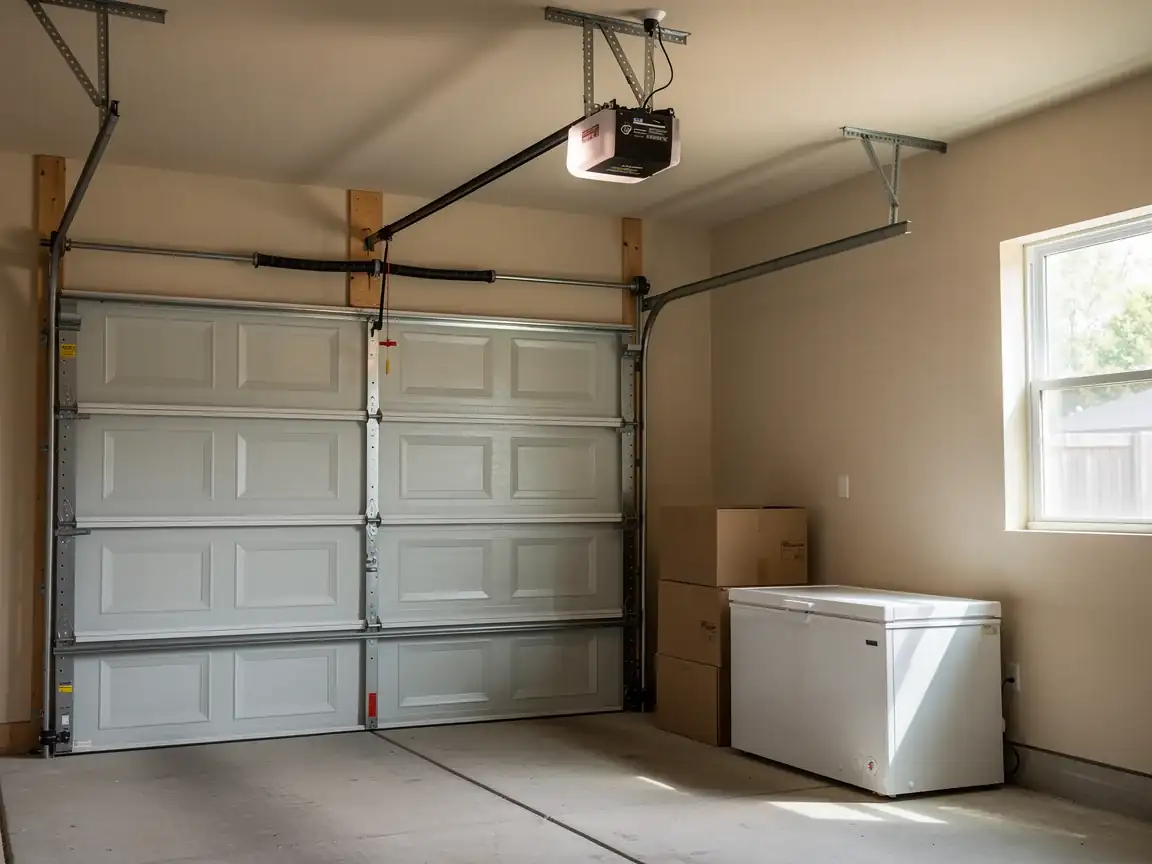
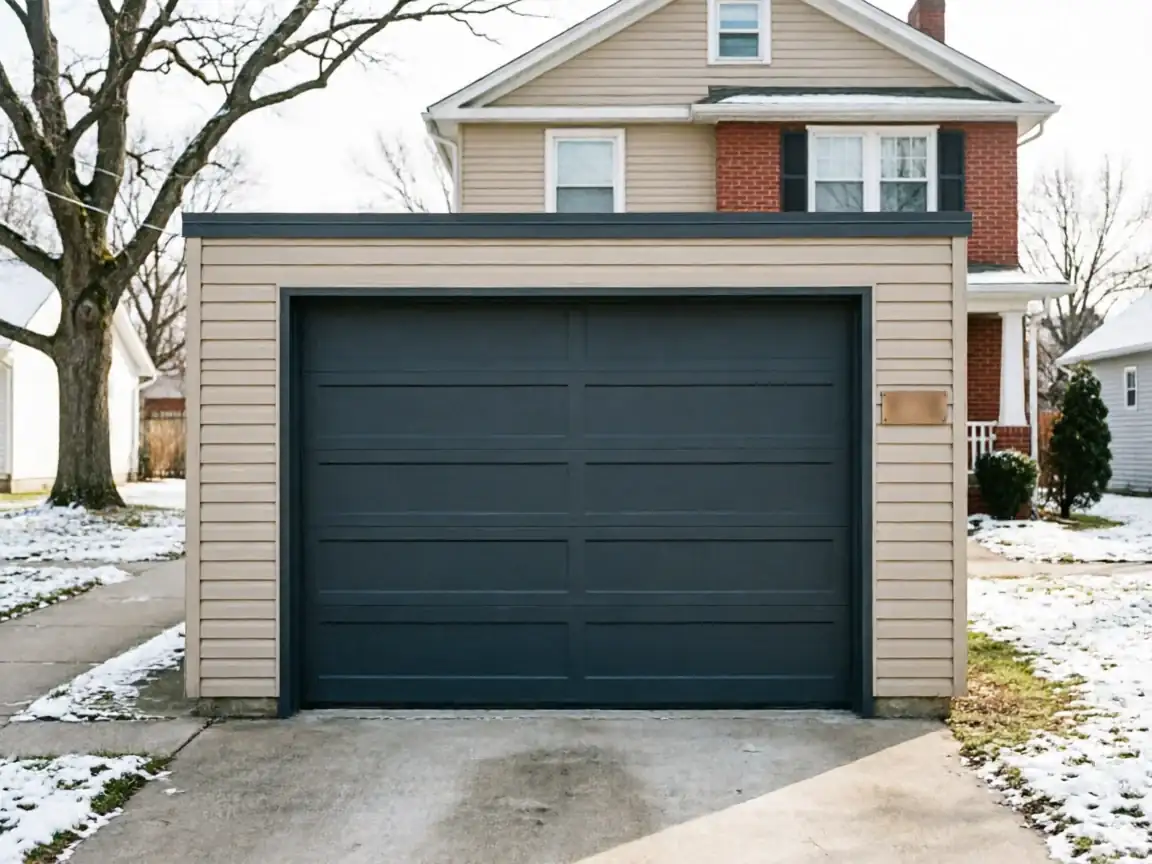
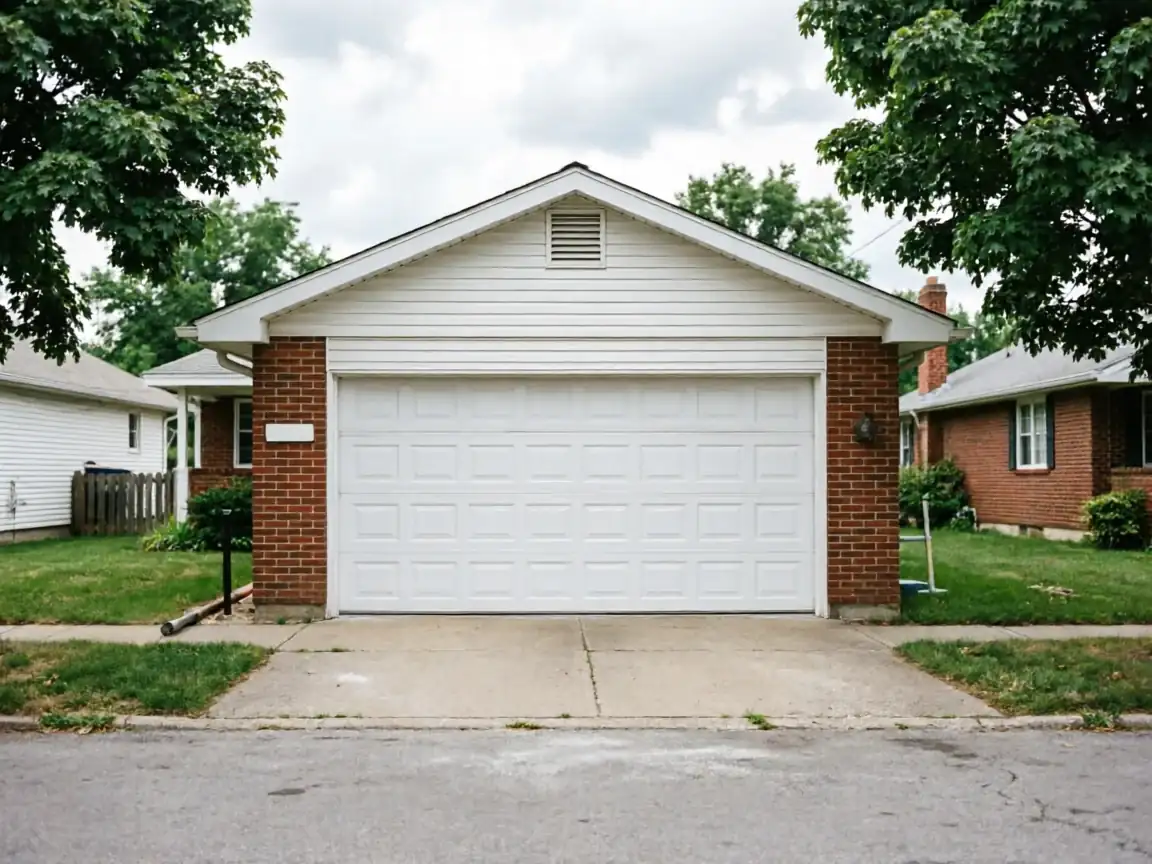
Urbandale sits ten miles from Des Moines, and that distance shapes how a job here gets scheduled - we build a route around it rather than treating every call as a one-off. Most of the houses we see went up between the early 1980s and the late 1990s, with a median build year around 1992, which puts a lot of this town squarely in the builder-grade steel door era. Those original doors were single-layer steel on torsion springs sized for a lighter door than what most homeowners want now, and after thirty years the springs are at or past their rated cycle count. Panels from that era also lack any real insulation value, which matters more here than it would somewhere with a milder winter - our region sits in a cold-moderate climate band, and an uninsulated door means a garage that never gets above the outside temperature by much. The failure isn't dramatic. It's a door that's gotten heavier to lift as the springs fatigue, an opener straining against weight it wasn't built for, and panels that have started to bow at the bottom corner from three decades of freeze and thaw. None of that shows up as an emergency. It shows up as a door that just feels wrong to use.
The Symptom
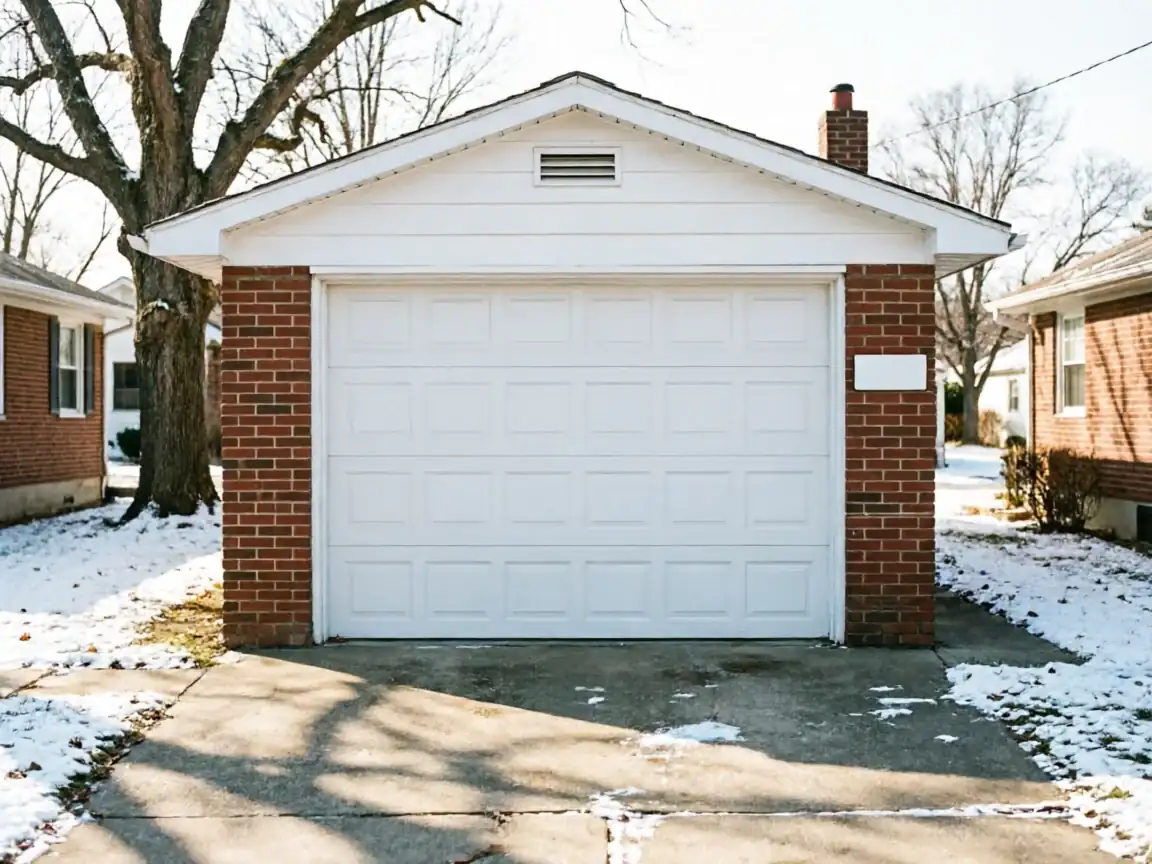
The door people call about is usually the one installed when the house was built, sometime in that 1980s-to-90s run. The telltale signs: a bottom panel that's started to pull away from the weatherstrip, visible daylight at the corners when the door's closed, and a noticeable draft of cold air across the garage floor in winter that wasn't there a few years back. Some homeowners notice frost forming on the inside of the door itself on the coldest mornings - a sign the steel has no insulation layer behind it, which was standard for the era but doesn't hold up well against a real cold-moderate winter. Others notice the opener laboring, making a higher-pitched strain noise partway through the cycle, which usually means the spring has lost tension relative to the door's actual weight. None of these on their own mean the door is dangerous, but together they mean it's past the point where a repair buys you much time.
What the Fix Involves
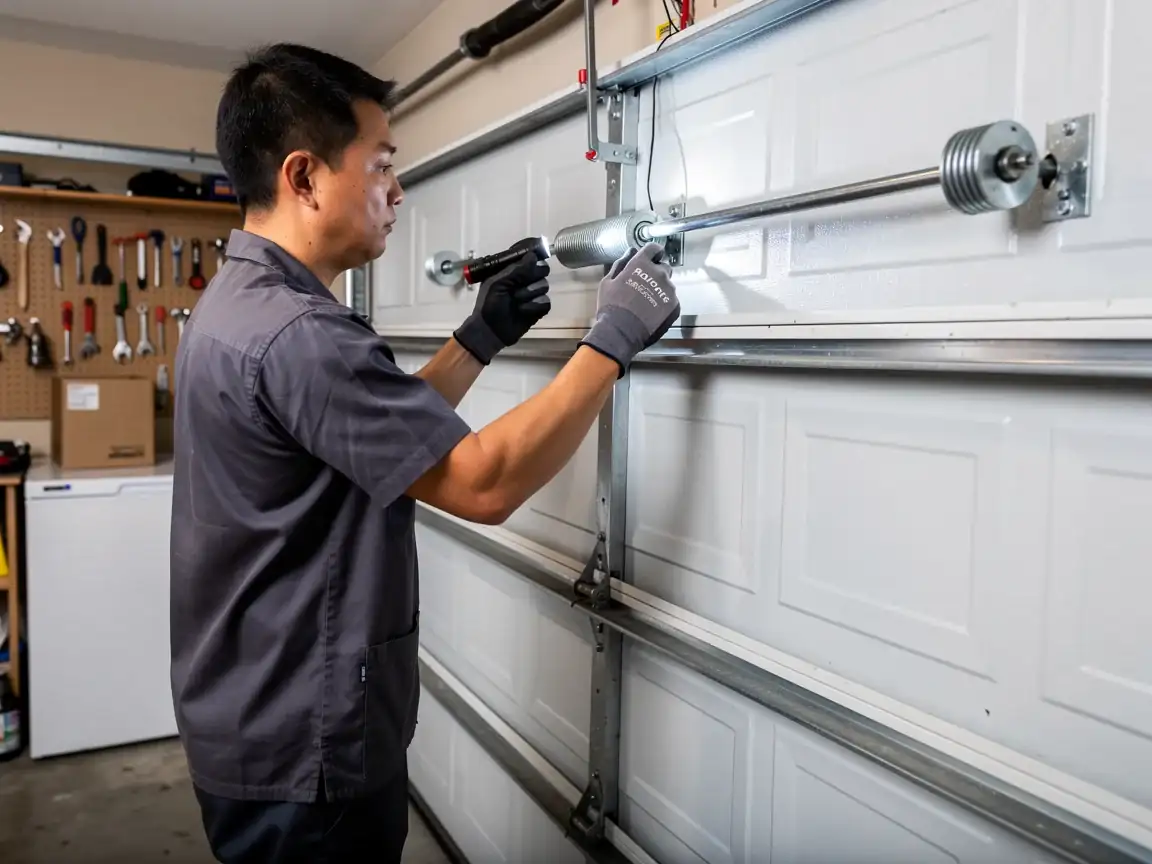
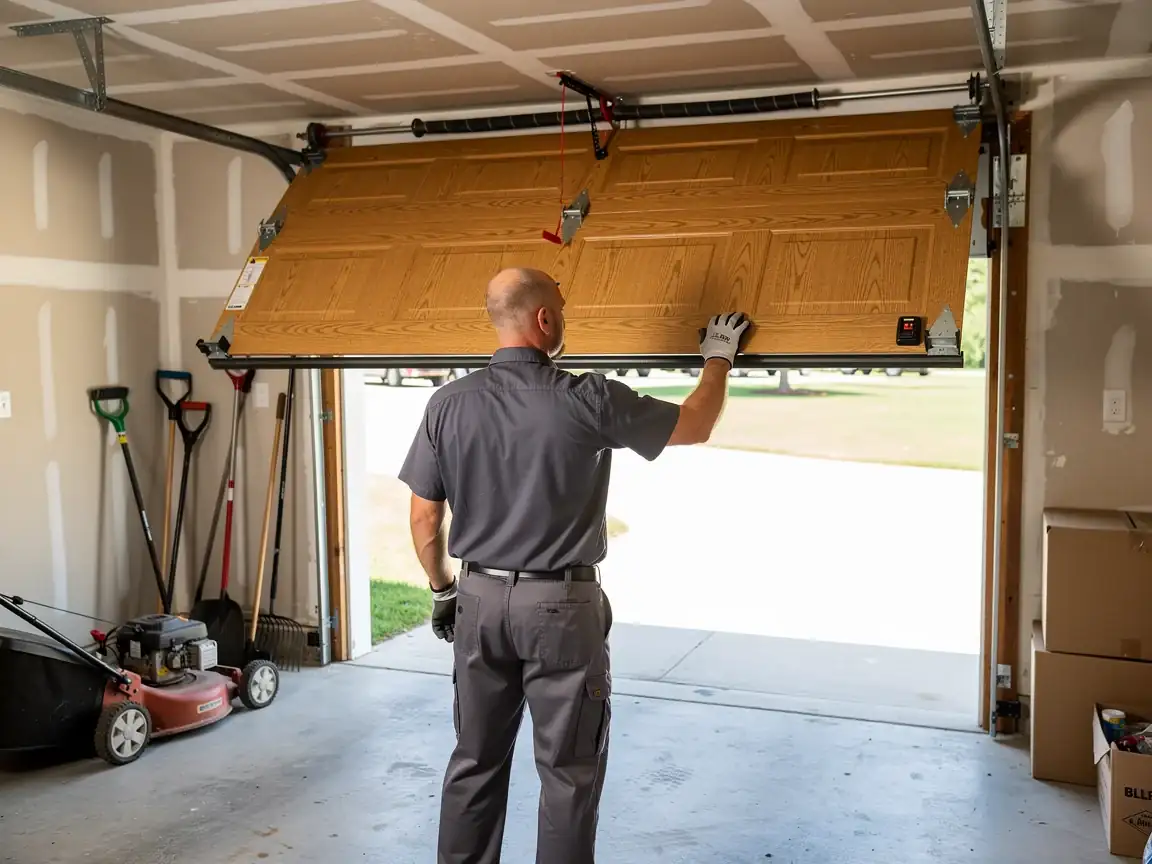
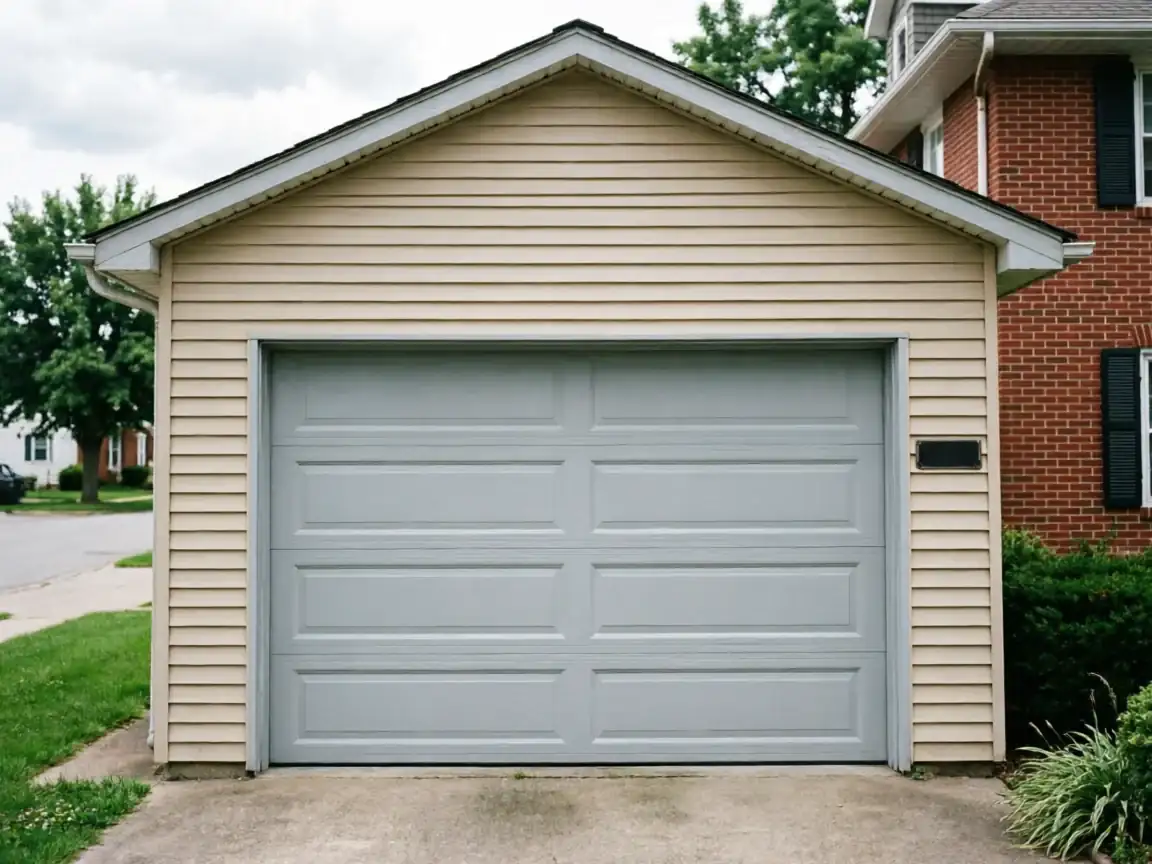
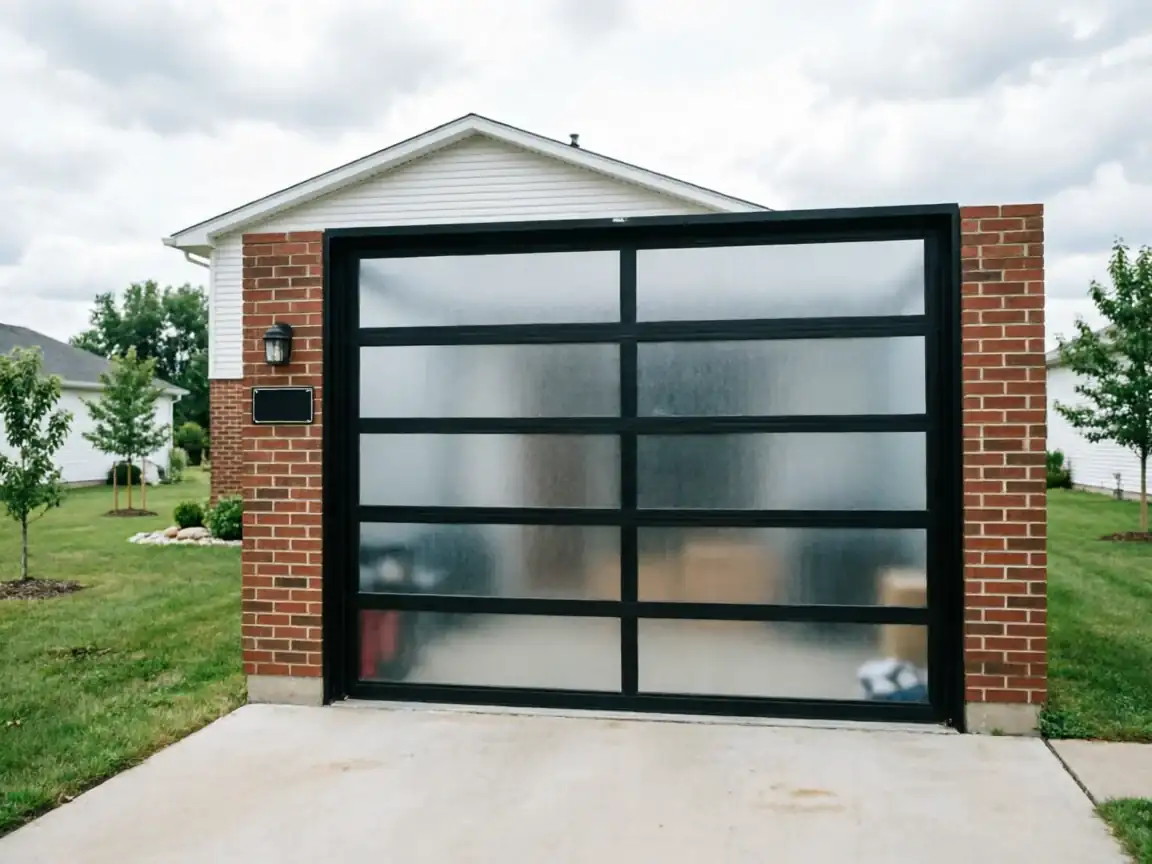
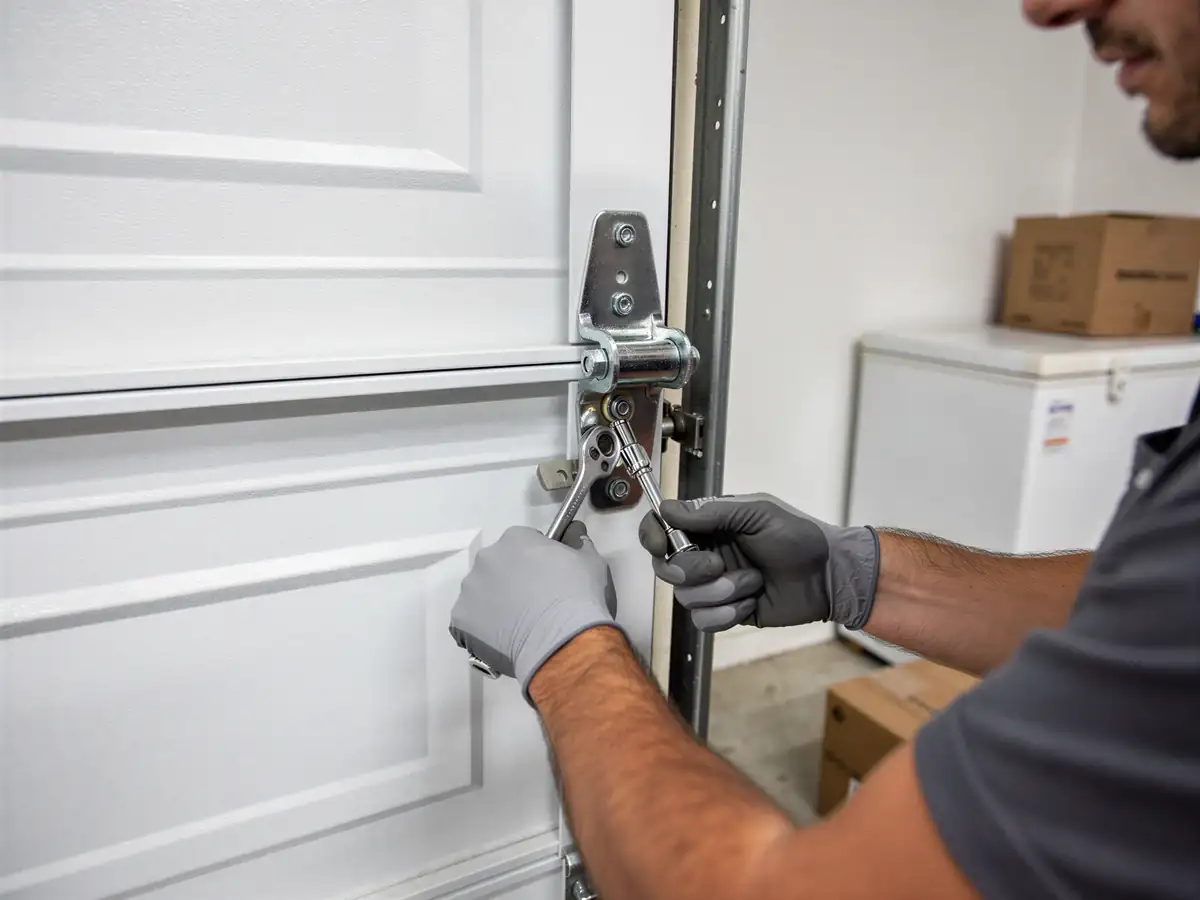
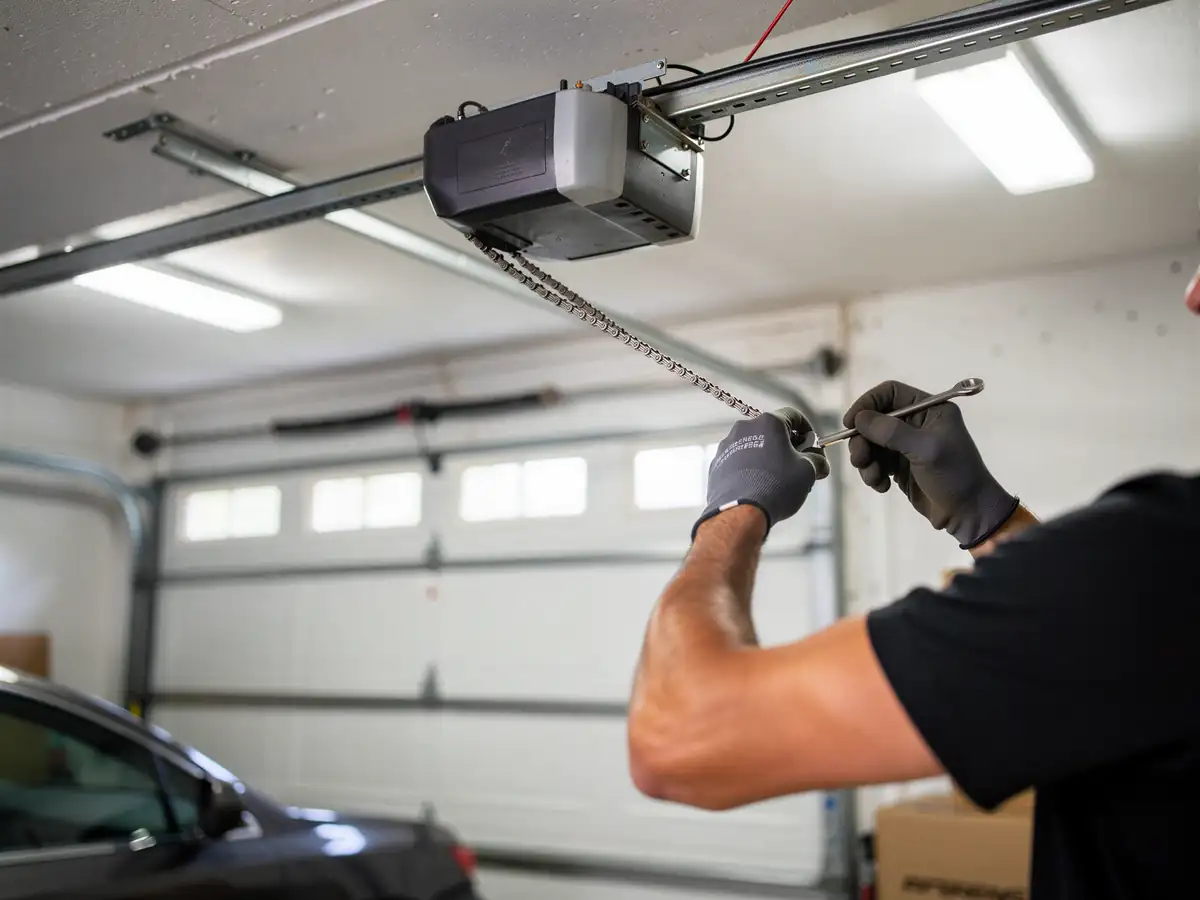
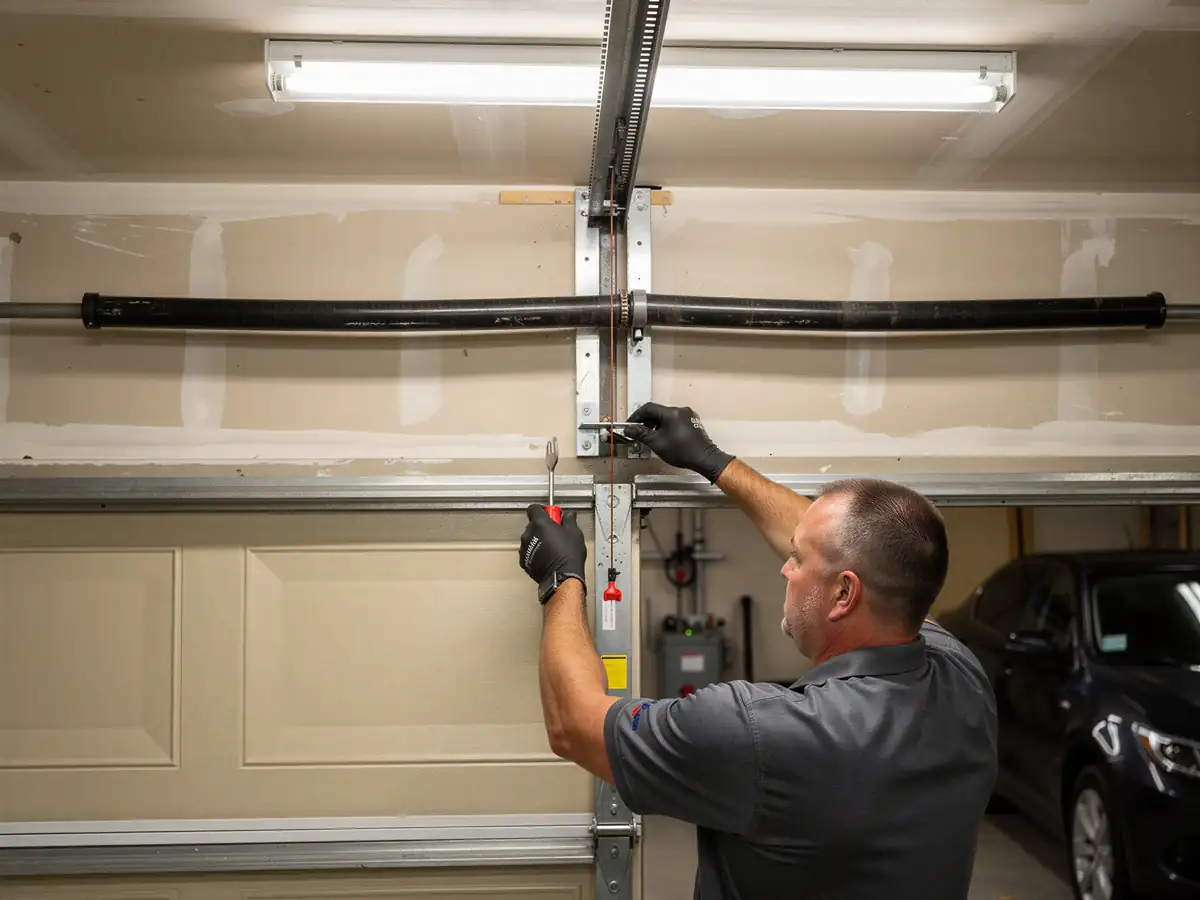
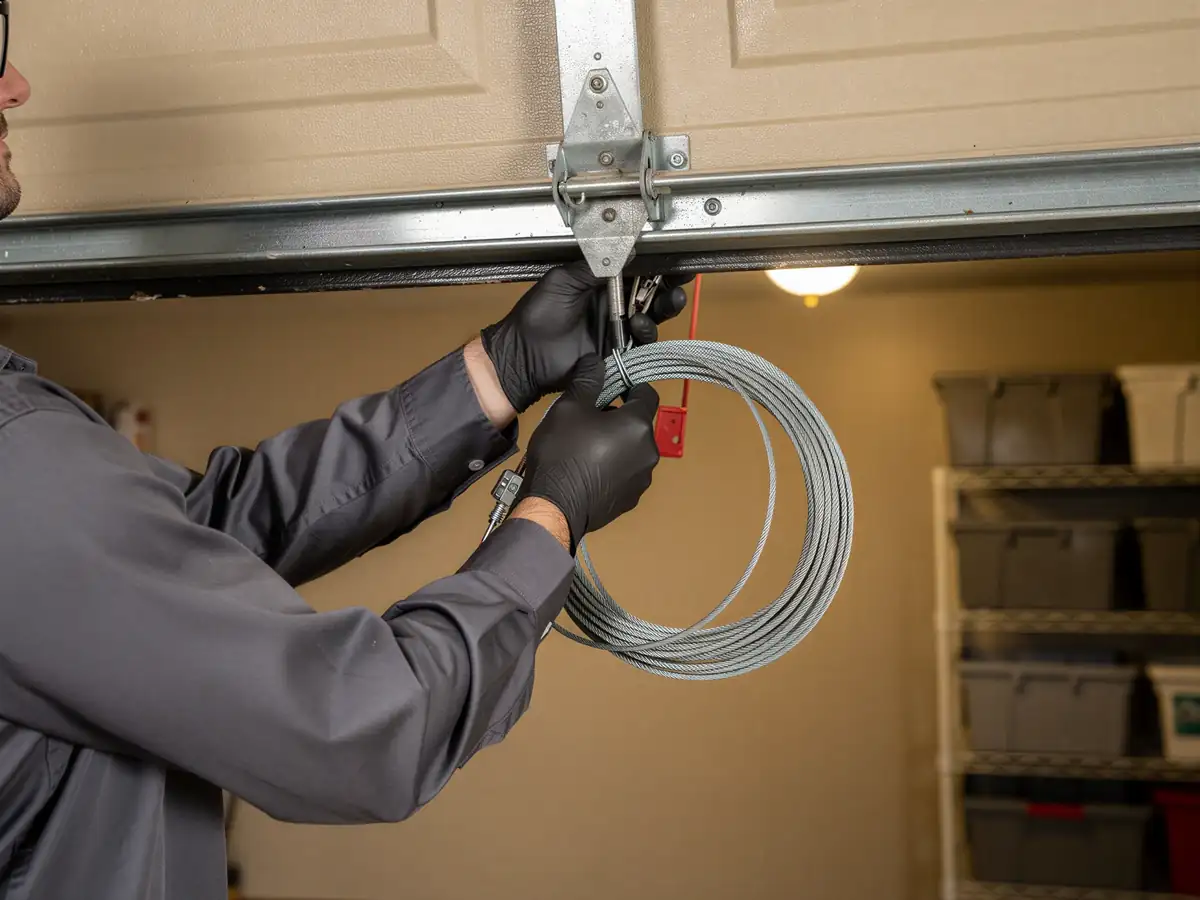
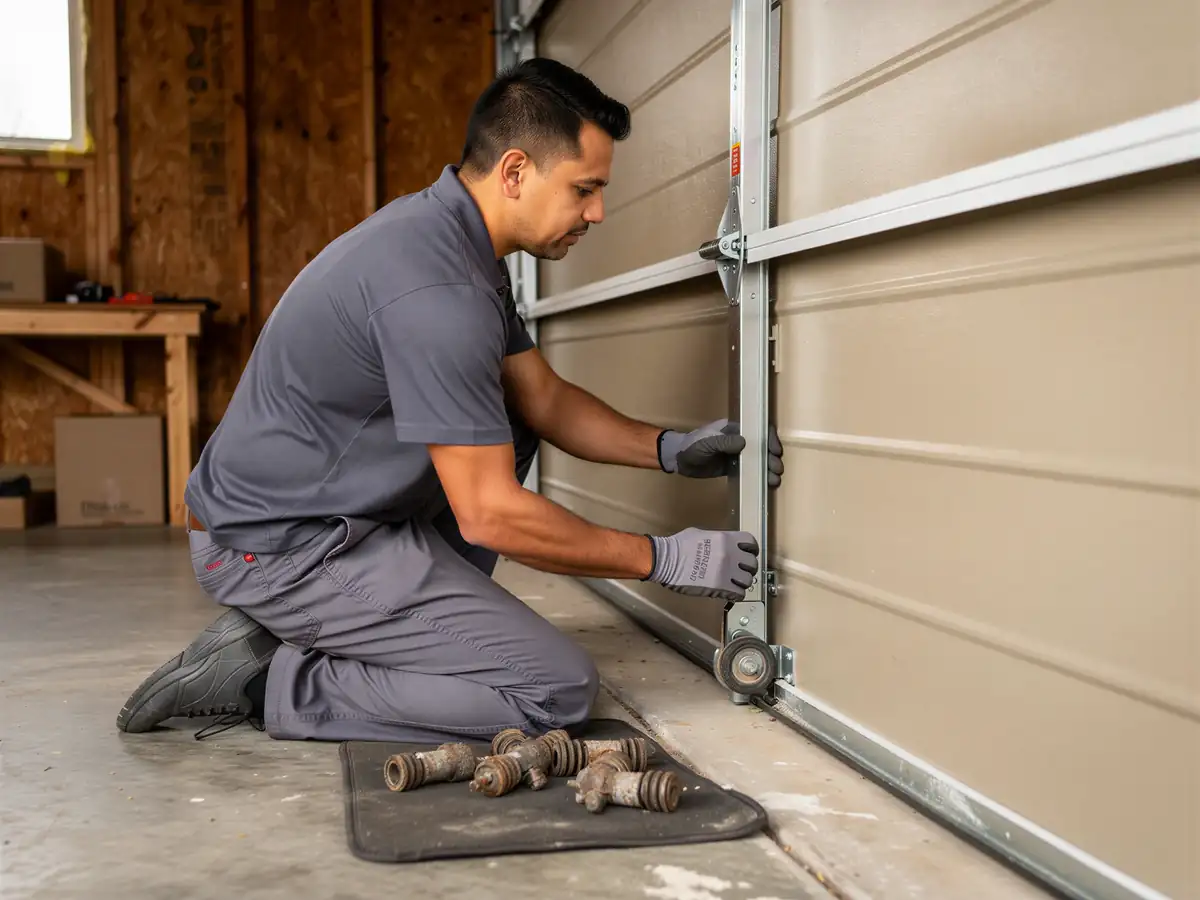
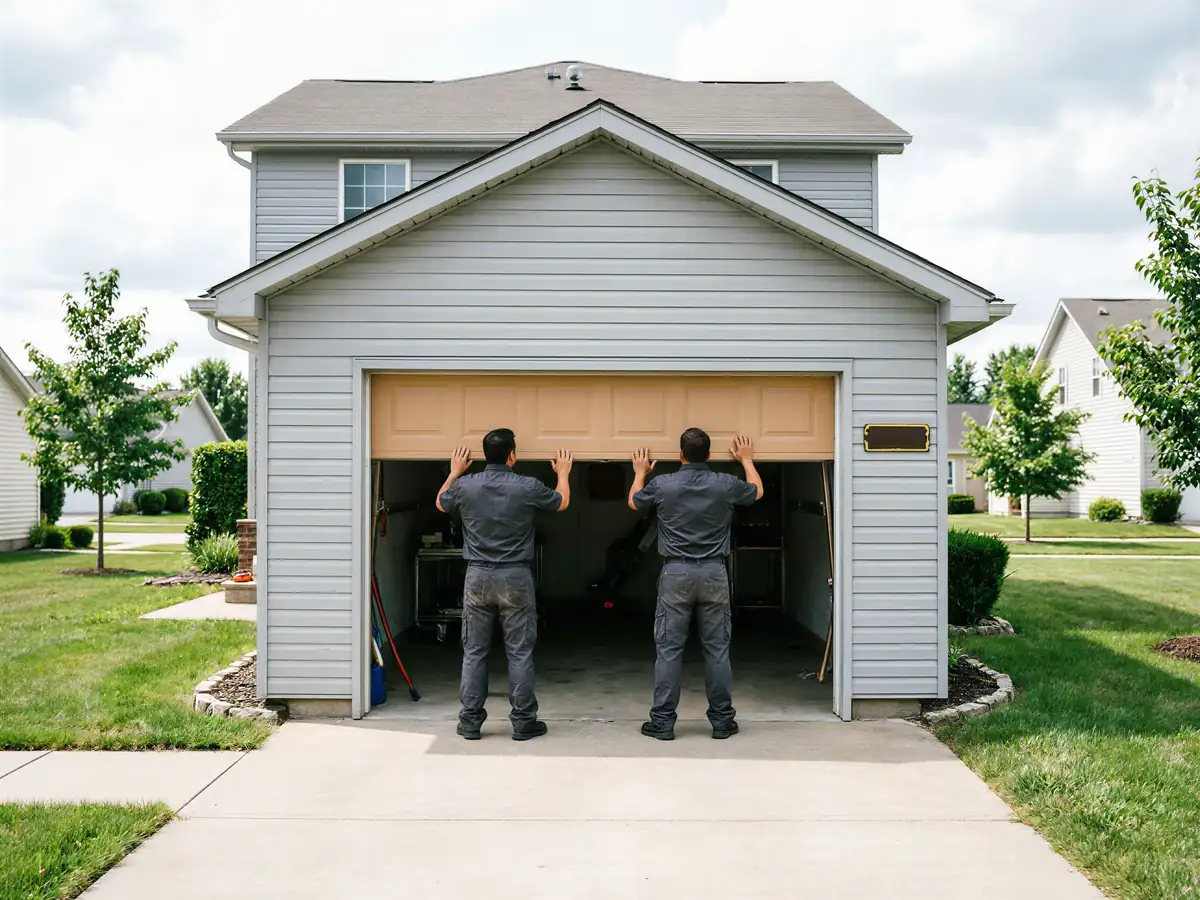
We start with the opening itself - width, height, and headroom, since a lot of 1990s builder homes used a single wide double door rather than two separate single doors, and that changes which track and spring configuration fits. From there it's choosing a door built for a cold-moderate climate: a double or triple-layer steel panel with a polyurethane core, not the single-skin steel that was standard when these houses were new. The torsion spring gets sized to the actual weight of the new door, not reused from the old one - reusing an old spring on a new door is one of the more common installation shortcuts and one of the more common callbacks. We also check the opener's lift capacity against the new door's weight; a chain-drive unit from the original build often needs to be replaced alongside the door rather than reused. Because the job comes from Des Moines, we schedule the full install - old door removal, new door and hardware, opener work if needed - in one visit rather than splitting it across multiple trips.
The Complications
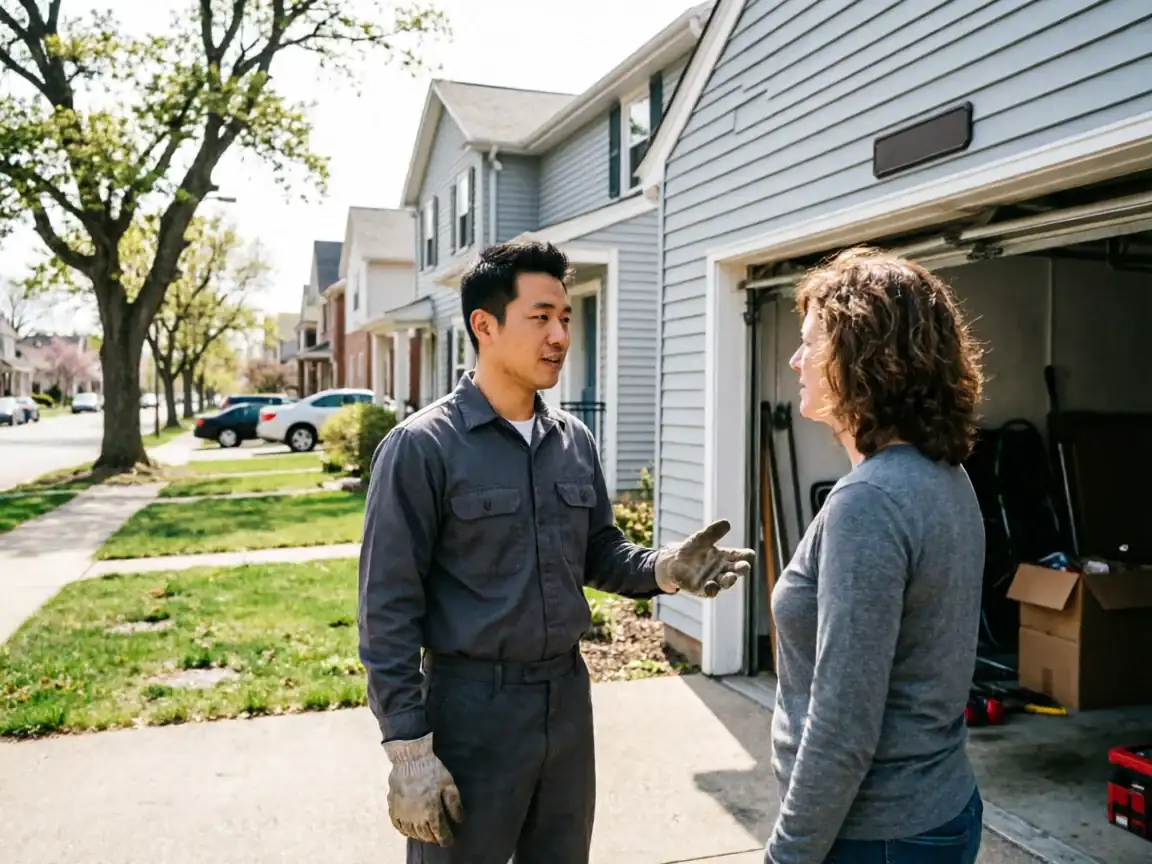
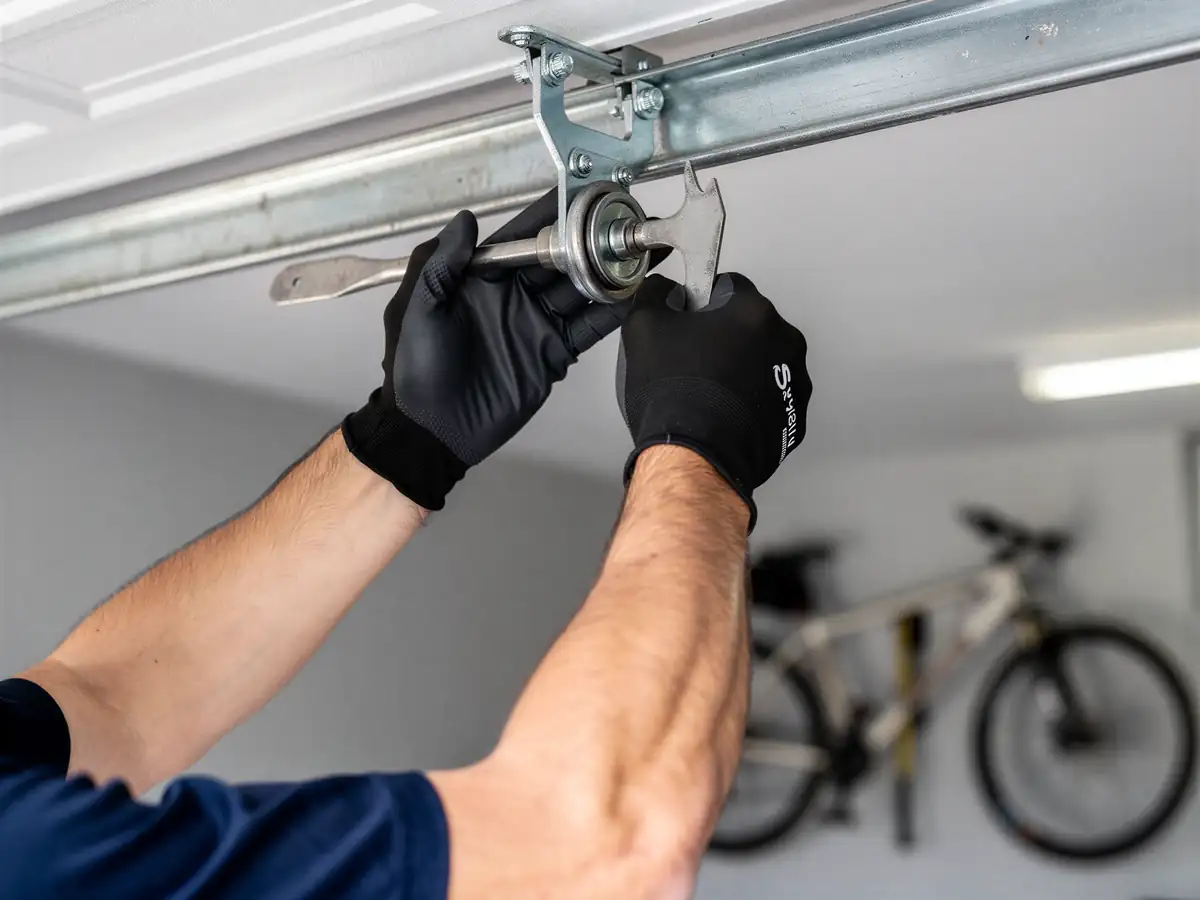
The most common complication isn't the door - it's the slab underneath it. Thirty years of freeze-thaw cycles in a cold-moderate climate can shift a slab enough that the track that was plumb in 1992 isn't plumb now, and that has to get corrected before a new door goes in or it'll bind within months. Another one: a lot of homes built in this stretch share nearly identical floor plans, which makes it tempting to assume a replacement door will be a drop-in match for the neighbor's - but spring sizing and opener bracket spacing still need to be checked per house, not assumed from the model next door. And because every job here runs on a drive from Des Moines, we ask for a realistic time window rather than a tight hour - ten miles isn't far, but it's enough that squeezing a job into the wrong slot on a tight day means rushing work that shouldn't be rushed.