Why This Fails Locally
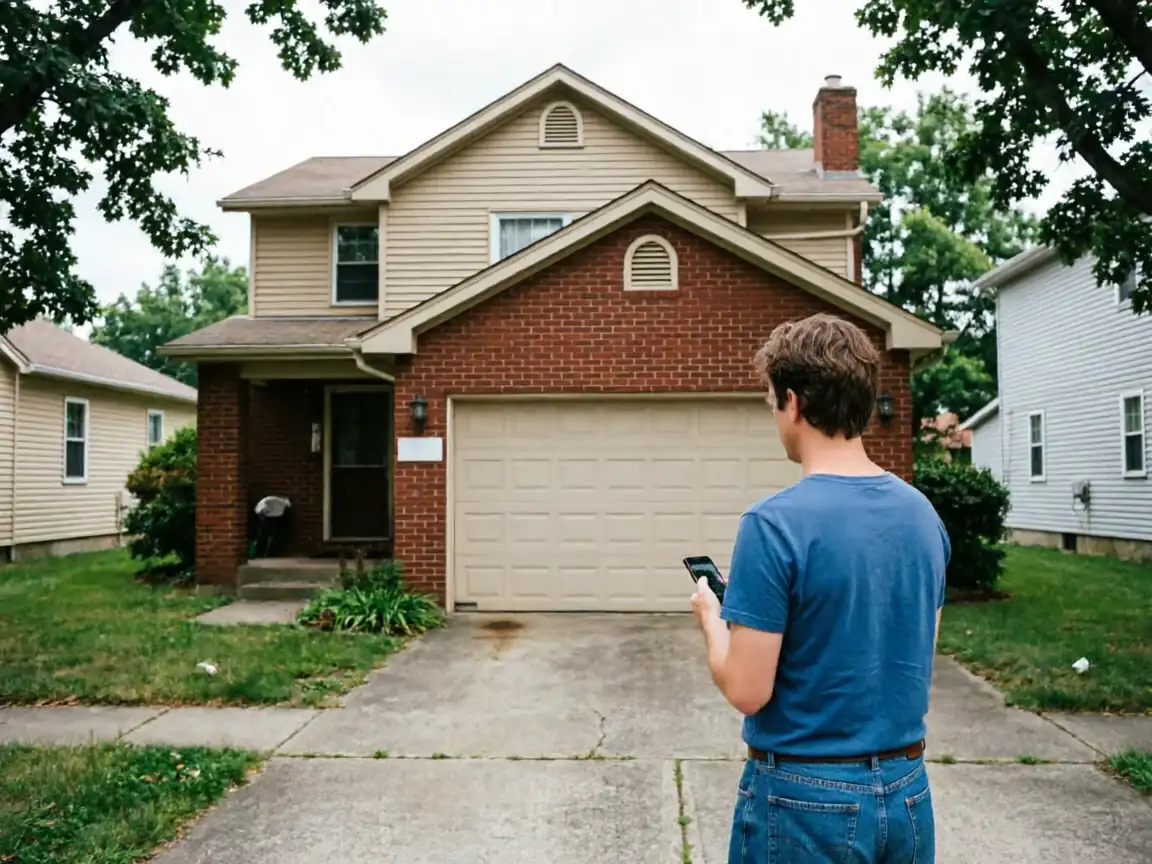
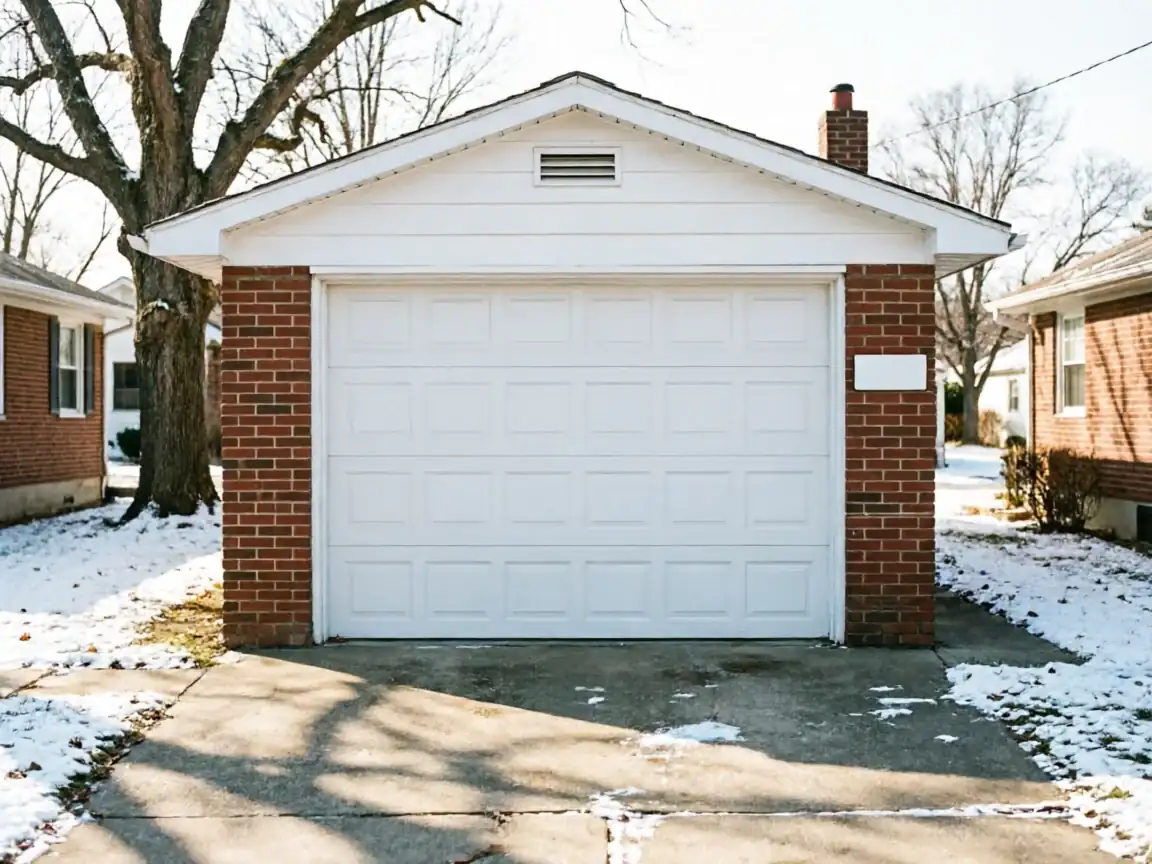
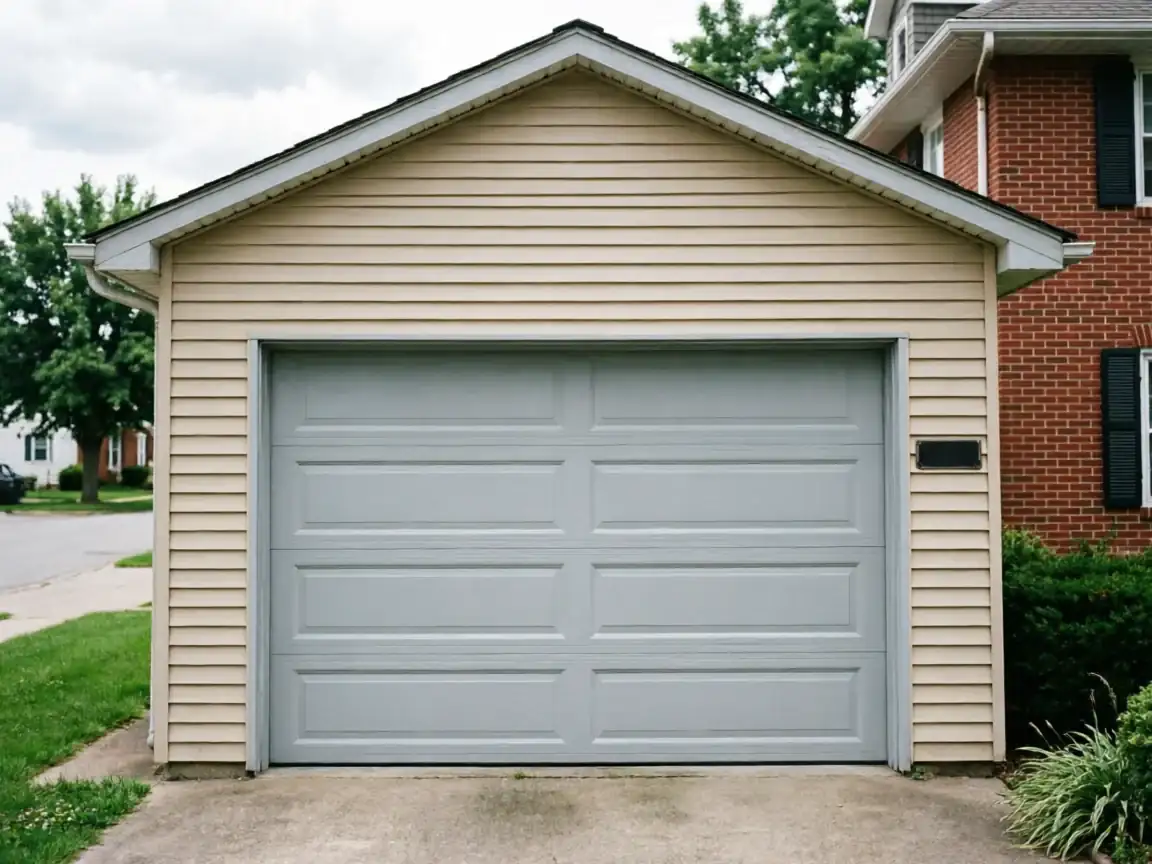
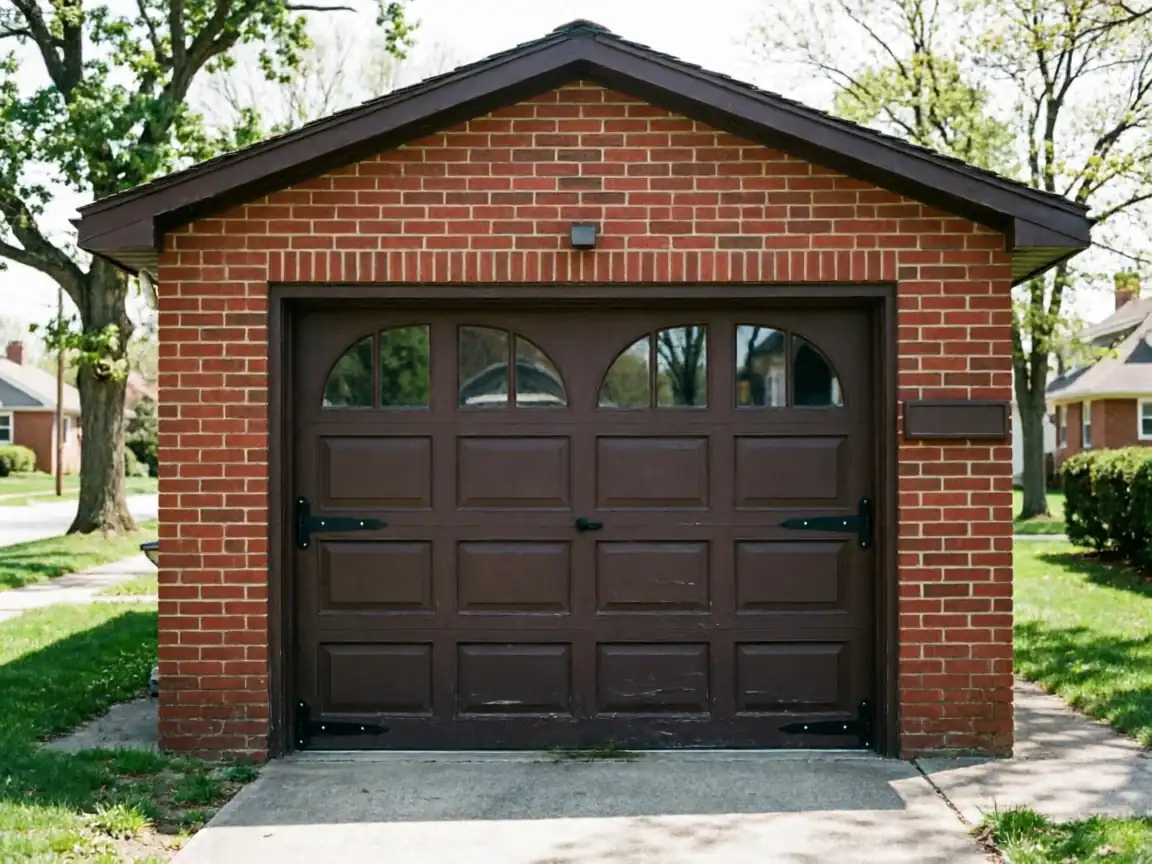
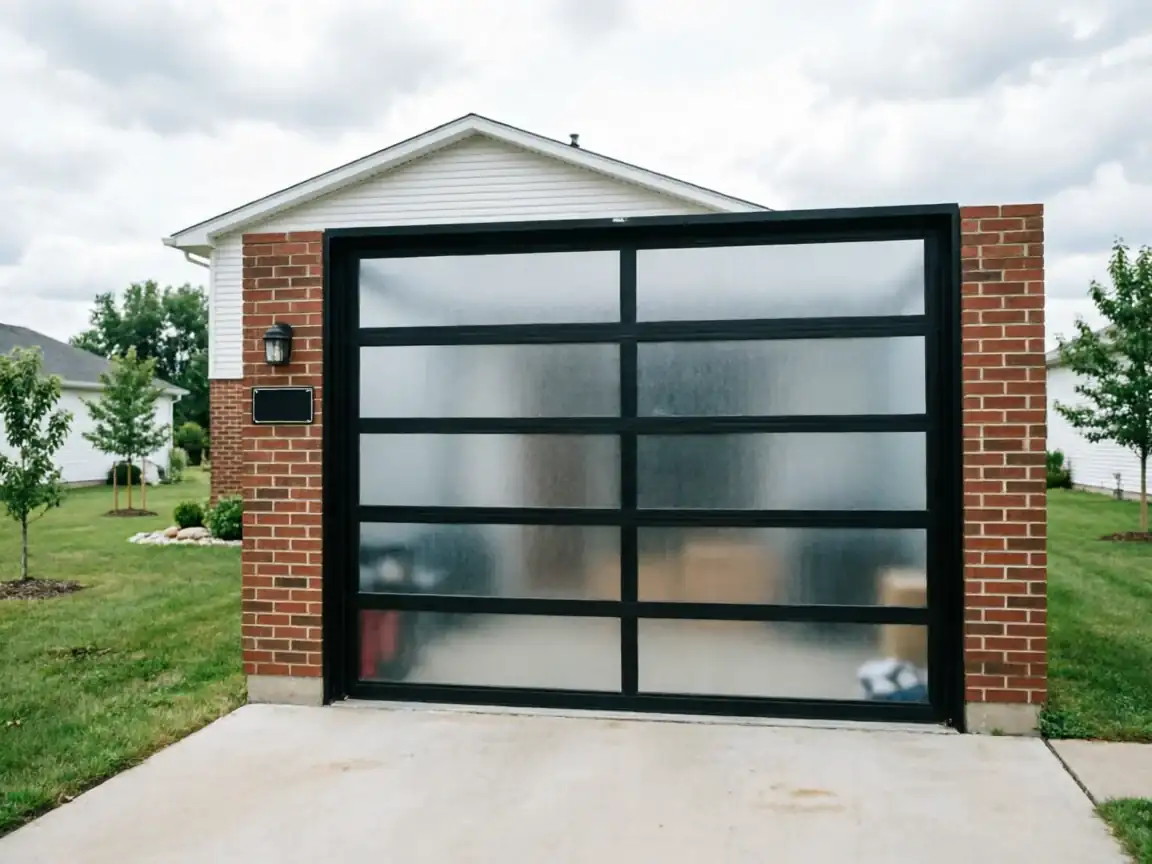
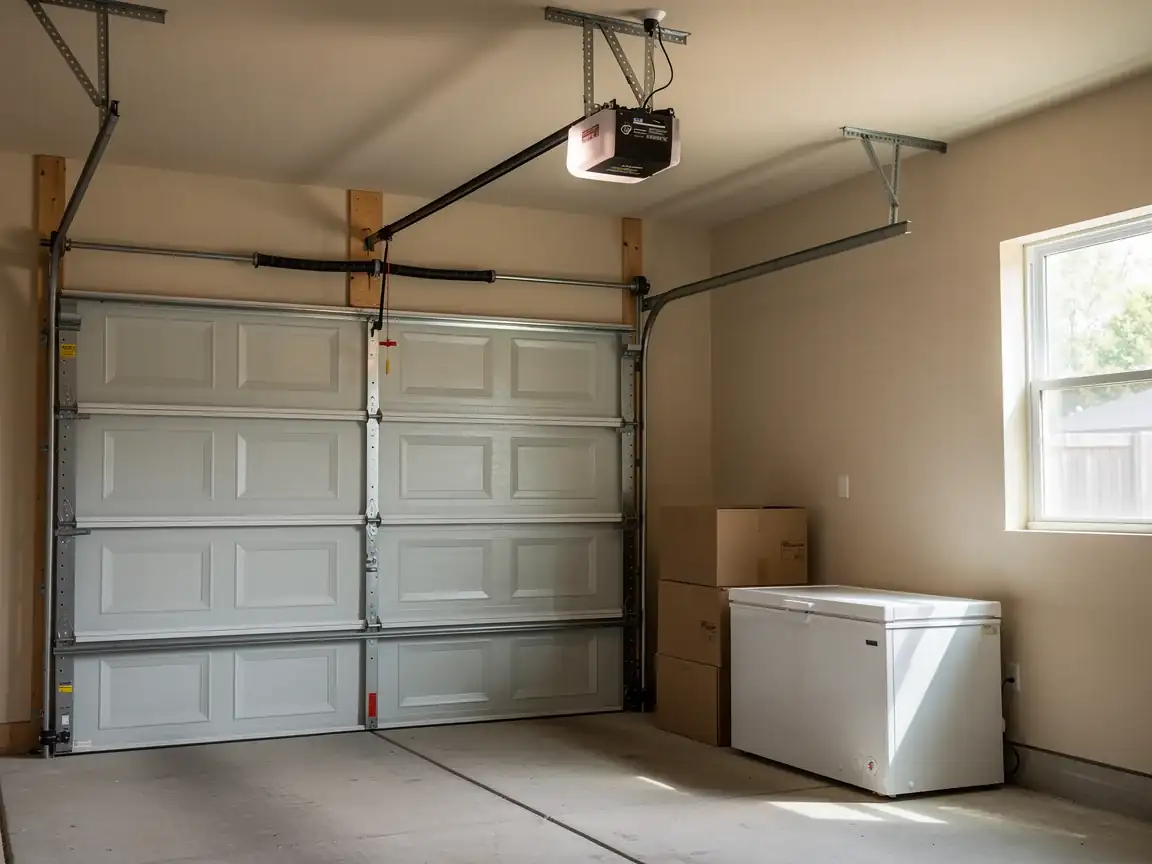
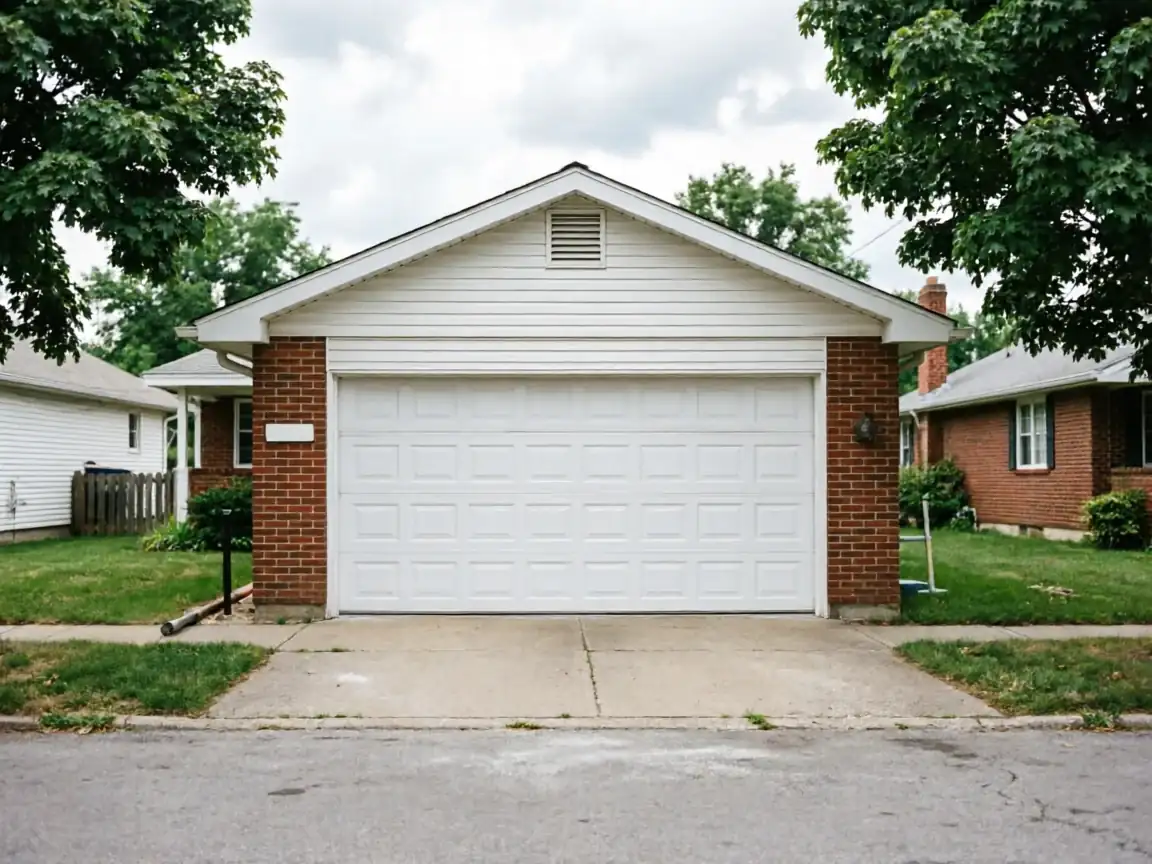
Des Moines overall carries a housing median around 1995, but Urbandale's build years cluster closer to 1992 - early enough that a good share of garage doors here still run openers original to the house or a first-generation replacement from the late 90s. Those units were sized for lighter doors and shorter headroom than what's sold today. When a homeowner swaps in a heavier insulated steel door without checking the opener's horsepower rating, the old chain-drive unit strains, the gear set wears early, and the door reverses or stalls halfway up. That's not a defect in the new door. It's a mismatch between a door built to 2020s standards and an opener built to 1990s ones. We see this pattern often enough in this part of the metro that it's worth checking the opener's rating plate before anyone orders a new door, not after.
The other factor is simple math: 17,040 households here, many in homes from that same build window, means a lot of openers are due for replacement around the same stretch of years. It's not one bad batch - it's one era of hardware aging out together.
The Symptom
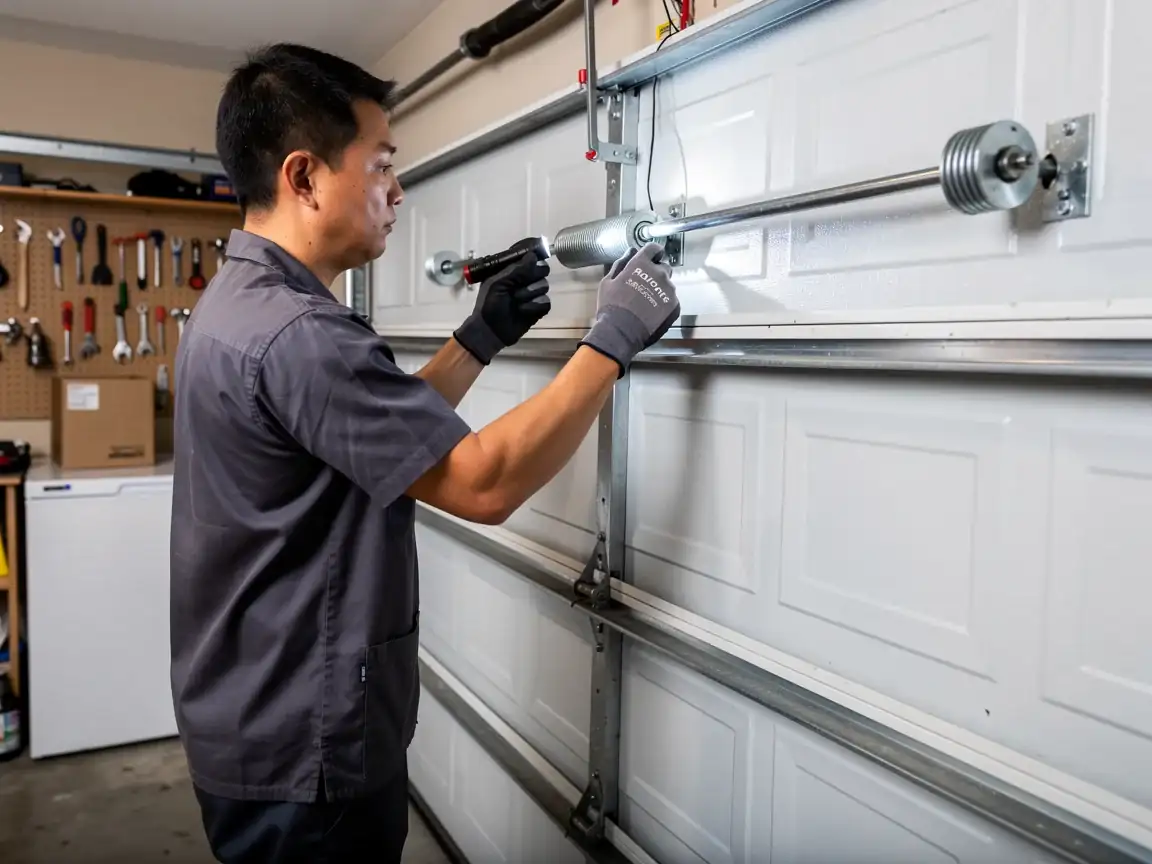
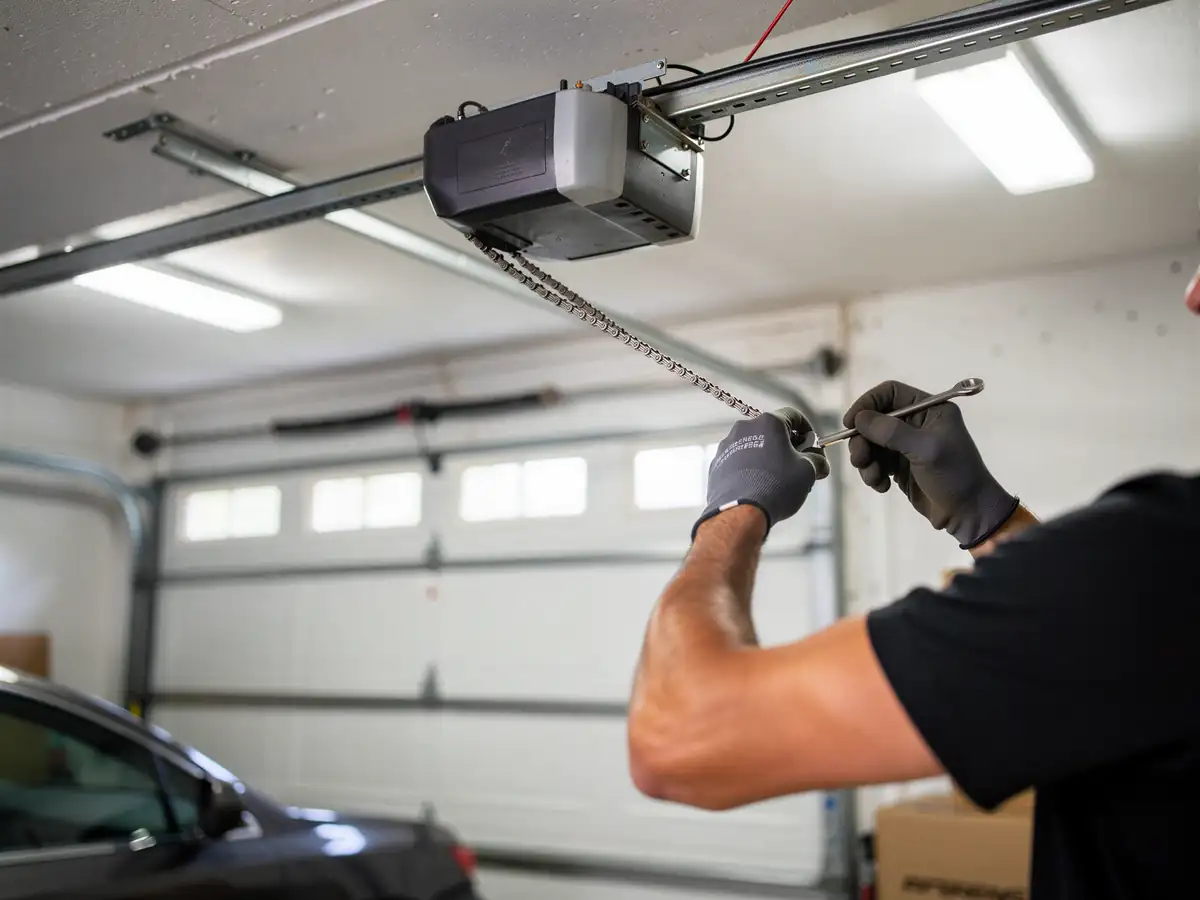
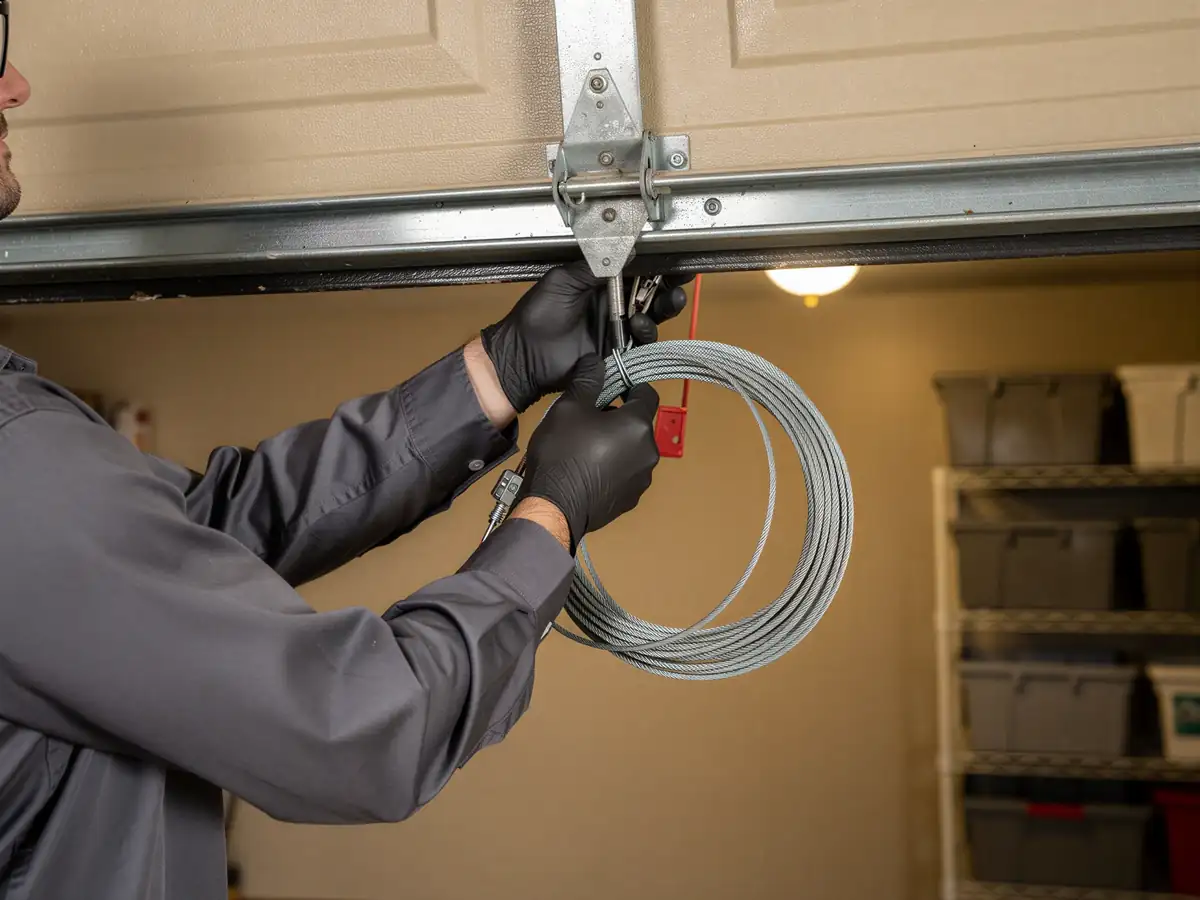
Most calls start the same way: the opener runs louder than it used to, the door hesitates a few inches off the floor, or it reverses without touching anything. On a house from the early 90s build window common in Urbandale, this is usually the gear-and-sprocket kit wearing through on a chain-drive unit that's outlasted its stated life, or a logic board that can't read the load correctly anymore. Less often, it's a spring issue showing up at the opener - the motor straining to do work the spring used to do. We check both before replacing anything.
What the Fix Involves
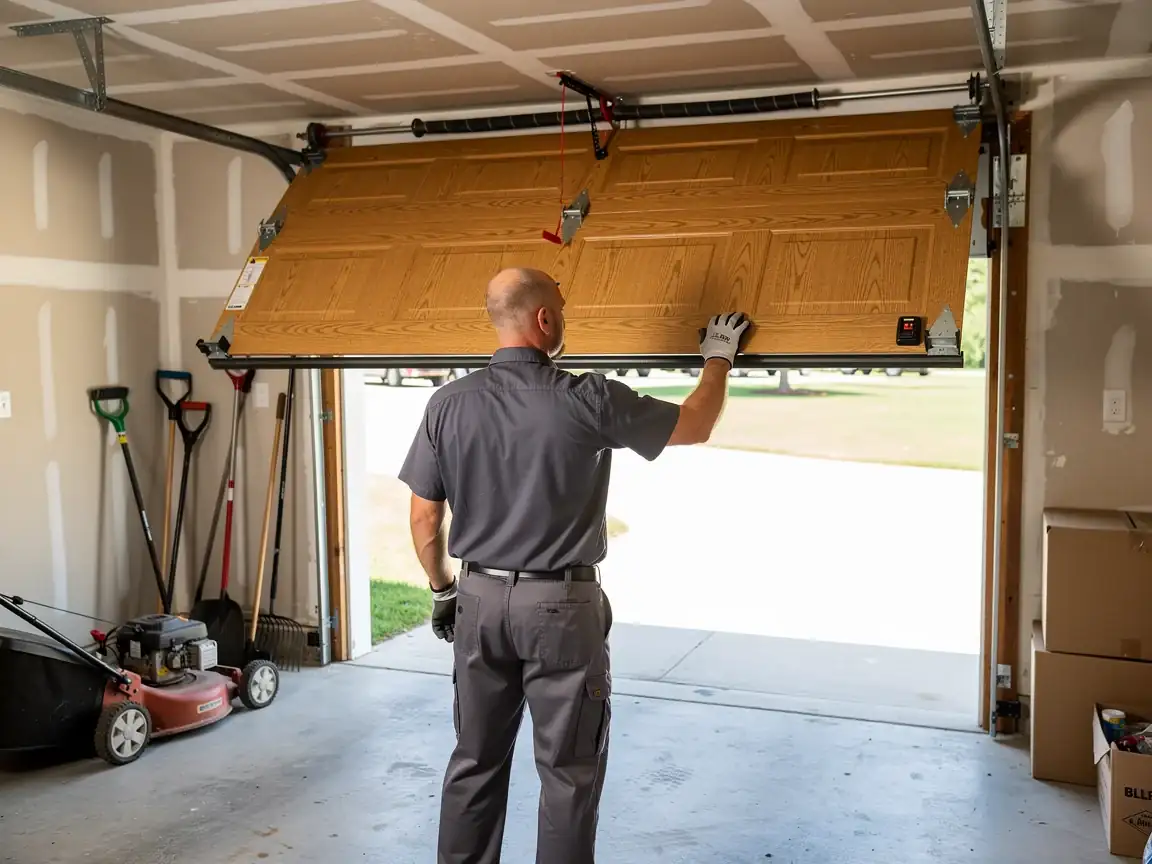
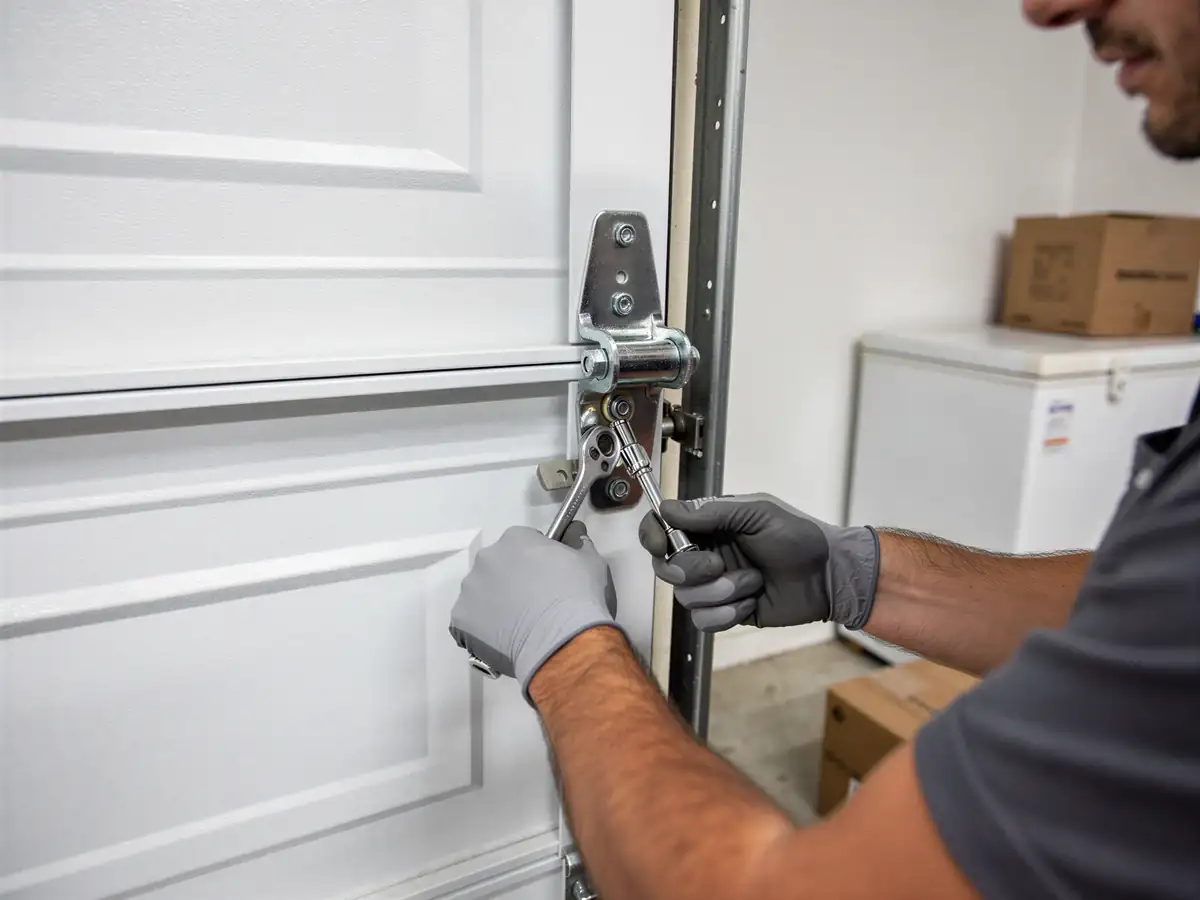
We start by testing the door's balance by hand before we touch the opener - an opener fighting an unbalanced door will fail again no matter how good the new unit is. Once the door itself checks out, we match the new opener's drive type and horsepower to the door's weight and size, not just to whatever was there before. We set travel limits, align the safety sensors to current standard, and test force settings so the door stops on resistance rather than pushing through it. For this area's moderate-cold climate band, we also check that the unit's cold-weather lubrication and seal are rated for winter use rather than a fair-weather model, since temperature swings here are enough to stiffen a cheap gear set.
The Complications
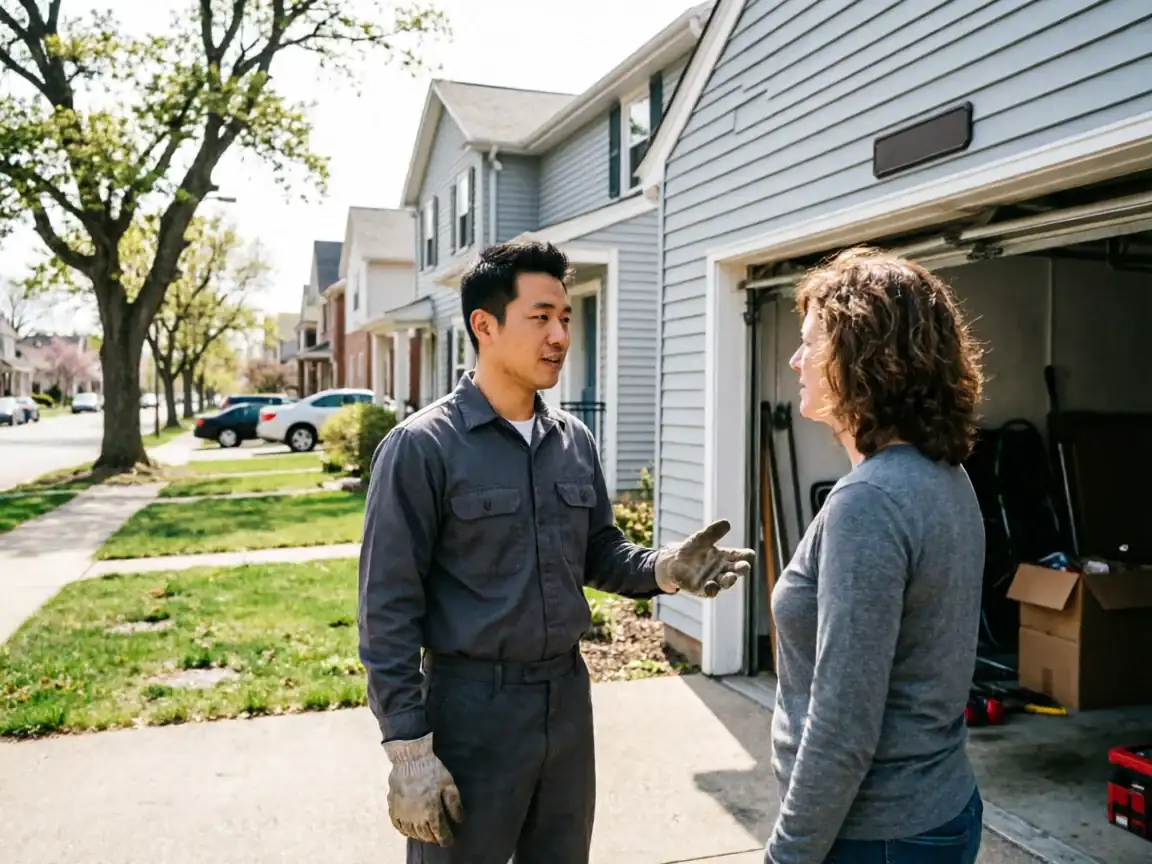
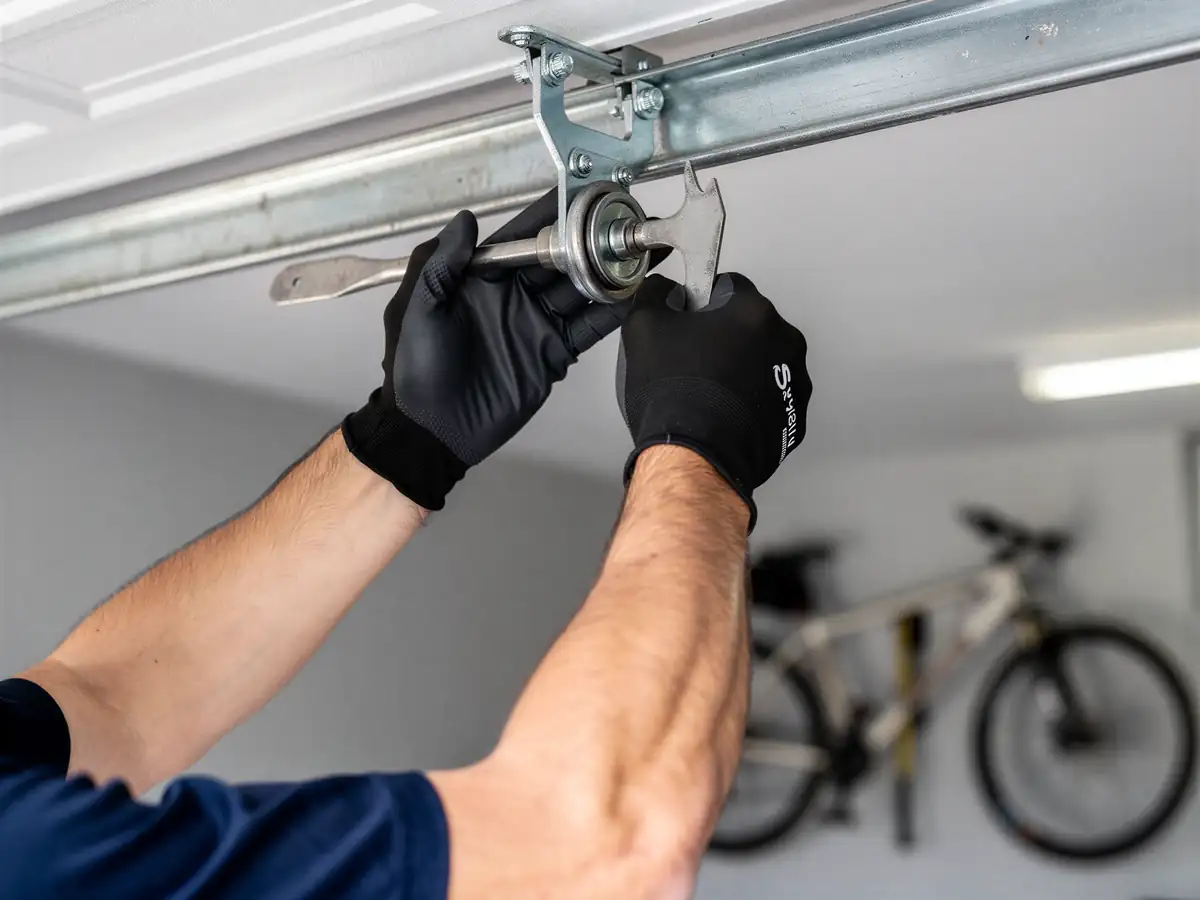
We travel to Urbandale from our Des Moines shop, about 10 miles out, so we schedule the trip rather than drop by on short notice - plan the appointment, don't expect a same-hour fix. The other complication is wiring: homes built around 1992 sometimes have the opener circuit on the same line as other garage equipment, which can trip a breaker under a new opener's draw. We check the circuit before we mount anything. And if the existing rail or bracket system is bent or undersized for a new high-lift door, that's a separate repair, not something we fold into opener installation quietly.