Why This Fails Locally
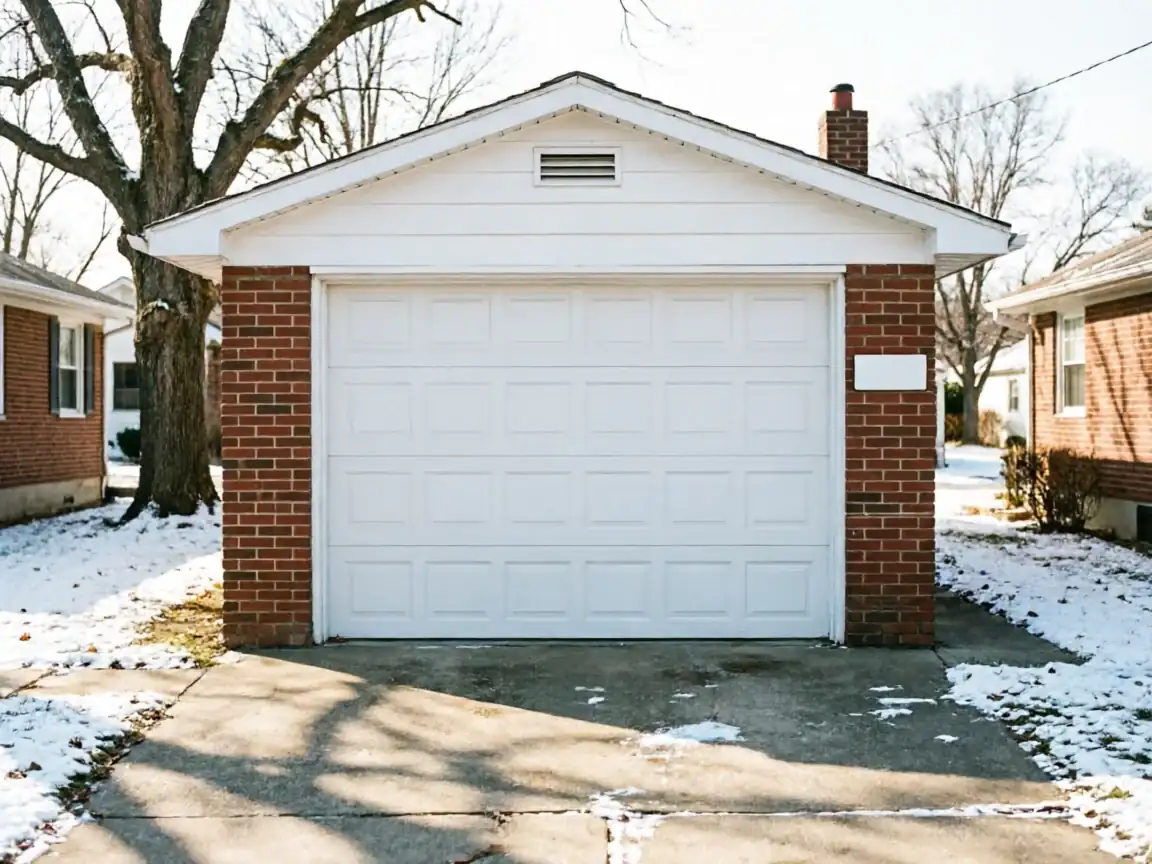
A lot of Urbandale sits on houses built right around 1992, which puts this suburb squarely in the 1980s-90s wave that built out much of the metro. If nobody's touched your door since the builder hung it, the rollers riding your track right now are the same ones from that era - steel, unsealed bearings, no lubrication jacket. That's roughly three decades of opening and closing on hardware that was never meant to run that long.
Steel rollers like that were standard builder-grade equipment in the early '90s. They work fine for years, then they start chipping at the edges where they meet the track, usually right where the curve of the vertical track rolls into the horizontal. Cold makes it worse - this area sits in a moderate-cold climate band, and steel contracts enough in a hard freeze that a roller already worn thin can bind or pop off the track on the first really cold morning of the year. If your door's never had a roller job, it's not an if, it's a when.
Can You Do This Yourself
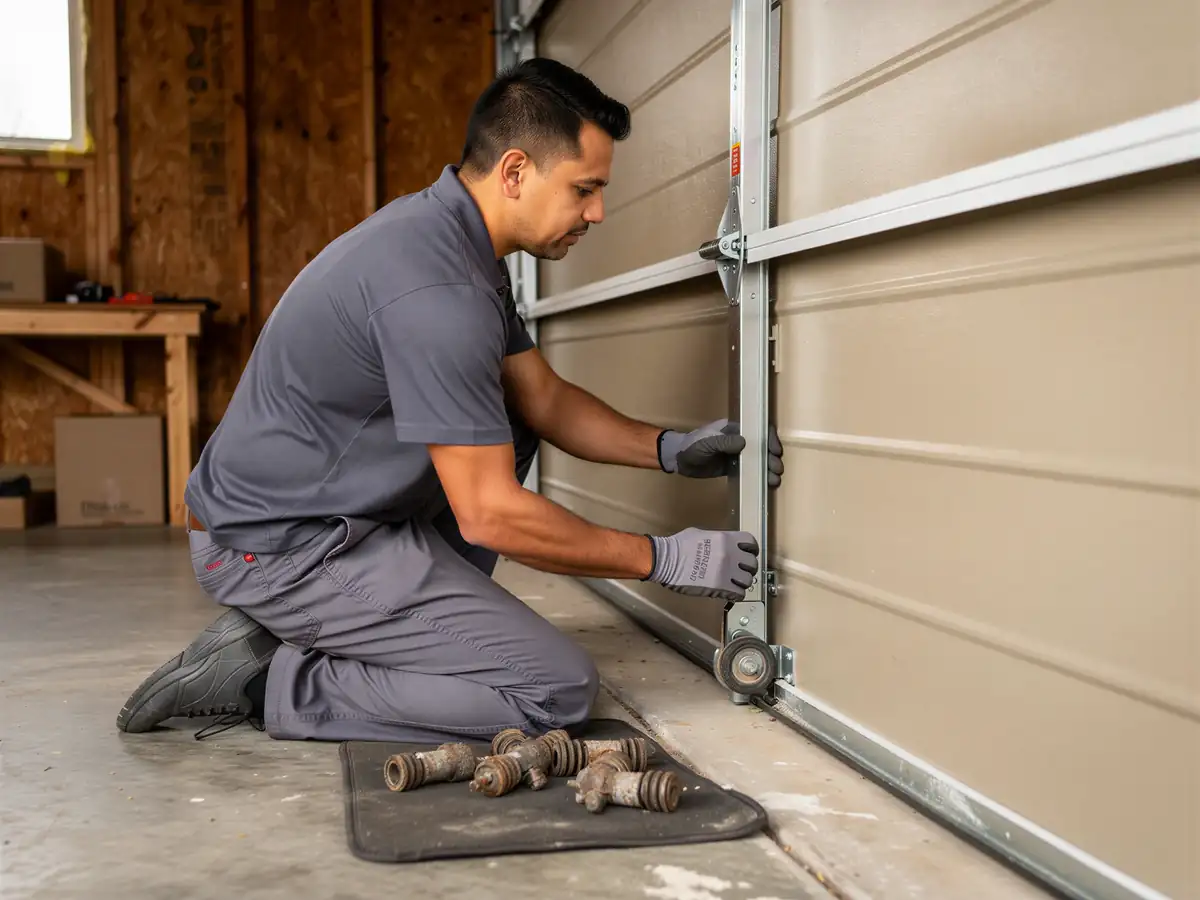
Replacing a bottom roller on a door that's down and unplugged is a reasonable DIY job if you're comfortable with a ladder and a socket wrench
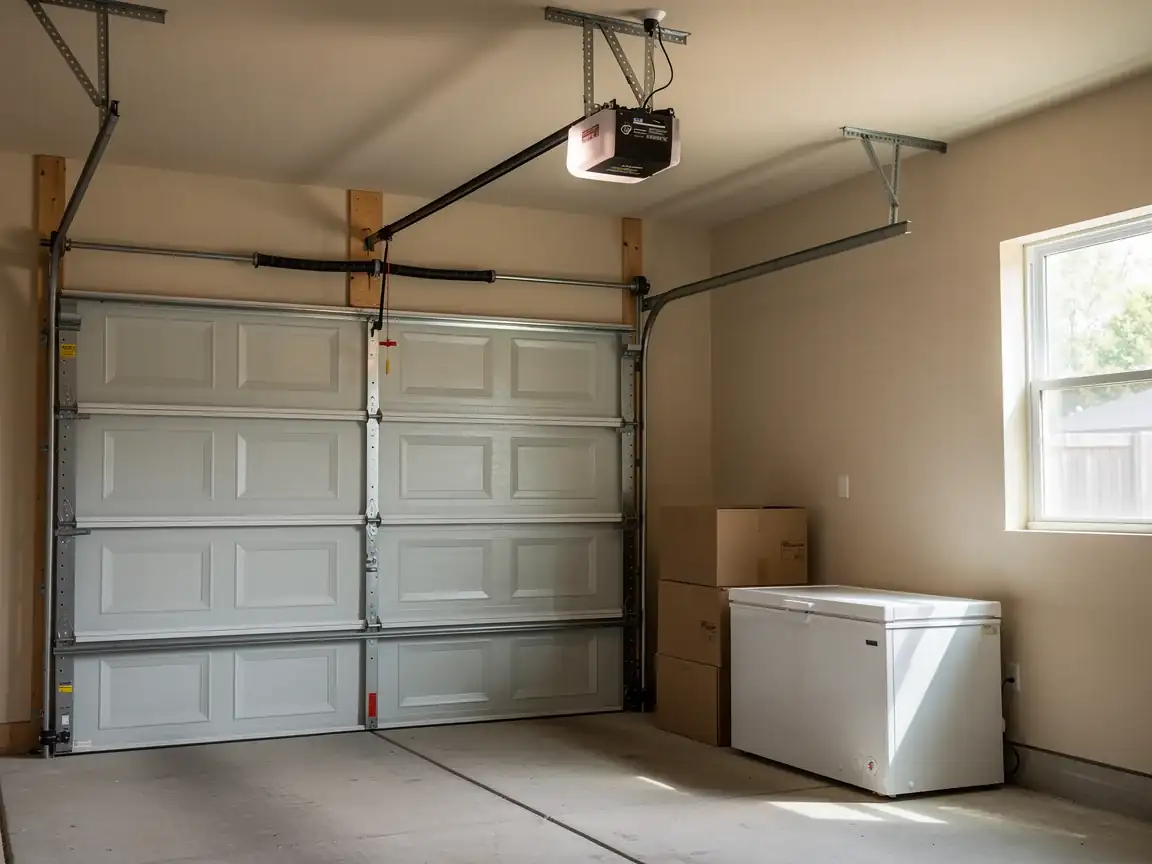
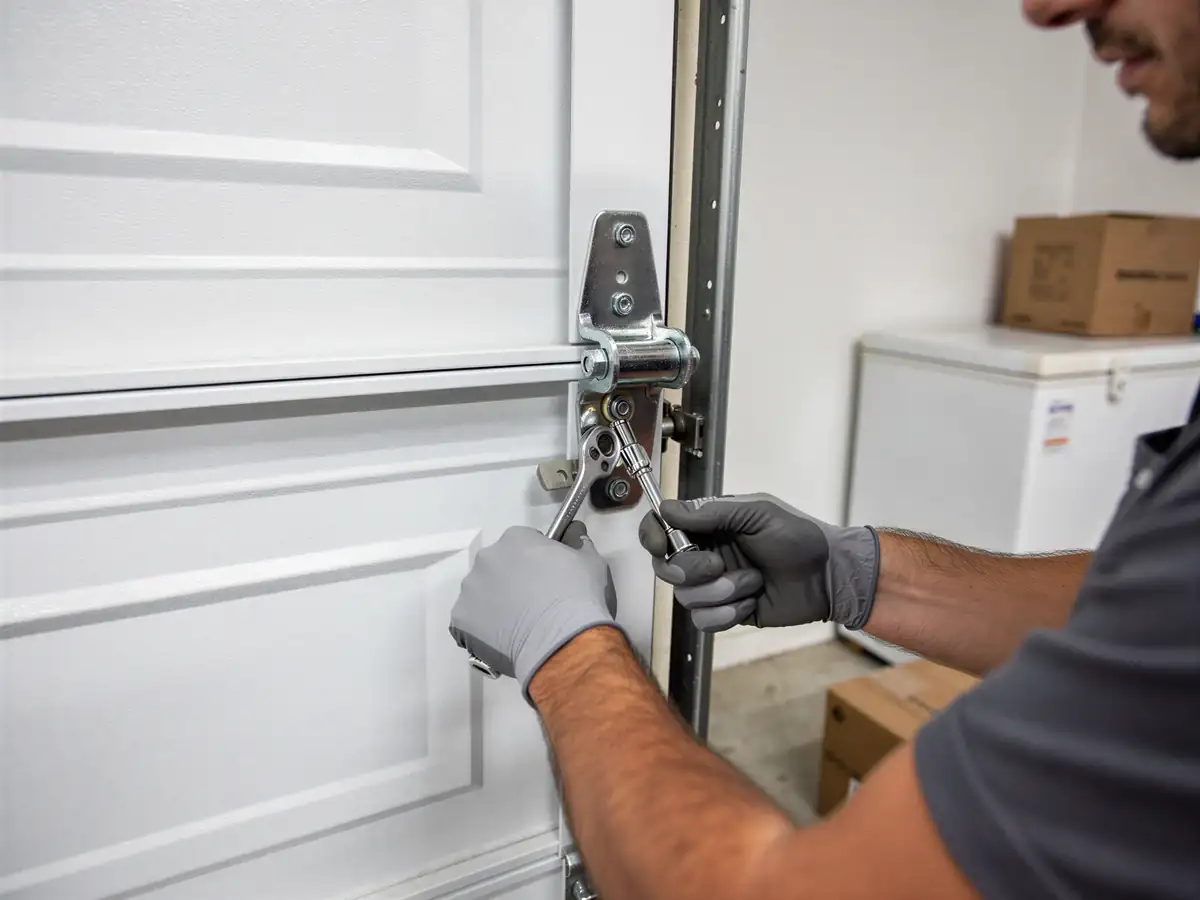
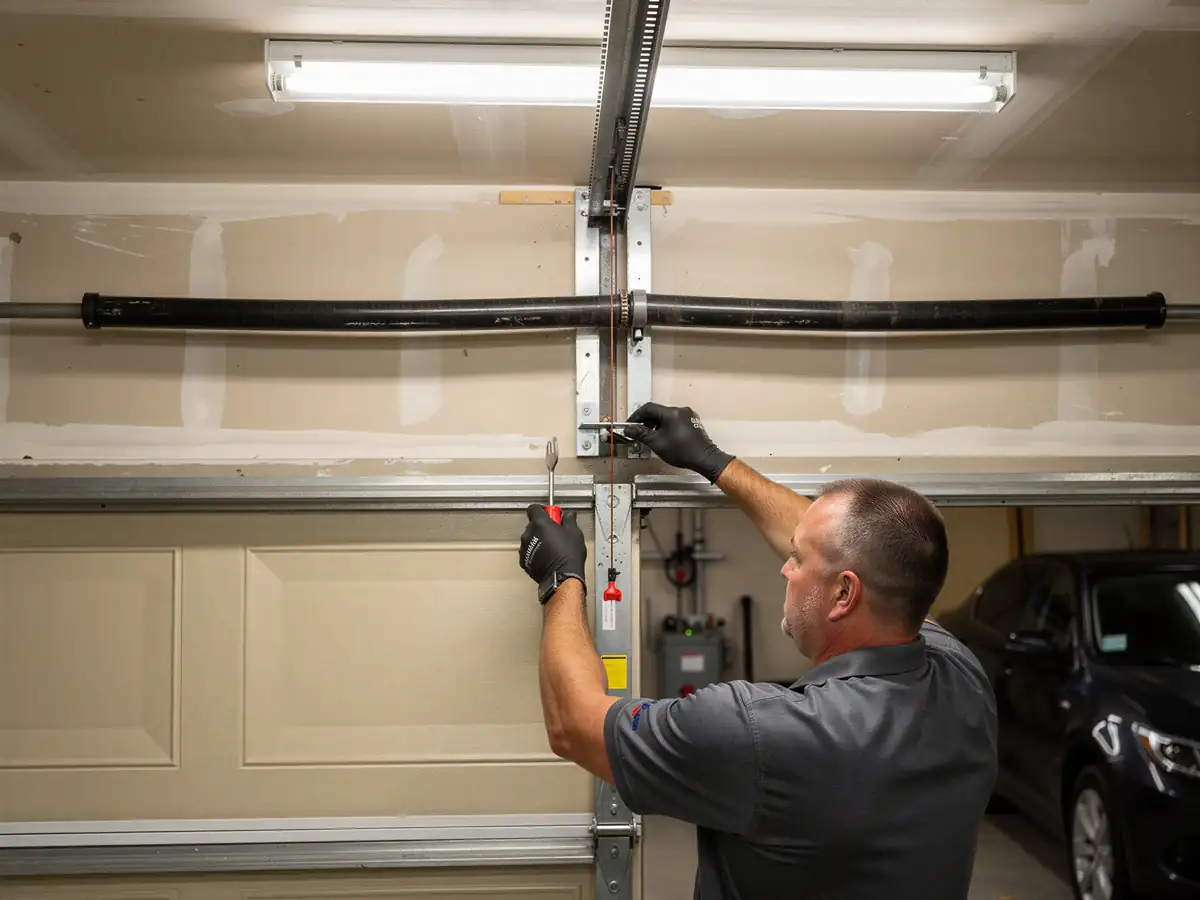
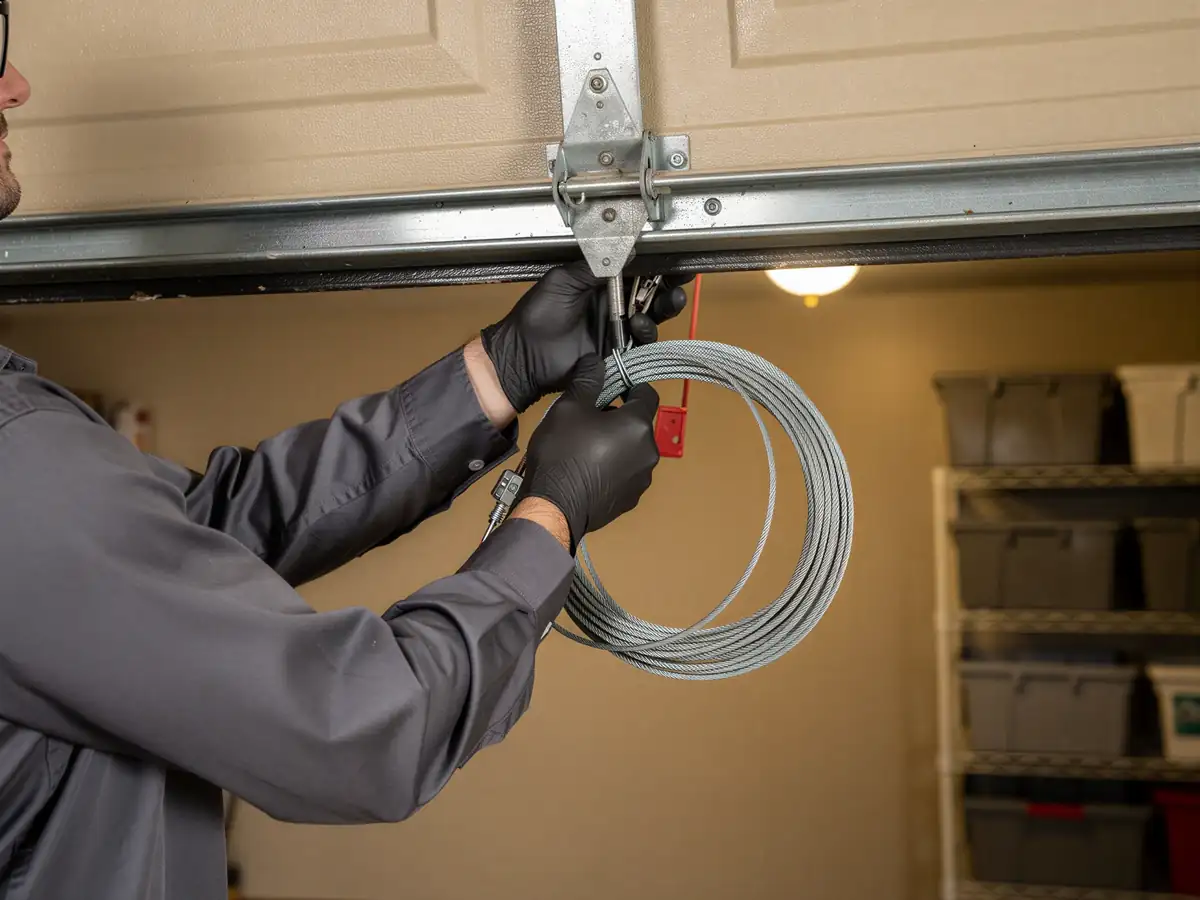
Pull the hinge, slide the roller out, slide the new one in. The top rollers near the spring system are a different story. Those sit close to the torsion spring and the cable drum, and if you're not confident reading spring tension, that's where people get hurt.
If your rollers are still steel and original to a 1992 build, honestly, replace the whole set rather than one at a time
If one's chipped, the rest are close behind, and running mismatched rollers on the same track just wears the new ones faster.
The Symptom
The classic sign is noise that wasn't there before - a grinding or clunking as the door passes a specific spot in the track, the same spot every time. That's a flat-sided roller bearing on a worn wheel. Some owners notice the door shuddering or hesitating right at the curve where the track bends from vertical to horizontal; that's often where original-hardware rollers chip first, since it's the tightest radius on the run.
In a hard freeze, a worn steel roller can seize for a second on the first cycle of the morning, then free up once it's moving. That hesitation is wear talking, not the opener.
What the Fix Involves
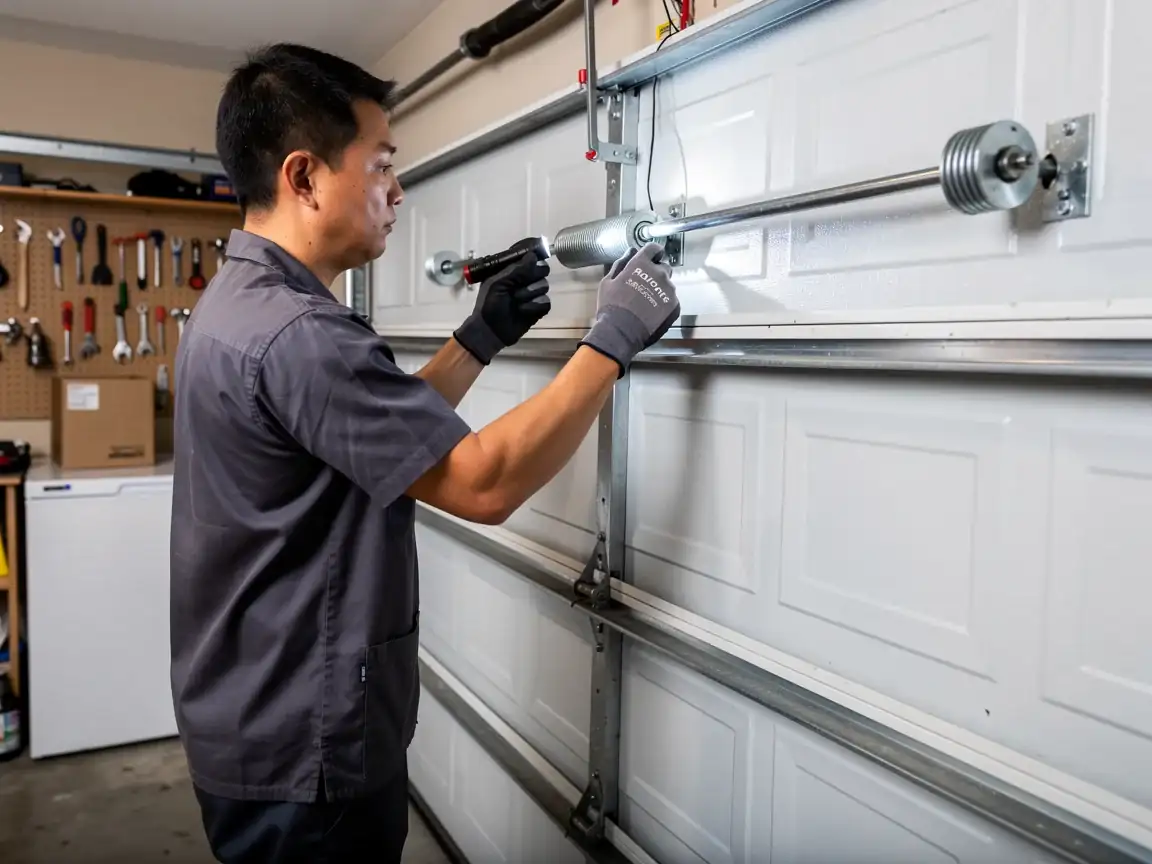
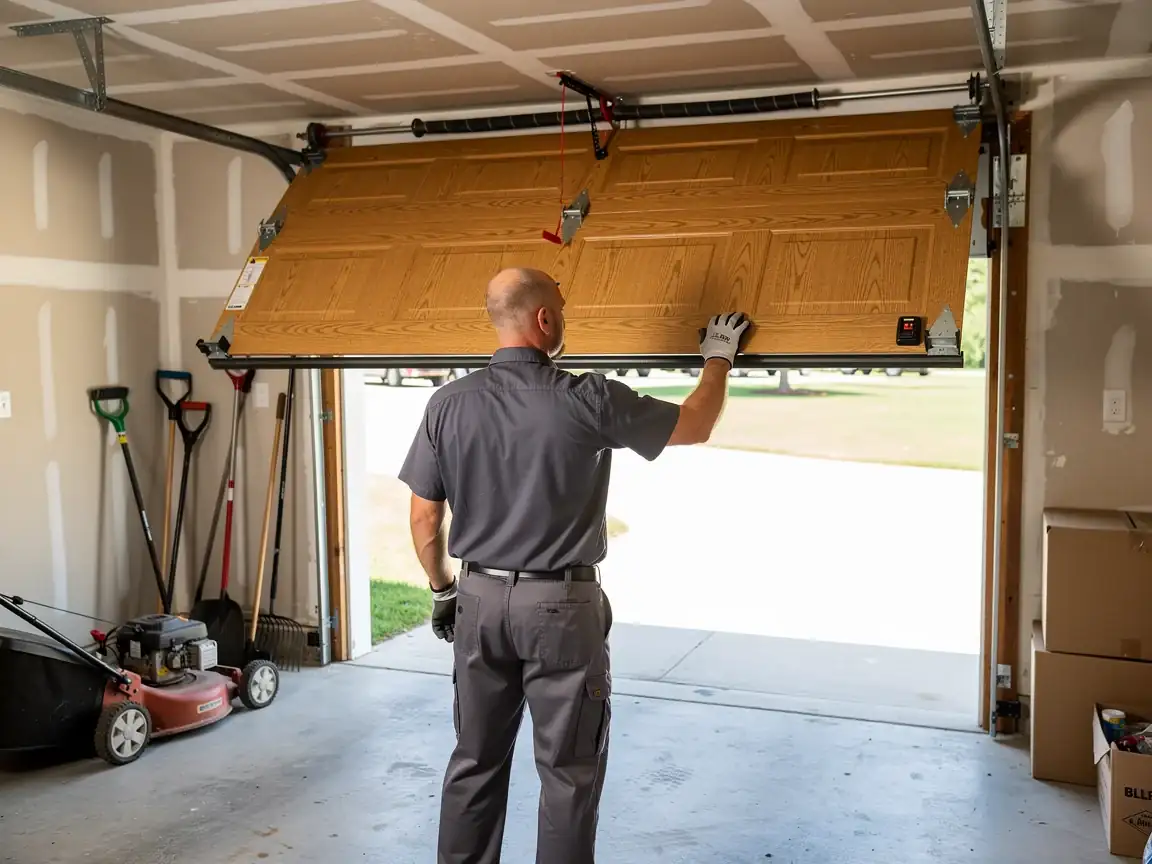
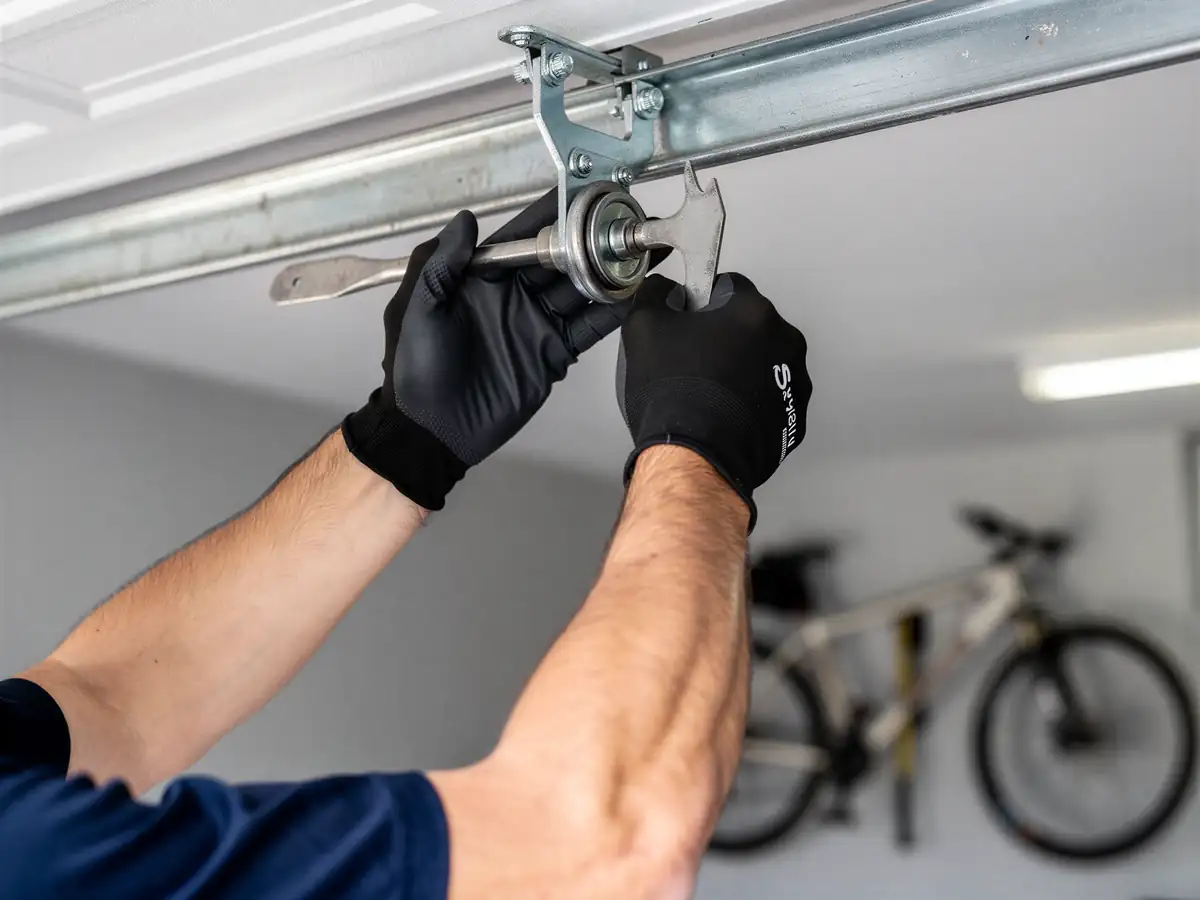
A full roller swap means supporting the door, pulling each hinge bracket free, sliding the old roller stem out of its socket, and setting a new one in - nylon rollers if you're moving off the original steel, which most owners here do, since nylon doesn't chip the same way and runs quieter in cold weather. Each bracket gets checked for wear at the same time, since a bent bracket will chew through a new roller just as fast as the old one wore.
On a door that's never had this done since 1992, we also check the track alignment while everything's open, since three decades of rollers riding slightly worn wheels can leave faint grooves in the track itself.
The Complications
The complication in a lot of Urbandale homes isn't the roller, it's the track. If the door's original to a 1992 build, the track brackets are original too, and three decades of a slightly-off roller riding the rail can leave the track bent just enough that a new roller still binds. In that case, the roller job turns into a track-and-roller job, and that's a longer visit than a straight swap.
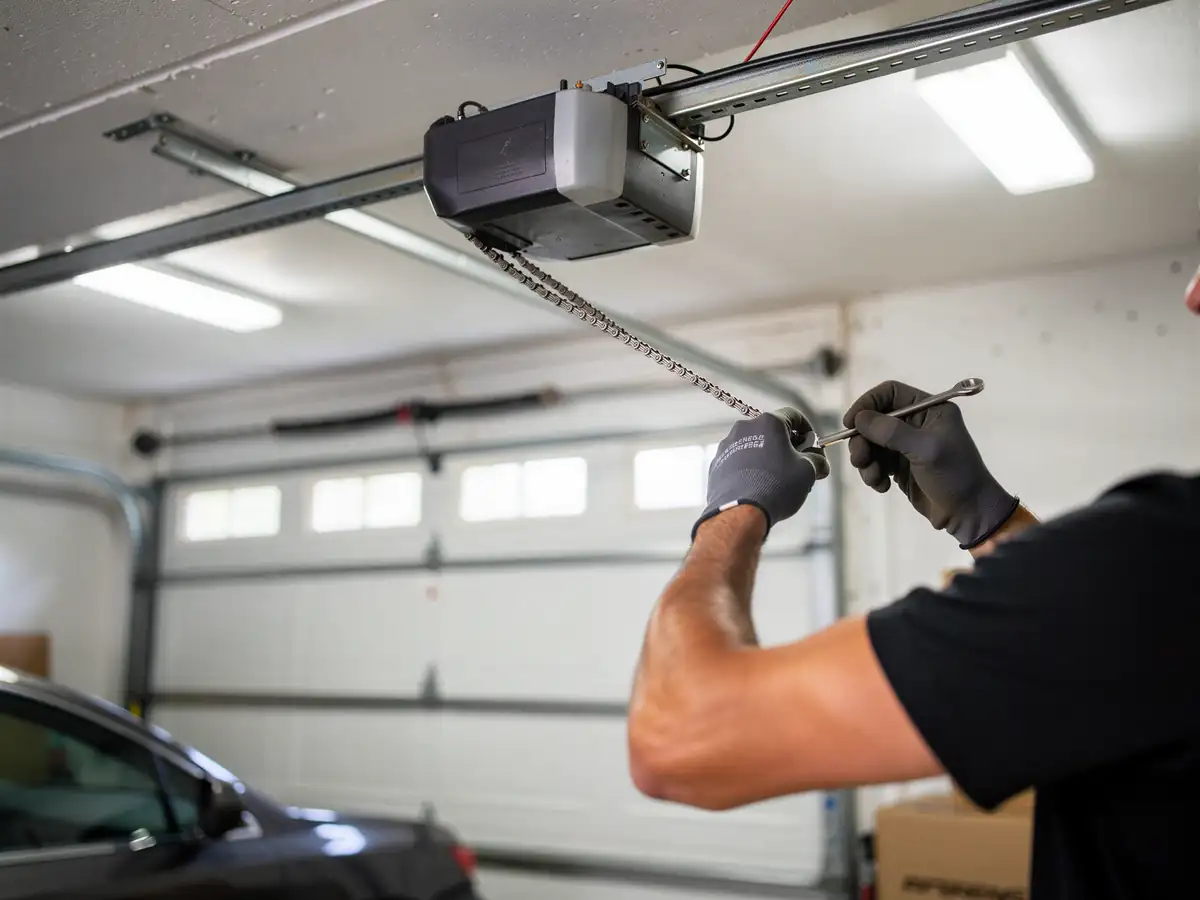
The other complication is the opener. If the door's still on its original chain-drive opener from the same era, a smoother-running set of rollers sometimes exposes how worn the opener's drive gear already is - the door runs quiet now, but the opener starts sounding rough by comparison. That's a separate repair, not something we fold into a roller job.